Why Is The Marseillaise So Called?
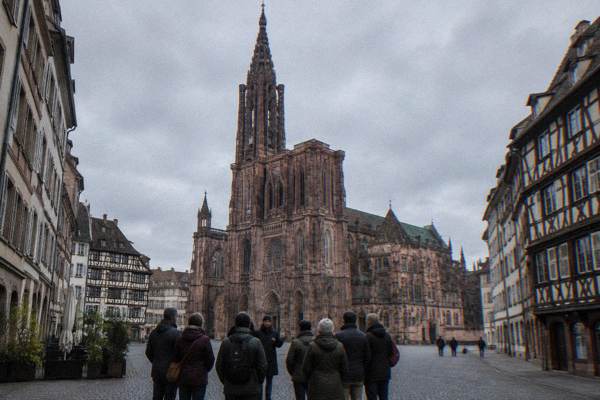
The French national anthem was born as a war song in Strasbourg, then picked up the name of Marseille on the streets of Paris. Here is how that happened, and where to see the story in the city today.
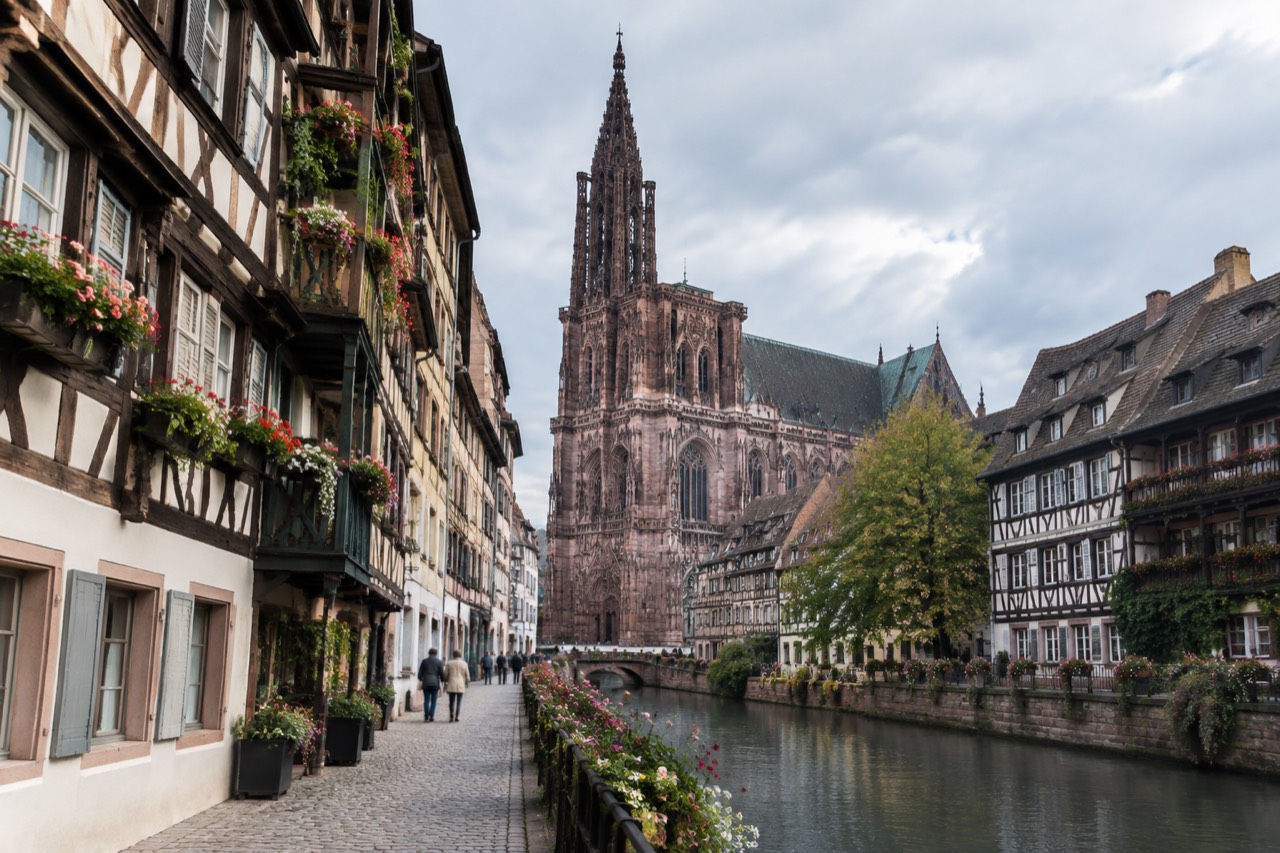
France's national anthem is called the Marseillaise, yet the song was not written in Marseille and had nothing to do with that city when it was composed. It was written in Strasbourg, the Alsatian capital on the Ill beside the Rhine border, as a marching song for the army of the Rhine. The name stuck later, in Paris, when volunteer soldiers from Marseille entered the capital singing it, and Parisians attached the singers' home city to a tune they had never heard before. The anthem is, in other words, one of Strasbourg's own exports, and the mismatch between its name and its birthplace is one of the small oddities of French history.
Why Is The Marseillaise So Called?
The Marseillaise is so called because volunteers from Marseille marched into Paris singing the song, and the Parisian crowd named it after them. The anthem was not written in Marseille at all: it was composed in Strasbourg, in north-eastern France, as a war song for the French army gathered on the Rhine. The soldiers who made it famous simply came from the south, and the city on their banners became the name history remembers.
The full story needs a little context. In the early years of the French Revolution, France found itself at war with several European powers, and the Rhine was a front line. Strasbourg sat right on that front, a garrison city full of officers, volunteers and refugees, and the story is told locally that a stirring song was wanted to send the troops off with.
Marseille then enters the story by accident. A battalion of volunteer federes from Marseille, marching north to defend the revolution, learned the song on the road and sang it loudly as they entered Paris. To the Parisians who heard them, the tune was simply "the song of the men from Marseille", and the label stuck. Within weeks the anthem was being called by the name of the southern city, and no amount of correcting the record afterwards could shift it.
Where Was The Anthem Actually Written?
The anthem was written in Strasbourg, in Alsace, during the opening phase of the revolutionary wars, and the story of its composition is tied to the city's military circles of the day. It was conceived as an urgent piece of propaganda for French troops about to march east towards the Rhine. Strasbourg was not a random backdrop: it was the logical place to write a war song for the Rhine army, because the Rhine army was being assembled in and around the city.
The detail that surprises people is not the city but the speed. Local tradition holds that the song was put together almost overnight, in a burst of wartime urgency, and while the anecdotes around that night vary in the telling, the essential point is not in dispute among historians: the anthem is a product of Strasbourg's wartime atmosphere, written for soldiers who expected to be fighting within days on the frontier a short distance from where they stood.
Strasbourg's position explains the song's original mood. This was a frontier city, heavily fortified, looking across the Rhine at hostile armies, and the anthem's lyrics are exactly what you would expect from that situation: a call to arms, verses about tyrants and slavery, a chorus meant to be shouted by men about to risk their lives. The romantic image of the anthem as a Parisian revolutionary hymn came later. In its first form it was a Rhine-frontier recruiting song, and Strasbourg, with its fortress walls and its garrisons, was its natural home.
| Question | Answer |
|---|---|
| Where was the anthem written? | In Strasbourg, Alsace, during the revolutionary wars |
| What was it originally? | A war song for the French army of the Rhine |
| Who made it famous? | Volunteer soldiers from Marseille, singing it in Paris |
| Why the name? | Parisians labelled the tune after the Marseille men who sang it |
| Is it still tied to Strasbourg? | The city treats it as part of its revolutionary heritage |
For visitors who want the story told on the ground, a guided walk is the natural format, and the roster includes several options whose details, prices and ratings render on their own listings. One good fit for this particular thread is the hidden-stories small-group walk, which spends its time on the layers of Strasbourg's past that a casual stroll misses.
To hear the story told on the ground, book a guided walking tour here.
How The Song Reached Paris And Got Its Name
The song reached Paris through the marching volunteers of Marseille, who sang it as they entered the city, and the name attached itself in that moment. Parisians had not heard the tune before, they knew only that the men singing it had come from Marseille, and so they called it the Marseillaise. The name is a snapshot of one specific arrival in the capital, preserved in the French language ever since.
The volunteers' route matters to the story. Marseille's federes marched the length of France to reach the capital, and a marching song is exactly what a long column of soldiers needs. By the time they arrived in Paris the tune had become their signature, sung at every stop and every halt, and the city's residents encountered the song and its singers together, as a single package. That is how misattributions of this kind work: the audience names the artefact after the people who introduced it, not after the person who made it or the place it came from.
It helped that the song was genuinely good at its job. The chorus is short, loud and repetitive, ideal for untrained voices on a march, and it spread from the Marseille battalion to other units and then to the Paris crowds almost immediately. Within a short span the song was being sung in theatres and streets under its new name, and the original connection to Strasbourg and the Rhine army faded from general memory. The song's author, whose identity belongs to the standard histories of the period rather than to this page, spent much of a long later life watching a Rhine war song travel the country under a southern city's name.
The anthem's afterlife only deepened the irony. Adopted, abandoned and readopted across the following decades of French political turmoil, it eventually settled as the permanent national anthem, so the misnomer became official. Today the song opens French state occasions, Olympic medal ceremonies and school mornings, and every one of them repeats a Parisian street label coined in a single week.
For travellers who want to trace the wider story, the Strasbourg Travel Guide covers the city's revolutionary and imperial layers in detail, and the European quarter holds a different chapter of French institutional history entirely.
What To See In Strasbourg Connected To The Story
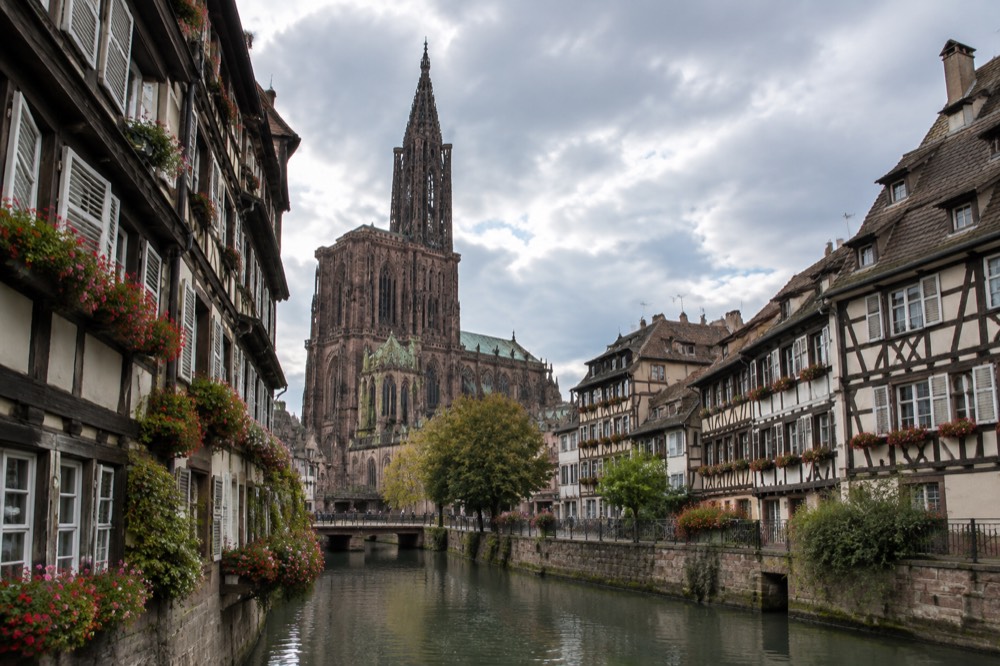
Strasbourg keeps the anthem's story alive in its streets rather than in a single museum: the place associated with the song's writing sits in the historic core near the cathedral, and the wider revolutionary heritage of the city is visible in its squares, its fortifications and its river front. There is no grand anthem museum, but the geography of the story, a garrison city on the Rhine, is all around you.
The Place Kléber, the Grande Île and the riverside terraces of the Krutenau all belong to the same walkable world in which the anthem was conceived. The covered bridges and the Barrage Vauban terrace, with its seasonal opening hours, still show the military logic of a city that was built to be defended, and that logic is the anthem's real birthplace. A visitor who understands that Strasbourg was a fortress facing east understands the song better than any plaque can explain.
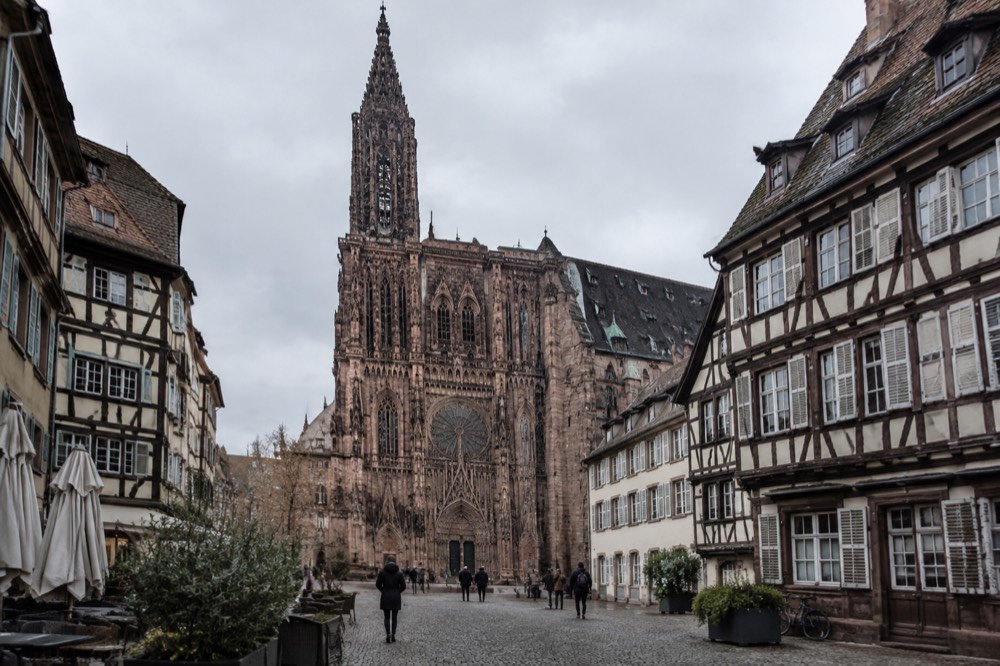
Guided formats suit this material well because the story is one of context, not of objects. The hidden-stories walk mentioned above is one option; the segway tour of the city and its European quarter is another, folding the distances of the newer districts into a single loop, with live availability on the operator's listing. For readers who prefer to go deeper into the region's past, the Best of Alsace historical day trip reaches the castles and villages that framed the frontier world the anthem came from, and its details render on its own listing.
| Way to explore the story | What it covers | Who it suits |
|---|---|---|
| Small-group hidden-stories walk | The overlooked layers of the historic core | First-time visitors who like narrative detail |
| Segway tour of the city and European quarter | Old Strasbourg plus the modern institutions | Travellers short on time, comfortable on wheels |
| Best of Alsace historical day trip | The region's castles and villages beyond the city | Visitors staying several days |
| Self-guided walk of the Grande Île | The cathedral, the Ill and the timber-framed quarter | Anyone, at any pace |
How The Name Stuck And What It Means Today
The name stuck because it was coined by the loudest audience the song ever had: the Parisian street. Once the crowd had decided the tune belonged to the Marseille men, printers, theatres and songbooks repeated the label, and the original Rhine-frontier title dropped out of use. Names that survive are the ones a large public finds convenient, and "Marseillaise" was convenient, short and already famous by the time anyone thought to ask whether it was accurate.
There is a lesson here that goes well beyond one anthem. Attribution in popular culture follows the path of transmission, not the path of creation, and the Marseillaise is the textbook case. The city that gave the song its subject matter, its urgency and its first audience is a border city in Alsace, while the city that gave it a name is a Mediterranean port whose soldiers happened to learn it on the road north. Strasbourg kept the song; Marseille kept the credit.
For Strasbourg itself, the anthem is one strand of a much larger identity, the French city that has spent its whole recorded life moving between French and German orbits, which is the subject of our piece on whether Strasbourg is more German or French. That back-and-forth shaped the frontier mentality the song was written in, and it explains why a war song written on the Rhine could speak so directly to the whole country. The same borderland history surfaces in our account of Strasbourg's wartime bombing, a reminder of how heavily this ground was fought over in the century that followed.
The anthem's story also sits inside a city that visitors keep asking questions about, and the practical ones are answered elsewhere on this site: how many days in Strasbourg is enough, and whether Strasbourg is a walkable city. The short version is that the historic core rewards time on foot and that the anthem's geography, a compact fortress city around a river island, is exactly the part best seen slowly.
Common Questions About The Marseillaise
Why is the Marseillaise so called?
It is called the Marseillaise because volunteers from Marseille sang it as they entered Paris, and the Parisian crowd named the song after them. The anthem was actually written in Strasbourg, as a war song for the French army of the Rhine.
Was the Marseillaise written in Marseille?
No. It was written in Strasbourg, in Alsace, during the revolutionary wars. Marseille's only role was to supply the soldiers who popularised the song in the capital.
What was the anthem called before it was the Marseillaise?
It circulated as a war song for the army of the Rhine. The Parisian label replaced those descriptions within weeks of the Marseille volunteers' arrival.
Can you visit the place where the anthem was written?
The site associated with the song sits in Strasbourg's historic core, near the cathedral, and the city treats it as part of its revolutionary heritage. A guided walk of the old town is the easiest way to have the story explained on the spot, and the cathedral's own hours are published on its official page.
Is the Marseillaise connected to Strasbourg's German history?
Only indirectly. The song belongs to the period when Strasbourg was a French frontier city facing east, and that borderland position shaped the anthem's call-to-arms character. The city's later passages under German rule are a separate chapter of its history.
Do Strasbourg locals claim the anthem?
Strasbourg presents the anthem as part of its heritage, and the city's story of the song is told on its guided walks and in its local history. The name, however, remains Marseille's, and no serious effort has ever reclaimed it.
The Marseillaise remains the clearest example of a national symbol named after the wrong city, and Strasbourg, which wrote it, seems content to let the story be told rather than the credit be fought over. Any traveller who walks the Grande Île with the song's origin in mind is hearing the anthem the way its first audience did: as the voice of a fortified river city on the edge of France.