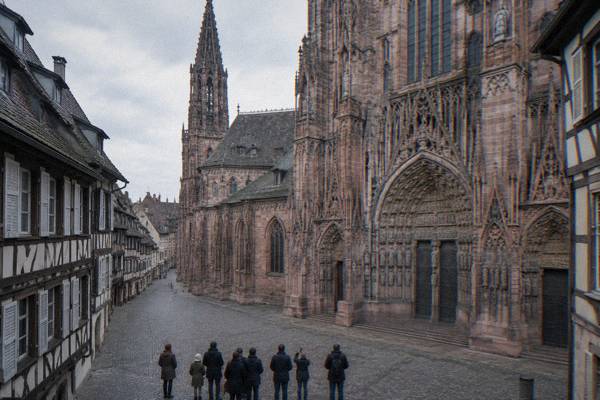
Strasbourg Old Town
The Grande Île is the island heart of Strasbourg, France, a UNESCO-listed tangle of half-timbered streets, the single-spired cathedral, Petite France and the river Ill, covered end to end on foot in a day.
Short answer
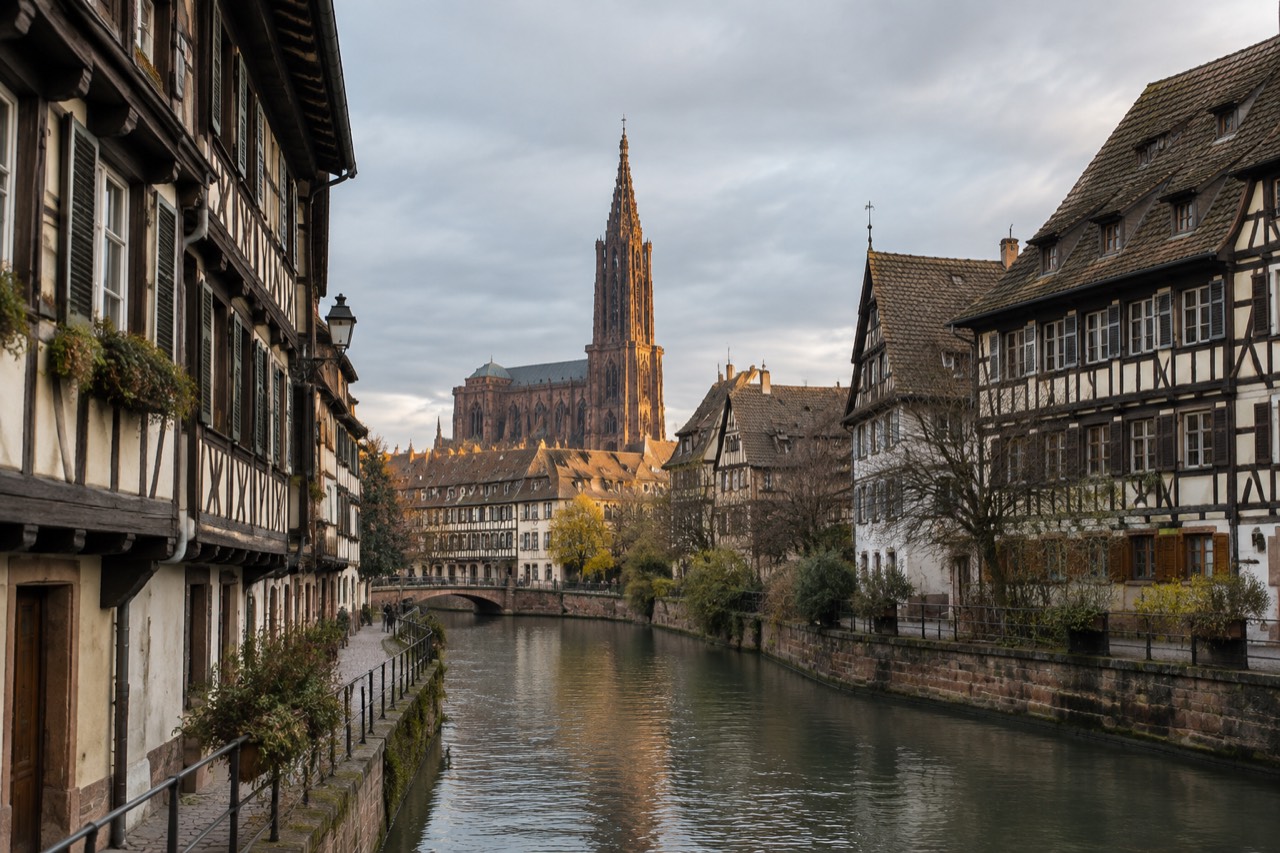
The Strasbourg Old Town, the Grande Île, is a river island in central Strasbourg, France, inscribed by UNESCO in 1988 and extended to the Neustadt in 2017. Key costs: cathedral platform 10 EUR, astronomical clock show 4 EUR, museums 9 EUR, 24-hour transport pass 4.60 EUR. Allow one full day minimum.
Strasbourg sits in Alsace, in the Grand Est region of north-eastern France, on the River Ill a short way upstream from the Rhine, which forms the border with Germany here. The city's commune counted 293,771 residents at the last INSEE census in 2023, and the part that travellers come for is the Grande Île, the Old Town island where the Ill splits into canals around a core of half-timbered streets, the cathedral, museums and markets. UNESCO inscribed the Grande Île in 1988 and extended the listing to the neighbouring Neustadt district in 2017, which makes this one of the tightest concentrations of protected heritage in France. Everything on the island is walkable, and this guide covers what to see, what tickets cost, how to move around, where to eat and how the island changes at Christmas. For the wider city beyond the water, start with Strasbourg Travel Guide and branch out from there.
What Is The Strasbourg Old Town?
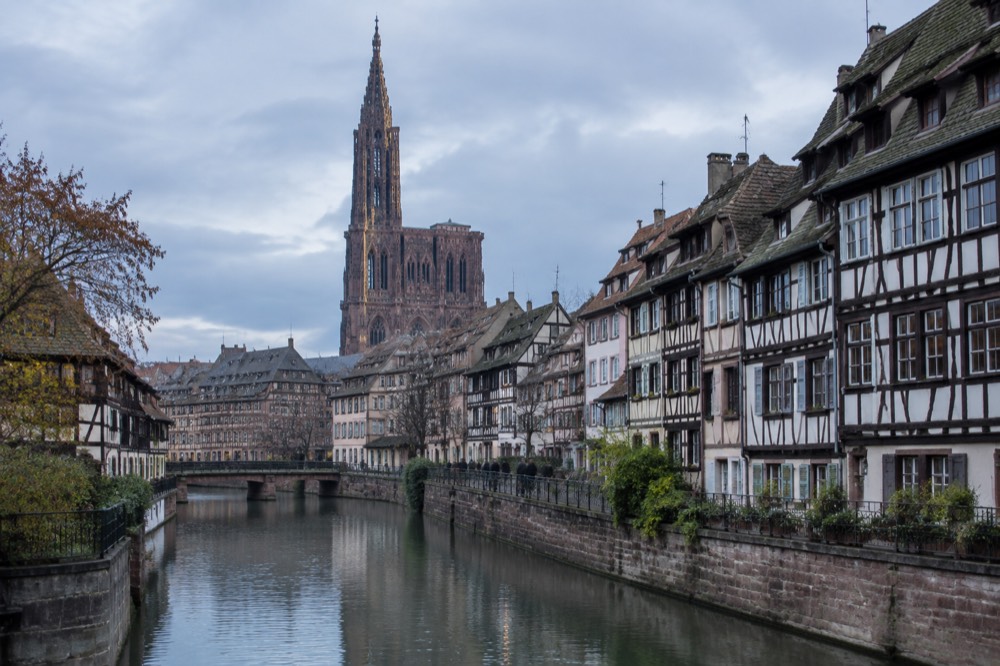
The Strasbourg Old Town is the Grande Île, a river island formed by the arms of the River Ill in the centre of Strasbourg, France, and it holds the cathedral, Petite France, the Covered Bridges, Place Kléber, Place Gutenberg and the cluster of museums around Palais Rohan. UNESCO inscribed it in 1988 and extended the listing to the Neustadt in 2017. It is compact enough to cross on foot in under half a day at a steady pace.
The name is literal. Grande Île means "big island", and the Ill, which rises in the Alsace hills and joins the Rhine north of the city, divides around the historic core so that water touches the Old Town on every side. The island is the medieval and Renaissance city that survived: half-timbered houses with steep roofs, narrow lanes that open unexpectedly onto squares, and the sandstone mass of the cathedral at the high point. Across the Ill to the east lie two more areas worth knowing, the late-imperial Neustadt district and the student-and-winstub quarter of Krutenau, and the contrast between the three is part of what makes Strasbourg unusual among French cities.
The island is not a museum piece. It is the working centre of a regional capital: the shops on the rue des Grandes Arcades, the market life around Place Kléber, the winstubs serving lunch to office workers, and the tram lines that cross the edges of the island on their way between the station and the Rhine. The Gare district on the far side of the water handles the arrivals, and from there a visitor is on the island within a few minutes of walking.
A note on scale, because it changes how you plan. The Grande Île is small by the standards of old cities. A determined walker can cross it corner to corner without stopping, and the pleasure of the place is in the stopping: a courtyard off the rue des Orfèvres, the terrace of the Barrage Vauban, the west front of the cathedral changing colour as the light moves. Plan a slow day rather than a fast itinerary.
What To See In The Grande Île?
The core sights inside the Old Town are Strasbourg Cathedral with its 66 m platform and astronomical clock, the Petite France riverside quarter, the Covered Bridges and the Barrage Vauban terrace, the public squares of Place Kléber and Place Gutenberg, the Palais Rohan museums, and the Musée de l'Œuvre Notre-Dame beside the cathedral. One long walking day covers all of them; two days lets you enter the paid interiors without rushing.
The table below is the practical map of the island. Distances between these places are short, and the order matters less than the pacing, though the cathedral interior and the clock show are tied to fixed times, so they anchor the day.
| Sight | What it is | Why go | What to check |
|---|---|---|---|
| Strasbourg Cathedral | Gothic cathedral with a single spire and a 66 m viewing platform | The interior, the west front and the view over the rooftops | Nave hours and platform hours, both seasonal |
| Astronomical clock | Working astronomical clock inside the cathedral | The 12:30 automaton show, ticketed on the day only | Ticket sales open at 10:00 at the cathedral stalls |
| Petite France | Former tanners' and millers' quarter of half-timbered houses | Canals, weirs and the most photographed streets on the island | Nothing ticketed; just walking |
| Covered Bridges and Barrage Vauban | Historic river defences with a panoramic terrace | The classic view over Petite France and the spire | Terrace has seasonal opening hours |
| Place Kléber | The main public square of the city | Christmas tree site, shops and the Aubette | Events and markets on the square |
| Palais Rohan | Former episcopal palace housing three museums | Beaux-Arts, Archaeological and Decorative Arts collections | Museum ticket and free first Sundays |
| Musée de l'Œuvre Notre-Dame | Medieval and Renaissance sculpture museum | Cathedral originals and Upper Rhine art | Reduced rate with a platform ticket |
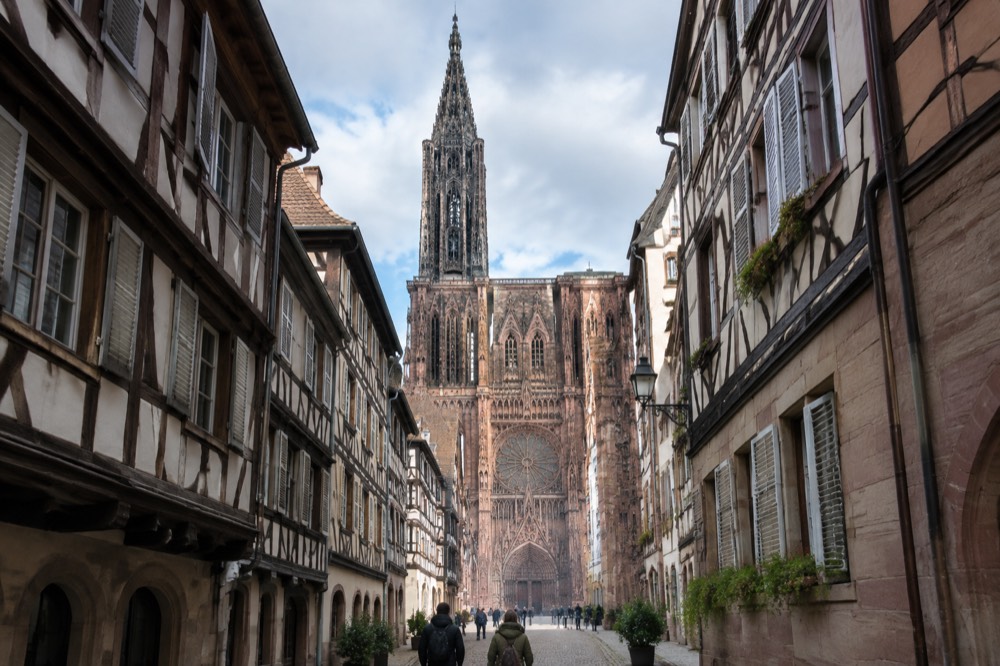
Two of these sights deserve their own sections below, the cathedral because its tickets and times trip people up, and Petite France because it is what half the island's visitors came for. The rest can be folded into a walk: Place Gutenberg and Place Kléber sit on the island's main axes, the Maison Kammerzell stands on the cathedral square as the most decorated timber house in the city, and the museums cluster within two streets of each other around the Palais Rohan.
If the plan is to see the island with someone who knows the stories rather than alone, the format choice is between walking and wheels. A guided bike tour with a local guide loops the island and the river banks in one outing and suits travellers who want the narrative without the legwork of a full walking day: Check availability.
Prefer the stories told on foot with a local? Book a free walking tour here.
How Do The Cathedral And The Astronomical Clock Work?
The cathedral nave opens Monday to Saturday 08:30-11:15 and 12:45-17:45, and on Sundays and feast days 14:00-17:15. The platform at 66 m costs 10 EUR full fare, 6 EUR reduced, children under 6 free. The astronomical clock automaton show runs daily at 12:30 sharp, ticket 4 EUR, and tickets are sold on the day only, from 10:00 at the cathedral stalls or from 11:30 at the Saint-Michel entrance.
The split morning is the detail that catches visitors out. The nave closes to sightseers between 11:15 and 12:45 on weekdays because it is a working cathedral, and the midday closure is exactly when the clock show happens, so the two visits need separate planning. The clock show is not a glance at a mechanism: it is a ticketed seated viewing of the full automaton sequence at 12:30, and because tickets are day-of only, anyone wanting a seat should buy early in the morning and then use the gap for the platform or the museum next door.
| Ticket | Price | Notes |
|---|---|---|
| Platform, full fare | 10 EUR | 66 m, reached by stairway inside the tower |
| Platform, reduced | 6 EUR | Children 6-18, students and others in the reduced category |
| Platform, children under 6 | Free | Stated on the official platform ticket |
| Clock show, adult | 4 EUR | 12:30 daily, day-of purchase only |
| Clock show, groups and students | 3 EUR | Groups of 12 or more, students to 25 |
| Clock show, children 6-17 | 2 EUR | Same day-of rules |
Platform hours shift with the seasons: from 1 April to 30 September it runs 09:30-13:00 and 13:30-20:00 with last ascent at 19:15, and from 1 October to 31 March it runs 10:00-13:00 and 13:30-18:00 with last ascent at 17:15. The platform closes on 1 January, 1 May and 25 December. A platform ticket also gives a reduced rate at the Musée de l'Œuvre Notre-Dame across the square, which pairs the climb with the museum that holds the cathedral's medieval sculpture, so the two tickets in one morning is a natural sequence.
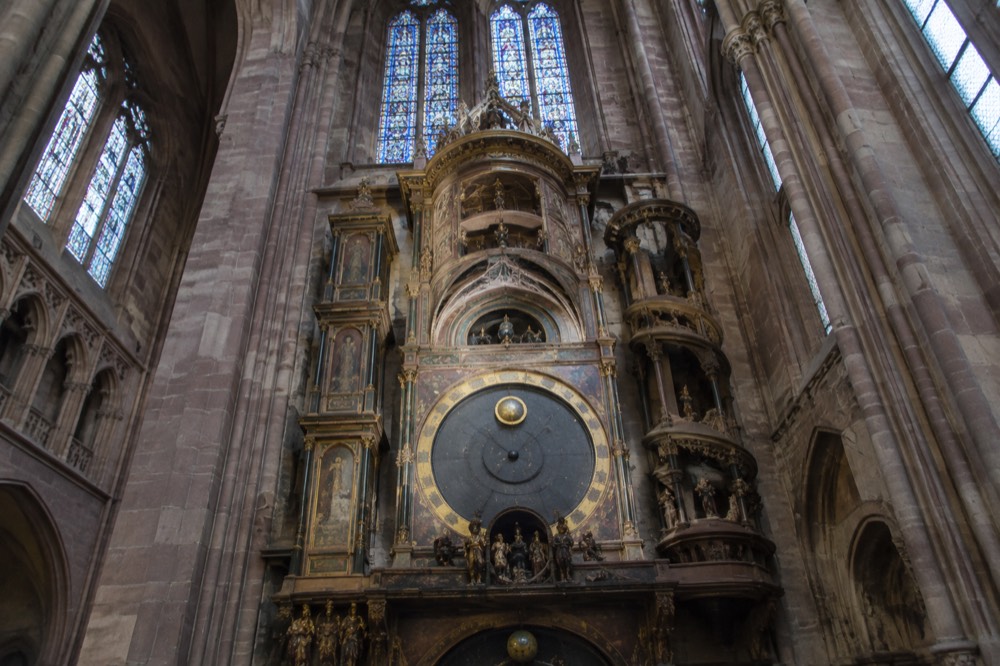
The cathedral's own pages carry the hours and the clock rules, and they are the place to confirm before a visit, because feast days and services change the pattern through the year. During the Christmas market season the cathedral keeps continuous weekday opening on the Place du Château side, 08:30-17:45, which is a help to anyone combining the clock show with the market stalls outside. There are no luggage lockers at the cathedral, so travellers arriving from the station should plan bags before heading to the square. The full sight has its own write-up in the Strasbourg Cathedral guide, and the clock mechanism itself is covered in the astronomical clock guide.
What Makes Petite France Special?
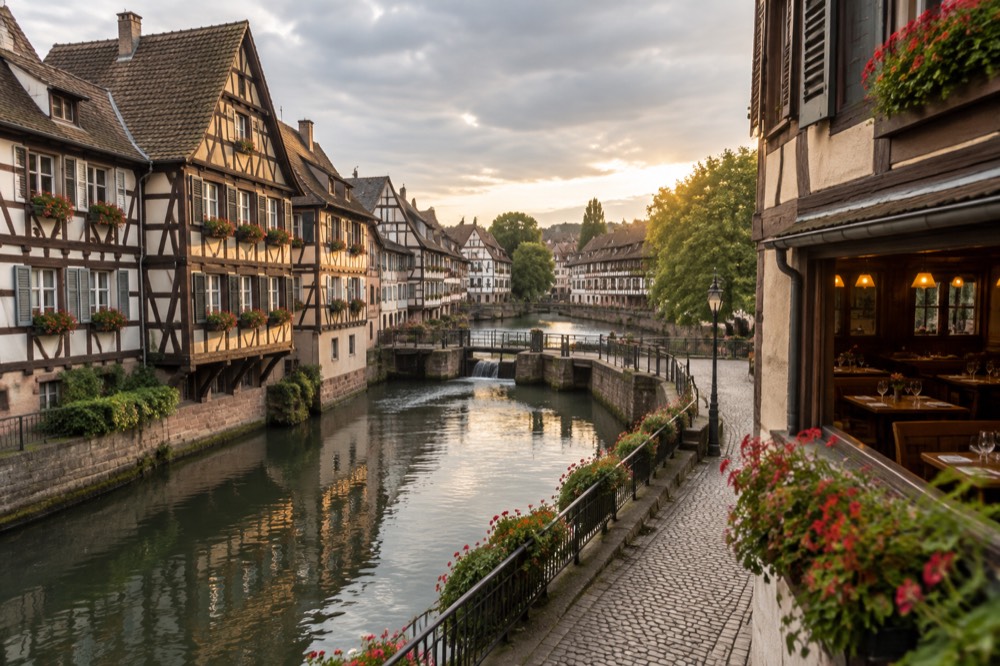
Petite France is the south-western tip of the Grande Île where the River Ill splits into channels, a quarter of half-timbered houses that was once the tanners' and millers' district, now the most photographed streets in Strasbourg. It is free to wander, needs no ticket, and its canals, weirs and covered bridges are the island's signature view.
The quarter earned its living from water. Tanners needed the river channels to wash and dry hides, millers needed the flow, and the houses grew up around the work: steep roofs with open gables where hides once dried, balconies over the water, and streets that follow the channels rather than a grid. That working origin is why the quarter feels different from the rest of the island: it is organic, low and close to the water, with the Covered Bridges and the weirs doing the work that gives the district its sound, which is moving water.
The classic view is from the Barrage Vauban terrace, the defensive barrage at the head of the quarter, which looks back over the Ponts Couverts, the spire of the cathedral rising behind them, and the whole spread of timber-framed roofs. The terrace has seasonal opening hours, and the pattern is on the official city page for the site, so check before promising anyone the view at a particular hour. The terrace sits at the western end of the quarter, which makes it a natural first or last stop on a Petite France loop.
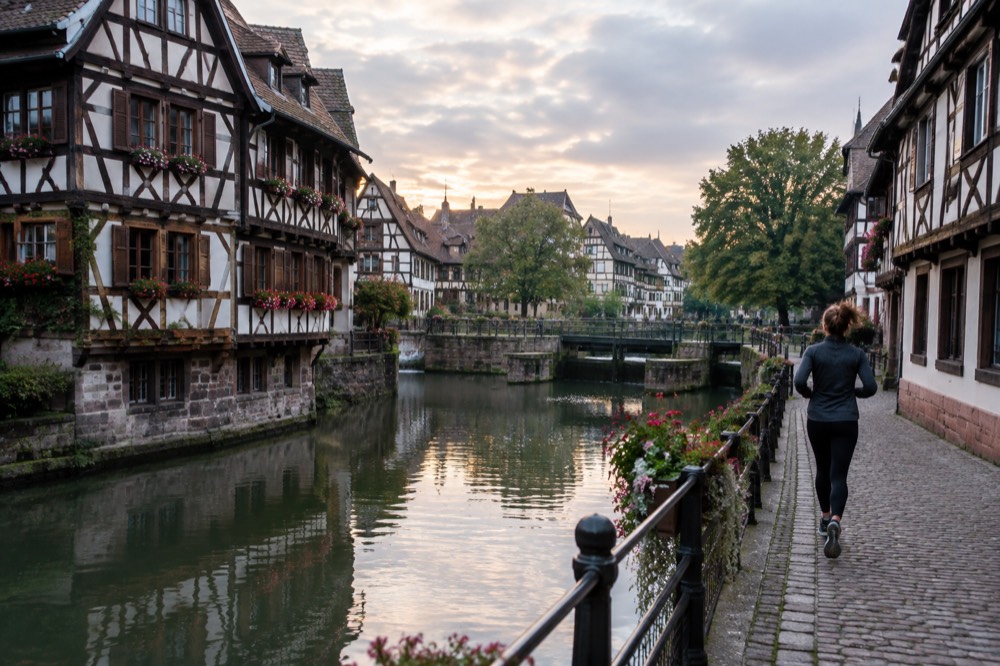
Petite France is small enough that the mistake is not missing it but only seeing it. The streets behind the waterfront, off the rue du Bain-aux-Plantes, are quieter than the quays and hold the better-preserved house fronts, and the quarter connects north to the rest of the Old Town through the tanners' lanes rather than a single main street. Early morning and the hour after sunset are when the quarter rewards photographers, because the tour groups move in a wave through the middle of the day.
For travellers who want the quarter explained rather than just walked, a guided visit that pairs the historic centre with Petite France covers the stories of the tanners, the weirs and the river defences in one loop. The full quarter has its own page in the Petite France guide, which goes deeper into the streets and the viewpoints.
Which Museums Sit On The Grande Île?
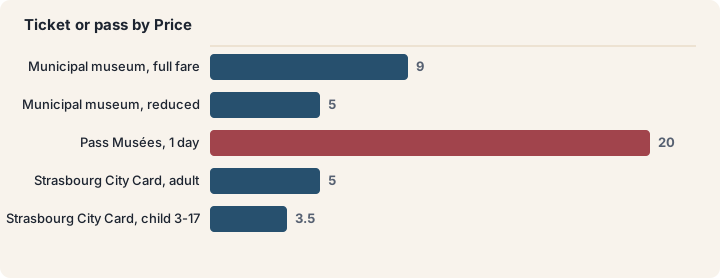
The island's museums are the Musée des Beaux-Arts, the Archaeological Museum and the Museum of Decorative Arts inside the Palais Rohan, plus the Musée de l'Œuvre Notre-Dame beside the cathedral. Tickets are 9 EUR full fare and 5 EUR reduced, a one-day Pass Musées costs 20 EUR, and every municipal museum is free on the first Sunday of each month. The Musée Alsacien is closed for works until 2028.
The Palais Rohan is the island's museum block: one building, three collections, a single ticket structure. The Beaux-Arts museum holds the fine arts, the Archaeological Museum covers the region's deep past from prehistory onward, and the Decorative Arts museum fills the palace's own grand rooms, so the building is part of the exhibit. Across the cathedral square, the Musée de l'Œuvre Notre-Dame keeps the medieval sculpture and Upper Rhine art that came off the cathedral itself, and it offers a reduced rate to anyone holding a platform ticket from the same morning.
| Ticket or pass | Price | What it covers |
|---|---|---|
| Municipal museum, full fare | 9 EUR | One museum, one visit |
| Municipal museum, reduced | 5 EUR | Reduced categories as listed by the museums |
| Pass Musées, 1 day | 20 EUR | The municipal museums over one day |
| First Sunday of the month | Free | All municipal museums, everyone |
| Strasbourg City Card, adult | 5 EUR | 7-day discount card, not an all-inclusive pass |
| Strasbourg City Card, child 3-17 | 3.50 EUR | Same discount structure |
The City Card deserves a clear explanation because it is easy to misread. It is a 5 EUR discount card valid for seven days, not a pass that includes entry: it takes money off museums, the boat tour, the cathedral platform, the clock and other attractions, so it pays for itself only across several paid visits. The MAMCS, the modern and contemporary art museum, sits just off the island's southern edge and follows the same municipal pricing, and the Palais Rohan itself is worth a look as architecture even for visitors who skip the collections.
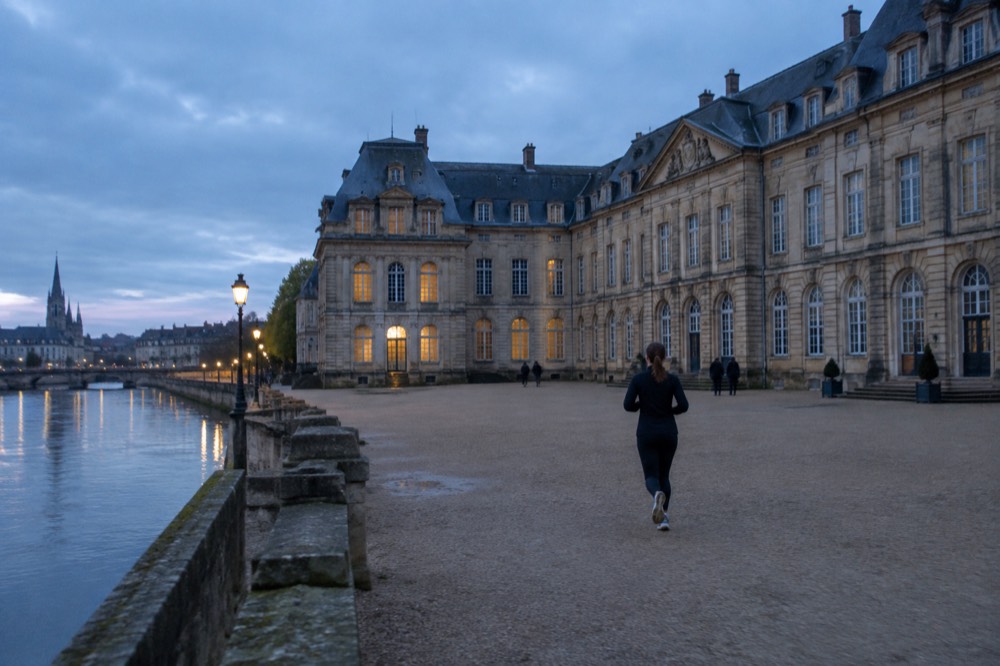
One closure matters for planning: the Musée Alsacien, the folk-life museum of Alsace, is shut for major works until 2028, so it cannot be part of any Old Town museum day. The rest of the municipal network is operating, and the free first Sunday is the single best value in the city's cultural calendar, worth building a weekend around if the dates align. For travellers who prefer their island history delivered by a guide rather than read off labels, a small-group curiosities walk between the history and the hidden corners of the Old Town is the format that fits.
How Do You Get Around The Old Town?
You walk. The Grande Île is pedestrian-first, and the trams and buses of the CTS network skirt its edges rather than crossing the core. A single ticket costs 1.90 EUR bought via the app, a Badgéo card or contactless, or 2.50 EUR on board a bus; a 24-hour Solo pass is 4.60 EUR and a 24-hour Trio for two to three people is 10.20 EUR.
The transport logic of Strasbourg is that the Old Town is for feet and the trams are for everything else. Lines run along the island's outer edges, past the station and across the river to the Neustadt, the European Quarter and the Rhine, and the stop names around the island's rim are what a hotel or host will use to direct you. Buying on board a bus costs more than buying ahead, so the app or contactless is the habit to form on day one.
| CTS ticket | Price | Notes |
|---|---|---|
| Single, bought ahead | 1.90 EUR | Badgéo card, CTS app or contactless |
| Single, on board a bus | 2.50 EUR | The expensive option, avoid if you can |
| 24h Solo pass | 4.60 EUR | One traveller, all CTS network |
| 24h Trio pass | 10.20 EUR | Two or three travelling together |
| Airport shuttle combined ticket | 4.60 EUR | Train, tram or bus and a 24h pass in one |
The airport line deserves its own sentence because it is unusually painless. The shuttle train runs from Entzheim airport to Strasbourg station in 8 minutes, up to five trains an hour through the day, and the combined ticket at 4.60 EUR covers the train plus a 24-hour city pass, which is the whole arrival problem solved for the price of a coffee and a croissant. The airport to city centre guide walks through that transfer in detail.
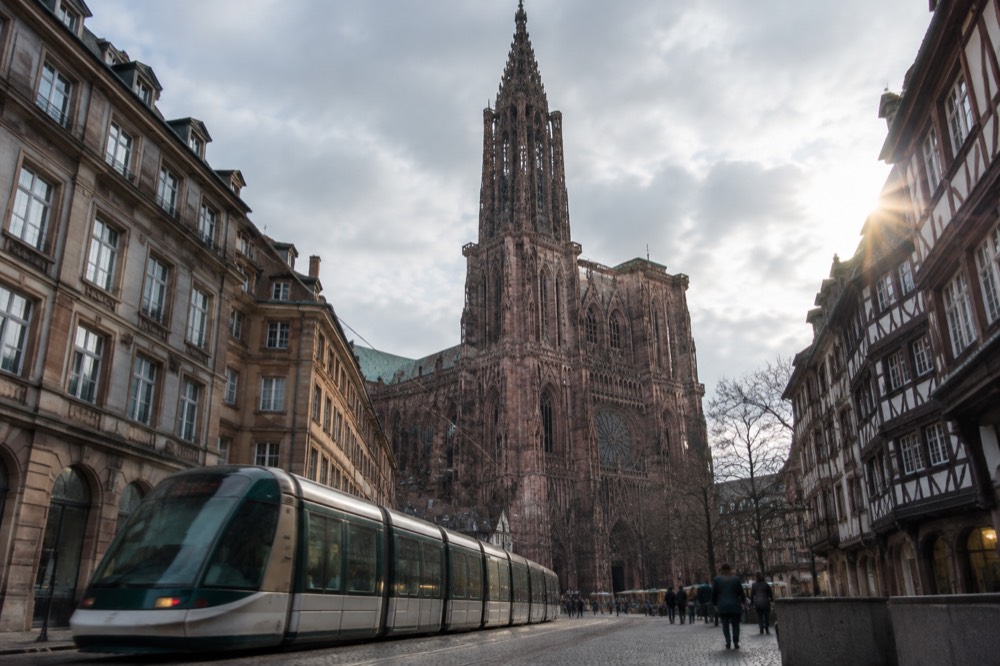
Inside the island, the alternatives to walking are wheels. The city's bike culture is real and the river banks are flat and traffic-calmed, which is why a guided bike tour with a local guide is the efficient way to see the Grande Île and its surroundings in a single loop, covering ground that would eat a whole walking day. The boat option is covered in the next section's neighbour, and the river cruise stop guide explains the port call version for visitors arriving on the water.
Where To Eat In The Old Town?
The Old Town's food runs through its winstubs, the Alsatian tavern-rooms serving tarte flambée, choucroute and baeckeoffe with local wine and beer, plus the market and street food around the squares. Expect regional cooking rather than fine dining in the timber houses, and expect the winstub rhythm: lunch service, a closed gap in the afternoon, then an evening sitting.
The winstub is the institution to understand. The word means "wine room", and the format is old: wooden benches, paper tablecloths, a chalkboard of the day's plats, riesling and sylvaner by the glass or the carafe, and a menu that has barely moved in a century because it does not need to. Tarte flambée, the thin crust with cream, onions and lardons, is the order that arrives fastest and disappears fastest. Choucroute, the heaped sauerkraut with sausages and pork, is the plate that ends most food tours. The winstub guide on this site lists the rooms worth booking.
| Dish or drink | What it is | When it fits |
|---|---|---|
| Tarte flambée | Thin flatbread with cream, onions, lardons | Lunch or a shared evening plate |
| Choucroute garnie | Sauerkraut with sausages and pork cuts | The full Alsatian dinner |
| Baeckeoffe | Slow-baked casserole of three meats and potatoes | A cold-day lunch |
| Kougelhopf | Alsatian ring-shaped brioche, sweet or savoury | Breakfast or with coffee |
| Riesling and sylvaner | The local dry whites | By the glass in any winstub |
| Alsatian craft beer | The city's own brewing tradition | Before opening hours, on some tours |
The squares carry the quicker options. Place Kléber and the streets off it hold the chains and the cafés, the market life moves through the week, and the Christmas season adds the food chalets that turn the whole island into an outdoor pantry, covered in the Christmas food guide. For travellers who want the eating explained as well as eaten, a traditional food walking tour with tastings moves through the Old Town's winstubs and speciality shops with a guide who narrates what is on the plate.
One honest note on the winstub experience: the rooms on the most photographed streets fill first and take the walk-in trade, so booking ahead is the difference between a table at 19:00 and a table at 21:30 in December. The locals-eat question has its own answer page on this site, and the short version is that the best rooms are a few streets off the water, in the lanes between the cathedral and the river, where the kitchen still cooks for the neighbourhood.
What Is The Grande Île Like At Christmas?
The Grande Île hosts Strasbourg's Christmas market, the oldest of the city's seasonal markets, which in the last edition ran from 26 November to 24 December 2025 and drew 3.05 million visits. The 2026 dates are not yet published; the pattern is an opening in the last week of November and a close on 24 December, early in the evening. Confirm the dates on the city's Christmas site before booking anything.
Strasbourg markets itself as the Capital of Christmas, and the Grande Île is where that claim lives. The stalls spread across the island's squares, dozens of chalets in the historic centre, with the cathedral square and Place Kléber as the anchors and the tree on Place Kléber as the symbol of the season. The scale is the point: last year's edition counted 3.05 million visits across the run, and the city's own press release carried that figure, which tells you what the streets feel like on a December Saturday.
| Christmas fact | Figure or pattern | Source to confirm |
|---|---|---|
| Last edition's dates | 26 November to 24 December 2025 | The city's Christmas site |
| Last edition's attendance | 3.05 million visits | The city's press release |
| Usual opening pattern | Last week of November | The city's Christmas site |
| Usual close | 24 December, early in the evening | The city's Christmas site |
| 2026 dates | Not yet published | The city's Christmas site |
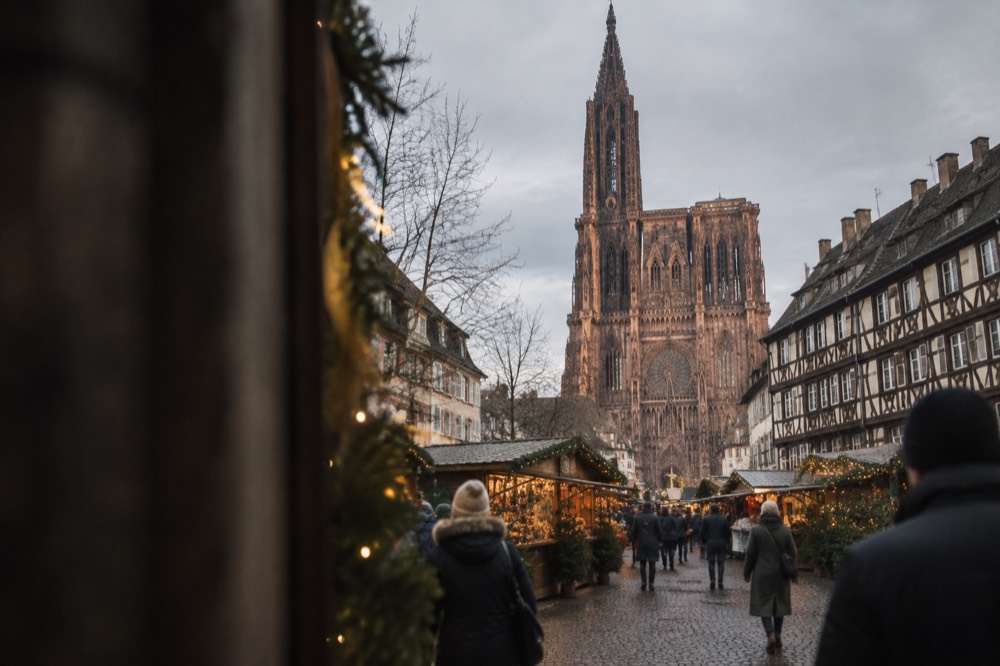
What the season does to the practicalities is worth knowing before you book. Hotel prices in and around the island rise steeply for the market weeks, a pattern covered in full in the December pricing answer on this site. The cathedral keeps continuous weekday opening through the market period on the Place du Château side, 08:30-17:45, which makes the clock show easier to combine with the stalls. The chalets typically open late morning and run into the evening, and the final day closes early, so a 24 December arrival is a different trip from a mid-week December one.
The island in December is also the moment when the surrounding areas earn their keep. The Christmas markets in Alsace guide covers the smaller towns within reach, and the winter guide covers the city beyond the stalls. For travellers basing themselves on the island for the market run, the where-to-stay question has its own page, and the honest answer is that staying on the Grande Île itself is the premium choice and the streets across the river are the value one.
Common Questions About The Strasbourg Old Town
What Is The Strasbourg Old Town?
The Strasbourg Old Town is the Grande Île, the river island at the centre of Strasbourg, France, holding the cathedral, Petite France, the Covered Bridges, Place Kléber, Place Gutenberg and the Palais Rohan museums. UNESCO inscribed the island in 1988 and extended the listing to the Neustadt in 2017.
What To See In The Grande Île?
The core sights are Strasbourg Cathedral with its 66 m platform and the 12:30 astronomical clock show, the Petite France quarter, the Covered Bridges and the Barrage Vauban terrace, the two main squares, and the museums of the Palais Rohan and the Musée de l'Œuvre Notre-Dame. One full walking day covers the ground.
How Do The Cathedral And The Astronomical Clock Work?
The nave opens Monday to Saturday 08:30-11:15 and 12:45-17:45, Sundays 14:00-17:15. The platform costs 10 EUR full fare, 6 EUR reduced. The clock show is daily at 12:30, ticket 4 EUR, sold on the day only from 10:00 at the cathedral stalls or 11:30 at the Saint-Michel entrance.
Which Museums Sit On The Grande Île?
The Palais Rohan holds the Beaux-Arts, Archaeological and Decorative Arts museums, and the Musée de l'Œuvre Notre-Dame sits beside the cathedral. Tickets are 9 EUR full fare, 5 EUR reduced, the one-day pass is 20 EUR, and every municipal museum is free on the first Sunday of the month. The Musée Alsacien is closed for works until 2028.
How Do You Get Around The Old Town?
On foot. The trams and buses of the CTS network run around the island's edges, with a single ticket at 1.90 EUR bought ahead or 2.50 EUR on board a bus, a 24-hour Solo pass at 4.60 EUR and a 24-hour Trio at 10.20 EUR. The airport shuttle train reaches the station in 8 minutes.
What Is The Grande Île Like At Christmas?
The island hosts the city's Christmas market, which in the last edition ran 26 November to 24 December 2025 and drew 3.05 million visits. The 2026 dates are not yet published; the pattern is an opening in the last week of November and a close on 24 December. Confirm on the city's Christmas site before booking.
The Grande Île rewards the traveller who slows down: one island, one cathedral, one river splitting into canals around it, and a day's walking between all of it. Plan the clock show and the platform climb around the midday nave closure, keep the museum Sunday in mind if the calendar allows, and leave the last hour of daylight for the Barrage Vauban terrace, where the whole Old Town arranges itself in one view.