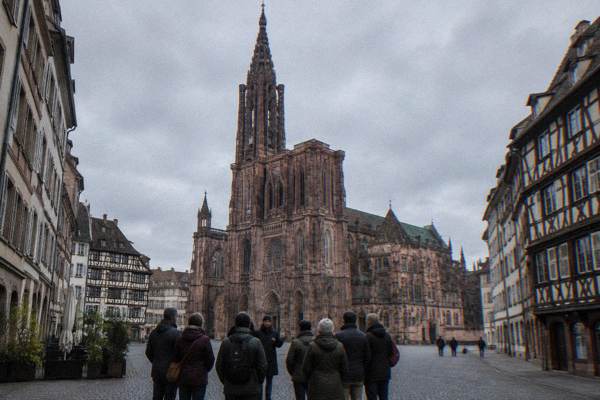
Krutenau Strasbourg
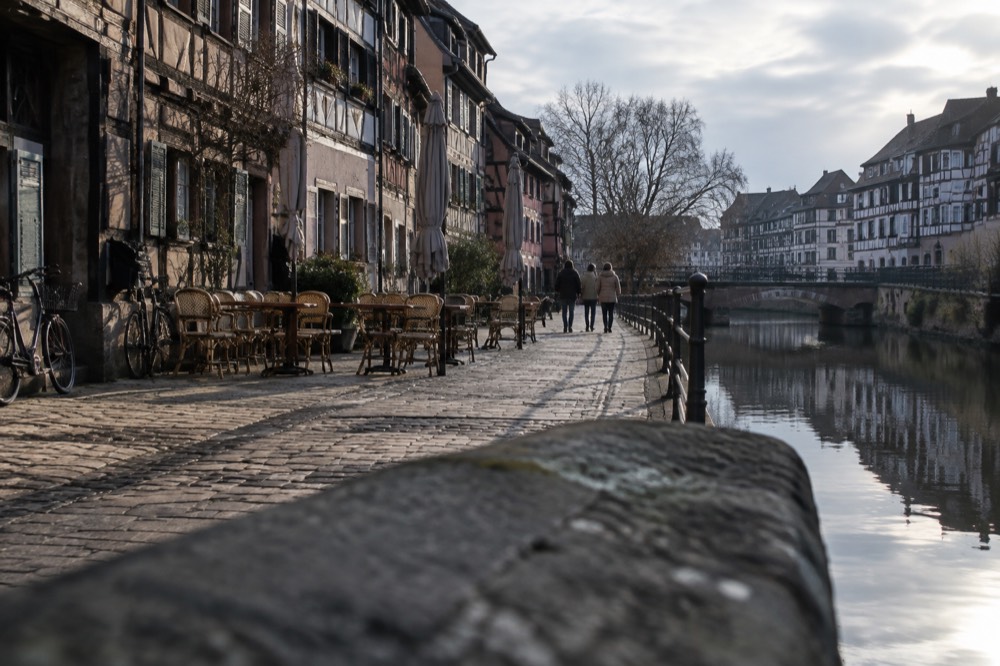
The Krutenau is the riverside quarter directly south of Strasbourg's Grande Île, where student life, half-timbered lanes and the quays of the Ill meet.
Short answer
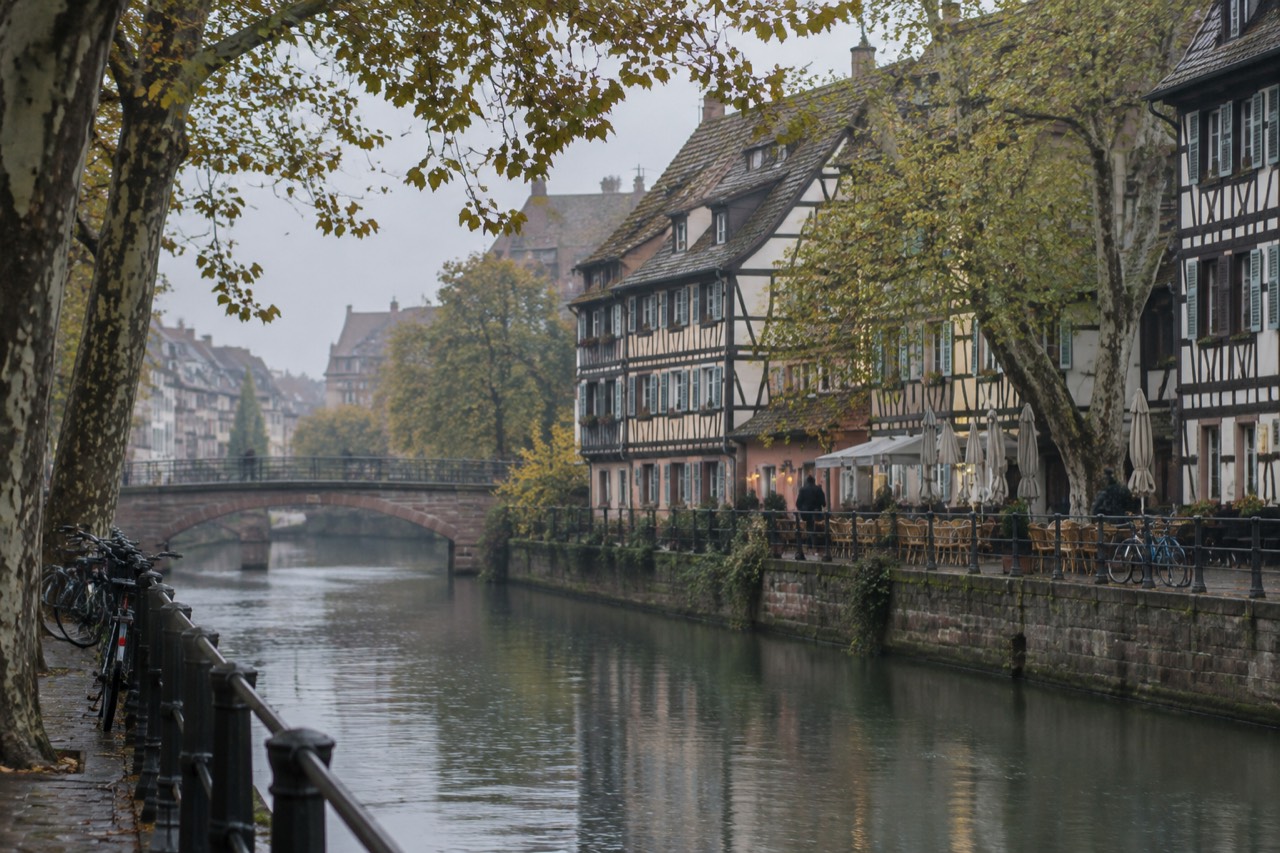
The Krutenau is the riverside student quarter immediately south of the Grande Île in Strasbourg, Alsace, north-eastern France. Expect half-timbered lanes along the Ill, university buildings, independent cafés and winstubs, plus walks to the Ponts Couverts and Barrage Vauban. A CTS single ticket costs 1.90 EUR, municipal museums 9 EUR, and the cathedral platform 10 EUR.
The Krutenau is the riverside quarter immediately south of the Grande Île in Strasbourg, the prefecture of the Bas-Rhin, in Alsace, north-eastern France. It sits on the left bank of the River Ill, with the German border and the Rhine a short distance to the east and the cathedral's single spire in view across the water. Where the Grande Île carries the city's showpiece sights, the Krutenau carries its daily life: university buildings, working bakeries, winstubs, and lanes that fill with students rather than tour groups. This guide covers where the quarter sits, what to see and eat in it, how to reach it on the city's trams and buses, and which guided walks pair well with a visit.
Where Is The Krutenau In Strasbourg?
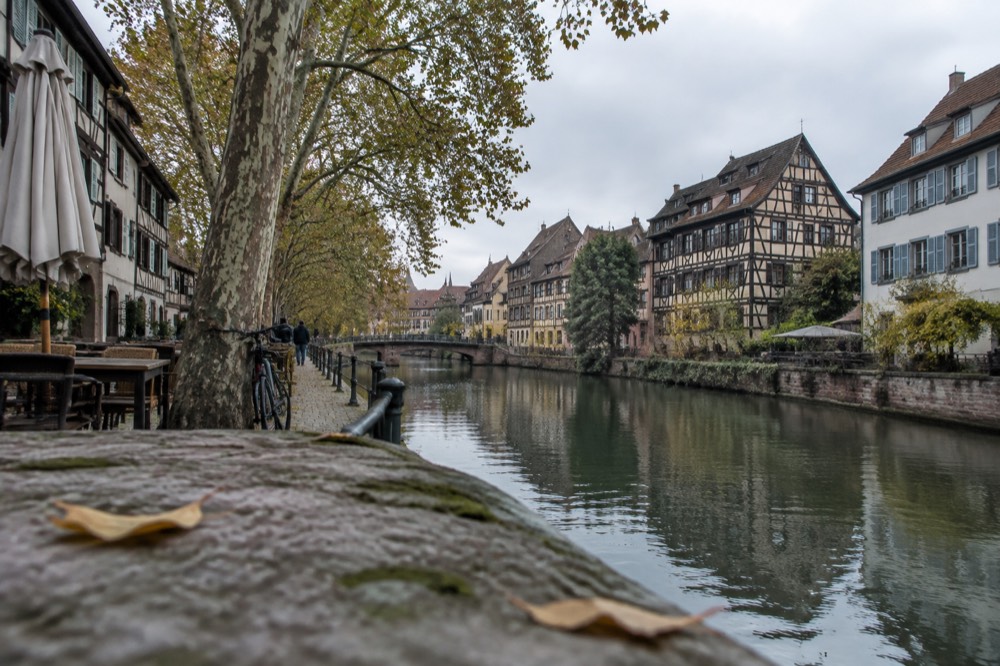
The Krutenau occupies the left bank of the River Ill immediately south of Strasbourg's Grande Île, in Alsace, north-eastern France. The Ponts Couverts and the Barrage Vauban stand at its western edge, the university campus presses against its southern side, and the cathedral's single spire stays visible across the water. You reach it by crossing a bridge out of the historic island, not by setting aside a separate excursion.
The quarter wraps around the southern and eastern flank of the Grande Île, the heart of the World Heritage property "Strasbourg, Grande-Île and Neustadt". Its name comes from the herb and market gardens that once occupied the low ground beside the Ill, and the ground still sits low: water defines the neighbourhood on nearly every side, from the quays along the Ill to the smaller channels that once fed the gardens. The Grande Île neighbourhood guide covers the island itself, and the contrast between the two is the whole point of crossing the bridge. The island is Strasbourg's stage; the Krutenau is its backstage.
Orientation is simple. Streets climb gently away from the water into a grid of narrow lanes, many still half-timbered, others rebuilt in plainer stone. To the north, the Petite France district sits just across the water, its former tannery houses facing the Krutenau quays. To the east, the quarter stretches towards the European Quarter, and beyond it the Robertsau, so a walk through the Krutenau can continue for a full afternoon without repeating itself.
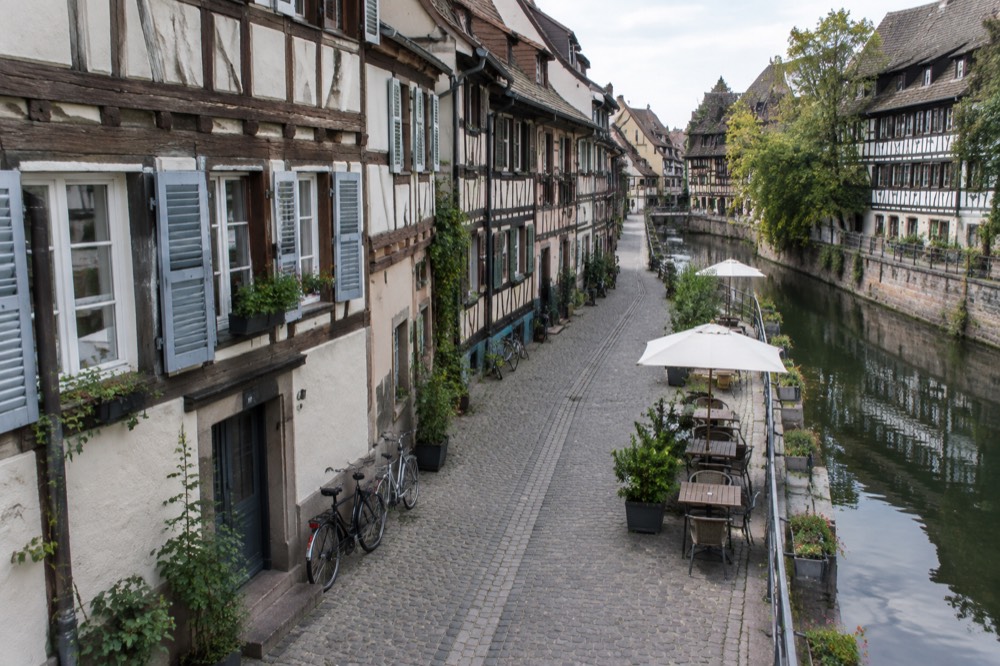
Everything worth stopping for sits inside that triangle or on its edges, and the whole of it is flat, walkable ground.
| Aspect | Detail |
|---|---|
| Location | Left bank of the Ill, south and east of the Grande Île |
| Western edge | Quai des Bateliers, Ponts Couverts, Barrage Vauban |
| Southern edge | University campus buildings |
| Character | Student quarter, riverside lanes, independent shops and winstubs |
| Neighbouring quarters | Grande Île across the water, European Quarter to the east |
| Terrain | Flat, low-lying ground beside the river |
What Is The Krutenau Known For?
The Krutenau is known as Strasbourg's student and riverside quarter: half-timbered lanes behind the quays, the university's campus buildings, independent bookshops, cafés and winstubs, and a street-art scene that keeps growing along its walls. It keeps a lived-in pace that the island across the water cannot offer in high summer. Its best-known museum, the Musée Alsacien, is closed for works until 2028.
The student presence shapes everything here. Lecture halls, libraries and university residences sit inside or beside the quarter, and the cafés, cheap eats and second-hand shops that follow a student population follow them here. Term-time evenings are loud in the best way: terraces full, bookshops open late, bicycles stacked against timber frames. Outside term, the quarter quiets but does not empty, because the winstubs and the quays belong to residents as much as to students.
Street art is the quarter's other signature. Murals and smaller pieces appear on gable walls, shutters and underpasses around the neighbourhood, and the scene renews itself continually. A dedicated street-art walking tour runs in Strasbourg and spends its time in exactly this kind of ground, which makes it a natural pairing for the Krutenau.
Beyond the walls and the terraces, the Krutenau is known for being genuinely Alsatian in its everyday register. Menus are chalked in French and Alsatian dialect, bakeries sell kougelhopf alongside baguettes, and the river traffic on the Ill passes below the quays all day. It is the quarter where the city stops performing for visitors and simply gets on with things, which is precisely why travellers who stay two or three days in Strasbourg tend to rank it among their favourite corners.
What To See In And Around The Krutenau
The Krutenau's sights pair a riverside walk with a handful of ticketed stops just across the water. The Ponts Couverts and the Barrage Vauban terrace anchor the western edge, the church of Saint-Thomas sits mid-quarter, and the MAMCS stands beside the Ill. Nearby, the cathedral platform costs 10 EUR full and 6 EUR reduced, the astronomical clock show is 4 EUR, and municipal museums are 9 EUR full and 5 EUR reduced.
Start on the water. The Ponts Couverts are the covered bridge towers at the top of the quarter, and you walk across them as you would any street. Beside them, the Barrage Vauban carries a panoramic terrace over the Ill; the city's page gives seasonal terrace hours, 08:30-16:00 from November to February and 08:00-19:00 in March, April, September and October, but states no admission price, so check the official page before you go. From the terrace, the whole sweep of Petite France and the cathedral lines up in one frame.
Inland, the church of Saint-Thomas is the quarter's best-known building, a heavy, quiet church a short walk from the quays. Further south, the MAMCS, the city's museum of modern and contemporary art, sits on the Krutenau side of the river, one of the municipal museums at 9 EUR full and 5 EUR reduced, with a 1-day Pass Musées at 20 EUR covering them all. Every municipal museum is free on the first Sunday of the month.
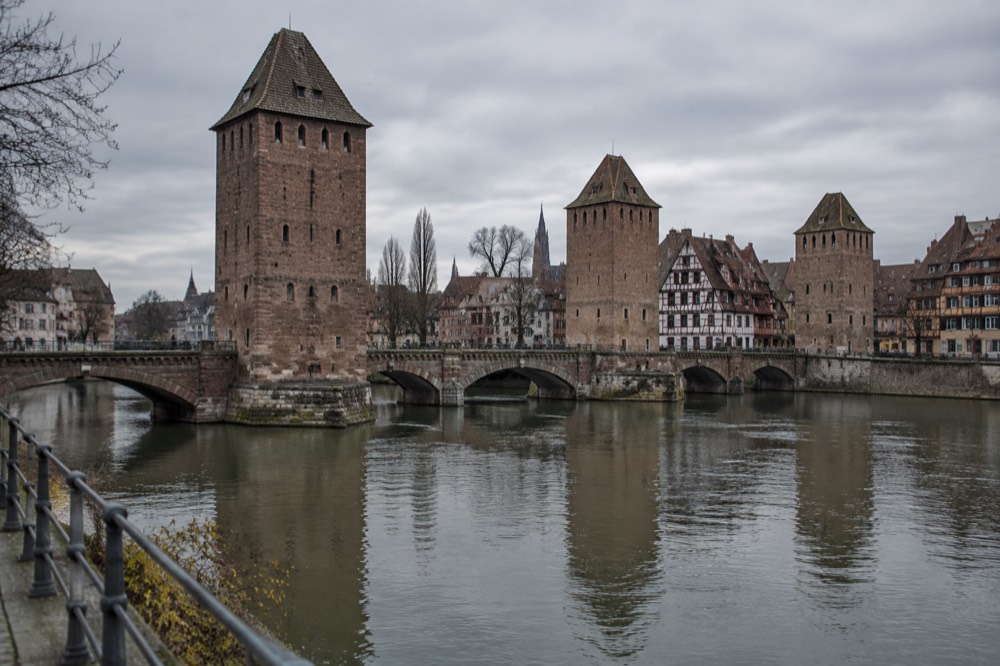
Across the Ill, the cathedral rewards the short crossing. Its nave keeps visiting hours of 08:30-11:15 and 12:45-17:45 Monday to Saturday and 14:00-17:15 on Sundays and feast days. The platform at 66 m costs 10 EUR full and 6 EUR reduced, with children under 6 free, and the astronomical clock performs its full automaton show daily at 12:30 sharp, tickets 4 EUR, sold on the day only. A local-led walking tour of the historic centre and Petite France is the easiest way to see the cathedral side and then loop back over the bridges into the Krutenau.
For anyone staying several days, the pattern that works is a morning on the island's sights, the 12:30 clock show, then an afternoon drifting back through the Krutenau's lanes towards the university and the quays. The two halves of the river sit close enough that nothing needs scheduling tightly.
| Sight | What You Get | Verified Figures |
|---|---|---|
| Ponts Couverts | Covered bridge towers, walked as a public crossing | Public thoroughfare, no ticket |
| Barrage Vauban terrace | Panoramic view over the Ill and Petite France | Terrace hours 08:00-19:00 Mar-Apr and Sep-Oct, 08:30-16:00 Nov-Feb; price not stated on the city page |
| Church of Saint-Thomas | Historic church mid-quarter | Check the official page for hours |
| MAMCS | Modern and contemporary art beside the Ill | 9 EUR full, 5 EUR reduced |
| Strasbourg Cathedral nave | Gothic interior, single spire | Mon-Sat 08:30-11:15 and 12:45-17:45, Sun 14:00-17:15 |
| Cathedral platform | View from 66 m | 10 EUR full, 6 EUR reduced, under 6 free |
| Astronomical clock | Automaton show | 4 EUR, daily at 12:30, day-of tickets only |
Where To Eat And Drink In The Krutenau
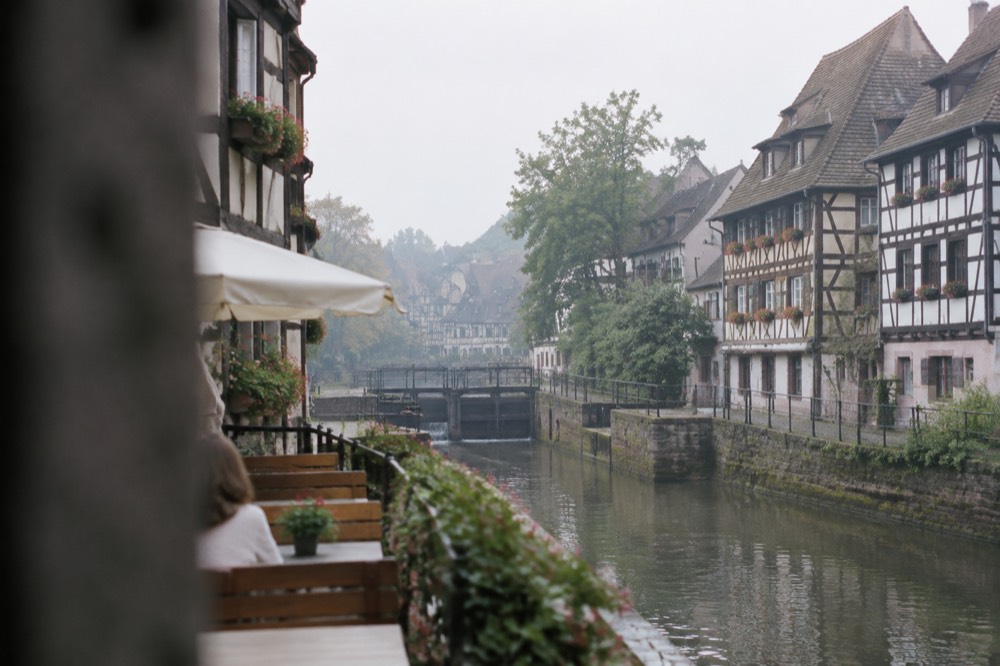
Eating in the Krutenau means winstubs and student cafés rather than grand dining: tarte flambée, choucroute, kougelhopf and local beers, plus the bakery and market trade that keeps the quarter working through the week. Prices stay below the island's because the customers are locals and students. A guided food walk is the efficient way to taste across several tables in one outing.
The winstub is the institution to understand. Part restaurant, part tavern, it serves Alsatian standards in wood-panelled rooms: choucroute, the sauerkraut platter that defines the region's table; baeckeoffe, the slow-baked meat pot; and tarte flambée, the thin crème-and-bacon tart baked in a wood oven. The Krutenau's winstubs sit a bridge away from the island's, and the difference shows in both the bill and the noise level.
Sweet stops matter too. Kougelhopf, the yeasted Alsatian cake baked in a fluted mould, appears in the quarter's bakeries every morning, and it travels well, which makes it the standard souvenir from this side of the river. Local beer and a glass of Alsatian wine, riesling above all, complete the picture, and the winstubs guide lists the addresses worth choosing between.
A traditional food walking tour with tastings runs in Strasbourg and does the quarter's tables justice in a single circuit, stopping at the kind of addresses a first-time visitor would walk past. For anyone planning a longer stay, the Strasbourg food guide and the restaurant guide cover the whole city, but the Krutenau holds its own within them.
| Dish Or Drink | What It Is | Where It Fits |
|---|---|---|
| Tarte flambée | Thin tart with crème fraîche, bacon and onions, wood-baked | The winstub order to share |
| Choucroute | Sauerkraut platter with sausages and pork | The full Alsatian dinner |
| Baeckeoffe | Slow-baked casserole of meats and potatoes | A lunch that keeps you going |
| Kougelhopf | Fluted yeasted cake, sometimes with almonds | Bakery breakfast or souvenir |
| Riesling | The region's signature dry white | The glass beside any of the above |
| Local beer | Alsatian brewed lagers and craft styles | Terrace evenings, student crowds |
How To Get To The Krutenau
The Krutenau needs no special transport: it begins where the Grande Île's bridges end, and every tram and bus line serving the centre puts you within a short walk of it. A CTS single ticket costs 1.90 EUR bought in the app or by contactless, or 2.50 EUR on board a bus, a 24h Solo pass is 4.60 EUR, and a 24h Trio pass for two to three people is 10.20 EUR.
The city's tram network, run by CTS, threads the centre on both sides of the river, and stops near the quays and the university serve the quarter's edges. The exact stop you want depends on which end of the triangle you are entering: the Ponts Couverts end from the west, the university end from the south. CTS's fare page gives the full ticket list, and the app, contactless payment and the Badgéo card all carry the 1.90 EUR single price against 2.50 EUR on board. Everything else covered here is indexed on Strasbourg Travel Guide.
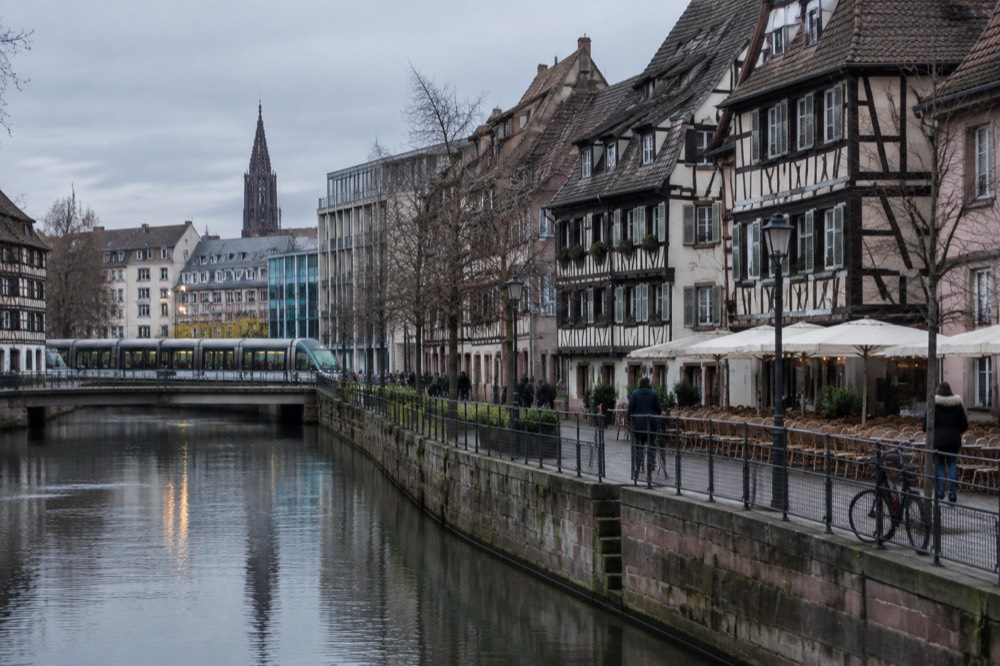
For arrivals from further afield, the train station guide and the getting around guide cover the details, and the Gare district sits on the opposite side of the centre. Coming from the airport, the combined train and CTS ticket at 4.60 EUR covers the shuttle plus a day's city transport. Once you are on the island, though, the honest answer is that you walk: the Krutenau begins at the end of a bridge, and the whole quarter rewards being on foot.
Cycling suits the quarter too, and a guided bike tour with a local guide is one of the comfortable ways to cover the riverbanks, the island and the Krutenau in one loop without planning a route yourself.
| CTS Ticket | Price | Notes |
|---|---|---|
| Single | 1.90 EUR | Badgéo, CTS app or contactless |
| Single on board | 2.50 EUR | Bought from the bus driver |
| 24h Solo | 4.60 EUR | One person, all CTS network |
| 24h Trio | 10.20 EUR | Two to three people travelling together |
| Airport combined ticket | 4.60 EUR | Train shuttle plus 24h city transport |
When To Visit The Krutenau
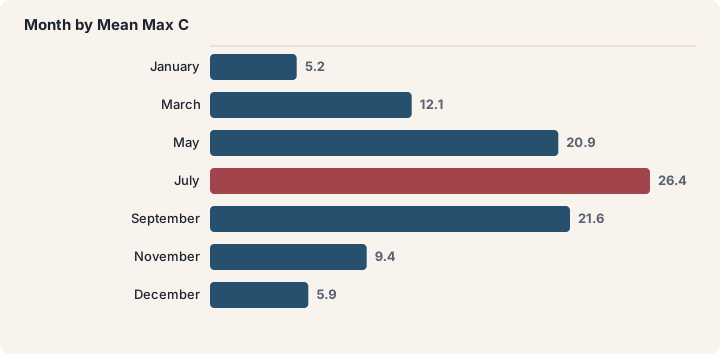
The Krutenau is a year-round quarter, but its character shifts with Strasbourg's semi-continental climate: mean daily maxima run from 5.2 C in January to 26.4 C in July, with 635.7 mm of rain across 112.3 rain days a year. Summer fills the terraces, autumn suits the lanes and the wine, and winter pairs the quarter with the Christmas market across the water.
The climate figures deserve a moment of attention, because they shape the visit more than the calendar does. Strasbourg's summers are genuinely warm, with a July mean maximum of 26.4 C, and its winters are genuinely cold, with a January mean minimum of -0.2 C. Rain falls somewhere in the city on roughly nine to eleven days in any given month, so a light waterproof belongs in the bag in every season. The weather guide and the best time to visit guide carry the full picture.
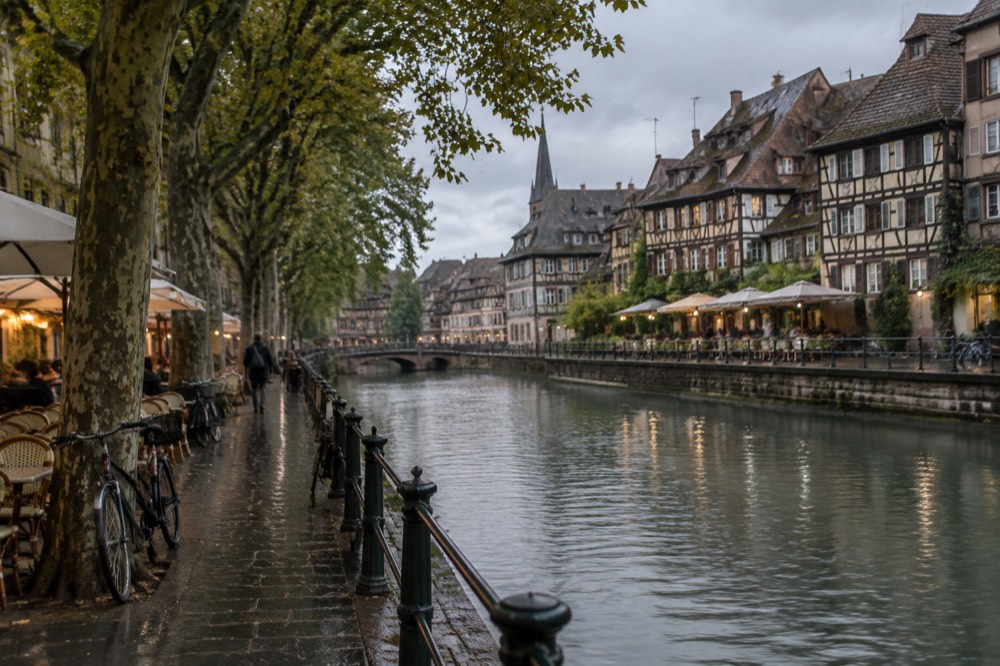
Autumn deserves a special word. The university term is running, the terraces are still out, and the quarter's plane trees turn along the quays. In late November and December, the Christmas market takes over the island and the squares, and the Krutenau becomes the quiet place to retreat to between the crowds. The 2025 edition ran 26 November to 24 December; the city's Christmas site states that the 2026 dates and programme are still being finalised, so confirm them there before booking around them.
| Month | Mean Max C | Mean Min C | Rain Days >=1 mm |
|---|---|---|---|
| January | 5.2 | -0.2 | 9.1 |
| March | 12.1 | 2.6 | 8.5 |
| May | 20.9 | 10.1 | 10.8 |
| July | 26.4 | 14.9 | 10.4 |
| September | 21.6 | 10.7 | 8.0 |
| November | 9.4 | 3.3 | 9.2 |
| December | 5.9 | 0.8 | 10.2 |
Which Guided Tours Pair Well With The Krutenau?
The tours that suit the Krutenau are the walks and rides that treat Strasbourg as one connected riverside city rather than an island of sights: a local-led walk of the historic centre and Petite France, a small-group hidden-stories walk, a traditional food walk with tastings, and bike or street-art options that spend real time off the island. None of them requires a car, and all start from central meeting points.
The natural first choice is the walk that crosses the water from the quarter. A local guide leading a two-hour walk of the historic centre and Petite France covers the ground the Krutenau looks at all day: the cathedral, the tannery lanes, the river channels, and the bridges that tie the two banks together. It is the tour to book on a first day, because it gives the geography that makes the rest of the stay legible. Check the operator's live listing for times.
Want the old centre across the water explained by a local? Book a guided walking tour here.
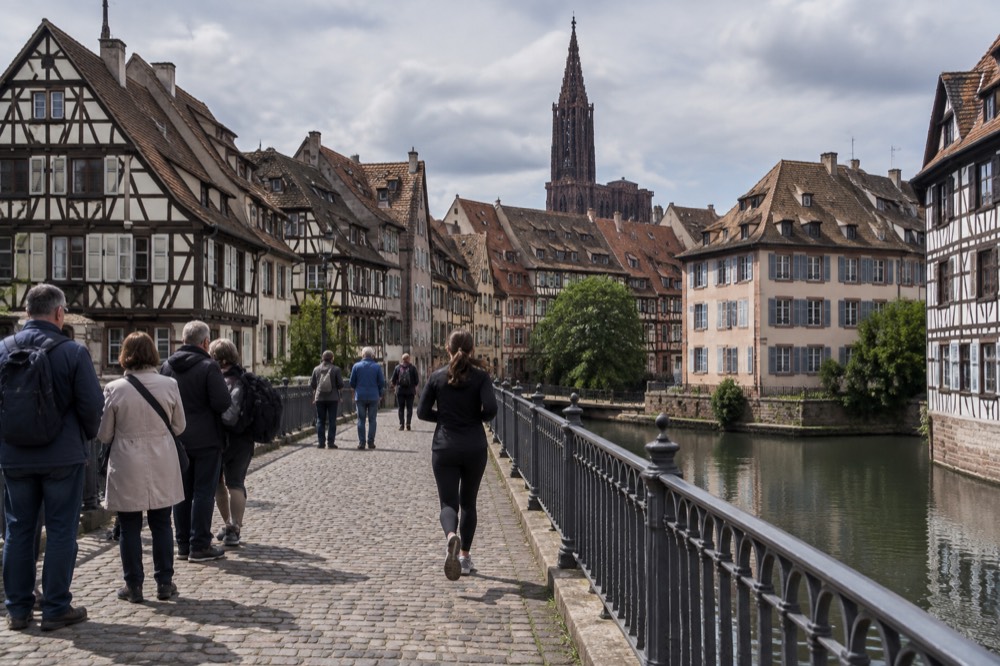
Beyond that, the choice follows your interest. The hidden-stories small-group walk suits travellers who want the odd corners and the anecdotes rather than the headline monuments. The food walk suits anyone whose memories of a city are made at tables. The street-art walk belongs to the Krutenau almost by definition, and the bike tours cover the riverbanks at a pace walking cannot match. Families have their own options in the Strasbourg with kids guide, and the full roster sits in the tours overview.
| Tour Type | What It Covers | Who It Suits |
|---|---|---|
| Local-led historic walk | Cathedral, historic centre, Petite France | First-day orientation |
| Hidden-stories small-group walk | Odd corners and lesser-told history | Repeat visitors, story lovers |
| Traditional food walk with tastings | Winstubs, bakeries, Alsatian classics | Food-motivated travellers |
| Street-art walk | Murals and off-island walls | Art and design-minded visitors |
| Guided bike tour | Riverbanks, island and quarter in one loop | Active visitors, longer stays |
How To Spend A Half Day In The Krutenau
A half day in the Krutenau runs from the Ponts Couverts south: cross from the island in the morning, take the Barrage Vauban terrace view, walk the Quai des Bateliers past the church of Saint-Thomas, pause for a winstub lunch or a tarte flambée, and finish among the university lanes and the murals before looping back over a bridge. The whole route is flat and needs no transport.
Morning is the quietest time on the quays, and the light comes across the Ill from the island side, which is why photographers start there. The terrace at the Barrage Vauban gives the single best overview of the river architecture in the city, so take it before the lanes swallow you. From there the route is a matter of drifting: the covered bridges, the quay, the church, then the interior grid where the half-timbered houses sit closest together and the street art appears on the walls between them.
Lunch decides itself in this quarter. A winstub lunch of tarte flambée and a glass of riesling is the classic move, and the bakeries cover anyone who wants to keep walking instead. In the afternoon, the MAMCS gives the half day a cultural anchor, and the municipal museums' free first Sundays make that anchor cheaper if the calendar cooperates. Finish on the university side, then cross back towards the island for the 12:30 clock show if you timed the day in reverse, or for an evening walk when the terraces fill.
| Time | Where | Note |
|---|---|---|
| Morning | Ponts Couverts and Barrage Vauban terrace | Quietest hour on the quays, best light |
| Late morning | Quai des Bateliers and Saint-Thomas | The riverside spine of the quarter |
| Midday | A winstub lunch | Tarte flambée, choucroute, or a bakery stop |
| Early afternoon | Interior lanes and street art | The grid between the quay and the university |
| Late afternoon | MAMCS, then the university side | 9 EUR full, 5 EUR reduced, free first Sundays |
| Evening | Cross back to the island | Terraces fill, cathedral spire in view |
Common Questions About The Krutenau
Is The Krutenau Worth Visiting?
Yes, for anyone with a second day in Strasbourg or an interest in how the city lives rather than how it performs. The quarter holds the Ponts Couverts, the Barrage Vauban terrace, the church of Saint-Thomas and the MAMCS, along with winstubs and lanes that the island's crowds never reach. For a single short visit, the Grande Île's sights come first and the Krutenau fills whatever time remains.
How Is The Krutenau Different From Petite France?
Petite France is the former tannery district on the Grande Île's western tip, dense with showpiece half-timbered houses and visitors. The Krutenau is the larger, lived-in quarter across the Ill, student and residential in character, with its own half-timbered lanes but also universities, ordinary streets and everyday trade. Petite France is the postcard; the Krutenau is the neighbourhood.
Can You Walk From The Cathedral To The Krutenau?
Yes, and that is the standard way to arrive. The quarter begins at the bridges that leave the Grande Île, so the cathedral and the Ponts Couverts sit on opposite sides of one crossing. No transport is needed, and the ground is flat the whole way.
Is The Musée Alsacien In The Krutenau Open?
No. The Musée Alsacien is closed for works until 2028 and cannot be visited. The MAMCS, the museum of modern and contemporary art beside the Ill, is the quarter's open museum, at 9 EUR full and 5 EUR reduced, free on the first Sunday of every month along with all the city's municipal museums.
Where Do You Eat In The Krutenau?
Winstubs and student cafés, mostly along the quays and the lanes behind them. The orders to know are tarte flambée, choucroute, baeckeoffe and kougelhopf, with a glass of riesling or a local beer beside them. A guided food walk with tastings covers several of these tables in one circuit.
When Is The Best Time Of Day For The Krutenau?
Morning for the quiet quays and the terrace view, midday for a winstub lunch, and evening once the terraces fill and the student quarter is at full volume. The Barrage Vauban terrace keeps seasonal hours, 08:00-19:00 in spring and early autumn and 08:30-16:00 through winter, so early is the safe plan for the view.
The Krutenau rewards exactly the kind of traveller who has seen the cathedral, eaten on the island and now wants the city at its own pace. Cross any bridge off the Grande Île, follow the water, and the quarter introduces itself: the covered towers, the terrace view, the timber-framed lanes, a winstub lunch, and the murals and students that keep it honest. Plan it as the second half of any Strasbourg day and it will not disappoint.