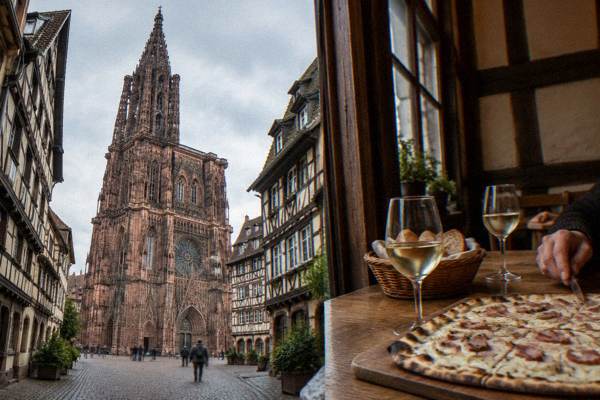
Baeckeoffe
Baeckeoffe is the slow-baked casserole that anchors Alsatian cooking, and Strasbourg, in north-eastern France beside the German border, is where the winstubs serve it best. This guide covers the dish itself, where to eat it, how it is made, and how to build a whole day around it.
Short answer
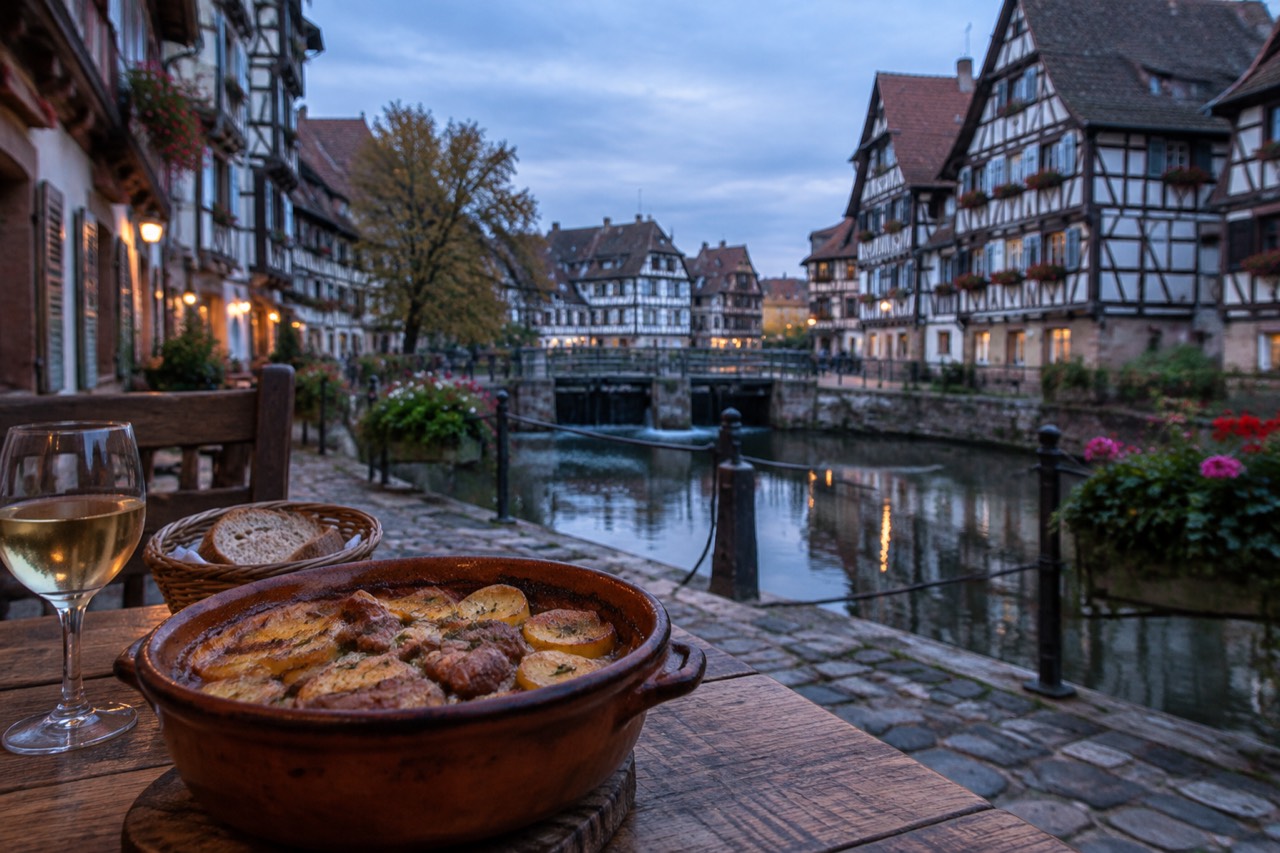
Baeckeoffe is an Alsatian casserole of marinated meats, potatoes and root vegetables baked slowly in a sealed dish, and Strasbourg's winstubs are the place to eat it. Expect a rich, wine-laced one-pot meal built for cold weather. This guide explains the dish, the winstub culture around it, the seasonal case for ordering it, and how to plan a full food day in the city.
Baeckeoffe is the dish that answers Strasbourg's cold, semi-continental winters better than anything else on the Alsatian table, and Strasbourg, the prefecture of the Bas-Rhin in Alsace, north-eastern France, beside the German border, is the city where you will find it served in its natural home: the winstub. The name points to the baker's oven, and the cooking method follows the name. Meats are marinated in white wine, layered with potatoes and root vegetables in a deep ceramic dish, sealed, and left to bake for hours until everything collapses into one rich, spoonable whole. It is not fast food, it is not light food, and it is not a dish you improvise. This guide walks through what baeckeoffe actually is, where in Strasbourg to eat it, how it is built, when the calendar favours it, and how to fold it into a day of cathedral squares, river banks and Christmas chalets.
What Is Baeckeoffe And Why Does Strasbourg Claim It?
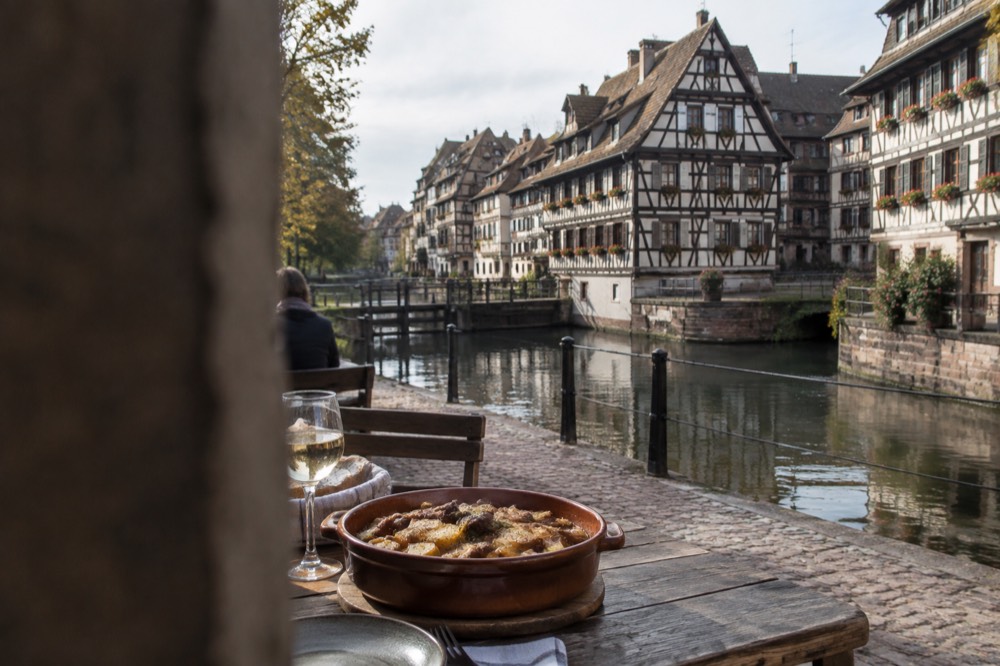
Baeckeoffe is a slow-baked Alsatian casserole combining three marinated meats, usually pork, beef and lamb, with sliced potatoes, carrots and onions, all cooked for hours in white wine inside a sealed earthenware dish. Strasbourg claims it because the winstub, the wood-panelled Alsatian eating house found across the city's historic centre, has made this pot its centrepiece for generations, and no visit to Alsace is complete without trying one.
The word itself tells you where the dish comes from. It refers to the baker's oven, and the tradition behind the name is that households prepared the pot at home, sealed the lid with a strip of dough, and carried it to be baked slowly in the communal oven while the day's work went on. Whether every winstub repeats that story exactly the same way, the essentials never change: a wine marinade, a mix of meats, potatoes cut into even slices so the layers hold their shape, and a long, gentle bake that turns the liquid into something between a broth and a gravy.
What arrives at the table is a dish with no saucepan behind it and no garnish beside it. The pot comes out with the seal broken in front of you, steam rises from layers that have kept their edges, and the first spoonful tastes of wine, pork fat and the sweet softness of potatoes cooked in meat juices. It is a one-course meal. Ordering a starter before it is a decision you make once.
The city's food culture explains why the dish belongs here rather than anywhere else. Strasbourg sits on the Ill, just west of the Rhine, and its cooking has spent centuries borrowing from both French and German kitchens, then making the results its own. Baeckeoffe is the clearest example: a French casserole technique, Alsatian white wine, and a Germanic love of pork, combined in a single pot. For a fuller picture of the city's food, the companion guide to eating in Strasbourg covers the winstubs and the dishes around them, and the guide to traditional Alsatian food in Strasbourg picks up the Christmas side of the same table.
| Element | What Goes In | Role In The Dish |
|---|---|---|
| The meats | Pork, beef and lamb, cut in pieces | Body and depth; three meats give three flavours in one broth |
| The marinade | Alsatian white wine, onion, herbs | Tenderises the meat and sets the flavour of the liquid |
| The potatoes | Sliced evenly, layered with the meat | Absorb the juices and hold the pot together |
| The vegetables | Carrots, onions, leeks | Sweetness and aroma through the layers |
| The seal | A dough strip or tight lid on the earthenware pot | Keeps the steam in through the long bake |
Where To Eat Baeckeoffe In Strasbourg?
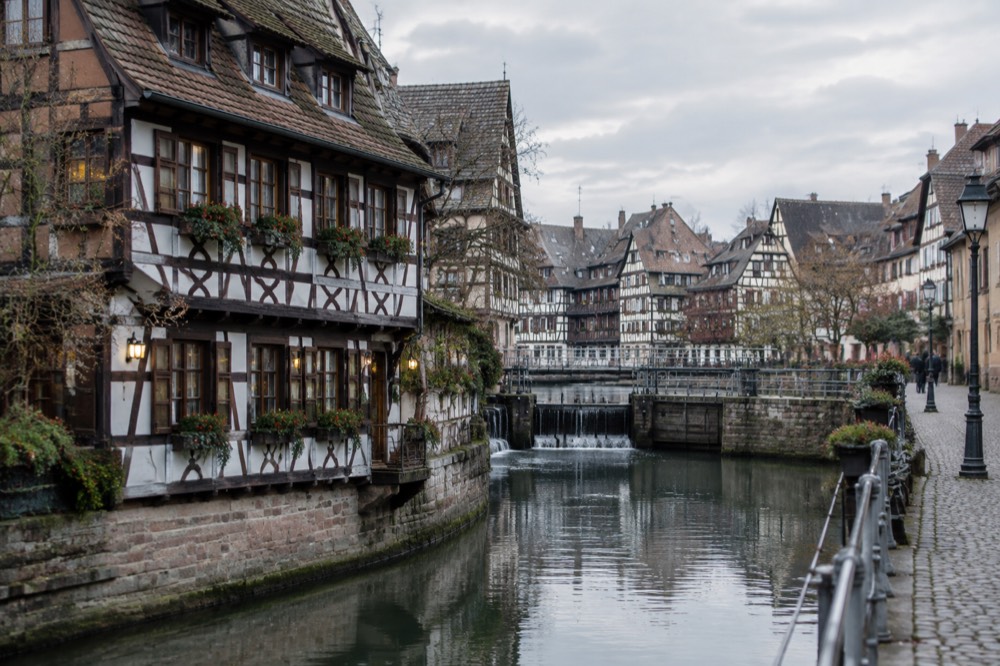
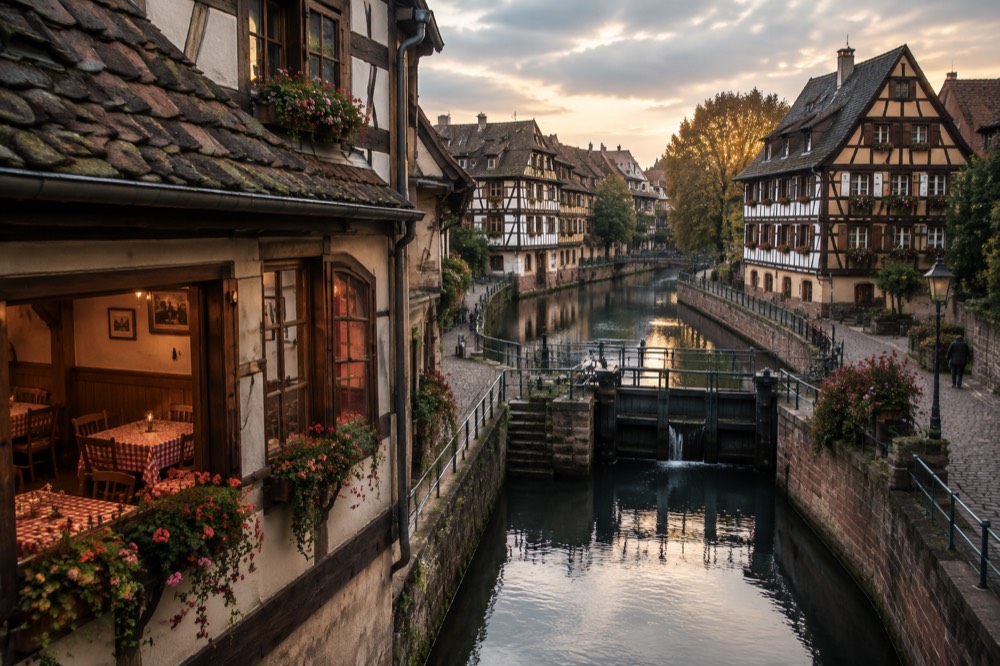
The place to eat baeckeoffe in Strasbourg is a winstub, the traditional Alsatian tavern concentrated in and around the Grande Île, the UNESCO-listed island historic centre, with the strongest cluster in and near Petite France, the old tanners' quarter by the river. There, the pot is baked in-house daily, served at midday and in the evening, and priced on the menu, so check the menu board before you sit down.
A winstub is easy to recognise once you have seen one: dark wood, checked or embroidered tablecloths, stoneware plates, a chalkboard menu, and a dining room small enough that the server knows every table. The word itself means "wine room", and wine is genuinely the point as much as the food: a glass of local Riesling or Pinot Blanc beside the pot is the standard pairing, because the same grape that went into the marinade refreshes the palate between spoonfuls.
Petite France is the postcard quarter, half-timbered houses leaning over the Ill's channels, and its winstubs fill first. The streets just off Place Kléber and around the cathedral square hold equally serious kitchens with shorter queues, and the Krutenau, the student quarter south of the centre, has the more local, less photographed tables. A useful rule: a winstub that lists baeckeoffe on a fixed menu with a named day of the week is baking it properly, because the marinade and the bake both demand planning that a kitchen does not improvise.
Book ahead in the cold months and around the Christmas market, when the city's visitor numbers swell and the small dining rooms fill. If you want the dish explained rather than just served, a guided food walk with tastings turns the winstub stop into a tour of the whole Alsatian pantry, and the operator's live listing shows the current options.
Want the dish explained rather than just served? Book a guided food tour here.
Around the pot itself, the winstub menu offers the rest of the Alsatian canon, and a table of four can order across it.
| Dish | What It Is | When It Suits |
|---|---|---|
| Baeckeoffe | The slow-baked wine and meat casserole | The cold months, a long lunch, a serious appetite |
| Choucroute garnie | Sauerkraut with sausages, pork and potatoes | The other winter heavyweight; share it |
| Tarte flambée | Thin bread topped with cream, onion and bacon | A lighter order, best straight from the oven |
| Kougelhopf | The ring-shaped brioche of the region | Breakfast or the end of the meal, with coffee |
| Bibeleskaes | Fresh cheese with herbs and garlic | A starter that leaves room, with bread |
How Is Baeckeoffe Made And Why Does It Take A Whole Day?
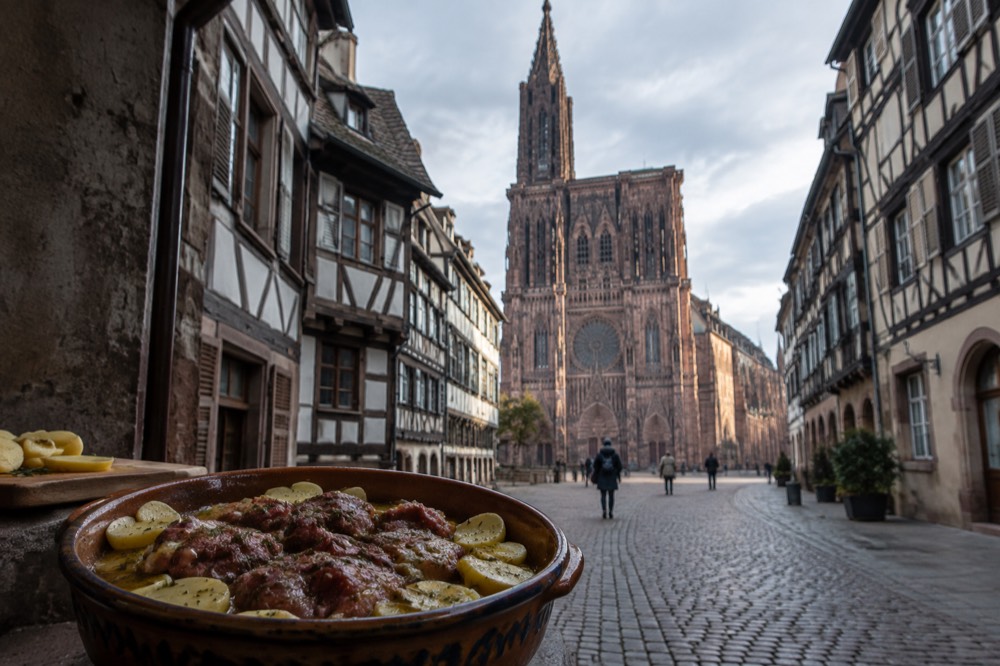
Baeckeoffe takes a whole day because the meat must marinate in white wine overnight before the pot is assembled and baked for several hours, and the sealed dish cannot be rushed without turning the broth thin. The marinade, the layering and the slow bake are the entire method, which is why winstubs bake it to a schedule and why a proper baeckeoffe is a planned dish rather than a spontaneous one.
The build is simple to describe and unforgiving to shortcut. The meats go into the wine marinade with sliced onions and herbs and sit, cold, through the night. The next day the pot is layered like a cake: potatoes on the bottom, then meat, then vegetables, then potatoes again, with the marinade poured over and topped up so the liquid reaches near the rim. The lid is sealed, and the pot goes into a gentle oven for hours while the steam does the work. The seal matters: lift it early and the moisture escapes, and with it the dish.
The reason the result is so forgiving on the plate and so strict in the kitchen is the same: time. Three different meats release their juices at different speeds, the potatoes need long enough to cook in wine without falling apart, and the collagen in the tougher cuts needs the full bake to melt into the liquid and give it body. Every winstub cook has a ratio, a marinade and an oven habit learned from someone else's kitchen, and the differences between one pot and another are real, which is why regulars argue about where to eat it.
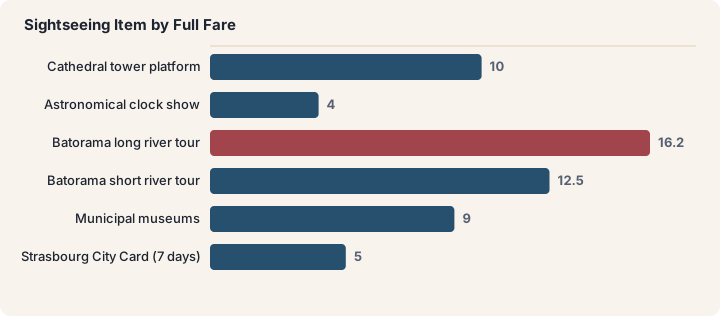
For the visitor, the practical consequence is timing. A pot that goes into the oven in the morning is ready from midday, and a winstub that runs out of baeckeoffe by early evening has simply sold the day's bake, not failed you. Order it early in your visit if it matters to you, and ask what day of the week it is made if the menu does not say. If you are planning the day around the meal, a morning spent on the water or in the museum quarter balances the table nicely, and the city's boat operator runs a long river tour at 16.20 EUR full fare and 8.90 EUR reduced, with a shorter circuit at 12.50 EUR and 7.20 EUR, according to its own ticket page.
| Stage | What Happens | Why It Cannot Be Skipped |
|---|---|---|
| The marinade | Meats rest overnight in white wine, onion and herbs | The wine tenderises and flavours the meat from within |
| The layering | Potatoes, meat and vegetables built in even strata | Even layers cook evenly and hold their shape |
| The sealing | Lid closed with a dough strip | Traps the steam that carries the flavour |
| The bake | Hours in a gentle oven | The broth needs the time to thicken and deepen |
| The rest | The pot stands before the seal is broken | The layers settle and the serving stays clean |
How Does Baeckeoffe Fit The Rest Of The Alsatian Table?
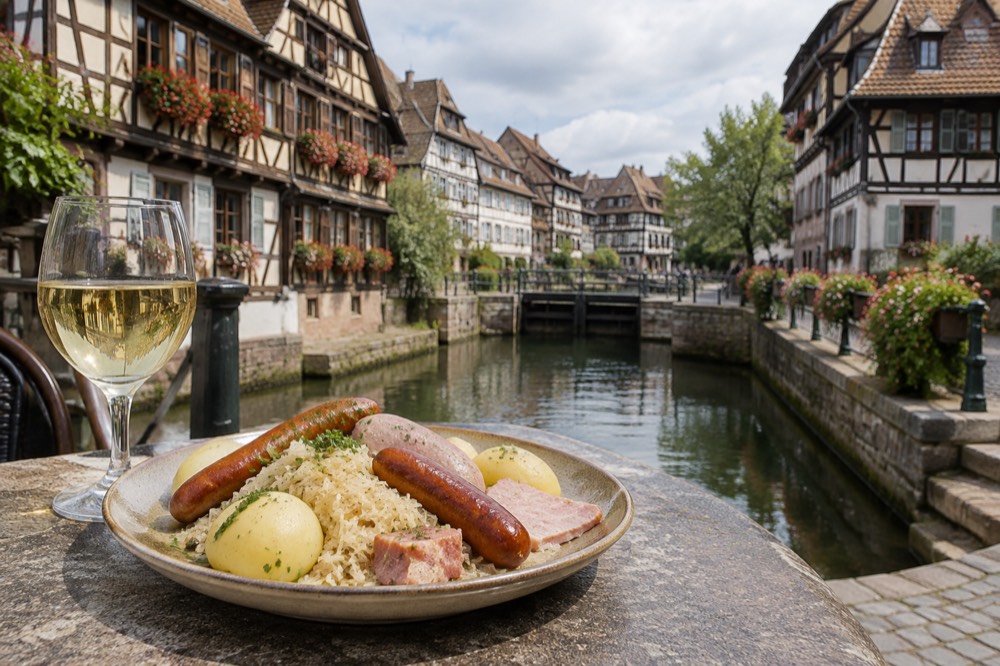
Baeckeoffe sits at the heavy end of an Alsatian table that runs from the lightness of tarte flambée to the richness of choucroute garnie, with kougelhopf closing the meal and white wine running through all of it. It is the deepest, slowest dish in that sequence, which is why locals treat it as a destination rather than a default, and why a Strasbourg food trip works best when it plans around the pot instead of stacking every heavyweight dish into one sitting.
The logic of the table is balance. Tarte flambée arrives in minutes, thin and crisp, and belongs to a quick glass of wine; choucroute is a platter built for sharing; baeckeoffe is the slow pot that asks for nothing else. The wines follow the same gradient, from a dry Riesling that cuts through richness to a rounder Pinot Gris that stands beside it. A visitor who orders all three heavy dishes in one evening has eaten the region's winter in a single night, and the winstub kitchen will let you do it, but the table is designed for more than one visit. Other pages covering the same trip are gathered on Strasbourg Travel Guide.
Wine deserves its own word, because the marinade makes the grape part of the dish. Alsace's vineyards begin at the city's edge, and the same bottles poured by the glass in a winstub are the ones the cook used the day before. If the wine side of the trip appeals more than the kitchen side, the region's wine route and its villages make a full day out of it, and a tasting walk in the city itself is the lighter version of the same idea.
The sweet finish is the kougelhopf, the ring-shaped brioche with almonds and raisins that appears at breakfast and at the end of long meals alike. It is the polite way to end a baeckeoffe lunch: a slice, a coffee, and the afternoon to recover in. For the traveller mapping a whole eating trip rather than one meal, the guide to where to stay in Strasbourg puts you within a short walk of the winstub quarters, and the guide to the best time to visit Strasbourg handles the seasonal arithmetic.
When Is The Best Season To Eat Baeckeoffe?
The best season for baeckeoffe is late autumn through winter, from November to February, when Strasbourg's semi-continental climate brings mean daily maximums of 9.4 C in November, 5.9 C in December and 5.2 C in January, with frost at night, and a hot wine-laced casserole is exactly what the weather calls for. The dish is served year round, but the calendar argues for the cold half of the year.
The climate data makes the case better than any menu. Strasbourg-Entzheim's 1991-2020 normals, Meteo-France's reference figures, give the city cold winters and warm summers, with a yearly average maximum of 16.0 C and 635.7 mm of rain across 112.3 rain days. In July the mean maximum is 26.4 C; in January the mean minimum drops to -0.2 C. A sealed pot of meat and potatoes makes sense on the January side of that table and is simply a lot of lunch on the July side.
| Month | Mean Max C | Mean Min C | Rain Days (1 mm Or More) |
|---|---|---|---|
| November | 9.4 | 3.3 | 9.2 |
| December | 5.9 | 0.8 | 10.2 |
| January | 5.2 | -0.2 | 9.1 |
| February | 7.3 | 0.0 | 8.3 |
| March | 12.1 | 2.6 | 8.5 |
The rain-day column matters for planning, because a wet December afternoon with 10.2 rain days in the month is precisely the afternoon a winstub exists for. The room is small, the pot is hot, and the weather outside is somebody else's problem. In summer, the same dish competes with river banks, park benches and the lighter plates of the season, and the winstubs that keep it on the menu serve it to the faithful rather than the crowd.
The shoulder months are the quiet compromise. November brings the first genuinely cold evenings and the opening of the Christmas market in the last week of the month, February still has frost at night, and both sit outside the December peak. A traveller who wants the winter dish without the December crowds should read the guide to Strasbourg in winter alongside the weather guide, which breaks the full monthly normals down month by month.
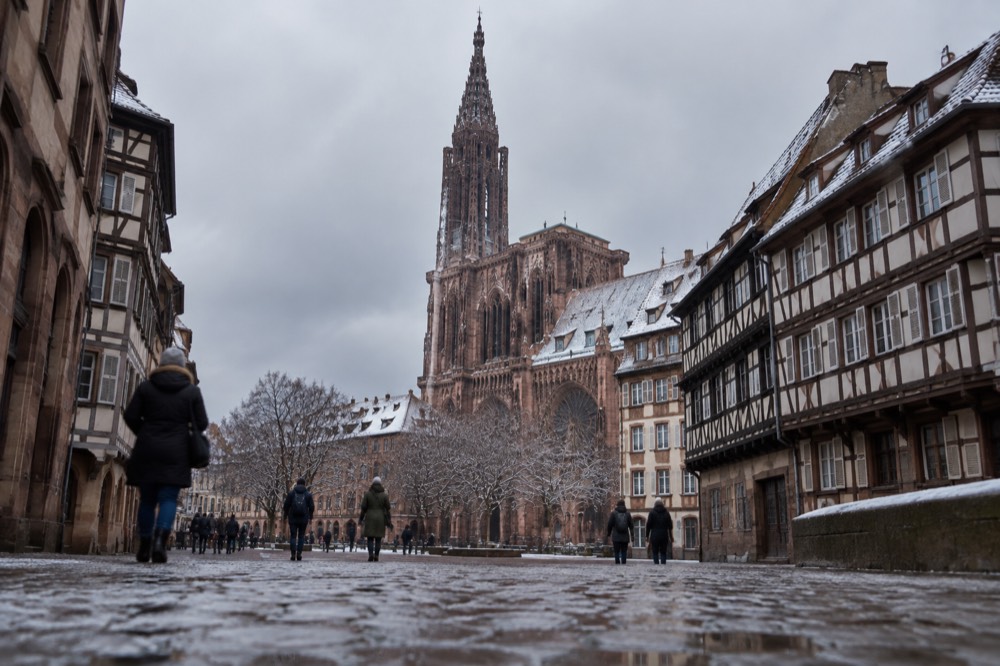
How Does Baeckeoffe Fit Into A Strasbourg Christmas Trip?
Baeckeoffe fits a Strasbourg Christmas trip perfectly, because the market opens in the last week of November and runs to 24 December, exactly the cold window when the dish is at its best, and the city's chalets, squares and cathedral sit within a short walk of the winstub quarters. The 2025 edition ran 26 November to 24 December and drew 3.05 million visitors, so tables fill, and the pot is the warm half of the day's plan.
The Christmas market is the one moment when the whole city organises itself around eating outdoors, and the winstub is the counterweight to it. Chalets typically open from late morning into the evening, selling the fast winter food of the market, and the slow pot is what you sit down for when the cold has done its work. The pattern is simple: chalets and squares in the afternoon, a sealed casserole in the evening, and the cathedral's single spire lit above the whole arrangement.
| Edition | Dates | Attendance |
|---|---|---|
| 2025 | 26 November to 24 December 2025 | 3.05 million visitors |
| 2024 | Late November to 24 December 2024 | 3.4 million visitors |
Booking is the practical question. During the market weeks the winstubs within sight of the cathedral fill at both services, and a table reserved for 19:00 is the difference between a long pot and a plate of whatever is left. If the trip is built around the market rather than the meal, the guide to the Strasbourg Christmas market covers the squares and the timings, the guide to Christmas markets in Alsace widens the lens to the region, and the food guide to the market's own dishes separates the chalet classics from the winstub ones.
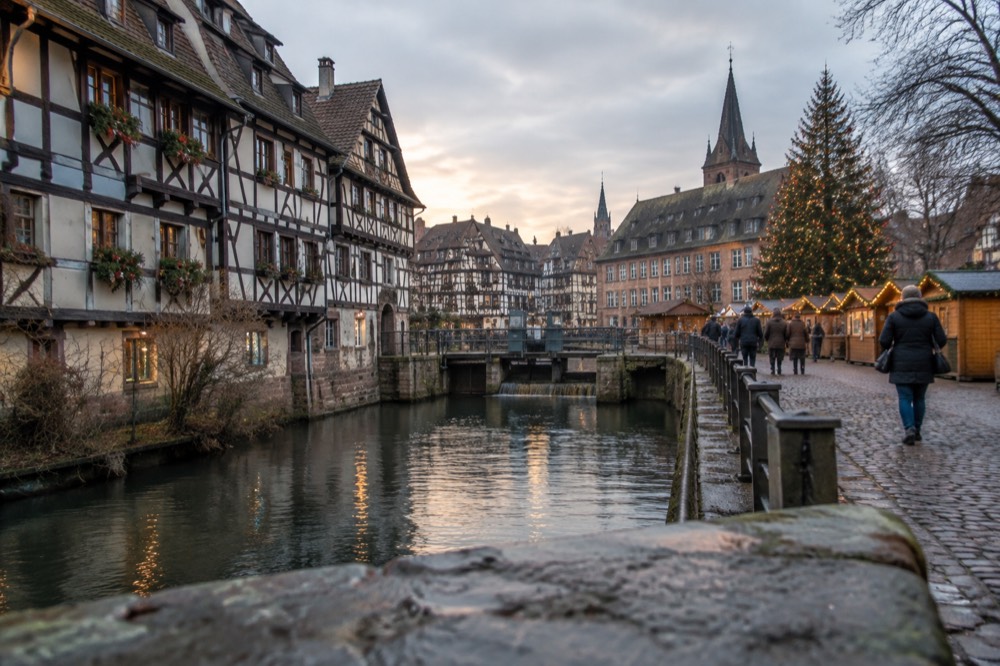
How Do You Plan A Baeckeoffe Day Around The City?
A baeckeoffe day works best as a slow morning, a light middle and a long evening: the cathedral and the river in the morning, a museum or a boat in the early afternoon, and the winstub booked for the evening, with the city's tram network carrying you between them for 1.90 EUR a single ticket or 4.60 EUR for a 24-hour pass. The pot is the fixed point; everything else is arranged around it.
The morning belongs to the Grande Île. The cathedral's nave is open Monday to Saturday from 08:30 to 11:15 and again from 12:45 to 17:45, the tower platform at 66 m costs 10 EUR full fare or 6 EUR reduced, and the astronomical clock performs at 12:30 sharp, with tickets at 4 EUR bought on the day only. That fills a morning exactly, and the platform's seasonal hours, 09:30 to 13:00 and 13:30 to 20:00 in the summer half of the year, 10:00 to 13:00 and 13:30 to 18:00 in winter, reward checking before you climb.
The afternoon is the light part of the day, deliberately, because the evening is not. The municipal museums charge 9 EUR full and 5 EUR reduced, are free on the first Sunday of every month, and a 1-day Pass Musées at 20 EUR covers them, with the note that the Musée Alsacien is closed for works until 2028. A river boat, a walk through Petite France, or a guided ride through the European quarter all fill the same slot. A guided bike tour with a local guide covers the two-river geography that makes Strasbourg legible, and a shorter guided Segway tour does the same with less effort.
Getting between all of this is cheap and simple. The CTS network sells single tickets at 1.90 EUR through the app, a Badgéo card or contactless payment, at 2.50 EUR if bought on board a bus, and a 24-hour Solo pass at 4.60 EUR, with a Trio version for two to three people at 10.20 EUR. The airport shuttle is a combined train and city ticket at 4.60 EUR, with the rail leg to Entzheim taking 8 minutes.
| Ticket | Price | Where To Buy |
|---|---|---|
| Single (app, Badgéo, contactless) | 1.90 EUR | CTS app, machines, contactless on board |
| Single bought on the bus | 2.50 EUR | From the driver |
| 24-hour Solo pass | 4.60 EUR | CTS app, ticket machines |
| 24-hour Trio pass (2-3 people) | 10.20 EUR | CTS app, ticket machines |
| Airport shuttle combined ticket | 4.60 EUR | Airport station and CTS channels |
For the evening itself, book the table, order the pot early in the trip, and let the day's sightseeing prices stay modest so the meal can be the event. The Strasbourg City Card, a 5 EUR discount card valid for 7 days, takes money off the museums, the boat, the cathedral platform and the clock, which is a reasonable way to keep the rest of the day light. If the budget matters, the guide to Strasbourg on a budget and the assessment of whether Strasbourg is worth visiting both help you decide where the money goes.
| Sightseeing Item | Full Fare | Reduced |
|---|---|---|
| Cathedral tower platform | 10 EUR | 6 EUR (under 6 free) |
| Astronomical clock show | 4 EUR | 3 EUR students and groups |
| Batorama long river tour | 16.20 EUR | 8.90 EUR |
| Batorama short river tour | 12.50 EUR | 7.20 EUR |
| Municipal museums | 9 EUR | 5 EUR |
| Strasbourg City Card (7 days) | 5 EUR | 3.50 EUR (ages 3-17) |
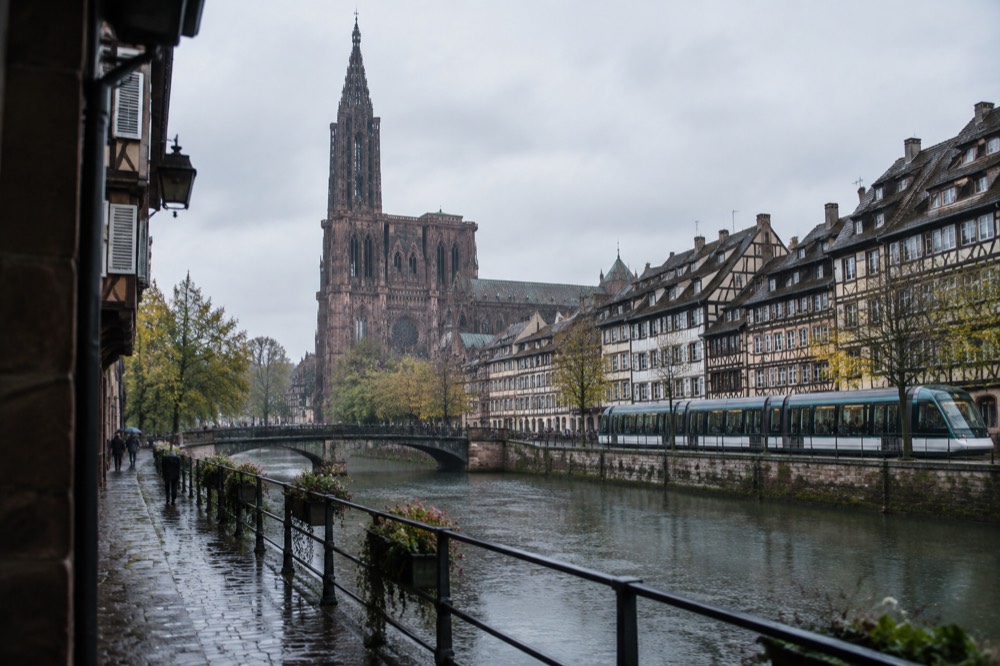
A baeckeoffe day ends where it began, in the old centre, with the pot doing what it has always done in this city: turning a cold Alsatian evening into a reason to stay at the table. Whether you come for the Christmas market, the wine route or the cathedral, plan at least one evening around it.
Common Questions About Baeckeoffe
What is baeckeoffe?
Baeckeoffe is an Alsatian casserole of pork, beef and lamb marinated overnight in white wine, then baked slowly with sliced potatoes, carrots and onions in a sealed earthenware dish. The name refers to the baker's oven, and the long bake is what turns the wine marinade and the meat juices into a single rich broth.
Where can I eat baeckeoffe in Strasbourg?
The winstubs of the Grande Île and the streets around Petite France are the natural home of the dish, with further tables in the Krutenau quarter and near Place Kléber. Ask which day of the week the kitchen bakes it, because a proper pot is planned a day ahead and a winstub can sell out of the day's bake by early evening.
Is baeckeoffe only a winter dish?
It is served year round, but the calendar favours it from November to February, when Strasbourg's mean daily maximum sits between 5.2 C and 9.4 C. In summer, with a July mean maximum of 26.4 C, the same pot is a heavy order, and the lighter Alsatian plates suit the season better.
How much does baeckeoffe cost in Strasbourg?
Prices vary from one winstub to another and are set on each menu, so check the menu board or the winstub's own page before you sit down. No single figure applies across the city, and the dish is a restaurant plate rather than a street-food item.
Can baeckeoffe be made without alcohol?
The wine marinade is part of the definition of the dish, and after hours of baking the alcohol largely cooks off while the flavour stays. A version made without wine is a different casserole, and winstubs do not offer one, so travellers avoiding alcohol entirely should order another Alsatian dish instead.
Is baeckeoffe the same as choucroute garnie?
No. Choucroute garnie is fermented cabbage served with sausages, pork and potatoes, while baeckeoffe is marinated meats and potatoes baked in wine in a sealed pot. Both are winter dishes of the same region, and a winstub that serves one serves the other, but they are separate plates with separate histories on the Alsatian table.