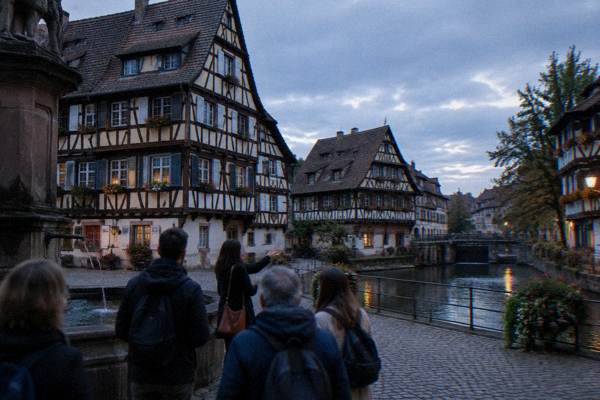
Strasbourg On A Budget
Strasbourg, in Alsace, north-eastern France, has a reputation for December crowds and Christmas prices, but the city itself is far kinder to a thin wallet than its reputation suggests.
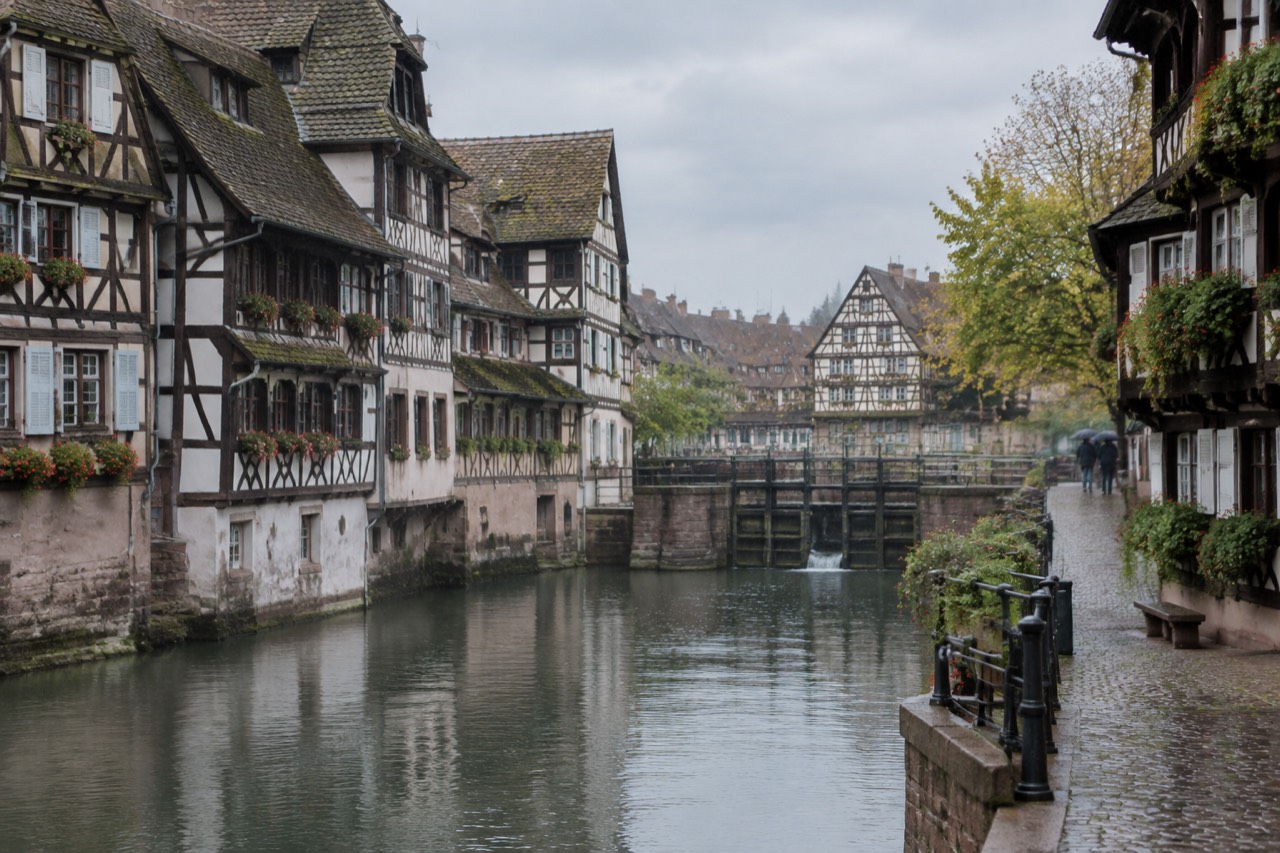
Short answer
A budget day in Strasbourg is realistic: a CTS day pass costs 4.60 EUR, the astronomical clock show is 4 EUR, the cathedral platform is 10 EUR reduced to 6 EUR, and municipal museums are 9 EUR, free on the first Sunday of each month. Walking the Grande Île costs nothing at all.
Strasbourg, the prefecture of the Bas-Rhin in Alsace, north-eastern France, sits on the River Ill beside the Rhine, and it has an unfair reputation as a city that punishes thin wallets. December is expensive here, that much is true, and the Christmas weeks push hotel prices up across the whole city centre. The rest of the year is a different story. The historic core, the Grande Île, is compact enough to explore entirely on foot, the public transport network is cheap by French standards, and several of the city's signature experiences cost a few euros or nothing at all.
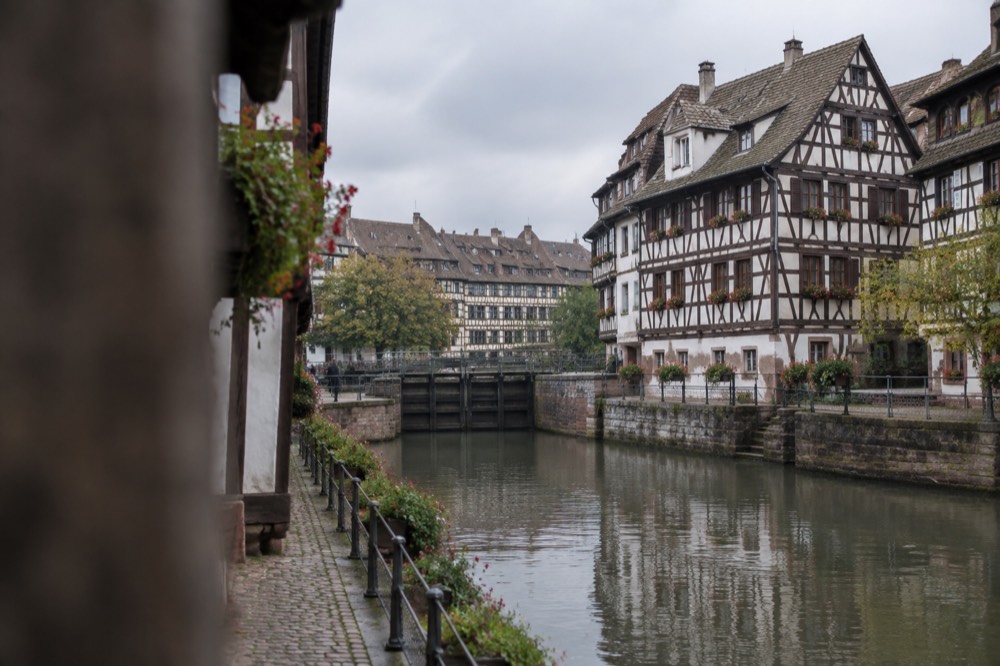
This guide lays out what a budget trip actually costs, where the money goes, and where it does not have to. It draws on published fares and ticket prices from the city's transport operator, the cathedral's own pages and the municipal museums' tariff sheet, so every euro figure printed here traces to an official source. For anything that changes by season or by operator, the advice is to check the live listing or the official page rather than trust a number printed months in advance.
What Does A Budget Trip To Strasbourg Actually Cost?
The honest answer is that the city's core costs are low: a full day of CTS transport is 4.60 EUR, the astronomical clock show is 4 EUR, the cathedral platform is 10 EUR with a 6 EUR reduced rate, and municipal museums charge 9 EUR full price. What strains a budget in Strasbourg is not the sightseeing, it is the bed. Accommodation is the one line you must price yourself, and expect it to climb during Christmas-market weeks. Food and drink are moderate if you eat where the city eats, and the walks, squares and riverbanks that define Strasbourg cost nothing.
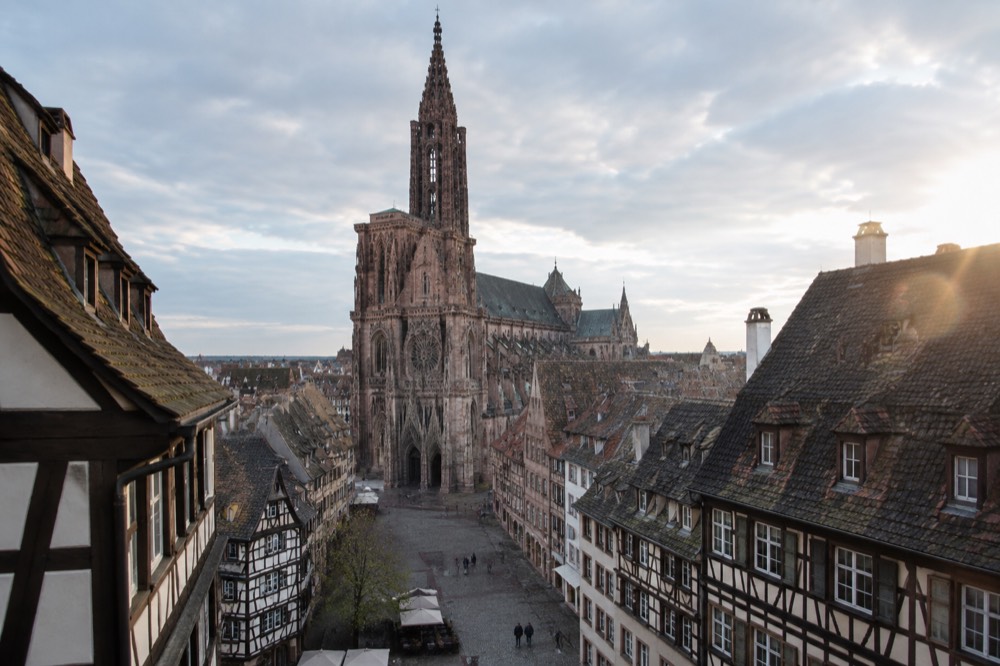
Start with the fixed, published numbers. The transport operator CTS sells a single ticket at 1.90 EUR through its app, the Badgéo card or contactless payment, and at 2.50 EUR if bought from the driver on board. A 24-hour Solo pass is 4.60 EUR, and a 24-hour Trio pass covering two or three people travelling together is 10.20 EUR. Those figures come straight from CTS's own fare pages, and they hold across the whole urban network, trams and buses alike.
| Cost item | Full price | Reduced / note |
|---|---|---|
| CTS single ticket | 1.90 EUR | 2.50 EUR bought on board the bus |
| CTS 24h Solo pass | 4.60 EUR | One person, whole network |
| CTS 24h Trio pass | 10.20 EUR | Two or three people together |
| Airport train + 24h EMS combined | 4.60 EUR | Entzheim to city, train and tram |
| Cathedral platform | 10 EUR | 6 EUR reduced, under 6 free |
| Astronomical clock show | 4 EUR | 3 EUR groups and students, 2 EUR children 6-17 |
| Municipal museum ticket | 9 EUR | 5 EUR reduced |
The pattern worth noticing is that the biggest single-day costs are optional. A visitor who walks the Grande Île, takes one boat trip and climbs the cathedral platform still spends less on sights than a visitor in many French cities spends on a single museum combination. The Christmas season is the exception, and even there the market squares themselves are public space. For the full picture of the festive season, read the Strasbourg Christmas market guide, which covers dates, layout and what to book ahead.
Accommodation aside, a realistic daily budget splits into three pots: transport at a few euros, one or two paid sights at 4 to 10 EUR each, and food, which is where budgets live or die. The sections below take each pot in turn.
How To Get Around Strasbourg Cheaply?
Buy the 4.60 EUR 24-hour Solo pass if you plan more than two tram rides in a day, and skip it entirely if you are staying on the Grande Île, because the historic core is genuinely walkable and the pass would go unused. The single ticket at 1.90 EUR suits occasional trips, and the Trio pass at 10.20 EUR splits well for couples and families. From the airport, the combined train-and-tram ticket at 4.60 EUR covers the 8-minute shuttle ride into the station plus a day of urban travel, which is one of the better airport deals in France.
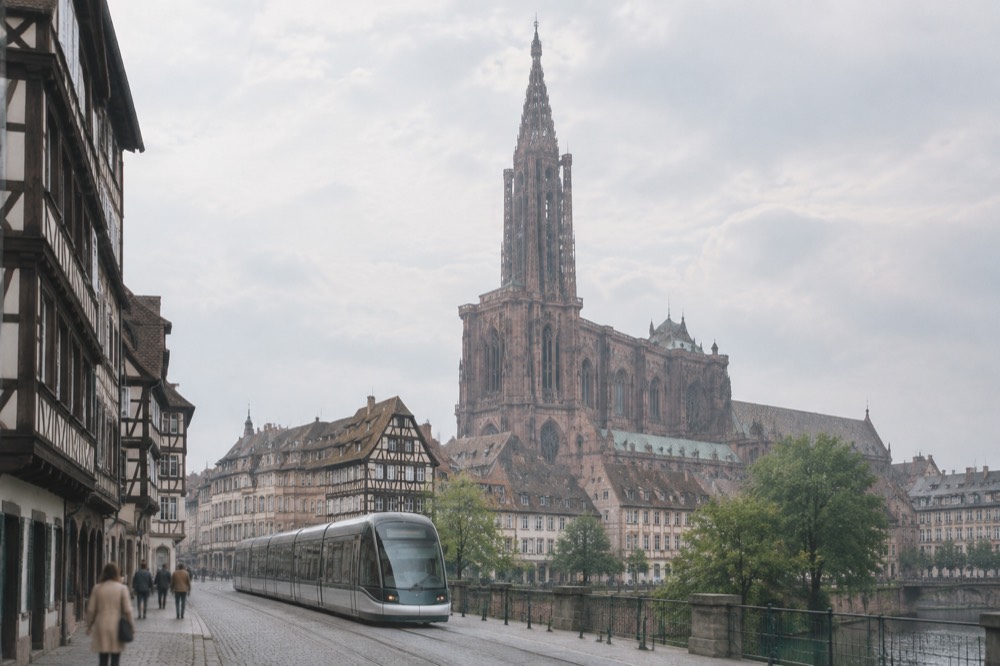
The airport shuttle deserves its own sentence: it runs up to five trains an hour and takes 8 minutes between Entzheim Aéroport and Strasbourg station, according to the TER page for the route. That frequency means no visitor needs a taxi for the airport run, and the combined ticket removes any need to work out separate fares on arrival.
Within the city, the tram network reaches everything a short-stay visitor needs, including Petite France, the European Quarter and the Neustadt. The CTS fare page is the place to confirm current prices before you travel, and the operator's app sells the same tickets at the cheaper 1.90 EUR single rate, so avoid buying from the driver where the same ride costs 2.50 EUR. For a fuller rundown of lines, tickets and how the network is laid out, see getting around Strasbourg.
One budget trap worth naming: the summer 2026 tram works near Gare Centrale disrupted several lines between June and August, and works of that kind reappear in future years. CTS publishes its works notices, so a two-minute check before arrival saves a wasted ticket. Walking remains the cheapest and often the fastest way across the Grande Île, which is the island core where the cathedral, Petite France and the covered bridges all sit within a short stroll of each other.
If a guided walk is how you prefer to learn a city, there are paid options and free ones, and the free ones here are genuinely free.
If a local guide sounds like your kind of introduction, book a guided walking tour here.
Which Strasbourg Sights Cost The Least?
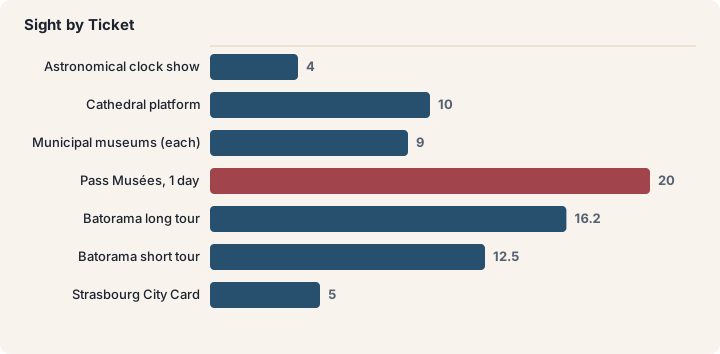
The astronomical clock show at 4 EUR is the best value ticket in the city, the cathedral platform at 10 EUR, 6 EUR reduced, buys the best view, and every municipal museum charges 9 EUR full price with free entry on the first Sunday of each month. The cathedral nave has visiting hours rather than a published price on its own page, so check the cathedral's hours page rather than assume. The platform sits at 66 m up the single spire, and the clock performs its full automaton show daily at 12:30 sharp.
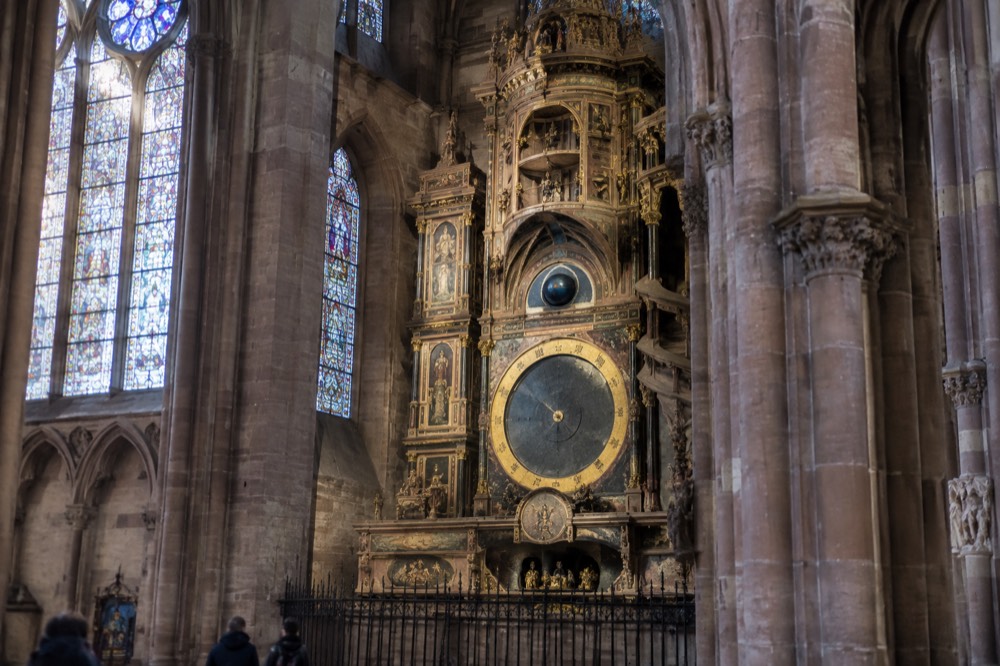
The clock has rules that catch out budget travellers: tickets are sold on the day only, no reservations, at the cathedral stalls between 10:00 and 11:00 or at the Saint-Michel entrance from 11:30. Turn up late and the day's show is simply gone. The platform runs seasonal hours, 09:30 to 13:00 and 13:30 to 20:00 from April to September, and 10:00 to 13:00 and 13:30 to 18:00 from October to March, with the last ascent earlier than the closing time, so check the cathedral's ascent page for the day you visit. The platform is closed on 1 January, 1 May and 25 December.
| Sight | Ticket | Budget note |
|---|---|---|
| Astronomical clock show | 4 EUR | Day-of purchase only, show at 12:30 |
| Cathedral platform | 10 EUR / 6 EUR reduced | Under 6 free, closed 1 Jan, 1 May, 25 Dec |
| Municipal museums (each) | 9 EUR / 5 EUR reduced | Free on the first Sunday of the month |
| Pass Musées, 1 day | 20 EUR | Pays off from three museums onward |
| Batorama long tour | 16.20 EUR / 8.90 EUR reduced | Red Tour, 1h10 |
| Batorama short tour | 12.50 EUR / 7.20 EUR reduced | Blue Tour, 0h45 |
| Strasbourg City Card | 5 EUR adult, 3.50 EUR child | 7 days, discount card, not a pass |
Do the arithmetic on the Pass Musées before buying: at 20 EUR against 9 EUR per museum, it breaks even at three museum visits in one day, which is an ambitious but possible programme. The free first Sunday changes the sum entirely, and it applies to every municipal museum, confirmed in the museums' own FAQ. Note one closure that matters: the Musée Alsacien is shut for works until 2028 and should not appear in any plan, paid or free. The remaining municipal museums, including the Musée de l'Œuvre Notre-Dame and the Beaux-Arts in the Palais Rohan, are open on the standard tariff, and the Strasbourg museums guide lists them in detail.
The City Card confuses people, so state it plainly: it is a 5 EUR discount card valid for 7 days, not an all-inclusive pass. It knocks money off museums, the boat trip, the cathedral platform and the clock, and the Strasbourg City Card guide works out when it pays for itself. For a visitor doing two paid sights, it rarely will; for a week-long stay hitting several, it can.
The Barrage Vauban terrace is a favourite viewpoint over the Ponts Couverts and Petite France, and its hours are seasonal, 08:00 to 19:00 in September and October and shorter in the winter months, per the city's page for the site. Check the admission arrangements before going rather than relying on second-hand details.
What Can You Do In Strasbourg For Free?
Strolling the public squares and streets of the Grande Île costs nothing, the municipal museums are free on the first Sunday of every month, and the free English-language walking tours run on a pay-what-you-want basis through GuruWalk, where you tip the guide at the end. The riverbanks, the covered bridges seen from the Barrage Vauban's vicinity, Place Kléber, Place Gutenberg and the Petite France lanes are all public space, open around the clock and at their best early in the morning before the day-trippers arrive.
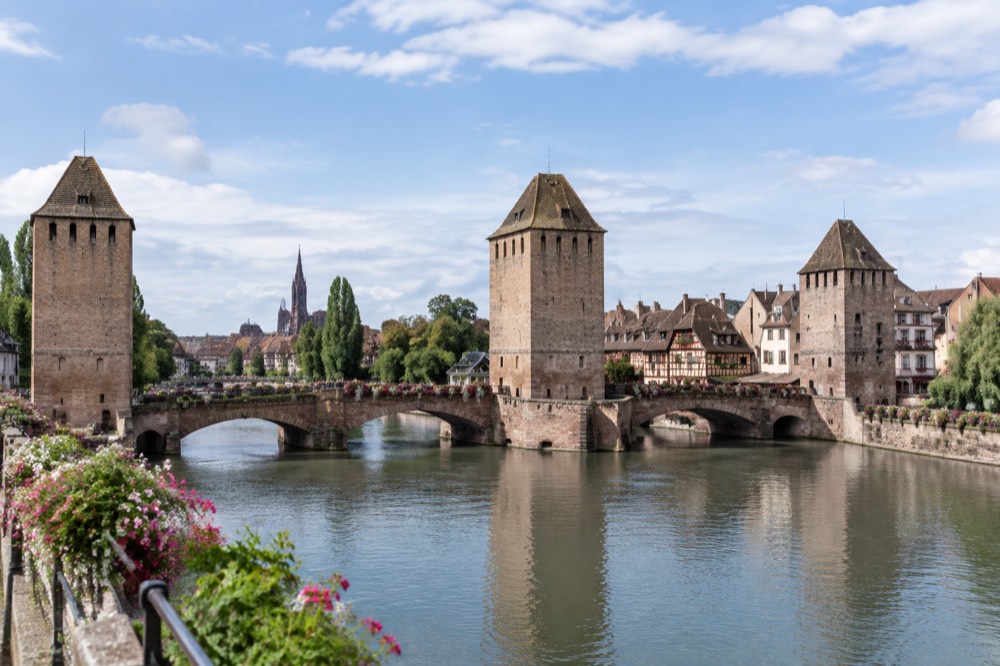
The GuruWalk model deserves a plain explanation, because "free tour" sounds like a hook and is not one here. The walks are free to join, the guide leads in English, and payment is entirely what you choose to hand over at the end. The original happy free tour is one such walk, and it is a legitimate way to get an orientation of the city on day one without committing a fixed sum. The free things to do in Strasbourg guide collects the full list, from parks to churches to viewpoints.
Beyond the walks, the free anchors of a Strasbourg visit are structural rather than ticketed. The Grande Île and the Neustadt together form a UNESCO World Heritage property, "Strasbourg, Grande-Île and Neustadt", and heritage of that kind is consumed by wandering, not by queueing. The European Quarter's institutional buildings are viewed best from the outside on a self-guided loop, and the European Quarter guide maps it. The Parc de l'Orangerie and the Jardin des Deux Rives are public parks with no gate and no fee.
For visitors who want depth rather than breadth, a short paid walk can be cheaper than a long one. The city centre walk is the shortest paid option on the roster and suits a traveller with a tight schedule or a tight budget, since a compact route with a guide still delivers the stories that a map cannot. The Strasbourg free walking tour guide compares the free and paid options side by side.
How To Eat Well In Strasbourg Without Overspending?
Eat the Alsatian classics in a winstub at lunch rather than dinner, when menus are cheaper and portions are just as generous. Buy picnic supplies from the city's markets and bakeries, treat the guided food walks as a one-off splurge rather than a daily habit, and you can eat very well in Strasbourg without overspending. The signature plates, tarte flambée, choucroute and baeckeoffe, are hearty, and lunch service in the traditional taverns is priced below the evening service, a pattern common across France. Menus should be read on the door before sitting down.
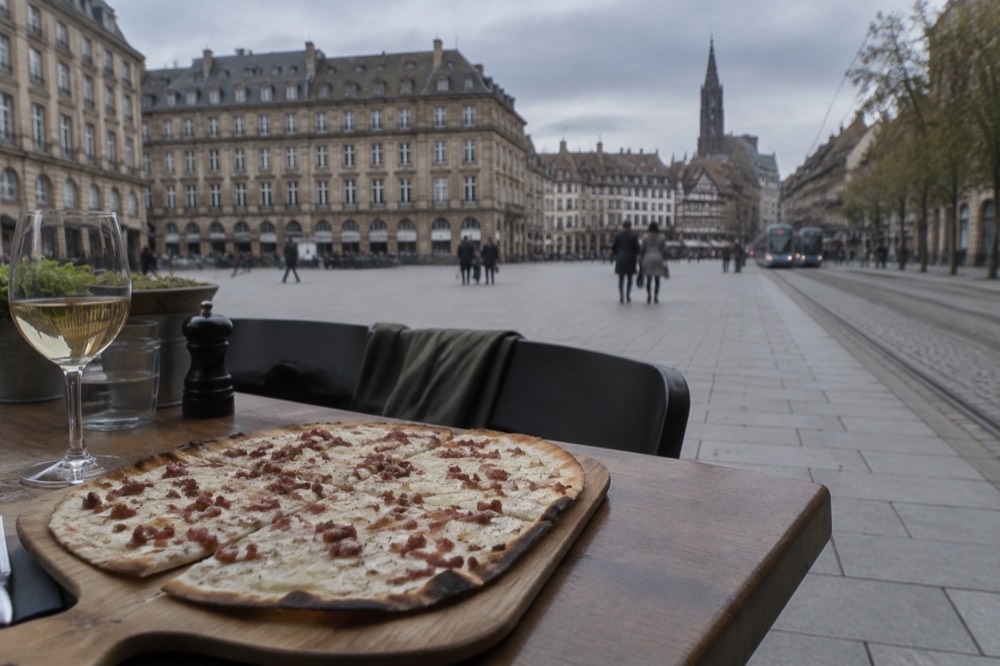
The budget structure of eating here is simple: the classics are cheap ingredients cooked well, and the premium is in the room. A winstub, the Alsatian tavern form, serves the same tarte flambée at different prices depending on the postcode of the dining room. The winstubs in Strasbourg guide and the tarte flambée guide explain the dishes; the budget move is to take them at midday.
| Eating approach | What it is | Who it suits |
|---|---|---|
| Winstub lunch | Classic Alsatian plates at midday service | First-time visitors wanting the tradition |
| Market picnic | Bread, cheese, charcuterie from city markets | Families and fine-weather days |
| Bakery breakfast | Kougelhopf and coffee standing or takeaway | Early risers on a walking day |
| Christmas-market stalls | Hot food and mulled wine in season | December visitors, priced per item |
| Food tour with tastings | Guided walk with several stops | One-off splurge, not a daily plan |
The city's markets themselves are a budget asset: the Strasbourg markets guide lists where and when they run, and a picnic from a market costs a fraction of a restaurant plate. In December, the market stalls become the food scene, and the Christmas market food guide covers what to eat among the chalets, where prices are per item and add up fast.
For one considered splurge, a tasting walk turns the meal into the activity. A short culinary walk or a longer traditional food tour with tastings folds dinner and entertainment into a single spend, which is a defensible budget choice on a short trip. The Strasbourg food tour guide compares the formats.
Which Cheap Tours And Walks Are Worth Paying For?
The short paid walks under an hour are the budget sweet spot, the street-art walk covers a side of Strasbourg the free tours skip, and an Alsace wine tasting in the city costs about the same as a museum ticket. Every price, rating and duration for these products renders from the live listings, so check availability on the operator's page rather than any figure quoted in a search result. The principle for choosing: pay for access or expertise you cannot get alone, and skip anything that merely escorts you through public space.
The street-art walk is the clearest example of paying for something you would otherwise miss. Strasbourg's murals and stencil work are scattered across districts a first-time visitor would never wander into, and a guide who knows the scene turns the pavement into an actual exhibition. It suits repeat visitors in particular, anyone who has already done the cathedral and Petite France and wants the city's other face. The wider set of guides lives on Strasbourg Travel Guide.
The wine tasting is the other defensible small spend. Alsace wine is the region's signature product, and an hour's guided tasting in the city teaches the grape names, riesling, gewurztraminer, pinot gris, that you will then see on every menu and every market shelf for the rest of the trip. It is a cheap way to acquire a skill you will use daily at dinner. The Alsace wine guide gives the background.
Against those, be sceptical of long, expensive combination walks unless the itinerary genuinely matches your interests. A guided walk with a local guide is a fine product, but on a strict budget the free GuruWalk option covers the same headline sights for whatever you choose to tip. Decide what you want from a guide: orientation, depth or access. Orientation is free here, depth is worth paying for, and access, the cathedral's interior workings, say, is what the specialist tours sell.
Which Day Trips From Strasbourg Suit A Tight Budget?
The self-guided day trips are the budget option, the train reaches Colmar and the wine villages without a car, and the one guided excursion that justifies its price on a short stay is a full-day trip that bundles two destinations into a single ticket. Plan connections to Colmar, the Black Forest, Baden-Baden and the wine villages on the official rail pages.
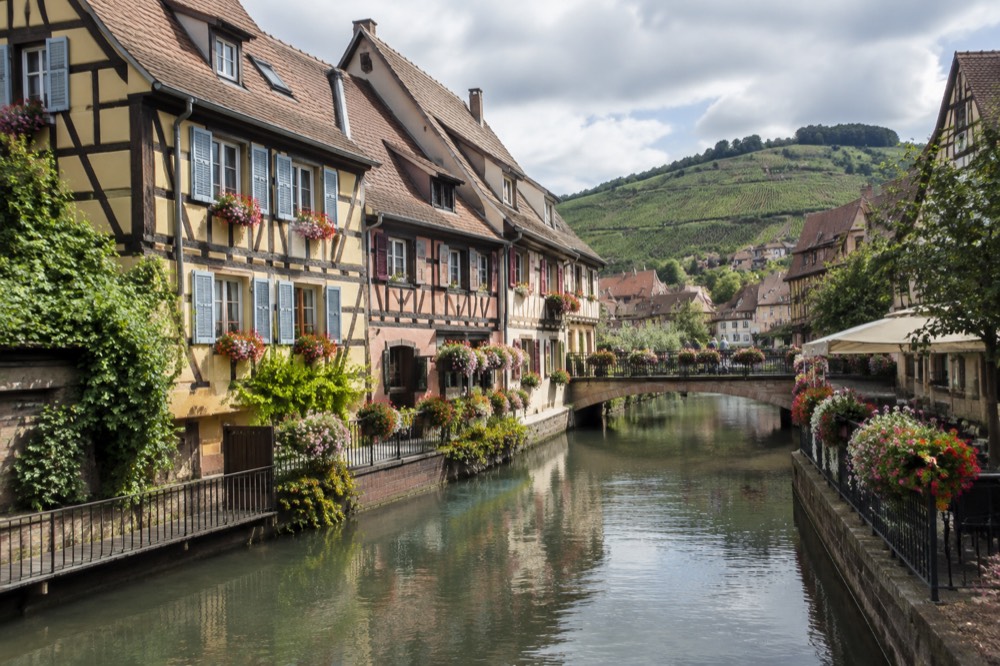
The trade-off is time against money. A guided day trip costs more per head than a train ticket but removes every connection, booking and timing decision, which matters on a two- or three-day stay where a wasted afternoon is the real expense. The Black Forest and Baden-Baden excursion crosses into Germany and back in one day, pairing the spa town with the forest, and a guide handles the border logistics that a self-drive visitor has to work out alone. Details and availability are on the operator's live listing: Check availability.
| Day-trip style | What you get | Budget fit |
|---|---|---|
| Guided Black Forest and Baden-Baden trip | Two countries, one ticket, guide handles logistics | Best on a short stay |
| Train to Colmar, self-guided | Alsatian old town at your own pace | Cheapest, needs planning |
| Wine Route villages by train | Eguisheim, Obernai and others reachable by rail | Cheap with a rail pass |
| Half-day wine tour with tastings | Cellar visits with a driver | Mid-price, avoids driving |
| Medieval villages and wine tasting trip | Several villages in one loop | Higher, but covers a lot of ground |
The Alsatian destinations are covered in depth elsewhere on this site: the Colmar guide, the Alsace wine route guide and the Eguisheim guide each explain what the place is for and how it pairs with a tour. The budget rule for all of them: check the official rail pages for fares and times, because no per-route price belongs on this page.
Germany sits directly across the Rhine, and Kehl is the nearest German town, reachable by tram and covered by the same CTS tickets described above, which makes it the cheapest possible two-country day trip from Strasbourg. The Kehl guide covers it. For the wider German options, the Black Forest guide and the Baden-Baden guide lay out what each place offers.
Where To Stay To Keep Costs Down?
Location, not star rating, is the budget lever in Strasbourg: staying just outside the Grande Île and tramming in costs less than sleeping on the island, and the December weeks are the one period worth avoiding entirely if price is the deciding factor. The honest advice is directional: prices are higher during Christmas-market weeks, and booking early is the only reliable defence. The where to stay in Strasbourg guide maps the districts properly.
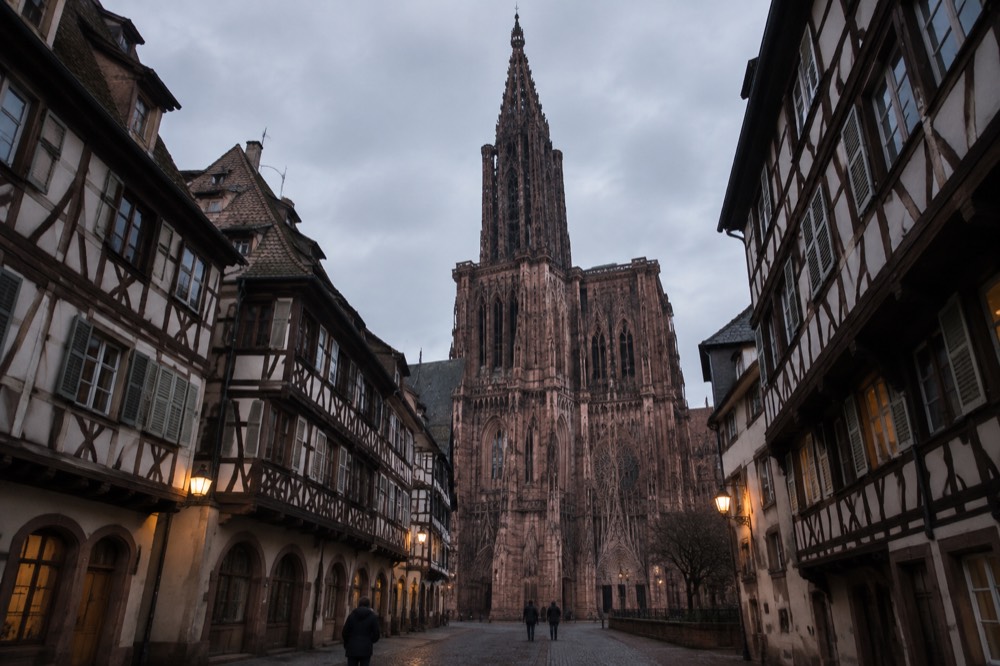
The geography that drives the price is small: the Grande Île is the postcard, and everyone wants to wake up inside it. The districts immediately across the river, the Krutenau and the Neustadt, are walkable or a short tram hop from the centre and carry the character without the premium. The Krutenau guide and the Neustadt guide describe both. For the December period specifically, the where to stay for the Christmas market guide weighs proximity against price.
Two structural notes help. First, the city is a year-round destination with a semi-continental climate, warm summers and cold winters, so the shoulder seasons deliver lower demand without the December price spike. The best time to visit Strasbourg guide and the Strasbourg weather guide give the monthly picture, including the Meteo-France normals. Second, Strasbourg is a working city of 293,771 residents in the commune, per INSEE, and its residential quarters hold ordinary bakeries and ordinary prices a five-minute tram ride from the cathedral.
A Sample Low-Cost Day In Strasbourg?
One realistic budget day runs like this: morning on foot through Petite France, the 12:30 clock show at 4 EUR, an afternoon museum at 9 EUR or free if it is the first Sunday, and dinner from a market picnic or a winstub lunch shifted late. Total transport spend can be zero if you walk, or 4.60 EUR with a day pass if the day stretches to the European Quarter. The plan below uses only prices printed earlier in this guide, each one from an official source.
| Time | Activity | Cost |
|---|---|---|
| Morning | Walk Petite France, Ponts Couverts, riverbanks | Nothing |
| 11:30 | Buy clock ticket at the Saint-Michel entrance | 4 EUR |
| 12:30 | Astronomical clock show | Included in ticket |
| Early afternoon | Cathedral platform climb | 10 EUR, 6 EUR reduced |
| Late afternoon | One municipal museum, or free on first Sunday | 9 EUR or nothing |
| Evening | Winstub or market picnic | Varies, read the menu first |
Swap pieces freely. The platform can be traded for a Batorama short tour at 12.50 EUR if weather favours the river, and the museum can be traded for the free GuruWalk walk if the day falls on one when it runs. The point of the table is that a full, varied day in Strasbourg costs less in sights and transport than a single dinner in many European capitals, and the money you save is better spent on one guided experience that matters to you than on a scattered handful of tickets.
The deeper budget truth about this city is that its best assets are positional. The Grande Île's lanes, the river splits around Petite France, the spire seen from a dozen angles across the island: none of it is ticketed, and all of it is what people actually remember. The paid layer, the clock, the platform, the boats, the museums, is thin and well priced. The expensive layer is beds in December, and that is a planning problem, not a city problem.
Whichever mix you settle on, the same three rules hold: buy transport through the CTS app rather than on board, check the live listing for any tour before booking, and keep one line of the budget for the single experience, a day trip, a tasting or a specialist walk, that you will actually remember. Strasbourg rewards that kind of arithmetic.
Common Questions About Visiting Strasbourg On A Budget
Is Strasbourg Expensive To Visit?
The sightseeing is not: a CTS day pass is 4.60 EUR, the astronomical clock show is 4 EUR and the cathedral platform is 10 EUR. What costs money is accommodation, especially during the Christmas-market weeks in late November and December, when prices climb across the city centre.
What Is The Cheapest Way To Get From Strasbourg Airport To The City?
The airport train shuttle. It runs up to five times an hour, takes 8 minutes to Strasbourg station, and a combined ticket covering the train plus a day of tram and bus travel costs 4.60 EUR, per the airport's own access page.
Are Strasbourg Museums Free?
Every municipal museum is free on the first Sunday of each month, per the museums' own FAQ. At other times a ticket is 9 EUR full price or 5 EUR reduced, and a 1-day Pass Musées costs 20 EUR, which pays off from three museum visits in a single day.
Is The Astronomical Clock Show Worth 4 EUR?
On a budget it is the best-value ticket in the city: a 4 EUR seat for the full automaton performance at 12:30 daily. Tickets are sold on the day only, at the cathedral stalls between 10:00 and 11:00 or at the Saint-Michel entrance from 11:30, so timing matters more than money.
Can You Visit Strasbourg Without A Car?
Yes, comfortably. The historic core is walkable, the tram network covers the wider city on a 4.60 EUR day pass, and the airport links by an 8-minute train shuttle. A car becomes useful only for the wine villages and the Black Forest, and guided day trips cover those for anyone who would rather not drive.
When Is Strasbourg Cheapest?
Outside the Christmas period. The market opens in the last week of November and runs to 24 December, and that stretch is the city's most expensive for beds. The spring and autumn shoulder months bring lower demand, and the city's semi-continental climate still delivers pleasant walking weather, with mean maximums of 12.1 C in March and 15.8 C in October.