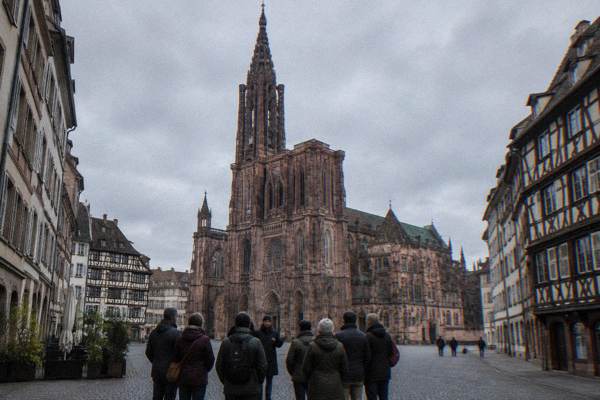
Strasbourg Pass
Strasbourg in north-eastern France sells two different cards that travellers regularly confuse: a cheap discount card from the tourist office and a one-day museum pass from the city. Here is what each one actually buys you.
Short answer
The Strasbourg City Card costs 5 EUR for an adult and 3.50 EUR for a child aged 3 to 17, lasts 7 days, and gives discounts rather than free entry: reduced prices at municipal museums, the cathedral platform, the astronomical clock and the Batorama boat tour. The separate Pass Musées costs 20 EUR for one day and covers the municipal museums. Neither card is an all-inclusive sightseeing pass.
Strasbourg, the prefecture of the Bas-Rhin in Alsace, north-eastern France, sits on the River Ill a short way from the German border, and it sells two cards that travellers constantly mix up. The Strasbourg City Card is a 5 EUR discount card sold through the tourist office. The Pass Musées is a 20 EUR one-day museum pass sold by the city's museum service. Neither is the all-inclusive sightseeing pass many visitors expect when they search for a "Strasbourg Pass", and the difference matters for anyone planning a short trip around the cathedral, the Grande Île and the Christmas market. This guide sets out what each card covers, what it costs, and how to decide whether either one earns a place in your budget.
What Is The Strasbourg Pass And What Does It Include?
The name "Strasbourg Pass" usually refers to the Strasbourg City Card, a discount card sold by the tourist office for 5 EUR per adult and 3.50 EUR per child aged 3 to 17, valid for 7 days from first use. It is not a free-entry pass: it reduces the price of municipal museums by 4 EUR each, cuts 5 EUR off the cathedral platform ticket, and discounts the astronomical clock, the Batorama boat tour, guided visits and the petit train. The tourist office's shop page lists the reductions plainly, and the card pays for itself only if you visit several paid sights within its week.
The card's mechanics are simple. You buy it, you carry it, and you show it at each ticket desk to receive the reduced price rather than the standard one. Because it runs for 7 days, it suits a leisurely stay, a Christmas-market trip with sightseeing spread across several afternoons, or a week that mixes Strasbourg with day trips into the Alsace wine country. For a single rushed day it does far less work, since you would need to stack three or four discounted entries back to back to come out ahead.
The second product that travellers call a "pass" is the Pass Musées from the Musées de Strasbourg. That one is a genuine entry pass, but only for the municipal museums: it costs 20 EUR for one day and covers the museums run by the city, among them the Musée des Beaux-Arts, the Musée de l'Œuvre Notre-Dame and the MAMCS. The two cards answer different questions, and the sections below compare them directly.
One thing the City Card is not: a transport pass. Trams and buses in Strasbourg run on CTS tickets, priced separately, at 1.90 EUR for a single bought through the Badgéo card, the CTS app or contactless payment, or 2.50 EUR bought on board a bus. A 24-hour Solo pass costs 4.60 EUR and a 24-hour Trio pass for two to three people costs 10.20 EUR. None of that is bundled with the City Card, so budget for both if you plan to ride.
| Card or pass | Price | Validity | What it buys |
|---|---|---|---|
| Strasbourg City Card (adult) | 5 EUR | 7 days | Discounts at museums, boat tour, platform, clock |
| Strasbourg City Card (child 3-17) | 3.50 EUR | 7 days | Same discounts |
| Pass Musées 1 day | 20 EUR | 1 day | Entry to municipal museums |
| Pass Musées 1 year solo | 45 EUR | 1 year | Entry to municipal museums |
Is The Strasbourg Pass Worth It For Your Trip?
The City Card is worth buying when your itinerary includes at least three paid sights from its discount list within 7 days: for example the cathedral platform, one municipal museum and a Batorama boat tour, which at full price cost 10 EUR, 9 EUR and 16.20 EUR respectively. It is not worth buying if you plan to stroll the Grande Île, walk Petite France and see only the cathedral nave, because the nave carries no ticket and the riverside streets cost nothing to wander. The arithmetic depends entirely on how many ticket desks you plan to reach.
Consider a museum-heavy day. The Pass Musées at 20 EUR beats individual 9 EUR museum tickets once you enter three museums in a single day, and it beats the City Card's 4 EUR per-museum discount in that scenario too. Spread the same three museums across three days, and the City Card's 5 EUR outlay wins comfortably. The 7-day window is the City Card's real advantage: it matches the rhythm of a Christmas-market stay, where sightseeing happens in fragments between chalets, tastings and long lunches.
Christmas-market visitors should read the card's discount list against their own plans, and the market itself needs separate planning: the 2025 edition ran from 26 November to 24 December and drew 3.05 million visitors according to the city's own bilan, and the city posts each edition's dates on its Christmas site, so confirm them there. Confirm the dates on the city's Christmas pages before booking anything, and pair the card with reading on the Strasbourg Christmas Market guide and on Christmas Markets In Alsace if your trip extends beyond the city.
A card also pairs well with a guided experience, since the City Card discounts guided visits while the roster offers walks and tastings that need no card at all.
Prefer a guided stroll through the old town? Book a free walking tour here.
How Does The City Card Compare To The Pass Musées?
The City Card is broad and shallow: 5 EUR buys small discounts across museums, the boat tour, the cathedral platform, the clock, the petit train and guided visits over 7 days. The Pass Musées is narrow and deep: 20 EUR buys actual entry, not a discount, but only to the municipal museums and only for one day. A traveller who wants the cathedral platform plus a boat tour plus one museum should carry the City Card; a traveller spending one wet Tuesday gallery-hopping should carry the Pass Musées.
The museum side of the comparison deserves precision. Standard municipal museum entry is 9 EUR full price and 5 EUR reduced, and the museums include the Musée des Beaux-Arts in the Palais Rohan, the Musée de l'Œuvre Notre-Dame near the cathedral, the MAMCS modern-art collection, the Archaeological Museum and the Decorative Arts and Historical museums. The Musée Alsacien, the folk-life museum, is closed for works until 2028 and no pass of any kind routes a visit there, so strike it from every calculation. All municipal museums open free of charge on the first Sunday of every month, which can beat both cards outright if your dates line up.
There is a third "pass" that people sometimes expect and will not find: an all-inclusive Strasbourg sightseeing pass covering every attraction in one price. The City Card is deliberately a discount instrument, and the tourist office describes it exactly that way. Anyone promising unlimited entry everywhere in Strasbourg is describing a product that does not exist.
| What you want | Better card | Why |
|---|---|---|
| Three or more museums in one day | Pass Musées | 20 EUR beats 27 EUR of full-price tickets |
| Museums spread over several days | City Card | 4 EUR off each museum, 7-day window |
| Cathedral platform plus boat tour | City Card | 5 EUR off platform, boat discount, no museum needed |
| One museum only | Neither | 9 EUR single ticket is cheaper than either card |
| Museums on a first Sunday | Neither | Municipal museums open free that day |
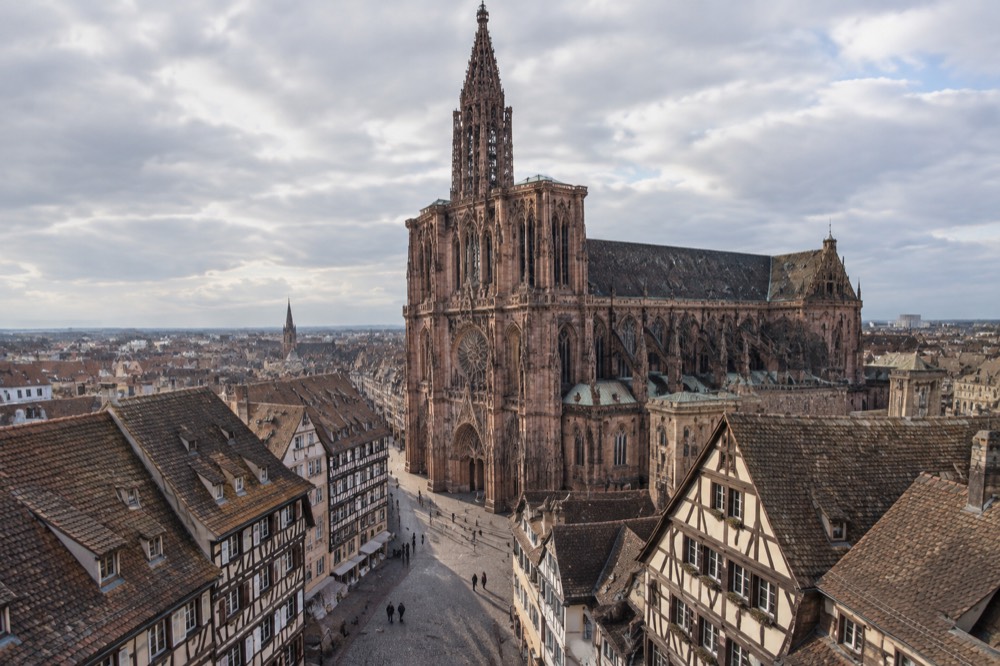
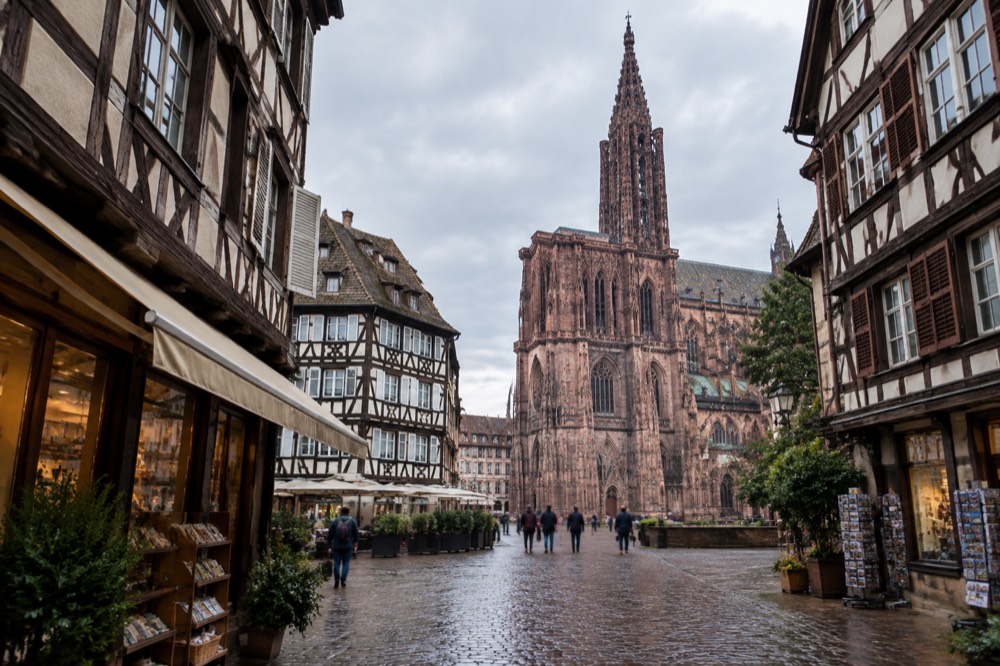
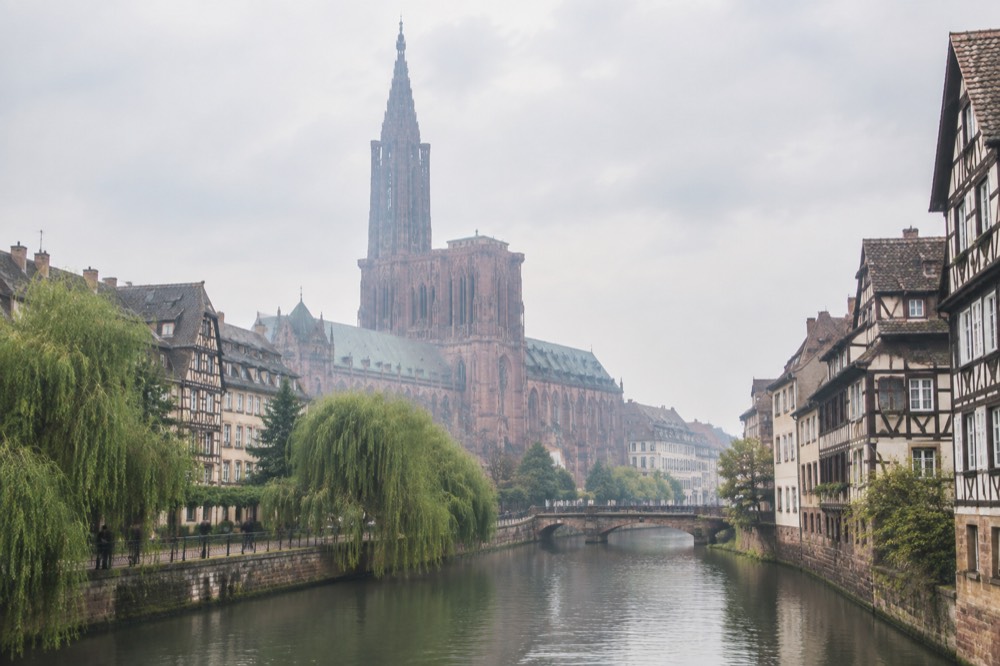
The Cathedral's own numbers show how the discounts land. The platform ticket costs 10 EUR full and 6 EUR reduced, with children under 6 free, and the platform sits at 66 m up the single spire. The astronomical clock show at 12:30 costs 4 EUR, with tickets sold on the day only, at the cathedral stalls between 10:00 and 11:00 or from 11:30 at the Saint-Michel entrance on Place du Château. A City Card in hand changes the platform arithmetic and the clock arithmetic at the desk, though the exact reduction on the clock is one of several the card lists.
Which Sights Can You Discount With The Strasbourg Pass?
The City Card's verified discount list covers the municipal museums at 4 EUR off each, the cathedral platform at 5 EUR off, the astronomical clock, the Batorama boat tour, guided visits, the petit train, the Musée Château Vodou and Le Vaisseau, the children's science centre. The tourist office's shop page is the authority on the current list, and it is worth a glance before buying, because operators and offers change between seasons.
The Batorama line is one of the more useful ones for first-time visitors. The official prices are 16.20 EUR full and 8.90 EUR reduced for the long tour, and 12.50 EUR full and 7.20 EUR reduced for the short tour. The Red Tour runs 1 hour 10 minutes and the Blue Tour 45 minutes, with a 17-minute Parliament-Cathedral return shuttle as a third option. A boat trip is the easiest way to see the Grande Île, the Neustadt and the European institutions from the water in one sitting, and the card's reduction lands on top of an already moderate ticket.
The platform-and-clock pairing is the other natural fit. The cathedral's visiting hours for the nave run Monday to Saturday 08:30-11:15 and 12:45-17:45, and on Sundays and feast days 14:00-17:15; during the Christmas market the cathedral stays open continuously on the Place du Château side. Platform hours change with the seasons: 09:30-13:00 and 13:30-20:00 from 1 April to 30 September, with the last ascent at 19:15, and 10:00-13:00 and 13:30-18:00 from 1 October to 31 March, with the last ascent at 17:15. The platform closes on 1 January, 1 May and 25 December. None of that requires a card, but the card makes the combined platform-plus-clock-plus-museum day cheaper.
| Sight or activity | Full price | Card benefit |
|---|---|---|
| Municipal museum entry | 9 EUR | 4 EUR reduction |
| Cathedral platform | 10 EUR | 5 EUR reduction |
| Astronomical clock show | 4 EUR | Reduction listed on the card |
| Batorama long tour | 16.20 EUR | Reduction listed on the card |
| Batorama short tour | 12.50 EUR | Reduction listed on the card |
| Guided visits | Varies by visit | Reduction listed on the card |
For travellers whose appetite runs to food rather than towers, the card's guided-visit discount and a culinary walk make a good pairing, and the related culinary tour below covers the ground in a different register: a guided walk through the city's food culture, priced on the operator's live listing rather than in any card's table.
How Many Days Do You Need To Use The Pass Well?
The City Card's 7-day validity means it suits anything from a long weekend to a full week, but the arithmetic works best across three or more sightseeing days with one or two paid sights each. A two-day trip can still justify it if day one takes the platform and a museum and day two takes the boat tour; a one-day visit rarely does, because the Pass Musées at 20 EUR or simple single tickets will usually cost less than stacking discounts. The card rewards travellers who spread their visit.
Two days is the comfortable minimum for Strasbourg itself, and the site's own planning pages cover the pacing: One Day In Strasbourg squeezes the essentials, while Two Days In Strasbourg and Three Days In Strasbourg leave room for the museums and the European Quarter. A pass decision should follow that pacing rather than lead it. Decide where your days go, count the ticket desks, then choose the card.
Day trips change the calculation in one direction only: away from the city's museums. The City Card's discounts apply within Strasbourg, so a day spent in the wine villages or the Black Forest burns card validity without using it. That is not an argument against the card, since a 7-day window absorbs a day trip comfortably, but it is an argument for checking how many city days you actually have. The medieval-villages day trip below is the classic example: a full day outside the city, priced on its own listing, with no card involvement. The rest of the planning pages sit on Strasbourg Travel Guide.
What Does The Strasbourg Pass Not Cover?
The City Card does not cover transport, does not give free entry to anything, does not apply to the Musée Alsacien while it is closed for works until 2028, and does not bundle the cathedral platform or the clock into a single ticket. It also does not replace planning: the clock show sells tickets on the day only, the platform closes on three fixed dates each year, and museums have their own schedules that no card overrides.
Transport is the gap travellers notice first. CTS tickets are separate, and the airport connection is its own product: the train shuttle between Strasbourg station and Entzheim airport runs up to five times an hour and takes 8 minutes, with a combined train-plus-tram-plus-24-hour-ticket fare of 4.60 EUR. None of that interacts with the City Card. A visitor arriving by air and riding trams for three days should budget CTS fares as a separate line, and the site's Getting Around Strasbourg pages carry the detail.
The card also does not turn the Christmas market into a discount. The chalets, the food stalls and the mulled wine are priced individually by their operators, and the market's own scale, dozens of chalets across several squares, is a spending category of its own. The site's Strasbourg Christmas Market Food guide is the place to plan that budget, and Where To Stay For Strasbourg Christmas Market handles the December accommodation question, which matters more than any card in high season.
Finally, the card does not cover guided tours sold on travel listings, including the walks and tastings in this site's tour pages. Those are separate products with their own prices, durations and cancellation terms, rendered on their own listings. The historic walk below is the compact example: a local guide, the old town, and a price that lives on the operator's listing rather than in a card's discount table.
When Is A Card A Bad Idea In Strasbourg?
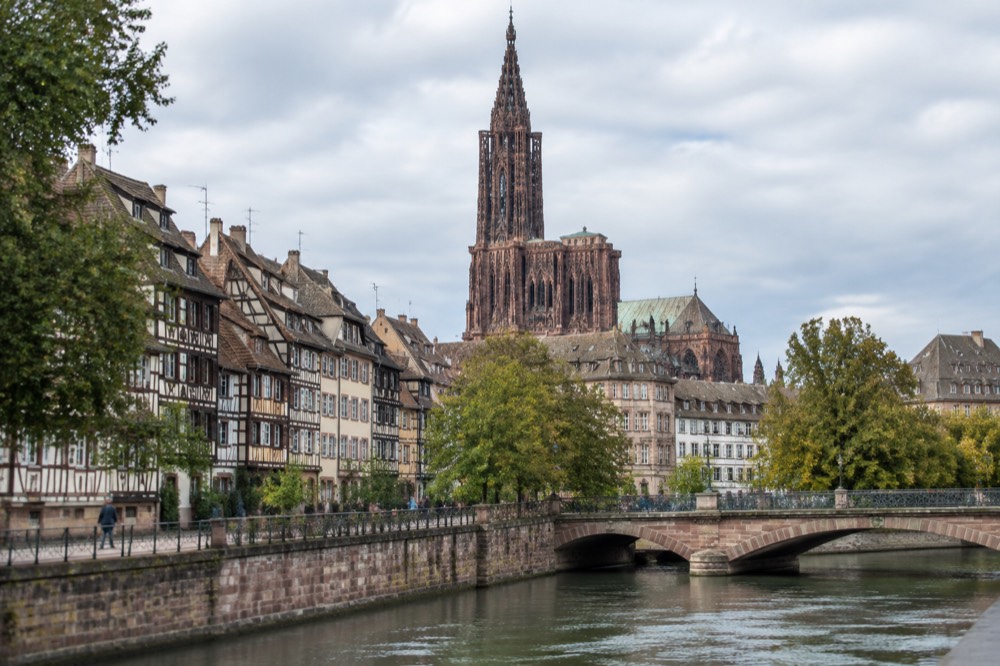
A card is a bad idea when your Strasbourg days are built around things that carry no ticket at all: the Grande Île's streets, Petite France's canals, the Ponts Couverts, the riverside walks and the free first-Sunday museum openings. In that case 20 EUR buys nothing you would otherwise pay for, and the honest budget is food, transport and one platform ticket. Plenty of excellent visits to Strasbourg involve no card whatsoever.
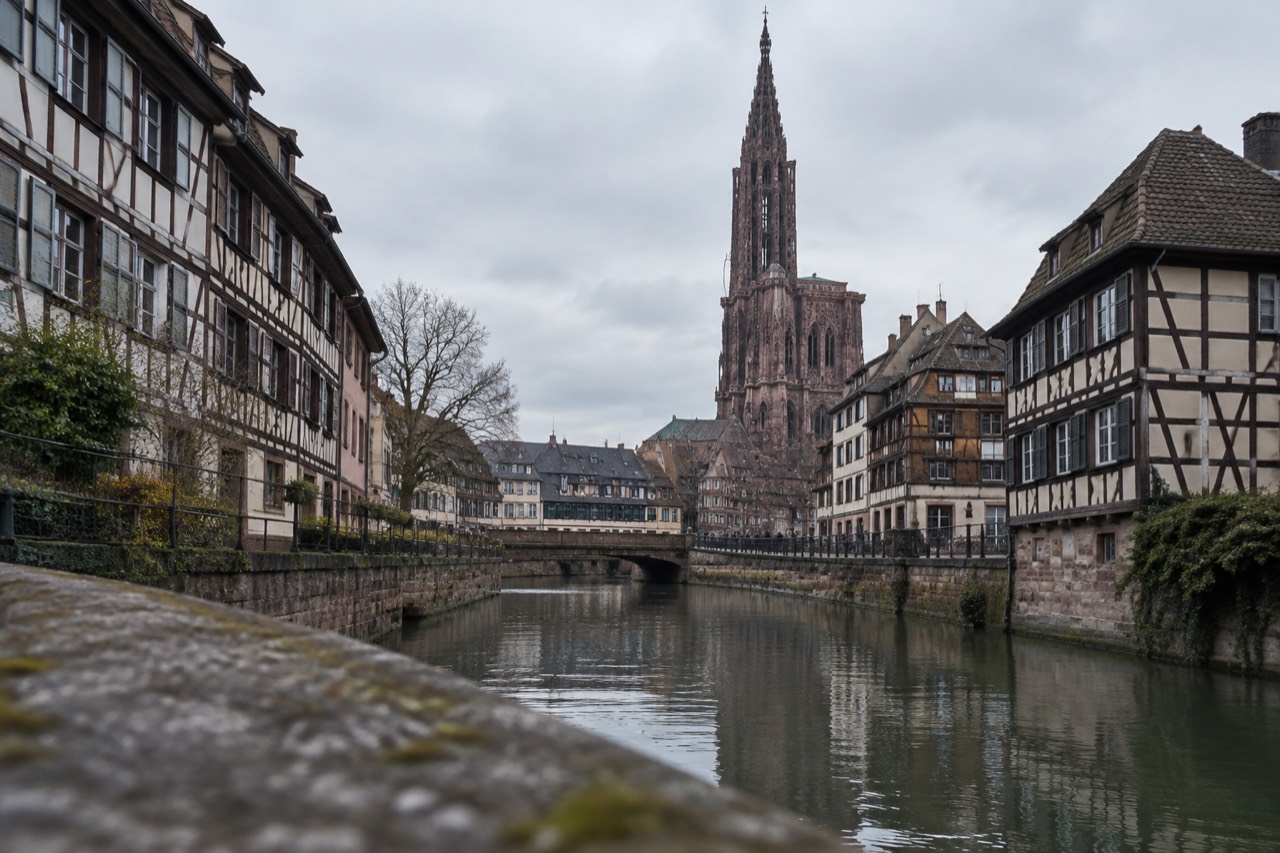
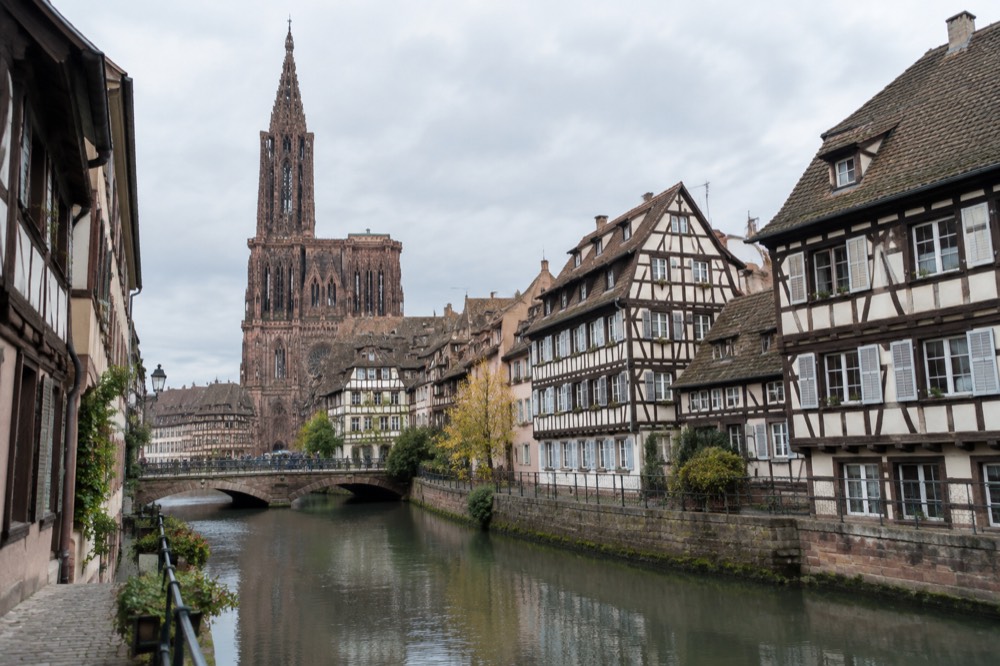
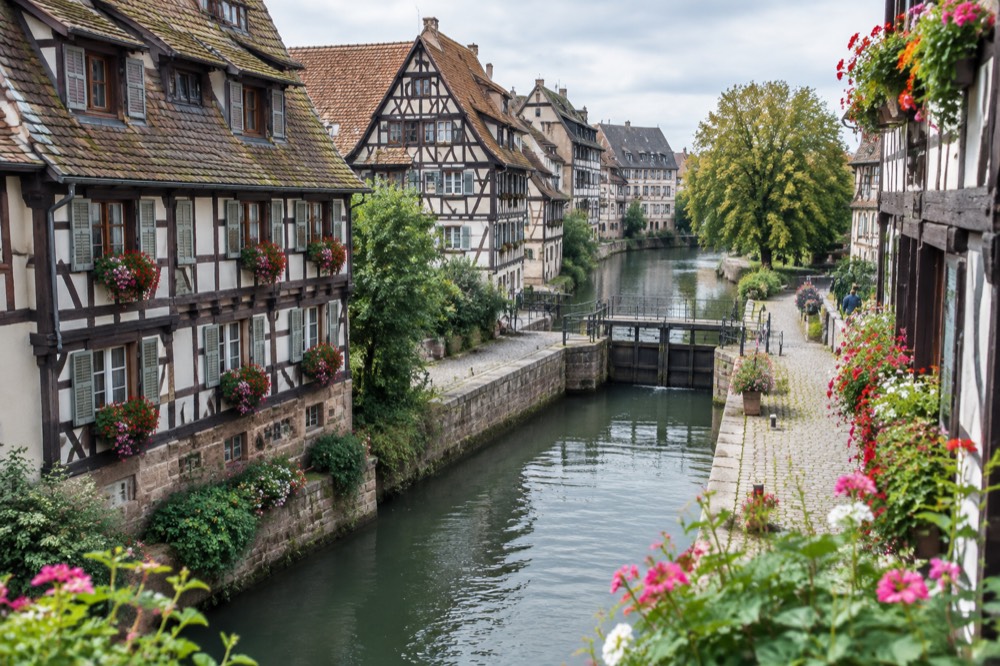
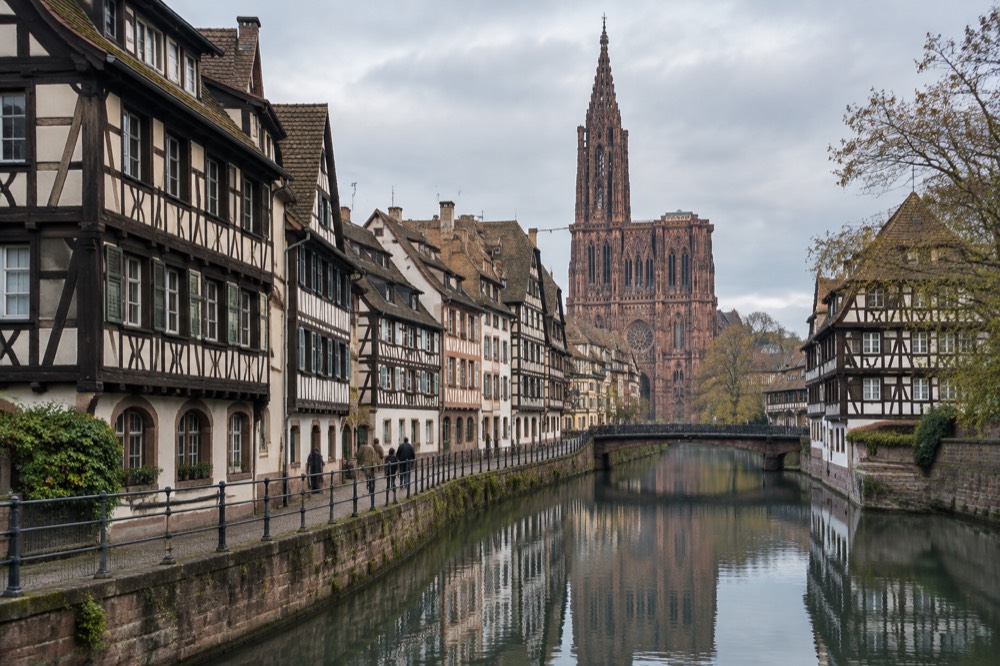
The city's public realm is unusually generous. The UNESCO property "Strasbourg, Grande-Île and Neustadt", with the Neustadt as the later extension, is a heritage designation you experience by walking, and the Barrage Vauban terrace gives one of the classic rooftop views over the Ponts Couverts and the cathedral spire. None of that involves a ticket desk. The site's Free Things To Do In Strasbourg pages list this layer of the city in full.
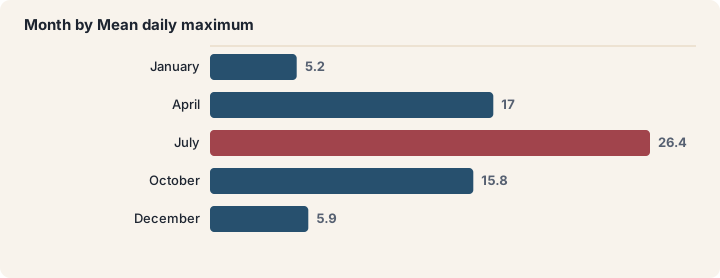
Weather argues the same way sometimes. Strasbourg's climate is semi-continental, and the Meteo-France 1991-2020 normals for Strasbourg-Entzheim give a January mean maximum of 5.2 C and a July mean maximum of 26.4 C, with 635.7 mm of rain across the year and December averaging 10.2 days with a millimetre or more. A wet December afternoon is a museum afternoon, and that is precisely when the Pass Musées earns its 20 EUR. A dry June weekend is a walking and boating weekend, and the City Card's boat discount becomes the relevant line. The site's Strasbourg Weather and Best Time To Visit Strasbourg guides carry the month-by-month detail.
| Month | Mean daily maximum | Mean daily minimum | Rain days of 1 mm or more |
|---|---|---|---|
| January | 5.2 C | -0.2 C | 9.1 |
| April | 17.0 C | 5.7 C | 8.6 |
| July | 26.4 C | 14.9 C | 10.4 |
| October | 15.8 C | 7.2 C | 9.6 |
| December | 5.9 C | 0.8 C | 10.2 |
Where Do You Buy The Strasbourg Pass And How Do You Use It?
The Strasbourg City Card is sold through the tourist office's shop, at 5 EUR for an adult and 3.50 EUR for a child aged 3 to 17, and it is valid for 7 days; the Pass Musées is sold through the Musées de Strasbourg at 20 EUR for the one-day version. Both are local products bought on the spot or online from their own official shops, and neither requires advance booking in the way a guided tour does.
Using the City Card is a matter of presentation. Show it at each participating ticket desk and pay the reduced price. Keep it somewhere reachable, because a day that moves from the platform queue at midday to a museum at 16:00 will ask for it twice. The card's 7-day clock means the purchase date matters less than the first-use date, so there is no reason to buy it weeks ahead unless the shop requires it.
The clock show deserves its own note because its ticket rules are unusual. Tickets are sold on the day only, with no reservations, at the cathedral stalls between 10:00 and 11:00 or from 11:30 at the Saint-Michel entrance on Place du Château. Group rates exist for 12 or more and there are student and child rates, but the timing constraint is the thing to plan around: arrive mid-morning if the 12:30 automaton show is on your list, and read the site's Astronomical Clock guide for how the mechanism works and what the show actually depicts.
For the museums, one planning habit saves more than any card: check the calendar against the first Sunday of the month. Every municipal museum opens free that day, and the city states it plainly on its own pages. A trip that lands on that Sunday can spend its card money on a boat tour upgrade, a food tour, or simply a better dinner, and the site's Strasbourg On A Budget guide collects the other savings that work the same way.
How Do You Plan A Pass-Friendly Strasbourg Itinerary?
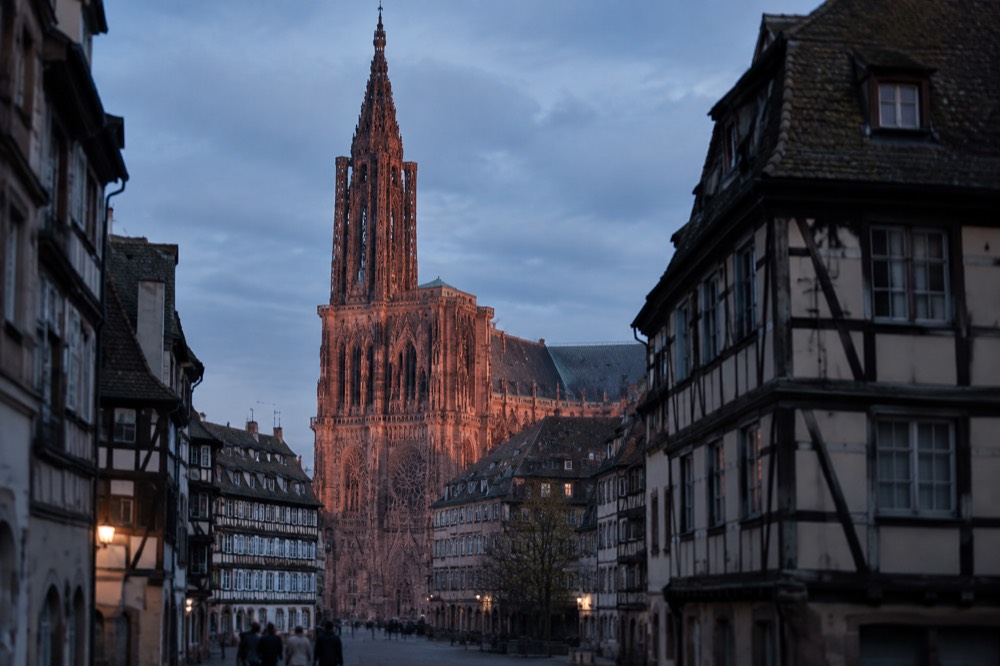
Build the itinerary around clusters: a cathedral cluster pairing the platform with the clock and the Musée de l'Œuvre Notre-Dame, a Palais Rohan cluster pairing two or three museums in one building, and a river cluster pairing the Batorama tour with a walk through Petite France. Clusters turn a discount card into real savings, because each cluster puts two or three ticket desks within a few minutes' walk of one another.
The cathedral cluster is the strongest single argument for the card. The platform, the clock and the Musée de l'Œuvre Notre-Dame sit around one square, and the platform ticket even carries a reduced rate at that museum, a cross-discount the official visitor page states outright. Add the nave's own hours into the plan and a single morning can cover the lot, with the 12:30 clock show as the fixed point around which everything else is arranged.
The Palais Rohan cluster works on the museum side. The Musée des Beaux-Arts, the Archaeological Museum and the Decorative Arts museum share the palace, which makes the one-day Pass Musées unusually efficient there: three museums, one doorstep, one 20 EUR ticket. On a rainy day, which Strasbourg supplies at a steady ten-or-so days a month in the wetter seasons, that cluster alone can justify the pass. The site's Strasbourg Museums guide carries the full museum-by-museum detail.
| Cluster | What it includes | Card that fits |
|---|---|---|
| Cathedral square | Platform, clock, Musée de l'Œuvre Notre-Dame | City Card |
| Palais Rohan | Beaux-Arts, Archaeology, Decorative Arts | Pass Musées |
| River Ill | Batorama tour, Petite France walk, Ponts Couverts | City Card |
| European Quarter | Parlamentarium visit, institution buildings | Neither, check the official page |
The European Quarter is the one cluster that sits outside both cards. The Parlamentarium Simone Veil opens Monday to Friday 09:00-18:00 and Saturday 09:30-12:00 and 13:00-18:00 outside plenary weeks, with an airport-style security check on entry and different hours during plenary weeks, and its admission terms are on the European Parliament's own visitor pages. The site's European Parliament guide covers the institutions in detail. Plan that quarter from its official pages rather than from any card's discount list.
A final pairing thought for travellers who want the city's food culture as part of the trip rather than an afterthought: the culinary walk that anchors this article's tour picks runs through the same streets the cards discount, and its live listing carries the current times and terms. Check availability alongside the site's Strasbourg Food Tour planning page before locking the itinerary.
Common Questions About The Strasbourg Pass
Is the Strasbourg Pass the same as the Strasbourg City Card?
The name usually refers to the Strasbourg City Card, the tourist office's discount card at 5 EUR for an adult and 3.50 EUR for a child aged 3 to 17, valid for 7 days. Some travellers also use the name for the Pass Musées, which is a different product: a 20 EUR one-day entry pass for the municipal museums.
Does the Strasbourg City Card include free entry to museums?
No. It is a discount card, not an entry pass. It reduces municipal museum tickets by 4 EUR each and discounts the cathedral platform by 5 EUR, along with the astronomical clock, the Batorama boat tour, guided visits and other sights listed on the tourist office's shop page.
Does the Strasbourg City Card cover trams and buses?
No. Transport is sold separately by CTS: a single ticket costs 1.90 EUR through the Badgéo card, the CTS app or contactless payment, or 2.50 EUR on board a bus, a 24-hour Solo pass costs 4.60 EUR, and a 24-hour Trio pass for two to three people costs 10.20 EUR.
Is the Pass Musées worth 20 EUR?
It is worth it if you plan to visit three or more municipal museums in one day, since standard entry is 9 EUR full price and 5 EUR reduced per museum. For one or two museums, single tickets cost less, and for museums spread across several days the City Card's per-museum discount usually works out better.
Can you visit Strasbourg museums for free?
Yes, on the first Sunday of every month, when all municipal museums open free of charge, as the city states on its own pages. The Musée Alsacien is the exception to plan around: it is closed for works until 2028 and no pass or free day applies while it is shut.
Where can I buy the Strasbourg City Card?
Through the Strasbourg tourist office's official shop, which lists the 5 EUR adult and 3.50 EUR child prices, the 7-day validity and the current discount list. The Pass Musées is sold separately through the Musées de Strasbourg's own ticketing pages.
The honest summary is that Strasbourg's cards are small, cheap instruments rather than big all-inclusive passes, and they reward travellers who count their ticket desks before buying. A 5 EUR discount card and a 20 EUR museum day-pass, chosen against a concrete itinerary of clusters and opening hours, will serve a well-planned visit far better than an expensive bundle bought on instinct.