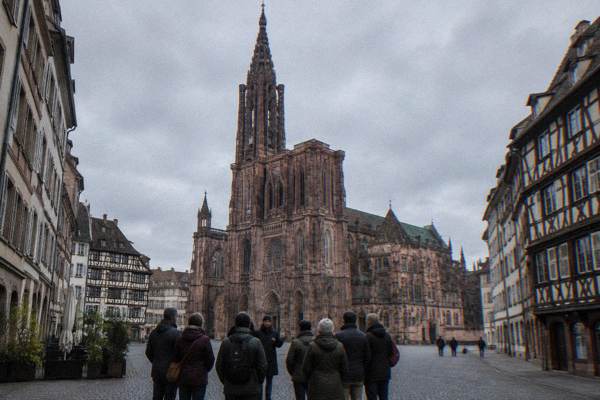
Musee Alsacien Strasbourg
The Musée Alsacien, Strasbourg's museum of everyday Alsatian life, is closed for major works until 2028. This guide explains the closure, what the museum is about, and which of the city's open museums fill the gap.
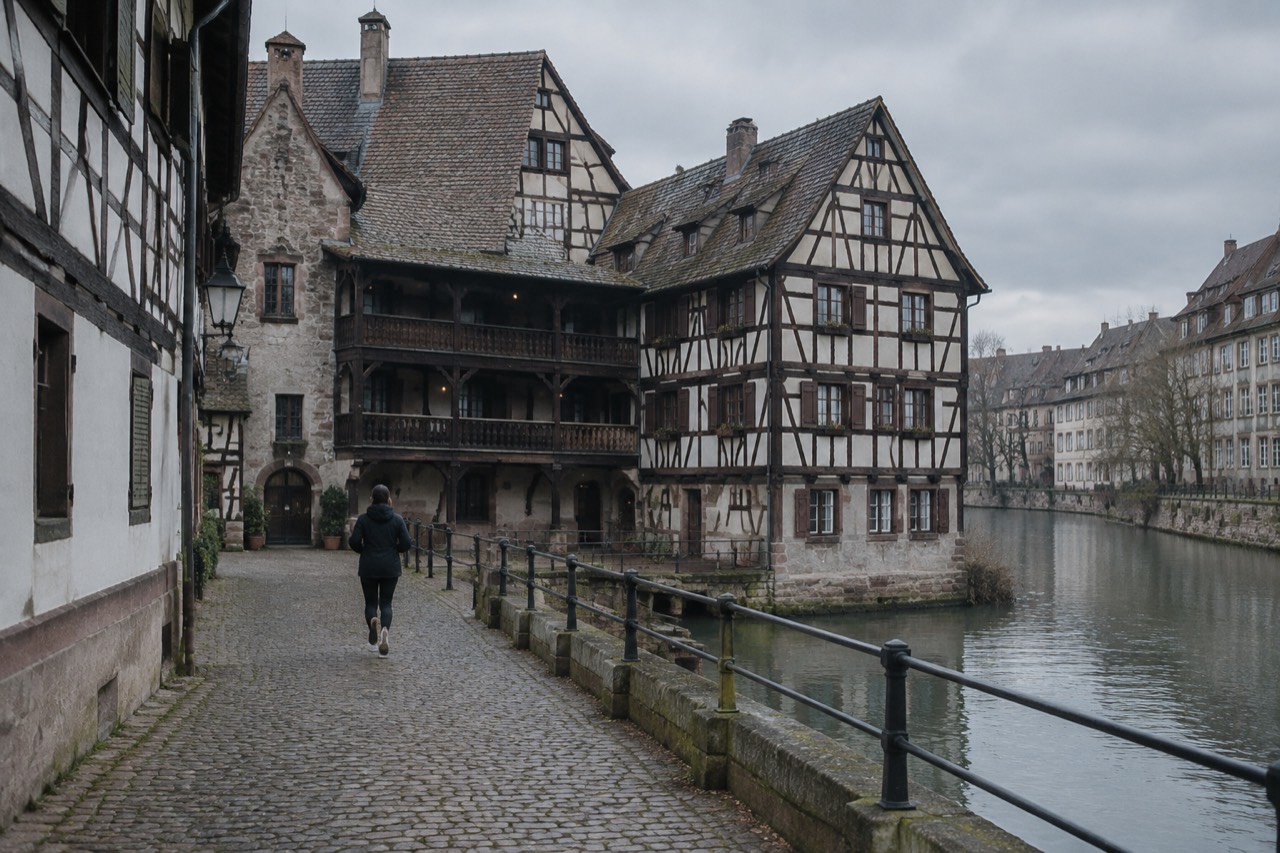
Short answer
The Musée Alsacien in Strasbourg is closed for works until 2028, with the museum's own pages giving 1 June 2028 as the target. The city's other municipal museums remain open at 9 EUR full and 5 EUR reduced, with a 1-day pass at 20 EUR and free entry on the first Sunday of every month.
The Musée Alsacien in Strasbourg, the folk-life museum of Alsace in the Bas-Rhin department of north-eastern France, is closed for major building works until 2028, and that single fact reshapes any plan built around it. The museum has long been the place where the region's rural and domestic heritage was gathered under one roof, from reconstructed interiors to the crafts and costumes of the Alsatian countryside. Its closure, in force since July 2025, leaves a gap in the city's museum circuit, but not an empty one: Strasbourg runs six other municipal museums, all open, all covered by the same ticket system, and all within easy reach of the historic centre. This guide sets out what the Musée Alsacien is, why it closed, what it will offer again when the doors reopen, and how to build a rewarding museum day in Strasbourg in the meantime.
What Is The Musée Alsacien In Strasbourg?
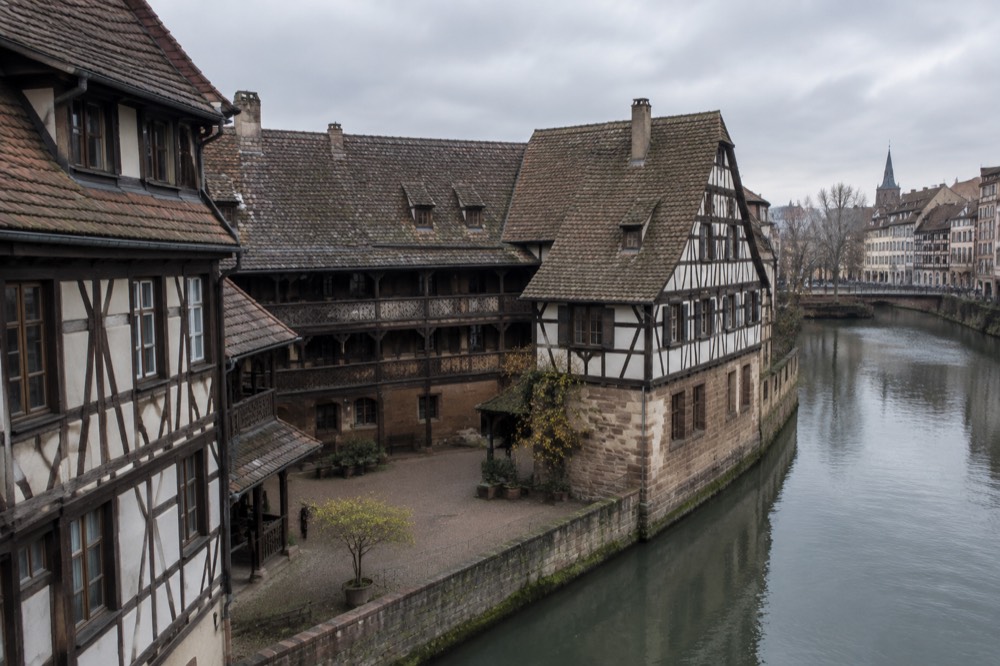
The Musée Alsacien is Strasbourg's museum of everyday Alsatian life, dedicated to the domestic interiors, costume, craft and rural traditions of the region rather than to fine art or antiquity. It sits in the historic centre, and it is currently closed for works until 2028, with 1 June 2028 given as the target date on the museum's own pages. Until it reopens, its role in the city's cultural offer is covered by the other municipal museums.
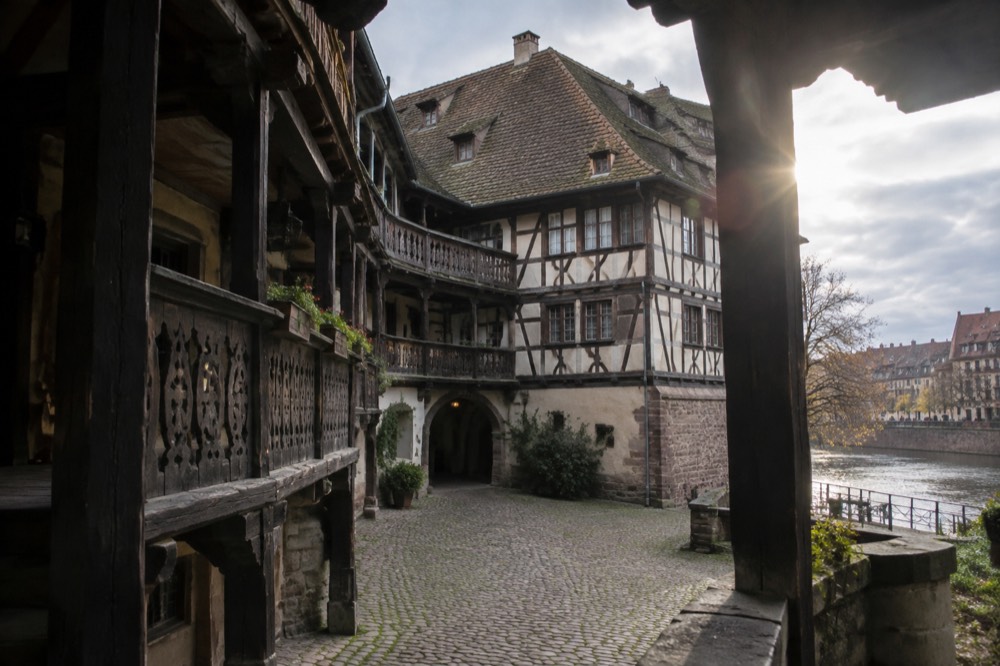
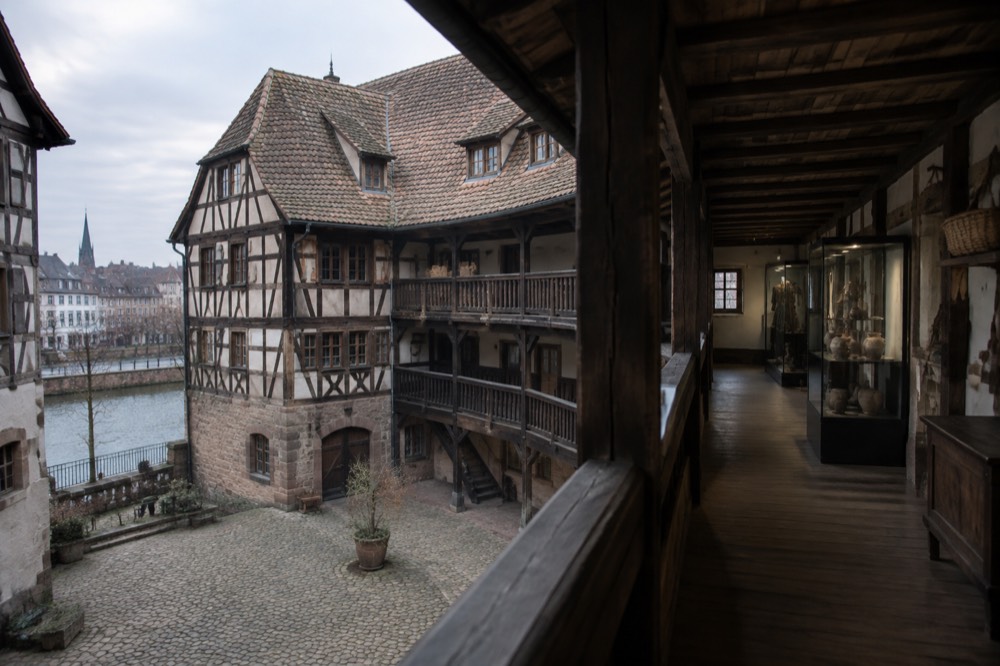
That framing matters, because the Musée Alsacien has long been known for doing something different from its neighbours, even though it is currently closed for works. Where the Musée des Beaux-Arts collects painting and the MAMCS collects contemporary art, the Musée Alsacien documents how Alsatians actually lived: the furniture of farmhouses and townhouses, the tools of workshops, the toys, the textiles, and the objects that carried Alsatian identity through a borderland history in which the region changed hands between France and Germany more than once. The museum's setting is part of the point. It occupies a group of connected historic houses, and walking through it has traditionally felt closer to moving through a preserved dwelling than through a gallery.
The museum belongs to the network of Musées de Strasbourg, the municipal museum service that also runs the Musée des Beaux-Arts in the Palais Rohan, the Archaeological Museum, the Museum of Decorative Arts, the MAMCS, the Musée Historique and the Musée de l'Œuvre Notre-Dame. That shared administration is why one ticket price, one day pass and one free-Sunday rule apply across the whole network, and it is why the closure of one museum does not leave a hole in the ticketing system: the same 9 EUR full-price ticket and 5 EUR reduced ticket work everywhere else. Readers planning a museum day should treat the Musée Alsacien as a future stop rather than a current one, and read the sections below on what is open instead.
| Aspect | Detail |
|---|---|
| Subject | Everyday life, craft, costume and domestic interiors of Alsace |
| Location | Strasbourg historic centre, France |
| Status | Closed for works, in force since July 2025 |
| Reopening target | 1 June 2028, per the museum's own pages |
| Ticket while closed | Not applicable; other municipal museums 9 EUR full, 5 EUR reduced |
| Best alternative | Musée de l'Œuvre Notre-Dame and Musée Historique for heritage themes |
Why Is The Musée Alsacien Closed Until 2028?
The Musée Alsacien is closed for a major programme of works that began in July 2025 and is scheduled to run until 2028, with the museum's own pages giving 1 June 2028 as the reopening date. The closure is a renovation project rather than a permanent shutdown, and no other Strasbourg municipal museum has a verified closure for 2026 or 2027.
The scale of the project is what makes the timeline long. The museum occupies historic buildings, and works on listed structures in a city whose centre is a UNESCO World Heritage property, under the name "Strasbourg, Grande-Île and Neustadt", move slowly and carefully by design. The city's museum service has continued to operate the rest of the network throughout, which is the practical takeaway for visitors: a Strasbourg museum itinerary in 2026 or 2027 is built from the six open institutions, not seven.
Two planning notes follow from the closure. First, any older guidebook, printed map or third-party listing that shows the Musée Alsacien among the city's open museums is out of date, and it is worth checking the municipal museums' own pages before setting an itinerary around any specific institution. Second, the closure removes the one museum dedicated to rural and domestic Alsatian life, so travellers whose main interest is that heritage should read the section below on the open museums that come closest, and consider how the wider region itself, from the Grande Île's streets to the wine villages of the Alsace route, carries much of the same story in open-air form.
| Strasbourg municipal museum | Status for 2026-27 |
|---|---|
| Musée Alsacien | Closed for works until 2028 |
| Musée des Beaux-Arts (Palais Rohan) | Open |
| Archaeological Museum (Palais Rohan) | Open |
| Museum of Decorative Arts (Palais Rohan) | Open |
| MAMCS (modern and contemporary art) | Open |
| Musée Historique | Open |
| Musée de l'Œuvre Notre-Dame | Open |
Which Strasbourg Museums Are Open While The Musée Alsacien Is Closed?
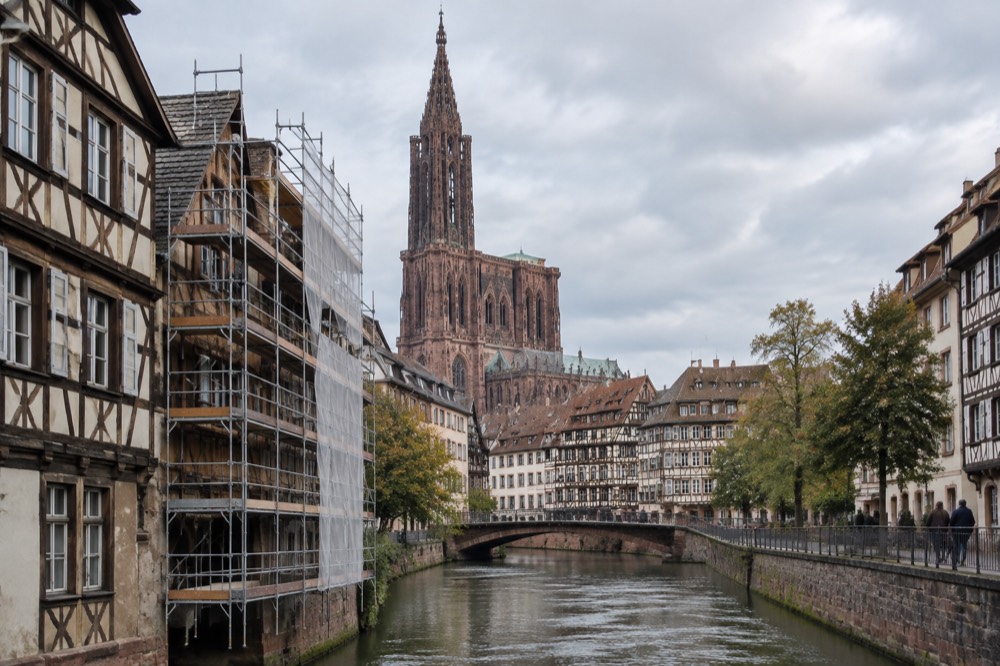
Six municipal museums are open: the Musée des Beaux-Arts, the Archaeological Museum and the Museum of Decorative Arts, all three in the Palais Rohan; the MAMCS for modern and contemporary art; the Musée Historique for the city's own past; and the Musée de l'Œuvre Notre-Dame for medieval art next to the cathedral. All share the same 9 EUR full and 5 EUR reduced ticket, and all are free on the first Sunday of every month.
For heritage-minded visitors, the two closest museums in spirit are the Musée de l'Œuvre Notre-Dame, which holds the medieval sculpture, stained glass and workshop material of the cathedral that stands at the heart of Alsatian identity, and the Musée Historique, which tells the city's own political and military story, including the Franco-German border shifts that shaped everyday Alsatian life. The MAMCS adds a modern counterpoint on the banks of the Ill, and the Palais Rohan conveniently stacks three museums under one roof, so a rainy morning there covers a lot of ground.
The practical advantage of the municipal network is concentration. The Palais Rohan sits beside the cathedral, the Musée de l'Œuvre Notre-Dame is a short walk from it across Place du Château, and the MAMCS and Musée Historique are both inside or beside the Grande Île. A visitor can see four museums in a day without boarding a tram, which is exactly the kind of dense, walkable circuit the Musée Alsacien's closure threatens to break. Building the circuit in the reverse direction, starting at the Musée Historique and finishing beside the cathedral, keeps the walk logical and ends the day at the city's single most striking building.
A museum day also pairs naturally with a guided orientation walk, since a local guide can put the collections in context before or after you see them.
To put the collections in context with a local guide, book a free walking tour here.
How Much Do Strasbourg's Municipal Museums Cost?
Every open municipal museum in Strasbourg charges 9 EUR full price and 5 EUR reduced, with a 1-day Pass Musées at 20 EUR covering the network in a day, and free entry for everyone at all municipal museums on the first Sunday of every month. The Strasbourg City Card, at 5 EUR adult and 3.50 EUR child for 7 days, is a discount card rather than an all-inclusive pass, and it includes reductions at museums.
The arithmetic is straightforward. At 9 EUR per museum, the 20 EUR day pass pays for itself from the third museum onwards, so anyone planning to visit the Palais Rohan's three institutions plus one more should buy the pass at the first desk. Families and short-stay visitors who only intend one or two museums are better off with single tickets, and anyone whose stay happens to include the first Sunday of the month gets the whole network free, which is the single best value in Strasbourg sightseeing.
The City Card deserves a careful read rather than an assumption. It costs 5 EUR for an adult and 3.50 EUR for a child aged 3 to 17, runs for 7 days, and works by knocking money off participating attractions: the municipal museums, the cathedral platform, the astronomical clock show, the river boats and others. It does not include entry, so it suits a visitor stacking several discounted visits, not a visitor expecting a pass that opens doors. The astronomical clock show at 12:30 and the cathedral platform at 66 m are both Cathedral Quarter extras that the card discounts, and both sit within the same walkable block as the Musée de l'Œuvre Notre-Dame.
| Ticket or pass | Price | What it covers |
|---|---|---|
| Municipal museum, full price | 9 EUR | One museum, any open municipal institution |
| Municipal museum, reduced | 5 EUR | One museum, reduced rate |
| Pass Musées, 1 day | 20 EUR | The municipal museum network for one day |
| First Sunday of the month | Free | All municipal museums, everyone |
| Strasbourg City Card, adult | 5 EUR | 7 days of discounts, entry not included |
| Strasbourg City Card, child 3-17 | 3.50 EUR | Same discount scheme for children |
Planning a fuller heritage stay around the museum circuit is easier with a day trip booked ahead, and the operator's live listing keeps cancellation flexible.
What Will You See Inside The Musée Alsacien When It Reopens?
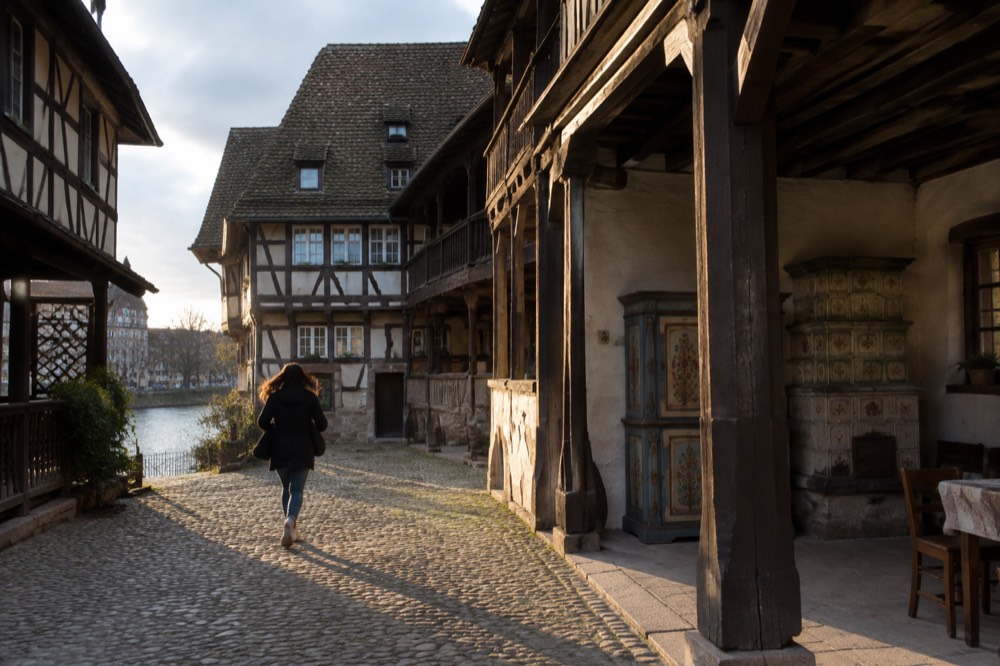
When the works finish in 2028, the Musée Alsacien will again present the material culture of everyday Alsace: reconstructed domestic interiors, regional costume, agricultural and craft tools, toys and the decorative objects of Alsatian home life, arranged across its connected historic houses. The exact presentation after the works is not yet published, so the sections below describe the museum's long-standing subject and how to follow the reopening.
The museum's subject is the region rather than the city. Alsace is a landscape of farmsteads, vineyards and half-timbered villages, and the Musée Alsacien has long been the place where that world was brought indoors: stoves and painted furniture from domestic rooms, the dress that marked village and confession, the equipment of winegrowers and carpenters, and the calendar customs of the Alsatian year. For travellers who have walked Strasbourg's streets and wondered what lay behind the facades, this is the museum that answered the question. The wider set of guides lives on Strasbourg Travel Guide.
Because the reopening presentation is not yet published, the honest planning move is to check the municipal museums' own pages for the reopening announcement rather than rely on any fixed reopening-day plan, and to treat 1 June 2028 as a target rather than a promise. In the meantime, the same themes can be met in the open-air fabric of the region itself: the half-timbered streets of the Grande Île and Petite France, the riverside silhouette of the Ponts Couverts and the Barrage Vauban, and the villages of the Alsace wine country, where the houses the museum documents still stand in daily use. The museum gathers that heritage under a roof; the region wears it openly.
| Open museum | Closest overlap with the Musée Alsacien | Who it suits |
|---|---|---|
| Musée de l'Œuvre Notre-Dame | Alsatian craft and medieval workshop tradition | Heritage and architecture lovers |
| Musée Historique | The city's Franco-German past in everyday terms | History readers |
| Museum of Decorative Arts | Interiors, furniture and the decorative arts | Interior and design fans |
| Archaeological Museum | The region's deep past before the modern border | Curious general visitors |
| MAMCS | Contemporary responses to place and identity | Modern art visitors |
| Musée des Beaux-Arts | Painting collections in a palace setting | Classic art lovers |
How To Get To The Musée Alsacien Site In Strasbourg?
The Musée Alsacien site stands in Strasbourg's historic centre on the Grande Île, the car-light river island where the cathedral, the Palais Rohan and the municipal museums all sit within walking distance of one another, though the Musée Alsacien itself is closed for works and cannot be visited at present, so the practical answer is to walk or use the CTS tram and bus network, whose single ticket costs 1.90 EUR bought via the app or contactless, or 2.50 EUR bought on board a bus.
The historic centre rewards walking above all. The distances between the cathedral, Place Kléber, Petite France and the museum quarter are short, the streets themselves are the sight, and the tram network exists for the longer legs: the European Quarter, the station and the outer districts. For visitors arriving at the station, a 24h Solo pass at 4.60 EUR covers a full day of trams and buses, and a 24h Trio at 10.20 EUR covers two or three people travelling together, which often beats buying singles. Arriving by air, the airport train shuttle reaches Strasbourg station in 8 minutes with up to 5 trains per hour, and a combined ticket covering the train plus a day of city transport costs 4.60 EUR.
While the Musée Alsacien is closed, its site is still worth passing on a walk along the Ill, since the riverside streets between Petite France and the museum quarter carry the half-timbered character the museum celebrates indoors. The circuit that makes sense on foot runs from the cathedral through Place du Château to the Musée de l'Œuvre Notre-Dame, along the quay toward the Barrage Vauban terrace, whose seasonal hours are published on the city's page for the site, and back through Petite France. The terrace has seasonal opening hours, so check the hours before counting on the view.
| CTS ticket | Price | Notes |
|---|---|---|
| Single, app or contactless | 1.90 EUR | Badgéo, CTS app or contactless payment |
| Single, bought on board | 2.50 EUR | Bus purchase only |
| 24h Solo | 4.60 EUR | One traveller, 24 hours |
| 24h Trio | 10.20 EUR | Two or three travellers together |
| Airport combined ticket | 4.60 EUR | Train shuttle plus 24h city transport |
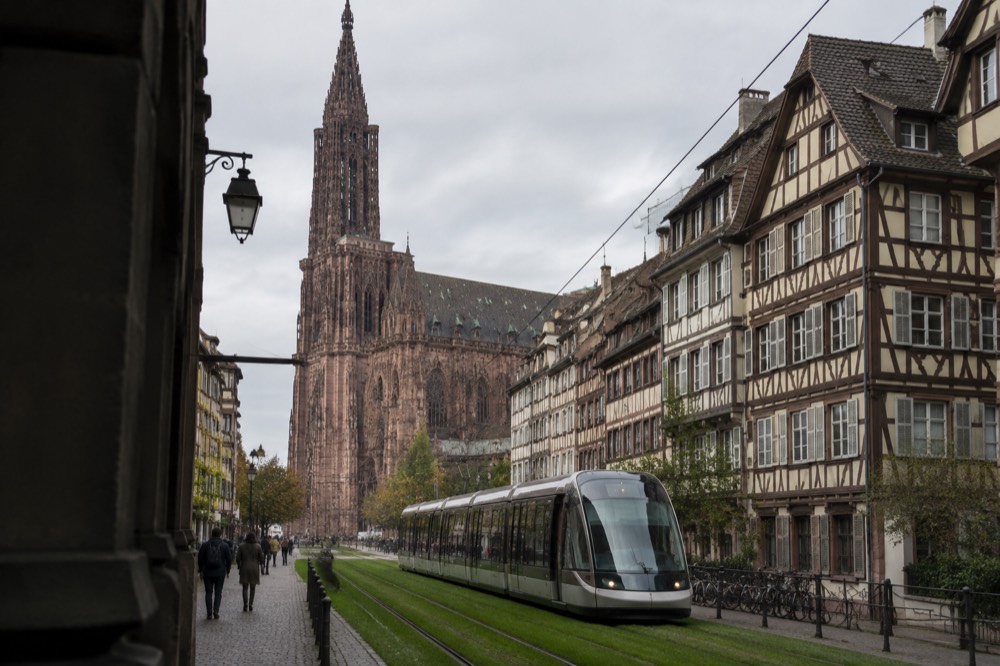
How To Pair The Museum Circuit With A Guided Walk?
A guided walking tour pairs well with Strasbourg's museums because the city's story is layered: a guide can explain the Franco-German border history and the half-timbered fabric before you see the collections, and the walks run from short orientation circuits of about an hour to half-day deep dives. Booking a walk for the first morning and museums for the afternoon gives the visit a narrative spine.
The logic is simple. Museums answer questions you already know to ask, and a good walk teaches the questions. Strasbourg's streets visibly carry the border history: the language of the shop signs, the shape of the roofs, the German imperial architecture of the Neustadt beside the medieval core. A local guide who points those layers out turns an afternoon in the Musée Historique or the Musée de l'Œuvre Notre-Dame from a browse into a reading.
The city's institutional side deserves the same treatment. Strasbourg hosts the European Parliament, the Council of Europe and the European Court of Human Rights, and the European Parliament visitor offer includes the Parlamentarium, which opens Monday to Friday 09:00-18:00 and Saturday 09:30-12:00 and 13:00-18:00 outside plenary weeks, with an airport-style security check and different hours during plenary weeks. A guided walk of the European district puts those buildings in context, and the walk below is a strong option for a second-day itinerary.
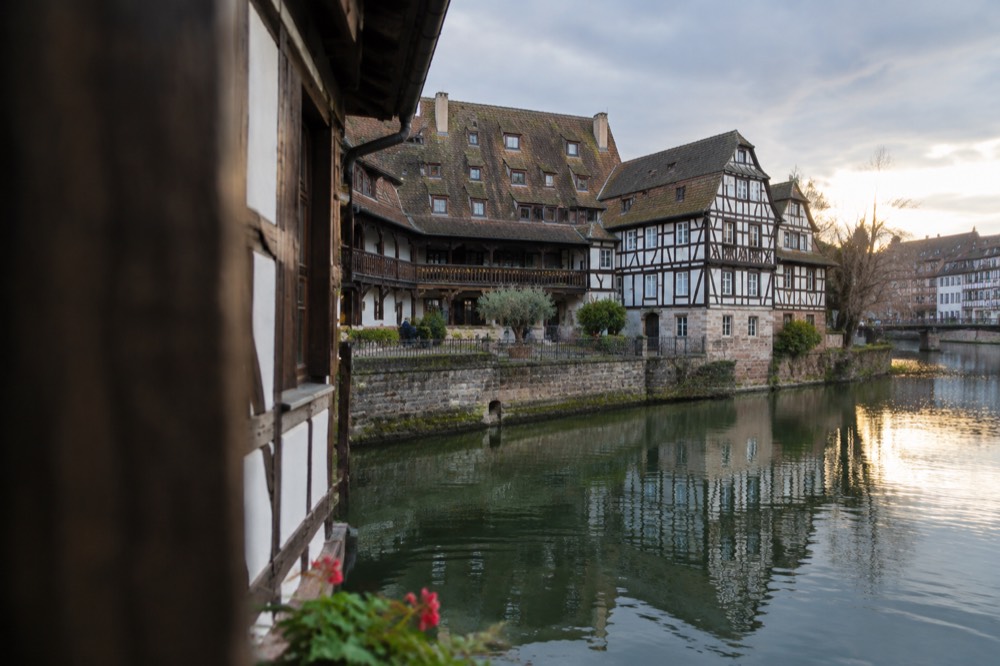
Where Does Alsatian Heritage Cross The Rhine?
Alsatian heritage crosses the Rhine in both directions, because the Strasbourg region has been a cultural bridge between France and Germany for centuries, and the Black Forest across the river carries parallel traditions of half-timbered building, craft and spa culture. A guided day trip from Strasbourg to the Black Forest and Baden-Baden is the most direct way to see the German side of that shared borderland while the Musée Alsacien is closed.
The comparison is not decorative, it is the point. The half-timbered villages of Alsace and the farmhouses of the Black Forest belong to the same building culture; the food traditions echo across the river; and Baden-Baden's spa town elegance reads as the German counterpart to the refined side of Alsatian life. For a visitor whose interest in the Musée Alsacien was really an interest in this borderland world, the closure is an invitation to study the subject outdoors, on both banks.
A day trip also stretches a Strasbourg stay without changing hotels. The city's position on the Rhine border puts Germany within an easy outing, and a guided trip that strings the Black Forest with Baden-Baden handles the logistics, the driving and the commentary in one package.
What Should You Taste While Exploring Alsatian Culture?
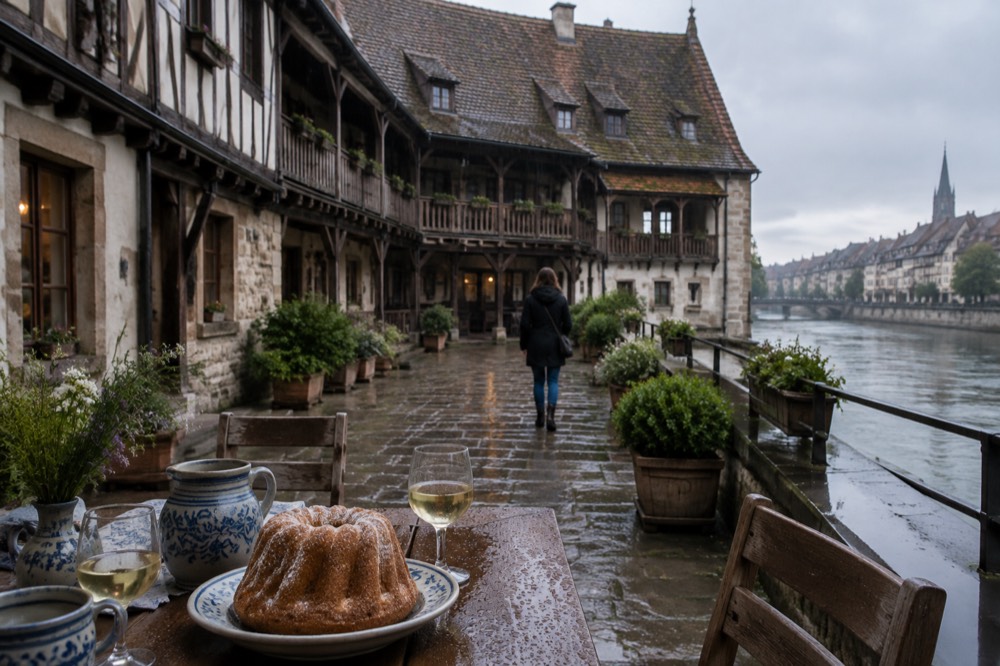
Alsatian food is the region's most living heritage: tarte flambée, choucroute, baeckeoffe and kougelhopf are dishes that carry the Franco-German borderland in their recipes, and the winstubs of Strasbourg serve them in a setting closer to a folk museum than to a restaurant. A guided food walk with tastings is the fastest way to meet that half of Alsatian culture while the museum that documents it is closed.
The argument for eating as research is genuine. A museum displays a kitchen; a winstub puts you inside one, with the painted pottery, the bench seating and the Riesling on the table. Strasbourg's food culture runs from the traditional winstubs of the old quarters to the modern dining around the Krutenau, and the market stalls of the city sell the same regional produce the Musée Alsacien's collections celebrate in object form.
A guided tasting walk does two things a restaurant visit alone cannot. It strings several stops into one route, so you meet tarte flambée, cheese, wine and pastry in sequence rather than choosing a single menu, and it puts a local guide between you and the plate, answering the questions a folk museum would normally field: what is Alsatian, what is German, what is both. The gourmet walk below is a good fit for a first evening or a final afternoon in the city, and its live listing carries the current details.
When Is The Best Time To Visit Strasbourg For Its Museums?
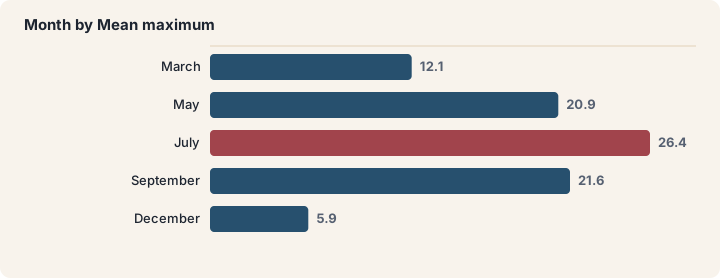
The best time for Strasbourg's museums is outside the December peak: spring and autumn bring mild walking weather and thinner crowds, while December trades museum comfort for the Christmas market, which typically opens in the last week of November and runs to 24 December. Meteo-France 1991-2020 normals give Strasbourg a July mean maximum of 26.4 C and a January mean maximum of 5.2 C, so indoor museums earn their keep in both seasons.
The numbers behind that advice come from the long-run climate record. Strasbourg has a semi-continental climate, with cold winters and warm summers. December averages a mean maximum of 5.9 C and a mean minimum of 0.8 C, with 45.2 mm of rain falling on 10.2 days of the month, so a December visit is a coat-and-indoors prospect, which the museums and the Christmas market together handle well. July and August, at mean maxima of 26.4 C and 26.1 C, push sightseeing toward the river and the shaded streets, with the MAMCS and the Palais Rohan museums as cool refuges.
The December trade-off deserves honesty. The city's own Christmas site states that the 2026 dates and programme are still being finalised, so confirm them there before planning around the market; the pattern is an opening in the last week of November and a run to 24 December, and last year's edition, 26 November to 24 December 2025, drew 3.05 million visitors. That scale means December is the one month when museum queues and hotel prices climb together, and the first-Sunday-free rule falls on some of the busiest days of the year. A museum-focused visit sits better in spring or autumn, with the market saved for a separate trip.
| Month | Mean maximum | Mean minimum | Rain days of 1 mm or more | Museum weather verdict |
|---|---|---|---|---|
| March | 12.1 C | 2.6 C | 8.5 | Cool, quiet, good indoor-outdoor mix |
| May | 20.9 C | 10.1 C | 10.8 | Pleasant walking, museums uncrowded |
| July | 26.4 C | 14.9 C | 10.4 | Warm; museums as cool breaks |
| September | 21.6 C | 10.7 C | 8.0 | Excellent balance of both |
| December | 5.9 C | 0.8 C | 10.2 | Indoors plus the Christmas market |
For travellers weighing a longer stay, the city's festival calendar, including the contemporary music and jazz festivals that fill the autumn, is listed on the tourist office's events page, and the pairing of a festival evening with a museum morning is one of Strasbourg's better autumn rhythms. Whatever the month, the reopenings, hours and ticket details above are the figures to check against the municipal museums' own pages before you go, and the experiences below round out a heritage-focused stay.
Common Questions About The Musée Alsacien In Strasbourg
Is The Musée Alsacien Open In Strasbourg?
No. The Musée Alsacien has been closed for major works since July 2025 and is scheduled to remain closed until 2028, with the museum's own pages giving 1 June 2028 as the target date. Strasbourg's six other municipal museums are open in the meantime.
How Much Does The Musée Alsacien Cost?
Nothing while it is closed, and no reopening ticket price has been published. For context, every open municipal museum in Strasbourg charges 9 EUR full price and 5 EUR reduced, with a 1-day Pass Musées at 20 EUR and free entry for everyone on the first Sunday of every month.
Which Museum Replaces The Musée Alsacien In Strasbourg?
No single museum replaces it, but the Musée de l'Œuvre Notre-Dame and the Musée Historique come closest in spirit, covering Alsatian craft traditions and the city's Franco-German past. The Palais Rohan conveniently holds three further museums under one roof.
When Will The Musée Alsacien Reopen?
The museum's own pages give 1 June 2028 as the reopening target after the works that began in July 2025. Treat the date as a target rather than a promise and check the municipal museums' own pages for the reopening announcement as 2028 approaches.
Are Strasbourg Museums Free On Sundays?
All municipal museums in Strasbourg are free on the first Sunday of every month, a rule the city states plainly for the whole network. On other Sundays the standard 9 EUR full and 5 EUR reduced tickets apply, and the 20 EUR 1-day pass covers the network for a day.
Can You See Alsatian Folk Culture In Strasbourg Without The Musée Alsacien?
Yes. The half-timbered streets of the Grande Île and Petite France, the winstub dining tradition, the regional dishes on every menu and the villages of the surrounding countryside all carry the everyday Alsatian heritage the museum documents, and a guided food walk or a countryside day trip meets it directly.
The Musée Alsacien's closure runs to 2028, but Strasbourg's museum network, its walkable World Heritage centre and the borderland culture on both banks of the Rhine keep the same story open to visitors every day of the year, and the picks gathered here are a solid way to build that stay while the works finish.