Musee De L'oeuvre Notre Dame
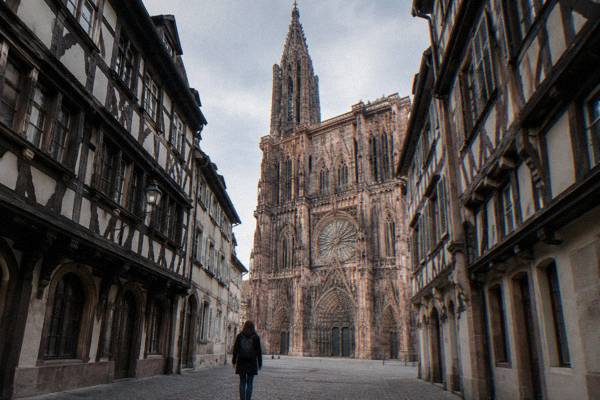
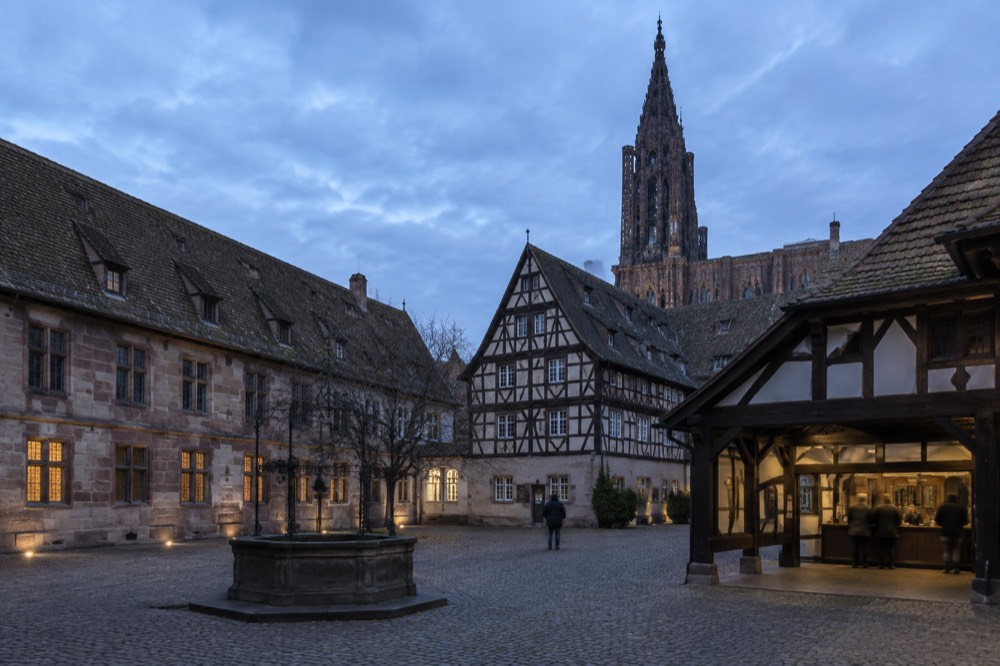
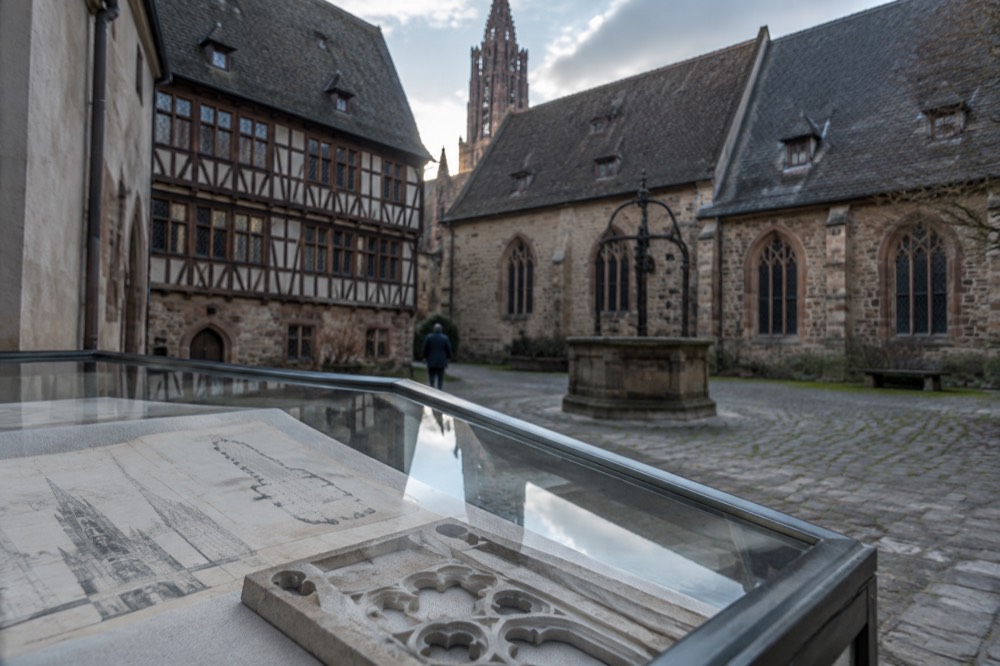
The Musée de l'Œuvre Notre-Dame in Strasbourg, in Alsace in north-eastern France, holds the sculpture, stonework and drawings that came off the cathedral itself, displayed in historic buildings right on Place du Château.
Short answer
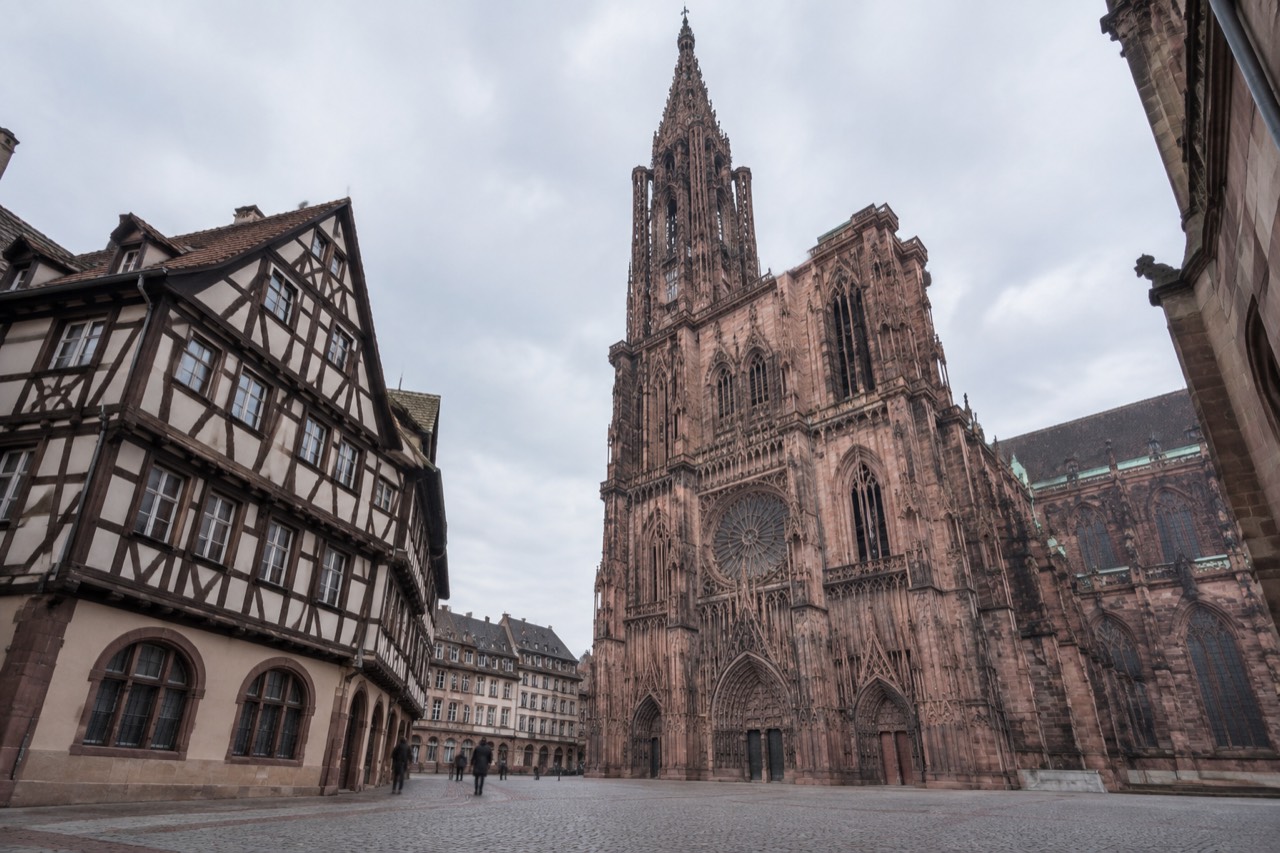
The Musée de l'Œuvre Notre-Dame is Strasbourg Cathedral's own museum, on Place du Château beside the cathedral in the Grande Île. Entry is 9 EUR full price, 5 EUR reduced, with a 1-day Pass Musées at 20 EUR and free admission on the first Sunday of every month. A cathedral platform ticket gives a reduced rate here.
Strasbourg, in Alsace in the Bas-Rhin department of north-eastern France, keeps its cathedral's story in two places: in the building itself, and in the museum that stands a few steps from its west front. The Musée de l'Œuvre Notre-Dame occupies historic buildings on Place du Château, and its collections are made of the things the cathedral shed over the centuries: sculpture removed from the facade, architectural fragments, stained glass, plans and working drawings. For anyone who has just stood in the nave wondering how a single-spire Gothic church of this scale was built at all, this museum is where the answers are kept. It is one of the municipal museums of Strasbourg, which means its ticket prices, its pass options and its free first Sunday all follow the same citywide scheme, and it sits inside the UNESCO-listed Grande Île, the river-island core of the city.
What Is The Musée De L'Œuvre Notre-Dame?
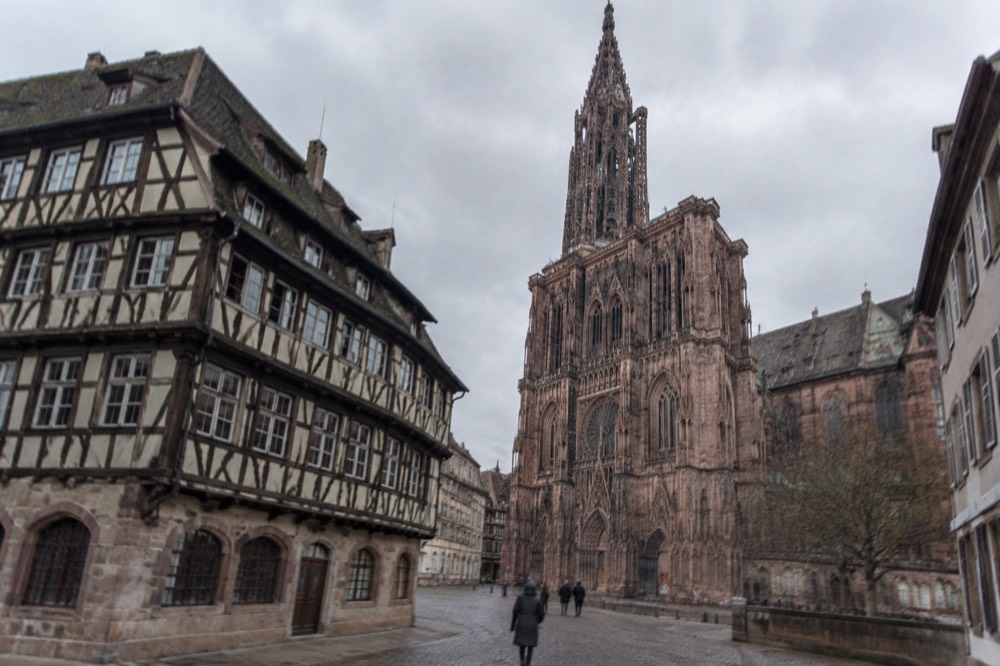
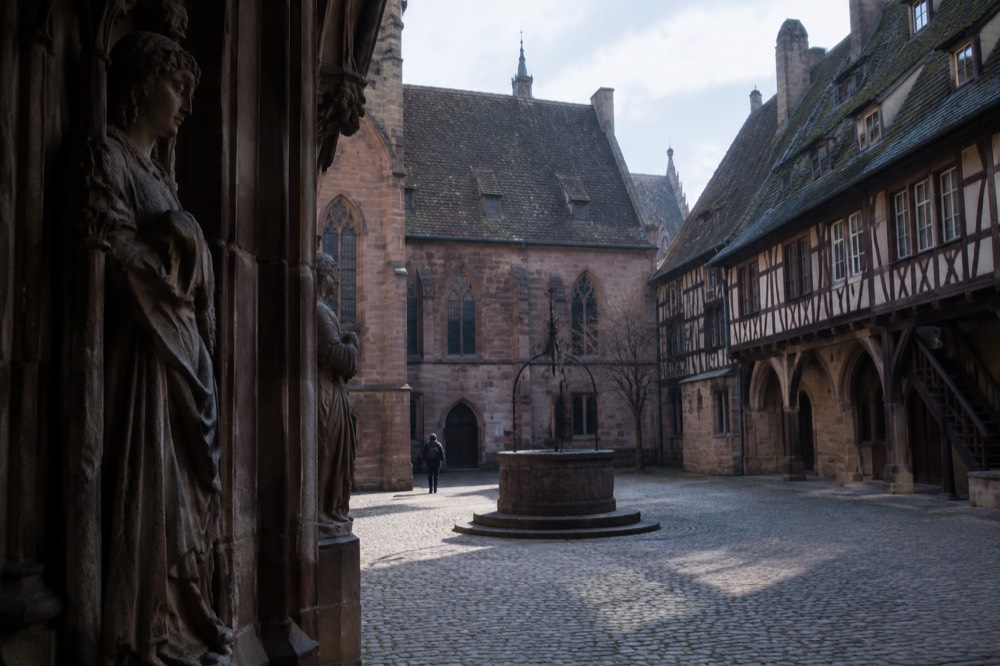
The Musée de l'Œuvre Notre-Dame is Strasbourg's museum of medieval and Renaissance art from the cathedral and its surrounding region, housed in the historic buildings on Place du Château where the cathedral's own workshop once kept its offices. It is not a general art museum in the style of the Musée des Beaux-Arts at the Palais Rohan. Its collections grew directly out of the cathedral works: the sculpture, stonework, glass and drawings that were taken down, replaced or left over as the building was raised, repaired and restored across the centuries. Visiting it after the cathedral turns the visit into a two-part experience, because the pieces on display here are the originals of elements you have just walked past in reproduction or in situ.
The museum's role in the city is unusual. Where Strasbourg Travel Guide usually sends readers to a neighbourhood or a viewpoint, this museum is a single-subject institution: the cathedral and the religious art of the Upper Rhine region. The sculpture includes figures removed from the cathedral's facades, and the drawing collections include the plans and templates used by the master builders. Glass, woodwork and church furnishings round out the display. The setting matters as much as the content, because the buildings themselves, half-timbered and Gothic, form part of the historic fabric of the Grande Île, the World Heritage property that also takes in the later Neustadt extension across the river.
Because it is a municipal museum, the practical details are simple and shared with its siblings. A full-price ticket is 9 EUR, the reduced rate is 5 EUR, and the 1-day Pass Musées at 20 EUR covers the municipal museums in a day. Every municipal museum in the city, this one included, is free on the first Sunday of the month. One detail worth knowing in advance: a ticket for the cathedral's platform gives a reduced rate here, so the order in which you buy your tickets can change what you pay.
| Essential | Detail |
|---|---|
| Location | Place du Château, beside Strasbourg Cathedral, Grande Île |
| Type | Municipal museum of medieval and Renaissance art |
| Full-price ticket | 9 EUR |
| Reduced ticket | 5 EUR |
| Pass Musées 1 day | 20 EUR |
| Free day | First Sunday of every month |
| Platform ticket perk | Reduced rate at this museum |
Where Is The Museum And How Does It Fit Into A Cathedral Visit?
The museum stands on Place du Château, the square north of Strasbourg Cathedral's west front, which makes it the nearest museum of any kind to the cathedral entrance and the natural second half of a cathedral visit, since you leave the nave, cross the square and arrive at the museum door in well under a minute of walking. That geography shapes the whole visit plan: the cathedral's nave has fixed visiting hours, the astronomical clock runs its full automaton show once a day at 12:30 sharp, and the platform at 66 m has its own seasonal timetable, so a morning around the cathedral is really a schedule to be built rather than a casual stroll.
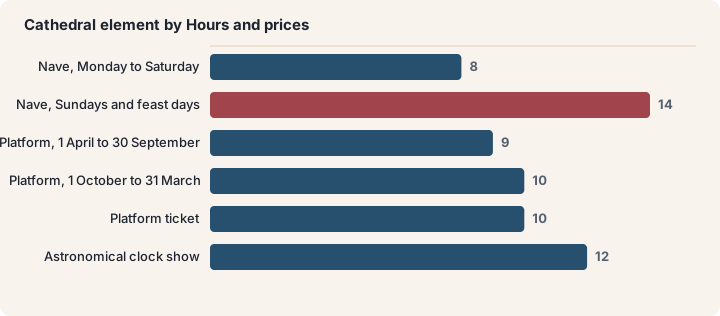
The cathedral's own hours are the anchor. The nave is open Monday to Saturday from 08:30 to 11:15 and from 12:45 to 17:45, and on Sundays and feast days from 14:00 to 17:15. During the Christmas market the cathedral stays open continuously Monday to Saturday from 08:30 to 17:45 on the Place du Château side, which is the same side as the museum, so the two visits pair naturally in December. The clock show at 12:30 costs 4 EUR, with tickets bought on the day only, and the midday closure of the nave between 11:15 and 12:45 is a natural window for the museum.
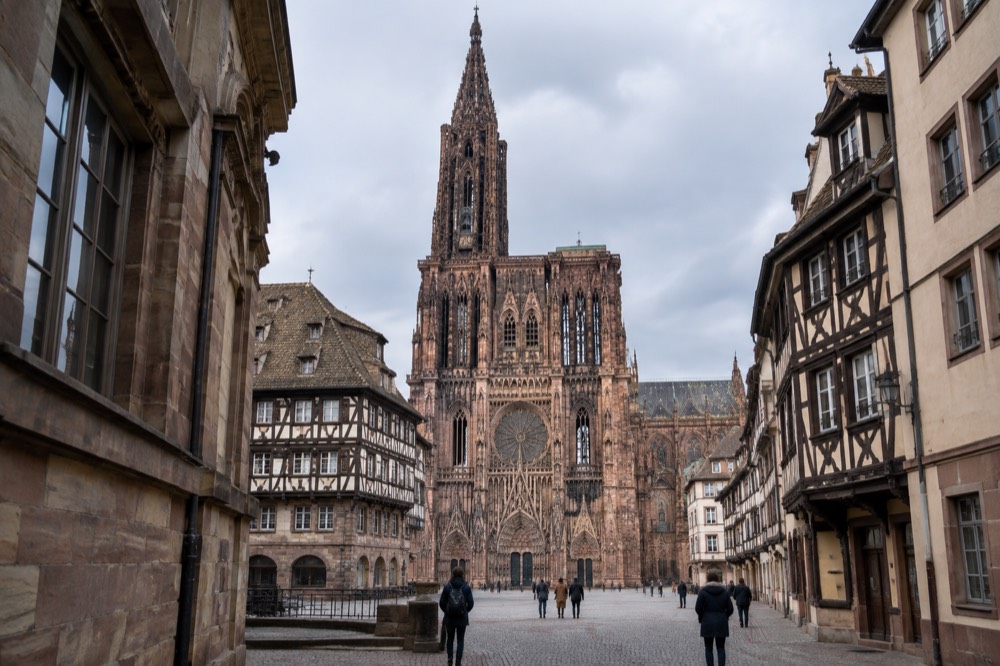
A guided walk is the easiest way to hold this schedule together, because a local guide handles the sequencing of nave, clock, platform and museum while explaining what you are looking at. A short option is the walk with a local guide, which moves fast enough to leave the rest of the day free; Check availability on the operator's live listing. Readers who want the cathedral explained in depth can compare the options below.
A guide can handle the sequencing of nave, clock and museum. Book a free walking tour here.
| Cathedral element | Hours and prices |
|---|---|
| Nave, Monday to Saturday | 08:30-11:15 and 12:45-17:45 |
| Nave, Sundays and feast days | 14:00-17:15 |
| Platform, 1 April to 30 September | 09:30-13:00 and 13:30-20:00, last ascent 19:15 |
| Platform, 1 October to 31 March | 10:00-13:00 and 13:30-18:00, last ascent 17:15 |
| Platform ticket | 10 EUR full, 6 EUR reduced, under 6 free |
| Astronomical clock show | 12:30 daily, 4 EUR, day-of purchase only |
What Can You See Inside The Museum?
The collections cover medieval sculpture from the cathedral and the region, architectural fragments, stained glass, woodwork, church furnishings and the plans and drawings produced by the cathedral's builders, arranged so that the building and its workshop tell one continuous story. The sculpture is the heart of it: figures that once stood on the cathedral's facades, removed over the centuries for conservation or replacement, are shown at eye level and in full detail, which is a view the originals on the building never gave anyone standing in the square below. The drawings and templates are the quieter counterpart, the working papers of a construction project that ran for generations.
For visitors coming from the cathedral, the logic of the display is easy to follow. The pieces answer the questions the building raises: how the stone was cut, how the figures were composed, what was replaced and when the taste of a period changed the look of a portal. The Upper Rhine character of the collection gives it a range beyond the cathedral itself, taking in religious art from Strasbourg and the surrounding region on both sides of the river, which suits a city whose history runs through both France and Germany.
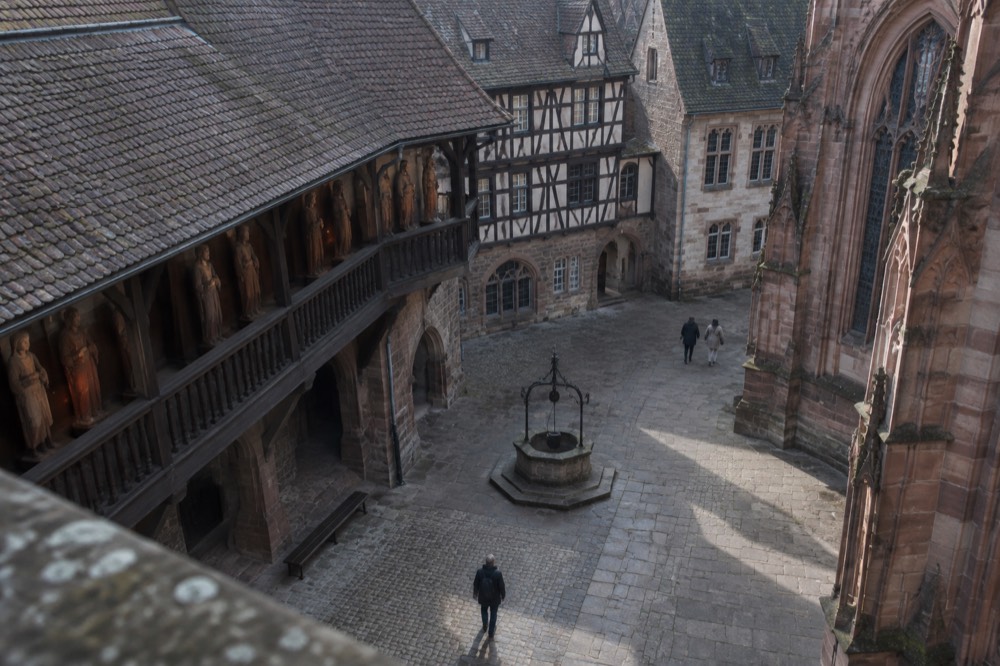
Visitors with an hour to spare can see the highlights at a steady pace; visitors with a serious interest in Gothic sculpture will want longer. The museum rewards the pairing with the cathedral in a way few city museums manage, because nothing here is context, everything is consequence. If you are planning a fuller day around the old town after the museum, the walk through Petite France and the historic centre is the standard next stop.
How Much Do Tickets Cost And What Passes Cover It?
A full-price ticket to the Musée de l'Œuvre Notre-Dame is 9 EUR, the reduced rate is 5 EUR, the 1-day Pass Musées is 20 EUR, and every municipal museum in Strasbourg is free on the first Sunday of the month, so the cheapest strategies are either the first Sunday or a pass if you plan to visit several museums in one day. The arithmetic is straightforward. If this is your only municipal museum of the day, the single ticket at 9 EUR is the honest answer. If you intend to add the Palais Rohan museums or MAMCS on the same day, the 20 EUR pass pays for itself at the third museum.
The reduced rate at this museum deserves a line of its own, because it connects to the cathedral next door. A ticket for the cathedral platform, which costs 10 EUR full price and 6 EUR reduced, gives a reduced rate at the Musée de l'Œuvre Notre-Dame. Anyone climbing the platform should keep that ticket and present it at the museum desk. The Strasbourg City Card, a 5 EUR discount card valid for seven days, also lists reductions on municipal museums, the boat tour, the cathedral platform and the astronomical clock; it is a discount scheme, not an all-inclusive pass, and it suits travellers who will use several of the listed attractions.
| Ticket option | Price | Best for |
|---|---|---|
| Single museum ticket, full price | 9 EUR | One museum, one visit |
| Single museum ticket, reduced | 5 EUR | Eligible visitors, platform ticket holders |
| Pass Musées 1 day | 20 EUR | Three or more municipal museums in a day |
| First Sunday of the month | Free | Everyone, all municipal museums |
| Strasbourg City Card | 5 EUR adult, 3.50 EUR child | Discount collectors over seven days |
How Does The Museum Connect To The Cathedral Works?
The museum grew out of the cathedral's own workshop organisation: the bodies that managed the cathedral's construction and repair kept offices and stores on Place du Château, and the sculpture, fragments and drawings they accumulated became the core of the collection visitors see today. That origin explains the museum's character. It is not a gathering of medieval art bought on the market; it is the residue of a single great building project, kept in the place where the work was administered. The name itself, the Œuvre Notre-Dame, is the historic name of the cathedral works body.
The practical consequence for visitors is that the museum and the cathedral explain each other. The single spire, the platform at 66 m open to climbers, the west front with its sculpture: each of these has a paper and stone trail inside the museum. A visitor who climbs the platform, at 10 EUR full price with seasonal hours, then walks across the square with the platform ticket in hand for the reduced museum rate, gets the complete circuit: the building from above, the building from inside, and the building's removed parts at eye level. There are no luggage lockers at the cathedral, so travel light for this pairing.
For readers who want the cathedral's story rather than only its views, a dedicated cathedral guided tour spends its whole time on the cathedral and its quarter, and pairs well with a museum visit either before or after. The tour handles the sequencing of the nave hours and the clock show, which is the part of a cathedral morning that catches unprepared visitors out, and it leaves the museum visit free to be taken at your own pace afterwards.
Which Other Strasbourg Museums Pair Well With It?
The closest pairings are the Musée des Beaux-Arts and the Archaeological Museum at the Palais Rohan and the MAMCS modern art museum, all municipal museums on the same 9 EUR and 5 EUR ticket scheme with the same free first Sunday, while the Musée Alsacien, the natural folk-art pairing, is closed for works until 2028 and cannot be planned into a visit. That closure matters for this page, because the Musée Alsacien is the one visitors would otherwise combine with the Œuvre Notre-Dame for a full picture of old Strasbourg. Until it reopens, the Palais Rohan pair and MAMCS carry the load.
The Palais Rohan sits a short walk south of the cathedral, and its two museums split the classical and the ancient between them. MAMCS, the modern and contemporary art museum on the riverfront, is the deliberate contrast: after an hour of Gothic stone, a floor of contemporary work resets the eye. All of these share the first-Sunday rule and the 20 EUR day pass, so a museum day in Strasbourg can be built entirely on one scheme. The Palais Rohan and MAMCS pages on this site carry the detail for each.
| Museum | Theme | Ticket | Note |
|---|---|---|---|
| Musée de l'Œuvre Notre-Dame | Cathedral and Upper Rhine medieval art | 9 EUR / 5 EUR | Platform ticket gives reduced rate |
| Musée des Beaux-Arts | Painting, Palais Rohan | 9 EUR / 5 EUR | Same day pass |
| Archaeological Museum | Ancient Alsace, Palais Rohan | 9 EUR / 5 EUR | Same day pass |
| MAMCS | Modern and contemporary art | 9 EUR / 5 EUR | Riverfront, near Petite France |
| Musée Alsacien | Alsatian folk life | Closed | Closed for works until 2028 |
How To Plan The Day Around The Cathedral's Timetable?
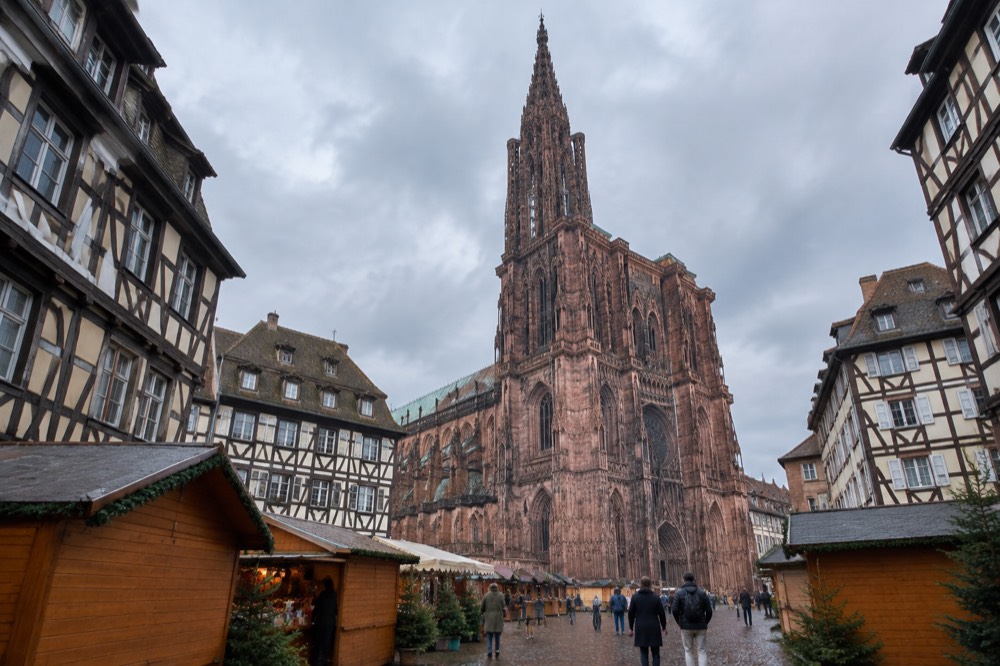
The workable pattern is nave first thing, museum across the 11:15 to 12:45 midday closure, clock show at 12:30 sharp if you want it, platform after 13:30, and the old town in the afternoon, because the cathedral's fixed hours and the single daily clock show set the shape of the whole day. The nave opens at 08:30 on weekdays and is at its calmest early. The midday closure is the museum's best window: you leave the nave at 11:15, cross Place du Château, and spend the closed hour with the sculpture. The clock show at 12:30 pulls visitors back to the cathedral, and the platform reopens at 13:30 in the afternoon season.
December reshuffles this plan rather than breaking it. During the Christmas market the cathedral is open continuously Monday to Saturday from 08:30 to 17:45 on the Place du Château side, and the square outside the museum fills with market chalets that typically open from late morning into the evening. The market's own season runs from late November to 24 December; last year's edition ran 26 November to 24 December 2025 and drew 3.05 million visitors, so the museum's immediate square is busy in that period and early mornings are the quiet window. The 2026 dates are still being finalised on the city's Christmas site, so confirm them there before booking anything around them.
| Time of day | What works | Why |
|---|---|---|
| Early morning | Cathedral nave | Opens 08:30, calm before crowds build |
| 11:15 to 12:45 | Museum visit | Nave closed midday, museum next door |
| 12:30 | Astronomical clock show | One full show daily, 4 EUR, day-of tickets |
| After 13:30 | Platform at 66 m | Afternoon ascent window, ticket 10 EUR |
| Afternoon | Petite France and riverside | Old town walk after the cathedral block |
What Nearby Sights Complete The Place Du Château Area?
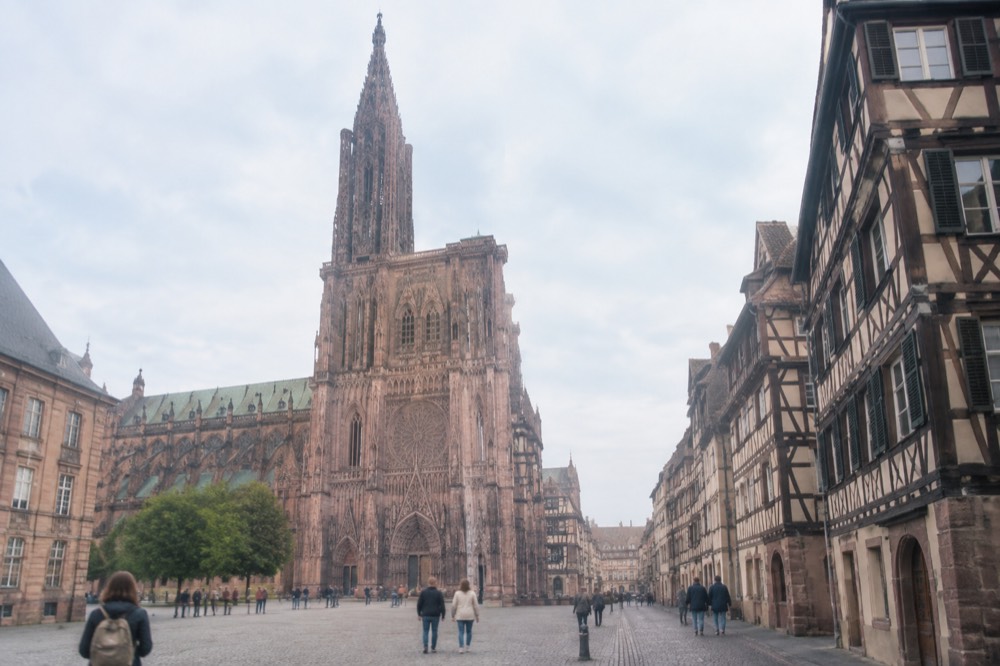
Within a short walk of the museum door you can reach the Maison Kammerzell on the cathedral square, the Palais Rohan to the south, Place Kléber and Place Gutenberg to the west, and the Église Saint-Thomas with its famous Silbermann organ a little further on, which makes this corner of the Grande Île the densest sightseeing cluster in Strasbourg. Nothing on that list needs transport; the whole set sits inside the old island core. The Maison Kammerzell, a half-timbered merchant house of the sort this region is known for, stands on the square facing the cathedral's west front.
Place Kléber, the city's main square, and Place Gutenberg, named for the printing pioneer whose work transformed this region, sit a few streets west. The Église Saint-Thomas is the notable detour for music lovers. For readers wondering which Notre-Dame they are actually visiting, the answer page on whether Notre-Dame is in Paris or Strasbourg settles the common confusion, and the question of whether Strasbourg Cathedral is Catholic or Protestant has its own answer, because this city's church history runs differently from Paris's.
Travellers with energy left after the museum and the platform often continue into the European Quarter along the river, where the European Parliament and its neighbours form the city's second great sightseeing cluster. A guided walk of the European Quarter covers that ground efficiently and keeps the modern institutions in context rather than leaving them as anonymous glass frontages. Closer to hand, the classic Petite France walk with a local guide covers the riverside quarter and is the standard way to finish a cathedral morning on foot.
The museum itself, though, is the reason this square rewards a slow morning. It is the one place in Strasbourg where the cathedral can be examined at arm's length, stone by stone, and it turns a great building into a legible one. Buy the platform ticket, keep it, cross the square, and let the two visits explain each other.
Common Questions About The Musée De L'Œuvre Notre-Dame
What Is The Musée De L'Œuvre Notre-Dame?
It is Strasbourg's municipal museum of medieval and Renaissance art from the cathedral and the Upper Rhine region, housed in historic buildings on Place du Château beside the cathedral. Its collections of sculpture, architectural fragments, stained glass and builders' drawings grew out of the cathedral works themselves.
How Much Does The Museum Cost?
A full-price ticket is 9 EUR and the reduced rate is 5 EUR. The 1-day Pass Musées is 20 EUR, and every municipal museum in Strasbourg, this one included, is free on the first Sunday of the month.
Does A Cathedral Platform Ticket Help At The Museum?
Yes. A ticket for the cathedral platform, 10 EUR full price and 6 EUR reduced, gives a reduced rate at the Musée de l'Œuvre Notre-Dame, so keep it after the climb.
When Is The Best Time To Visit?
The museum pairs naturally with the cathedral's midday closure: the nave closes between 11:15 and 12:45 on weekdays, and the museum is directly across the square. Early mornings and weekdays are the calm windows, and the Christmas market season from late November to 24 December makes the square busy.
Is The Musée Alsacien Open Nearby?
No. The Musée Alsacien is closed for works until 2028 and cannot be included in a visit plan. The Palais Rohan museums and MAMCS are the working alternatives on the same ticket scheme.
How Long Should I Allow?
An hour covers the highlights at a steady pace; visitors with a serious interest in Gothic sculpture and architectural drawing will want longer, especially when pairing the museum with the cathedral nave, the clock show and the platform climb in a single morning.
The Musée de l'Œuvre Notre-Dame rewards exactly the kind of traveller who looks up at the cathedral's single spire and wants to know how it got there, and it does so at eye level, in the square where the work was once run. Plan it around the nave hours, keep the platform ticket for the reduced rate, and the Grande Île's densest morning assembles itself.