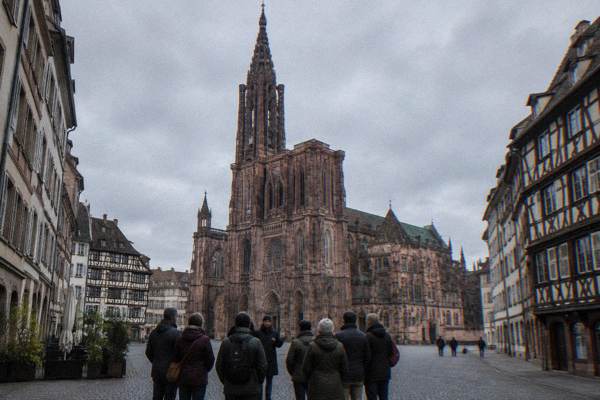
Neustadt Strasbourg
The Neustadt is the broad-avenued, German-built quarter east of the Ill, the counterweight to Strasbourg's medieval island and half of its UNESCO World Heritage property.
Short answer
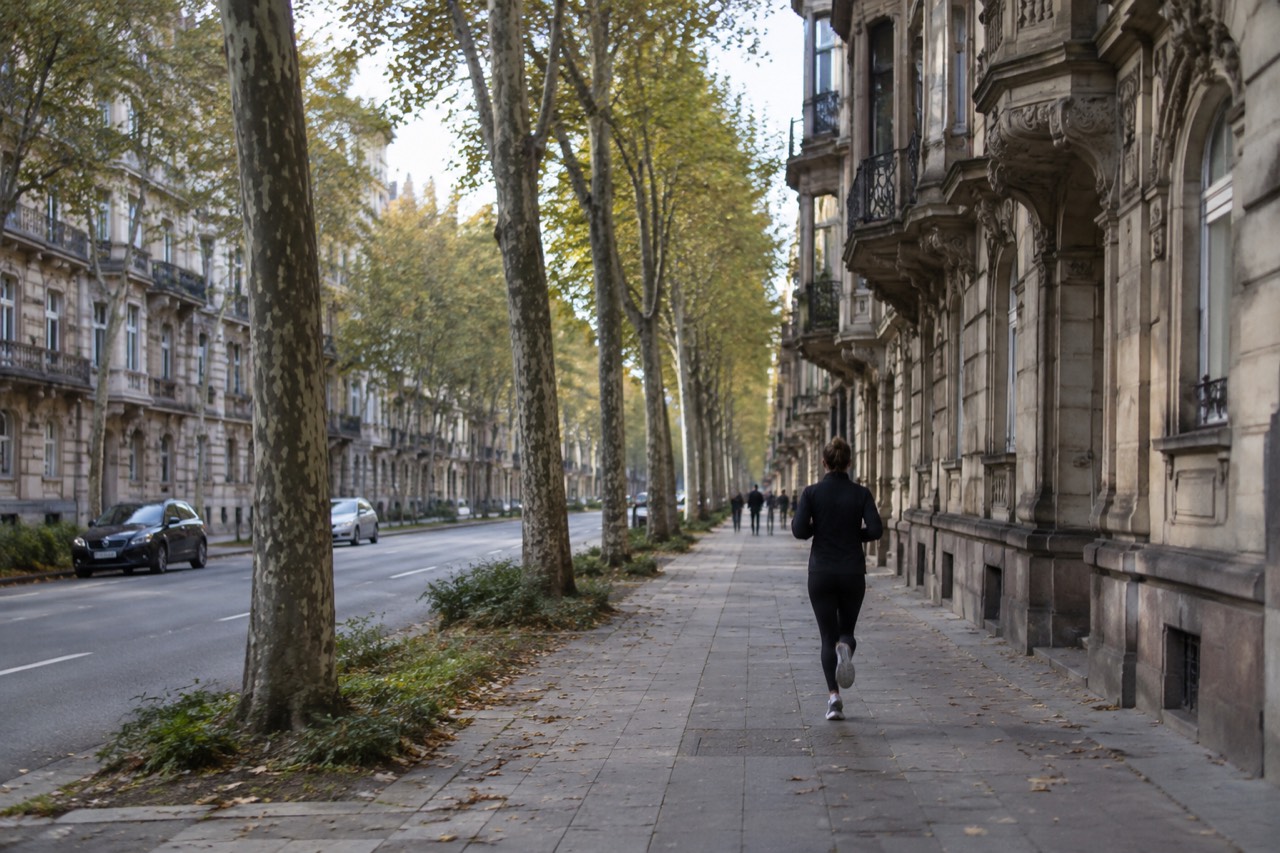
The Neustadt is Strasbourg's German-era new town, east of the River Ill in Alsace, north-eastern France, a quarter of wide avenues, official stone architecture and the Parc de l'Orangerie. UNESCO lists it with the Grande Île as one property. Plan half a day on foot, arrive by tram for a 1.90 EUR single, and pair it with the old quarter across the water.
The Neustadt is the grand, German-built quarter of Strasbourg, the prefecture of the Bas-Rhin in Alsace, north-eastern France, and it could not feel more different from the half-timbered lanes across the river. Where the Grande Île is a tangle of medieval streets squeezed onto an island, the Neustadt spreads wide avenues, formal squares and monumental stone facades across the ground east of the Ill. The two halves face each other across the water, and together they make up the UNESCO World Heritage property that carries both of their names. This page walks the new town: what to see, how to cover it on foot, what the tram costs, and how the quarter fits into a wider Alsace itinerary.
What Is The Neustadt In Strasbourg?
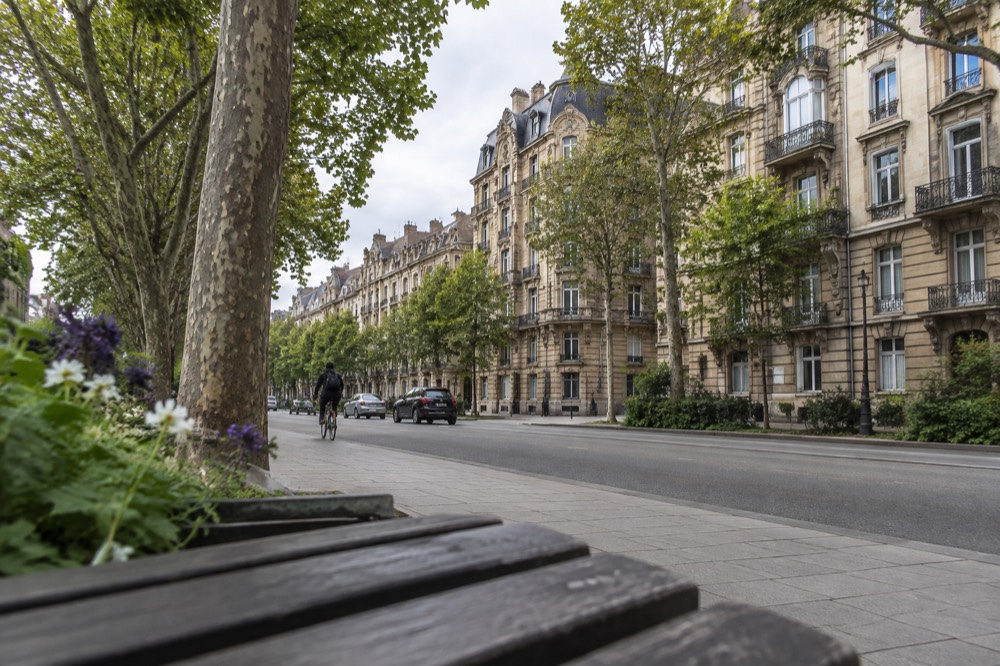
The Neustadt is the "new town" of Strasbourg, laid out during the decades the city belonged to the German Empire, on the flat ground east of the River Ill. Its broad avenues, official architecture and parkland sit directly beside the medieval Grande Île, and UNESCO lists the two together as a single property, "Strasbourg, Grande-Île and Neustadt". The name simply means new town in German, and it is accurate: this is the quarter where the city rebuilt itself on an imperial scale, with boulevards wide enough for parades and facades built to impress. Walking east from the old island, the change is immediate. Lanes give way to avenues, timber gives way to dressed stone, and the skyline of spires gives way to domes, towers and green copper roofs.
The quarter's centrepiece is the great formal square where the city's official buildings stand together, framed by gardens and monumentality. Around it spread the palace of the Rhine, the national theatre, the university library and the churches that anchor the wider neighbourhood, each one an exercise in imperial confidence. Further east the ground softens into parkland, and beyond that the institutions of modern Europe begin. The Neustadt is therefore not a single sight but a whole district, one that rewards a slow walk far more than a checklist.
| Feature | Grande Île | Neustadt |
|---|---|---|
| Street pattern | Medieval lanes and narrow squares | Broad avenues and formal squares |
| Architecture | Half-timbered houses, Gothic cathedral | Dressed stone, domes, official facades |
| Atmosphere | Touristed, dense, vertical | Calmer, residential, monumental |
| Anchor sights | Cathedral, Petite France, Palais Rohan | The formal square, Palais du Rhin, parkland |
| Best visited | Early morning, before crowds build | Afternoon, when the light hits the facades |
The rest of Strasbourg Travel Guide covers the old island in detail, from Strasbourg Cathedral to the riverside lanes of Petite France; this page stays on the east bank. Readers who want the full picture should also see the guide to the Grande Île, since the two quarters only make sense together. The Neustadt was folded into the World Heritage property in a later extension, with the UNESCO listing recording the addition in 2017, which tells you how far its reputation has travelled: a century-old district judged worth protecting alongside a medieval masterpiece.
What To See In The Neustadt Quarter
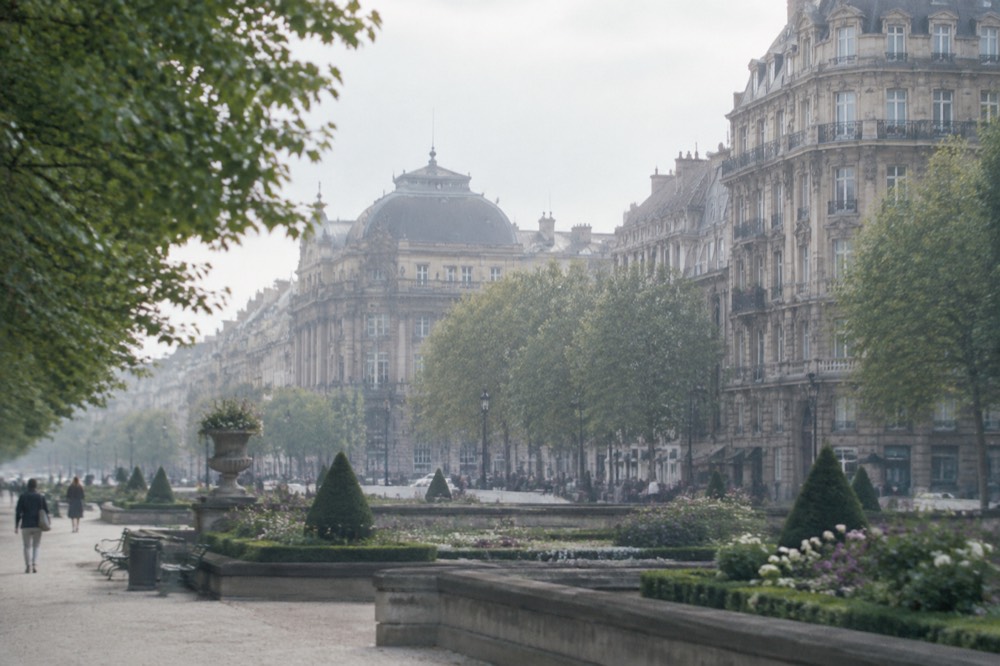
The core sights are the great formal square with its surrounding official buildings, the Palais du Rhin, the national theatre, the university library, Saint-Paul's church on the riverbank, and the Parc de l'Orangerie to the east. A half-day walk can take in the formal heart of the quarter and still leave time for one museum. The square itself is the place to start: it is the compositional centre of the whole district, with gardens, fountains and buildings arranged around it, and it gives you the scale of the project in one glance. From there the boulevards lead off in straight lines toward the river, the park and the newer European institutions beyond.
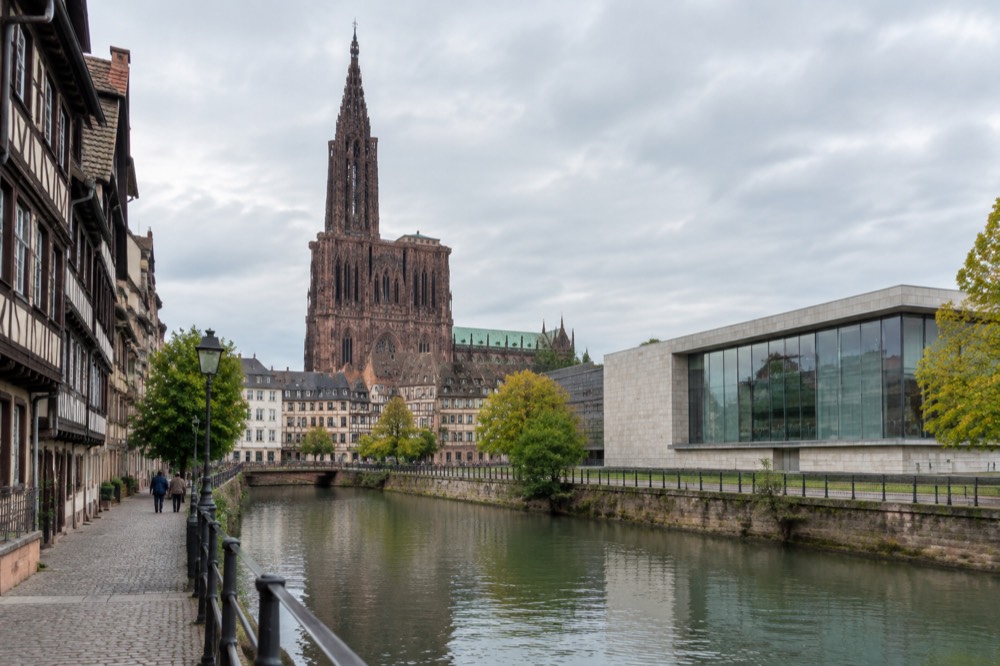
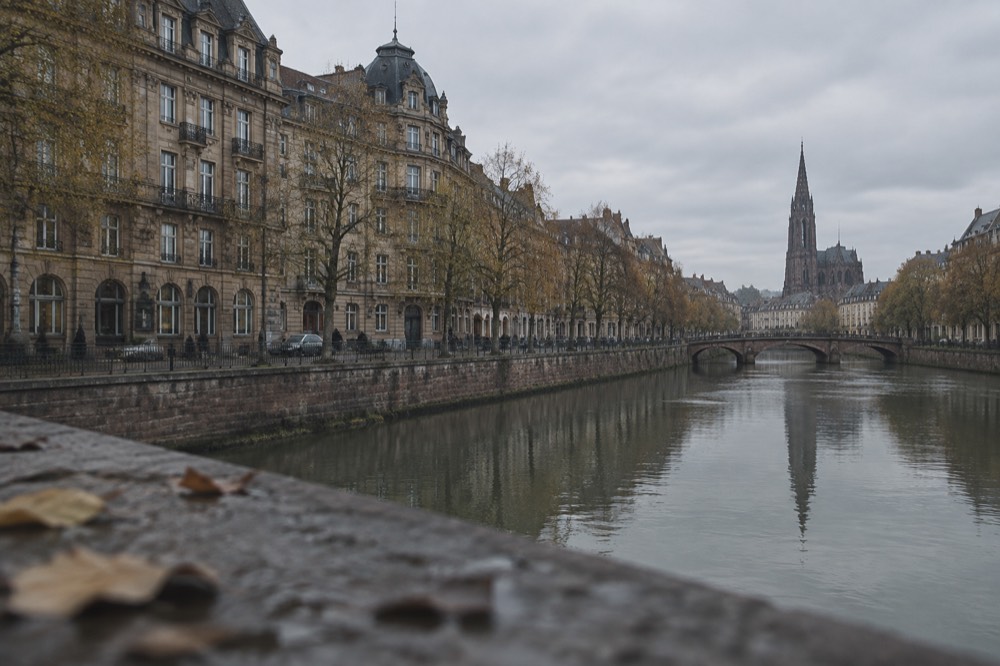
The Palais du Rhin is the most monumental of the buildings, a palace with a dome and a formal forecourt that now houses official uses; check the relevant pages before planning an interior visit, as access is limited. The national theatre and the university library sit within the same ensemble of cultural institutions, and both reward a look from the outside even when nothing is open. Saint-Paul's church, with its tall spire and twin flanking towers rising directly beside the Ill, is the quarter's most photographed religious building, and its reflections in the river are a Strasbourg classic. For interiors, the Musée d'Art Moderne et Contemporain, covered in the guide to the MAMCS, is the strongest museum actually inside or beside the Neustadt.
| Sight | What it is | Admission | What to check |
|---|---|---|---|
| The formal square | Monumental civic square with gardens | Open public space | Nothing, it is a public square |
| Palais du Rhin | Domed palace building | Check the official page | Interior access rules |
| Théâtre national de Strasbourg | National theatre | Tickets vary by performance | Current programme |
| Bibliothèque nationale et universitaire | University library | Check the official page | Reader access conditions |
| Église Saint-Paul | Church beside the Ill | Check the official page | Opening hours |
| MAMCS | Modern and contemporary art museum | 9 EUR full, 5 EUR reduced | Free on the first Sunday of the month |
| Parc de l'Orangerie | Historic parkland | Check the city's pages | Seasonal opening hours |
Museum pricing in Strasbourg rewards a little planning, because the municipal system is simple and generous on one day a month. The table below sets out the options that apply to the municipal museums, including the modern art collections. Note that the Musée Alsacien, across on the old island, is closed for works until 2028 and should not be routed into any visit; the guides to the Musée Alsacien and the Musée de l'Œuvre Notre-Dame carry the detail on what is open instead.
| Ticket option | Price | What it covers |
|---|---|---|
| Municipal museum single entry | 9 EUR full, 5 EUR reduced | One municipal museum |
| Pass Musées, 1 day | 20 EUR | The municipal museums for one day |
| Strasbourg City Card | 5 EUR adult, 3.50 EUR child | Seven days of discounts, not entry |
| First Sunday of the month | Free entry | All municipal museums |
How To Walk The Neustadt In Half A Day
A good half-day route starts on the Grande Île at the cathedral, crosses the Ill to the formal square, works east along the main boulevard past the Palais du Rhin and the theatre, pauses at the university library, and finishes in the Parc de l'Orangerie before returning along the riverbank past Saint-Paul's church. The whole walk is flat, almost entirely on pavements and avenues, and needs no transport until the return, when a tram can save tired legs. Allow a slow morning: the quarter is built for strolling, and its facades give up their detail only to people moving at walking pace.
To trace this route with a guide at your side, book a free walking tour here.
The order matters less than the orientation. The formal square is the hinge, so aim for it first and let the boulevards structure the rest. From the square, the main eastward avenue runs toward the park, with the theatre and library standing near its line; the Palais du Rhin sits close to the river side of the ensemble. Saint-Paul's church works best as a bookend, visited either at the start, when you cross from the old island, or at the end, when the low light catches its spire above the water. The riverside return is the quietest stretch, with the towers of the old town reassembling themselves across the Ill as you walk.
| Stop | What to look for | Why it stops here |
|---|---|---|
| The formal square | Gardens, monuments, the official buildings | The compositional heart of the quarter |
| Palais du Rhin | The dome and formal forecourt | The most monumental single building |
| Main eastward avenue | Facade detail, shopfronts, plane trees | The quarter's intended processional spine |
| University library | The reading-room block and its approach | The scholarly anchor of the district |
| Parc de l'Orangerie | Mature trees, lakeside paths | The green conclusion of the layout |
| Saint-Paul's church | The spire above the Ill | The riverside bookend and photo stop |
Two practical notes shape the walk. First, the municipal museums, including the modern art collections, are free on the first Sunday of every month, so a first-Sunday visit can drop a museum into the middle of this route at no cost. Second, the Parc de l'Orangerie, covered in its own guide to the Parc de l'Orangerie, is large enough to absorb an hour on its own, and families may want to budget more time there; the guide to Strasbourg with kids builds a whole day around it. If the sky turns grey, the museum-heavy alternative is in rainy day in Strasbourg.
Is The Neustadt Part Of The UNESCO World Heritage Site?
Yes. The World Heritage property is named "Strasbourg, Grande-Île and Neustadt", reference 495, and it covers both the medieval island and the German-built new town as one inscription. The Neustadt was added to the original property in a later extension, which the UNESCO listing records in 2017, making Strasbourg one of the few cities where an entire imperial-era district sits inside a World Heritage boundary. That status is the reason the quarter's avenues have kept their coherence: facades cannot be casually rebuilt, and the ensemble reads today much as it was planned.
The listing is unusual in another way. World Heritage properties usually protect a cathedral, a palace or an old core; Strasbourg's property protects a dialogue between two urban ideas, the medieval island and the planned new town, separated by a river and joined by bridges. The UNESCO citation treats the Neustadt as an outstanding example of town planning on a monumental scale, which is precisely what a visitor sees: avenues that were drawn on paper before they were drawn on the ground, and architecture used as statecraft. For travellers, the practical effect is that the quarter's streetscapes are intact, consistent and worth photographing as a whole rather than as isolated buildings.
The extension also changed how the city presents itself. Tourist itineraries that once stopped at the river now push east, and the Neustadt's museums, squares and parkland have moved from the edge of the map toward its centre. Visitors with only one full day, as outlined in one day in Strasbourg, face a genuine choice: the old island alone, or the old island plus a compressed sweep of the new town. The compromise that works is the riverside: cross one bridge, take in the formal square, and return along the Ill past Saint-Paul's, which delivers the Neustadt's essential contrast in under an hour of walking.
Where Does The Neustadt End And The European Quarter Begin?
The Neustadt fades into the European Quarter along its north-eastern edge, where the imperial avenues give way to the modern institutional campus of the European Parliament, the Council of Europe and the European Court of Human Rights, all of which sit beyond the parkland of the Orangerie. There is no wall and no gate: the boundary is a change of architecture and mood, from stone domes to glass and steel, from parade-ground boulevards to landscaped diplomatic grounds. The two quarters share a tram corridor and a direction, eastward, and they are usually visited in one continuous walk.
The practical dividing line for visitors is the park. East of the Orangerie, the buildings belong to the institutions covered in the guide to the European Quarter, including the European Parliament, the Council of Europe and the European Court of Human Rights. West of it, you are in the historic Neustadt. The European Parliament's visitor offer, the Parlamentarium Simone Veil, opens Monday to Friday 09:00-18:00 and Saturday 09:30-12:00 and 13:00-18:00 outside plenary weeks, with an airport-style security check at the door; plenary-week hours differ, so check the institution's own page before going. Admission arrangements are stated on that page rather than assumed.
The map softens again. The residential streets toward the Robertsau run out into villas and greenery, while the student life of the Krutenau bubbles along the southern edge near the river. Visitors deciding between more city and something completely different should know that the vineyards of Alsace begin a short drive beyond the tram's last stops, and a half-day wine tour from Strasbourg reaches the cellars and hills and returns by late afternoon; Check availability if that split appeals. The contrast is the point: imperial stone in the morning, vineyard rows after lunch.
How To Get To The Neustadt By Tram And Bus
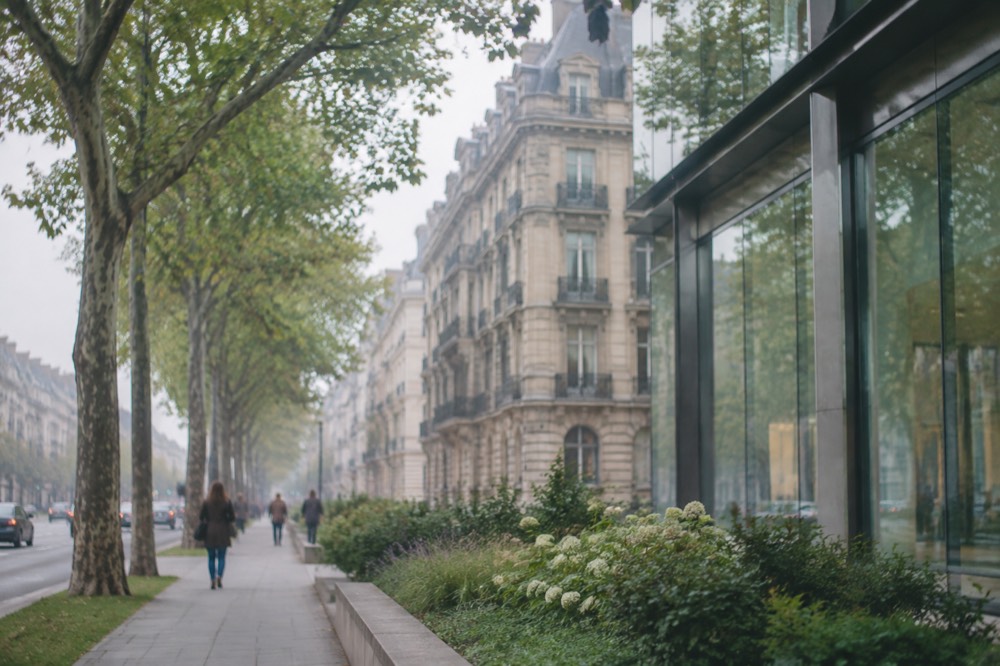
The Neustadt is served by the city's tram network, and a single CTS ticket costs 1.90 EUR bought through the Badgeo card, the CTS app or contactless payment, or 2.50 EUR bought on board a bus; a 24-hour Solo pass is 4.60 EUR and a 24-hour Trio pass covering two or three people is 10.20 EUR. Several lines cross the quarter, and the stops around the formal square and the Orangerie put every sight in this guide within a short walk. Check the CTS network map for the line that serves your starting point, since the network is radial and most routes pass through or near the district.
The fare structure rewards the right ticket choice. A single 1.90 EUR fare suits a one-way hop, but anyone making two trips or more in a day is better off with the 4.60 EUR Solo pass, and couples or small groups save with the 10.20 EUR Trio. The airport connection is unusually civilised: the train shuttle between Strasbourg station and Entzheim airport runs up to five trains an hour and takes 8 minutes, and a combined ticket covering the airport train plus a day of city transport, the Alsa+ 24h EMS, costs 4.60 EUR. The station itself sits just west of the Neustadt, as the guide to the gare district explains, so arriving visitors are a short tram ride from the quarter.
| Ticket | Price | Notes |
|---|---|---|
| Single, bought in advance | 1.90 EUR | Badgeo card, CTS app or contactless |
| Single, bought on board | 2.50 EUR | Buses only |
| 24h Solo pass | 4.60 EUR | One person, the whole CTS network |
| 24h Trio pass | 10.20 EUR | Two or three people travelling together |
| Airport combined ticket | 4.60 EUR | Entzheim train plus 24h city transport |
Visitors arriving from Paris should note that the fastest trains complete the journey in under two hours; check times and fares on SNCF Connect before booking. Once in Strasbourg, the Neustadt needs no car at all, and parking in the centre is expensive enough, as the guide to parking in Strasbourg details, that the tram is the better plan. Cyclists have an even easier time, since the avenues are flat and the riverside paths connect the quarter to the old island; the guide to Strasbourg by bike maps the useful routes, and a guided bike tour with a local guide is one of the roster's most-booked ways to cover both halves of the city in a single loop.
What The Neustadt Is Like Through The Year
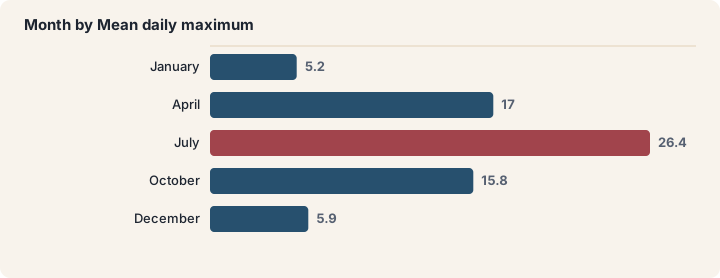
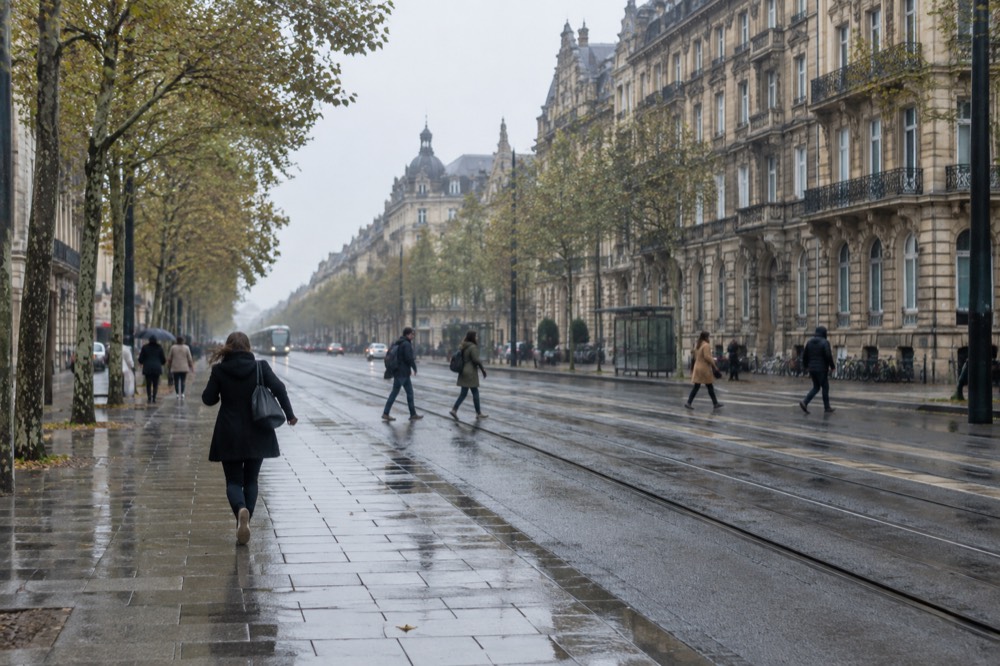
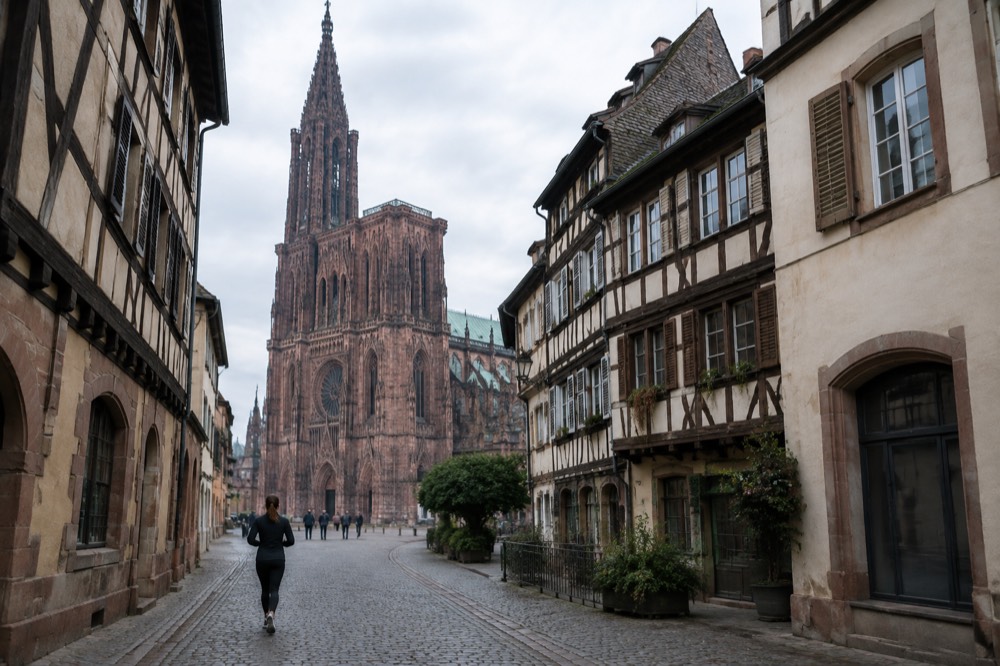
Strasbourg has a semi-continental climate, with mean daily maxima running from 5.2 C in January to 26.4 C in July, and the Neustadt's wide avenues and parkland change character sharply with the seasons: bare and monumental in winter, leafy and shaded in summer. The 1991-2020 normals for Strasbourg-Entzheim put the year's mean maximum at 16.0 C, the mean minimum at 6.9 C, and total rainfall at 635.7 mm spread over 112.3 days of 1 mm or more. In other words, no month is dry, and layers plus a compact umbrella belong in every bag.
The numbers behind that picture are worth reading before you pick a date. Winter is cold rather than severe: December averages a maximum of 5.9 C and a minimum of 0.8 C, with 10.2 rain days and 45.2 mm of rain. Spring warms quickly, April reaching a mean maximum of 17.0 C, while May carries the year's heaviest rainfall total at 77.2 mm. Summer is genuinely warm, July and August averaging maxima of 26.4 C and 26.1 C, and autumn settles back through an October maximum of 15.8 C. The table below pulls the months that matter for planning.
| Month | Mean daily maximum | Mean daily minimum | Rain days of 1 mm or more |
|---|---|---|---|
| January | 5.2 C | -0.2 C | 9.1 |
| April | 17.0 C | 5.7 C | 8.6 |
| July | 26.4 C | 14.9 C | 10.4 |
| October | 15.8 C | 7.2 C | 9.6 |
| December | 5.9 C | 0.8 C | 10.2 |
Each season dresses the quarter differently. In winter the avenues open up once the plane trees lose their leaves, and the formal square's monumentality reads at its strongest, though the December evenings close in early; the city's Christmas season, described in the guide to Strasbourg in winter, centres on the old island but spills into the new town's shopping streets. Spring and autumn are the comfortable walking months, and they are also when the full-day highlights of Alsace tours run at their best, since the vineyards and villages beyond the city are at their most photogenic; the full-day option on the roster covers the region's headline sights in a single guided loop. Summer suits early starts, with the Orangerie's shade earning its keep by midday, and the riverside return past Saint-Paul's at golden hour.
Why The Neustadt Pairs Well With An Alsace Day Trip
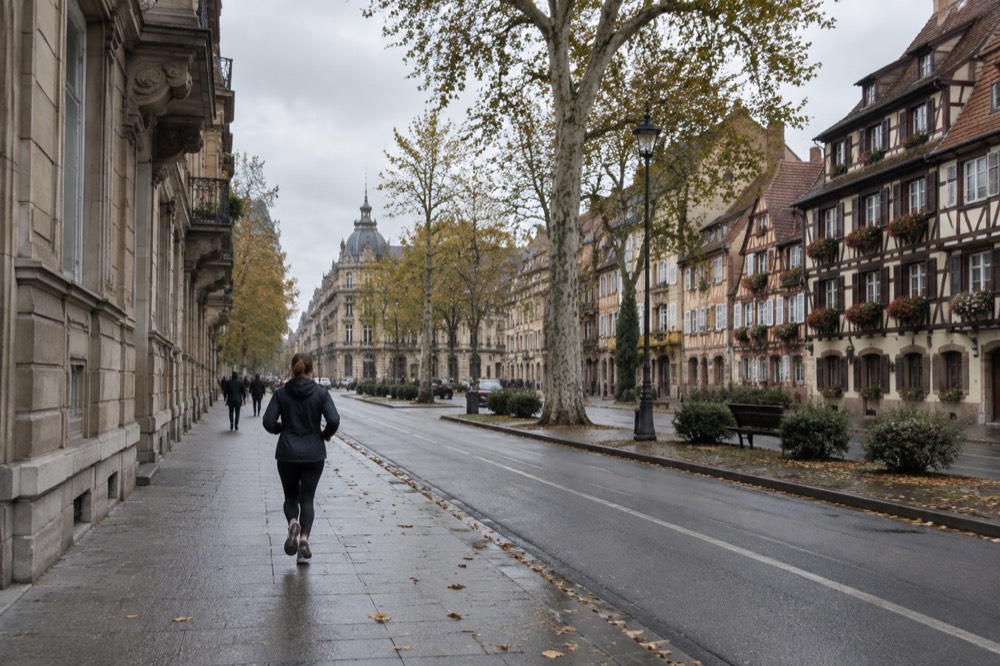
The Neustadt gives you the city's grandest architecture in half a day, which leaves the other half free for the Alsace that surrounds Strasbourg: the wine route's villages, the medieval towns and the castle-crowned hills that begin a short drive south of the city. The pairing is natural because the quarter is compact. A morning walk from the formal square to the Orangerie covers the essentials, and the tram returns you to the station or the old island in minutes, ready for an afternoon or a following day in the countryside.
The strongest single pairing on the roster is the medieval villages and wine-tasting day trip, a full guided loop out of Strasbourg into the region's famous villages with tastings built in. It suits exactly the visitor who has fallen for the Neustadt's contrast between town and country, because it pushes that contrast to its limit: imperial avenues in the morning, half-timbered lanes and cellar doors after lunch. The tour runs with transport arranged, so no hire car or route planning is needed, and the operator's live listing carries the current itinerary and departure details. Visitors weighing a hire car against a guided day will find the trade-offs set out in the guide to an Alsace road trip, while the wine-focused background is in the guide to the Alsace wine route.
Whichever way the day is built, the Neustadt deserves its protected status on its own terms. It is one of the few European city extensions that was planned whole, executed with conviction and then left intact long enough to become heritage, and walking it after the Grande Île is the single best way to understand why Strasbourg looks the way it does. Cross the bridge, look back at the cathedral's single spire over the old roofs, then turn east into the avenues, and the two halves of the city explain each other.
Common Questions About The Neustadt In Strasbourg
Is The Neustadt Worth Visiting In Strasbourg?
Yes, especially for anyone with a second day in the city. The quarter offers the broadest architecture in Strasbourg, several strong museums including the MAMCS, the Parc de l'Orangerie and the riverside setting of Saint-Paul's church, all within a flat half-day walk. It is also part of the UNESCO World Heritage property, so the visit covers ground the listing itself protects.
What Does Neustadt Mean?
Neustadt is German for new town. The name records the quarter's origin as a planned extension of Strasbourg laid out during the period the city was under German administration, built on the flat ground east of the River Ill in deliberate contrast to the medieval island.
Is The Neustadt Walkable?
Entirely. The quarter is flat, its avenues are wide and pedestrian-friendly, and the main ensemble from the formal square to the Parc de l'Orangerie can be covered on foot at a relaxed pace. A slow half day is enough for the core sights, with a riverside return past Saint-Paul's church to finish.
How Do I Get From The Grande Île To The Neustadt?
On foot across one of the bridges over the Ill, or by tram using a 1.90 EUR single ticket bought through the CTS app, a Badgeo card or contactless, or 2.50 EUR on board a bus. The two quarters face each other across the river, and the walk between the cathedral's island and the formal square takes only a few minutes.
Is The Neustadt In The UNESCO Site?
Yes. The World Heritage property is named "Strasbourg, Grande-Île and Neustadt", reference 495, and covers both the medieval island and the new town. The Neustadt was added to the original property in a later extension, which the UNESCO listing records in 2017.
Which Museums Are In Or Near The Neustadt?
The Musée d'Art Moderne et Contemporain sits on the district's western side, with entry at 9 EUR full and 5 EUR reduced, free on the first Sunday of every month. A 1-day Pass Musées at 20 EUR covers all the municipal museums, and the Strasbourg City Card at 5 EUR adult adds seven days of discounts. Note that the Musée Alsacien is closed for works until 2028.