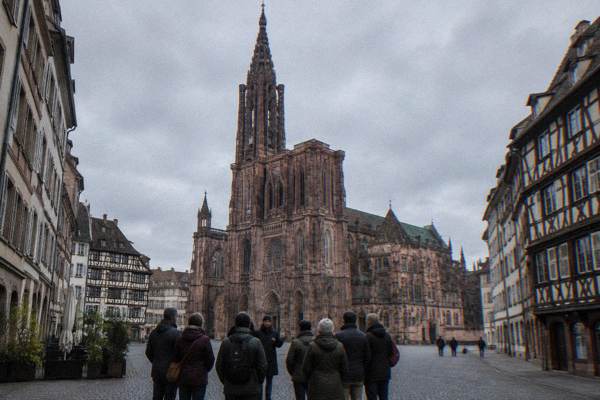
Robertsau Strasbourg
Robertsau is the green, quiet quarter on Strasbourg's north-eastern edge, where the Ill runs past villas and embassy grounds towards the European institutions. This guide explains what it is, how to reach it and what it offers a visitor.
Short answer
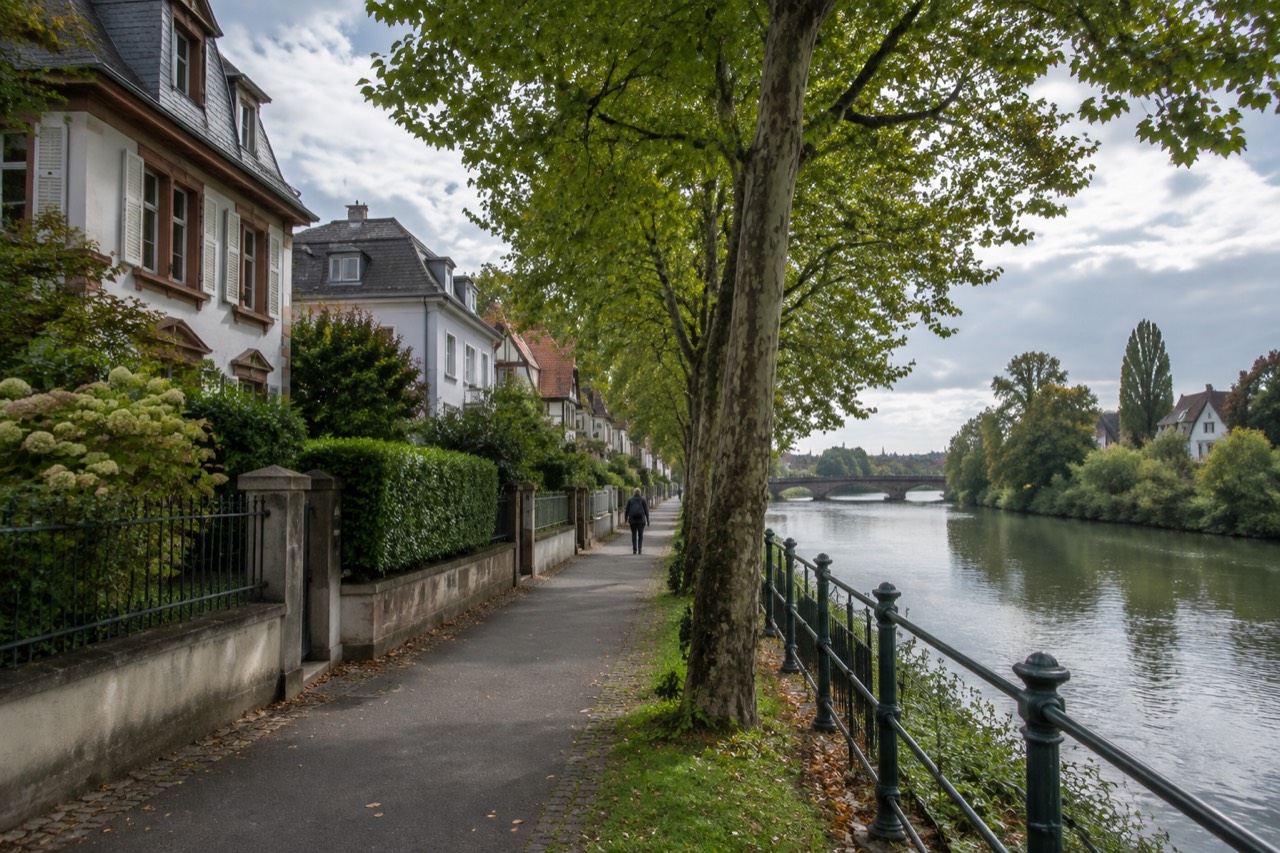
Robertsau is a leafy, largely residential quarter of Strasbourg in Alsace, north-eastern France, stretching along the River Ill. It offers riverside walks, the Parc de l'Orangerie and a calm, village-like atmosphere, and it is reached from the centre by tram, bus or a pleasant walk beside the water.
Robertsau is the quiet, green quarter on the north-eastern side of Strasbourg, the prefecture of the Bas-Rhin in Alsace, part of the Grand Est region of north-eastern France, a city on the River Ill beside the Rhine, which forms the border with Germany here. Where the Grande Île is the historic core and the Neustadt is the grand imperial extension, Robertsau is something else again: a low-rise, leafy, largely residential stretch along the Ill, running out from the edge of the centre towards the European institutions and the water meadows beyond. Visitors who stay here or walk through it get a version of Strasbourg that the day-trip crowds never see, and this guide sets out what the quarter is, how to reach it, and what it is genuinely good for.
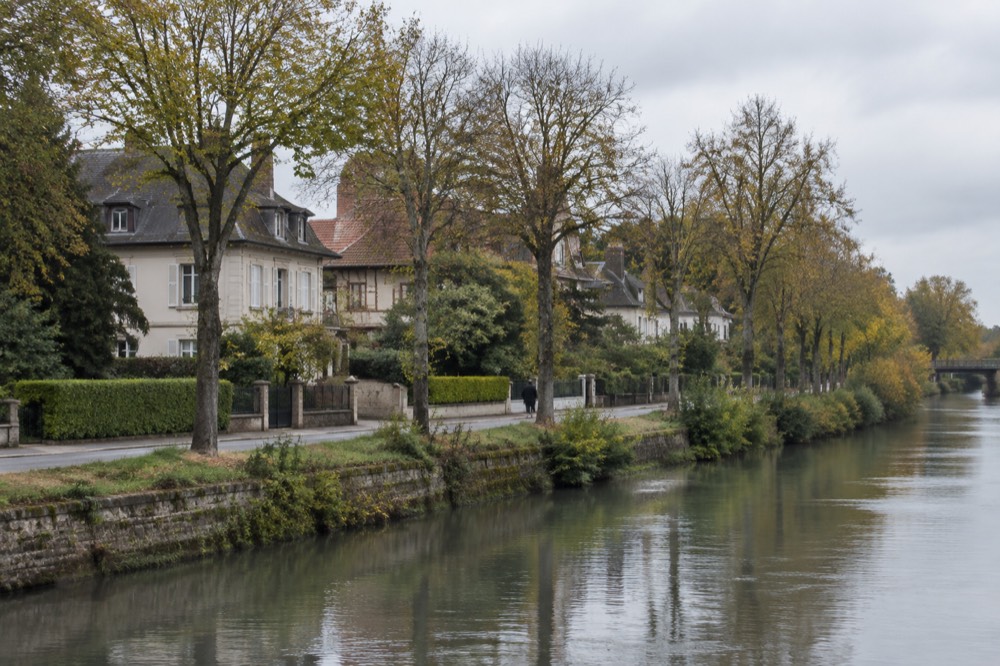
It also sits next door to several of the city's diplomatic and institutional landmarks, which gives it a character halfway between a village and a government district. The pages on Strasbourg Travel Guide cover each of the city's quarters in turn, and this one is deliberately the slowest of the set, because Robertsau rewards exactly that: unhurried walking, riverside loops and long lunches.
What Is The Robertsau Quarter Of Strasbourg?
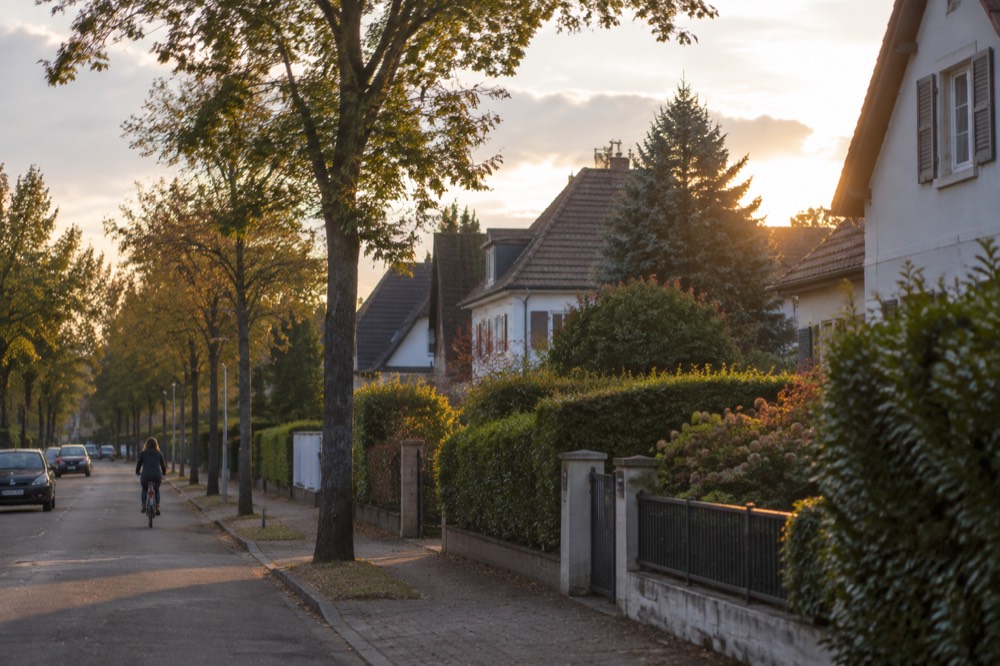
Robertsau is a largely residential and diplomatic quarter occupying the north-eastern edge of Strasbourg, France, running along the River Ill from the edge of the historic centre out towards the European institutions. It is known for its greenery, its villas and gardens, its proximity to the Parc de l'Orangerie and the Council of Europe, and an atmosphere that feels closer to a riverside village than to a city centre, which makes it a favourite for travellers who value calm over proximity to the cathedral.
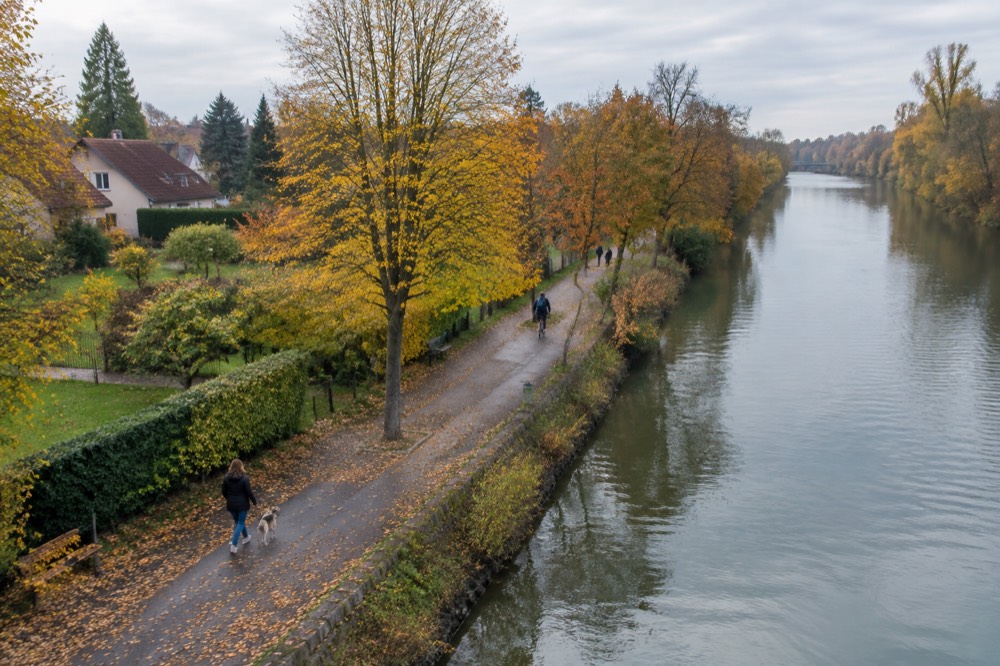
The best way to understand Robertsau is by contrast. The UNESCO-listed Grande Île and its medieval streets hold the cathedral, Petite France and the bulk of the city's visitors. The Neustadt, the German-built extension around Place de la République, holds the grand institutional architecture of the imperial years. Robertsau, beyond both, keeps its trees, its low building heights and its water. The Ill, the river that threads through the whole city, is the quarter's spine: it enters Robertsau after passing the European Quarter and runs the length of the district, flanked by paths, meadows and gardens.
Diplomacy shaped Robertsau as much as the river did. When the European institutions were established in Strasbourg after the Second World War, they settled on the north-eastern edge of the city, within and beside Robertsau, and consulates, international schools and embassy residences followed. The Council of Europe, the European Parliament and the European Court of Human Rights all sit at or near the quarter's eastern side, and the European Quarter guide covers those buildings in detail. Robertsau itself is where their staff live, walk and eat, which explains both the calm and the unusually international flavour of its cafés.
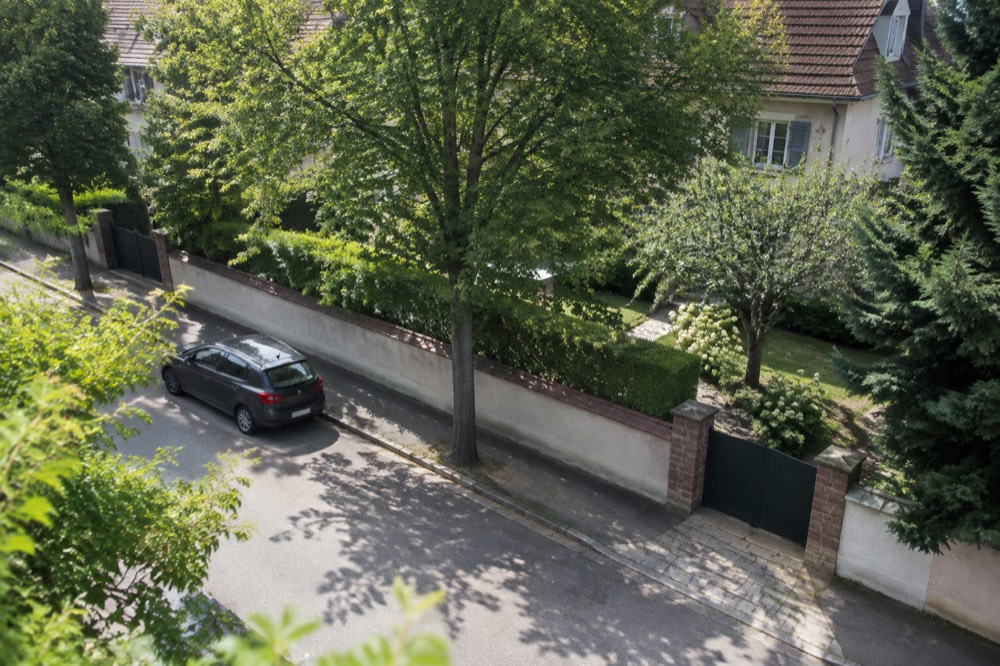
For a visitor, the practical summary is this: Robertsau is not a sightseeing district in the way the Grande Île is, and it does not pretend to be. It is a place to stay, to walk, to eat well and to breathe, with a handful of genuine attractions at its edges. The table below gives the honest overview before the rest of the guide fills it in.
| Aspect | What you find in Robertsau | Who it suits | What to check before you go |
|---|---|---|---|
| Character | Leafy, low-rise, residential, riverside | Travellers wanting calm and greenery | Nothing; it is a lived-in quarter, not a ticketed site |
| Main draws | Riverside paths, the Parc de l'Orangerie, institutional architecture | Walkers, families, slow travellers | Park opening arrangements on the city's pages |
| Location | North-eastern edge of Strasbourg, along the Ill | Anyone combining the centre with the European Quarter | Tram and bus routes on the CTS network pages |
| Food scene | Neighbourhood bistros, winstubs and international cafés | Long-lunch travellers | Opening days of individual restaurants |
| Best paired with | The European Quarter and the Orangerie | First-time and repeat visitors alike | Tour listings for guided walks of the centre |
Where Is Robertsau And How Do You Reach It From The City Centre?
Robertsau sits on Strasbourg's north-eastern edge, between the European Quarter and the water meadows along the Ill, and reaching it from the city centre is simple: CTS trams and buses, riverside cycling paths, and walking routes all connect the two. A single CTS ticket costs 1.90 EUR via the Badgéo card, the CTS app, or contactless payment, or 2.50 EUR on board a bus, while a 24-hour Solo pass at 4.60 EUR covers a full day of travel between the quarter and the centre.
The geography is simple once you have the river in your head. The Ill flows north-east out of the city centre, past the European institutions, and Robertsau sits along that stretch, with the Parc de l'Orangerie at its western side and the institutional buildings at its eastern edge. Walking from the centre, you follow the river: the route leaves the tourist core behind as the river widens and the trees take over. It is a walk best done without a timetable, since the whole pleasure of Robertsau is the water and the greenery on the way.
Public transport is the practical answer for anyone not walking. The CTS network runs trams and buses across the city, and the fare structure is flat wherever you travel within it: the single ticket at 1.90 EUR or 2.50 EUR on board, the 24-hour Solo at 4.60 EUR for one traveller, and the 24-hour Trio at 10.20 EUR for two or three travelling together, which makes the Trio the better buy for couples doing several return trips in a day. Tickets are valid across tram and bus, so a day of exploring the quarter, the centre and the European institutions can be done on one pass. The CTS pages carry the current route maps, and it is worth checking which stop serves your exact address, since Robertsau is long and thin and its far end is further from the centre than its near end.
| CTS ticket | Price | What it covers | Best for |
|---|---|---|---|
| Single (Badgéo, app or contactless) | 1.90 EUR | One journey on tram or bus | A single trip into the centre |
| Single bought on board a bus | 2.50 EUR | One journey | Buying when already on the bus |
| 24-hour Solo | 4.60 EUR | Unlimited travel for one person, 24 hours | A day of exploring the quarter and the centre |
| 24-hour Trio | 10.20 EUR | Unlimited travel for 2-3 people, 24 hours | Couples and small groups |
| Airport combined ticket | 4.60 EUR | Airport train shuttle plus CTS travel | Arriving via Entzheim and heading straight to Robertsau |
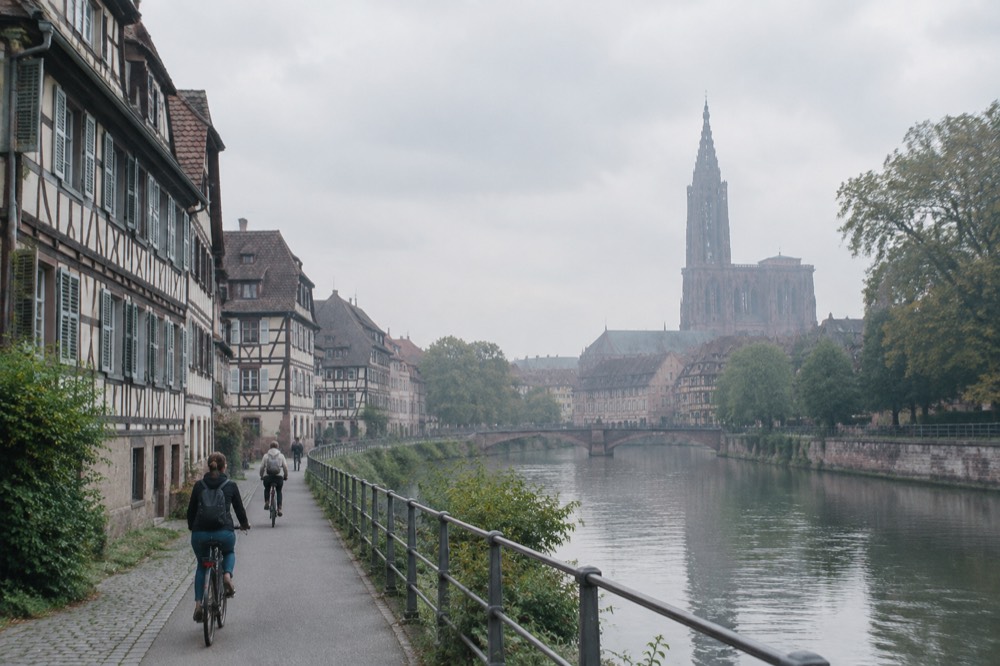
Cyclists have the easiest time of all. Strasbourg is a genuinely bike-friendly city, and the riverside path along the Ill is one of the pleasantest traffic-free rides in the region; the Gare District guide covers arrival and onward connections for anyone coming in by train with a bike. If you would rather have a local lead the way, a guided bike tour is one of the better formats for seeing Robertsau and the riverside in one loop, and the operator's live listing carries the current price and schedule.
What Are The Best Things To Do In Robertsau?
The best things to do in Robertsau are the riverside walk along the Ill, a visit to the Parc de l'Orangerie, a look at the European institutional architecture on the quarter's eastern edge, and a long unhurried lunch in one of its neighbourhood restaurants. None of it is ticketed in the way the cathedral platform or the astronomical clock are; the quarter's attractions are paths, parks, water and streetscapes, and they reward time rather than money.
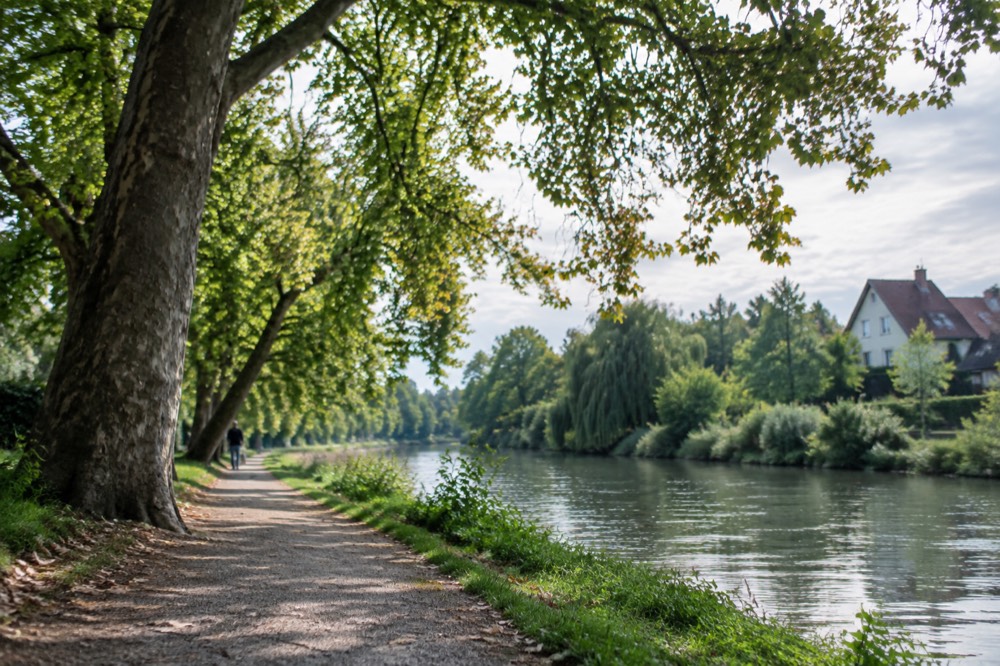
Start with the river. The paths along the Ill are Robertsau's real attraction, and they run in both directions: upstream towards the European Quarter and the meadows beyond, downstream back towards the centre and Petite France. The water moves slowly here, the banks are soft and green, and in the warmer months the path is full of joggers, families and office workers from the institutions on their lunch breaks. There is no single must-see point on the walk; the point is the walk itself, and turning back whenever the mood says so.
The Parc de l'Orangerie is the quarter's green heart and the city's oldest and largest park, sitting at Robertsau's western edge between the quarter and the European institutions. It has formal avenues, mature trees, a small lake, playgrounds and open lawns, and it is the sort of place where a half-day disappears without effort. The full guide to the Parc de l'Orangerie covers what to look for; for families, the park pairs naturally with the rest of the quarter, and the Strasbourg with kids guide folds it into a wider day plan.
The institutional edge comes next. The Council of Europe, the European Court of Human Rights and the European Parliament cluster within a short walk of one another at the quarter's eastern side, and even viewed only from outside they are striking pieces of modern architecture, very different from anything in the historic core. Visitors who want to go inside rather than look should check the official visiting pages for hours and arrangements, since access to institutional buildings depends on the parliamentary calendar and security arrangements, and the European Parliament guide explains the current situation. The contrast between Robertsau's villas and these modern buildings is one of the more interesting walks in the city.
| Place in or beside Robertsau | What it is | When it is at its best | What to check first |
|---|---|---|---|
| Riverside path along the Ill | Traffic-free walking and cycling beside the river | Morning and late afternoon, spring to autumn | Nothing; the path is always walkable |
| Parc de l'Orangerie | The city's largest park, with lake, lawns and playgrounds | Warm afternoons, weekends for the full local life | Opening arrangements on the city's pages |
| Council of Europe building | Modern institutional architecture at the quarter's edge | Daylight, for photographs from outside | Official visiting arrangements |
| European Parliament and Court precinct | The cluster of European institutions beside the park | Weekday mornings when the district is in full swing | The institutions' own visiting pages |
| Neighbourhood restaurants of Robertsau | Winstubs, bistros and international cafés | Lunch and early evening | Opening days of each restaurant |
Guided formats suit the quarter well, because the pleasure of Robertsau is contextual: a guide can point at a wall, a garden or a stretch of water and explain what the building behind it does. A guided bike tour is the natural fit for the riverside loop, since it covers the Ill paths and the institutional edge in one sweep with a local leading the way, and the live listing carries the current price and departure details.
How Does Robertsau Compare With Strasbourg's Other Quarters?
Robertsau is the greenest and quietest of Strasbourg's main quarters, trading the historic density of the Grande Île and the Neustadt's grandeur for riverside space, villas and proximity to the European institutions. It suits travellers who want calm and are happy to ride into the centre, while the Grande Île suits those who want to step out of the door into the cathedral square, the Neustadt suits architecture lovers, and the Krutenau suits those after a studenty, local atmosphere at a lower price.
The honest comparison is best done quarter by quarter. The Grande Île, the island core holding the cathedral, the Maison Kammerzell and the Place Kléber, is where the sights are and where the crowds are, and it is unbeatable for a first visit measured in hours. The Neustadt wraps the core in imperial boulevards and monumental squares, and its broad streets and library, university and institutional buildings reward a slower architectural walk. The Krutenau, the former fishermen's and students' quarter south of the core, is the lively, scruffier, cheaper option, full of bars and small restaurants. Robertsau is the opposite pole from all three: the least sight-dense, the least lively at night, and the most restful.
| Quarter | Character | Strongest for | Weakest for | Best for |
|---|---|---|---|---|
| Grande Île | Medieval core, UNESCO-listed | Sights, atmosphere, walkability | Noise, crowds, hotel prices | First-time visitors |
| Neustadt | Grand imperial boulevards and squares | Architecture, museums, space | Late-night life | Architecture lovers |
| Krutenau | Student quarter beside the Ill | Eating, drinking, local prices | Polished comfort | Younger travellers, longer stays |
| Robertsau | Leafy riverside and diplomatic quarter | Calm, greenery, the Orangerie | Sightseeing density, nightlife | Families, slow travellers, business stays |
Where you sleep should follow what your days look like. If the plan is cathedral, clock, museums and Christmas market, the centre wins outright, and the where to stay in Strasbourg guide works through the options street by street. If the plan mixes a little sightseeing with work, a long stay, or days spent walking the river and the park, Robertsau's calm starts to look like the point rather than the compromise. Repeat visitors to Strasbourg often land here for exactly that reason: they have done the cathedral and the clock, and now they want the city at its own pace.
If you are staying in Robertsau and want the historic core explained properly rather than merely walked through, a small-group curiosities walk is a good pairing: it covers the centre's streets and stories with a local guide, and returning to the quiet of Robertsau afterwards is exactly the rhythm the quarter is built for. The operator's live listing has the current price and dates, and free cancellation means the decision does not need to be made before your plans are firm.
Where Should You Eat In Robertsau?
Robertsau eats like a well-off residential and diplomatic quarter: proper neighbourhood winstubs and bistros serving Alsatian classics, a scattering of international cafés and bakeries serving the institutional crowd, and riverside and parkside settings for a long lunch rather than a quick one. It is not the city's densest eating district, and the best plan is to book a table for the meals that matter and treat the rest as opportunistic.
The Alsatian classics are the thing to order wherever you find them, and the city's food guides cover them properly: choucroute, baeckeoffe, tarte flambée and kougelhopf, all of which appear on traditional menus across the city. What Robertsau adds is setting. Eating well a short walk from the Ill, or on the edge of the Parc de l'Orangerie after a morning by the water, is a different experience from eating the same dish in the crowded lanes of the centre, and the quarter's restaurants lean towards the unhurried end of the spectrum. The guide to winstubs in Strasbourg explains the tradition and what to order, and the best restaurants in Strasbourg guide covers the whole city's dining, with Robertsau options sitting among the quieter picks.
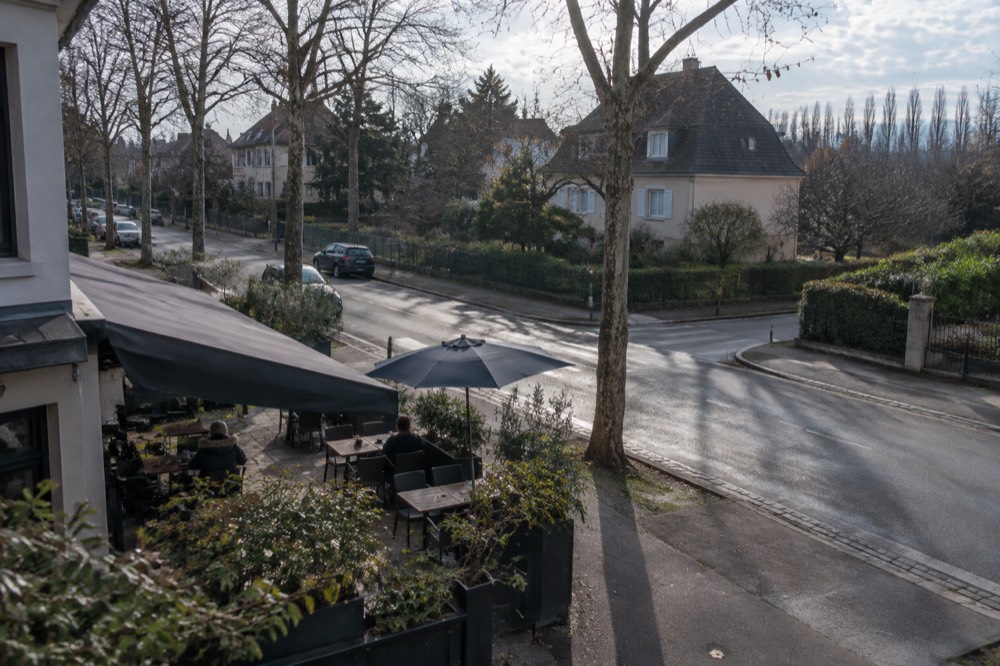
Two practical notes shape eating in the quarter. First, residential quarters keep residential hours: restaurants that are busy at lunch can close early in the evening, and some close on Sundays or Mondays, so a moment on each restaurant's own page before you set out saves a wasted walk. Second, the institutional presence means weekday lunchtimes are livelier than weekend evenings, and the reverse of the pattern you would find in the centre; a Saturday evening in Robertsau is quiet, and travellers who want nightlife should ride into the Krutenau or the centre instead. For a food-centred visit, a guided food walk through the centre pairs well with a Robertsau base, since the tasting formats concentrate on the historic streets while the quarter supplies the calm evenings.
When Is The Best Time Of Year To Visit Robertsau?
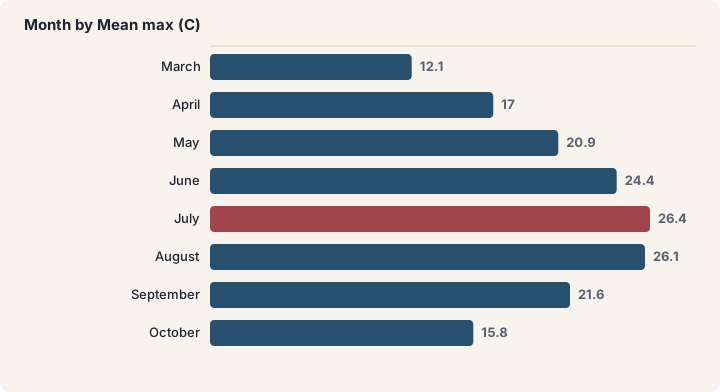
The best time to visit Robertsau is late spring through early autumn, when the riverside paths, the Parc de l'Orangerie and the quarter's gardens are in full leaf and the long daylight suits walking; Strasbourg's semi-continental climate gives July mean maximum temperatures of 26.4 C and January mean maxima of just 5.2 C, so winter visits trade greenery for the Christmas market season in the centre, with December averaging 10.2 rain days of 1 mm or more.
The climate numbers deserve a plain reading. Strasbourg sits far from any sea, and Meteo-France's 1991-2020 normals for the Entzheim station show the pattern: mean daily maxima rise from 5.2 C in January to 26.4 C in July, mean minima from -0.2 C in January to 14.9 C in July, and the year brings 635.7 mm of rain spread across 112.3 days with 1 mm or more. Rain falls somewhere in every month, with the wettest counts in May, June, July and December, so the difference between seasons is less dry-versus-wet than warm-versus-cold and green-versus-bare. For Robertsau specifically, whose attractions are outdoors, the warm half of the year is clearly the better half.
| Month | Mean max (C) | Mean min (C) | Days with 1 mm+ rain |
|---|---|---|---|
| March | 12.1 | 2.6 | 8.5 |
| April | 17.0 | 5.7 | 8.6 |
| May | 20.9 | 10.1 | 10.8 |
| June | 24.4 | 13.4 | 10.2 |
| July | 26.4 | 14.9 | 10.4 |
| August | 26.1 | 14.5 | 9.5 |
| September | 21.6 | 10.7 | 8.0 |
| October | 15.8 | 7.2 | 9.6 |
Winter changes the calculus rather than ending it. December draws the Christmas market crowds into the centre, and the Christmas market itinerary guide is the right page for that season, with Robertsau serving as a quiet base rather than a destination in its own right. The bare trees and grey water of a January riverside walk have their own following among travellers who like cities off-peak, but anyone whose heart is set on the market lights, the chalets and the glühweer should plan around the centre and treat Robertsau as the place to sleep. The city's Christmas site carries the dates for each edition once they are published, and the pattern in recent years has been an opening in the last week of November running to 24 December.
Which Guided Tours Pair Well With A Robertsau Stay?
The tours that pair best with a Robertsau stay are a small-group walking tour of the historic centre, a short city-centre walk if your time is tight, and a full-day minibus excursion into the Alsace wine country and villages, because Robertsau itself needs no guide while the centre and the surrounding region repay one. All three formats run from the city centre, which is a short tram ride from the quarter, and each leaves you back in Robertsau's calm by evening.
The logic is simple. Robertsau is self-guiding: its paths, park and river need nothing but time and comfortable shoes. The centre, by contrast, is dense with history that a guide unlocks, and the countryside beyond Strasbourg, the wine route villages and the castle country of the Vosges foothills, is impractical without transport. A short city-centre walk is the efficient option for a traveller with one free morning: it works through the core sights in a compact loop with a local guide, and the live listing carries the current price. For a fuller treatment of the options, the guide to tours in Strasbourg compares formats across the whole city.
The day-trip option is the one that changes the shape of a Robertsau-based holiday. A full-day excursion to Colmar, Riquewihr and the Haut-Koenigsbourg castle country takes in the wine route's villages and a mountain castle in a single loop from Strasbourg, with transport handled, and it is the practical answer for travellers without a car. The Alsace wine route guide and the Colmar guide cover the destinations in depth for anyone weighing the independent alternative, but the guided format spares the planning and the driving.
Is Robertsau Worth Visiting On A Short Strasbourg Trip?
Robertsau is worth visiting on a short trip only as a walk or a lunch, and worth staying in on any trip longer than two nights; on a flying visit measured in hours, the Grande Île, the cathedral and Petite France should take every minute, while Robertsau earns its place the moment the plan includes the Parc de l'Orangerie, the European institutions, a riverside loop or simply a quiet night's sleep after a busy day of sightseeing.
The arithmetic of a short trip is unforgiving. Strasbourg's core sights, the cathedral with its single spire and 66 m platform, the astronomical clock, Petite France and the covered bridges, sit together on and around the Grande Île, and a traveller with one day should spend it there, following the one day in Strasbourg itinerary. Robertsau's attractions are diffuse and unhurried, which is a strength across a week and a weakness across a morning. The exception is the Orangerie: a park visit slots into a half-day easily, and it sits on the walking line between the centre and the European institutions, so a short-stay traveller can fold it into a longer loop without losing the core sights.
For stays of two nights or more, the calculation flips. The two days in Strasbourg guide and the three days in Strasbourg guide both leave room for the riverside and the institutional east of the city, and a Robertsau base makes those days easier rather than harder, with the tram linking the quarter to the centre in a short ride. The quarter also earns its keep at the edges of the day: mornings along the Ill before the centre wakes, and evenings in a neighbourhood bistro after the day-trippers have gone. Travellers on a budget should cross-check the Strasbourg on a budget guide, since the residential quarters price differently from the centre.
Whichever length of stay you choose, the guided options below cover the three formats that pair best with the quarter: a small-group walk through the centre's curiosities, a compact city-centre walk for tight mornings, and a full-day excursion into the Alsace villages and castle country.
Common Questions About Robertsau
Is Robertsau a good area to stay in for a first visit to Strasbourg?
It is a good area to stay in if you value calm, greenery and space and do not mind a short tram ride into the centre. First-time visitors whose priority is stepping out of the door onto the cathedral square will be happier on or near the Grande Île, but anyone combining sightseeing with work, a long stay or a restful base will find Robertsau one of the more pleasant quarters in the city.
Can you walk from Robertsau to Petite France and the historic centre?
Yes, and the walk along the River Ill is one of the pleasantest approaches to the centre in the whole city. The route follows the riverside paths downstream past the European Quarter and into the historic core, and it is best done without a timetable. The CTS tram and bus network covers the same ground quickly when legs or weather say otherwise.
What is there to see in Robertsau itself?
The quarter's attractions are the riverside paths along the Ill, the Parc de l'Orangerie at its western edge, the modern architecture of the European institutions on its eastern side, and its calm, leafy residential streets. There is no single ticketed landmark in the quarter; it is a place for walking, park time and long meals rather than a checklist of sights.
Is Robertsau well connected to Strasbourg Airport?
Yes. The airport at Entzheim is linked to Strasbourg's main station by a train shuttle that runs up to five times an hour, and the airport combined ticket at 4.60 EUR covers the shuttle plus a day of CTS tram and bus travel, which carries you from the station to Robertsau on the same ticket.
Is Robertsau a quiet quarter at night?
Yes, and deliberately so. It is a residential and diplomatic quarter, and its evenings are calm, with restaurants closing earlier than those in the centre. Travellers looking for bars and late-night life should head to the Krutenau or the historic centre, and return to Robertsau to sleep.
Does Robertsau have its own Christmas market?
The city's Christmas market chalets are concentrated in and around the historic centre, with the pattern in recent years being an opening in the last week of November running to 24 December. Robertsau itself is not a market district; it works as a quiet base during the season, with the centre a short tram ride away.