European Court Of Human Rights Strasbourg
The European Court of Human Rights sits in Strasbourg, France, in the city's modern European Quarter beside the Parc de l'Orangerie. This guide explains what the court does, how it differs from the European Parliament, how to reach it by tram, and what else to see in the quarter around it.
Short answer
The European Court of Human Rights is the Council of Europe's court, based in Strasbourg in north-eastern France, in the European Quarter beside the Parc de l'Orangerie. It rules on the European Convention on Human Rights. A CTS tram ticket costs 1.90 EUR from the app or contactless, and visits and hearings are arranged through the court's own site.
The European Court of Human Rights stands in Strasbourg, in the Alsace region of north-eastern France, a few tram stops north-east of the half-timbered lanes of the Grande Île. It is one of three major European institutions clustered in the same corner of the city, alongside the European Parliament and the Council of Europe, and for many travellers it is the least understood of the three. People arrive expecting a courtroom drama and find instead a quiet, glass-fronted building beside a park, where lawyers from across the continent argue cases that shape rights well beyond France's borders. This page, part of the Strasbourg Travel Guide collection, sets out what the court actually is, how it fits into the city's institutional landscape, and how to build a rewarding visit around it.
What Is The European Court Of Human Rights In Strasbourg?
The European Court of Human Rights is an international court that rules on complaints brought against states which have signed the European Convention on Human Rights, and it sits permanently in Strasbourg, France. It belongs to the Council of Europe, an organisation separate from the European Union. Its judgments bind the states concerned, and its case law touches press freedom, fair trials, privacy and family life across the continent.
The simplest way to grasp the court is to separate two Europes that share one city. The European Union runs the European Parliament, whose Strasbourg building sits a few minutes away in the same quarter. The Council of Europe is older and wider in membership, and it is that organisation, not the EU, which created the European Convention on Human Rights and set up this court to enforce it. When a person in a member state has exhausted their own national courts and still believes their convention rights were violated, they can bring an application here. Judges from the member states sit in chambers and in a grand chamber to hear the strongest cases.
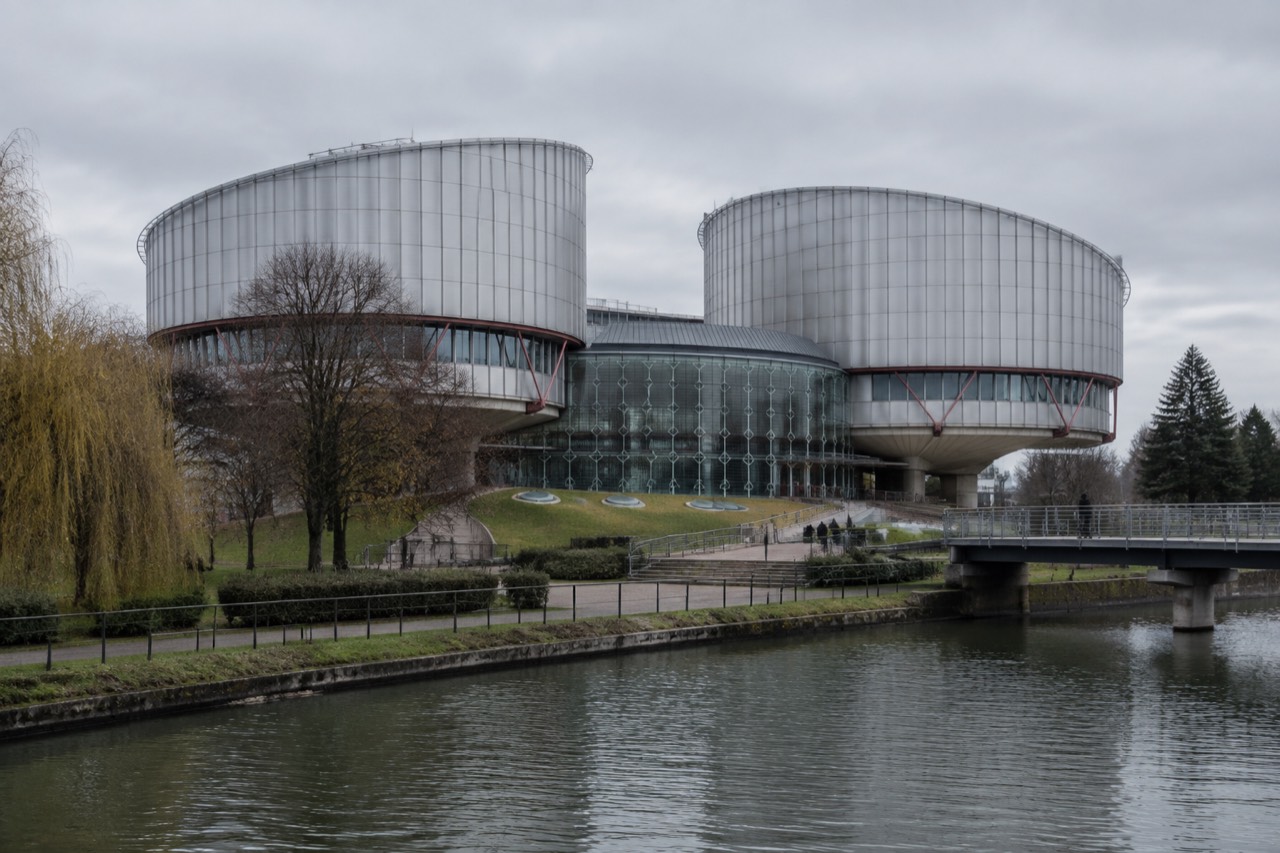
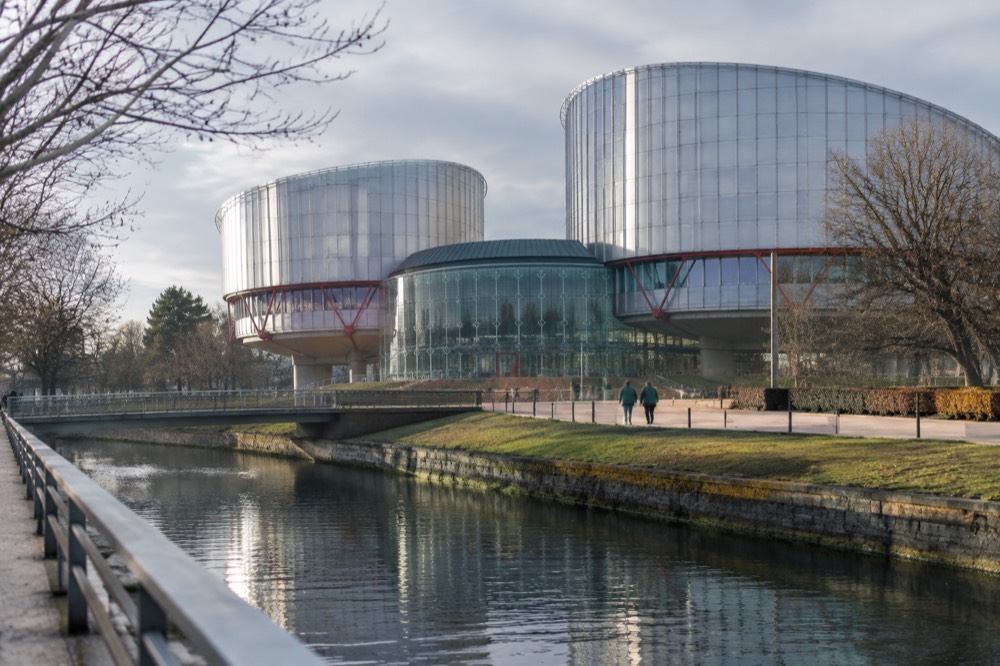
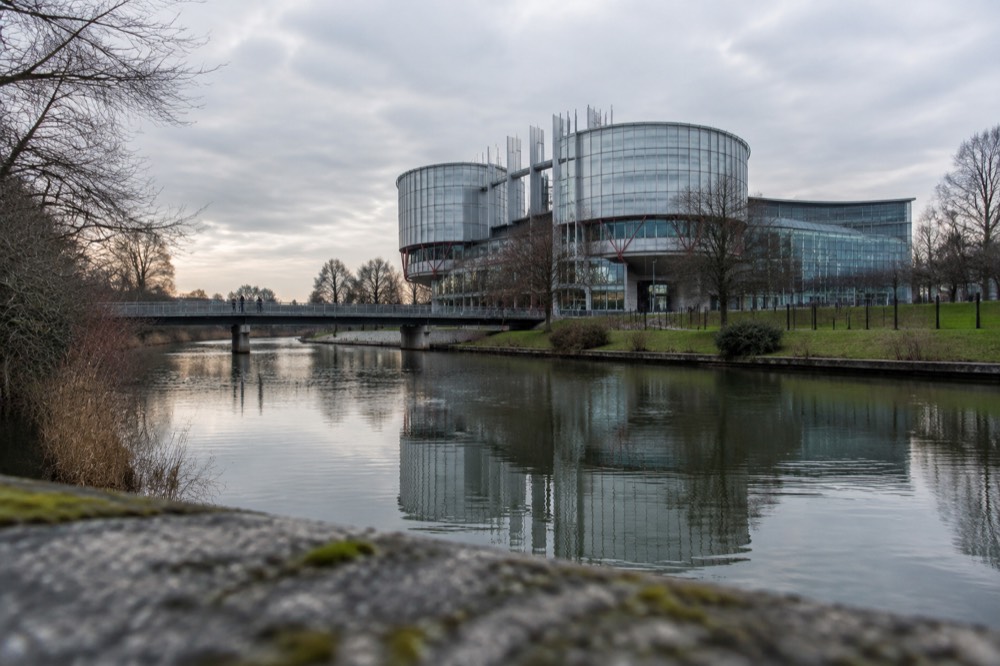
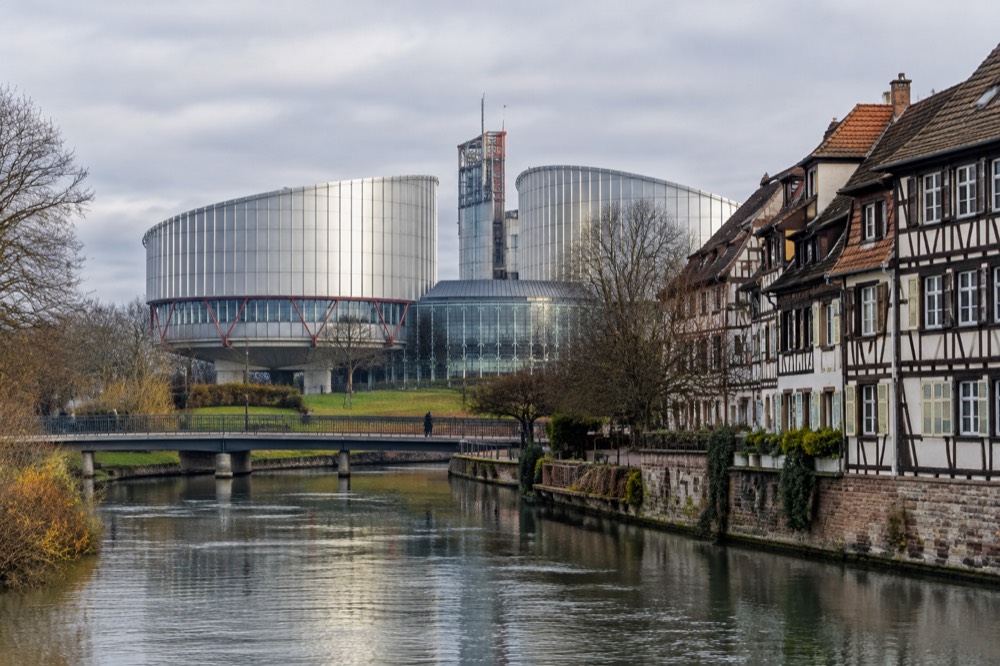
The building itself is a piece of contemporary architecture rather than a heritage monument. Its glass and steel facade, curved forms and light-filled atriums were designed to signal openness, a deliberate contrast with the heavy stone of the institutions of older European capitals. Visitors photograph the exterior from the lawns and the riverbank path more often than they enter, and that is a reasonable way to spend an hour if a booked visit is not on the cards. The court's own site carries the authoritative information on hearings, visits and group arrangements, and it is the place to confirm anything before travelling, since schedules shift with the judicial calendar.
The court's presence explains a great deal about modern Strasbourg. The city is a prefecture of the Bas-Rhin, a regional capital in the Grand Est, and it hosts international staff, delegations and law students alongside the tourists who come for the cathedral and the Christmas market. The European Quarter, with its embassies, agency offices and glass architecture, gives the city a second, contemporary identity that many first-time visitors never expect.
| Institution | What It Is | What A Visitor Can Do |
|---|---|---|
| European Court of Human Rights | The Council of Europe's court, ruling on the European Convention on Human Rights | View the building from outside; check the court's own site for hearings and visit arrangements |
| European Parliament | An European Union institution holding plenary sessions in Strasbourg | Visit the Parlamentarium Simone Veil visitor centre; hours are on the European Parliament's site |
| Council of Europe | The international organisation that owns the convention and the court | View the building from outside; check its visitor information before going |
Understanding the division of labour between these bodies saves you the common mistake of turning up at the wrong door. The court does not legislate, the Parliament does not judge human rights cases, and the Council of Europe is the umbrella body rather than a court itself. Each has its own visiting rules, and none of them runs on the drop-in model of a cathedral or a museum.
Where Is The European Court Of Human Rights And How Do You Get There?
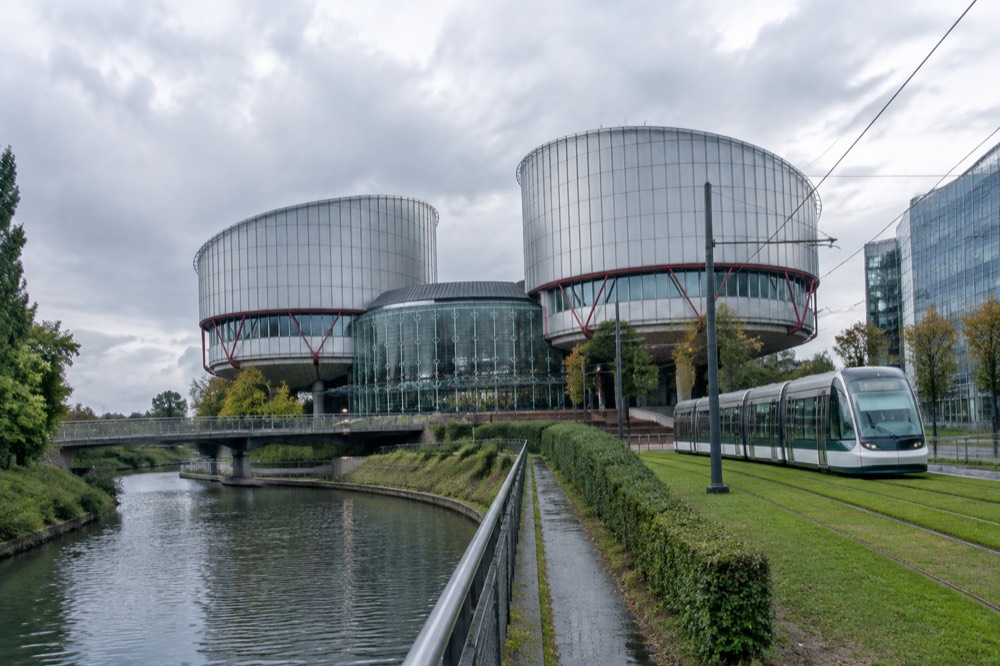
The court stands in Strasbourg's European Quarter, in the north-east of the city beside the Parc de l'Orangerie, on the French side of the Rhine border with Germany. CTS trams serve the quarter directly, and a single ticket costs 1.90 EUR bought through the Badgéo card, the CTS app or contactless payment, or 2.50 EUR bought on board a bus.
The quarter sits between the Parc de l'Orangerie and the River Ill, a stretch of the city that feels deliberately different from the Grande Île. Wide lawns, modern office blocks and embassy buildings replace the medieval lanes, and the court's facade looks out over green space rather than a bustling square. From Strasbourg's central station the tram network carries you into the quarter without any change of vehicle, and the CTS fare structure makes the trip inexpensive. The 24h Solo pass at 4.60 EUR covers unlimited travel for a day, which suits a day built around the quarter and a return to the old town, while the 24h Trio at 10.20 EUR covers two or three people travelling together.
Arriving from the airport, the combined train and tram ticket at 4.60 EUR covers the shuttle train into Strasbourg station and onward city transport, which makes the European Quarter reachable in one straightforward purchase. The airport shuttle runs up to five trains an hour and takes 8 minutes to the station, from where the tram network takes over. Anyone planning a day that mixes the court, the Parliament and the old town should simply buy the day pass and move freely.
| CTS Ticket | Price | What It Covers |
|---|---|---|
| Single (app, Badgéo or contactless) | 1.90 EUR | One journey on the CTS network |
| Single (bought on board a bus) | 2.50 EUR | One journey, no contactless purchase needed in advance |
| 24h Solo | 4.60 EUR | Unlimited CTS travel for one person, 24 hours |
| 24h Trio | 10.20 EUR | Unlimited CTS travel for two or three people, 24 hours |
| Airport combined ticket | 4.60 EUR | Airport shuttle train plus CTS travel with the 24h EMS pass |
For visitors who prefer to be shown the quarter rather than find it alone, a guided option has real advantages here. The institutional buildings can look forbidding and similar from the street, and a guide's commentary turns a walk past glass facades into an explanation of what happens inside them.
A boat on the Ill deserves a special mention for this part of the city. The river loops past the European institutions, and seeing the court's facade from the water gives a completely different sense of the quarter's scale and calm. The public Batorama tours also run the river, with the long circuit at 16.20 EUR full fare and the short circuit at 12.50 EUR, both verified on the operator's own ticketing page, and their durations are printed there as well.
Can You Visit The European Court Of Human Rights Building?
Yes, the court can be visited, but access is arranged rather than casual: the court's own site is the authoritative source for hearing dates, guided visits and group bookings, and the building is otherwise appreciated from its grounds and the surrounding parkland. There is no ticket desk of the kind a cathedral or a museum has, so nothing about a visit should be assumed before checking.
Hearings are the court's most public activity, and attending one is the closest a general visitor gets to the institution's real work. Sittings follow the judicial calendar, which means the day you plan to be in Strasbourg may hold a hearing or may not, and the court's site publishes the listings that settle the question. Legal teams, student groups and delegations make up a large share of formal visitors, and individual travellers who book ahead can often join arranged visits. The security regime at European institutions in Strasbourg is closer to an airport than to a museum, so allow time for checks and carry identification.
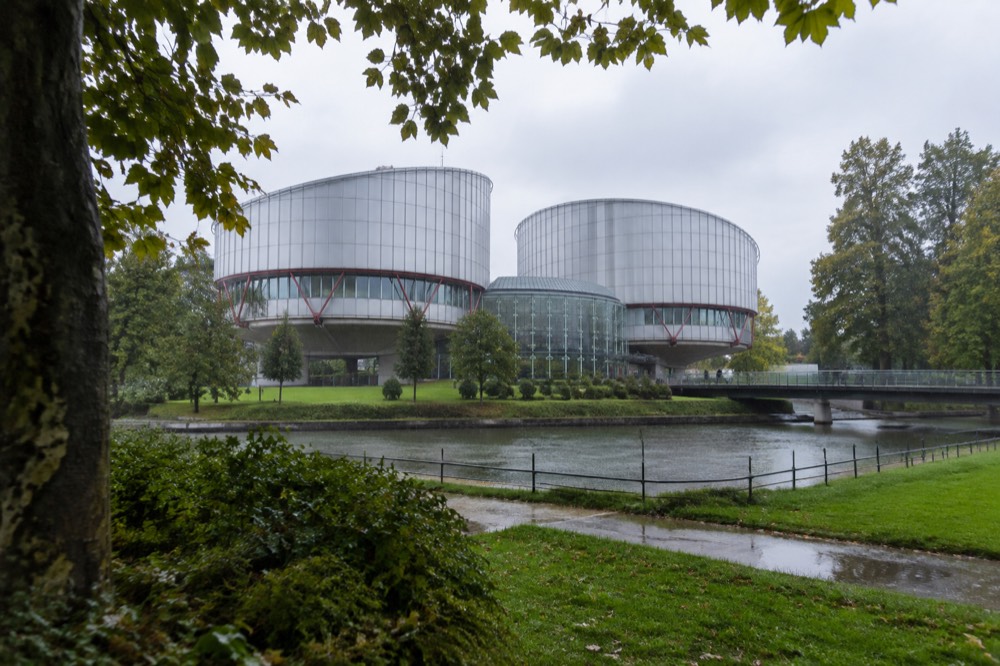
The exterior rewards time even when the interior stays closed. The building's rounded, drum-like courtrooms and long glass facades photograph well in morning light, and the lawns and tree-lined paths around it make the visit feel like a walk in a park rather than a queue at an attraction. The Parc de l'Orangerie, immediately beside the quarter, has lawns, a small lake and tree-shaded walks that give the court's modern architecture a surprisingly soft setting. A slow loop of the quarter on foot, taking in the court, the Council of Europe and the Parliament building, is the standard way to see it all.
For travellers who want the institutional quarter explained rather than merely seen, a guided walking tour of the European district is the natural fit. A guide who knows the difference between the Council of Europe, the EU institutions and the court saves you the confusion that the signage alone will not resolve, and the tour below covers exactly this territory.
Want the quarter explained rather than merely seen? Book a free walking tour here.
Whatever your plan, keep the practical basics in mind. The court is a working judicial building, not a visitor attraction with fixed opening hours, so its calendar, not a timetable on a door, governs access. Bring a passport or ID card for any booked visit, expect airport-style security, and treat the published hearing schedule as the only reliable guide to what will be happening on the day.
What Else Can You See In The European Quarter?
The European Quarter holds the European Parliament, the Council of Europe and the court within a compact area beside the Parc de l'Orangerie, so one visit covers three institutional landmarks plus a large historic park. The Parliament's Parlamentarium Simone Veil visitor centre is the quarter's most accessible indoor stop, open Monday to Friday 09:00-18:00 and Saturday 09:30-12:00 and 13:00-18:00 outside plenary weeks.
The Parliament deserves more of your time than its role as a photo stop suggests. The guide to the European Parliament on this site covers the building and its plenary sessions in detail, and the question of where the European Parliament is headquartered has an answer that surprises many people, since Strasbourg shares the institution with Brussels. The Parlamentarium is the practical highlight: an interactive exhibition space that explains what the Parliament does, with the hours listed above taken from the European Parliament's own visitor page. Plenary weeks change those hours, so the page is worth a check before you set out.
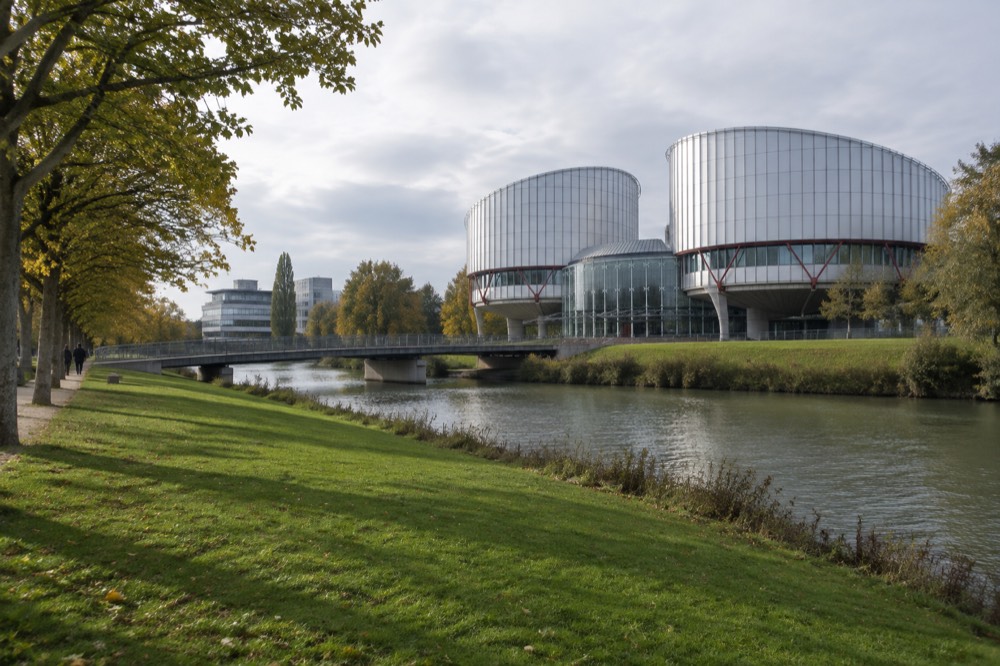
The Council of Europe sits between the Parliament and the court, and the Council of Europe attraction page explains its role as the organisation behind the human rights convention. The European Quarter area guide gathers the whole neighbourhood, and the Parc de l'Orangerie park guide covers the green space that anchors it. The park is the quarter's oldest feature, with lawns, a lake and stork enclosures that delight children on a family visit, and it makes a natural end point for a walk between the institutions.
| Sight In The Quarter | What It Offers | What To Check Before Going |
|---|---|---|
| European Court of Human Rights | Contemporary architecture, hearings by arrangement | The court's own site for hearings and visit booking |
| European Parliament and Parlamentarium | Interactive visitor centre on the EU legislature | Plenary-week hours on the Parliament's visitor page |
| Council of Europe | The organisation behind the human rights convention | Its visitor information for access arrangements |
| Parc de l'Orangerie | Lawns, a lake, tree-lined walks, stork enclosures | Nothing to book; open parkland |
| River Ill banks | Waterside paths linking the quarter to the old town | Nothing to book; flat, walkable ground |
A second guided format worth considering here is the European Quarter walking tour, which covers the same institutional ground with a different pacing and group feel. Pairing a morning at the court or the Parliament with a guided afternoon walk is a pattern that works well for visitors who want context without spending the whole day reading plaques.
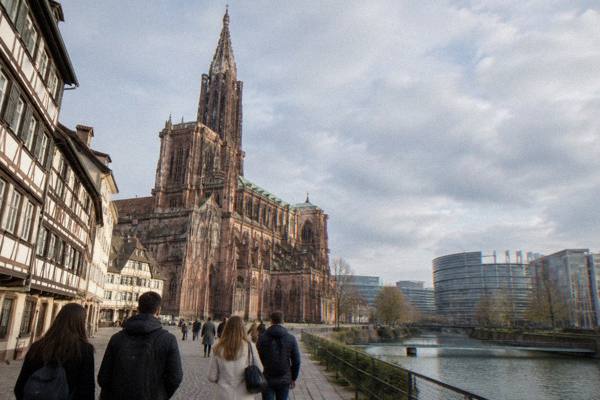
Once the institutions are done, the rest of Strasbourg is close. The tram carries you back toward the Grande Île, where Strasbourg Cathedral and its single spire dominate the skyline, the astronomical clock performs at 12:30 daily, and the Petite France neighbourhood guide leads you through the old tanners' quarter. A day that starts with human rights law and ends among half-timbered houses is a very Strasbourg day indeed.
How Does The Court Differ From The European Parliament And The Council Of Europe?
The court is a judicial body of the Council of Europe, ruling on the human rights convention; the Parliament is a legislative institution of the European Union; and the Council of Europe is the wider organisation that owns both the convention and the court. The Parliament belongs to the EU's lawmaking process, while the court exists to hold states to account for rights violations. They are neighbours in Strasbourg but legally separate worlds.
The confusion is understandable, because the three institutions sit within a short walk of each other and share a vocabulary of European flags and glass architecture. But the memberships are different, the purposes are different, and the visiting arrangements are different. The Council of Europe predates the European Union's predecessor institutions in this city's institutional story, and its court was created to give the convention teeth: a judgment from Strasbourg obliges the losing state to remedy the violation. The Parliament, by contrast, debates and votes on EU legislation in sessions that alternate between Strasbourg and Brussels.
For a visitor, the practical differences matter. The Parliament offers a purpose-built visitor centre with published hours, while the court's access follows its judicial calendar. The Council of Europe's buildings are primarily offices, viewed from outside on any walking route through the quarter. If your interest is law and rights, the court is the destination; if your interest is politics and the EU, the Parliament and its visitor centre are the better fit; and if your interest is the architecture and the atmosphere of the quarter, all three can be taken in one loop on foot.
The river adds a layer that first-time visitors often miss. The Ill runs past the institutional buildings before curving back toward the old town, and the riverside paths connect the quarter to the Barrage Vauban panoramic terrace and the Ponts Couverts covered bridges downstream. Walking the water's edge from the court toward Petite France turns the institutional visit into a full traverse of the city, from the newest Strasbourg to the oldest.
When Is The Best Time To Visit The European Quarter?
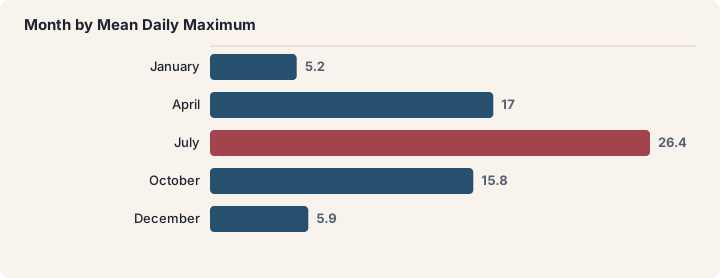
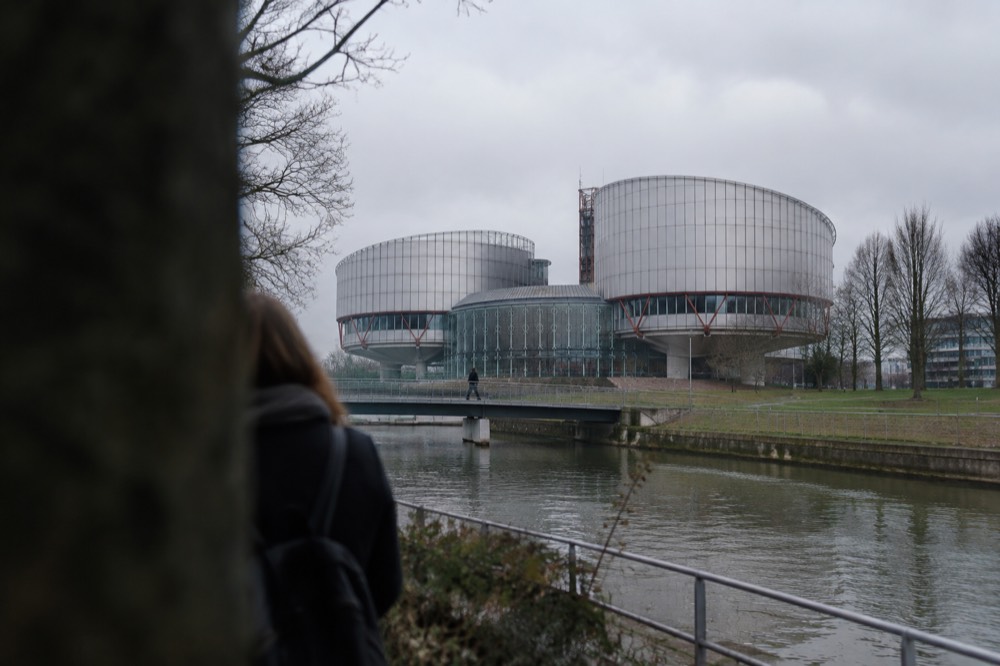
Late spring through early autumn gives the quarter its best conditions, with mean daily maxima rising from 17.0 C in April to 26.4 C in July, and the park and riverside paths at their greenest. Strasbourg's semi-continental climate means cold, grey winters with a mean maximum of 5.9 C in December, and the institutions look their sternest under that sky. The court's calendar, not the weather, decides what you can see inside.
The climate data for Strasbourg, drawn from the Meteo-France 1991-2020 normals for the Entzheim station, tells a clear seasonal story. Winters are genuinely cold, with mean minima below freezing in January, and summers are warm without being southern. Rain falls somewhere in the city on roughly eight to eleven days in any month, so a waterproof layer belongs in your bag in every season. The quarter's wide lawns and open plazas are at their best in the warmer months, and the Parc de l'Orangerie's tree cover gives summer walks welcome shade.
| Month | Mean Daily Maximum | Mean Daily Minimum | Days With 1 mm Rain Or More |
|---|---|---|---|
| January | 5.2 C | -0.2 C | 9.1 |
| April | 17.0 C | 5.7 C | 8.6 |
| July | 26.4 C | 14.9 C | 10.4 |
| October | 15.8 C | 7.2 C | 9.6 |
| December | 5.9 C | 0.8 C | 10.2 |
There is a seasonal dimension to the institutions themselves. Plenary sessions at the European Parliament bring the quarter to life with delegations, security and activity, while quieter weeks make the buildings feel almost dormant. The court sits according to its judicial calendar, with hearings clustered through the working year. None of these rhythms is fixed far ahead for the visitor, so the lesson is the same in every season: check the official pages for the days you will actually be in the city, and build the rest of the day around the park, the river and the old town.
Which Tours Pair Well With A Visit To The Court?
A guided walk of the European district pairs most directly with the court, since it covers the same buildings and explains them; a bike tour suits the flat riverside ground; and a boat trip on the Ill shows the quarter from the water. Food and tasting walks make a natural afternoon follow-on, returning you to the old town with a guide who knows where the city actually eats.
The choice of format matters more here than in the old town, because the quarter's appeal is informational rather than visual. A self-guided walk past the institutions gives you architecture; a guided one gives you the reasons the buildings exist and the differences between them. The two-wheeled option suits Strasbourg particularly well, since the city is famously flat and the cycle paths along the Ill connect the quarter to the heart of the old town without a single hill. A boat puts the whole institutional waterfront in view at once, which is the easiest way to appreciate how the quarter sits on the river.
For the afternoon, Strasbourg's food culture is the counterweight to a morning of law and politics. The city's winstubs, its tarte flambée and its Alsatian wine tradition are covered elsewhere on this site, and a guided tasting walk is the most efficient way into them for a first visit. The craft beer tasting experience below is an unusual format: it runs before a venue's normal opening hours, giving a small group the run of the place with the people who make the beer. It is a good fit for a day that began with the court, since it starts after a typical institutional morning and finishes in time for dinner in the old town. Check availability on the operator's live listing if the format appeals.
| Tour Format | What It Covers Around The Quarter | Who It Suits |
|---|---|---|
| European district walking tour | The court, the Parliament and the Council of Europe on foot | First-time visitors wanting context |
| Bike tour | The quarter plus the Ill riverbanks and the old town | Confident cyclists who like distance |
| Boat cruise on the Ill | The institutional waterfront from the water | Photographers and relaxed sightseers |
| General city walking tour | The old town, with the quarter as an extension | Visitors with one day and broad interests |
| Tasting walk | Winstub food and Alsatian drinks in the old town | Travellers ending the day with dinner plans |
Whatever the format, book the institutional morning and the guided afternoon as separate decisions. The court's schedule is fixed by its calendar, while tour times are fixed by their operators, and the two only line up with a little planning. A morning hearing or booked visit, a riverside lunch, and a guided walk or tasting in the late afternoon is the pattern that fits together most often in practice.
Common Questions About The European Court Of Human Rights
What Is The European Court Of Human Rights In Strasbourg?
It is the Council of Europe's international court, which rules on complaints that states have violated the European Convention on Human Rights. It sits permanently in Strasbourg, France, and its judgments bind the states concerned. It is separate from the European Union and from the European Parliament, which sits in the same quarter of the city.
Can You Visit The European Court Of Human Rights Building?
Yes, but access is arranged rather than casual. The court's own site is the authoritative source for hearing dates, guided visits and group bookings, and there is no museum-style ticket desk. The building's exterior, its lawns and the neighbouring Parc de l'Orangerie can be enjoyed freely at any time, and airport-style security applies to any booked entry.
Where Is The European Court Of Human Rights Located?
It stands in Strasbourg's European Quarter, in the north-east of the city beside the Parc de l'Orangerie, on the French side of the Rhine border with Germany. CTS trams serve the quarter, and a single ticket costs 1.90 EUR through the app, the Badgéo card or contactless payment, or 2.50 EUR bought on board a bus.
How Does The Court Differ From The European Parliament?
The court is a judicial body of the Council of Europe that enforces the human rights convention. The Parliament is a legislative institution of the European Union, which debates and votes on EU law in sessions alternating between Strasbourg and Brussels. They are neighbours in the same quarter but belong to legally separate organisations with different memberships.
Is The European Court Of Human Rights In France Or Germany?
It is in France, in Strasbourg, the prefecture of the Bas-Rhin in the Alsace region of the Grand Est. The German town of Kehl lies just across the Rhine, which is close enough to reach easily, but the court and the whole European Quarter stand on French soil and France and Germany both use the euro.
When Is The Best Time To Visit The European Quarter?
Late spring through early autumn offers the warmest weather, with mean daily maxima from 17.0 C in April to 26.4 C in July, and the park and riverside paths at their best. Winters are cold, with a mean maximum of 5.9 C in December. What you can see inside the institutions depends on their calendars rather than the season, so check the official pages for your dates.
The European Court of Human Rights is the part of Strasbourg that the postcards never show, and that is exactly its value. A morning among the glass facades and lawns of the European Quarter, followed by a tram ride back to the cathedral spire and the lanes of the Grande Île, gives you both halves of the city in a single day, and the court's quiet presence beside the Parc de l'Orangerie is the hinge between them.