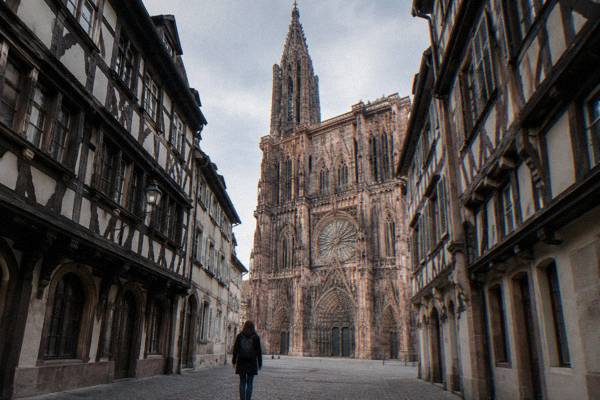
Is The Cathedral Of Notre Dame In Strasbourg Catholic Or Protestant?
The Cathedral of Notre Dame in Strasbourg, France, is a Roman Catholic church today, though it spent a long stretch of its history in Protestant hands. Here is the full story and what it means for a visit.
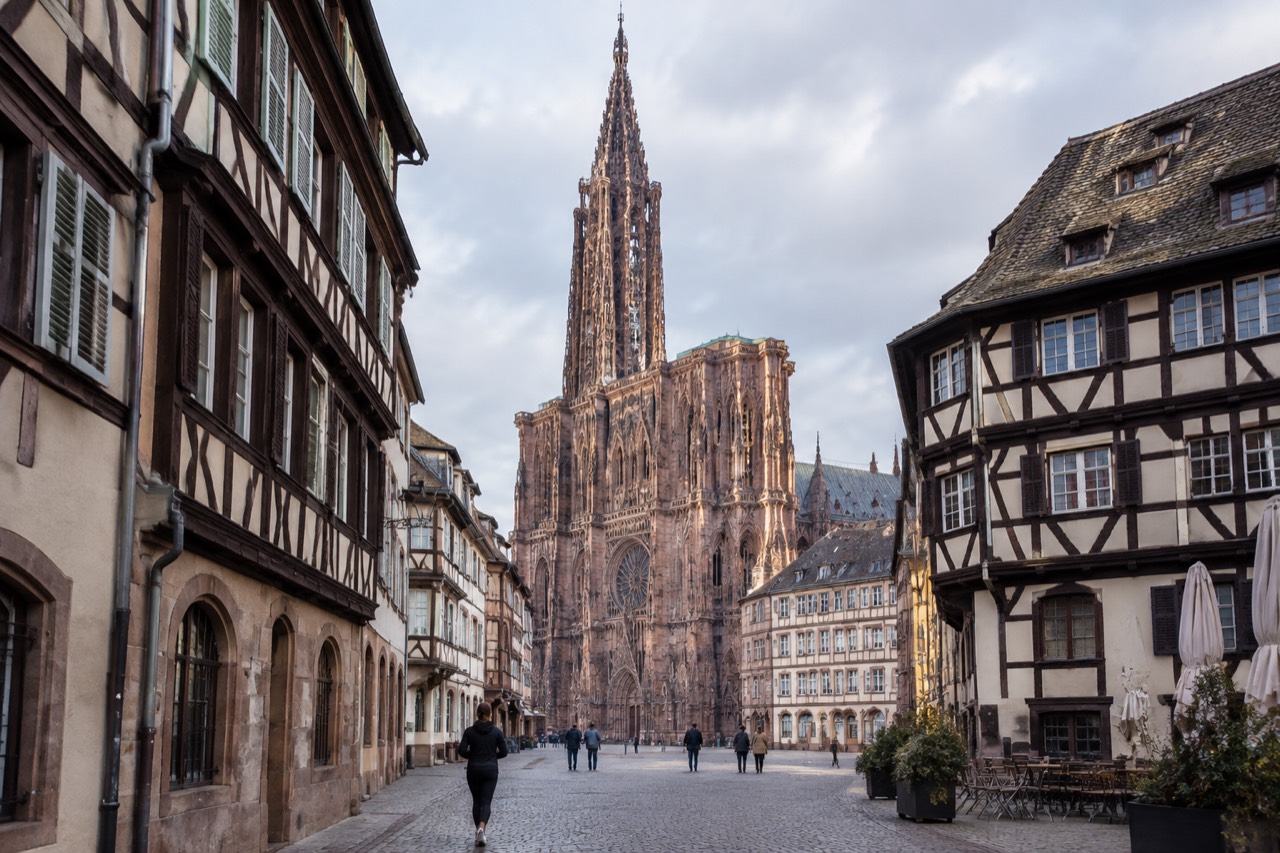
Strasbourg, the prefecture of the Bas-Rhin in Alsace, part of the Grand Est region of north-eastern France, sits on the River Ill a short way from the Rhine, which forms the border with Germany. Its cathedral, the Cathedral of Notre Dame, is the single most recognisable building in the city and one of the most visited in France. Visitors standing on Place Kléber often ask a question that surprises them: is this church Catholic or Protestant? The answer shapes everything from the service schedule to the artwork inside.
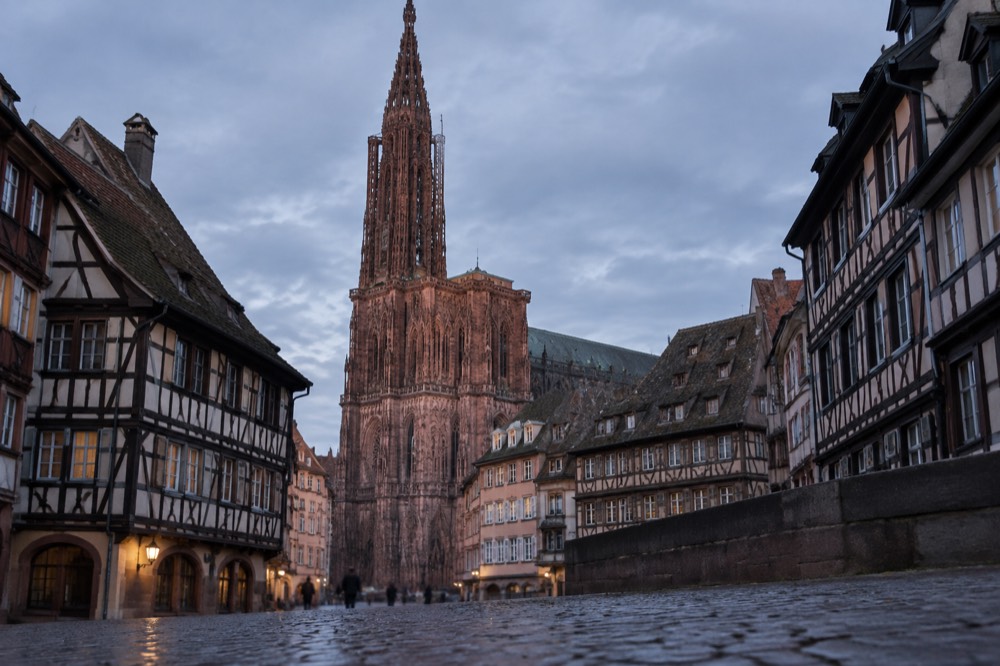
Is The Cathedral Of Notre Dame In Strasbourg Catholic Or Protestant?
The Cathedral of Notre Dame in Strasbourg is a Roman Catholic church. It is the seat of the Archbishop of Strasbourg and holds Catholic Mass, including the Sunday services listed on the cathedral's own site, which also gives the nave's visiting hours and the astronomical clock schedule. It was built as a Catholic cathedral, later passed into Protestant use for a long period, and returned to Catholic worship when Strasbourg became a French city.
That last sentence is the part worth unpacking, because the change of faith was not a quiet administrative detail. It left visible traces in the building, and it explains why some of what you see inside looks different from a typical French Gothic cathedral. The Strasbourg Travel Guide covers the building itself in depth elsewhere; this page stays on the question of its faith, and on what that means for a visitor planning a visit around opening hours.
The simplest way to hold the story is a table. The building's religious identity has three broad chapters, and each one left something behind.
| Chapter | Who worshipped there | What changed inside |
|---|---|---|
| Origins | Catholic, as the bishop's church of a medieval city | Built and furnished for Catholic worship, with the single spire and the west front as the great statement |
| The Protestant era | Protestant congregations, after the Reformation reached Strasbourg | Catholic furnishings, images and fittings were removed or destroyed as the reformers took the building over |
| The Catholic return | Catholic, from the time the city came under the French crown | The church was restored to Catholic worship, and later generations added Catholic fittings, including the astronomical clock as it stands today |
One caution on the details: the exact years of these swings are the stuff of long academic arguments, and this page keeps to what the building and the city's institutions say plainly. What is not in dispute is the sequence. A medieval Catholic cathedral became a Protestant church, and then a Catholic cathedral again. Few buildings of this scale in Europe have served both traditions so fully.
How A Border City Changed Faiths
Strasbourg sat between two worlds, and so did its cathedral. The Reformation took the city firmly into the Protestant camp, and the Cathedral of Notre Dame served Protestant worship for generations. When France took control of Strasbourg, the cathedral returned to Catholic use and has remained Catholic since, as the seat of the Archbishop of Strasbourg.
The city's position explains the force of the change. Strasbourg is a border city, and its culture has always mixed French and German elements, a theme explored in detail on the page is Strasbourg more German or French. During the Reformation, Strasbourg became one of the notable Protestant cities of its region, and the cathedral, the largest and most important church in town, passed to the new congregations. Catholic ornament was stripped out, as happened across the region in that era.
The reversal came with politics rather than persuasion. When the French crown absorbed Strasbourg, the cathedral was handed back to Catholic worship, and the diocese was re-established. The building has been a Catholic cathedral ever since, and today the archbishop's seat gives it a standing that a simple parish church would not have. Visitors who know the city's history of changing hands between France and Germany sometimes assume the church changed hands too. It did not: after the Catholic return, the faith of the building stayed put while the nationality of the city around it kept moving.
For travellers, the practical point is that the interior reflects the Catholic era that followed the return. The astronomical clock, the organ case and the restored chapels belong to a church furnished for Catholic worship. The losses of the Protestant era are also part of the story, and a good guide will point to the gaps as well as the treasures. The small-group walking tour between history and curiosities makes a point of the strange details, and the cathedral's own story of two faiths is one of the threads it follows; Check availability if that angle appeals.
What You Notice Inside The Cathedral Today
Inside, the cathedral reads as Catholic, with side chapels, an astronomical clock, a great organ and a nave arranged for Mass. The single spire, the platform at 66 m and the pink sandstone west front are the exterior signatures. The nave keeps visiting hours separate from services, so the two experiences, worship and sightseeing, run side by side daily.
The astronomical clock is the interior's star, and it is a Catholic commission of the era after the church's return. Its automaton show runs daily at 12:30 sharp, and the ticket, sold on the day only, is 4 EUR for an adult, with reduced rates for groups of 12 or more, students up to 25, and children aged 6 to 17. The clock page on the cathedral's own site carries the purchase rules, and they matter: tickets are sold on the day, at the cathedral stalls in the morning or at the Saint-Michel entrance from 11:30.
The platform is the other paid highlight. It sits at 66 m, reached by stairs, with a ticket at 10 EUR normal and 6 EUR reduced, children under 6 free. Hours split by season: from 1 April to 30 September it runs 09:30-13:00 and 13:30-20:00 with the last ascent at 19:15, and from 1 October to 31 March it runs 10:00-13:00 and 13:30-18:00 with the last ascent at 17:15. The platform ticket also gives a reduced rate at the nearby Musée de l'Œuvre Notre-Dame, which holds the cathedral's original sculpture, a pairing described on the Musée de l'Œuvre Notre-Dame page.
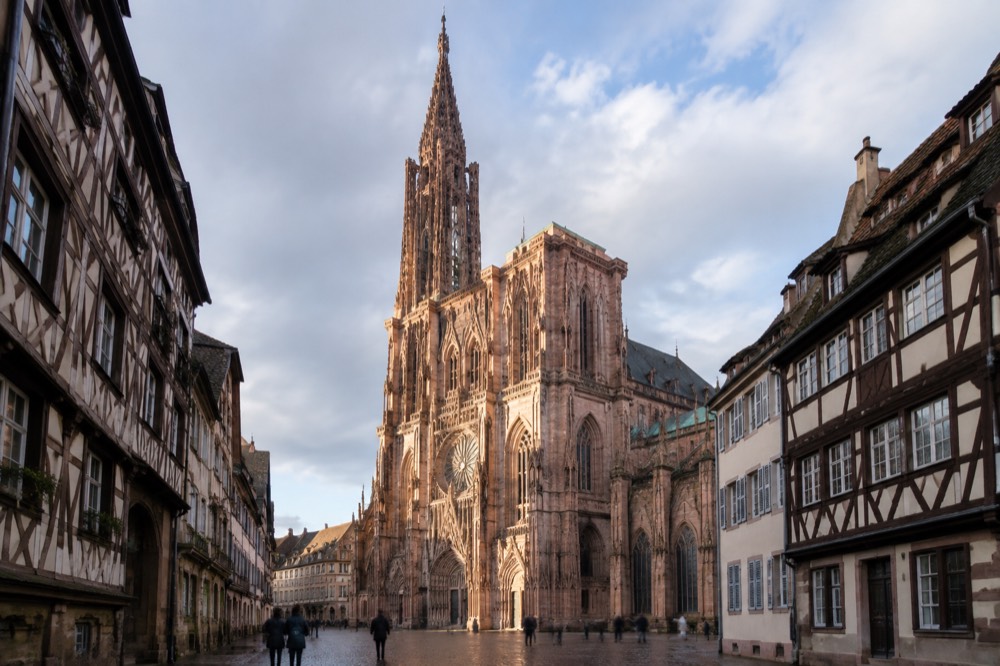
A guided visit pulls the two faiths out of the stonework. The cathedral guided tour on the roster spends about an hour and a half inside the building with a guide, and the shorter city centre walk gives the cathedral a first-timer's overview before moving on to the surrounding streets. For visitors who want the cathedral's story placed in the wider frame of the city, the why is Strasbourg Cathedral famous page covers the architecture, and the Strasbourg Cathedral page is the full sight file.
A guided visit pulls the two faiths out of the stonework. Book a free walking tour here.
The choice between the two formats is mostly a matter of time and depth. The city centre walk suits a visitor with a full itinerary who wants the cathedral explained efficiently before moving on to Petite France and the river, while the longer small-group curiosities walk suits the traveller who wants the strange stories, the two-faith history and the details that get walked past. Both run with live guides, both cover the cathedral, and both leave you standing in the Grande Île with a better map of the city in your head than you arrived with.
Planning A Visit Around Mass Times And Opening Hours
The nave is open to visitors outside service times: Monday to Saturday 08:30-11:15 and 12:45-17:45, and Sunday and feast days 14:00-17:15. During the Christmas market the cathedral stays open continuously Monday to Saturday, 08:30-17:45, on the Place du Château side. The clock show at 12:30 and the platform's seasonal hours sit alongside these, so a morning visit can combine all three.
Notice the shape of those hours. The morning opening stops at 11:15 and reopens at 12:45, which reflects the rhythm of a working Catholic church rather than a museum. The 12:30 clock show falls in the middle of that midday closure window for the nave, which is why the clock has its own entrance arrangements and its own ticket. Anyone hoping to see the clock show, climb the platform and wander the nave in one morning needs to plan the order, and the cathedral's own hours page is the place to confirm the day's times before setting out.
| What you want to see | When it runs | Ticket |
|---|---|---|
| The nave | Mon-Sat 08:30-11:15 and 12:45-17:45; Sun and feast days 14:00-17:15 | Entry on the cathedral's own terms; see the free-entry question below |
| The astronomical clock show | Daily at 12:30 sharp | 4 EUR adult; 3 EUR groups of 12+ and students to 25; 2 EUR children 6-17; sold on the day only |
| The platform at 66 m | 1 Apr-30 Sep 09:30-13:00 and 13:30-20:00; 1 Oct-31 Mar 10:00-13:00 and 13:30-18:00 | 10 EUR normal; 6 EUR reduced; under 6 free |
Money questions cluster around the cathedral, and the site answers them separately. The is Strasbourg Cathedral free to enter page covers admission, and the is Notre Dame in Paris or Strasbourg page untangles the name, because the shared Notre Dame title is the single biggest source of confusion for visitors arriving from Paris. The two buildings belong to the same Catholic tradition, but they are different churches in different cities, and neither is the other.
Why The Question Matters More Here Than Elsewhere
In most French cities, the question of a cathedral's faith never comes up, because the answer is obviously Catholic. In Strasbourg it is a genuine historical question with a genuine answer: the cathedral is Catholic now, after a long Protestant chapter, and the city's mixed French and German heritage is why the question exists at all.
Alsace is the one French region where this confusion is routine, because church life here followed a different path from the rest of France. The region's religious map includes large Protestant communities alongside Catholic ones, a legacy of the Reformation era and of the periods when the region was under German rule. Strasbourg's cathedral sits at the centre of that story, and its own biography, Catholic, then Protestant, then Catholic again, is the clearest single illustration of it.
That history also explains a detail visitors often notice once it is pointed out: the interior feels sparer than many French cathedrals of the same scale. The losses of the Protestant era were never fully reversed, and the Catholic fittings that came later were added into a space that had already been stripped. The result is a building that tells both chapters honestly, which is part of why guides here have so much to work with. The small-group curiosities walk mentioned earlier leans on exactly this material, and the what is the nicest cathedral in France page places Strasbourg in the national comparison that visitors inevitably make.
The short answer, then, is stable: the Cathedral of Notre Dame in Strasbourg is a Roman Catholic church, the seat of an archbishop, open for Mass and for visitors on the hours its own site publishes. The long answer is a border city's whole religious history, written in stone, and it is one of the reasons the building rewards more than a quick look.
Common Questions About The Strasbourg Cathedral's Faith
Is the Cathedral of Notre Dame in Strasbourg Catholic or Protestant?
It is Roman Catholic. The cathedral serves as the seat of the Archbishop of Strasbourg and holds Catholic Mass today, after a long earlier period in Protestant hands during and after the Reformation, and a return to Catholic worship when Strasbourg came under French rule.
Can you attend a service at Strasbourg Cathedral?
Yes. The cathedral is a working Catholic church, and its own site lists the service times alongside the visiting hours. The nave's visiting hours are built around those services, with the morning visiting window closing at 11:15 and reopening at 12:45 on weekdays.
Why does the interior look sparer than other French cathedrals?
The cathedral spent a long period as a Protestant church, and Catholic furnishings and images were removed during that era. Later Catholic generations added fittings such as the astronomical clock, but the earlier losses were never fully reversed, which is why the interior reads differently from cathedrals that were Catholic throughout.
Was Strasbourg Cathedral ever a Protestant church?
Yes. After the Reformation reached Strasbourg, the cathedral passed to Protestant congregations and served them for generations, until the city came under the French crown and the building returned to Catholic worship.
Do you need a ticket to see the astronomical clock show?
Yes. The clock's full automaton show runs daily at 12:30 sharp, and the adult ticket is 4 EUR, with reductions for groups of 12 or more, students up to 25, and children aged 6 to 17. Tickets are sold on the day only, at the cathedral stalls in the morning or at the Saint-Michel entrance from 11:30.
Is the Strasbourg cathedral the same as the Notre Dame in Paris?
No. They are two different Catholic cathedrals in two different cities, sharing the Notre Dame name, which simply honours the Virgin Mary. The Strasbourg building is known for its single spire and its pink sandstone west front, and the site's page on the two Notre Dames untangles the naming in full.