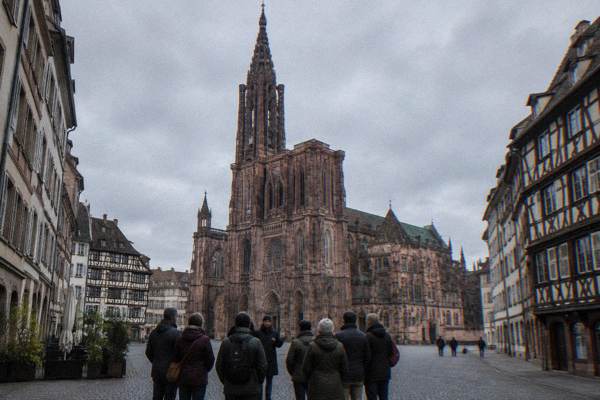
Strasbourg Historical Museum
The Strasbourg Historical Museum tells the story of Strasbourg, the Alsatian capital on the French side of the Rhine, through the city's own collections. Here is what it covers, what entry costs, and how to fold it into a day around the cathedral and the Grande Île.
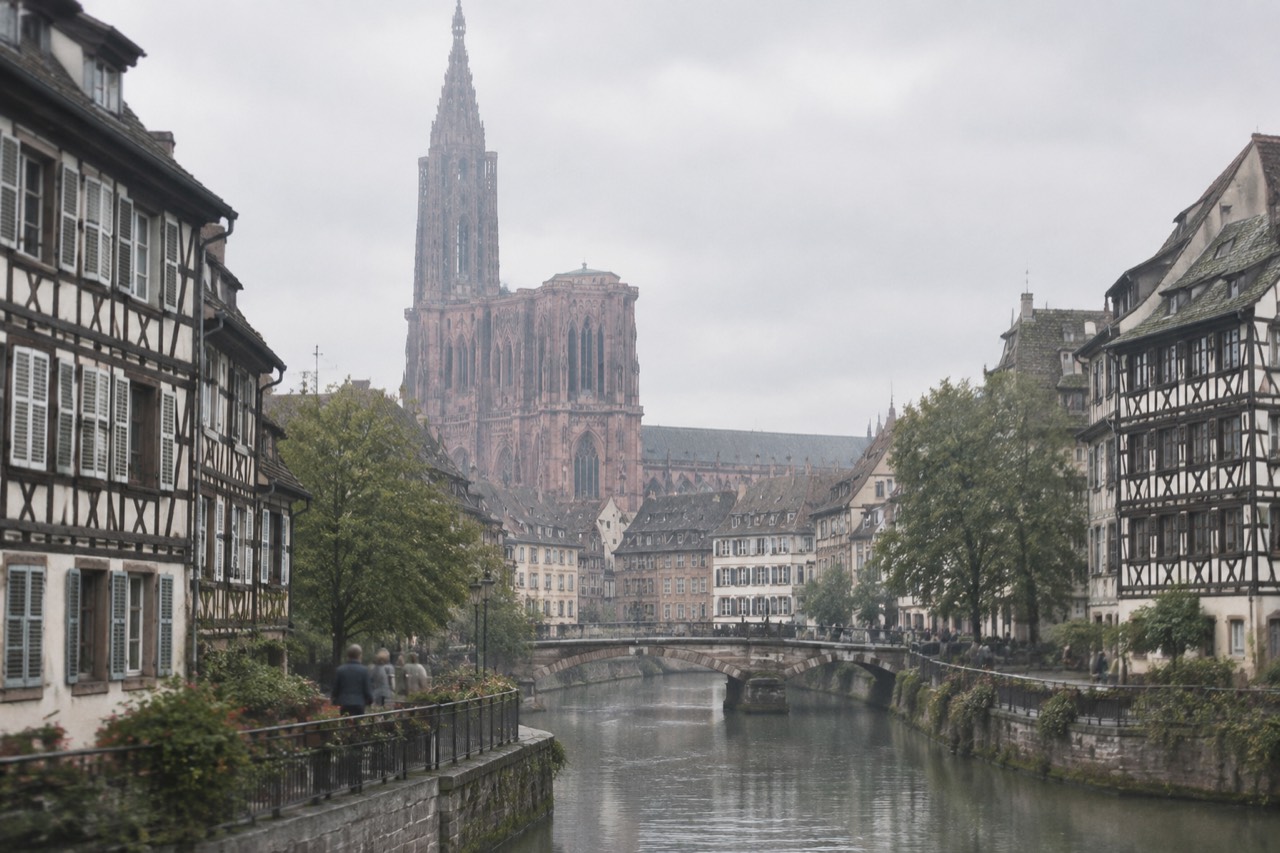
Short answer
The Strasbourg Historical Museum is Strasbourg's city-history museum in Alsace, north-eastern France. Entry costs 9 EUR full or 5 EUR reduced, the one-day Pass Musées is 20 EUR, and every municipal museum in Strasbourg is free on the first Sunday of each month. Check the official museum pages for current opening hours before you set out.
Strasbourg, prefecture of the Bas-Rhin in Alsace, north-eastern France, keeps the story of its own past in one place: the Strasbourg Historical Museum, the city-history museum among Strasbourg's municipal museums. The city sits on the River Ill beside the Rhine, the border with Germany, and its layered French and German-speaking heritage is exactly the material a city museum here has to work with. This guide, from Strasbourg Travel Guide, covers what the museum holds, what a ticket costs, which other municipal museums share the same ticket system, and how to fit a visit into a day around the cathedral and the Grande Île.
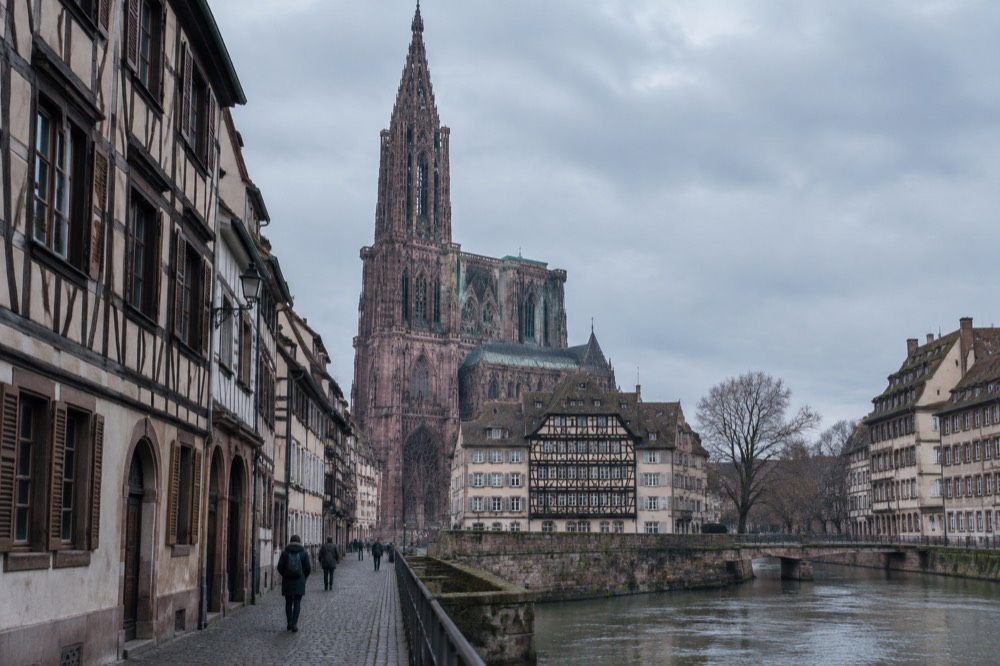
What Is The Strasbourg Historical Museum?
The Strasbourg Historical Museum is the municipal museum in Strasbourg, Alsace, that presents the city's own past, from its medieval roots as a Rhine-border city through its changing fortunes between France and the German-speaking world. It is one of the city-run museums that share a single ticket system, with free entry on the first Sunday of every month. For anyone who wants context behind the half-timbered façades, it is the natural first stop.
The museum belongs to the network of Musées de Strasbourg, the municipal museums run by the city. That matters for visitors in two practical ways. First, the ticket you buy works within a shared price structure across the municipal museums, so a day of museum-hopping is easier to budget than it looks. Second, the museums sit inside and around the historic centre, a core that forms part of the World Heritage property "Strasbourg, Grande-Île and Neustadt", so walking between them is itself a tour of the heritage on display inside.
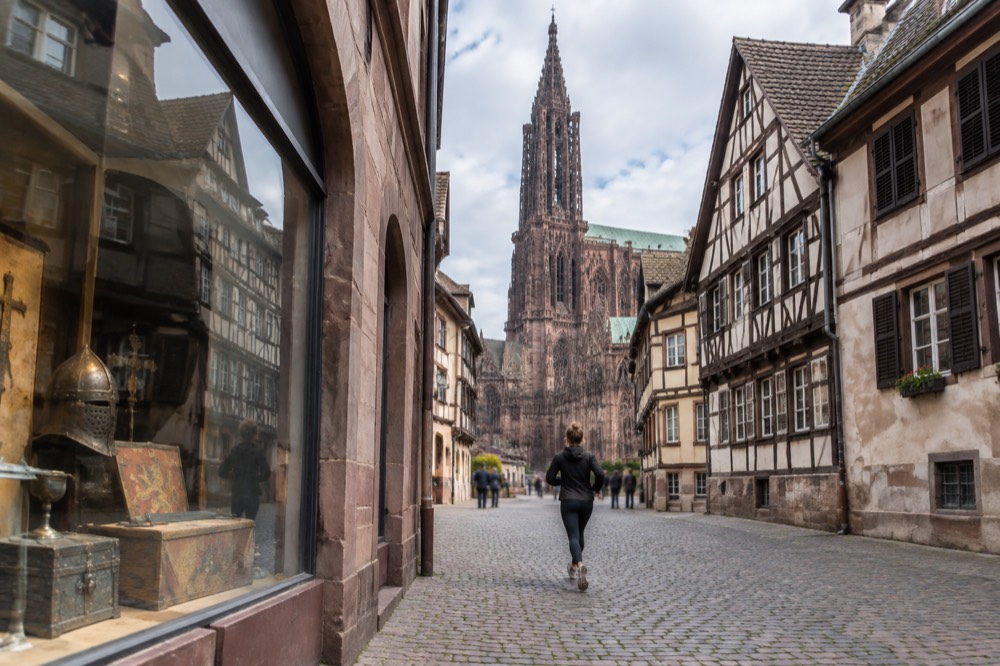
What distinguishes a city-history museum from the art museums around it is the subject. The MAMCS shows modern and contemporary art, the Musée de l'Œuvre Notre-Dame holds medieval sculpture from the cathedral workshop, and the fine-arts collections sit in the Palais Rohan. The Historical Museum is the one that asks how Strasbourg became Strasbourg: a free imperial city, a French city, a German city, and a French city again, each shift leaving traces in the streets outside its doors.
That framing is worth a sentence more, because it shapes the whole visit. Strasbourg's position on the border is not a footnote to its history, it is the engine of it, and the museum's displays are built around that back-and-forth. Travellers who arrive knowing only the cathedral and the Christmas market tend to leave with a clearer sense of why the city looks and sounds the way it does, why its food leans on both traditions, and why its institutions, from the European Parliament to the Council of Europe, ended up here of all places.
What Can You See Inside The Strasbourg Historical Museum?
The museum's displays trace Strasbourg's urban and political story through objects, maps, models and everyday items from the city's past, with the border-city theme running through the permanent collection. Expect the city's medieval development, its periods under French and German rule, and the everyday life of its inhabitants. Temporary exhibitions change, so check the museum's own pages for what is on during your visit.
The permanent displays are the reason to come. Rather than a single famous object, the museum works as a walk through time, using the material culture of the city: arms and armour from its fortified past, civic objects, prints and paintings of the city at different moments, and the sort of domestic pieces that show how Alsatian households actually lived. The scale model tradition of the city's museums, where whole districts are rendered in miniature, is a strong suit of the municipal collections, and the historical material leans that way too.
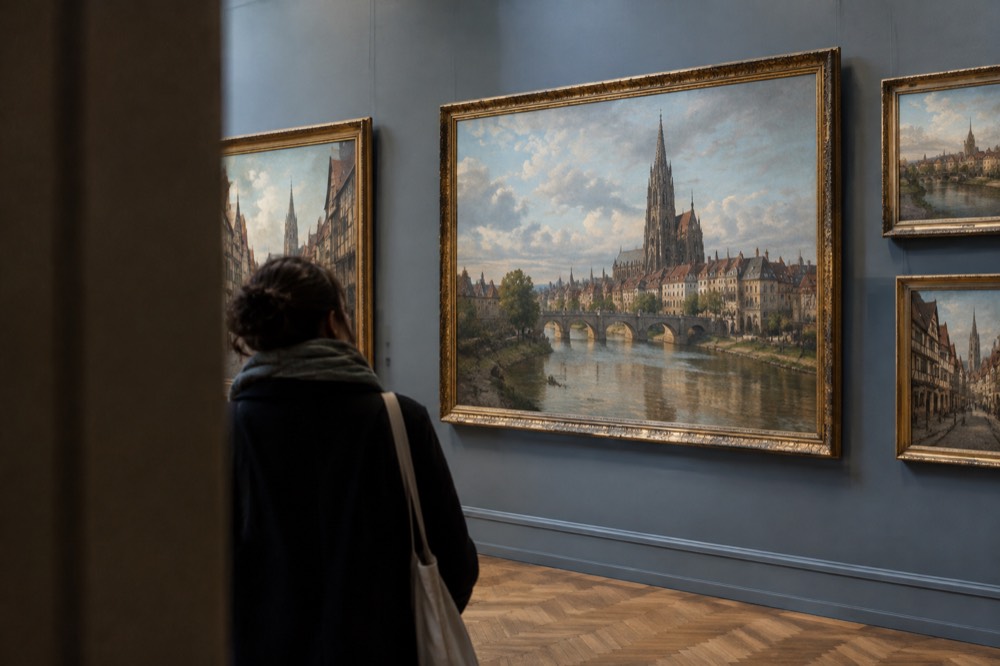
For English-speaking visitors the museum is manageable. Signage in French museums of this generation is usually bilingual in the main rooms, but the object labels can be French-first, so allow a little patience and let the visual material carry you where the text does not. Families manage it well because so much of the collection is visual: models, weapons, interiors and cityscapes communicate without translation.
A reasonable approach is to visit the Historical Museum early in a stay rather than late. The chronological spine of the displays gives you a mental map of the city's layers, and every later walk, from Petite France's riverside lanes to the Neustadt's imperial avenues, reads differently afterwards. The museum is compact enough that it does not consume a day, and it sits within walking distance of the sights that illustrate it.
If you would rather have a guide put the same story into the streets on the same day, a small-group walking tour is the natural companion: a historic-centre walk with a local guide covers the old town's highlights and pairs well with an hour or two among the displays.
If you would rather hear the story in the streets, book a free walking tour here.
How Much Does The Strasbourg Historical Museum Cost And When Is It Open?
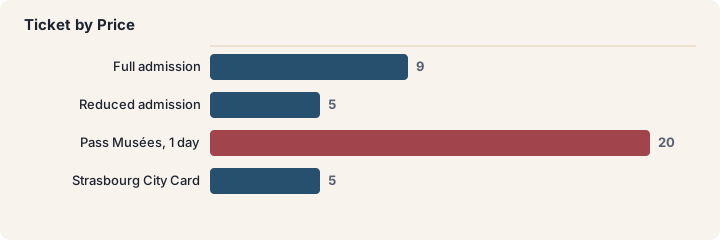
Entry to the Strasbourg Historical Museum is 9 EUR full price or 5 EUR reduced, the same tariff as every municipal museum in Strasbourg. A one-day Pass Musées costs 20 EUR and covers the municipal museums in a single day. Every municipal museum, including this one, is free on the first Sunday of each month. Opening hours are on the museums' official pages, so check them before you go.
The shared tariff makes multi-museum days easy to plan. One ticket, one price band, several museums within and beside the historic centre. The table below sets out the options that apply to this museum and its siblings.
| Ticket | Price | What it covers |
|---|---|---|
| Full admission | 9 EUR | One municipal museum, permanent collections |
| Reduced admission | 5 EUR | One municipal museum, reduced rate |
| Pass Musées, 1 day | 20 EUR | The municipal museums over one day |
| First Sunday of the month | Free | All municipal museums, everyone |
| Strasbourg City Card | 5 EUR adult, 3.50 EUR child | Discount card valid 7 days, reductions at museums and sights |
Note what the City Card is and is not. It is a 5 EUR discount card, not an all-inclusive pass: it buys reductions at the municipal museums, the cathedral platform, the astronomical clock show and the boat operator, and it pays for itself only if you use several of those reductions. The Pass Musées is the better instrument for a concentrated museum day.
The municipal family currently open to visitors, all at the same 9 EUR / 5 EUR tariff, looks like this:
| Museum | Focus | Status |
|---|---|---|
| Historical Museum | The city's own past | Open |
| Beaux-Arts, in Palais Rohan | Fine arts | Open |
| MAMCS | Modern and contemporary art | Open |
| Musée de l'Œuvre Notre-Dame | Medieval art and cathedral sculpture | Open |
| Archaeological Museum | Regional archaeology | Open |
| Museum of Decorative Arts | Decorative arts and interiors | Open |
| Musée Alsacien | Alsatian folk life | Closed for works until 2028 |
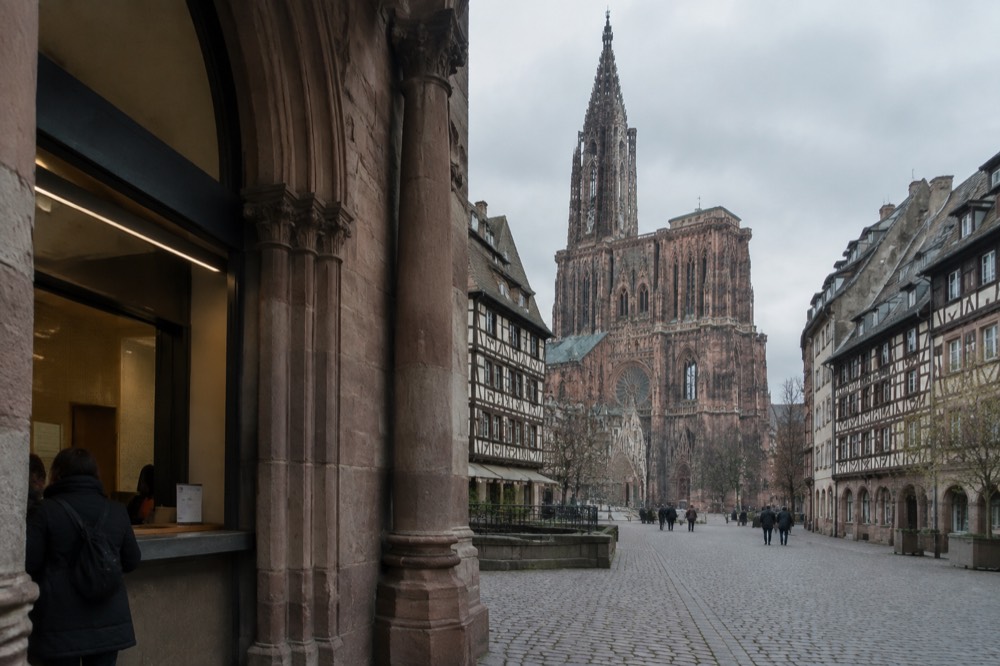
Two planning notes follow from that table. The Musée Alsacien closure removes the folk-life museum from your options until 2028, which makes the Historical Museum's everyday-life material more valuable to visitors who wanted that angle. And because the open museums cluster around the cathedral and the Palais Rohan, a Pass Musées day involves very little walking between doors.
The arithmetic behind the Pass Musées is worth spelling out. Three full-price admissions bought separately come to 27 EUR, so the 20 EUR pass saves you 7 EUR from the third museum onward. Two admissions, at 18 EUR, cost less than the pass, so if you only plan to visit the Historical Museum and one neighbour, individual tickets are the cheaper route. With six municipal museums currently open, a determined visitor could cover a large share of the family in a single day and still come out well ahead on price.
The reduced 5 EUR rate applies at every municipal museum on the same terms, so visitors who qualify pay less for two museums than the pass price. And if your dates are flexible, the first-Sunday rule beats every paid option: at no cost you can enter the Historical Museum and any of the other open municipal museums, though expect the shared free day to draw larger crowds than a weekday visit.
If a guided introduction appeals before you go inside, the historic-centre walk mentioned earlier can be booked through the operator's live listing: Check availability.
How To Fit The Museum Into A Day In Strasbourg?
Pair the Strasbourg Historical Museum with the cathedral, the astronomical clock and a walk through the Grande Île, because all of them sit within the historic centre and the museum gives the context for the rest. A workable shape is the cathedral in the morning, the museum around midday, and Petite France and the riverside in the afternoon. With a 20 EUR day pass you can add a second museum without extra ticket maths.
The historic centre is compact, which is the whole trick. Strasbourg's cathedral, with its single spire and its platform at 66 m, anchors the old town, and the museum visit slots neatly beside it. The cathedral nave has visiting hours of its own, the platform costs 10 EUR full or 6 EUR reduced, and the astronomical clock performs its automaton show at 12:30 daily with a 4 EUR ticket sold on the day only, so a clock-show morning flows naturally into a museum afternoon.
| Part of the day | Stop | What it gives you |
|---|---|---|
| Morning | Strasbourg Cathedral and the clock show | The city's landmark and its 12:30 automaton display |
| Midday | Historical Museum | The narrative that explains everything you just saw |
| Afternoon | Petite France and the riverside | Half-timbered streets and the Ill riverfront |
| Late afternoon | Barrage Vauban terrace | A panoramic view over the rooftops you walked |
| Any spare hour | Museum of Decorative Arts or Beaux-Arts | A second municipal collection on the same ticket logic |
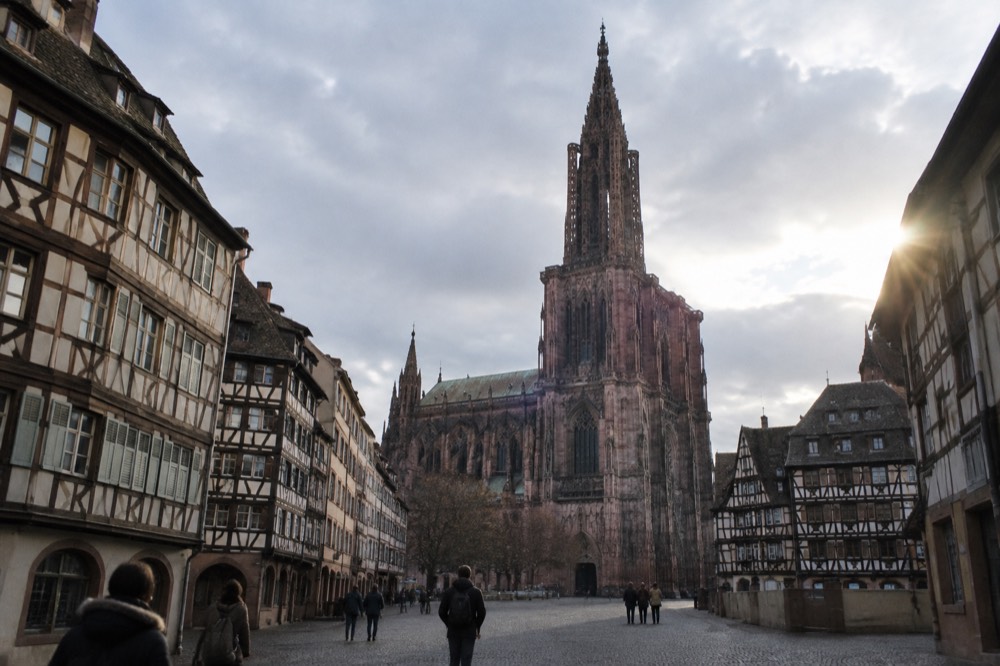
The Barrage Vauban terrace has seasonal opening hours, so treat it as a weather-and-hours-dependent stop rather than a guarantee, but when it is open it delivers a sweeping overview of the old town's roofline and is a fine closing note after a history-filled day.
For travellers who prefer the story delivered in the streets rather than in cases, a historic-centre walking tour covers the same ground with a guide narrating it. The format below suits a first visit well.
Which Nearby Sights Pair Best With The Museum?
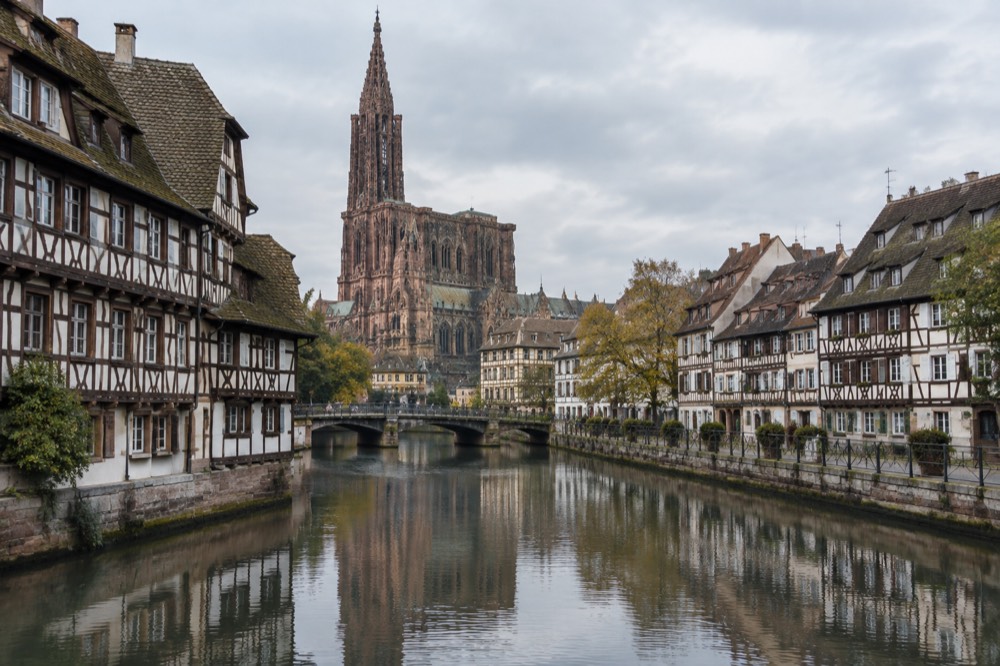
The sights that pair best with the Strasbourg Historical Museum are the ones that illustrate its story: Strasbourg Cathedral, the astronomical clock, Maison Kammerzell on the cathedral square, Place Kléber, and the riverside quarter of Petite France, all inside the Grande Île. For a second museum, the Musée de l'Œuvre Notre-Dame is the closest thematic match, since it holds the medieval sculpture of the cathedral workshop.
Each pairing works because it turns a display into a place. The museum's cathedral material makes more sense once you have stood under the cathedral's single spire; its civic history reads differently on Place Kléber, the city's main square; and its merchant-city chapters come alive in front of Maison Kammerzell, the half-timbered house on the cathedral square.
| Sight | What it offers | Why it pairs with the museum |
|---|---|---|
| Strasbourg Cathedral | Gothic architecture, platform at 66 m | The city's constant through every era the museum covers |
| Astronomical clock | Daily 12:30 automaton show, 4 EUR | Machinery tied to the city's scientific past |
| Musée de l'Œuvre Notre-Dame | Medieval sculpture and cathedral workshops | The artistic counterpart to the historical narrative |
| Place Kléber and Maison Kammerzell | Civic square and a surviving merchant house | Urban history you can stand inside |
| Petite France | Former tanners' and millers' quarter | Everyday working life of the old city |
| Tomi Ungerer Museum | Graphic art and illustration | A Strasbourg-born artist's view of the city and beyond |
The Tomi Ungerer Museum is the left-field pairing, but a rewarding one: it holds the work of a Strasbourg-born illustrator and adds a modern, mischievous counterpoint to the heavier civic story. Families with children often find it the easier museum of the two.
And when the museum's border theme pulls you towards actually crossing the Rhine, the Black Forest and Baden-Baden day trip is the roster's answer: a full-day excursion from Strasbourg into the German landscape that is the other half of the story.
Is The Strasbourg Historical Museum Worth Visiting?
The Strasbourg Historical Museum is worth visiting for travellers who want the story behind the city they are walking through, especially on a first visit or a rainy day, and it is the best-value option for museum lovers because the 20 EUR day pass and the free first Sundays reward planning. Skip it if you only have half a day in the city and no appetite for interiors; the streets themselves carry a lot of the same narrative.
The honest test is what you want from Strasbourg. If the answer is photographs and a market, the museum is optional. If the answer is understanding why a French city has a Germanic name, a half-timbered old town, a fine-arts palace and European institutions, the museum is the shortest route to that understanding, and the 9 EUR ticket is a fair price for it.
| If you want... | Choose | Because |
|---|---|---|
| The city's full story in one stop | Historical Museum | Chronological narrative of Strasbourg itself |
| Art over history | Beaux-Arts or MAMCS | Painting and contemporary art collections |
| The cathedral's world | Musée de l'Œuvre Notre-Dame | Medieval sculpture and workshop material |
| Something for children | Le Vaisseau | A hands-on science centre for families |
| Free entry | First Sunday of the month | All municipal museums free, everyone |
Rain is a real factor in that judgement. Strasbourg has a semi-continental climate with 112.3 rain days a year on the 1991-2020 normals, and December alone averages 10.2 days of rain of 1 mm or more, so a deep indoor option is not a luxury in this city. The museum earns its place on the wet-afternoon shortlist alongside the other municipal collections, and its position inside the historic centre means you can retreat to it mid-walk without abandoning the day.
One more combination deserves a mention. The cathedral can also be visited with a guide, and the guided cathedral tour pairs neatly with the museum for travellers who want both the city's narrative and its landmark explained rather than simply seen.
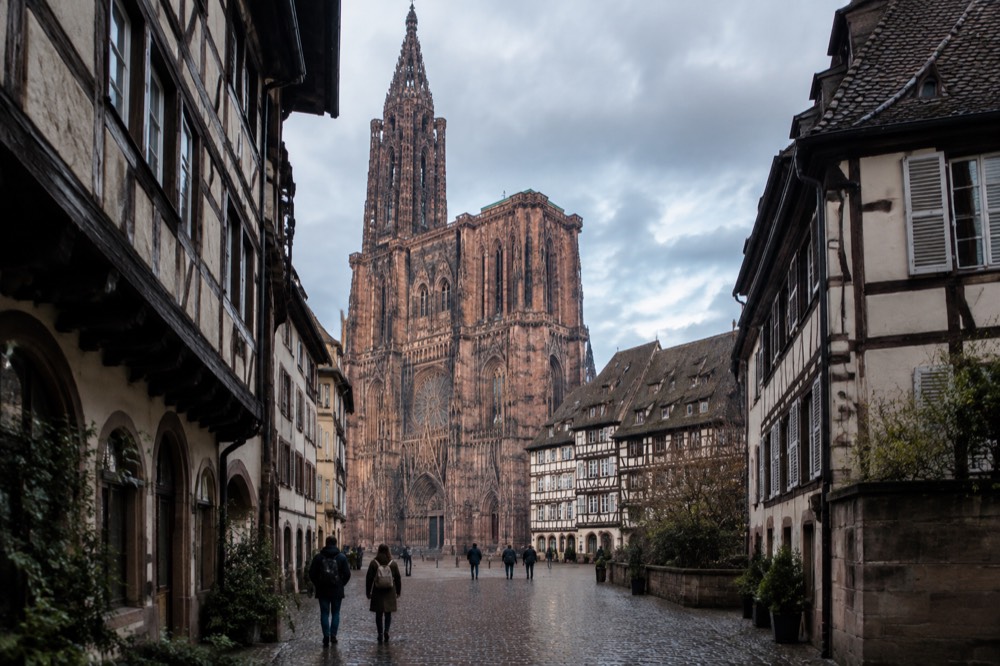
Whichever mix you choose, the same three instruments do the work: the single ticket for a focused visit, the day pass for a museum day, and the free first Sunday for the flexible. Add a walk, a clock show and a riverside terrace, and the museum stops being a rainy-day fallback and becomes the spine of a genuinely good day in Strasbourg.
Common Questions About The Strasbourg Historical Museum
Is the Strasbourg Historical Museum free?
It is free on the first Sunday of every month, like all municipal museums in Strasbourg. On other days entry is 9 EUR full price or 5 EUR reduced, and the one-day Pass Musées is 20 EUR.
How long does a visit to the Strasbourg Historical Museum take?
A relaxed visit fits comfortably inside a morning or an afternoon. Travellers combining it with other municipal museums on the 20 EUR day pass should treat it as one stop of several rather than the whole day.
Can I visit other Strasbourg museums with the same ticket?
Not with a single ticket, but the shared tariff and the 20 EUR one-day Pass Musées make a multi-museum day straightforward. The open municipal museums include the Beaux-Arts, MAMCS, the Musée de l'Œuvre Notre-Dame, the Archaeological Museum and the Museum of Decorative Arts.
Is the Musée Alsacien open?
No. The Musée Alsacien is closed for works until 2028, so it cannot be part of a Strasbourg museum day at present. The Historical Museum's everyday-life displays are the nearest alternative in the meantime.
Is the Strasbourg Historical Museum good for children?
The visual material, including models, cityscapes and objects from daily life, communicates across language barriers, which suits families. For a dedicated children's outing, the hands-on centre Le Vaisseau is the stronger choice.
Where should I check opening hours before visiting?
Check the Musées de Strasbourg official pages, since hours can vary by season and by museum, and temporary exhibitions change through the year. The pages also carry the current tariff details for the day pass and reductions.
The Strasbourg Historical Museum rewards exactly the kind of traveller Strasbourg itself rewards: the one willing to look past the postcard streets into the border-city story that built them, and the shared 9 EUR ticket, the 20 EUR day pass and the free first Sundays make that look easy to afford.