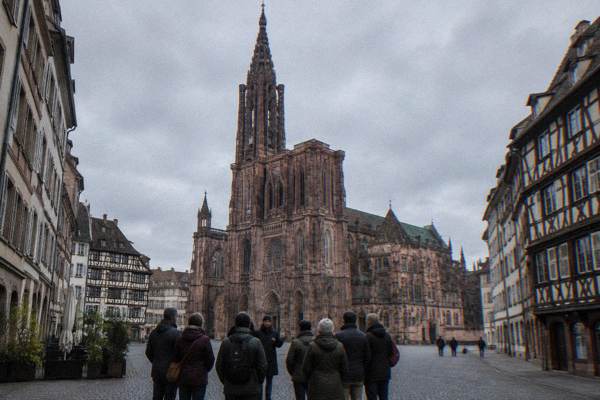
Tomi Ungerer Museum
The Tomi Ungerer Museum in Strasbourg, France, celebrates the work of the Alsatian illustrator and cartoonist. This guide covers tickets, transport, comparisons with the city's other museums and how to plan the visit.
Short answer
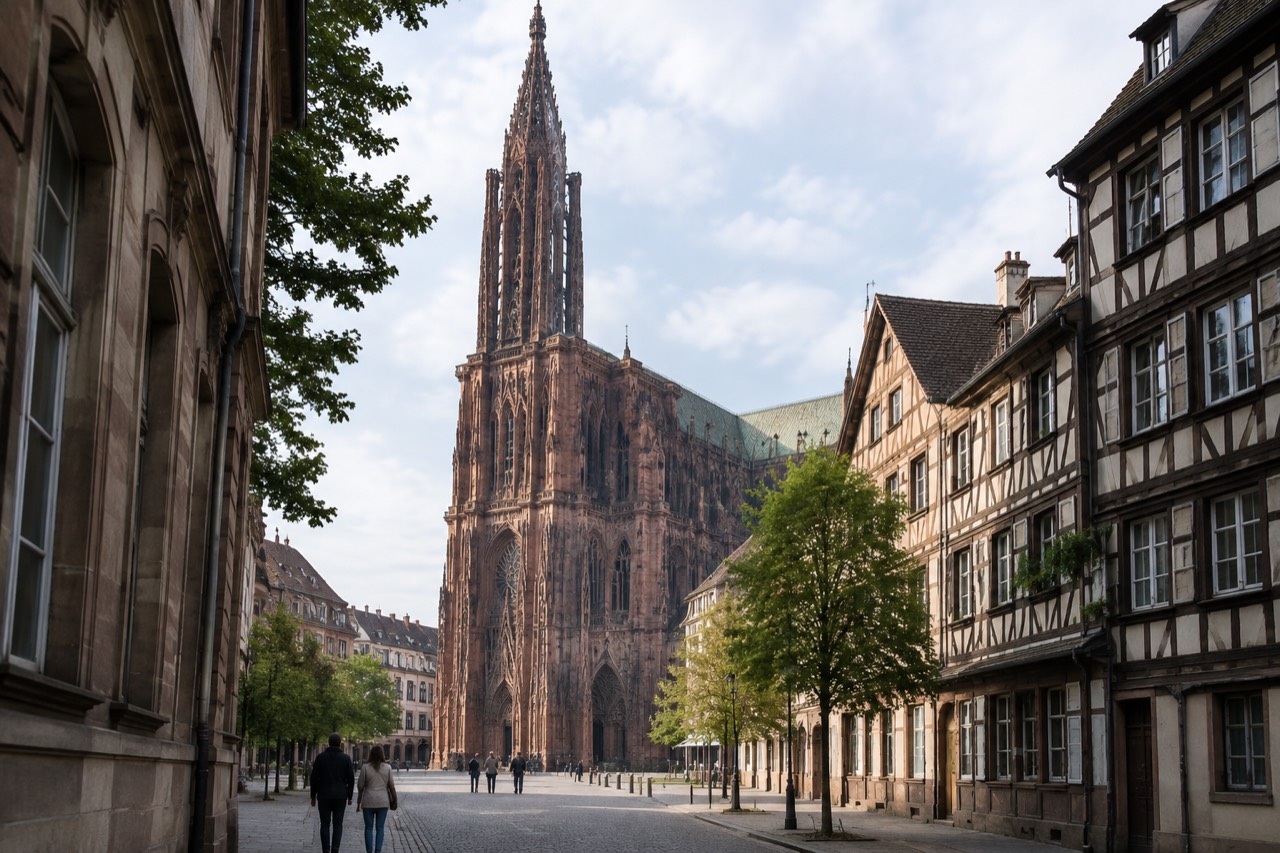
The Tomi Ungerer Museum in Strasbourg, France, sits in the city's municipal museum network, whose tickets are 9 EUR full and 5 EUR reduced, with every municipal museum free on the first Sunday of each month. A 1-day Pass Musées costs 20 EUR, and a CTS 24h Solo tram and bus pass costs 4.60 EUR.
The Tomi Ungerer Museum in Strasbourg, in Alsace in the north-east of France, is the city's museum dedicated to the work of the Alsatian illustrator, cartoonist and children's author Tomi Ungerer. It sits in the Neustadt district, the grand extension of the city across the River Ill, a short tram ride from the Grande Île and its cathedral. The museum holds a working collection of drawings, posters and book illustrations that spans playful material for children alongside sharp political satire, which is exactly the range that made Ungerer's name on both sides of the Rhine. This guide lays out what to expect inside, what the visit costs, how to reach the museum on the CTS network, and how to pair it with the other museums and sights of Strasbourg.
What Is The Tomi Ungerer Museum In Strasbourg, France?
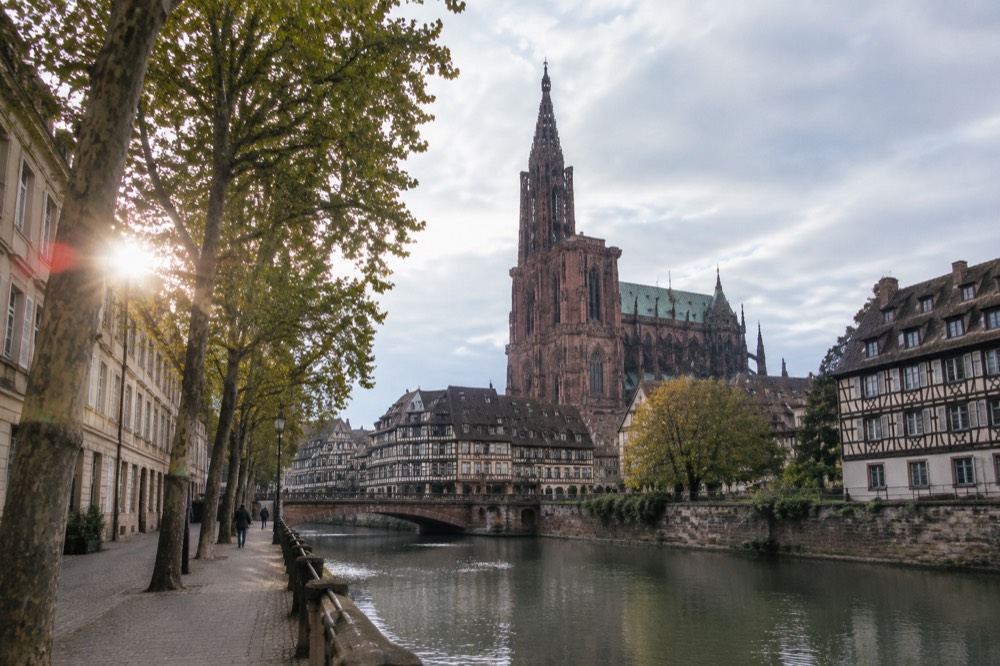
The Tomi Ungerer Museum is a graphic arts museum in Strasbourg's Neustadt district, in the north-eastern French city of Strasbourg, devoted to the drawings, posters and book illustrations of Tomi Ungerer, the Alsatian illustrator and cartoonist whose career ran from children's picture books to biting political posters. It forms part of the city's municipal museum network, so its ticketing, passes and free-first-Sunday rules follow the same framework as Strasbourg's other public museums.
The museum's identity rests on contrast. Ungerer's output for children is warm and mischievous, while his satirical posters and political drawings are uncompromising, and the display space is organised to let a visitor move between those registers rather than fence them off from one another. For travellers who know only the children's books, the poster work usually comes as the surprise; for those who arrive for the satire, the picture books explain the other half of the reputation.
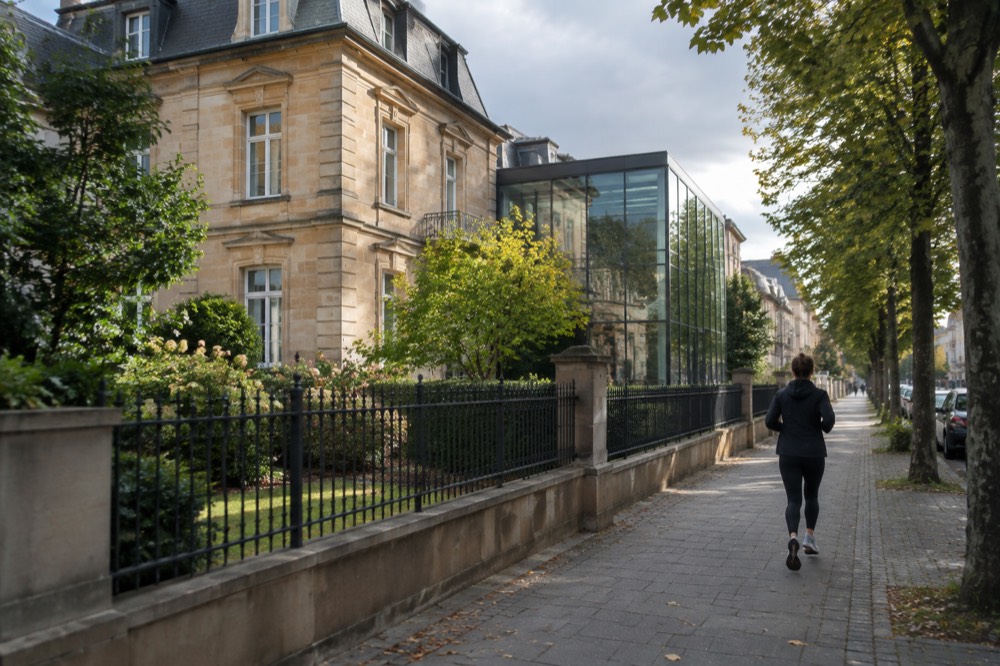
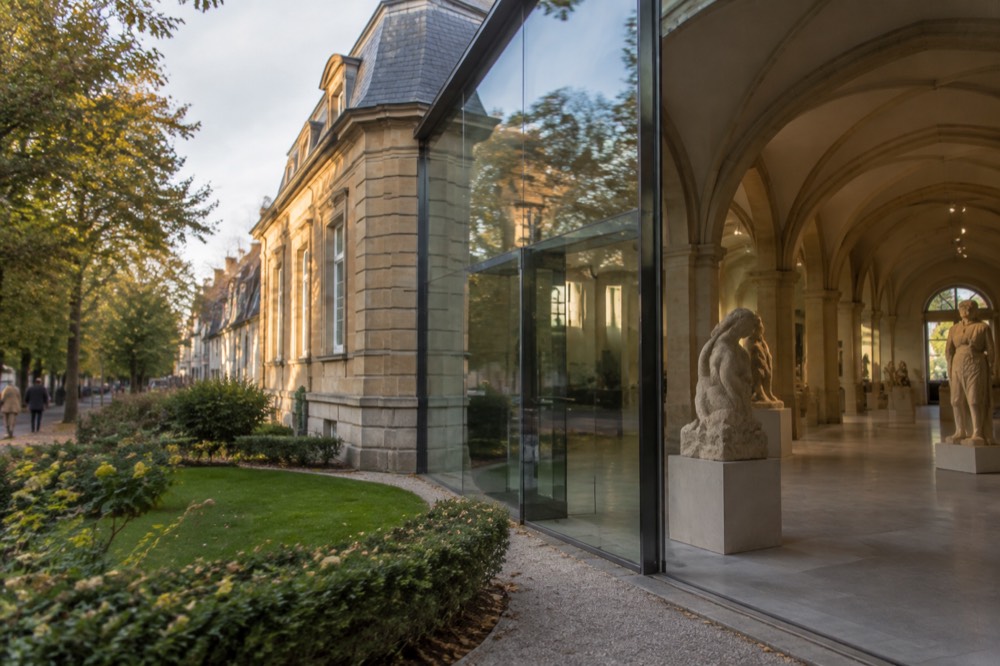
The building itself matters to the visit. The museum occupies a villa in the Neustadt, the district that extended Strasbourg beyond its medieval island core, so the approach walk already sets the museum apart from the tighter streets of the Grande Île around the cathedral. The villa scale means the museum is digestible: it is a focused collection rather than an encyclopaedic one, and it rewards an unhurried hour or two rather than demanding a whole day.
For context on how the city's museum system works, ticket by ticket, the Strasbourg Travel Guide museum coverage walks through each public collection, and the Strasbourg museums overview is the companion read for anyone planning a multi-museum day. The short version: one tariff page governs the municipal network, one day pass covers several sites, and one Sunday a month opens all of them at no charge.
What Can You See Inside The Tomi Ungerer Museum?
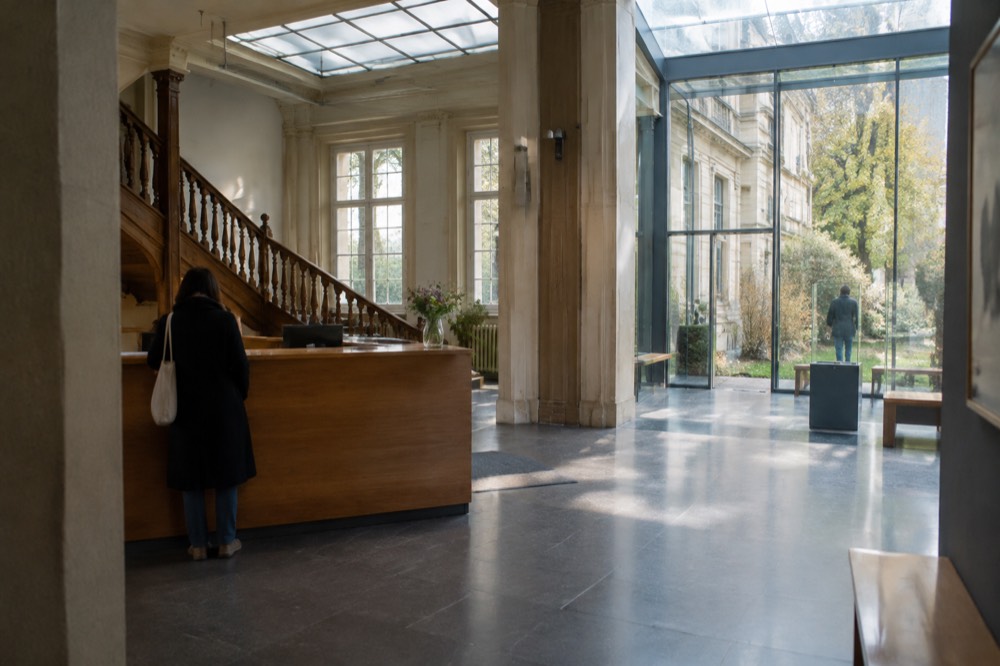
Inside the Tomi Ungerer Museum, the permanent display presents original illustrations and drawings from across Tomi Ungerer's career, moving between children's book art, advertising and poster work, and political satire, with temporary exhibitions that rotate through particular themes or periods of his output. The museum's strength is showing one artist's range in a single building, from the gentle to the savage, which few graphic arts museums in France attempt so directly.
The children's illustration is the entry point for many families. Ungerer's picture-book characters, drawn with bold outlines and a taste for the slightly uncanny, are displayed alongside working materials that show how a finished spread develops from first marks. The satirical posters form the second axis: here the line sharpens, the targets are adult, and the humour darkens. The curatorial approach lets these two bodies of work explain each other, since the same hand drew both.
A third thread follows the poster and graphic design work, which connected Ungerer to advertising, civic campaigns and editorial commissions. This is the part of the collection that places him in the wider history of graphic arts rather than only in children's publishing, and it is the section that visitors with a design interest tend to linger in. Temporary exhibitions, announced on the museum's own pages, take slices of this material and give them room to breathe, so repeat visitors find a changed gallery even when the core collection stays constant.
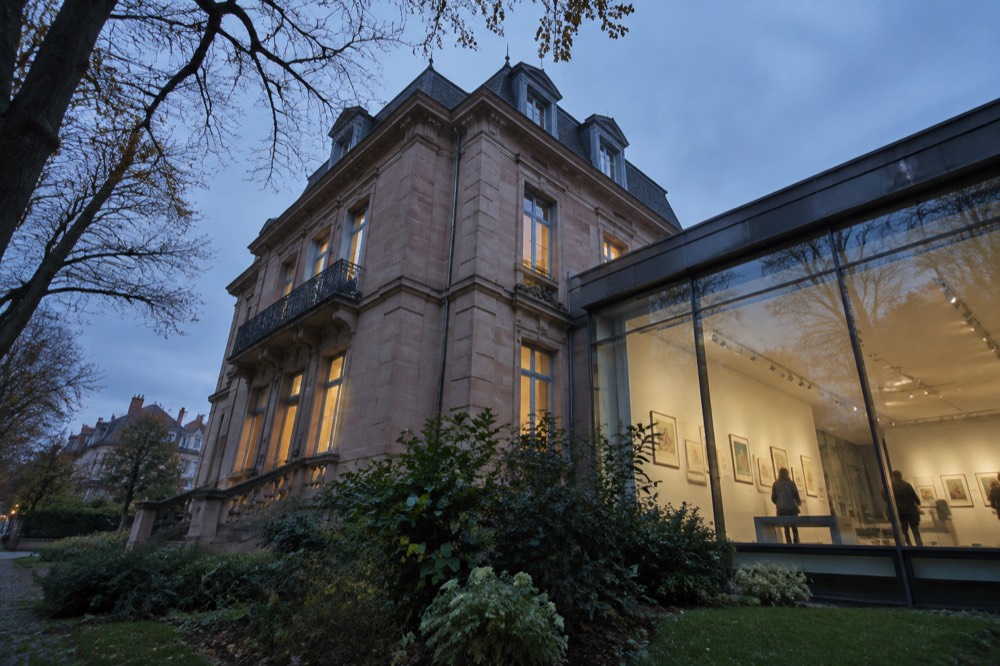
The museum also functions as a research collection. Scholars and illustrators consult the holdings, and the museum's public programme of talks and workshops is listed on the official pages. For a traveller, the practical takeaway is that the visit is quieter and more focused than the headline sights of the Grande Île, which makes it a good counterweight to the cathedral crowds. Pairing it with a guided walk is a natural combination, since the Neustadt's streets explain the world the museum sits in.
How Much Does The Tomi Ungerer Museum Cost And When Can You Visit?
The Tomi Ungerer Museum sits inside Strasbourg's municipal museum network, where tickets are 9 EUR full price and 5 EUR reduced, a 1-day Pass Musées costs 20 EUR, and every municipal museum is free on the first Sunday of each month. Opening hours and any temporary closures are published on the museum's own pages, so confirm the day's hours on the official site before setting out, since exhibition changeovers can close individual rooms.
The tariff structure is the same across the municipal network, which makes planning simple. A single museum visit at full price is 9 EUR, the reduced rate is 5 EUR, and the 1-day pass at 20 EUR pays for itself once you enter enough sites in one day. The first Sunday of each month is the free window at all municipal museums, and it draws crowds accordingly, so an early start is the practical move on those days.
| Ticket option | Price | Who it suits |
|---|---|---|
| Municipal museum ticket, full | 9 EUR | A single museum visit |
| Municipal museum ticket, reduced | 5 EUR | Eligible reduced-rate visitors |
| Pass Musées, 1 day | 20 EUR | Several municipal museums in one day |
| First Sunday of the month | Free, all municipal museums | Budget planners and locals |
| Strasbourg City Card | 5 EUR adult, 3.50 EUR child (3-17), 7 days | Visitors wanting discounts, not entry |
Two clarifications keep this table honest. The Strasbourg City Card is a discount card rather than an all-inclusive pass: it costs 5 EUR for an adult, 3.50 EUR for a child aged 3 to 17, lasts 7 days, and gives reductions at museums, the boat operator, the cathedral platform and the astronomical clock rather than included entry. And the museum tariff figures above come from the city's museums tariff page; confirm the Tomi Ungerer Museum's own current admission details there before you travel, because tariffs and eligibility rules are the kind of detail that changes between editions.
For visitors building a low-cost day around the museum, the free walking tour format is worth knowing about: several English-language walks in Strasbourg run on a pay-what-you-want basis through GuruWalk, with no fixed price, and you tip the guide at the end. One option is the original free tour, which covers the city's core sights and pairs neatly with a museum afternoon.
Building a low-cost day around the museum. Book a free walking tour here.
If a guided introduction appeals but a free walk does not fit your schedule, a fixed-time guided walk is the other route, and the city's standard guided walk is a solid pick for a first day in Strasbourg.
How To Get To The Tomi Ungerer Museum?
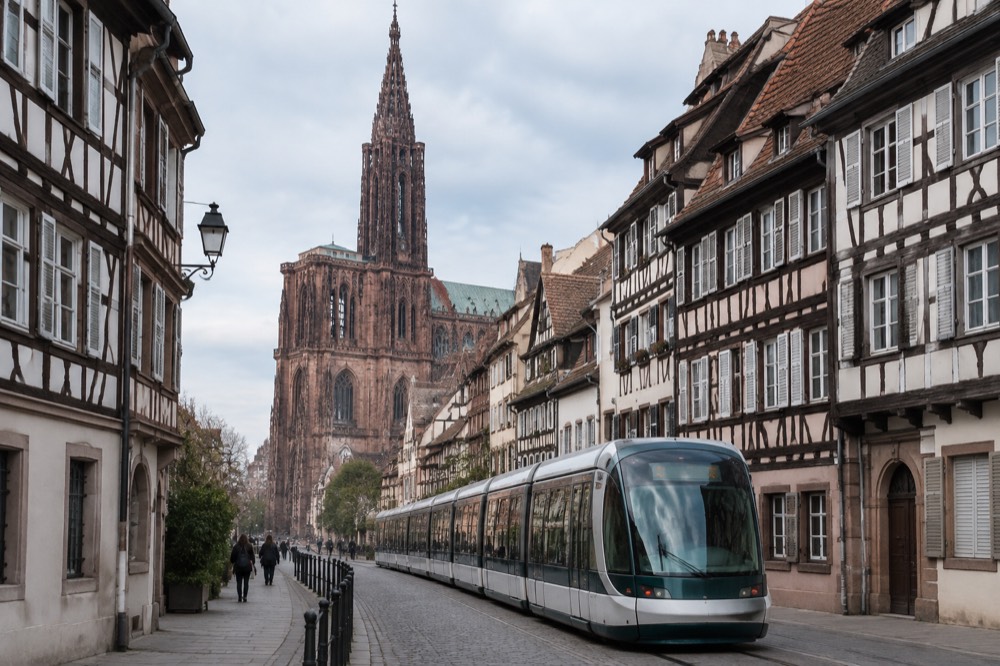
The Tomi Ungerer Museum is reached on Strasbourg's CTS tram and bus network, where a single ticket costs 1.90 EUR bought through the app or contactless payment, or 2.50 EUR bought on board a bus, and a 24h Solo pass costs 4.60 EUR. The museum sits in the Neustadt, a short ride from the Grande Île and the central station, and the CTS network pages carry the current line maps and disruption notices.
The fare table below is the practical core of any CTS journey. The single ticket is cheapest through the Badgeo card, the CTS app or contactless payment on board; buying from the bus driver costs more. For a day that includes the museum plus stops elsewhere in the city, the 24h Solo pass at 4.60 EUR is usually the better arithmetic, and the 24h Trio at 10.20 EUR covers two or three people travelling together.
| CTS ticket | Price | Notes |
|---|---|---|
| Single ticket | 1.90 EUR (Badgeo, app, contactless) | One journey |
| Single ticket bought on board | 2.50 EUR | Bus purchase only |
| 24h Solo pass | 4.60 EUR | One person, unlimited travel |
| 24h Trio pass | 10.20 EUR | Two or three people |
| Airport combined ticket | 4.60 EUR | Train, tram or bus, and a 24h EMS ticket |
The airport line deserves a note because it is unusually good value. Strasbourg Airport connects to the central station by a regional train shuttle, and the combined ticket at 4.60 EUR bundles that train with a tram or bus connection and a 24h EMS ticket, which covers onward movement in the city. Arriving visitors can therefore step off a plane and reach the museum district on one ticket.
For anyone who prefers to arrive on foot, the museum's Neustadt setting makes for one of the better walks in the city, past the grand facades of the imperial quarter and across the Ill towards the Grande Île. A guided walk that covers the historic centre is a good pairing here, since it finishes near the districts that lead into the Neustadt, and the standard guided walk of the city centre is the obvious candidate.
Check the CTS pages for line maps and any works notices before you travel, because tram works in the city centre have disrupted lines near the central station in recent summers, and diversions are announced there first. The museum's own access page is the place to confirm the nearest stop and any step-free route if that matters to your group; the getting around Strasbourg guide covers the network in more depth.
How Does The Tomi Ungerer Museum Compare With Strasbourg's Other Museums?
Against Strasbourg's other public museums, the Tomi Ungerer Museum is the specialist choice: one artist, one focus, a compact visit, where the Musée des Beaux-Arts, MAMCS and the Musée de l'Œuvre Notre-Dame each cover a broader sweep of painting, contemporary art or medieval sculpture. All of them share the same 9 EUR full and 5 EUR reduced tariff, the same 20 EUR 1-day pass and the same free first Sunday, so the choice between them is about content, not cost.
The comparison table below shows how the network fits together. The Palais Rohan concentrates fine arts and decorative arts beside the cathedral; MAMCS holds the contemporary programme; the Musée de l'Œuvre Notre-Dame carries the medieval and Renaissance sculpture of the cathedral's world; and the Musée Historique tells the city's own story. The Tomi Ungerer Museum is the graphic arts thread in that weave, and the only one built around a single artist's hand.
| Museum | Ticket | What it holds |
|---|---|---|
| Tomi Ungerer Museum | 9 EUR full / 5 EUR reduced | Graphic arts, one artist's career |
| Musée des Beaux-Arts (Palais Rohan) | 9 EUR full / 5 EUR reduced | Fine arts, Old Master paintings |
| MAMCS, Musée d'Art Moderne et Contemporain | 9 EUR full / 5 EUR reduced | Modern and contemporary art |
| Musée de l'Œuvre Notre-Dame | 9 EUR full / 5 EUR reduced | Medieval and Renaissance art of the cathedral |
| Musée Historique | 9 EUR full / 5 EUR reduced | The history of Strasbourg itself |
| Musée Alsacien | Closed | Closed for works until 2028 |
Two planning notes follow from the table. First, the Musée Alsacien, the folk-life museum that would otherwise be the natural pairing for an Alsatian artist's museum, is closed for works until 2028, so do not route a visit to it; the Musée Alsacien page explains the closure in full. Second, the Musée de l'Œuvre Notre-Dame offers a reduced rate to holders of a cathedral platform ticket, which is 10 EUR full and 6 EUR reduced, so a cathedral morning followed by that museum is a cheaper pairing than two separate full-price entries.
For depth on the individual collections, the site carries dedicated pages: the MAMCS guide, the Musée Historique guide, the Musée de l'Œuvre Notre-Dame guide and the Palais Rohan guide each break down what to see and how the ticketing works. If the plan is a multi-museum day, the pass is the instrument to reach for, and the first Sunday of the month is the day that makes the whole network free.
What Else To See Near The Tomi Ungerer Museum?
Around the Tomi Ungerer Museum, the Neustadt and the neighbouring districts supply the Parc de l'Orangerie, the Place de la République ensemble, the European Quarter institutions, and, across the Ill, the cathedral, the astronomical clock and Petite France, all reachable on foot or a short tram ride. The museum works best as the anchor of a half-day plan that takes in one or two of these, rather than as a lone destination.
The nearest pairings are the green and the institutional ones. The Parc de l'Orangerie is the classic pause after a museum visit, its parkland a contrast to the villa's galleries, and the Place de la République square with its grand public buildings sits on the axis between the station and the Orangerie. Further out, the European Parliament, the Council of Europe and the European Court of Human Rights line the riverside district that gives Strasbourg its second identity as a European capital.
| Nearby sight | Why it pairs with the museum | What to check first |
|---|---|---|
| Parc de l'Orangerie | Parkland pause after the galleries | Opening arrangements on the park page |
| Place de la République | Grand Neustadt architecture on the walk | Nothing, it is a public square |
| European Quarter | Strasbourg's institutional second face | Parlamentarium hours, which differ in plenary weeks |
| Strasbourg Cathedral and astronomical clock | The city's landmark, across the Ill | Clock tickets are day-of purchase only, show at 12:30 |
| Petite France | The river quarter for the end of the day | Nothing, it is a public district |
| Place Kléber | The main square, on the way back to the centre | Nothing, it is a public square |
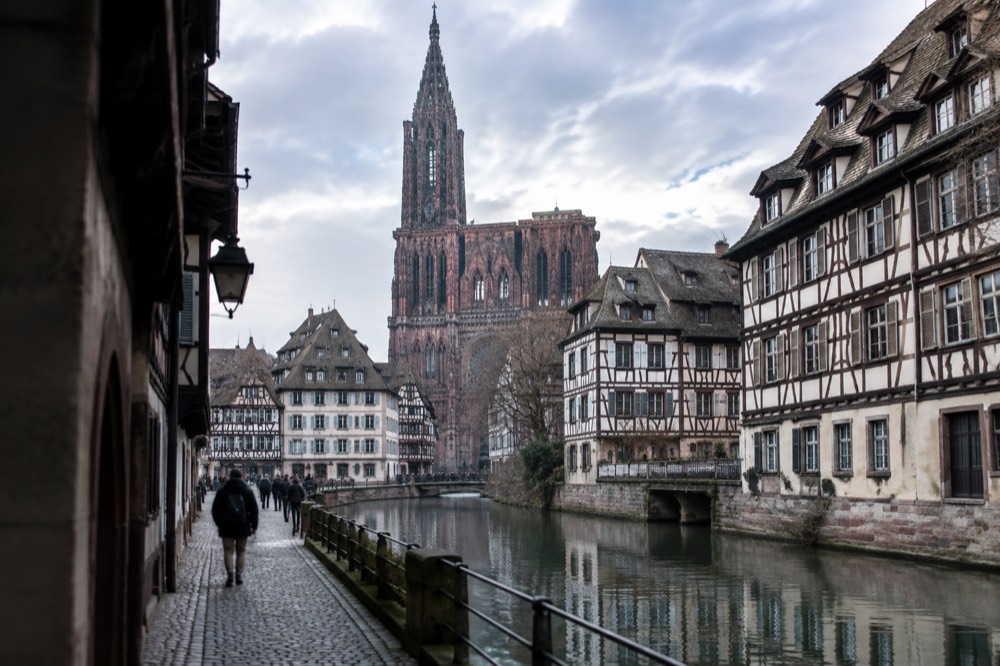
Crossing the Ill towards the Grande Île brings the visit full circle. The Strasbourg Cathedral and its astronomical clock are the headline pair: the clock's automaton show runs at 12:30 sharp, tickets cost 4 EUR and are sold on the day only, and the platform at 66 m costs 10 EUR full and 6 EUR reduced. From there the lanes drop into Petite France, the former tanners' quarter of half-timbered houses and canals, and out to the Barrage Vauban terrace with its panoramic view over the rooftops, whose seasonal hours are published on the city's pages.
A guided walk is the efficient way to connect these districts when time is short. The Secrets From Strasbourg walk is the site's featured pick for this museum, because it digs into the stories behind the streets rather than reciting dates at the doorstep, and the same curiosity that the museum rewards suits that style of guiding. Check availability
When Is The Best Time To Visit The Tomi Ungerer Museum?
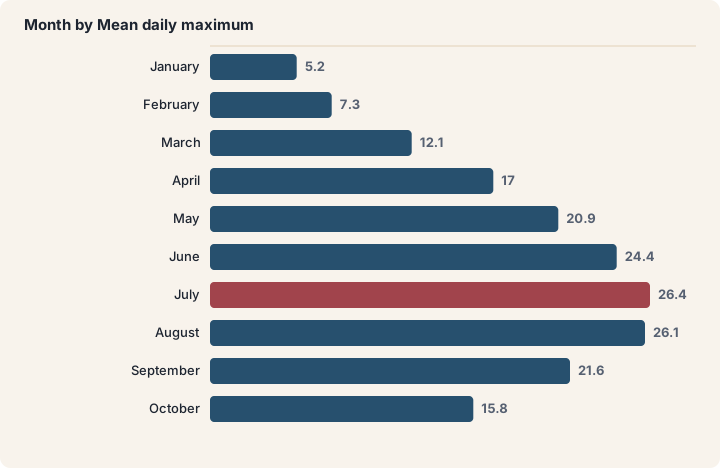
The best time to visit the Tomi Ungerer Museum is outside the Christmas market weeks of late November and December, when Strasbourg's crowds peak, and outside the first Sunday of the month, when every municipal museum is free and busy; in climatic terms, spring and autumn offer the most comfortable walking weather, with mean daily maxima of 12.1 C in March rising to 20.9 C in May, and 21.6 C in September easing to 15.8 C in October.
The climate table below is the Meteo-France 1991-2020 normals for Strasbourg-Entzheim, and it is the honest basis for timing a museum-centred trip: Strasbourg has a semi-continental climate, cold in winter, warm in summer, and rain spread across every month of the year, with between 8.0 and 10.8 days of rain of 1 mm or more each month. A museum visit is therefore a good insurance policy for any season, and the Tomi Ungerer Museum is a particularly good rainy-hour answer because it is compact.
| Month | Mean daily maximum | Mean daily minimum | Rain days of 1 mm or more |
|---|---|---|---|
| January | 5.2 C | -0.2 C | 9.1 |
| February | 7.3 C | 0.0 C | 8.3 |
| March | 12.1 C | 2.6 C | 8.5 |
| April | 17.0 C | 5.7 C | 8.6 |
| May | 20.9 C | 10.1 C | 10.8 |
| June | 24.4 C | 13.4 C | 10.2 |
| July | 26.4 C | 14.9 C | 10.4 |
| August | 26.1 C | 14.5 C | 9.5 |
| September | 21.6 C | 10.7 C | 8.0 |
| October | 15.8 C | 7.2 C | 9.6 |
| November | 9.4 C | 3.3 C | 9.2 |
| December | 5.9 C | 0.8 C | 10.2 |
The seasonal logic is straightforward. Winter pairs the museum with the Christmas market, which last year ran from 26 November to 24 December and drew 3.05 million visitors; the next edition's dates are not yet published, and the city's Christmas site is the place to confirm them before booking anything. Summer brings the warmest normals, 26.4 C mean daily maximum in July, and the thickest city crowds outside December. Spring and autumn sit in the comfortable middle, and the museum's villa interiors make a fine retreat from either a cold rain or a hot afternoon.
If the trip extends beyond Strasbourg itself, the museum day also pairs well with a longer excursion into the surrounding region, and a Black Forest day trip is the natural companion for a Neustadt visit, since the German border is the reason this city looks the way it does.
Common Questions About The Tomi Ungerer Museum
Is the Tomi Ungerer Museum free?
Not on an ordinary day. The museum sits in Strasbourg's municipal network, where tickets are 9 EUR full and 5 EUR reduced. Every municipal museum is free on the first Sunday of each month, which is the one reliable free window, and it is busier for it.
How long does a visit to the Tomi Ungerer Museum take?
The museum is compact compared with Strasbourg's larger collections, so a focused visit fits comfortably into a half-day plan that also takes in the Parc de l'Orangerie or the Place de la République. Allow more time if a temporary exhibition is running, and check the museum's own pages for the current programme.
Is the Tomi Ungerer Museum good for children?
The children's book illustrations are the natural draw for families, and the museum's core material was made for young readers. The satirical poster galleries are more adult in tone, so families typically move through those faster. The pairing with the Parc de l'Orangerie afterwards works well with children.
Which Strasbourg museums are closed?
The Musée Alsacien is closed for works until 2028 and should not be part of any plan. So the museums' own pages are the final word before you travel.
Can I visit several Strasbourg museums in one day?
Yes, and the 1-day Pass Musées at 20 EUR exists for exactly that. It covers the municipal network for a single day, and the free first Sunday of the month makes the same circuit cost nothing if the crowds suit you.
How do I get to the Tomi Ungerer Museum from the station?
The museum sits in the Neustadt, a short tram ride from Strasbourg's central station on the CTS network. A single ticket costs 1.90 EUR through the app or contactless payment, or 2.50 EUR bought on board a bus, and a 24h Solo pass costs 4.60 EUR for a day of further exploring.
The Tomi Ungerer Museum rewards exactly the kind of traveller who enjoys a city's second-tier sights more than its first: one artist, one villa, one focused hour, and then a park, a square or a cathedral to walk off the drawings. Check the museum's own pages for hours and the current exhibition before you go, buy the pass if the day is ambitious, and keep the first Sunday in mind if the budget is tight.