Where To Stay In Strasbourg
Strasbourg, in Alsace, north-eastern France, is small enough that almost anywhere inside the Eurométropole puts you within a short tram ride of the cathedral, yet each neighbourhood gives a noticeably different stay. This guide breaks the city into its booking areas and matches each to a travel style.
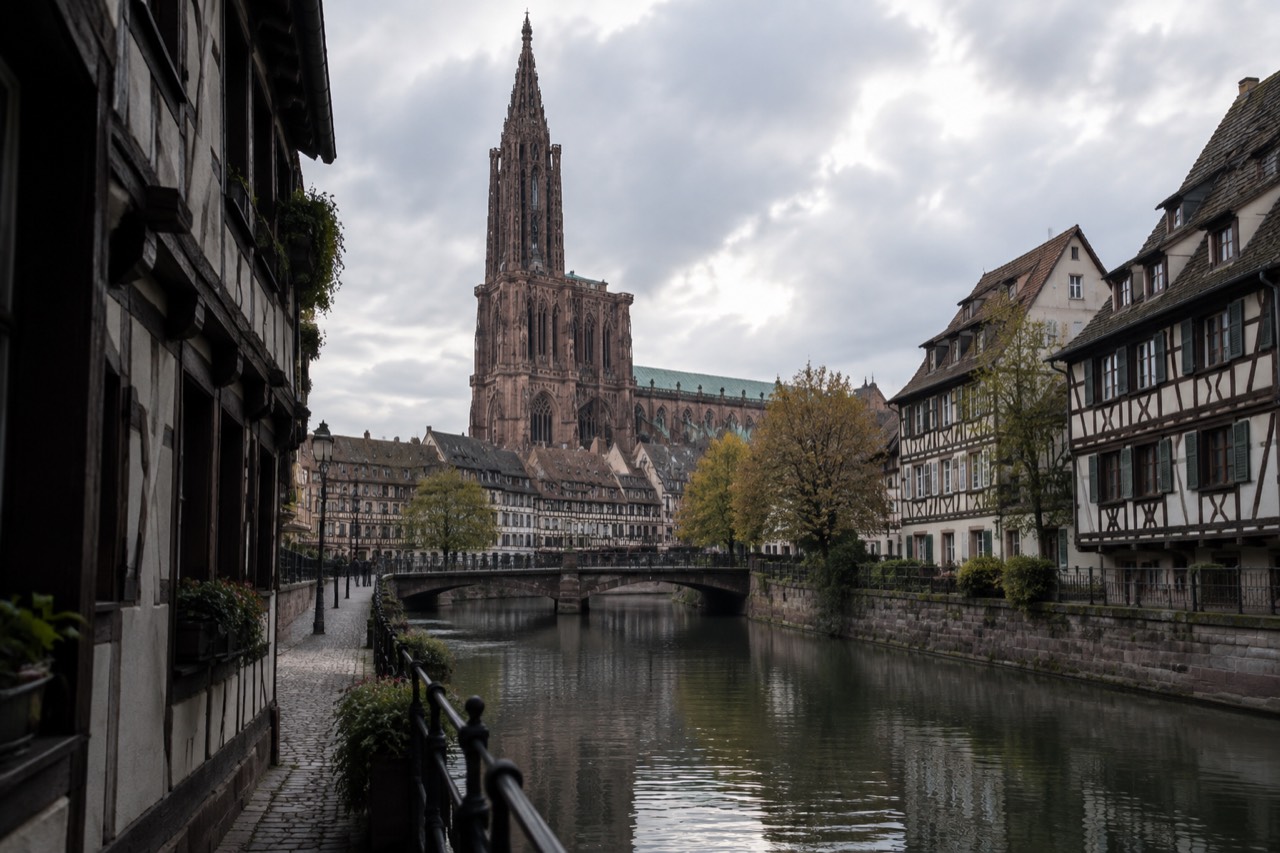
Short answer
First-time visitors should stay on or just off the Grande Île, the UNESCO-listed river island that holds the cathedral, Petite France and Place Kléber. A 24-hour CTS pass costs 4.60 EUR, so a cheaper room across the Ill in Krutenau or near the station still reaches the centre in minutes. Christmas-market weeks fill the island first, so book early.
Strasbourg, the prefecture of the Bas-Rhin in Alsace, north-eastern France, sits on the River Ill a short way upstream of the Rhine, which forms the border with Germany at Kehl. The city's commune counted 293,771 residents at the last INSEE figure, yet the part travellers come for is far smaller: a compact medieval core on the Grande Île, a World Heritage property listed by UNESCO as "Strasbourg, Grande-Île and Neustadt", with the German-built Neustadt as its later extension. Because the sights cluster so tightly, the question of where to stay in Strasbourg is less about distance and more about character, price and the season you arrive in.
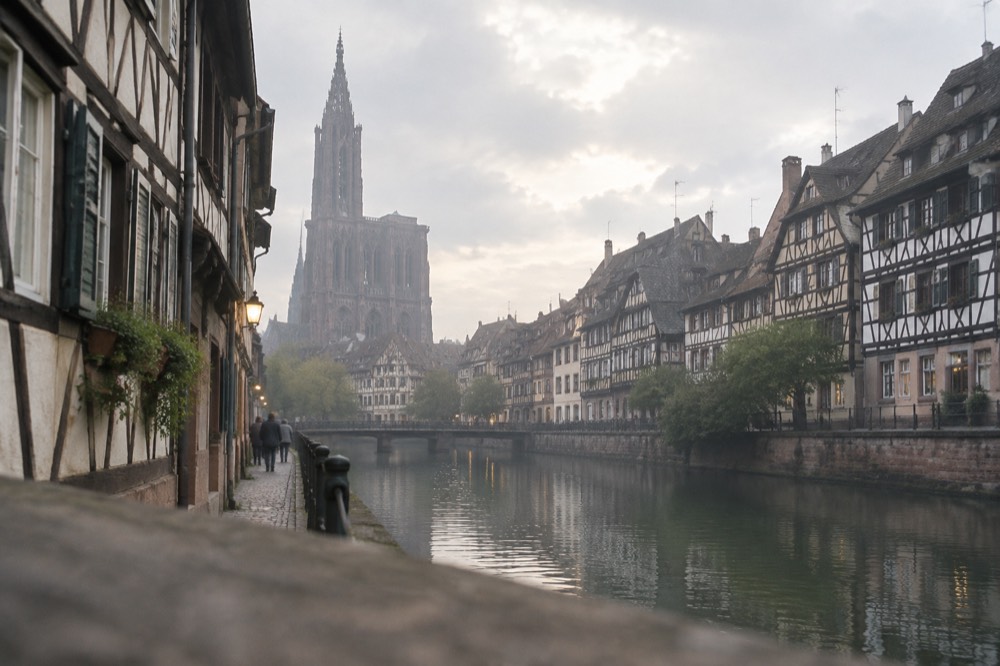
This guide walks through each bookable area, from the island itself out to the station district and the quieter eastern neighbourhoods, and pairs each with the kind of trip it serves. No nightly rate appears here; what is covered is everything around the hotel door, from tram fares to museum passes to the Christmas-market calendar, and those numbers do the deciding for you.
Where To Stay In Strasbourg For First-Time Visitors?
For a first visit, book on or just off the Grande Île, the river island that carries the cathedral, Place Kléber, Place Gutenberg and the Petite France quarter. Everything a first-time visitor comes to see sits within an easy walk of the other, and the island's tram stops link it to the station, the European Quarter and the airport shuttle in minutes. A room one bridge further out, in Krutenau or the Neustadt, trades a few minutes of walking for a calmer street and often a softer rate.
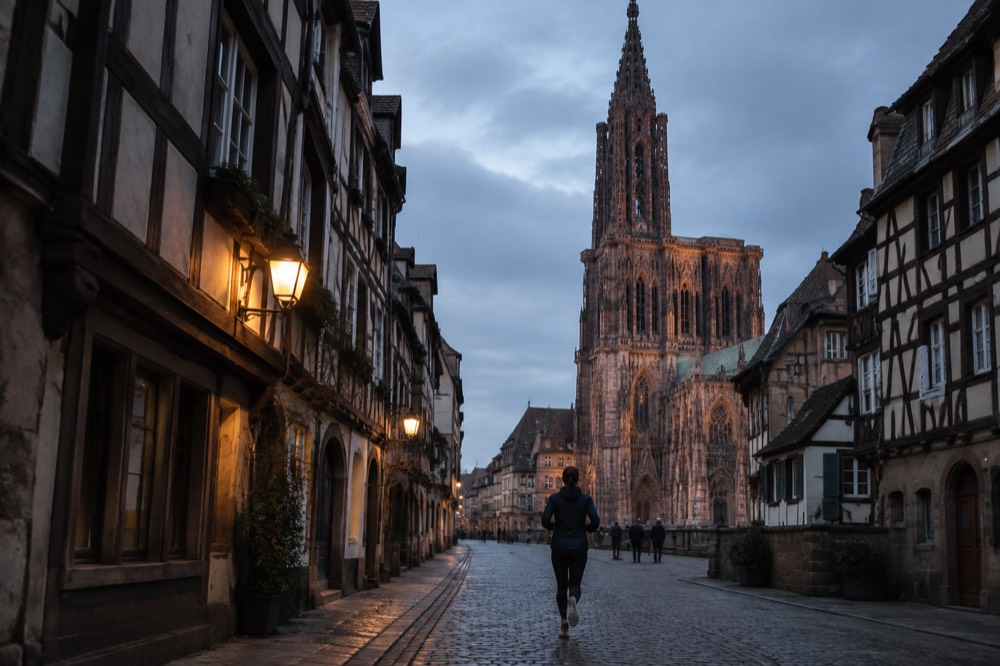
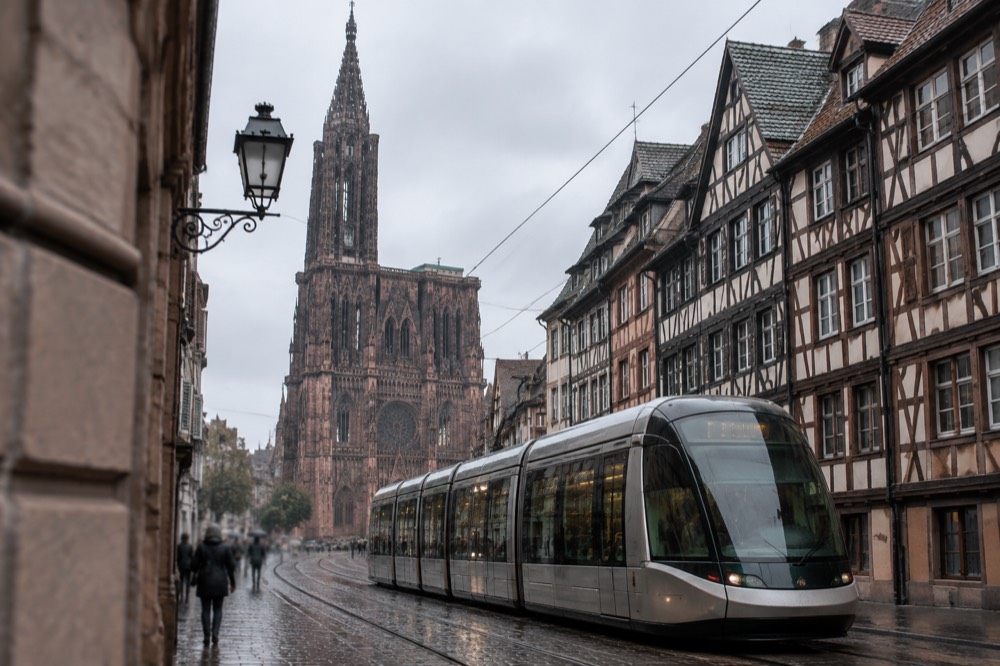
The Grande Île is the historic heart and the reason Strasbourg reads as a medieval city rather than a modern one. Its streets are narrow, its buildings half-timbered, and its edges traced by the Ill and its canals. The cathedral stands on the island's high point, its single spire visible from across the city, with the platform at 66 m open to visitors who climb it. Staying here means you step out of your hotel into the postcard, and you walk home from dinner through it.
The trade-off is noise and demand. Island streets fill with visitors by day and stay lively on summer evenings, and in the Christmas-market weeks the whole quarter is the destination itself. Rooms are fewer and sought after, and prices respond to that pressure, though no specific premium can be quoted here. If your dates fall between late November and 24 December, book the island months ahead or accept a base across the river with a short tram hop.
For orientation, the one day in Strasbourg itinerary assumes an island base, and the two days in Strasbourg plan spreads outward to the Neustadt and the Orangerie. Both work from any of the areas below, but they are shortest on foot from the Grande Île. Travellers who like to plan around the seasons can cross-check the best time to visit Strasbourg before locking dates.
Which Neighbourhood Of Strasbourg Should You Book?
Choose the Grande Île for atmosphere and walkability, Petite France for canal-side looks, the Gare district for early trains and value, the Neustadt for grand streets and space, Krutenau for a local, student feel near the centre, and Robertsau or the European Quarter for institutional visits and quiet. Each area reaches the cathedral by tram or a walk of well under an hour, so the choice is about mood and budget rather than distance.
The table below summarises the six areas travellers actually book, in the order a first-time reader should consider them. No walking times are printed for these routes; the tram network covers all of them, and a single ticket costs 1.90 EUR bought through the Badgéo card, the CTS app or contactless, or 2.50 EUR bought on board a bus.
| Area | Character | Suits | Watch out for |
|---|---|---|---|
| Grande Île | Medieval core, cathedral, main squares | First-timers, short stays | Visitor crowds, peak-season rates |
| Petite France | Canal-side former tanners' quarter, western island | Photographers, romantics | Busiest lanes by day |
| Gare district | Around Strasbourg station, north of the centre | Early departures, value seekers | Less scenery at the door |
| Neustadt | Grand German-built extension east of the Ill | Architecture lovers, families | A walk or short tram to the island |
| Krutenau | Old artisan quarter south of the island, now studenty | Longer stays, food lovers | Fewer grand hotels |
| Robertsau / European Quarter | Leafy north-east, institutions and parks | Business, EU visits, quiet stays | Farthest from the medieval core |
Match the area to the trip before you match the hotel to the area. A weekend built around the Christmas market argues for the island; a summer week with day trips out to the wine route argues for somewhere near the station or with easy tram access to it. If Strasbourg is one stop on a longer rail journey, the station district removes the morning scramble entirely, and the getting around Strasbourg guide explains the tram lines that connect every area listed above.
A guided walk is the fastest way to learn the geography you have just booked into.
Should You Stay In Petite France?
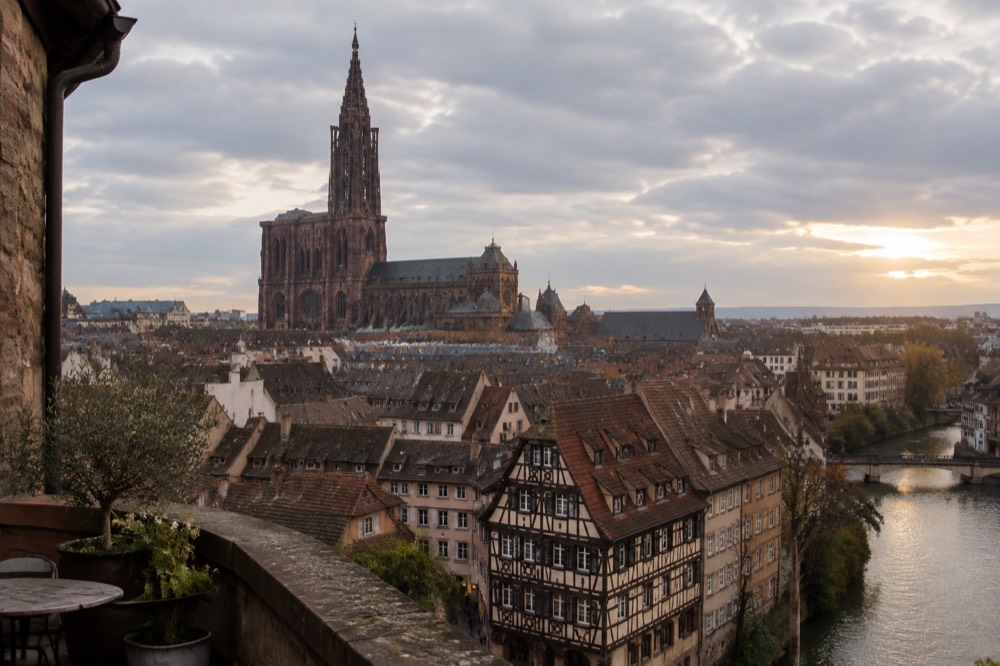
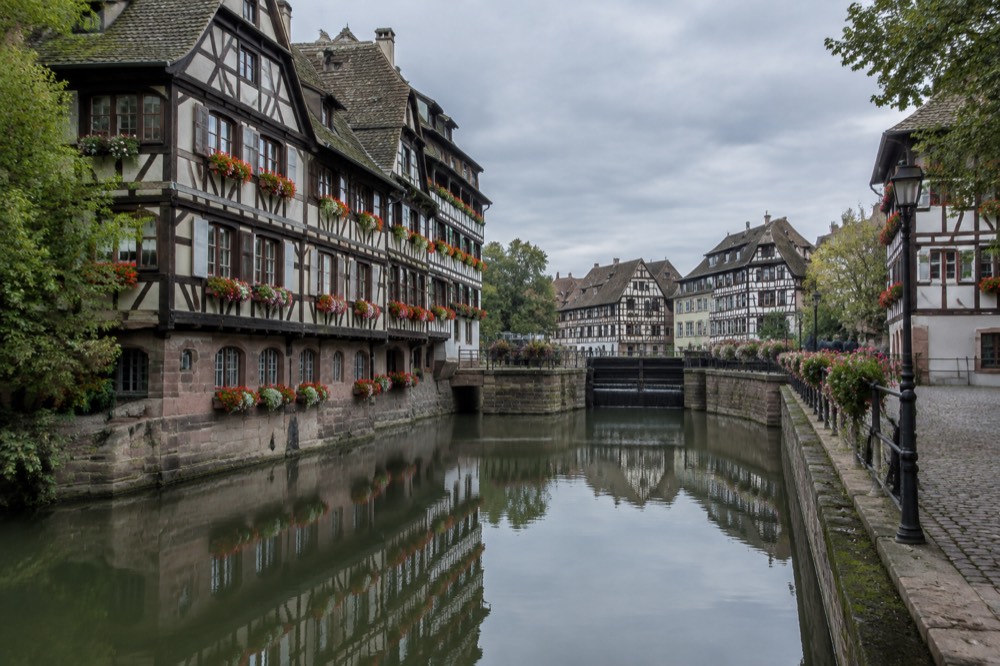
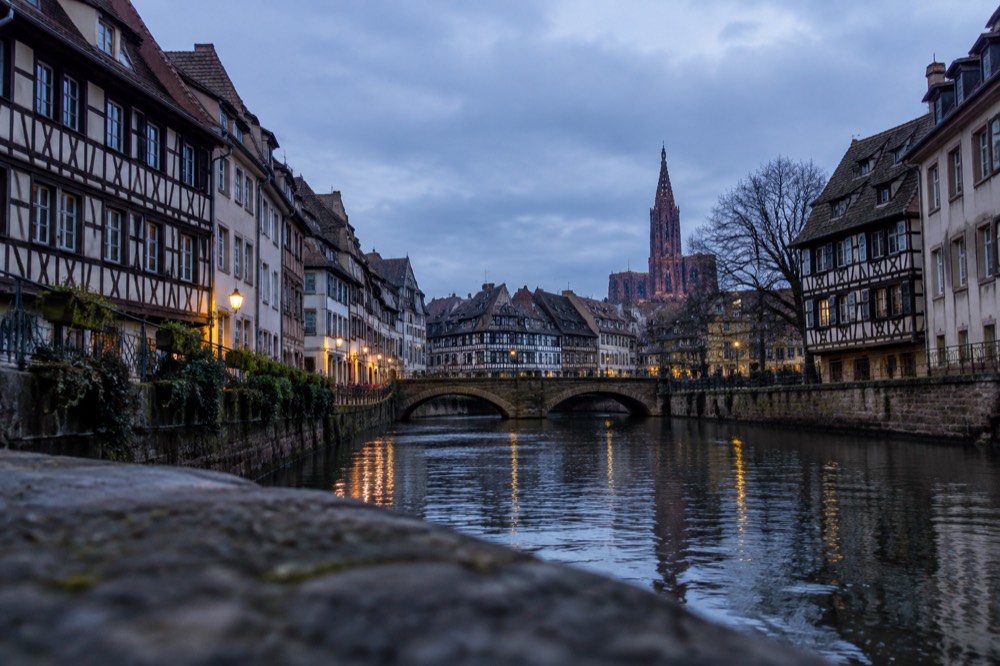
Petite France is the prettiest corner of Strasbourg and a genuinely lovely place to stay, but it is also the single busiest patch of the city between mid-morning and early evening. Book here if canal-side half-timbered houses at your door outweigh daytime crowds, and pick a room set back from the waterfront lanes. For the same looks with fewer people, stay across the Ill in Krutenau and walk in.
Petite France occupies the western tip of the Grande Île, where the Ill splits into channels around the former tanners' and millers' quarter. The Ponts Couverts, the historic covered bridges, frame it from the south, and the Barrage Vauban's panoramic terrace looks back across the whole scene; the terrace keeps seasonal hours, running 08:00-19:00 through September and October and shorter winter hours, and its admission price is not published on the official page, so check before you go up. Staying inside this quarter puts that view within a two-minute stroll of your pillow.
The honest case against is the day crowd. Petite France is the photograph everyone comes to take, and in July, when the mean daily maximum sits at 26.4 C under the semi-continental climate, the lanes are full from late morning. Evenings quieten once the day-trippers leave, and that is when the quarter earns its keep for guests. Rooms directly on the water command the strongest demand in the city; nothing about a nightly figure can be printed here, but the direction is not in doubt.
A guided walk of the historic centre and Petite France with a local guide is the natural first activity from a base here:
For readers weighing Strasbourg against its Alsatian rival, the is it better to stay in Colmar or Strasbourg answer breaks the trade-off in detail, and the where to stay in Petite France answer goes deeper on this one quarter.
Where To Stay Near Strasbourg Train Station?
The streets around Strasbourg's Gare Centrale are the practical pick for rail travellers: every regional and long-distance service, the airport shuttle train and several tram lines meet here, and the Grande Île begins a short walk or one tram stop away. The district trades medieval scenery for convenience and, usually, softer rates than the island. It suits anyone arriving late, leaving early, or planning day trips by train.
The station is Strasbourg's transport hub in the fullest sense. The TER shuttle to Entzheim Airport runs up to five trains an hour and takes 8 minutes, with a combined airport ticket covering the train plus a 24-hour CTS pass at 4.60 EUR. Fast trains from Paris arrive in under two hours, though the exact timing should be checked on SNCF Connect rather than quoted here. From the station forecourt, trams fan out across the city, including lines that serve the island, the Neustadt and the European Quarter, so a station-base visitor is never more than a few stops from anywhere in this guide. The wider set of guides lives on Strasbourg Travel Guide.
The district itself is functional rather than beautiful: commercial streets, business hotels, quick restaurants, and the evening bustle any station quarter has. That is precisely its value. A traveller with a 07:00 train to the wine route or a late arrival from Paris saves the morning taxi and the evening anxiety, and the money saved on a room relative to the island can fund a museum pass or a boat tour instead.
For a stay based here, one full-day option is worth flagging early: a guided highlights tour of Alsace that departs from the city and returns the same evening, removing any need to rent a car for the wine villages.
The Strasbourg train station guide covers the building, its facilities and its connections in detail, and the parking in Strasbourg page matters if you are combining a station-adjacent stay with a hire car.
Where To Stay In Strasbourg On A Budget?
Budget travellers should look first at the Gare district and Krutenau, then at the Neustadt, where rates run below the island for the same tram access. The city itself is generous once you have paid for the bed: the municipal museums are free on the first Sunday of every month, a 24-hour transport pass is 4.60 EUR, and the Strasbourg City Card costs 5 EUR for seven days of discounts. The savings plan is as important as the room rate.
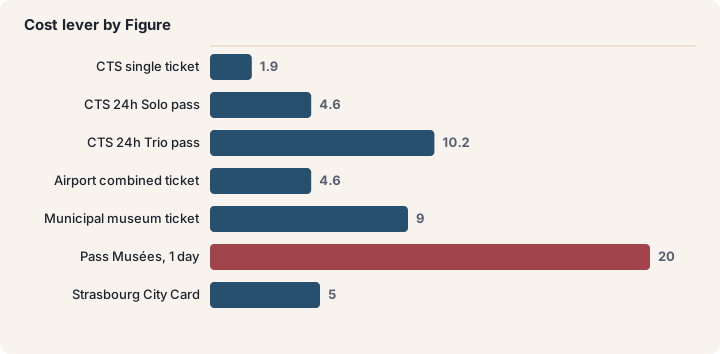
Start with the transport arithmetic, because it is verified and it is the same for every area. A single CTS ticket is 1.90 EUR through the app, Badgéo or contactless, or 2.50 EUR if bought on board a bus. The 24-hour Solo pass is 4.60 EUR and the 24-hour Trio, covering two or three people together, is 10.20 EUR. A visitor staying three tram stops out and making four return trips a day is therefore spending less on movement than the nightly difference between an island room and an outer one, in every plausible case. The Strasbourg on a budget guide extends this arithmetic to food and sights.
| Cost lever | Figure | Notes |
|---|---|---|
| CTS single ticket | 1.90 EUR | Badgéo, CTS app or contactless; 2.50 EUR on board buses |
| CTS 24h Solo pass | 4.60 EUR | Unlimited travel for one person |
| CTS 24h Trio pass | 10.20 EUR | Two or three people travelling together |
| Airport combined ticket | 4.60 EUR | Shuttle train plus 24-hour CTS travel |
| Municipal museum ticket | 9 EUR full, 5 EUR reduced | Per museum |
| Pass Musées, 1 day | 20 EUR | Multiple municipal museums in one day |
| Strasbourg City Card | 5 EUR adult, 3.50 EUR child | Seven days of discounts, not an all-inclusive pass |
The museum line deserves its own sentence: every municipal museum in Strasbourg is free on the first Sunday of the month, so a stay that straddles a first Sunday can see the Beaux-Arts, the MAMCS and the Musée de l'Œuvre Notre-Dame for nothing. Note one closure that affects planning: the Musée Alsacien is shut for works until 2028 and should not shape any itinerary. The free things to do in Strasbourg page collects the rest of the no-cost list, and the Strasbourg museums guide maps which museums sit in which neighbourhood, which matters when choosing where to sleep.
Is The Neustadt Or Krutenau A Good Base?
The Neustadt, the grand imperial extension east of the Ill, and Krutenau, the old artisan quarter south of the island, are the two best-value central bases outside the Grande Île. The Neustadt offers wide imperial streets, formal squares and family space; Krutenau offers narrow lanes, winstubs and a lived-in student atmosphere. Both put the cathedral within an easy walk or a single tram ride.
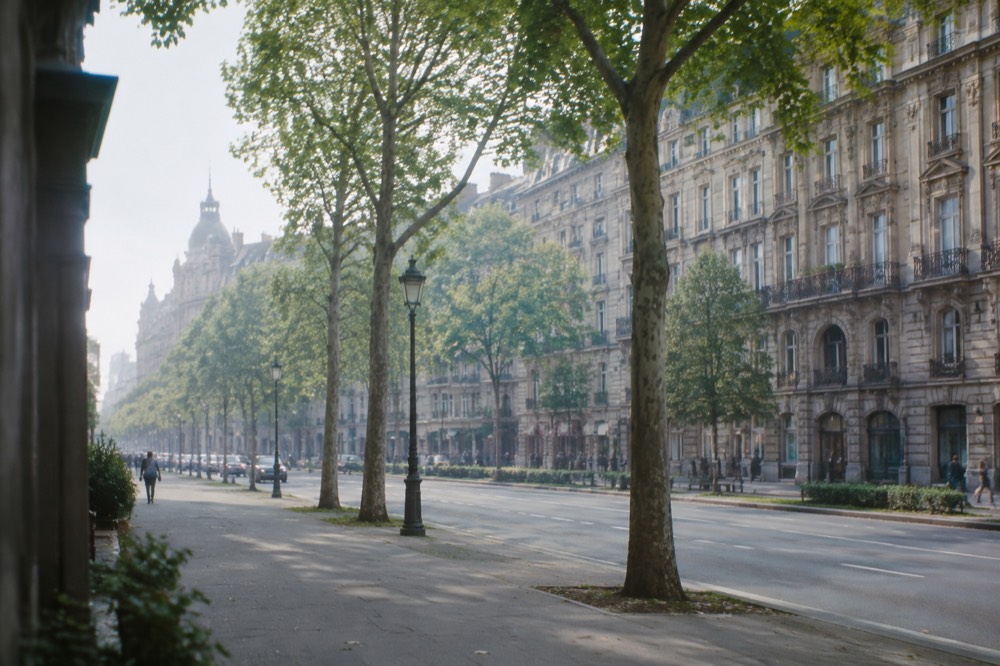
The Neustadt was built under the German imperial period, and its architecture announces that history: broad boulevards, official buildings, the Place de la République ensemble. UNESCO recognises it as the later extension of the "Strasbourg, Grande-Île and Neustadt" property, and the Neustadt guide walks its streets properly. As a base it suits families and anyone who wants a larger, quieter room within reach of the centre, and the Parc de l'Orangerie sits at its northern edge for morning runs and stork sightings.
Krutenau is the opposite temperament: a former artisans' and fishermen's quarter turned student neighbourhood, threaded with small restaurants and the city's winstub culture, described in the winstubs in Strasbourg guide. It wraps around the island's southern and eastern sides, so the walk to the cathedral is short and the evening options are local rather than tourist-facing. For stays of a week or more, it is the area that rewards familiarity.
| Area | Streets and feel | Food and evening | Best for |
|---|---|---|---|
| Neustadt | Wide boulevards, imperial facades | Cafés, a short walk to the island | Families, architecture, longer stays |
| Krutenau | Narrow lanes, river edge, murals | Winstubs, student eateries | Food-led trips, week-long stays |
| Grande Île | Medieval lanes, timber framing | Everything, at visitor prices | Short stays, first visits |
| Gare district | Commercial, practical | Quick, late-opening options | Rail arrivals and departures |
Where To Stay In Strasbourg With Kids?
Families do best in the Neustadt or along the Robertsau side of the city, where rooms are larger, streets quieter and parks close, with the whole centre still one tram ride away. The decisive local factors are the Parc de l'Orangerie for open space, Le Vaisseau for hands-on children's museum visits, and a tram network that takes strollers without fuss. The island works for a short weekend but its lanes are tight and its evenings loud.
The Strasbourg with kids guide covers the full family itinerary; this section only settles where to sleep. The Neustadt's grid of straight, wide streets makes strolling with a pushchair straightforward in a way the island's medieval lanes are not, and its apartment stock tends to the larger floor plans families need. The Orangerie park, the city's oldest green space, gives children room to run within minutes of those streets.
Two practical notes worth keeping in mind. The Strasbourg City Card, at 5 EUR for an adult and 3.50 EUR for a child aged 3 to 17, runs for seven days and carries reductions at museums, the cathedral platform, the astronomical clock, the boat tours and Le Vaisseau, so it pairs naturally with a family base anywhere. And the cathedral's own rules matter if you plan the climb: children under 6 go up to the platform free, the reduced platform ticket is 6 EUR for ages 6 to 18, and there are no luggage lockers at the cathedral, which rules out pairing the ascent with a checkout morning unless you have stored bags elsewhere. The Strasbourg luggage storage page solves exactly that.
| Family factor | Where it points you |
|---|---|
| Pushchair-friendly streets | Neustadt, Robertsau |
| Parks and open space | Neustadt, near Parc de l'Orangerie |
| Hands-on museum (Le Vaisseau) | South of the centre, any tram-linked area |
| Shortest walk to the main sights | Grande Île |
| Apartment-style space | Neustadt, Krutenau |
Where To Stay For The Strasbourg Christmas Market?
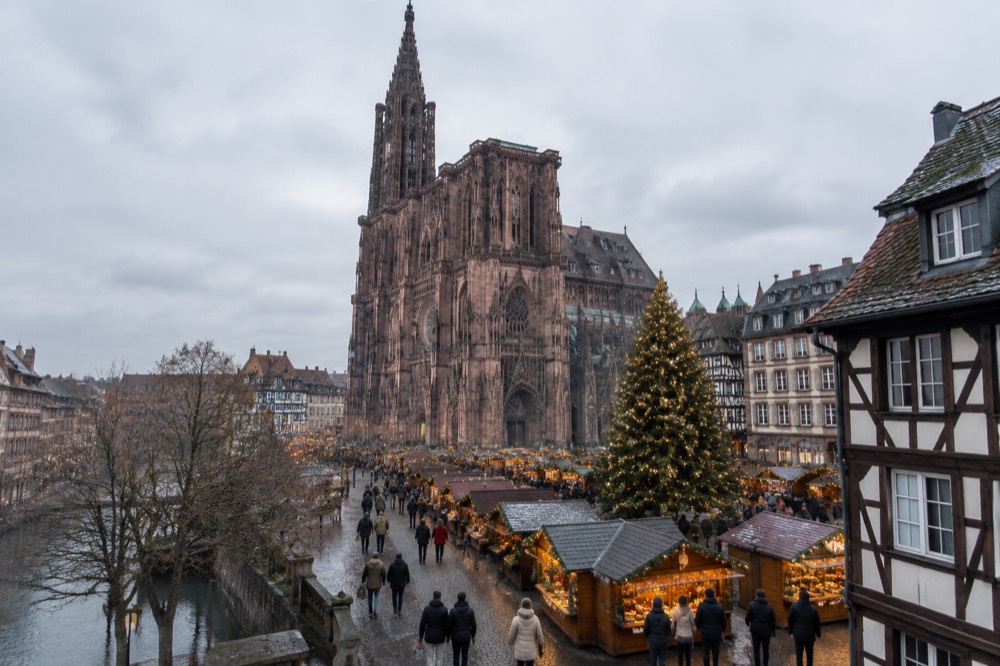
For the Christmas market, stay on or within one tram stop of the Grande Île, because the markets spread across the island's squares and the evenings are the point. Book far ahead: last year's edition, the 2025 one, ran 26 November to 24 December and drew 3.05 million visitors, and rooms in the centre tighten well before that. The 2026 dates are not yet published, so confirm them on the city's Christmas site before committing to non-refundable rates.
Strasbourg styles itself a Christmas capital, and the visitor numbers back the styling: the city's own press release counted 3.05 million visitors for the 2025 edition, down from 3.4 million the year before but still the largest event in the city's calendar. The market's usual pattern opens in the last week of November and runs to 24 December, with the final day closing early in the evening. Chalets typically open from late morning to evening. None of the 2026 dates are official yet, and the city's Christmas site states that the programme is still being finalised, so treat every published 2026 date you see elsewhere with caution.
| Christmas stay factor | What the verified record says |
|---|---|
| 2025 edition dates | 26 November to 24 December |
| 2025 attendance | 3.05 million visitors |
| Usual pattern | Opens in the last week of November, closes 24 December |
| 2026 dates | Not yet published; confirm on the city's Christmas site |
| Cathedral hours in market season | Open continuously Mon-Sat on the Place du Château side, 08:30-17:45 |
The neighbourhood logic inverts in December. Areas that are merely pleasant in July, the Neustadt, Krutenau, become smart value in December because the market is walkable and the tram runs late. The dedicated where to stay for the Strasbourg Christmas market guide goes deeper on this than any page should repeat here, and the Strasbourg in winter and Strasbourg Christmas market pages cover the market itself. Weather planning matters too: December normals give a mean maximum of 5.9 C, a mean minimum of 0.8 C and 10.2 rain days, so pack for cold, damp evenings rather than snow scenes.
How Do You Get Around From Where You Stay?
Every area in this guide is on the CTS tram and bus network, and a single 1.90 EUR ticket or a 4.60 EUR day pass covers the whole city, so no neighbourhood listed here is ever cut off. The airport is 8 minutes from the station by shuttle train, up to five times an hour. Choose your base for character, not connectivity, because the connectivity is uniform.
The tram is the system that makes the choice free. Lines radiate from the station and cross the centre, serving the island's edges, the Neustadt, Krutenau and the European Quarter, and modern trams take pushchairs and luggage without special arrangement. Tickets are cheapest through the Badgéo card, the CTS app or contactless payment on board; buying from the driver costs more at 2.50 EUR. Summer 2026 saw works on lines A through F near the Gare Centrale between June and August, and such works recur, so check the CTS site for your dates if you are staying beside the station.
| Ticket | Price | Coverage |
|---|---|---|
| Single | 1.90 EUR | One journey, app or contactless |
| Single on board | 2.50 EUR | One journey, bought from the driver |
| 24h Solo | 4.60 EUR | One person, unlimited CTS travel |
| 24h Trio | 10.20 EUR | Two or three people together |
| Airport combined | 4.60 EUR | Shuttle train plus 24h CTS pass |
The airport link deserves emphasis because it shapes where late arrivals should sleep. The shuttle train runs from Entzheim to the Gare Centrale in 8 minutes, as often as five times an hour, and the combined ticket at 4.60 EUR includes a full day of city transport on arrival. A traveller landing at Entzheim and sleeping near the station has the simplest possible evening; one sleeping on the island adds a single tram ride. The Strasbourg airport to city centre guide covers the full transfer picture, and the getting around Strasbourg page maps the tram lines area by area.
Which Day Trips Pair With A Strasbourg Stay?
A Strasbourg base pairs naturally with the Alsace wine route, Colmar and the medieval villages, and the Black Forest across the German border, all reachable on guided day tours that depart from the city. If day trips are the point of your stay, book near the station or on a direct tram line to it, and let a guided tour handle the driving on the wine roads, where parking in the villages is the hidden cost.
The pairing logic is simple. The wine villages, Colmar, the castles and the Black Forest all sit outside the city, and the Alsace wine route, Colmar and Black Forest guides cover each destination in full. What the accommodation decision controls is your departure point: tours leave from central Strasbourg, and a base one tram stop from the pickup beats a base that needs a transfer at 08:00. The station district wins that comparison, with the island a close second.
Two tours illustrate the range. A full-day guided highlights tour of Alsace covers the region's headline stops in one loop from the city and suits a first visit that wants the wine country without a hire car:
For a shorter taste, a half-day Alsace wine tour runs about four hours from Strasbourg and returns in time for dinner on the island, which pairs well with a Krutenau base and its winstubs:
| Day trip | What it is for | Booking consideration |
|---|---|---|
| Alsace wine route | Vineyard villages, tastings | Guided tours remove village parking entirely |
| Colmar | Canals, old town, museums | Rail and guided options both exist |
| Black Forest | German scenery, craft towns | Cross-border tour, euro-friendly on the French side |
| Haut-Koenigsbourg | Castle visit, views | Pairs with village stops on full-day loops |
If the balance of your trip tips toward the countryside rather than the city, read the is it better to stay in Colmar or Strasbourg answer before booking, and for a German-base alternative the best town to stay in the Black Forest answer covers the other side of the border. For most itineraries, though, a Strasbourg base with guided day trips out is the arrangement that needs the least planning and delivers the widest range.
Common Questions About Where To Stay In Strasbourg
Where To Stay In Strasbourg For The First Time?
Book on or just beside the Grande Île, the UNESCO-listed river island holding the cathedral, Place Kléber and Petite France. Every headline sight is then within walking distance, and the tram stops on the island's edges connect you to the station in minutes. If island rates run high for your dates, the Neustadt and Krutenau sit one bridge away with the same tram access.
Is It Better To Stay In Petite France Or The City Centre?
Petite France is part of the city centre, the western tip of the island itself, so the real choice is between its canal-side lanes and the quieter squares around the cathedral and Place Kléber. Petite France gives the famous half-timbered scenery at your door but carries the day crowds; the streets around Place Kléber keep you central with a calmer doorstep.
Where To Stay In Strasbourg Near The Station?
The Gare district, the streets immediately around the Gare Centrale, is the practical base for rail travellers. The Grande Île begins a short walk or one tram stop away, the airport shuttle train arrives here in 8 minutes, and the district's hotels suit early departures and late arrivals. Scenery is limited; convenience is total.
Where To Stay In Strasbourg For The Christmas Market?
Stay on the Grande Île or within one tram stop of it, because the markets spread across the island's squares and the evenings are the best part. The 2025 edition ran 26 November to 24 December and drew 3.05 million visitors, so book early. The 2026 dates are not yet published; confirm them on the city's Christmas site before booking non-refundable rates.
Is Strasbourg Expensive To Stay In?
Central Strasbourg commands strong rates in peak weeks, above all the Christmas-market period, and no nightly figure can responsibly be quoted here. The offsetting facts are verified: a 24-hour transport pass is 4.60 EUR, municipal museums are free on the first Sunday of each month, and a 5 EUR City Card buys seven days of discounts. Staying across the Ill in Krutenau or near the station usually softens the room rate.
How Many Days Should You Stay In Strasbourg?
Two nights cover the island, the cathedral with its platform and astronomical clock, and a boat tour; three or four let you add the Neustadt, the European Quarter and a day trip into the Alsace wine country. The how many days in Strasbourg question has its own full answer on this site, and the one-day and two-day itineraries give the working plans.
A final word on method. Pick the neighbourhood for the trip you are actually taking: the island for a first visit or a Christmas stay, the station for rail journeys and day trips, the Neustadt for space and families, Krutenau for food and longer visits. Then let the verified numbers on this page, the free first Sundays, the 5 EUR City Card, do the optimising, because in a city this compact and this well trammed, the bed is the only decision that really varies.