Where To Stay In Petite France, Strasbourg?
A practical answer to where to stay in Petite France, Strasbourg: what the quarter is like, which streets suit which traveller, when to book elsewhere, and easier nearby bases.
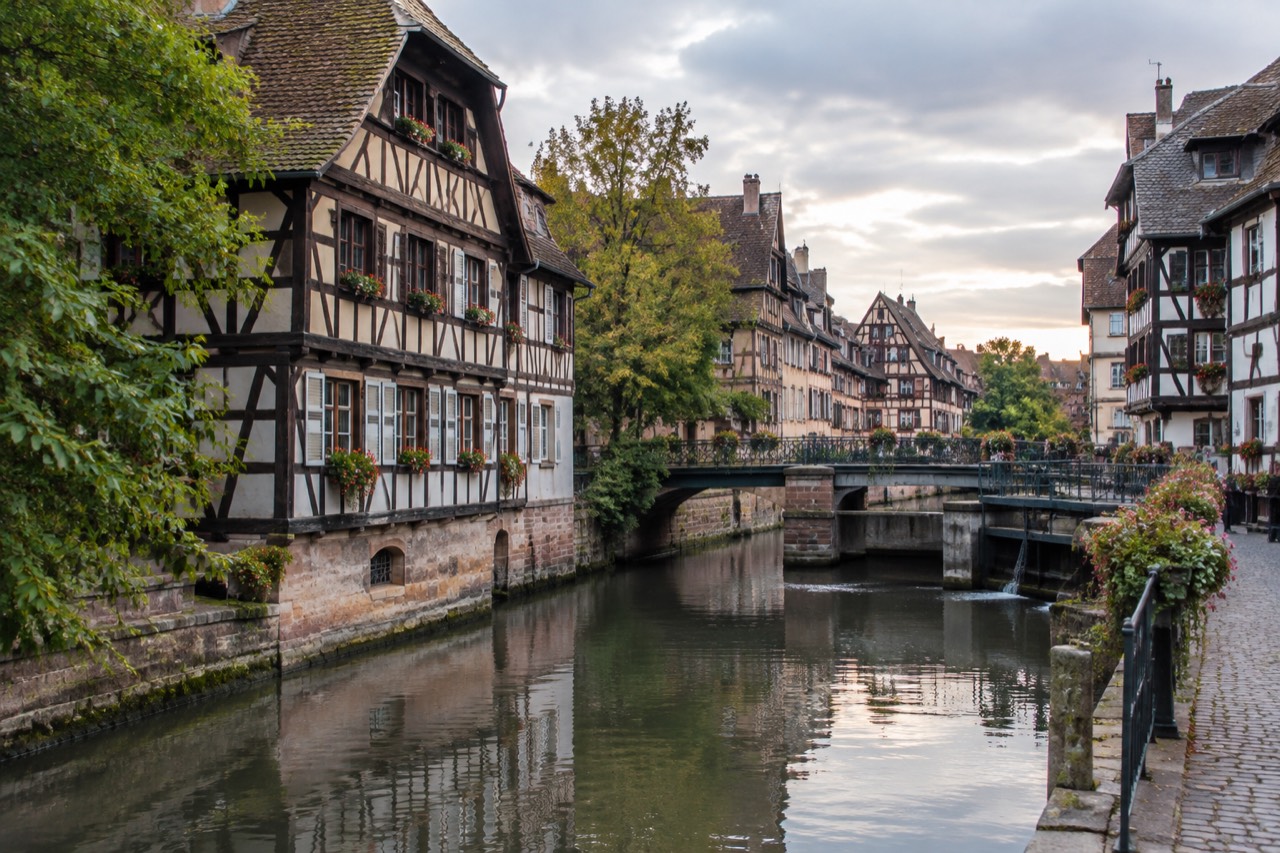
Petite France is the half-timbered river quarter at the western tip of Strasbourg's Grande Île, the island heart of the city in Alsace, north-eastern France, a short walk from the cathedral and beside the border with Germany. It is the quarter every visitor photographs, and the one a large share of visitors want to sleep in. The honest answer has two parts: the quarter itself is small, quiet at night and genuinely lovely to wake up in, and it is also the part of Strasbourg where demand is heaviest in late November and December, when the Christmas market fills the island. This page sets out what staying there involves, street by street, and when a base just outside it is the smarter call.
Where To Stay In Petite France, Strasbourg?
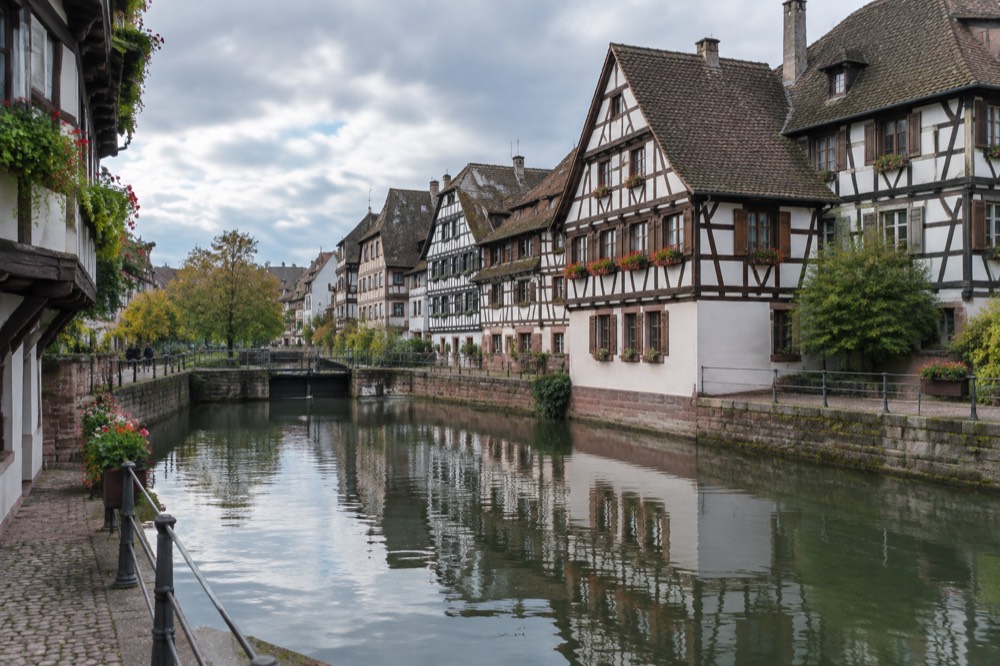
Stay in Petite France if you want the half-timbered postcard view from your window and a quiet, walkable base at the western end of the Grande Île, close to the cathedral, the covered bridges and the riverside walks. Book early for late November and December, when the Christmas market pushes demand up across the whole island. If your dates fall in those weeks, a base one bridge away in Krutenau or around the station gives you the same city for less money and less noise.
The quarter sits where the River Ill splits into channels around the island, with the Ponts Couverts and the Barrage Vauban at its western edge and the grander streets of the Grande Île running east toward the cathedral. Everything inside it is reachable on foot in minutes. The Strasbourg Travel Guide covers the quarter's sights in detail on its Petite France attraction page, which is worth a read before you choose a street, because the quarter's character changes block by block more than its small size suggests.
One practical note shapes any stay here: Petite France is a working historic quarter, not a purpose-built resort. Buildings are old, staircases are often steep, and some hotels occupy converted merchant houses where rooms vary a good deal in size and outlook. Ask before booking what floor your room is on and whether it faces the water or an inner courtyard. That single question separates the memorable stay from the disappointing one more reliably than any star rating.
Why Petite France Is The Classic Place To Sleep
Petite France is Strasbourg's most photographed district, a former tanners' and millers' quarter of leaning half-timbered houses, canal-side terraces and stone bridges, sitting on the Grande Île, which is listed with the Neustadt as a UNESCO World Heritage property. Sleeping here puts that scenery outside your door at breakfast, before the day-trippers arrive, and again in the evening after they leave. The trade-off is a small stock of rooms inside old buildings, at prices that reflect the view.
The quarter's look comes from its working past: the waterways were harnessed for mills and tanneries, and the houses stacked up along the channels in the centuries that followed. Today the ground floors hold winstubs and gift shops, and the upper floors hold apartments and hotel rooms. The Musée Alsacien, which normally tells the Alsatian domestic story on the quarter's edge, is closed for works until 2028, so plan around it rather than around a visit.
What you gain by sleeping here is time. The light on the canals in the early morning, before the crowds build, is the single best argument for a room in the quarter. The walk east to the cathedral takes only a few minutes through streets that get progressively grander, and the walk west to the Ponts Couverts and the Barrage Vauban terrace takes fewer still. If your idea of a good travel day is one long, slow loop of the island on foot, this is the right base.
The tours above pair well with a Petite France base for a simple reason: all three start from points on or near the island, so you can walk to your meeting point in minutes. The street-art walk in particular suits this quarter, because the painted façades it finds sit in the working streets just beyond the postcard core, and a guide who knows where they are saves you a lot of aimless wandering. You can Check availability on the operator's live listing, or read more about the city's walkability first in Is Strasbourg A Walkable City?.
Which Streets In The Quarter Suit Which Traveller
Rue du Bain-aux-Plantes and the streets closest to the canals carry the postcard views, the terrace noise and the highest room rates; the blocks around Place Benjamin-Zix and toward Grand'Rue are calmer, cheaper and still only a minute or two from the water; the eastern edge near the cathedral side puts you closest to the Christmas market and the shopping streets. Choose the water for the view, the inner blocks for sleep, and the eastern edge for convenience.
The table below breaks the quarter into its practical parts. Nothing here is a hard rule: buildings vary, and a courtyard room on a busy street can be quieter than a street-facing room on a dead one. But as a first filter for a shortlist, it holds.
| Part of the quarter | Character | Suits | What to check before booking |
|---|---|---|---|
| Rue du Bain-aux-Plants canal side | Postcard houses directly over the water, restaurant terraces below | Travellers who want the view and accept evening noise | Which way the room faces, and whether windows are double-glazed |
| Place Benjamin-Zix and inner lanes | Quieter residential lanes a minute from the water, mixed shops | Light sleepers and longer stays | Floor level and lift access, since many buildings have neither |
| Blocks toward Grand'Rue | Busier, more ordinary streets linking the quarter to the rest of the island | Visitors who prioritise price and walk speed over scenery | Distance stated in metres on the listing, not "steps from" |
| Eastern edge toward the cathedral | Grander stone streets, closest to the main squares and market | Christmas-market visitors and first-timers on a short trip | Whether the rate includes breakfast, since nearby cafés fill early |
Two further points are worth making. First, "Petite France" on a hotel listing is elastic: some properties use the name for anything on the western half of the island. Check the address against a map before you book, because a room marketed as Petite France can sit a fair walk from the canals. Second, parking inside the quarter is difficult and the streets are largely reserved for residents, so if you arrive by car, plan on a public car park outside the island and a short walk with luggage. The full where-to-stay guide for Strasbourg covers the city-wide picture, including the districts beyond the island.
What A Stay Here Actually Feels Like, Morning To Night
Mornings are the quarter at its best: low sun on the timber frames, delivery vans, almost nobody about, and the canals to yourself. By late morning the day-trippers arrive in waves and the canal-side lanes fill; the afternoons belong to the crowds, and the evenings split between terrace buzz on the water and near silence two streets back. If you sightsee early and late, the quarter works beautifully; if you expect calm all day, it will disappoint.
The rhythm matters more than the sights when you are sleeping somewhere. A Petite France base rewards early risers and penalises late sleepers, because the terrace noise on the water-facing streets runs into the night in warm months. Reviews of individual properties on the live listings are the best source for this, since room position inside a building matters more than the building's address.
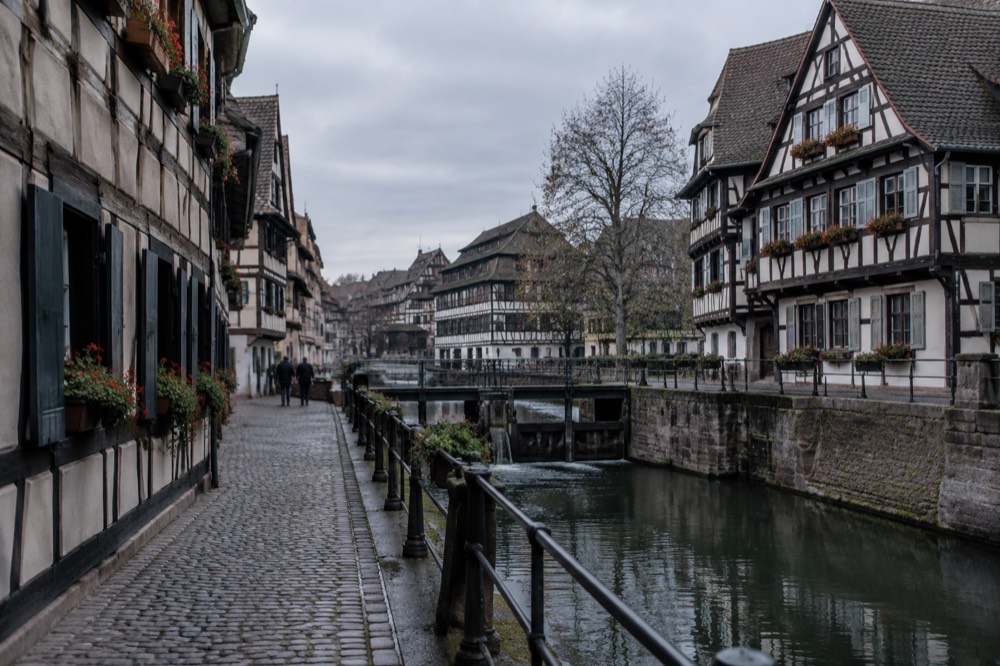
Evenings in the quarter have their own use. The winstubs fill with dinner crowds, and the bridges are lit after dark, which makes a post-dinner loop of the canals one of the simplest pleasures of a stay here. A tasting of Alsatian wines makes a good bridge between dinner and the walk: the discovery tasting below is a short, low-commitment introduction to the local grape varieties, run in the city centre a short stroll from the quarter.
None of these need a car: that is the quiet advantage of an island base.
When Petite France Is The Wrong Choice
Do not stay in Petite France if you are visiting during the Christmas market without booking far ahead, if you need a lift, ground-floor access or parking at the door, or if your priority is nightlife, late food or a wide choice of everyday services. In late November and December the whole island is busy and rates climb across the city, and the quarter's restaurants take their last orders early by big-city standards. A base off the island then buys you the same city with less friction.
The Christmas period deserves a direct word. Strasbourg's market traditionally opens in the last week of November and runs to 24 December, closing early on the final evening; last year's edition ran 26 November to 24 December 2025 and drew 3.05 million visitors. The city posts each edition's dates on its Christmas site, so confirm them there before locking in travel. During those weeks, demand concentrates hard on the island, and the premium on a Petite France room is real, though no figure on this page is a quoted rate: check live prices on the listing itself.
| Situation | What it means for a Petite France stay | What to do instead or in addition |
|---|---|---|
| Christmas-market weeks, late November to 24 December | Highest demand of the year, premium rates, busy lanes all day | Book well ahead, or compare the Christmas-market where-to-stay guide |
| Reduced mobility or heavy luggage | Old buildings, steep stairs, cobbled lanes, no lift in many properties | Ask the property directly about floor and access before booking |
| Arriving by car | Residents' streets, scarce on-island parking | Use a public car park off the island and walk in |
| Long stay or self-catering | Fewer everyday shops inside the quarter than in neighbouring districts | Consider Krutenau or the gare district for services, and visit the quarter daily |
Easier Bases One Bridge Away
Krutenau, just across the Ill to the south, is the closest thing to a local Petite France: half-timbered streets, students, cheap eating and a ten-minute walk to the canals. The Grande Île's eastern half around the cathedral puts you closer to the market and the main squares, the Neustadt offers grander, quieter streets, and the gare district is the practical choice for early trains and late arrivals. All four sit inside the same small city, so the choice costs you minutes, not hours.
The comparison below is deliberately qualitative, and rates move with the season regardless. Treat it as a shortlist generator, then check live prices for your dates.
| Base | Character | Who it suits | What to check |
|---|---|---|---|
| Krutenau | Former boatmen's and fishermen's lanes turned student quarter, south of the Ill | Travellers who want charm, local prices and a short walk to work | Exact walking route to the canals, since the district spreads |
| Grande Île east, around the cathedral | Grand stone streets, hotels and shops, closest to the main squares | First-timers on a short trip, Christmas-market visitors | Noise around the market squares in December |
| Neustadt | The German-era extension north and east of the island, wide boulevards and grand façades | Visitors who prefer space and quiet over postcard lanes | Tram connections to the island, since the walk is longer |
| Gare district | Practical streets around the station, eating at all hours | Late arrivals, early departures, rail travellers | Room quality varies block by block, check recent reviews |
If your trip extends beyond Strasbourg, the same logic applies regionally: the question of whether to stay in Colmar or Strasbourg comes up often, and for a two-town Alsace trip the answer usually favours sleeping in Strasbourg and day-tripping south. Travellers combining Strasbourg with Germany sometimes also weigh up the best town to stay in in the Black Forest, which works as a second base rather than a substitute.
Whichever base you settle on, the quarter itself costs nothing to enjoy: the bridges, the lanes and the riverside walks are public, and the best hours, early and late, are the ones hotel guests get for free. Book the room you can cancel, check the room's facing before you confirm, and spend the difference on a long dinner.
Common Questions About Staying In Petite France
Where to stay in Petite France, Strasbourg?
Stay inside the quarter if the half-timbered, canal-side setting is the point of your trip, choosing the canal streets for the view or the inner lanes for quiet. Book early for the Christmas-market weeks, when the whole island is in demand. Otherwise, a base one bridge away in Krutenau or around the station gives you the same walkable city with more services and often lower rates.
Is Petite France a good area for a first visit to Strasbourg?
Yes, for a short trip built around walking. The quarter sits at the western end of the Grande Île, minutes from the cathedral, the Ponts Couverts and the Barrage Vauban, and the whole island core is comfortably covered on foot from a room there. The trade-off is a small stock of rooms in old buildings, so book ahead and check the practical details, floor, facing and access, before you confirm.
Is Petite France noisy at night?
It depends on the street and the room. The canal-side lanes with restaurant terraces stay lively into the evening in warm months, while the inner residential lanes two streets back are quiet. Ask the property which way the room faces and whether the windows are double-glazed; a courtyard room on a busy street can be calmer than a street-facing room on a dead one.
How far in advance should I book for the Christmas market?
As early as you can once your dates are fixed. The market traditionally runs from the last week of November to 24 December, and island accommodation is in heavy demand across those weeks. The city posts each edition's dates on its Christmas site, so confirm them there, and prefer a cancellable rate until the dates are certain.
Can I park near my hotel in Petite France?
Not reliably. The quarter's streets are largely reserved for residents, and the lanes are narrow and cobbled. The practical pattern is a public car park off the island, then a short walk with luggage to your hotel. Confirm the nearest car park with your property before you arrive, since distances vary by which end of the quarter you are staying in.
What is the best alternative if Petite France is full?
Krutenau, directly across the River Ill to the south, is the closest match in character: old lanes, local prices and a short walk to the canals. The eastern half of the Grande Île around the cathedral suits first-timers who want the main squares on the doorstep, while the gare district is the practical pick for early trains. All are within the same small, walkable city.