Is Strasbourg Worth Visiting
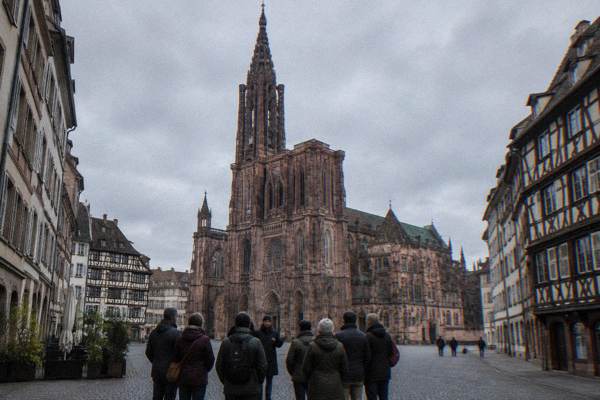
Strasbourg, the capital of Alsace in north-eastern France, sits on the River Ill beside the German border and packs a Gothic cathedral, a UNESCO-listed old town and a serious food scene into a walkable centre. Here is how to decide whether it deserves your days.
Short answer
Yes, Strasbourg is worth visiting. The city pairs a single-spired Gothic cathedral with a UNESCO-listed Grande Île, a working river quarter in Petite France, Alsatian winstub cooking and easy tram access, all in a compact centre. Two days cover the core; three let you add a wine village or a Black Forest day trip.
Strasbourg, in Alsace in north-eastern France, sits on the River Ill a short way from the Rhine, which forms the border with Germany, and it rewards a visit more reliably than its size suggests. The commune counted 293,771 residents at the last INSEE census estimate, which makes it a mid-sized French city, yet its historic core is one of the most complete in Europe: a UNESCO World Heritage property covering both the Grande Île and the later Neustadt extension. The question "is Strasbourg worth visiting" is really a question about what you want from a short city break, and this guide answers it with real figures, honest drawbacks and a plan you can actually book.
What Makes Strasbourg Worth Visiting?
Strasbourg is worth visiting because it concentrates three things that usually require separate trips: a Gothic cathedral with a single spire and a viewing platform at 66 m, an intact medieval river quarter of half-timbered houses, and the seat of the European Parliament, all within walking or tram distance of each other. Add Alsatian cooking, a wine region on the doorstep and a German border you can cross by tram, and the city works as a short break for people whose interests normally pull them apart. It is also genuinely walkable, which not every historic French city can claim.
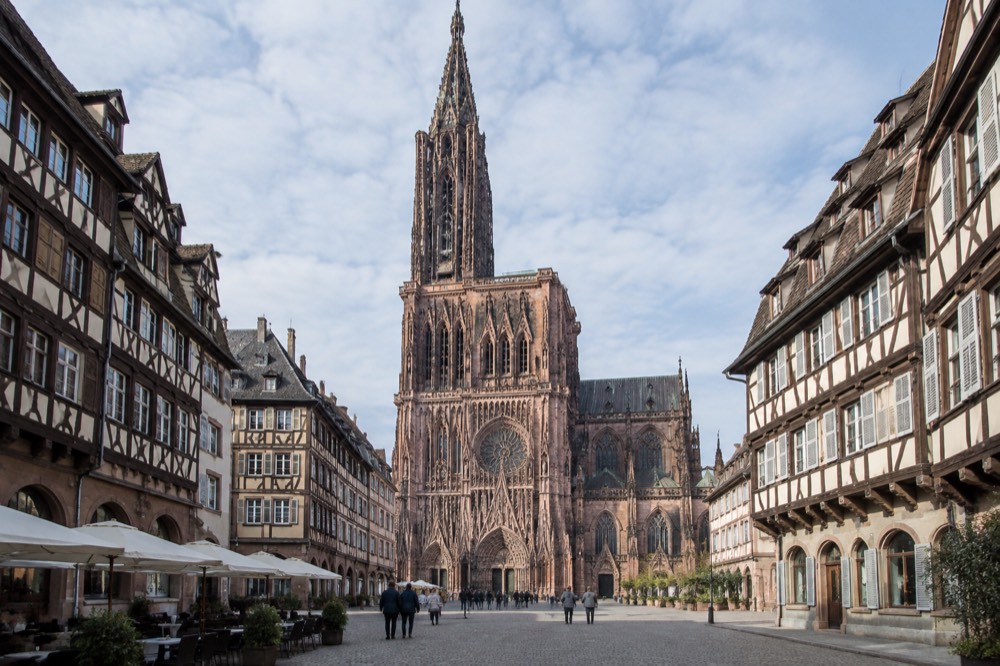
The honest case starts with the cathedral. Strasbourg Cathedral carries a single spire, not the twin towers of a typical French Gothic church, and its platform sits at 66 m, reached by stairs for a 10 EUR full-price ticket or 6 EUR reduced, with children under 6 free. The astronomical clock inside runs a full automaton show daily at 12:30, ticketed at 4 EUR for adults, sold on the day only. Those two experiences alone fill a morning, and neither exists anywhere else in the region.
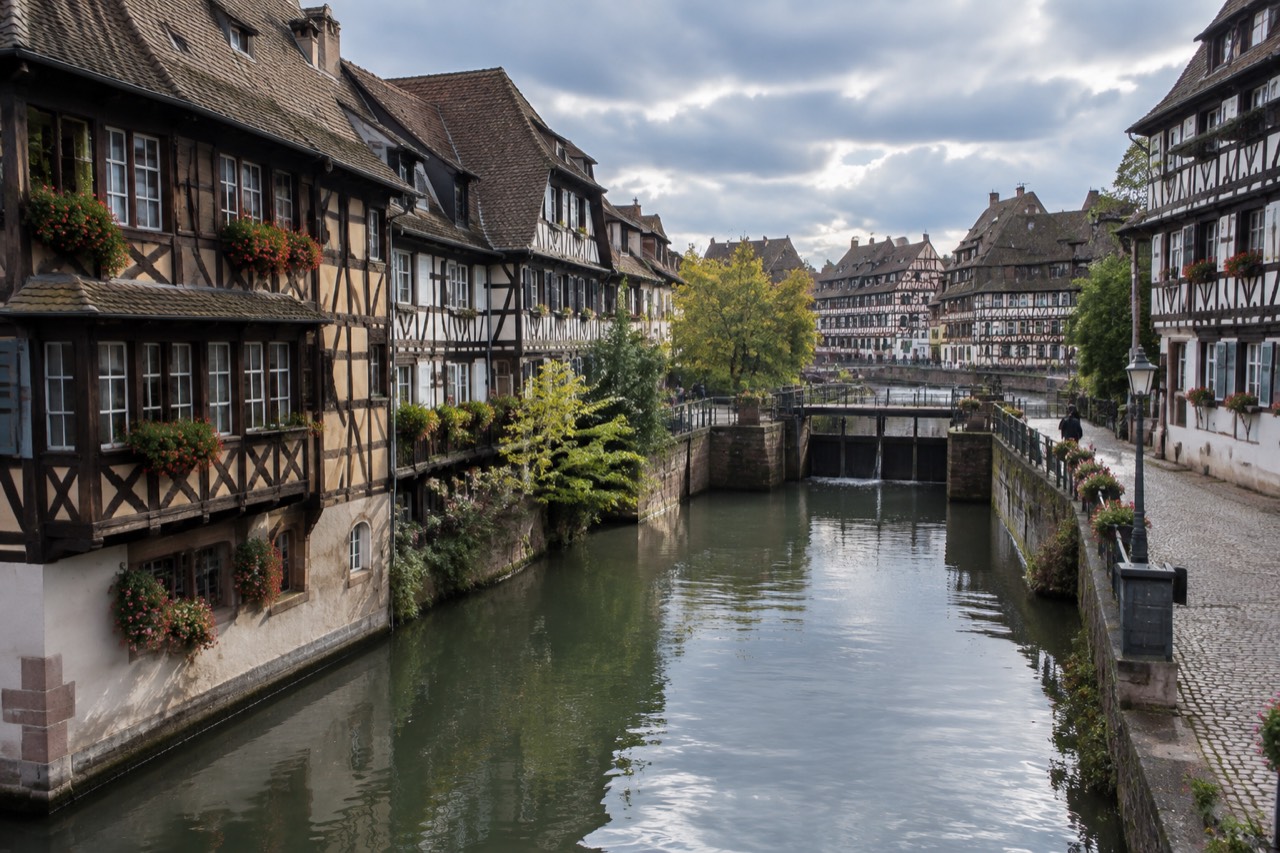
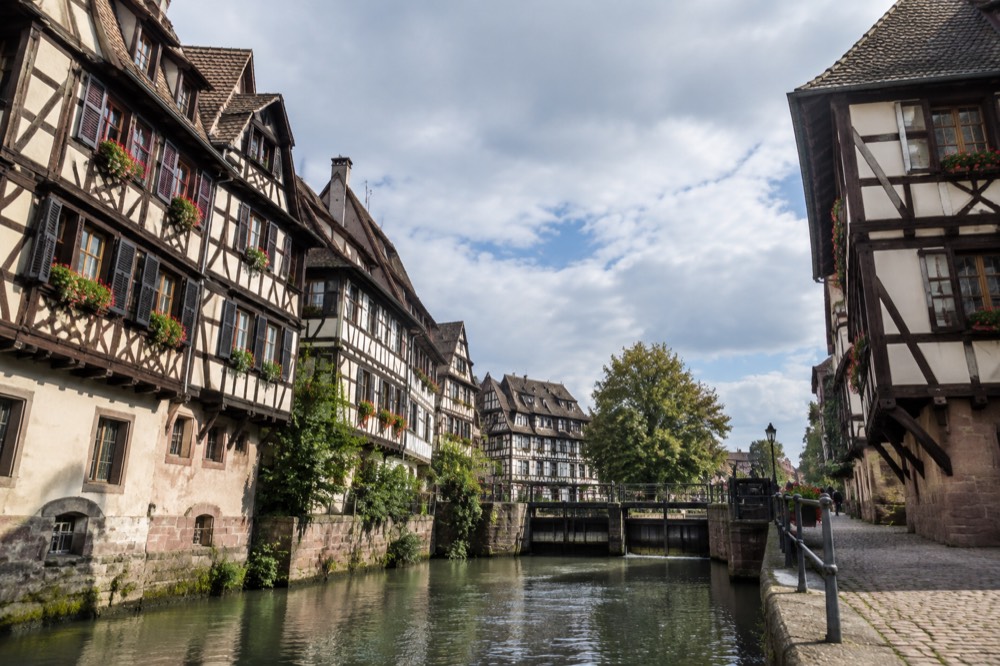
The second pillar is the fabric of the old town. Petite France, the former tanners' and millers' quarter at the western tip of the Grande Île, is a working neighbourhood of half-timbered houses, canals and weirs rather than a reconstructed film set, and it sits a few minutes on foot from the cathedral. The Ponts Couverts and the Barrage Vauban terrace frame the river views; the terrace keeps seasonal opening hours, and the Musée de l'Œuvre Notre-Dame holds the cathedral's original sculpture nearby. For a fuller argument on the quarter, see the site's Petite France neighbourhood guide.
Want someone to walk you through the old town's streets and stories? Book a free walking tour here.
The third pillar is the one people forget: Strasbourg is a European capital. The European Parliament, the Council of Europe and the European Court of Human Rights all sit in the European Quarter east of the Ill, and the Parlamentarium Simone Veil visitor centre opens Mon-Fri 09:00-18:00 and Sat 09:30-12:00 and 13:00-18:00 outside plenary weeks, with an airport-style security check at the door. Few cities of this size offer a cathedral morning and an institutional afternoon.
| What you want from a trip | What Strasbourg delivers | The honest caveat |
|---|---|---|
| Landmark architecture | Single-spired Gothic cathedral, platform at 66 m, astronomical clock | Platform and clock are paid, ticketed separately |
| Historic atmosphere | Grande Île and Neustadt, UNESCO World Heritage property | The Neustadt is quieter, spread over a wider area |
| Food and wine | Winstub cooking, Alsatian wines, tarte flambée | Popular winstubs fill up at peak dinner hours |
| Politics and institutions | European Parliament quarter, Parlamentarium visitor centre | Plenary-week hours differ; security check required |
| Day trips | Alsace wine villages, Black Forest, Haut-Koenigsbourg | The best ones need a full day, by tour or by car |
How Many Days Do You Need In Strasbourg?
Two full days are enough for the core Strasbourg experience: the cathedral with its platform and clock, Petite France, the Ponts Couverts and Barrage Vauban, a winstub dinner and a river boat tour. Three days let you add the European Quarter and one day trip into Alsace or the Black Forest, and that third day is where the trip stops being a city break and becomes a regional one. One day works only for the Grande Île highlights.
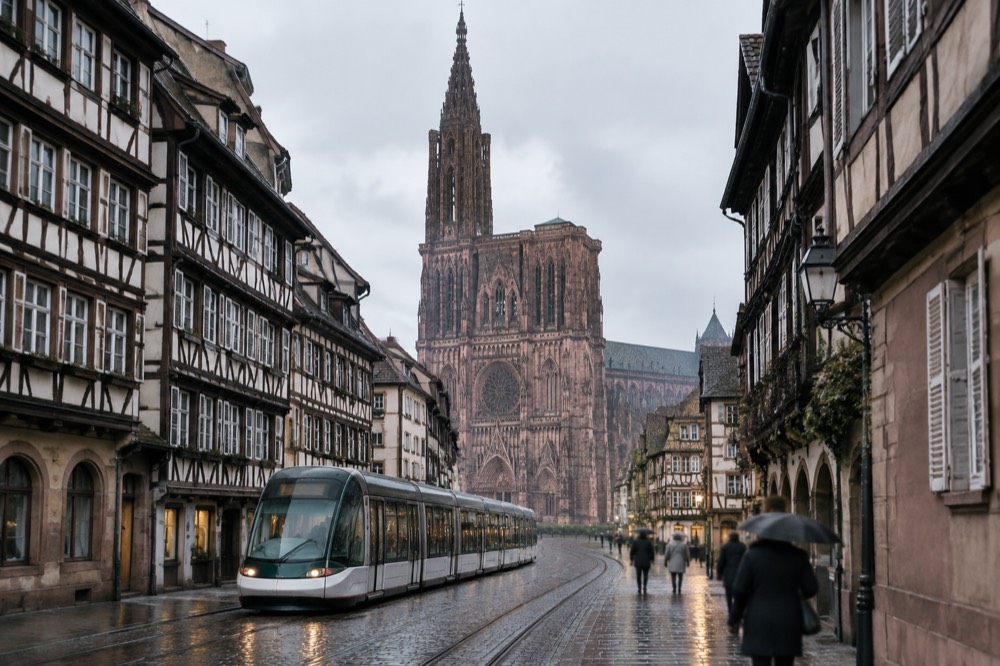
A one-day visit is tight but real. The cathedral opens its nave Mon-Sat 08:30-11:15 and 12:45-17:45, and on Sundays and feast days 14:00-17:15, so an early start is possible. The clock show at 12:30 fixes the shape of the morning; the platform climb fits either before it or in the afternoon window. Petite France, the Ponts Couverts and the Barrage Vauban terrace chain together on foot in an hour or two. What one day cannot absorb is a boat tour at a relaxed pace plus the European Quarter plus a proper dinner reservation, so treat it as a sampler, the way many travellers do on a short stop between Paris and elsewhere.
Two days split naturally into an old-town day and a wider day. Day one: cathedral, platform, clock, Musée de l'Œuvre Notre-Dame, Petite France, Ponts Couverts, dinner in a winstub. Day two: a Batorama river tour (the long circuit runs 1h10, the short one 0h45), the museums of the Palais Rohan if the weather turns, and the evening in the Krutenau quarter east of the Ill. The municipal museums charge 9 EUR full price, 5 EUR reduced, and a 1-day Pass Musées costs 20 EUR, so a museum-heavy second day has a clear price ceiling.
Three days is the version this site recommends, because the third day buys the thing Strasbourg does better than almost any other French city: a border-hopping day trip. Colmar, the wine villages of Riquewihr and Eguisheim, Haut-Koenigsbourg Castle, the Black Forest around Freiburg and Titisee, and even Basel in Switzerland all sit within a day-trip arc of the city. A guided option such as the full-day Colmar, Riquewihr and Haut-Koenigsbourg tour handles the driving, the parking and the village timing in one move; check availability on the operator's listing before locking your dates.
| Trip length | What fits comfortably | What you sacrifice |
|---|---|---|
| 1 day | Cathedral, clock show, Petite France, Ponts Couverts | Boat tour, European Quarter, day trip, relaxed meals |
| 2 days | All of the above plus Batorama cruise and museums | Any day trip beyond the city |
| 3 days | Two city days plus one Alsace or Black Forest day trip | A second day trip, or deep time in the Neustadt |
| 4+ days | Two day trips, Basel, slower pacing | Nothing essential; this is the relaxed version |
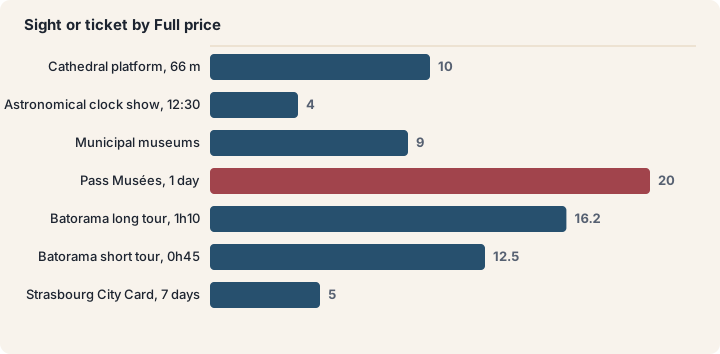
What Does A Trip To Strasbourg Cost?
Strasbourg is a mid-priced French city break: cathedral entry to the nave costs nothing, the platform is 10 EUR full price, the astronomical clock show 4 EUR, municipal museums 9 EUR full price, a 1-day museum pass 20 EUR, and the Batorama river tours run 12.50 EUR to 16.20 EUR full price, so two sight-heavy days of paid entries stay modest per person before food and bed. The Strasbourg City Card, at 5 EUR for seven days, is a discount card rather than a pass, and it earns its price back quickly.
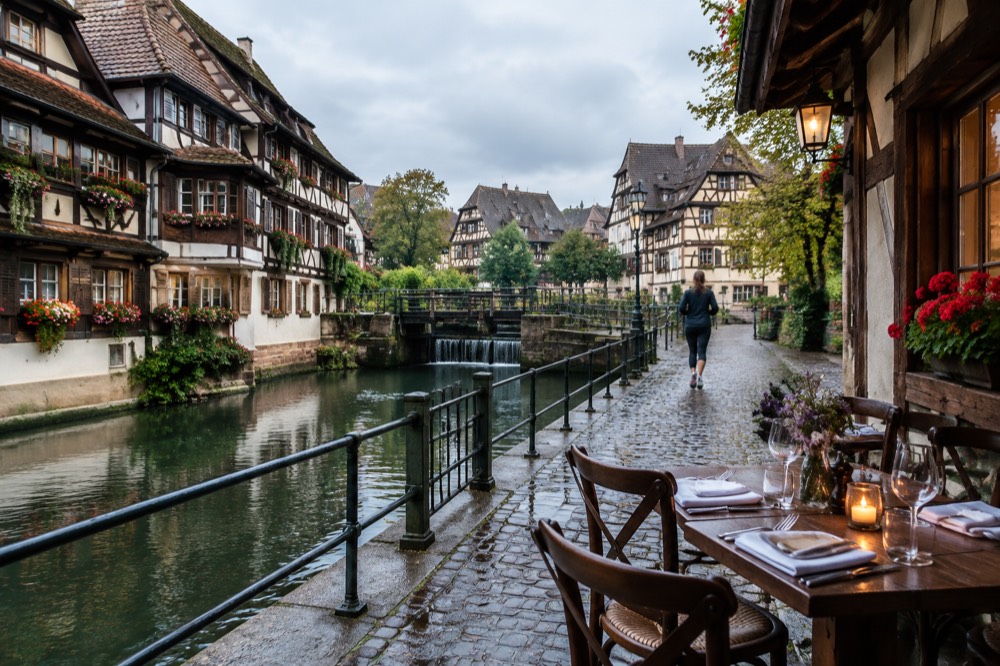
The sight costs are transparent and low. The cathedral nave is open to visitors in the hours above; the platform ticket is 10 EUR normal and 6 EUR reduced, children under 6 free; the clock show is 4 EUR for adults with day-of sales only. The municipal museums, including the Musée des Beaux-Arts, MAMCS and the Musée de l'Œuvre Notre-Dame, charge 9 EUR full and 5 EUR reduced, and every one of them is free on the first Sunday of the month, a detail worth building a weekend around. The Musée Alsacien is closed for works until 2028, so leave it off any plan.
The City Card deserves a plain explanation because it is often mis-sold by summary pages. At 5 EUR adult and 3.50 EUR for children aged 3 to 17, valid seven days, it gives reductions rather than included entry: discounts at the municipal museums, on the boat tours, on the cathedral platform and on the astronomical clock. A visitor doing the platform, the clock, one museum and one Batorama cruise gets the card's price back in reductions alone, and the site's Strasbourg City Card guide runs the arithmetic in full. The 1-day Pass Musées at 20 EUR is the better buy only on a museum-stacked day.
| Sight or ticket | Full price | Reduced price | Notes |
|---|---|---|---|
| Cathedral nave | No entry charge | No entry charge | Mon-Sat 08:30-11:15 and 12:45-17:45 |
| Cathedral platform, 66 m | 10 EUR | 6 EUR | Children under 6 free; closed 1 Jan, 1 May, 25 Dec |
| Astronomical clock show, 12:30 | 4 EUR | 3 EUR groups and students to 25, 2 EUR children 6-17 | Day-of purchase only, no reservations |
| Municipal museums | 9 EUR | 5 EUR | Free for everyone on the first Sunday of the month |
| Pass Musées, 1 day | 20 EUR | Single rate | Covers the municipal museums |
| Batorama long tour, 1h10 | 16.20 EUR | 8.90 EUR | Red circuit |
| Batorama short tour, 0h45 | 12.50 EUR | 7.20 EUR | Blue circuit |
| Strasbourg City Card, 7 days | 5 EUR | 3.50 EUR ages 3-17 | Discount card, not an all-inclusive pass |
Food is where budgets bend. A winstub dinner, choucroute or baeckeoffe with a carafe or a glass of local riesling, prices like a normal French bistro rather than a capital-city splurge, and lunch options around the markets run cheaper again. The site's budget guide to Strasbourg and the free things to do in Strasbourg page carry the money-saving detail, including the first-Sunday museum rule and the public squares that cost nothing to enjoy.
Is Strasbourg Easy To Reach And Get Around?
Strasbourg is easy to reach and unusually easy once you arrive: the airport shuttle train runs up to five times an hour and takes 8 minutes to the central station, a CTS single ticket costs 1.90 EUR bought in the app or by contactless, a 24-hour Solo pass is 4.60 EUR, and the whole Grande Île is walkable end to end. The city also sits on a high-speed rail line from Paris, with journeys under two hours on the fastest services, so it works as a car-free destination.
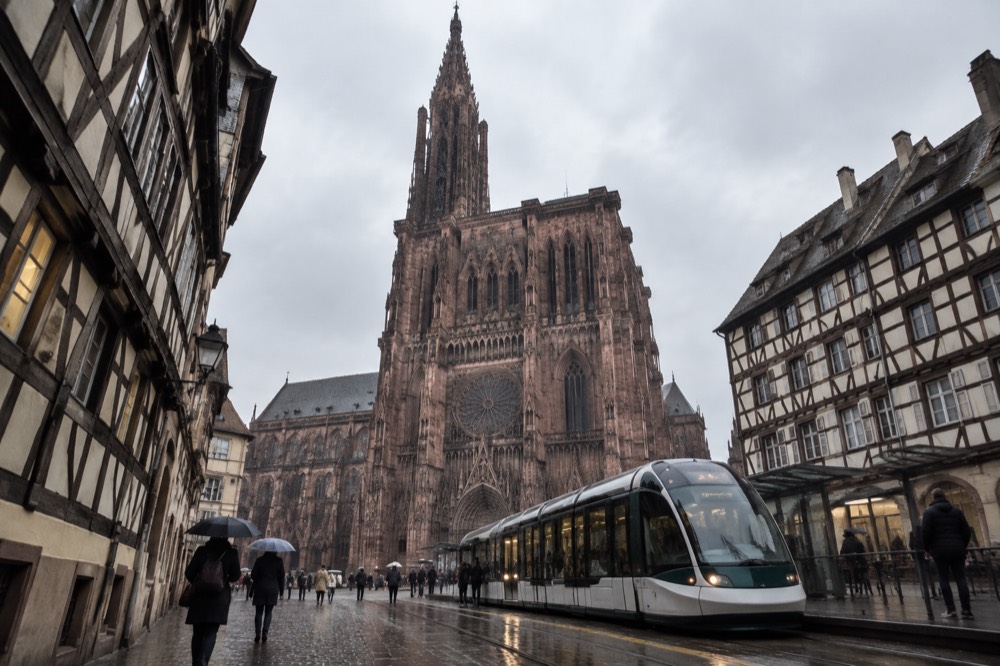
Getting in is the first surprise for visitors expecting a remote provincial city. Strasbourg Airport at Entzheim connects to the central station by a TER shuttle, up to five trains an hour in the daytime, 8 minutes door to door, and a combined airport ticket covering the train plus a day of tram and bus travel costs 4.60 EUR. From Paris, high-speed services cover the distance in under two hours at their fastest; the site's Paris to Strasbourg guide covers the rail options, and the getting around Strasbourg page handles the local network in detail.
The local transport prices reward a small amount of planning. A single ticket is 1.90 EUR through the Badgéo card, the CTS app or contactless payment, but 2.50 EUR if bought from the driver on board, so the app pays for itself immediately. The 24h Solo pass at 4.60 EUR beats three singles; the 24h Trio at 10.20 EUR covers two or three people travelling together. The tram network reaches the European Quarter, the Neustadt and the central station, so a hotel anywhere on a tram line keeps the whole city accessible without a car.
| CTS ticket | Price | What it covers |
|---|---|---|
| Single, app or contactless | 1.90 EUR | One journey on tram or bus |
| Single, bought on board | 2.50 EUR | Same journey, higher price |
| 24h Solo | 4.60 EUR | One person, unlimited tram and bus for 24 hours |
| 24h Trio | 10.20 EUR | Two or three people travelling together |
| Airport combined ticket | 4.60 EUR | TER airport shuttle plus a 24h EMS travel day |
Crossing into Germany needs no ceremony: Kehl sits across the Rhine, France and Germany are both in the Schengen area and both use the euro, and a tram ride is all the border formalities you will meet. That two-nation position is part of the answer to whether the trip is worth it, because it doubles the day-trip map without doubling the logistics.
What Is The Food And Wine Like?
The food is the strongest argument for visiting: Alsatian cooking is a distinct tradition, not French food with a German accent, built around choucroute garnie, baeckeoffe, tarte flambée and kougelhopf, served in winstubs, the wood-panelled dining rooms of the old town, and paired with dry Alsace riesling and crémant made in the hills an hour away. A visitor who eats well in Strasbourg has done the region properly.
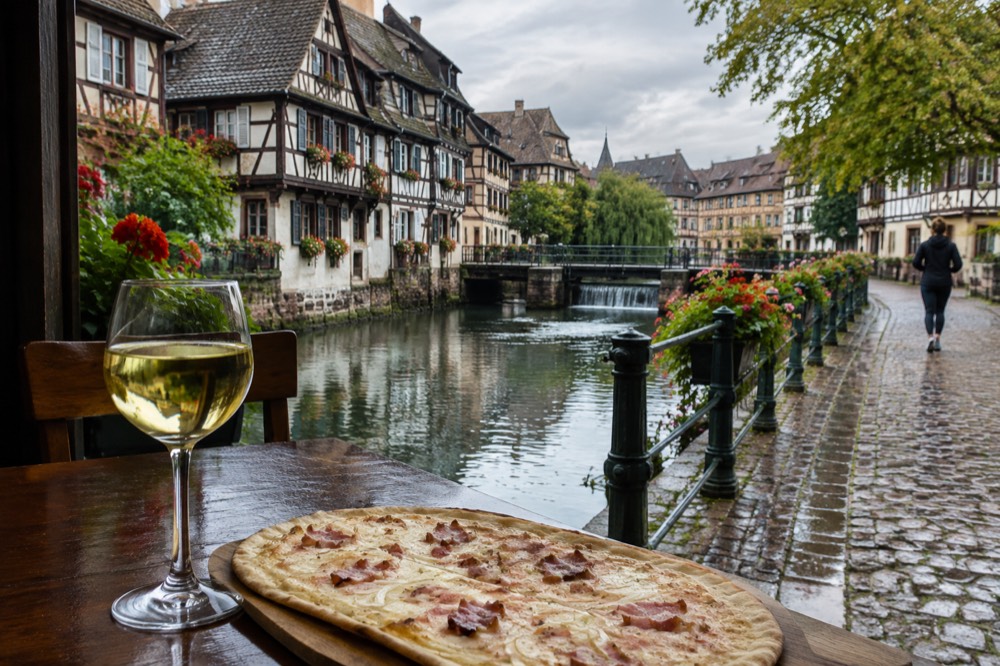
The winstub is the institution to understand. These are licensed taverns, historically tied to winemakers, serving generous plates in rooms that have not changed shape in a century, and they cluster in the Grande Île and the Krutenau. The dishes to know are choucroute garnie, sauerkraut heaped with pork and sausage; baeckeoffe, a slow-baked casserole of three meats and potatoes; and tarte flambée, the thin cream-and-bacon tart baked in minutes. Kougelhopf, the brioche-like moulded cake, is the breakfast and dessert staple. The site's winstubs in Strasbourg and Strasbourg food pages go dish by dish.
The wine deserves its own evening. Alsace grows riesling, pinot gris, gewurztraminer and sylvaner on slopes you can visit on a day trip, and crémant d'Alsace, the traditional-method sparkling wine, is the local aperitif. You do not need to leave the city to taste any of it: a guided gourmet walk pairs the old town with tastings at several stops, and the operator's listing carries the current price and availability. Check availability if a food-led first evening sounds like your kind of arrival.
For travellers who prefer to plan meals themselves, the practical advice is short. Book the winstub dinner, especially at weekends and without fail during the Christmas market period, when the city's visitor numbers swell. Lunch is the relaxed meal, and the covered markets and bakery counters of the centre feed a sightseeing day cheaply. The best restaurants in Strasbourg page holds the current shortlist.
When Is The Best Time To Visit Strasbourg?
The best time to visit is late spring through early autumn: May to September brings mean daily maxima from 20.9 C to 26.4 C and the café-and-river version of the city, while December brings the Christmas market, the single biggest reason people come, at the price of crowds and mean December maxima of 5.9 C. Winter visitors are trading warmth for atmosphere, and the trade is worth it for many.
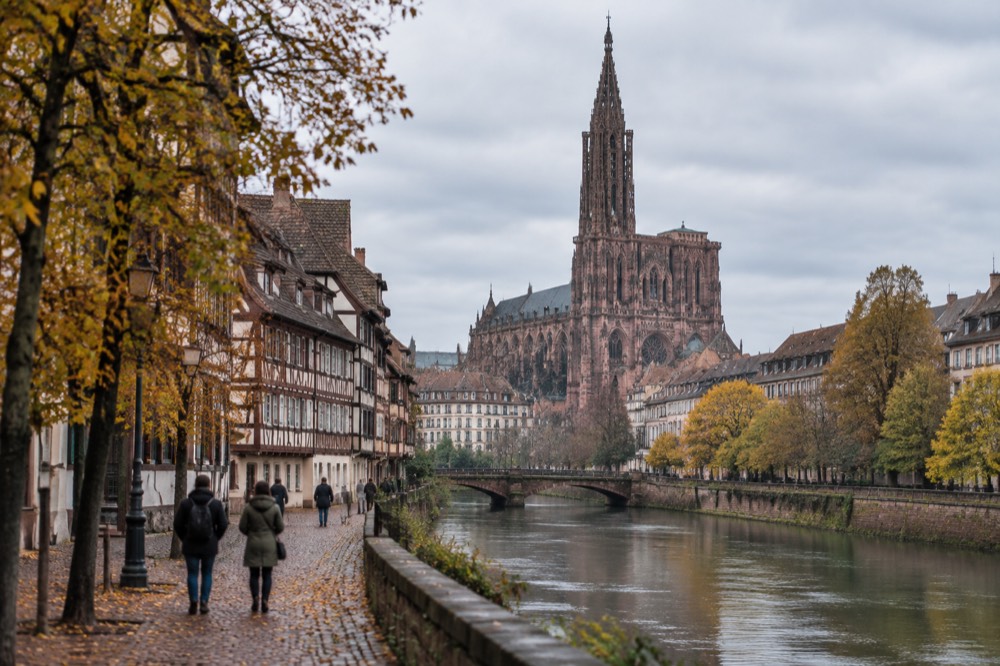
The climate is semi-continental, which means real winters and warm summers, not the mild oceanic pattern of western France. The Meteo-France 1991-2020 normals for Strasbourg-Entzheim put July at a mean maximum of 26.4 C and January at 5.2 C, with 635.7 mm of rain spread over 112.3 rain days a year. Rain falls somewhere in every month; there is no dry season, so packing a compact umbrella is simply part of visiting. The site's Strasbourg weather and best time to visit Strasbourg pages carry the month-by-month detail.
| Month | Mean max C | Mean min C | Rain days of 1 mm or more |
|---|---|---|---|
| March | 12.1 | 2.6 | 8.5 |
| May | 20.9 | 10.1 | 10.8 |
| July | 26.4 | 14.9 | 10.4 |
| September | 21.6 | 10.7 | 8.0 |
| December | 5.9 | 0.8 | 10.2 |
Each season sells a different city. Spring fills the Parc de l'Orangerie and the riverside walks; summer puts tables on the quays and fills the boat tours; autumn turns the vineyards on the day-trip routes gold; winter is the market season, covered in the next section. The shoulder months of May, June and September combine the warmest odds on dry sightseeing with thinner crowds than July and August, and the Strasbourg in spring, summer and autumn guides each make the seasonal case.
Is Strasbourg Worth It At Christmas?
At Christmas, Strasbourg becomes one of the most visited market cities in Europe: last year's edition ran 26 November to 24 December 2025 and drew 3.05 million visitors, and the 2026 dates follow the usual pattern of opening in the last week of November and closing on 24 December. The city bills itself as the Capital of Christmas, and the market fills the Grande Île's squares with chalets, a great tree on Place Kléber and mulled wine against cold that averages 0.8 C overnight in December.
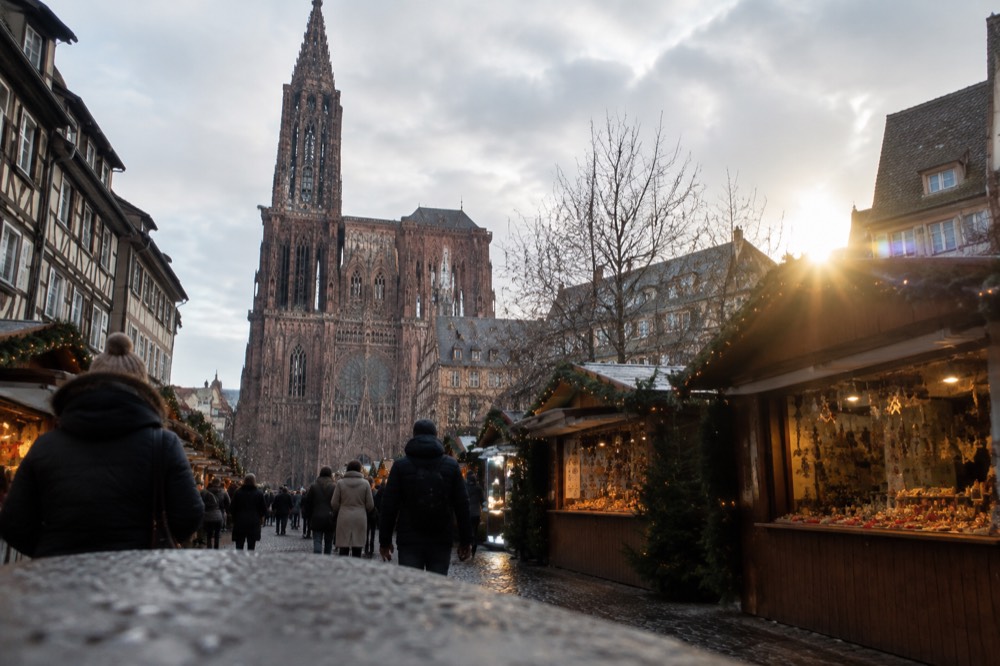
The honest framing matters here. The 2026 dates and programme are still being finalised on the city's official Christmas site, so plan against the pattern rather than a published calendar: opening in the last week of November, running to 24 December, with chalets typically open from late morning into the evening and an early-evening close on the 24th. The 2025 edition, 26 November to 24 December, is the reference point. Crowds are heavy, hotel prices climb, and winstub tables need booking, but the payoff is a market city that does this at a scale and with a history few rivals match. The site's Strasbourg Christmas market guide and the where to stay for the Christmas market page are the planning tools for that window.
If the December trip is the whole point, decide early. The market period is the one stretch of the year when Strasbourg genuinely sells out, and the trade-off between staying inside the Grande Île and staying out along a tram line is worth making consciously. The Strasbourg in winter guide covers the non-market case too, for travellers who want the cold, quiet city without the crowds.
What Can You See Beyond The City?
Strasbourg's day-trip range is the quiet reason the trip is worth it: the Alsace wine route villages of Riquewihr, Eguisheim, Kaysersberg and Obernai, the Haut-Koenigsbourg Castle above the plain, Colmar's canal old town, the Black Forest around Freiburg and Titisee, and Basel in Switzerland all sit within a single day's arc, and the border position means German and French options compete for the same day. Few French cities offer this spread without a long drive.
The classic pairing is the full-day Alsace circuit: Colmar for the canals and the Unterlinden collections, a wine village or two, and Haut-Koenigsbourg Castle for the view over the plain. Doing it independently means a rental car and village parking; doing it with a guide means the timing is solved. The full-day Colmar, Riquewihr and Haut-Koenigsbourg tour is this site's featured pick for that day, covering the castle and two of the region's showpiece villages in a single loop from Strasbourg. Check availability on the operator's listing before you build the rest of the itinerary around it.
The German option is just as close. The Black Forest day trip to Freiburg, Titisee and Triberg pairs a university city with a lake and the forest's famous clocks, and it makes a genuine contrast with the Alsatian day: different architecture, different cake, same border-hopping ease. The site's Black Forest guide and the Alsace wine route page map both halves of the choice.
| Day trip | What it is for | Who it suits | What to check |
|---|---|---|---|
| Colmar and wine villages | Canal old town, half-timbered streets, tasting rooms | First-time visitors to Alsace | Tour days and village stops on the listing |
| Haut-Koenigsbourg Castle | Restored hilltop fortress with plain-wide views | Families, photographers | Opening days and castle access |
| Alsace wine route | Riesling and pinot gris slopes, village cellars | Wine-led travellers | Tasting room days, driver or tour |
| Black Forest, Freiburg and Titisee | German city, lake and forest scenery | Repeat visitors, contrast seekers | Seasonal lake and town hours |
| Basel | Swiss Rhine city, museums | City walkers | Switzerland is not in the euro; budget accordingly |
For travellers who like their day trips darker, the Natzweiler-Struthof memorial site, the former concentration camp in the Vosges, is a half-day option that this site treats with the seriousness it deserves. And for those who would rather stay in the city and go deeper than the postcard layer, a hidden-stories walking tour of Strasbourg's older episodes is the alternative to another village. Check availability if the second angle appeals.
The verdict, then, is straightforward. Strasbourg is worth visiting for the cathedral alone, worth two days for the old town and the food, and worth three for the day trips. It is compact, priced like a normal French city rather than a capital, reachable by fast train and walkable once you arrive. This Strasbourg Travel Guide site exists because the answer to the question is yes, in every season, for every budget short of the very tightest.
Common Questions About Visiting Strasbourg
Is Strasbourg Worth Visiting?
Yes. The city combines a single-spired Gothic cathedral with a platform at 66 m, a UNESCO-listed old town across the Grande Île and Neustadt, Alsatian winstub cooking, and the European Parliament, all in a compact, tram-served centre on the French-German border. Two days cover the core and a third day unlocks Alsace or the Black Forest.
How Many Days Do You Need In Strasbourg?
Two days cover the cathedral, the astronomical clock, Petite France, the Ponts Couverts and a river cruise. Three days add the European Quarter plus one day trip to Colmar and the wine villages, Haut-Koenigsbourg Castle or the Black Forest. One day is a sampler of the Grande Île only.
Is Strasbourg Expensive?
It is a mid-priced French city. The cathedral nave costs nothing to enter and the 1-day museum pass 20 EUR, so two sight-heavy days stay modest in entries. Winstub dinners price like a French bistro, and the first Sunday of the month is free at every municipal museum.
Do You Need A Car In Strasbourg?
No. The Grande Île is walkable end to end, the tram network reaches the European Quarter and the station, a 24-hour Solo pass is 4.60 EUR, and the airport shuttle train covers the 8-minute run to the central station. A car matters only for independent day trips into the wine villages, and a guided tour replaces even that.
Is Strasbourg Worth Visiting At Christmas?
Yes, with planning. Last year's market ran 26 November to 24 December 2025 and drew 3.05 million visitors, and the 2026 edition follows the usual pattern of opening in the last week of November and closing on 24 December. Book rooms and winstub tables early, and confirm the 2026 dates on the city's official Christmas site before you travel.
Is Strasbourg Safe For Visitors?
Yes, Strasbourg is a safe city by normal European city standards, with the usual advice about guarding belongings in crowds, particularly during the Christmas market period when visitor numbers peak. The site's guide to safety in Strasbourg covers the practical detail for solo and family travellers.