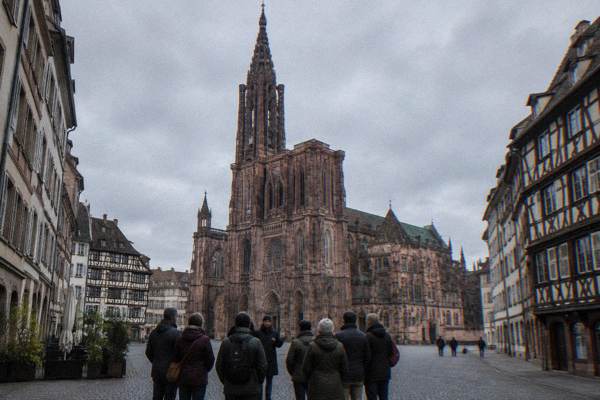
Strasbourg Day Trip From Paris
Strasbourg sits in Alsace, in north-eastern France beside the German border, and the fast train from Paris makes a one-day visit genuinely workable. This guide sets out the realistic plan: what to see, what to skip, and what the day costs.
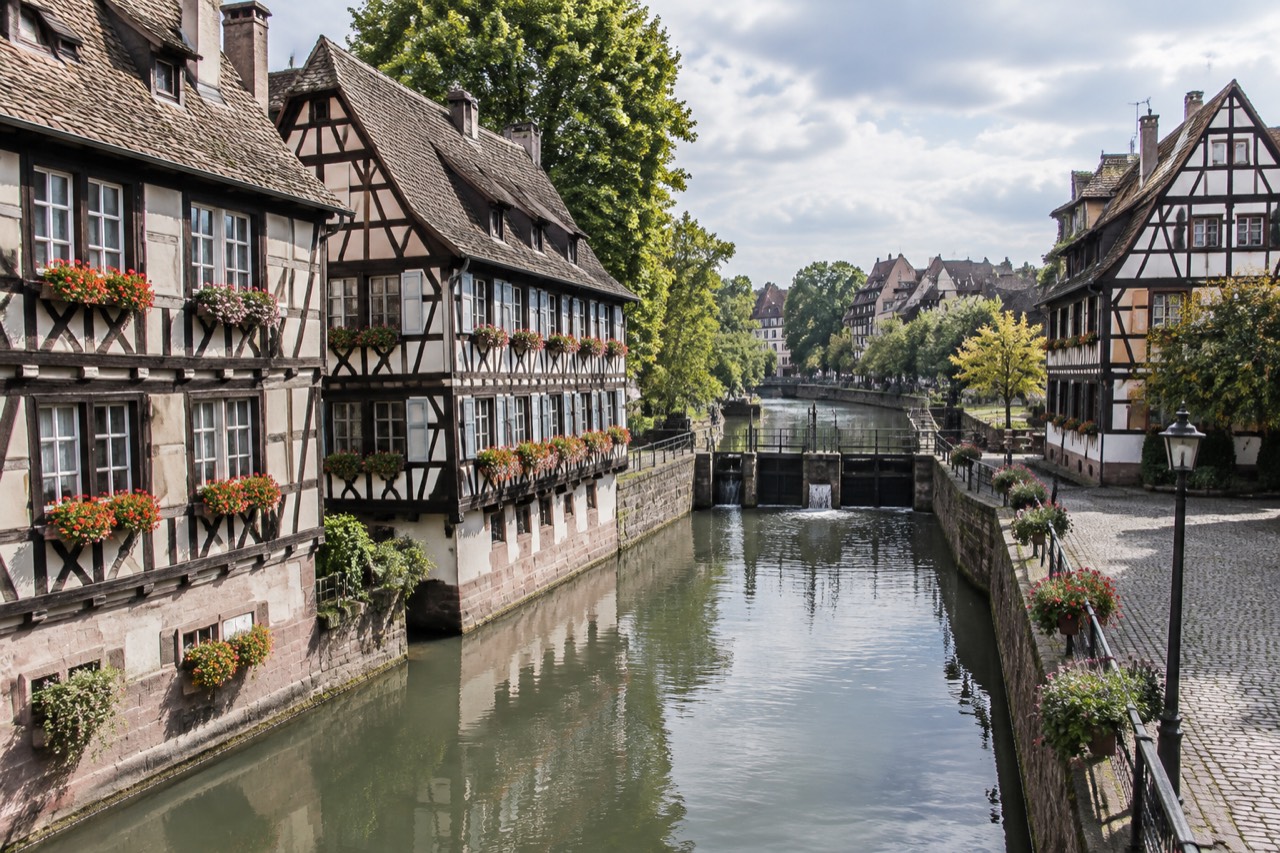
Short answer
Yes, a day trip works: the fastest Paris to Strasbourg TGV is reported at about 1 hour 45 each way. One day covers the cathedral, the astronomical clock show at 12:30 (4 EUR), Petite France and the Grande Île. Budget 10 EUR for the cathedral platform, 4.60 EUR for a 24-hour tram pass, and start early.
Strasbourg, the prefecture of the Bas-Rhin in Alsace, part of the Grand Est region of north-eastern France, sits on the River Ill beside the Rhine, which forms the border with Germany; Kehl is on the far bank. It is a long way from Paris in character, half-timbered and bilingual in feel, and the fast train link has turned it into a feasible target for a single-day escape from the capital. The honest question is not whether you can get there and back in a day, because you can, but how to spend the hours so the day feels like a visit rather than a commute.
Is A Day Trip From Paris To Strasbourg Realistic?
Yes, it is realistic, with one condition: you commit to an early start and accept that the day is about the Grande Île, not the whole region. The fastest trains between Paris and Strasbourg are reported at about 1 hour 45 each way, so a morning arrival and an evening return are both achievable. Travellers who try to add Colmar, a wine village or a German town to the same day end up seeing nothing properly. Treat Strasbourg alone as the prize and the day works.
The arithmetic is friendlier than it looks. Leave Paris on a early-morning train and you can be standing in front of the cathedral before mid-morning. A return train in the early evening still gives you a full day on the ground, including dinner in a winstub if you time it well. What the day trip format removes is slack: there is no room for a late start, a long lunch and an afternoon nap, and none is needed.
It also removes the hotel decision, which matters in December when rooms near the Christmas market are scarce and expensive. If you would rather not race the clock, the alternative is to turn the day trip into an overnight, and the where to stay in Strasbourg guide covers the neighbourhoods worth booking. For a strict out-and-back day, though, everything below assumes you are on the ground by late morning at the latest.
How Do You Get From Paris To Strasbourg?
The practical answer is the direct TGV from Paris Est to Strasbourg station, reported at about 1 hour 45 for the fastest services, with no changes and no need for a flight. Strasbourg's station sits at the western edge of the centre, a short tram or walk from the Grande Île. Buy tickets in advance on SNCF Connect for the best fares, and check the times for your exact date rather than relying on averages. No fare figure is quoted here because fares move with demand.
The train is the whole reason this day trip exists. Flying does not compete for a city of this size and centrality: the airport is a shuttle ride away from Strasbourg itself, and a flight plus transfers eats the advantage. The rail link runs direct from Paris Est, and Strasbourg's station is a genuine city-centre arrival point, not an edge-of-town terminus. From the station, the tram network takes over, and a single ticket is 1.90 EUR bought through the Badgéo card, the CTS app or contactless payment, or 2.50 EUR bought on board a bus.
One planning note on cost: rail pricing on this route is dynamic, and many travellers notice that late bookings are expensive. The question of why the train from Paris to Strasbourg is so expensive comes up often, and the short version is that demand-based pricing rewards booking early. For the full arrival picture, including station facilities and onward connections, see the Paris to Strasbourg guide.
If the day trip idea appeals but the city-only scope feels thin, there is a middle path: arrive in Strasbourg and let a guided excursion carry you outward.
What Should You See In Strasbourg In One Day?
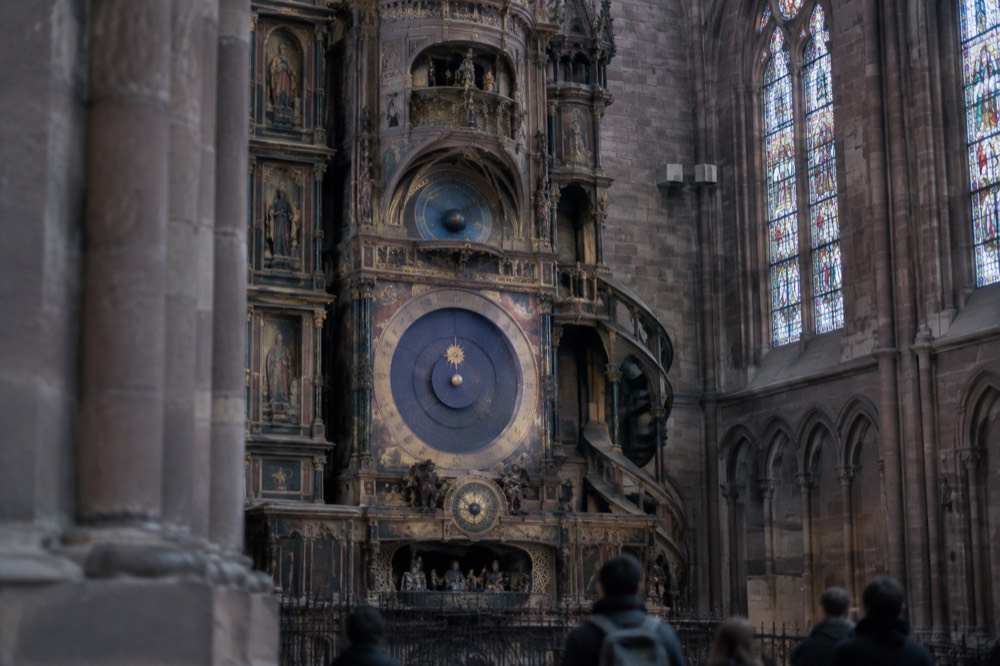
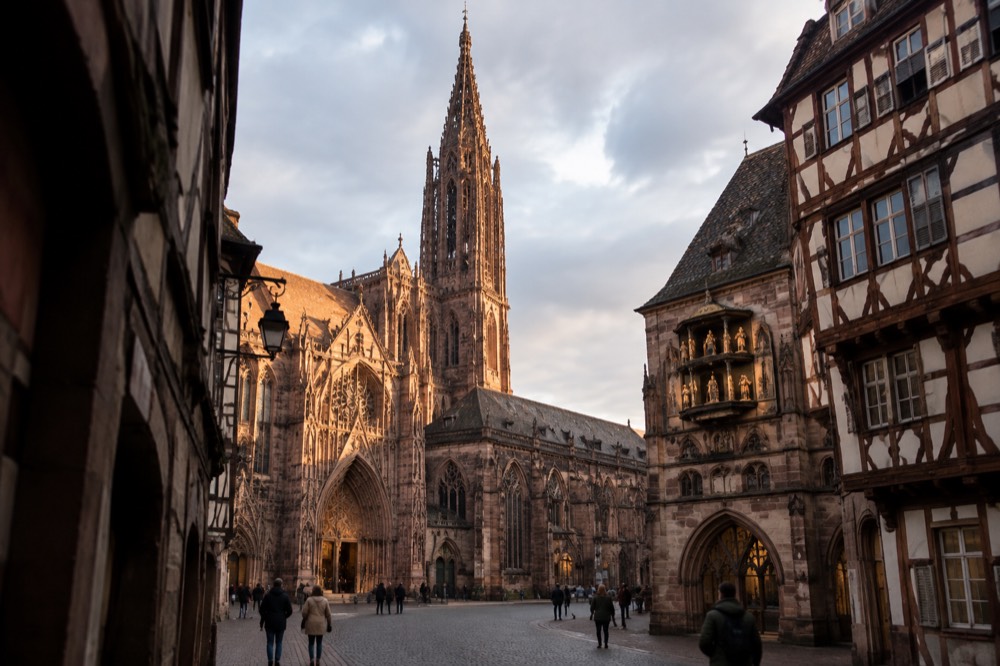
Four things carry the day: Strasbourg Cathedral with its single spire and the tower platform at 66 m, the astronomical clock show at 12:30, the Petite France quarter, and the Grande Île streets between them. The nave is open Monday to Saturday 08:30-11:15 and 12:45-17:45, and on Sunday afternoons 14:00-17:15. The platform costs 10 EUR full fare, 6 EUR reduced, children under 6 free. The clock show costs 4 EUR, tickets on the day only.
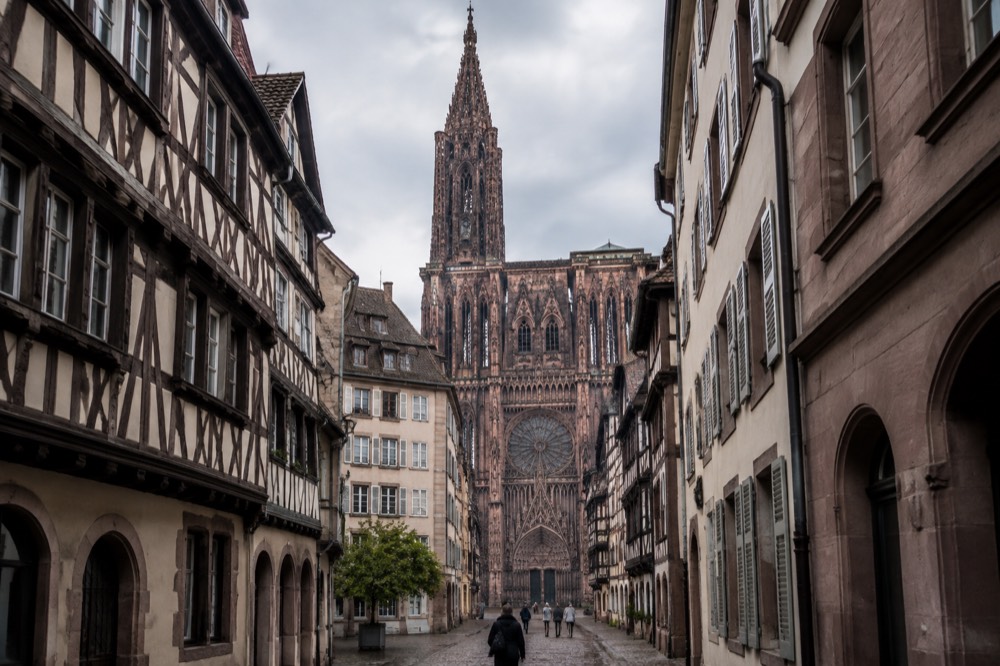
Start at the cathedral, because it anchors the old town and everything else orbits it. The nave hours matter more than you might expect: the morning visiting slot closes at 11:15 and reopens at 12:45, so the natural sequence is a late-morning look inside, the 12:30 clock show, then the platform afterwards. The clock tickets are sold on the day only, at the cathedral stalls between 10:00 and 11:00 or at the Saint-Michel entrance on Place du Château from 11:30, so plan to buy before noon. A guided cathedral tour adds the detail that a walk-through misses, and the Strasbourg Cathedral guide covers the building in depth.
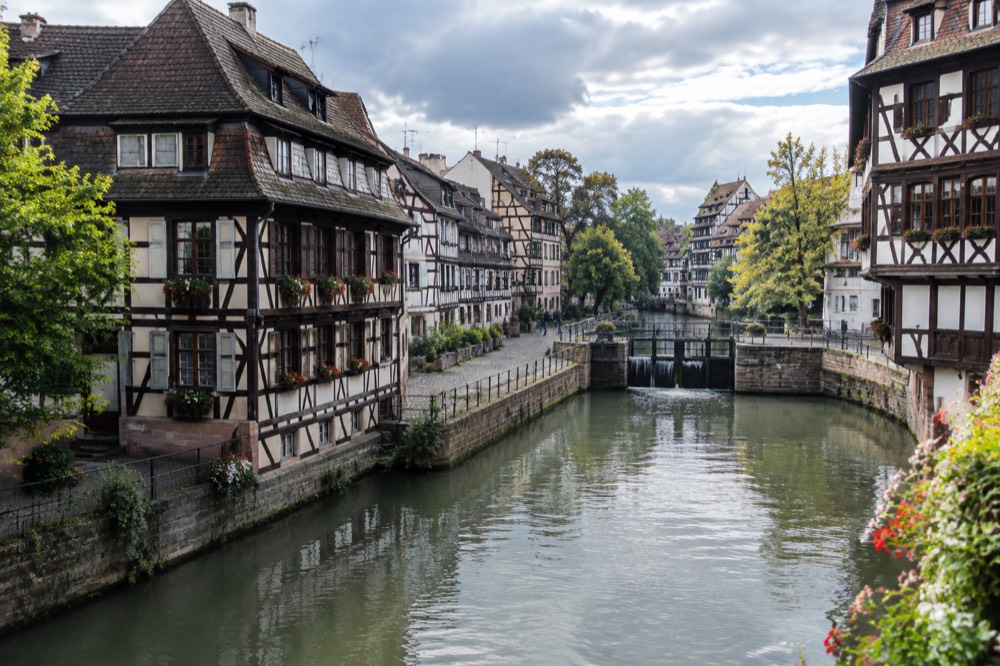
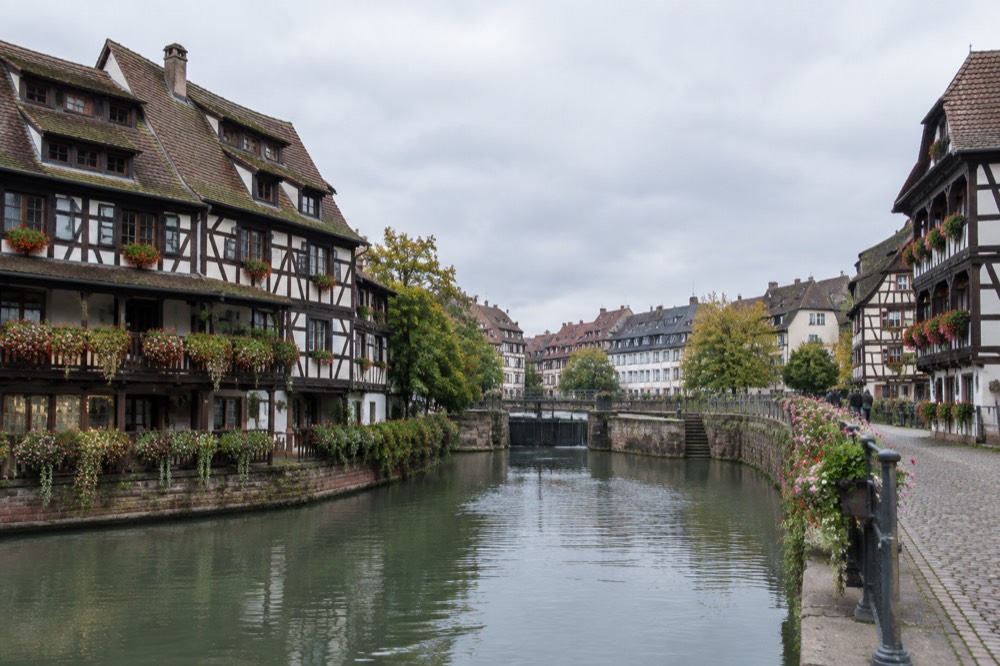
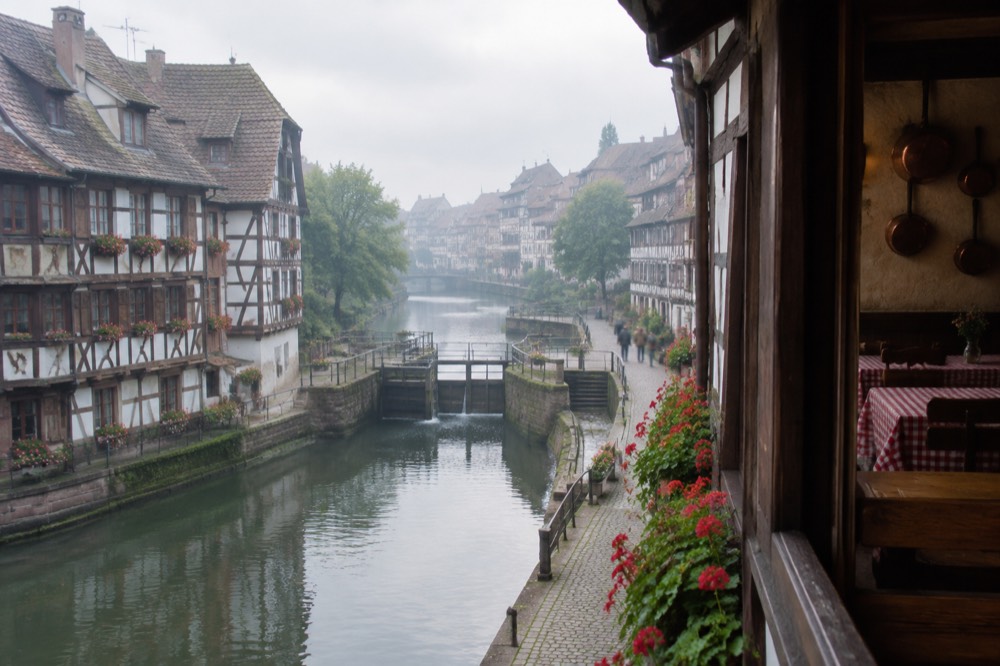
From the cathedral, the walk into Petite France takes you across the Grande Île, the river-island core of the city and a UNESCO World Heritage property together with the Neustadt district. Petite France is the former tanners' and millers' quarter, all timber frames, water wheels and canals, and it is the image of Strasbourg that travels. The Petite France guide maps the lanes worth lingering in. Nearby, the Ponts Couverts and the Barrage Vauban terrace give the classic panorama over the rivers; the terrace keeps seasonal hours, so check the city's page before you count on the view.
A word on expectations: one day is enough for the cathedral, Petite France, the riverfront and a proper winstub lunch, and it is not enough for the European Quarter, the museums and the farther neighbourhoods in addition. The one day in Strasbourg itinerary makes the same trade-off explicit. Choose the core, walk it well, and leave the rest for a second visit, which is a better outcome than a blurred sprint through everything.
How Could A One-Day Schedule Actually Look?
A workable shape is: cathedral interior before 11:15, clock tickets then the 12:30 show, platform ascent in the early afternoon, lunch in a winstub, Petite France and the riverfront through the mid-afternoon, and an unhurried dinner before the evening train. The clock show at 12:30 is the fixed point, since tickets are day-of only. Everything else can slide by half an hour without breaking the day.
The schedule below is a suggestion, not a timetable of operations: the only fixed, verified times are the cathedral nave hours, the 12:30 clock show and the platform's seasonal opening hours, which from 1 April to 30 September run 09:30-13:00 and 13:30-20:00, and from 1 October to 31 March run 10:00-13:00 and 13:30-18:00. Note the platform's midday closure between 13:00 and 13:30, which catches out visitors who assume continuous access. The wider set of guides lives on Strasbourg Travel Guide.
| Time of day | What to do | Why this order |
|---|---|---|
| Late morning | Arrive, walk to the cathedral from the station area | The nave closes to visitors at 11:15 and reopens at 12:45 |
| 11:30 | Buy clock tickets at the Saint-Michel entrance | Clock tickets are sold on the day only, from 11:30 |
| 12:30 | Astronomical clock show | The one fixed appointment of the day, 4 EUR |
| Early afternoon | Cathedral platform ascent | Platform reopens at 13:30 after its midday closure |
| Mid-afternoon | Winstub lunch, then Petite France | The old quarter needs no ticket, only time |
| Late afternoon | Ponts Couverts and Barrage Vauban terrace | Best light on the rivers and the skyline |
| Early evening | Dinner, then the station | Trams run frequently; a single ticket is 1.90 EUR |
If that pace sounds like more self-direction than you want on a tight day, a local guide compresses the learning: the walks cover the cathedral quarter and Petite France and leave you oriented for the rest of the afternoon. That is the argument for a guided walk with a local Strasbourg guide, and the inline option below shows the live listing.
If self-direction feels like too much on a tight day, book a free walking tour here.
For visitors who prefer their orientation with a side of folklore, the secrets walk spends its time on the stories the standard route skips: courtyards, hidden inscriptions and the stranger episodes of the old town. Either walk slots neatly before lunch, and both leave the afternoon free for the riverfront.
Where Should You Eat When Time Is Short?
Eat one proper Alsatian meal, in a winstub, and do not spend the day grazing. The regional plates to look for are tarte flambée, choucroute and baeckeoffe, with kougelhopf as the classic sweet. A winstub lunch of a single course plus a glass of local riesling or a local beer fits a day trip better than a multi-course dinner, because it protects your afternoon.
The food is half the reason to come, and the honest day-trip strategy is to pick one venue and commit. The old-town winstubs around the cathedral and Petite France fill at lunch, so either book ahead or eat slightly off the peak. Tarte flambée, the thin crust with cream, onions and lardons, is the fastest of the classic dishes, which suits a schedule; choucroute is the plate to order if you have a long evening train and nowhere else to be. The tarte flambée guide and the choucroute guide explain what each one actually is, and the winstubs in Strasbourg guide lists the institutions worth the walk.
For a shorter stop, the covered markets and bakeries sell kougelhopf and pretzels that travel well on the train home. Alsatian wine deserves more than a passing glass, and the Alsace wine guide explains the grape names you will see on the chalkboards. If you would rather have the food decisions made for you, a gourmet walk with tastings turns lunch itself into the sightseeing, and the operator's live listing shows the current stops.
Is One Day Enough, Or Should You Stay Overnight?
One day is enough for the Grande Île core, and overnight is the better call if December is your month or if you want the European institutions, the museums or a second town in Alsace. The Christmas market alone justifies a night, because the markets change character after dark and a day trip from Paris in late November and December competes with the highest crowds and the highest room rates of the Strasbourg year.
The overnight case is strongest in the market season and weakest in the shoulder months. In spring or early autumn, a well-run day trip leaves you with the sensation of having seen the city properly; the best time to visit Strasbourg guide breaks the year down month by month. If you do stay, the neighbourhood choice matters more than the hotel brand, and Petite France, the cathedral quarter and the station district each suit a different kind of stay.
For a two-day version, the two days in Strasbourg itinerary adds the Neustadt, the European Quarter and a river cruise without the day-trip clock ticking. The honest framing is this: a day trip from Paris buys you Strasbourg's core and its food; a second day buys you the rest of the city and the first taste of Alsace beyond it.
What Changes If You Come In December?
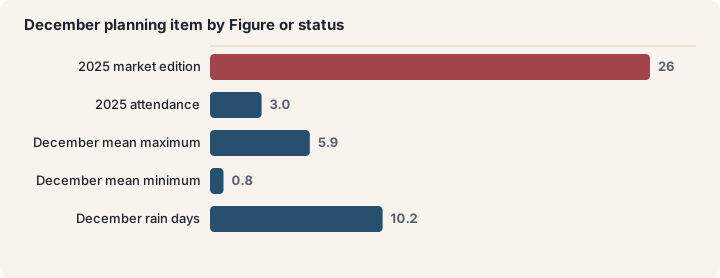
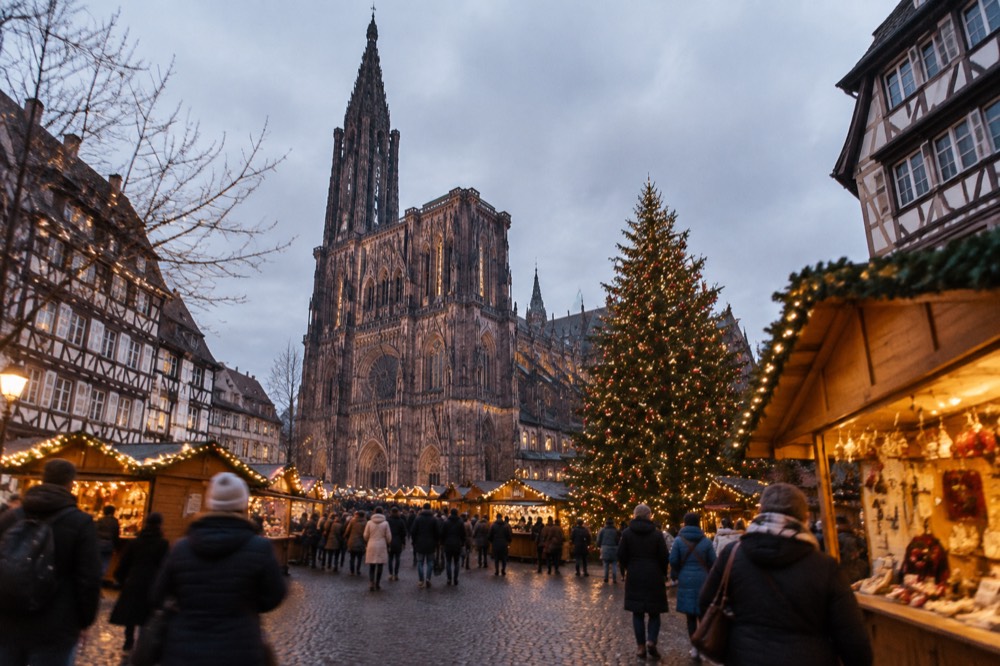
In December the day trip becomes a Christmas market trip, and the plan tightens around the market squares, the cathedral and the early-evening lights. The 2025 edition ran 26 November to 24 December and drew 3.05 million visitors, and the 2026 dates are not yet published: the city's Christmas site states that the official dates and programme are still being finalised. Confirm the 2026 dates there before booking anything.
The market pattern is stable in shape: it opens in the last week of November and runs to 24 December, with the final day closing early in the evening. Chalets typically open from late morning into the evening. What that means for a day trip is that December days run backwards: the market squares are walkable from midday, but the atmosphere concentrates after dark, so a later return train pays for itself in lights. The Strasbourg Christmas market guide covers the squares and the food stalls, and the dedicated Christmas market from Paris guide treats this exact trip in market season.
Weather is part of the December calculation. The Meteo-France 1991-2020 normals for Strasbourg-Entzheim give a December mean maximum of 5.9 C and a mean minimum of 0.8 C, with 45.2 mm of rain falling across 10.2 days of 1 mm or more. That is cold-and-damp rather than snowy, so layers and waterproof shoes matter more than ski gear. The Strasbourg in winter guide covers the rest of the cold-season picture, including what to do when the rain settles in.
| December planning item | Figure or status | Where to confirm |
|---|---|---|
| 2025 market edition | 26 November to 24 December | The city's Christmas site |
| 2025 attendance | 3.05 million visitors | The city's press release |
| 2026 market dates | Not yet published | noel.strasbourg.eu |
| December mean maximum | 5.9 C | Meteo-France 1991-2020 normals |
| December mean minimum | 0.8 C | Meteo-France 1991-2020 normals |
| December rain days | 10.2 days of 1 mm or more | Meteo-France 1991-2020 normals |
What If One City Is Not Enough?
If one city is not enough, base yourself in Strasbourg and take a guided excursion outward instead of squeezing a village and a city into a single Paris day. The featured option here is the Best Of Alsace historical day trip, which runs from Strasbourg through the region's wine villages and sights in one guided day, with price, rating, and current itinerary on the operator's live listing. For self-driving travelers, the Alsace road trip itinerary is the alternative.
That tour is the natural extension of this page: you arrive from Paris, sleep a night in Strasbourg, and spend the following day being carried through the wine country instead of planning it. The Alsace wine route guide and the most beautiful villages in Alsace guide show what that day contains. The live listing below carries the current itinerary, departure point and booking terms.
The other direction is Germany: the Black Forest sits across the Rhine, and the Black Forest day trip guide covers Freiburg, Triberg and the lakes. No door-to-door times or fares for those routes are given here; check the official transport pages for the crossing you have in mind. A common mistake on a first Alsace visit is treating the border as a barrier, when Strasbourg's whole character comes from sitting beside it.
What Will The Day Cost On The Ground?
The fixed, verified costs are small: the cathedral platform at 10 EUR full and 6 EUR reduced, the astronomical clock at 4 EUR, a CTS single ticket at 1.90 EUR or a 24-hour Solo pass at 4.60 EUR, and the Batorama river tours at 16.20 EUR full for the long circuit and 12.50 EUR for the short one. Municipal museums are 9 EUR full, 5 EUR reduced, and free on the first Sunday of each month.
The tables below collect the figures you need so you can budget the ground day without guesswork. Note what is deliberately absent: no train fare, because rail pricing is dynamic; no meal prices, because winstub menus vary; so check the official pages. The Musée Alsacien is closed for works until 2028, so it appears in none of the museum figures.
| Cathedral item | Full fare | Reduced fare | Notes |
|---|---|---|---|
| Nave entry | Stated on the cathedral's hours page | Same | Mon-Sat 08:30-11:15 and 12:45-17:45; Sun 14:00-17:15 |
| Tower platform | 10 EUR | 6 EUR | Under 6 free; platform at 66 m; closed 1 Jan, 1 May, 25 Dec |
| Astronomical clock show | 4 EUR | 3 EUR groups of 12+, students to 25; 2 EUR children 6-17 | 12:30 daily; day-of tickets only |
| CTS ticket | Price | What it covers |
|---|---|---|
| Single, bought via app, Badgéo or contactless | 1.90 EUR | One tram or bus ride |
| Single, bought on board a bus | 2.50 EUR | Same ride, higher on-board price |
| 24h Solo pass | 4.60 EUR | One person, 24 hours |
| 24h Trio pass | 10.20 EUR | Two to three people, 24 hours |
| Sight or ticket | Full price | Reduced price | Verified detail |
|---|---|---|---|
| Batorama long tour | 16.20 EUR | 8.90 EUR | Red circuit lasts 1h10 |
| Batorama short tour | 12.50 EUR | 7.20 EUR | Blue circuit lasts 0h45 |
| Municipal museums, each | 9 EUR | 5 EUR | Free on the first Sunday of every month |
| Pass Musées, 1 day | 20 EUR | Same | Covers the municipal museums for a day |
| Strasbourg City Card | 5 EUR adult, 3.50 EUR child | 7 days | A discount card, not an all-inclusive pass |
The City Card deserves a clear sentence, because it is often misread: it is a 5 EUR discount card valid for 7 days, knocking money off museums, the boat tour, the cathedral platform and the clock, not a pass that includes those things. For a single day with the platform and the clock as the only paid entries, the arithmetic rarely favours it, but a museum-heavy day can change that. The Strasbourg City Card guide works through the sums.
For the wider money picture, including how the day-trip format compares with an overnight in terms of total spend, the Strasbourg on a budget guide is the companion page. And if a rainy afternoon derails the outdoor plan, the rainy day in Strasbourg itinerary reroutes the day around indoor stops.
Common Questions About A Strasbourg Day Trip From Paris
Is a day trip from Paris to Strasbourg realistic?
Yes. The fastest trains are reported at about 1 hour 45 each way, so an early start and an evening return give you a full day on the ground, enough for the cathedral, the clock show, Petite France and a winstub meal.
How long is the train from Paris to Strasbourg?
The fastest TGV services are reported at about 1 hour 45 between Paris Est and Strasbourg. Check SNCF Connect for the exact times and fares on your date, because pricing is dynamic.
What should you see in Strasbourg in one day?
The core four: the cathedral nave and its 66 m platform, the 12:30 astronomical clock show, Petite France, and the Ponts Couverts with the Barrage Vauban terrace view. The Grande Île holds all of them within walking distance.
How much does the day cost in Strasbourg?
The verified fixed costs are the platform at 10 EUR full and 6 EUR reduced, the clock show at 4 EUR, and trams at 1.90 EUR a single or 4.60 EUR for a 24-hour Solo pass. The Batorama long river tour is 16.20 EUR full fare.
Is December a good month for this day trip?
It is the most atmospheric month and the most crowded. The 2025 Christmas market ran 26 November to 24 December and drew 3.05 million visitors; the next edition's dates are not yet published, so confirm them on the city's Christmas site before booking.
Can you combine Strasbourg with Colmar or the wine villages in one day from Paris?
Not sensibly. A single day from Paris is enough for Strasbourg's core alone; adding a second town turns the trip into a blur of timetables. Base in Strasbourg and take a guided Alsace excursion, such as the Best Of Alsace day trip, on a second day instead.