Paris To Strasbourg Train
The Paris to Strasbourg train links the French capital with the Alsatian capital in well under two hours on the fastest services, dropping you a short tram ride from a medieval island city that looks nothing like Paris.
Short answer
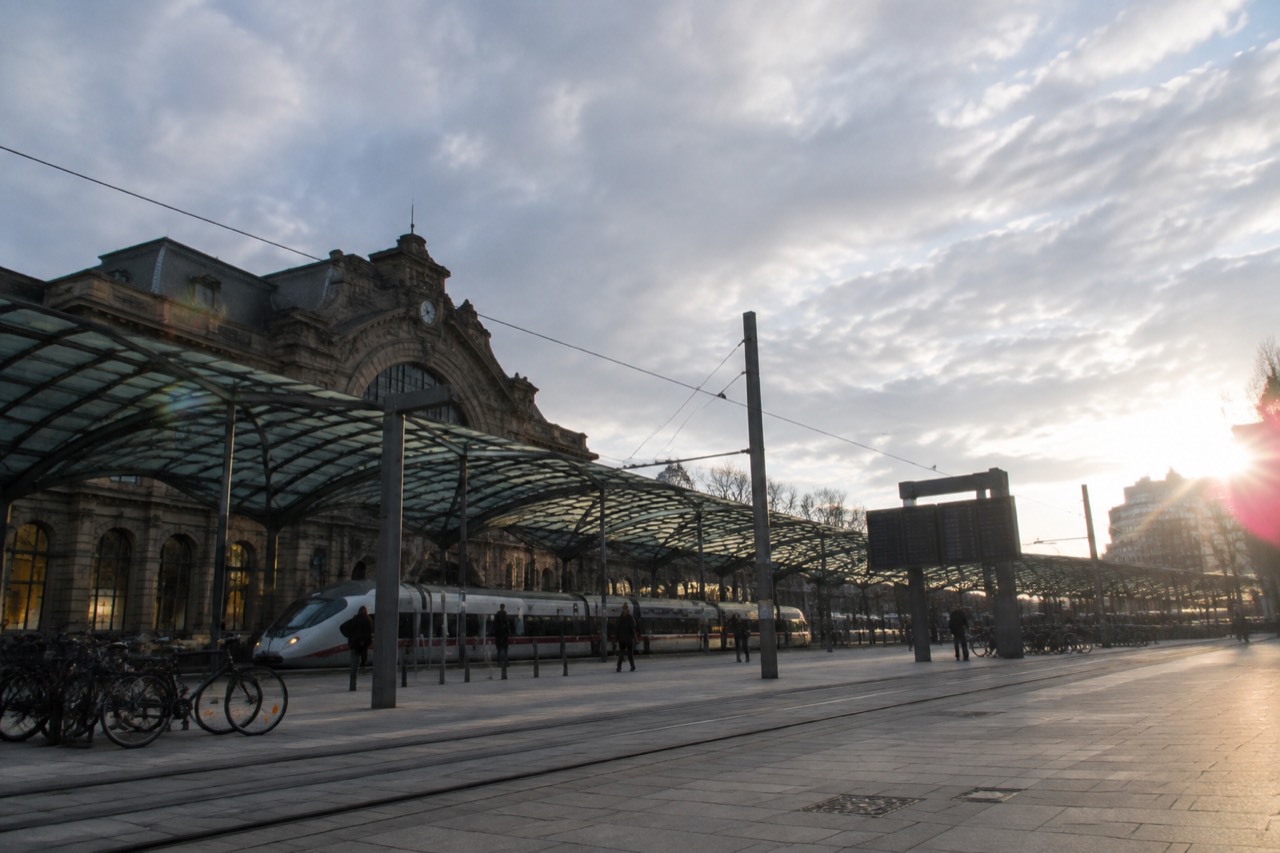
The fastest reported Paris to Strasbourg train takes about 1 hour 45, departing Paris Gare de l'Est and arriving at Strasbourg Gare Centrale, which sits a short tram ride from the city centre. Strasbourg is in Alsace, north-eastern France, beside the German border, and its Grande Île historic core is a UNESCO World Heritage property.
Strasbourg, in Alsace in north-eastern France, is the country's seat of European institutions and one of its most distinctive cities, a place of half-timbered houses, canal-side lanes and a Gothic cathedral that sits at the heart of a UNESCO-listed river island. The train from Paris is the natural way in: the fastest services are reported at about 1 hour 45, which puts Strasbourg comfortably within reach for anything from a weekend to a full week. This guide covers the journey itself, the stations at both ends, what the ticket questions really involve, and how to spend the first hours after you step off at Strasbourg Gare Centrale.

How Long Is The Train From Paris To Strasbourg?
The fastest reported journey is about 1 hour 45, on the direct high-speed service between Paris Gare de l'Est and Strasbourg Gare Centrale. Slower services take longer, and the exact time on any given day depends on the timetable, so treat about 1 hour 45 as the headline figure and check SNCF Connect for the schedule you will actually travel on. No fare or train number is printed here, because those change constantly and belong on the operator's own booking pages.
That single figure reframes the trip. A city that once demanded the better part of a day on the road is now a short hop by European rail standards, close enough that Strasbourg works as an overnight extension to a Paris stay and far enough that it feels like a different country within France. Alsace has changed hands between France and Germany across its history, and the architecture, food and dialect all carry that double inheritance. The train ride is short; the change of scenery is not.
| Leg Or Detail | What Applies |
|---|---|
| Departure station in Paris | Gare de l'Est |
| Arrival station | Strasbourg Gare Centrale |
| Fastest reported journey | About 1 hour 45 |
| Service type | Direct high-speed rail |
| Timetable and tickets | Check SNCF Connect before booking |
| Onward transport at arrival | CTS tram and bus network at the station |
Plan around the arrival, not just the departure. Strasbourg Gare Centrale sits on the western edge of the city centre, and the tram and bus links are inside the station complex, so the transfer from platform to hotel neighbourhood is a single ticket rather than a second journey to plan. Travellers coming from the airports around Paris should also note that the guide to Frankfurt Airport To Strasbourg covers the German-side arrival route, which suits some flight itineraries better than crossing Paris first.
Which Station In Paris, And Where Does The Train Arrive?
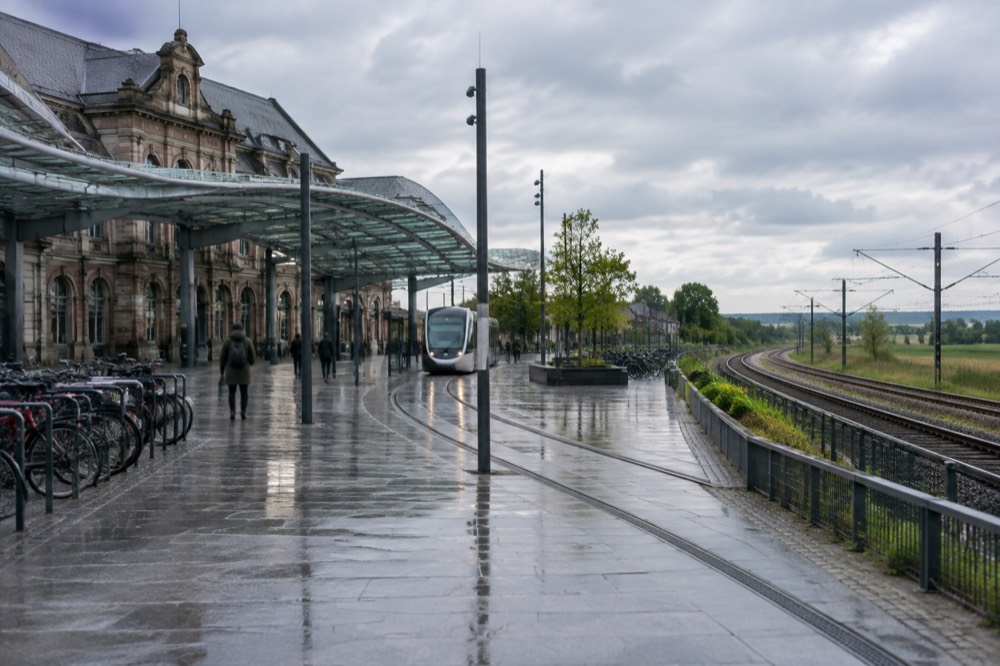
Trains to Strasbourg leave from Paris Gare de l'Est, on the eastern side of central Paris, and arrive at Strasbourg Gare Centrale, the city's main station, which sits directly beside the Gare district and its tram interchange. Gare de l'Est is the historic terminus for eastbound services, and Strasbourg's station is a terminus-style hub with trams, buses and taxis within the same complex. Allow time at both ends for finding your platform.
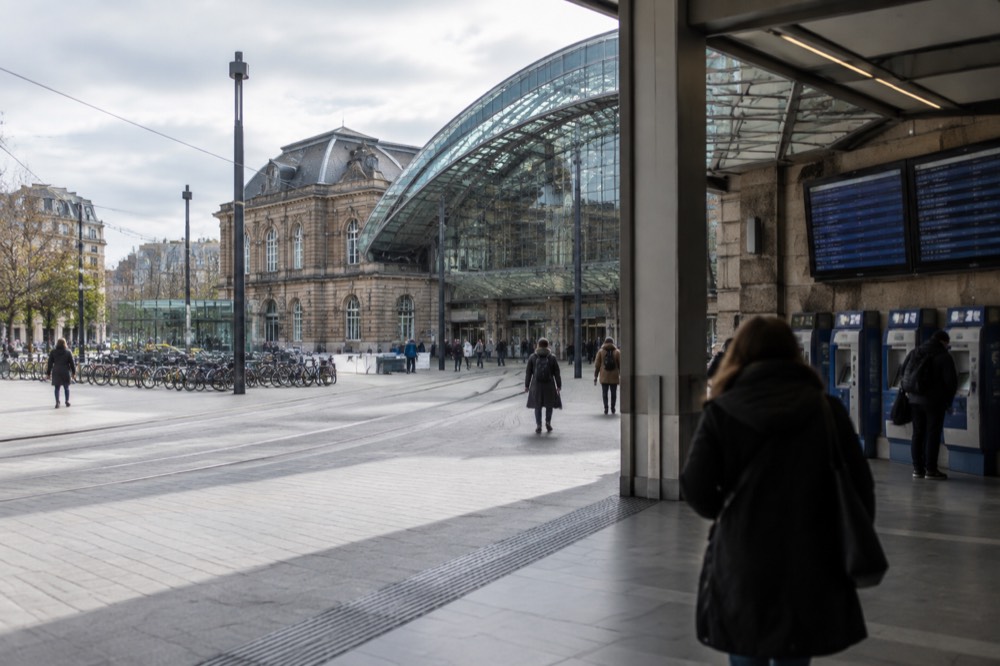
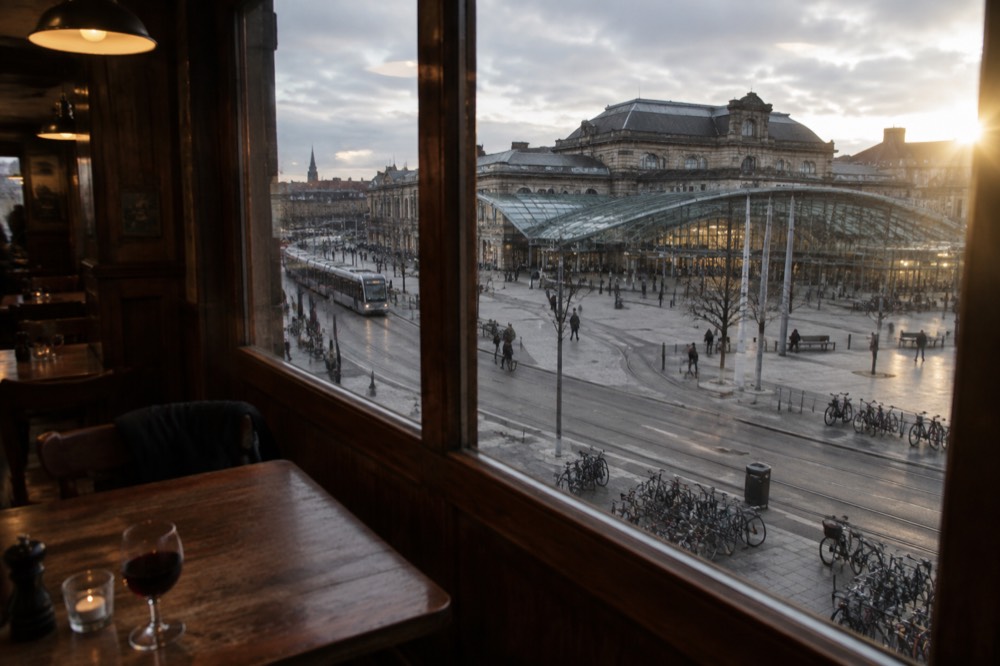
Gare de l'Est is served by several Paris metro and RER lines, and the walk from the main concourse to the long-distance platforms is short but can be busy at peak departure times. Arriving in Strasbourg is simpler: the station building opens straight onto the tram stops, and the Gare district around it has hotels, eateries and shops within a few minutes on foot. The fuller picture of the arrival station, its facilities and its neighbourhood is in the guide to Strasbourg Train Station, and the Gare District area guide covers where to eat and stay within walking distance of the platforms.
| End Of The Journey | What To Know |
|---|---|
| Paris Gare de l'Est | Eastbound terminus in central Paris, linked by metro and RER |
| Strasbourg Gare Centrale | Main station, beside the Gare district, with trams and buses on site |
| Onward connections | CTS tram and bus network, plus regional and high-speed rail onward |
| Orientation | The historic Grande Île lies a short tram ride from the station |
One point worth settling before travel: the arrival station is not the destination. Strasbourg's sights cluster on and around the Grande Île, the river island at the centre of the city, and the station is the doorway to it rather than the attraction itself. Booking a hotel near the station trades a shorter transfer for a longer walk to the medieval core; booking inside or beside the core reverses that trade. The Where To Stay In Strasbourg guide breaks the neighbourhoods down.
Once the rail leg is sorted, the question becomes what to actually do with the city, and a short guided outing is an efficient way to orient on a first afternoon. The options below pair a food-led walk with a quick orientation tour and a cathedral visit.
How Much Does The Paris To Strasbourg Train Cost?
No fare is printed here, and none should be trusted from a third-party page: rail fares on this route move with demand, travel class and how far ahead you book, and the only reliable price is the one SNCF Connect shows for your own date and time. What can be said plainly is that high-speed fares on popular French routes rise as departure approaches, and that booking early widens the choice of cheaper seats.
The answer page Why Is The Train From Paris To Strasbourg So Expensive? sets out what drives the price and when the cheaper buckets tend to appear, without promising a figure that will be wrong by the time you read it. Treat any price quoted on a blog, including a cached one, as a snapshot rather than a fact.
A few practical notes hold regardless of the fare. Tickets for French high-speed services are generally cheapest when bought in advance and tied to a specific train, and changes or refunds depend on the fare conditions you select at booking, so read those conditions before you buy rather than after. If your plans hinge on a specific arrival time in Strasbourg, a morning departure gives more recovery room if a service runs late. And if the fare for your date looks high, checking a neighbouring departure or a different day often shifts it noticeably.
If the trip is a treat rather than a commute, it can be worth folding a guided experience into the budget alongside the rail ticket. A food walk through the Grande Île is the one this site features for Paris arrivals, because it turns the first afternoon into an introduction to Alsatian cooking rather than a search for it.
How Do You Get From Strasbourg Station Into The City Centre?
CTS, the city's transport network, runs the trams and buses that connect Gare Centrale with the historic centre, and a single ticket costs 1.90 EUR bought through the Badgéo card, the CTS app or contactless payment, or 2.50 EUR if bought on board a bus. A 24-hour Solo pass is 4.60 EUR, a 24-hour Trio pass for two to three people is 10.20 EUR, and the same network serves the airport shuttle.
The fare structure rewards a moment of planning. A single ticket covers one journey, so if the plan is a hotel drop followed by an evening in the centre and a return, the 24-hour pass pays for itself quickly. The Trio pass exists for couples and small groups travelling together all day. All the prices above are the network's own published fares, and the CTS fare pages remain the place to confirm them before travel, since networks revise fares periodically.
| CTS Ticket | Price | Notes |
|---|---|---|
| Single | 1.90 EUR | Badgéo card, CTS app or contactless |
| Single bought on board a bus | 2.50 EUR | Buy before boarding where possible |
| 24H Solo pass | 4.60 EUR | One traveller, unlimited network use for 24 hours |
| 24H Trio pass | 10.20 EUR | Two to three people travelling together |
| Airport combined ticket | 4.60 EUR | Train, tram or bus and 24H EMS travel combined |
The airport line deserves a note even on a Paris-focused page, because some itineraries mix the two. Strasbourg Airport is linked to the station by a regional train shuttle running up to five times an hour and taking 8 minutes, and the combined ticket at 4.60 EUR bundles the shuttle with a day of city transport. Travellers weighing arrival routes can compare that with the rail link from Paris in the Where Is Strasbourg guide, which sets out the city's position and its transport geography.
Planning to fly into Strasbourg instead? Book a flight to Strasbourg here.

Cycling is the other genuine option. Strasbourg is a flat, bike-friendly city with a strong cycling culture, and a guided ride is a good way to cover the island, the Neustadt and the river banks in one outing with a local explaining what you are passing.
Is Strasbourg Worth The Trip From Paris?
Yes, for two reasons that survive any weather: the Grande Île is one of the most coherent medieval city cores in France, listed by UNESCO as part of the property named Strasbourg, Grande-Île and Neustadt, and the city's Franco-German character gives it a food, architecture and atmosphere that no other French city quite matches. Whether it beats other short-haul destinations depends on what you want from a trip, and the honest case for and against is laid out in this site's dedicated worth-it guide.
The case for the trip is easy to state. The cathedral, with its single spire and platform at 66 m, anchors a city of canals, covered bridges and wine villages within easy reach. The case against is mainly logistical: Strasbourg is compact, so travellers chasing a dense list of blockbuster sights may find two or three days enough, and December crowds around the Christmas market are a real factor. The Is Strasbourg Worth Visiting guide weighs both sides rather than selling one.
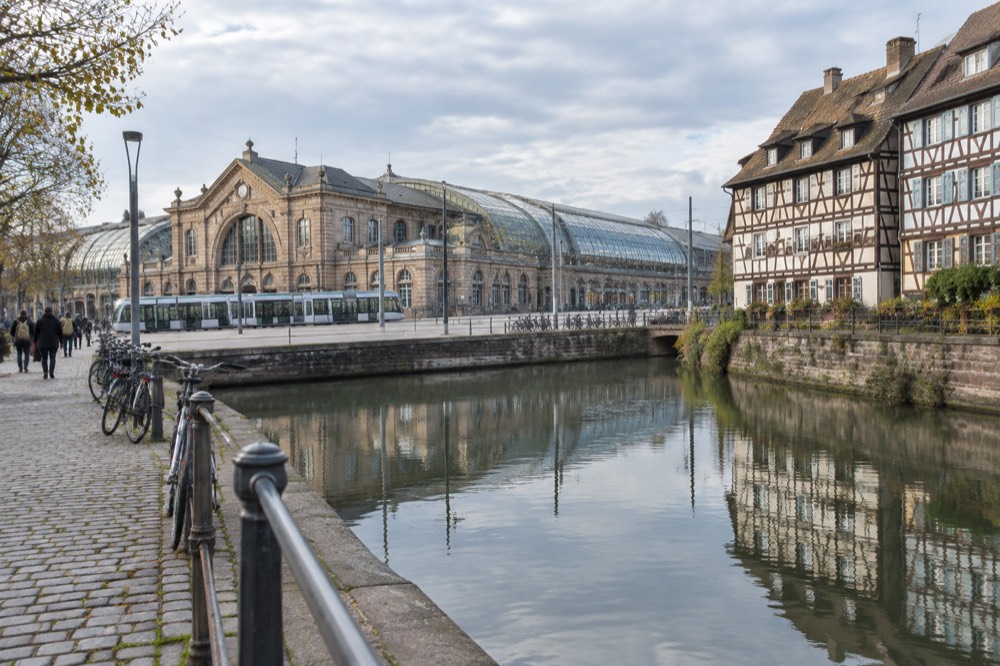
For a first visit, the practical question is what kind of traveller you are. Strasbourg rewards slow wandering: a morning in Petite France, an hour at the cathedral, a boat loop on the Ill, a long winstub lunch. It rewards checklist tourism less well, because its charm is cumulative rather than concentrated in a handful of must-sees. That distinction shapes the itinerary advice later in this guide, and it is why this Strasbourg Travel Guide site leans toward neighbourhood-by-neighbourhood planning rather than top-ten lists.
A short guided walk is a reasonable first move for visitors who want the story of the place before exploring alone. A small-group welcome walk with a local guide fits a first afternoon well, and it pairs naturally with the food walk featured above.
What To Do With Your First Few Hours In Strasbourg?
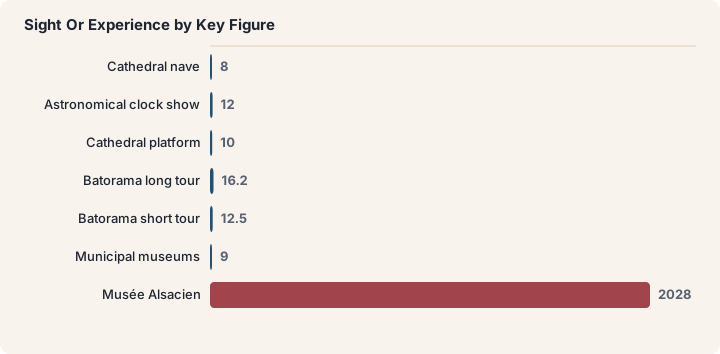
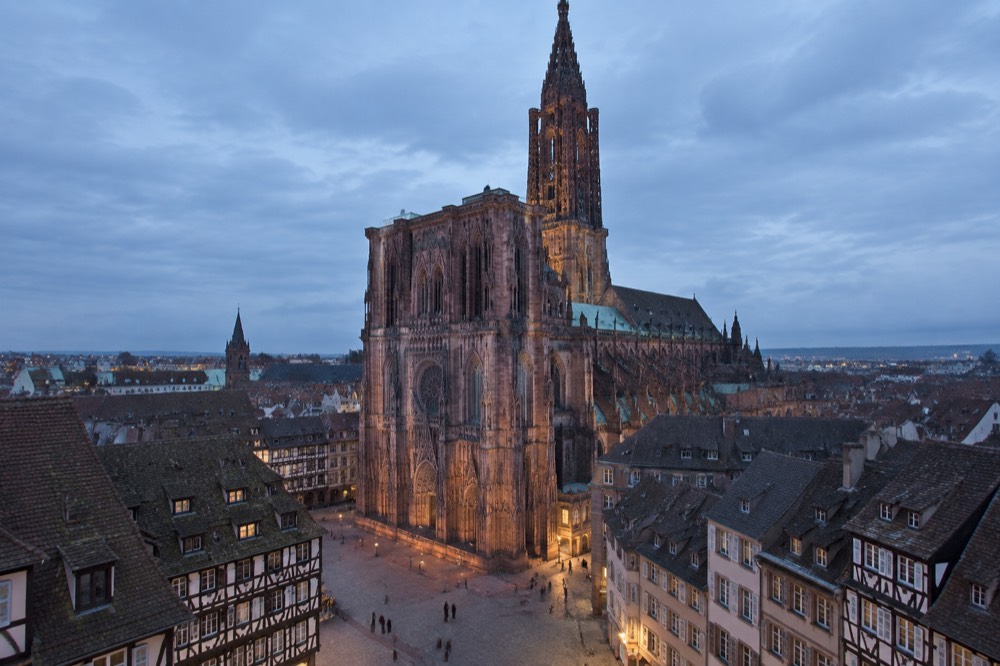
Start on the Grande Île: the cathedral's nave is open Monday to Saturday 08:30-11:15 and 12:45-17:45 and on Sunday afternoons from 14:00, the astronomical clock performs its full show daily at 12:30 sharp with tickets at 4 EUR bought on the day only, and the platform at 66 m costs 10 EUR full or 6 EUR reduced. Petite France, the old tanners' quarter, is the other essential first stop, all canals and half-timbered houses.
The numbers matter because they shape the day. The clock show is at a fixed time, the platform has seasonal hours, and the nave closes over the midday mass window, so a first morning that starts at the cathedral around 10:00 can catch the nave, queue for the clock ticket and be in Petite France by early afternoon. The clock tickets are sold on the day only, with no reservations, which is unusual for a sight of this standing and worth knowing before you assume you can pre-book everything.
| Sight Or Experience | Key Figure | Note |
|---|---|---|
| Cathedral nave | Mon-Sat 08:30-11:15 and 12:45-17:45 | Sunday afternoons 14:00-17:15 |
| Astronomical clock show | 12:30 daily, 4 EUR | Day-of tickets only, no reservations |
| Cathedral platform | 10 EUR full, 6 EUR reduced | At 66 m, seasonal hours apply |
| Batorama long tour | 16.20 EUR full, 8.90 EUR reduced | Red Tour, 1h10 |
| Batorama short tour | 12.50 EUR full, 7.20 EUR reduced | Blue Tour, 0h45 |
| Municipal museums | 9 EUR full, 5 EUR reduced | Free on the first Sunday of every month |
| Musée Alsacien | Closed for works until 2028 | Not currently visitable |
The boat tours are a natural second act. Batorama's circuits leave from the river near the heart of the island and give the city's layout away in under an hour on the short loop, which is a fair trade for a first day when legs are tired and the light is fading. The discount question is worth a moment too: the Strasbourg City Pass guide explains what the 5 EUR City Card actually is, a discount card rather than an all-inclusive pass, and for which visitors it pays off.
Food deserves its own block of the first day, because Alsatian cooking is half the reason to come. Winstubs, the traditional wine taverns of the city, serve tarte flambée, choucroute and baeckeoffe alongside local Riesling and sparkling Crémant, and the difference between a good one and a tourist-facing one is not always visible from the street. A guided gourmet walk solves that on the first evening, and the featured tasting tour covers the winstubs, markets and counters in one outing: Check availability.
Day Trip Or Overnight: How Should You Plan It?
An overnight stay is the better plan for the train from Paris, because the fastest journey is still about 1 hour 45 each way, and Strasbourg's evening character, the lit cathedral, the winstubs, the quiet canals, is a large part of what the city is. A day trip is workable for a confident traveller who accepts a compressed schedule, but it spends the best hours of the day on rails. The dedicated day-trip and Christmas-market-from-Paris guides on this site break both plans down hour by hour.
The trade-off is real. A day trip from Paris means an early start and a return that eats the evening; the city still delivers, but the visit becomes a sprint through the island. An overnight converts the same rail spend into a relaxed two days, with the evening free and a second morning for Petite France, a museum or a boat tour. The Strasbourg Day Trip From Paris guide is honest about what fits in a single day, and the Strasbourg Christmas Market From Paris guide does the same for the December version of the trip.
| Plan | What It Suits | What To Accept |
|---|---|---|
| Day trip from Paris | First-time visitors testing the city, tight schedules | Early start, no evening in Strasbourg, a compressed island circuit |
| One overnight | Weekend travellers, food-led trips | A hotel night, but the evening and a second morning gained |
| Two nights or more | Christmas market visits, Alsace day trips from a base | Slower pace, easier to add Colmar or the wine route |
The longer you stay, the more the region opens up. Strasbourg is a practical base for the Alsace wine route and its villages, and a half-day guided wine tour from the city is the low-effort version: transport, tastings and a route handled for you, back in Strasbourg by early evening. For travellers who prefer to plan their own route, the regional guides elsewhere on this site cover the villages, the castles and the wine itself.
When Is The Best Time To Make The Trip?
Strasbourg has a semi-continental climate: Meteo-France 1991-2020 normals for Strasbourg-Entzheim give a mean daily maximum of 5.2 C in January against 26.4 C in July, with 635.7 mm of rain spread over 112.3 days of 1 mm or more across the year. May is the wettest month at 77.2 mm and February the driest at 34.1 mm. December is cold, with a mean maximum of 5.9 C, and it is the month the Christmas market defines.
Those numbers translate simply. Spring and early autumn give mild temperatures and lighter crowds; summer is warm and green with the year's highest rain-day counts; winter is genuinely cold but carries the city's biggest draw. The Best Time To Visit Strasbourg and Strasbourg Weather guides work through the seasons in detail, and the Strasbourg In Winter guide covers the cold-weather version of the trip.
| Month | Mean Daily Maximum | Mean Daily Minimum | Rainfall |
|---|---|---|---|
| January | 5.2 C | -0.2 C | 35.4 mm |
| April | 17.0 C | 5.7 C | 41.8 mm |
| July | 26.4 C | 14.9 C | 71.9 mm |
| October | 15.8 C | 7.2 C | 59.5 mm |
| December | 5.9 C | 0.8 C | 45.2 mm |
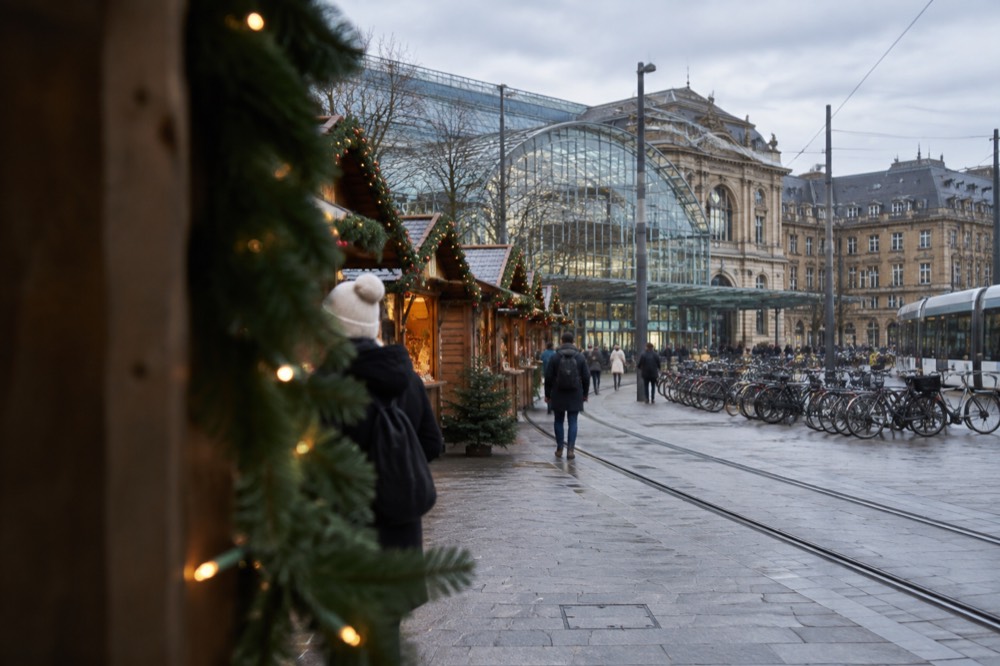
December deserves its own paragraph because it changes the calculation. The Christmas market usually opens in the last week of November and runs to 24 December, with the final day closing early in the evening; the 2025 edition ran 26 November to 24 December and drew 3.05 million visitors, and the city posts each edition's dates on its Christmas site, so confirm them there before booking rail tickets. The market's food side, the stalls and the winstub traditions around it, is covered in the Strasbourg Christmas Market and Strasbourg Christmas Market Food guides, and the wider regional picture is in Christmas Markets In Alsace. Travellers choosing between the two classic bases can also read the Colmar comparison in the Colmar Christmas Market guide and the neighbourhood breakdown in Where To Stay For Strasbourg Christmas Market.
However the dates fall, the pattern holds: book the train early for December, book the bed earlier, and expect cold evenings rather than merely cool ones. Free and low-cost ways to fill the gaps between booked outings are listed in the Free Things To Do In Strasbourg guide, and the Strasbourg On A Budget guide covers the rest of the spend.
If the plan is now settled, these three outings are the ones this site most often points Paris arrivals toward: a food walk for the first evening, a quick orientation walk for the first afternoon, and a guided cathedral visit for the morning after.
Common Questions About The Paris To Strasbourg Train
How long is the train from Paris to Strasbourg?
The fastest reported journey is about 1 hour 45 on the direct high-speed service from Paris Gare de l'Est to Strasbourg Gare Centrale. Slower departures take longer, and the timetable varies by day, so check SNCF Connect for the specific service you plan to take.
Which Paris station serves Strasbourg?
Gare de l'Est, on the eastern side of central Paris, is the departure station for eastbound high-speed services to Strasbourg. It is linked to the Paris metro and RER network, so reaching it from elsewhere in the capital is straightforward.
How do I get from Strasbourg station to the city centre?
The CTS tram and bus network connects Gare Centrale with the historic centre. A single ticket costs 1.90 EUR through the Badgéo card, the CTS app or contactless payment, or 2.50 EUR bought on board a bus, and a 24-hour Solo pass is 4.60 EUR.
Can you do Strasbourg as a day trip from Paris?
Yes, but it is a compressed day: the fastest rail leg is about 1 hour 45 each way, so the visit centres on the Grande Île, the cathedral and Petite France. An overnight stay gives you the evening and a second morning, which suits the city's pace better.
Should I book Paris to Strasbourg train tickets in advance?
Generally yes. French high-speed fares tend to rise as departure approaches, and advance tickets tied to a specific train are usually the cheapest option. Read the fare conditions at booking, since change and refund rights depend on the fare type you select.
Where can I go onward from Strasbourg by train?
Strasbourg's station handles regional and high-speed services across the Grand Est region and into Germany, and the city works well as a rail base for Alsace. The onward options are set out in the dedicated answer page on train destinations from Strasbourg.
The train from Paris makes Strasbourg one of the easiest city breaks in France to commit to: a single booking, a station-to-station journey of well under two hours on the fastest services, and a UNESCO-listed island waiting at the other end. Confirm the dates on the official pages, book the rail early if December is the plan, and let the first afternoon be a walk rather than a schedule.