Why Is The Train From Paris To Strasbourg So Expensive?
Why the Paris to Strasbourg TGV costs what it does: yield-managed high-speed pricing, seasonal demand from the Christmas market, and the ways travellers soften the fare.
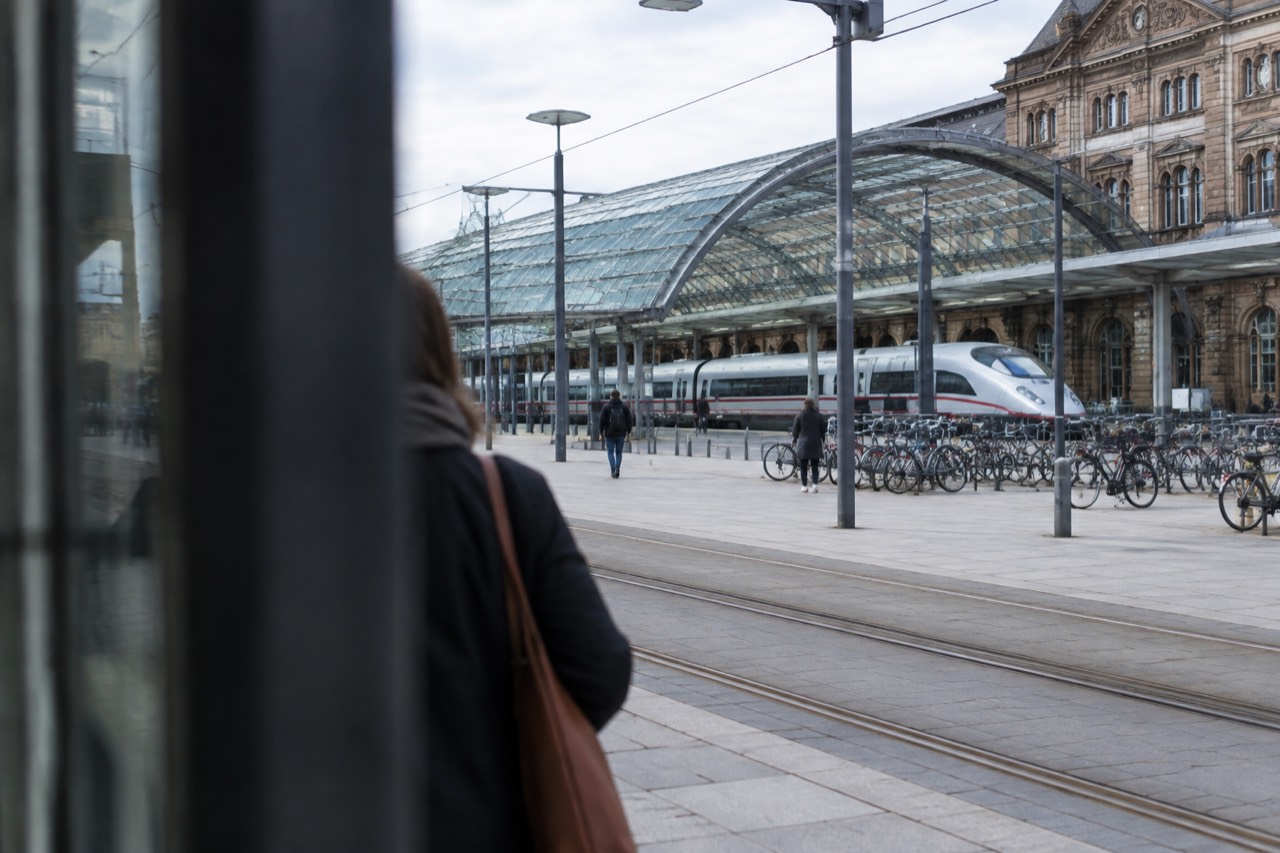
The train from Paris to Strasbourg, in Alsace in north-eastern France, runs on one of the country's flagship high-speed routes, and the fare is priced the way airlines price seats rather than the way a metro prices a ride. The journey covers the distance in about 1 hour 45 on the fastest services, and that speed, plus the yield-management system behind the ticket counter, is the short answer to the price. SNCF's commercial system releases seats in fare buckets, fills the cheapest ones first, and lets the remaining price climb as the train fills and the travel date closes in. December makes it worse: Strasbourg's Christmas market pulls an enormous seasonal wave of travellers onto exactly the trains people want, and the pricing system reads that demand without sentiment.
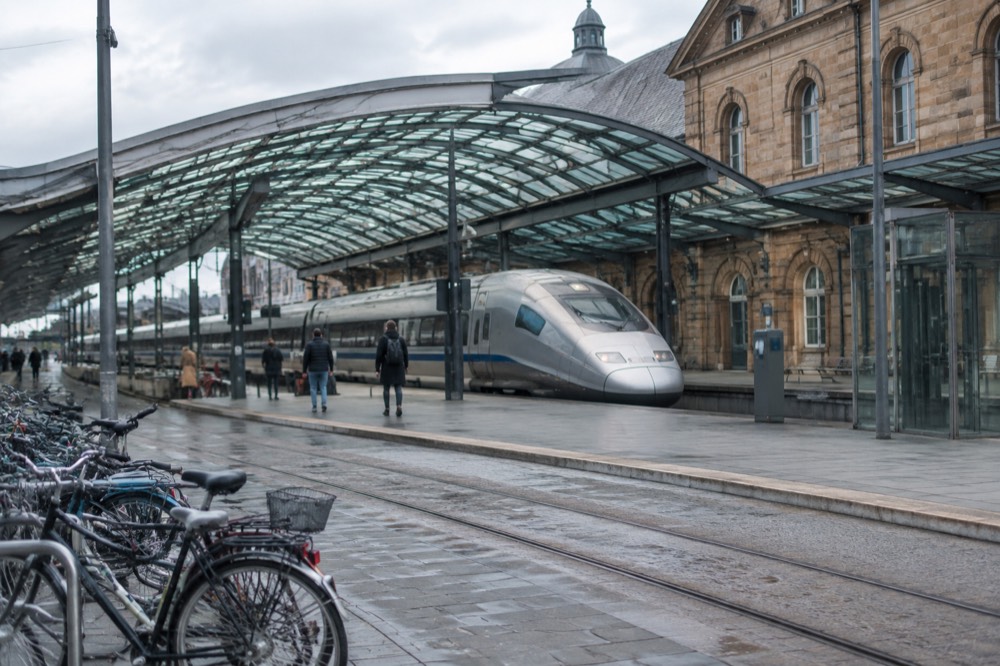
Why Is The Train From Paris To Strasbourg So Expensive?
The fare is high because the Paris to Strasbourg route is a premium high-speed service with dynamic, demand-driven pricing: the cheapest fare buckets sell out first, prices rise as departure approaches, and December's Christmas market demand pushes the whole curve upward. The ticket buys a seat on a fast train covering the journey in about 1 hour 45, and the operator prices that speed and convenience at what the market will bear. Booking early and travelling off-peak are the levers that actually move the price.
That is the honest mechanism, and it is worth unpacking because a good deal of the frustration around this fare comes from expecting it to behave like a regional ticket. A regional train fare is a public-utility price: broadly flat, distance based, and unbothered by when you buy. A TGV seat is a perishable product, like an airline seat or a hotel night. Once the train leaves, the unsold seat is worth nothing, so the commercial system protecting revenue will charge early, flexible, last-minute and peak-time buyers at very different levels for the identical chair.
The speed itself is part of what you are paying for. The fastest services are reported at about 1 hour 45 between Paris and Strasbourg, which puts the Alsatian capital within an easy day trip or weekend of the capital. That speed is only possible on a purpose-built high-speed line, and the fare structure exists partly to recover the cost of running it. The same logic explains why the flexible business-oriented ticket costs multiples of the advance-purchase one: they are the same seat, but the railway knows a traveller who must travel at 18:00 on a Friday has little choice and prices accordingly.
Seasonality does the rest. Strasbourg's Christmas market, which ran from 26 November to 24 December in its 2025 edition and drew 3.05 million visitors, concentrates an extraordinary share of the year's leisure demand into four weeks. The pricing system sees searches and bookings surge, and the fare buckets for those dates empty early. The practical guide to timing a December visit, including the market pattern and where the crowds sit, is covered in why Strasbourg is so expensive in December, and the same logic applies to the train ticket as to the hotel room.
How The Fare Buckets Actually Work
High-speed fares in France are sold in buckets: the operator releases a train's seats at several price levels, the cheapest sell first, and each sold-out bucket removes that price from the market. What remains visible is the price of the lowest bucket still open, which is why the fare for the same train can double between one week and the next. Flexibility, refundability and travel-time choice sit on top of that base, which is why a changeable ticket can cost several times the advance price.
None of this is a Strasbourg peculiarity. It is the standard commercial model for French high-speed rail, and it rewards two behaviours: booking as early as you can commit to a date, and being flexible about the departure hour. Trains at unpopular hours, early morning or mid-afternoon on a weekday, tend to keep their cheap buckets open longer than Friday evening and Sunday afternoon services, which is where the weekend crowd concentrates.
| Price driver | What it does to the fare | What actually helps |
|---|---|---|
| Advance purchase | Cheap buckets sell out as the date nears | Book as soon as dates are firm |
| Peak travel windows | Friday evening and Sunday afternoon carry the heaviest demand | Shift to an off-peak departure |
| December market season | Seasonal demand empties cheap buckets early | Book December travel far ahead |
| Flexibility and refunds | Changeable fares sit in higher buckets | Accept a semi-flex or non-flex ticket |
| Last-minute purchase | Only expensive buckets remain open | Avoid buying on the day |
The comparison that surprises people is the day-trip arithmetic. A traveller who leaves Paris in the morning and returns at night buys two peak-adjacent seats on the same high-demand corridor. The Paris to Strasbourg guide walks through the timing options in detail, and the short version is that the off-peak return, not the outbound leg, is often where the saving lives.
If the point of the trip is Strasbourg itself rather than the rail journey, it is worth remembering what waits at the other end. The city's core, the Grande Île and the riverside quarters, is compact and walkable, and a guided visit can make the fare feel better spent. One option that pairs well with a short stay is the Check availability link beside the guided bike tour with bicycles included, which covers the historic centre and river banks in a single outing.
There is also a framing point worth making before comparing specific products. The train fare is a fixed cost of getting there, while everything booked on the ground in Strasbourg is chosen, compared and swapped. A traveller who shaves the rail price down by booking early has not just saved money; they have shifted the trip's expensive decision from something unavoidable to something optional and controllable. The selections below are the controllable part: a guided bike ride through the old town, a wine-country day trip into the medieval villages, and a full-day circuit of the Alsatian highlights, each a different way of spending the margin a cheaper ticket created.
Why December Trains Cost The Most
December is the expensive month because Strasbourg's Christmas market concentrates the year's biggest surge of leisure travel onto a four-week window, and dynamic pricing responds to that surge exactly as designed. The 2025 edition ran 26 November to 24 December and drew 3.05 million visitors, and trains on those weekends sell their cheap buckets long before autumn. Anyone travelling in that window should treat the train ticket as the first thing to book, ahead of the hotel and the itinerary.
The market's own dates are the anchor. The city's Christmas site states that the official dates and programme are still being finalised, so the reliable pattern is the one to plan around: an opening in the last week of November and a run to 24 December. The 2025 edition followed that pattern exactly. Confirm the 2026 dates on the city's Christmas site before locking travel. Other pages covering the same trip are gathered on Strasbourg Travel Guide.
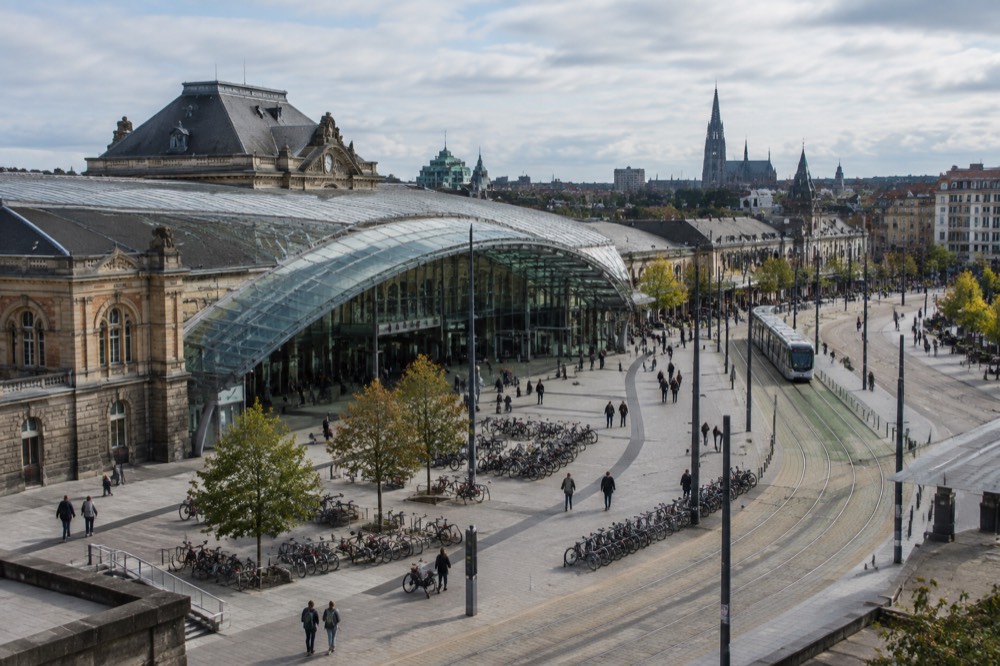
Weekends inside the market window are the pressure points. Saturday is the heaviest day on the market squares and on the rails, and the Friday and Sunday around it carry the arrival and departure waves. A midweek December trip, Tuesday to Thursday, sees the same chalets, the same lights and the same cathedral, with softer fares on the corridor and thinner crowds at the stalls. The trade is real: two days off work against a materially cheaper journey.
There is also a fair question about whether the train is the right tool at all in late November and December. The Strasbourg Christmas market from Paris guide compares the rail option with the organised day-trip alternative, and the Strasbourg day trip from Paris guide does the same for the rest of the year. A coach-based excursion or a small-group day tour prices its seat differently from a yield-managed railway, and in peak weeks that difference can decide the trip.
Curious whether flying works out cheaper for your dates? Book a flight to Strasbourg here.
How To Pay Less Without Changing The Route
The reliable savings on this corridor come from behaviour, not hacks: book as early as the dates are firm, accept a less flexible ticket, travel outside the Friday and Sunday peaks, and check whether a rail discount card applies before buying. Comparing several departure times in one search matters more than any single tip, because bucket availability varies hour by hour across the day. None of this changes the train; it changes which price bucket you land in.
The first lever is timing of purchase. The cheapest buckets on a popular French high-speed train open when sales open, and they do not come back. The second is the departure hour: a Tuesday mid-morning train and a Friday 19:00 train serve the same two cities, but they sit in different demand worlds. The third is flexibility: if the plan can absorb a non-refundable ticket, the fare drops accordingly. The fourth is the discount card, where eligibility exists: holders of French rail discount cards pay reduced fares on this route, and checking eligibility takes minutes.
Travellers connecting onward should also watch the arrival side. Strasbourg's station sits at the edge of the historic core, and the Strasbourg train station guide covers the layout, the tram interchange and the walk into town, while the Gare district overview describes the neighbourhood around it. Local transport once you arrive is cheap and simple: a CTS single ticket is 1.90 EUR bought through the app or contactless, a 24-hour Solo pass is 4.60 EUR, and a 24-hour Trio pass covering two or three people is 10.20 EUR.
| Verified Strasbourg cost | Price | Notes |
|---|---|---|
| CTS single ticket | 1.90 EUR | App, Badgéo or contactless; 2.50 EUR bought on board a bus |
| CTS 24h Solo pass | 4.60 EUR | Unlimited city transport for one day |
| CTS 24h Trio pass | 10.20 EUR | Two to three people, one day |
| Airport shuttle combined ticket | 4.60 EUR | Train plus tram/bus plus 24h pass, to and from Entzheim |
| Cathedral platform | 10 EUR full, 6 EUR reduced | Platform at 66 m, under 6 free |
| Astronomical clock show | 4 EUR | 12:30 daily, tickets bought on the day only |
| Municipal museums | 9 EUR full, 5 EUR reduced | Free on the first Sunday of each month |
| Batorama long boat tour | 16.20 EUR full, 8.90 EUR reduced | Red Tour lasts 1h10 |
| Strasbourg City Card | 5 EUR adult, 3.50 EUR child | Discount card valid 7 days |
That table is the quiet answer to the fare question. The expensive part of a Strasbourg trip is the high-speed seat; the city itself, once you are in it, costs remarkably little to enjoy. The cathedral nave, the squares of the Grande Île, Petite France and the riverside walks cost nothing to stroll, and the paid highlights are modest.
What The Money Saved Buys In Strasbourg
A cheaper train ticket frees a real budget for the things that make the trip: the city's food, its wine country and its river. Strasbourg sits at the western edge of the Alsace wine route, with medieval villages such as Riquewihr, Eguisheim and Kaysersberg reachable on organised day trips, and the winstub tables of the old town offering tarte flambée, choucroute and local riesling at prices that feel gentle after a Paris rail fare. The train is the expensive line item; the destination is not.
The day-trip options from Strasbourg are strong enough to justify the rail spend on their own. A wine-country excursion into the medieval villages, with tastings built into the day, turns a city weekend into a regional one, and the historical circuit covering the Alsatian highlights does the same for travellers who want castles and villages rather than cellars. Both run from Strasbourg with a guide and transport handled, which matters when the alternative is renting a car for the Vosges foothills.
For travellers whose appetite is urban rather than rural, the food and wine walks of the old town are the equivalent spend: a guided tasting route through winstubs and markets costs less than the difference between a rushed and an early-booked train ticket, and it ends with a table rather than a platform. The Strasbourg food guide and the winstubs in Strasbourg overview map the ground.
The city's own story rewards the trip too. Strasbourg carries a Franco-German history that explains half of what visitors notice, from the architecture to the menus, and the Strasbourg history guide covers it in depth. For a first visit structured around the core sights, the one day in Strasbourg itinerary is the practical companion, and it assumes nothing beyond a pair of walking shoes.
The medieval villages excursion is the day trip that pairs most naturally with a fare-saving strategy, because it turns the money not spent on a peak train into the region's headline experience.
Common Questions About The Paris To Strasbourg Train
Why is the train from Paris to Strasbourg so expensive?
Because it is a yield-managed high-speed service: the cheapest fare buckets sell out first, prices climb as departure approaches, and December's Christmas market demand pushes the curve higher. The fastest journey is about 1 hour 45, and the fare prices that speed and the demand for it.
How far ahead should I book the Paris to Strasbourg train?
As early as your dates are firm, and far ahead for December. The cheapest buckets open when sales open and do not return, so a market-weekend ticket bought months out sits in a different price world from the same seat bought a fortnight before travel.
Are December trains to Strasbourg the expensive ones?
Yes. The Christmas market, which ran 26 November to 24 December in 2025 and drew 3.05 million visitors, concentrates the year's biggest leisure demand onto that corridor. Midweek December travel and early booking soften the fare; the 2026 market dates should be confirmed on the city's Christmas site.
Is there a cheaper way than the TGV from Paris to Strasbourg?
Organised coach-based day tours and small-group excursions price their seats differently from a yield-managed railway and can undercut peak-week rail fares. The trade is time and flexibility: the train covers the distance in about 1 hour 45, and nothing road-based matches that.
Does the fare drop if I travel off-peak?
It can, materially. Trains at unpopular hours keep their cheap buckets open longer than Friday evening and Sunday afternoon services, so shifting the departure by a few hours, or the day by one, is one of the few levers that reliably moves the price.
Is Strasbourg expensive once I arrive?
No, and that is the useful contrast. A CTS day pass is 4.60 EUR, the cathedral platform is 10 EUR, the astronomical clock show is 4 EUR, and municipal museums are free on the first Sunday of each month. The high-speed seat is the expensive line item; the city is modest.
The fare on this corridor is not a mystery and not a swindle: it is a fast, in-demand service priced dynamically, in a city whose December pull is among the strongest in France. Book early, travel off-peak, treat December with respect, and the price of the seat stops being the story of the trip. Strasbourg, once the train stops, takes over that job entirely, and it does it for less than the journey cost.