Best Restaurants In Strasbourg
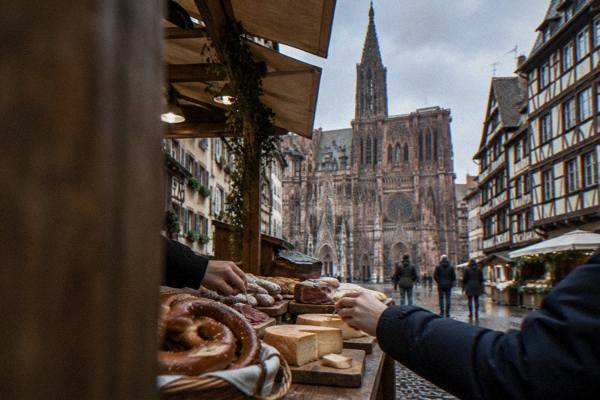
Strasbourg, in Alsace, north-eastern France, eats well: winstubs serving choucroute and tarte flambée, a Krutenau dining scene a short walk from the cathedral, and a Christmas market that turns the whole Grande Île into an open-air pantry.
Short answer
Eat the Alsatian classics, tarte flambée, choucroute garnie, baeckeoffe and kougelhopf, in a winstub around the Grande Île and Petite France, or try the modern bistros of the Krutenau. A single tram ticket costs 1.90 EUR from the app or contactless, and the municipal museums are free on the first Sunday of each month if you are lunching between sights.
Strasbourg, the prefecture of the Bas-Rhin in Alsace, north-eastern France, sits on the River Ill beside the Rhine, and its restaurant scene carries the whole weight of that borderland position. The city's kitchens cook French technique with Alsatian raw materials: river fish, pork, cabbage, white wine, and a pastry case that turns up at every course. This guide, published by Strasbourg Travel Guide, walks through the dishes worth ordering, the neighbourhoods worth booking in, the winstub tradition that shapes the whole scene, and the practical details, tram fares, booking etiquette, Christmas market eating, that turn a good dinner into an easy one.
What Food Is Strasbourg Known For?
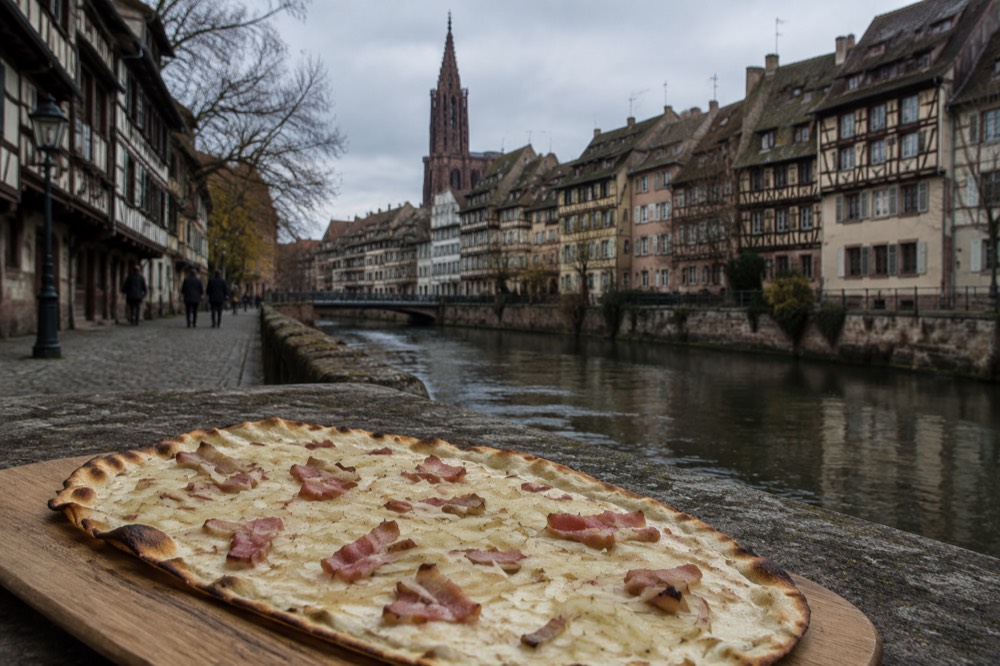
Strasbourg is known for hearty Alsatian dishes served in winstubs: tarte flambée, a thin dough baked with cream, onions and bacon; choucroute garnie, sauerkraut piled with pork cuts; baeckeoffe, a slow-baked casserole of meats and potatoes; and kougelhopf, the ring-shaped brioche that doubles as dessert and breakfast. Riesling and crémant from the Alsace wine route wash it all down. Every one of these appears on menus across the Grande Île.
The honest way to eat in Strasbourg is to order the classics first. They are not tourist bait; they are the city's actual daily food, and the kitchens that cook them have been doing so for generations. Tarte flambée, sometimes listed as flammekueche, arrives in minutes and is meant to be eaten fast, folded or cut into strips while the cream is still bubbling. Choucroute is a full plate, the kind of dish you order once and remember. Baeckeoffe is a Sunday dish, traditionally assembled the day before and left to bake, so it appears on chalkboards rather than fixed menus.
Kougelhopf deserves a note of its own. It is a brioche baked in a fluted ring mould with almonds and a few raisins, and in Strasbourg it shows up at breakfast, with afternoon coffee, and as the sweet finish to a winstub lunch. A slice with a glass of riesling is a perfectly normal order here, and no waiter will blink at it.
| Dish | What It Is | How It Arrives | When To Order It |
|---|---|---|---|
| Tarte flambée | Thin dough with fromage blanc, onions, lardons | Rectangular board, minutes after ordering | Lunch or a light supper |
| Choucroute garnie | Sauerkraut with pork cuts and boiled potatoes | A large hot platter | The main event of a cold evening |
| Baeckeoffe | Pork, beef and lamb baked with potatoes in wine | A deep casserole dish | A weekend lunch |
| Kougelhopf | Ring-shaped brioche with almonds and raisins | A slice, sometimes with wine jelly | Breakfast, dessert or afternoon |
| Presskopf | Head cheese terrine, a classic charcuterie starter | Sliced cold with pickles | A winstub appetiser |
If you are planning a longer stay and want the full food picture, the seasonal pages matter: the best time to visit Strasbourg shapes what is on the table, since asparagus and river fish rotate in and out with the months, and the Christmas market food guide covers the winter stalls in detail.
Which Neighbourhoods Have The Best Restaurants In Strasbourg?
The Grande Île holds the densest cluster of winstubs and the cathedral-side addresses; Petite France trades on its canal-side setting; the Krutenau, south of the centre, is where the student city eats, with modern bistros and natural wine bars; Neustadt offers grander, quieter dining rooms; and the gare district is the practical choice for a late arrival. Each area suits a different evening.
Pick your neighbourhood by the evening you want. The Grande Île, the World Heritage island around the cathedral, is where visitors eat first, and rightly so: the half-timbered streets around Place Kléber and the Rue des Orfèvres are lined with winstubs that cook the full classic repertoire. It is also the busiest quarter, so booking ahead matters more here than anywhere else in the city.
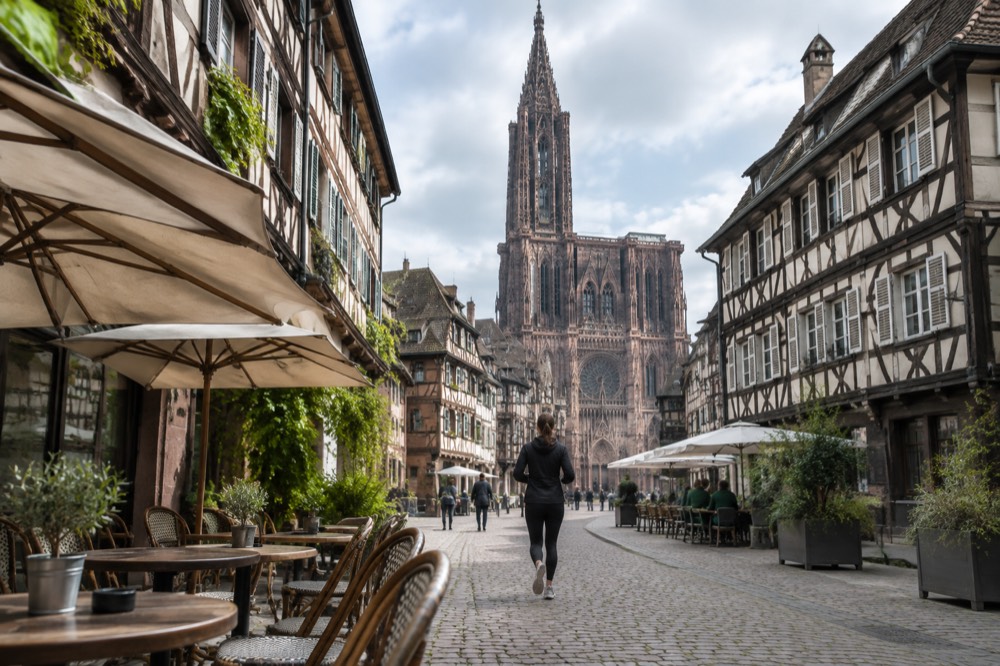
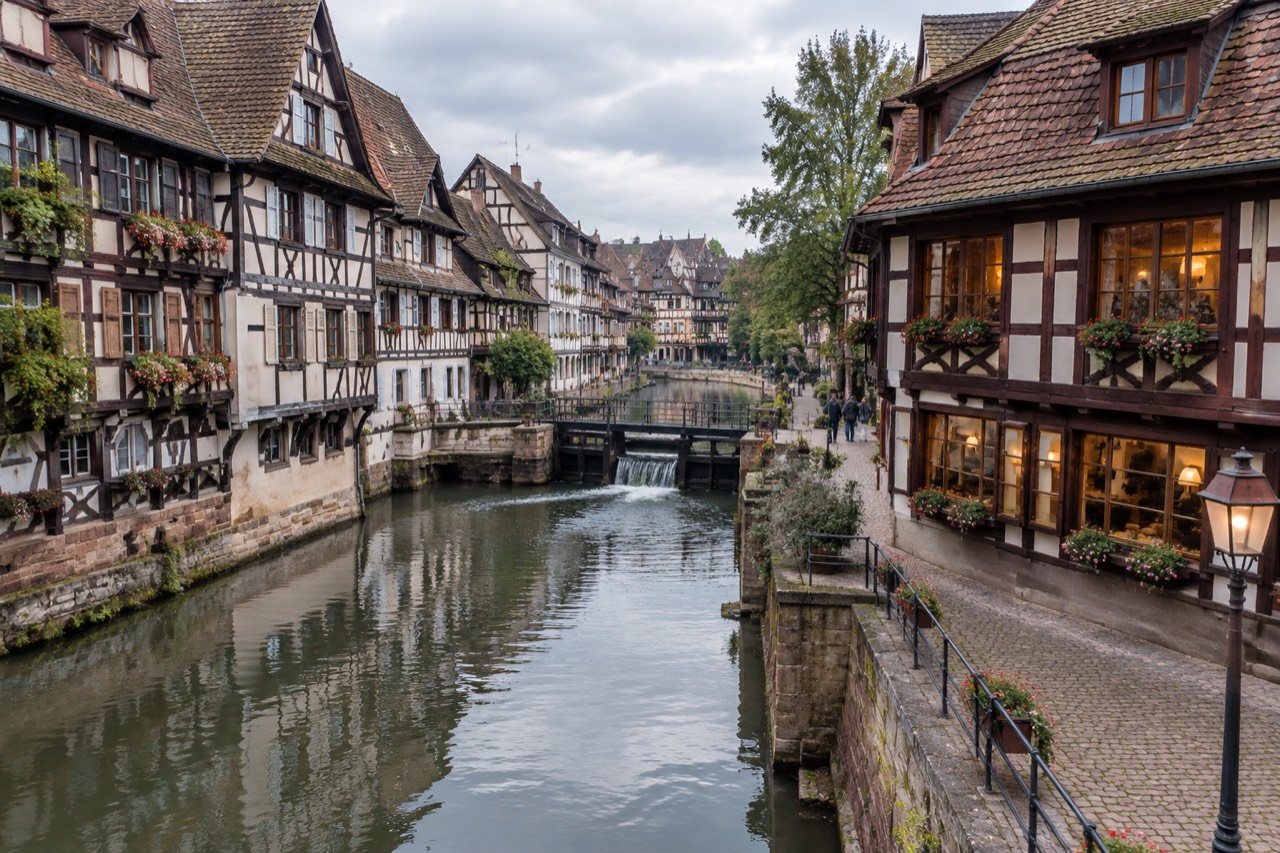
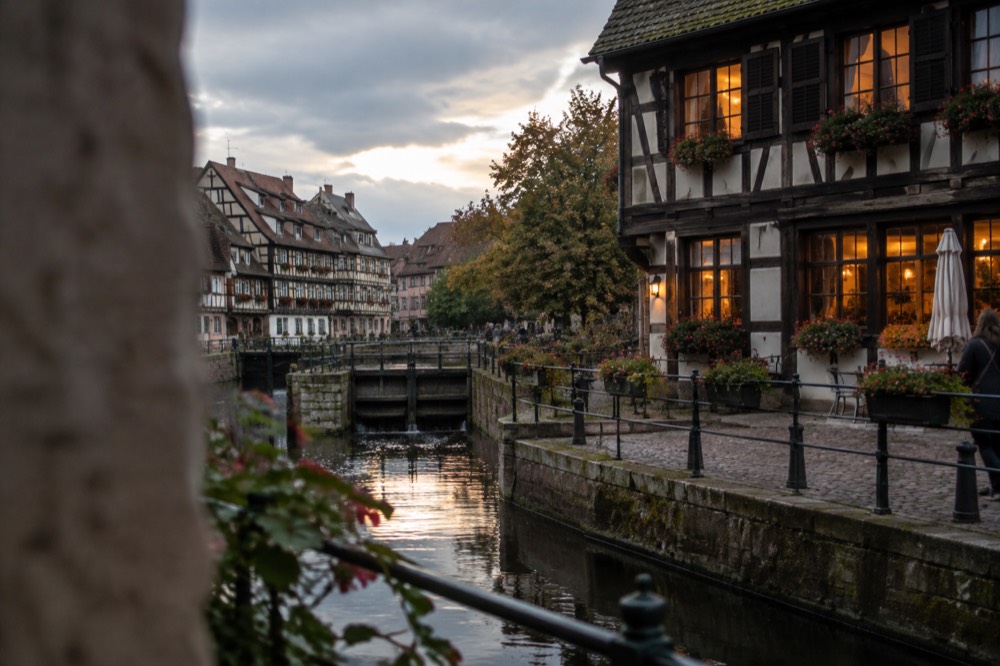
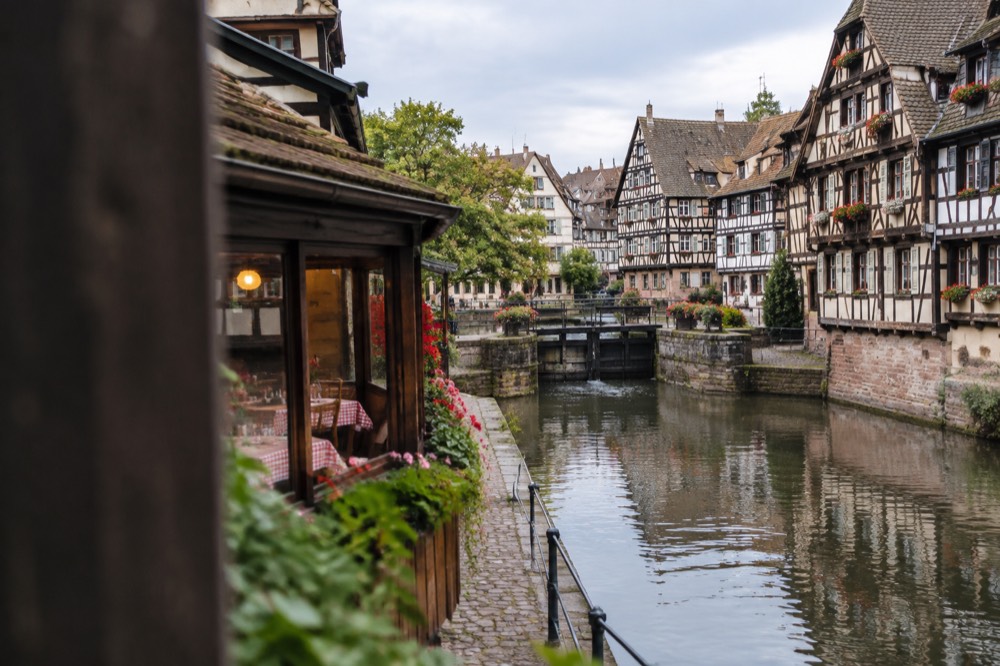
Petite France, the former tanners' and millers' quarter at the western tip of the island, is the postcard setting: white half-timbered houses leaning over the Ill, and terraces that fill whenever the weather allows. The Krutenau, immediately south, is the counterweight. It is the university quarter, and its lanes hold small bistros, wine bars and a younger crowd, generally at gentler prices than the island. Neustadt, the imperial-era extension east of the centre, has wide boulevards and dining rooms that locals book for family occasions. Around the station you eat well and practically, which is exactly what you want after a train.
| Area | Character | What To Eat There | What To Check |
|---|---|---|---|
| Grande Île | Historic, busy, classic winstubs | Full Alsatian repertoire | Book ahead for dinner |
| Petite France | Canal-side, postcard setting | Terraces, river fish, tarte flambée | Terrace seats go first in warm weather |
| Krutenau | Student quarter, modern kitchens | Contemporary bistro menus, wine bars | Walk-in odds are better midweek |
| Neustadt | Grand, calm, residential | Set menus in dining rooms | Opening days vary, confirm before going |
| Gare district | Practical, quick, late hours | Casual plates near the station | Useful on arrival evenings |
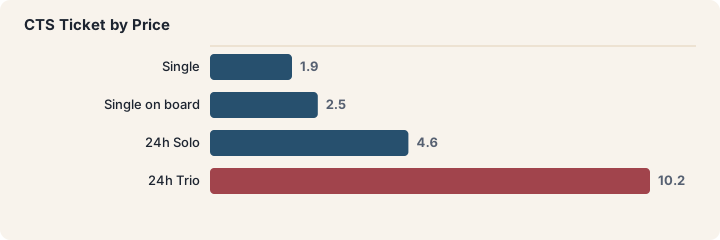
Getting between these quarters is cheap. A single CTS tram ticket is 1.90 EUR bought through the Badgéo card, the CTS app or contactless payment, or 2.50 EUR if bought on board a bus, and the 24h Solo pass is 4.60 EUR while the 24h Trio, for two or three people travelling together, is 10.20 EUR. An evening of restaurant-hopping across the city costs less than a coffee in some capitals.
A guided walk is a sound warm-up for dinner, since it teaches the geography between these quarters in a couple of hours. The European District walk pairs well with a Krutenau dinner afterwards, and a food-led walk does the eating for you.
What Is A Winstub And Why Does It Matter?
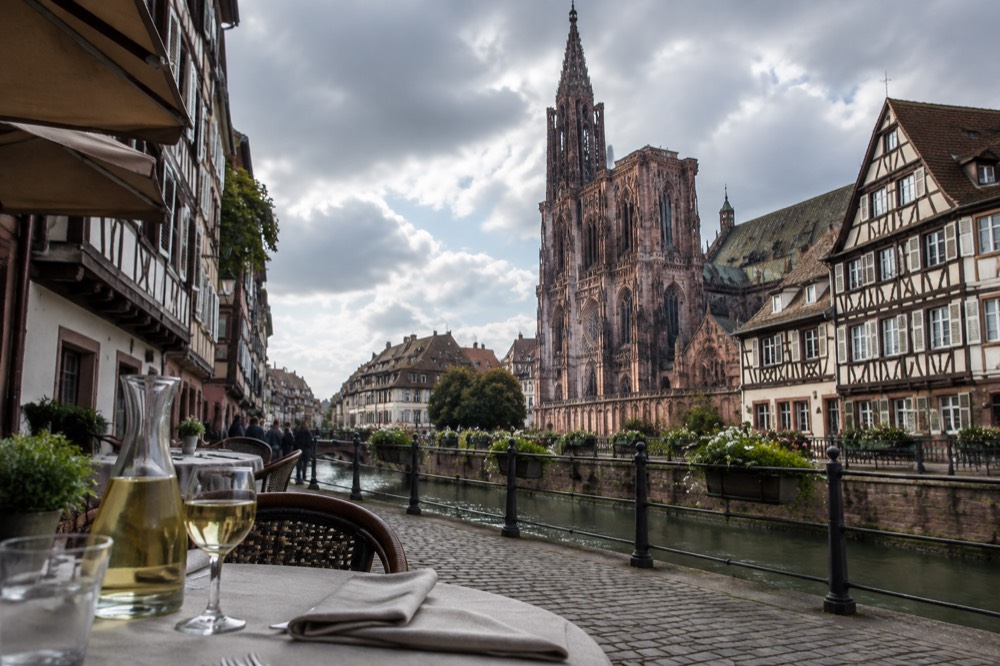
A winstub is an Alsatian wine room turned everyday restaurant: a small, wood-panelled dining room where the local riesling is poured by the glass and the menu is chalked up daily around pork, cabbage and potato. The word literally means wine room, and the format is Strasbourg's own contribution to European eating, neither bistro nor tavern but something in between. Eating in one is the fastest way to understand the city.
The winstub is the backbone of Strasbourg dining. Tables are close, menus are short, and the cooking is built on dishes that suit a wine room: things that wait well, come in generous portions, and match the dry whites of the Alsace route. Choucroute, baeckeoffe and presskopf all belong here, and the house riesling is poured without ceremony. Service can feel brisk to visitors used to long tasting menus; it is not rudeness, it is a wine room's rhythm.
The contrast worth knowing is between the winstub, the modern bistro and the market stall. They are three different formats, three price feelings and three kinds of evening, and the city supports all of them within a fifteen-minute walk.
| Format | What You Get | Pace | Suits |
|---|---|---|---|
| Winstub | Classic Alsatian dishes, wine by the glass | Brisk, one sitting | First night in the city |
| Modern bistro | Short seasonal menus, often with Alsatian produce | Relaxed, courses | A second or third visit |
| Market stall | Street portions, eaten standing | Immediate | Lunch between sights |
| Wine bar | Small plates and pours from the wine route | Open-ended | An evening that wanders |
One practical note that belongs here rather than later: the cathedral closes its nave to visitors during the midday service window, and the astronomical clock show runs at 12:30 sharp with day-of tickets only, 4 EUR, sold from the stalls or the Saint-Michel entrance. If you are planning lunch around a cathedral visit, eat first and clock afterwards, or the other way round, but do not try to squeeze the show into a rushed main course.
The European District walk makes a natural pre-dinner pairing on a first day, because it ends within an easy walk of the riverside quarters where the winstubs sit.
How Do You Book A Table And What Should You Expect?
Book by phone or through the restaurant's own site a day or two ahead for the Grande Île and Petite France, especially at weekends and during the Christmas market, and expect fixed-price lunch menus to be the norm in winstubs and bistros alike. Tables are often given in one sitting in the evening, so arriving on time matters. No specific restaurant price is published here; menus are chalked or printed daily and vary.
The booking culture in Strasbourg is straightforward. Small dining rooms mean small seat counts, and the winstubs around the cathedral fill early. A phone call the day before is usually enough outside the market season; during it, book further ahead and be ready to eat at 19:00 rather than 21:00, because evening sittings start early here by southern French standards.
Lunch is the value play. Fixed lunch menus, a main plus a starter or a dessert, are common across the city's bistros and winstubs, and the Krutenau's student-facing kitchens keep the format honest. Dinner leans longer and pricier wherever you sit. For visitors watching costs, the Strasbourg on a budget page collects the wider money-saving picture, and the free things to do in Strasbourg page covers the sights you can pair with a cheap lunch, including strolling the public squares and the riverside lanes.
| CTS Ticket | Price | Where To Buy | Good For |
|---|---|---|---|
| Single | 1.90 EUR | Badgéo, CTS app, contactless | One tram ride to dinner |
| Single on board | 2.50 EUR | From the bus driver | Emergencies only |
| 24h Solo | 4.60 EUR | CTS app and sales points | A full day of eating across quarters |
| 24h Trio | 10.20 EUR | CTS app and sales points | Two or three diners together |
The tram network makes the evening logistics simple. The airport shuttle train runs to the station in 8 minutes with up to five trains an hour, and the combined train-plus-city ticket at 4.60 EUR covers the airport link and a day of city transport, which is exactly what a food-focused day trip needs. Fares and route details for getting around generally live on the where to stay in Strasbourg page's neighbouring guides.
Which Food Tours Are Worth Booking In Strasbourg?
Food tours in Strasbourg split into two useful kinds: tasting walks that visit several winstubs, bakeries and market stalls with a local guide, and general walking tours that end near the dining quarters so you can carry on alone. A gourmet tasting walk typically runs around three hours; a short orientation walk runs about an hour. Prices and current ratings are on each operator's live listing, and are deliberately not quoted here.
A tasting walk is the efficient first-evening move if you want the classics explained while you eat them. The guides who run these walks know which kitchen does the best tarte flambée and which bakery pulls its kougelhopf at which hour, and the format means you sample across five or six stops rather than committing to one menu. For travellers with only a night or two in the city, that breadth is hard to build alone.
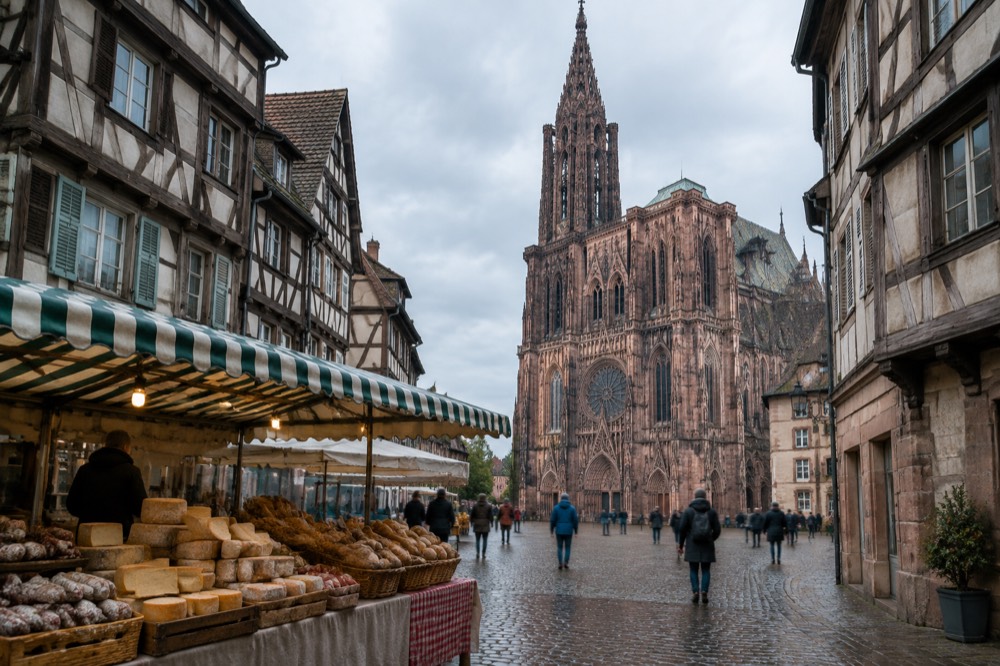
The shorter format suits a different traveller: someone with a dinner reservation already made who wants the streets explained in the hour before it. A 60-minute walk with a local guide covers the cathedral quarter and the river lanes quickly, and ends you within a short stroll of the winstubs. Check the live listing for the current schedule before you plan around it: Check availability.
The longer traditional food walk goes deeper into the Alsatian repertoire, with tastings built around the classics rather than around trendier small plates, and it suits a visitor whose main interest is the heritage cooking rather than the contemporary scene.
A second option, for a different evening, is the traditional tasting format:
Pair a food walk with the wider sightseeing plan rather than treating it as separate. The is Strasbourg worth visiting page frames the whole case for the city, and the seasonal guides, Strasbourg in autumn among them, note when the markets and cellars are at their best.
Where Do Locals Eat In Strasbourg?
Locals eat in the Krutenau's bistros and wine bars, in the winstubs their families have used for decades, and at the covered markets and neighbourhood bakeries rather than on the cathedral's most photographed streets. The honest answer is that residents spread across the whole city, but the pattern holds: the closer to the cathedral, the more the menu is pitched at visitors, and one street back it is pitched at neighbours.
The useful instinct is to walk a few streets off the main squares. The lanes behind Place Kléber and the streets running down from the cathedral towards the Ill hold kitchens with local regulars, chalkboard menus and no terrace tout. In the Krutenau the student population keeps prices honest and portions real, and the wine bars there pour from the Alsace route at glass prices a visitor can absorb.
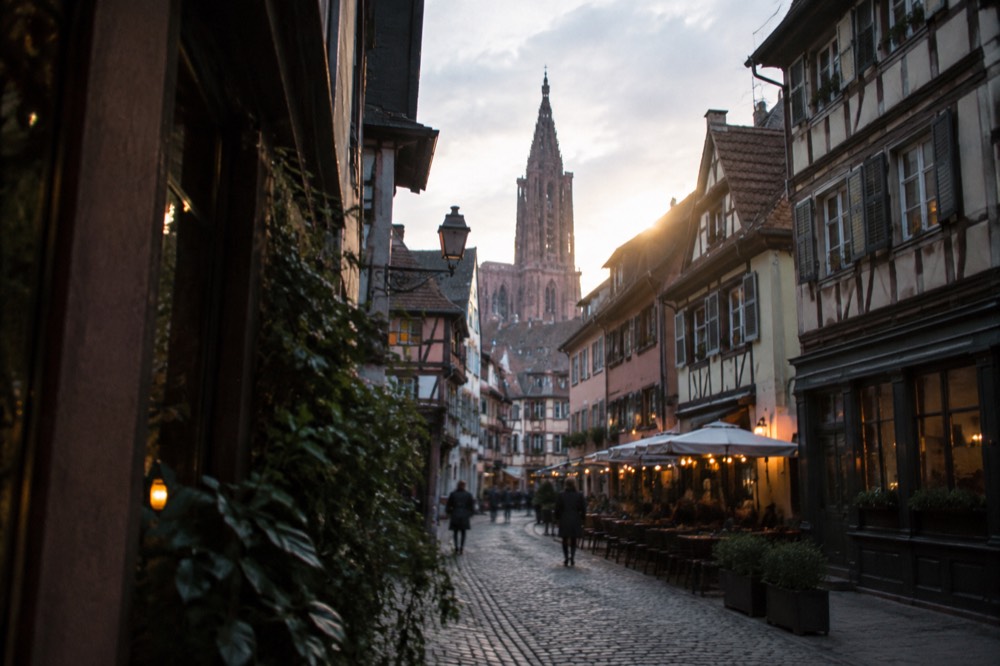
Sunday lunch is the locals' institution. Families book long tables, service slows, and the baeckeoffe tradition fits the day. Visitors are welcome but should book rather than walk in. A related habit worth copying: the municipal museums, from the Beaux-Arts to the Musée de l'Œuvre Notre-Dame, are free on the first Sunday of every month, which makes a free museum morning and a Sunday lunch a very Strasbourg Sunday indeed. Note one exception: the Musée Alsacien is closed for works until 2028 and should not be planned into any itinerary.
| Occasion | Where Locals Go | What To Order | Booking Habit |
|---|---|---|---|
| Weekday lunch | Krutenau bistros | Set lunch menu | Walk in, early |
| Sunday lunch | Family dining rooms, Neustadt | Baeckeoffe, roast | Book days ahead |
| After-work glasses | Wine bars in the Krutenau | Riesling by the glass, small plates | No booking |
| Dinner with visitors | A Grande Île winstub | The full classics | Book a day ahead |
| Quick weekday bite | Bakeries and market stalls | Kougelhopf slice, savoury tart | No booking |
What Should You Eat At The Strasbourg Christmas Market?
At the Christmas market, eat the street versions of the classics: tarte flambée from a chalet griddle, roasted chestnuts, bredele cookies, hot spiced wine and the warm kougelhopf slices that appear only in the market season. The market opens in the last week of November and runs to 24 December, with chalets typically open from late morning into the evening, and the final day closes early. Confirm the 2026 dates on the city's Christmas site.
The market changes the city's eating rhythm entirely. For the weeks it runs, the Grande Île becomes an open-air pantry, and the winstubs sit inside a ring of griddles and glühwein kettles. The street tarte flambée is worth queuing for: it comes off a wood-fired chalet oven in minutes, folded into a paper sleeve, and eaten walking. Bredele, the small spiced Christmas biscuits baked in every Alsatian household, appear in tins at the stalls, and a mixed tin is the correct souvenir.
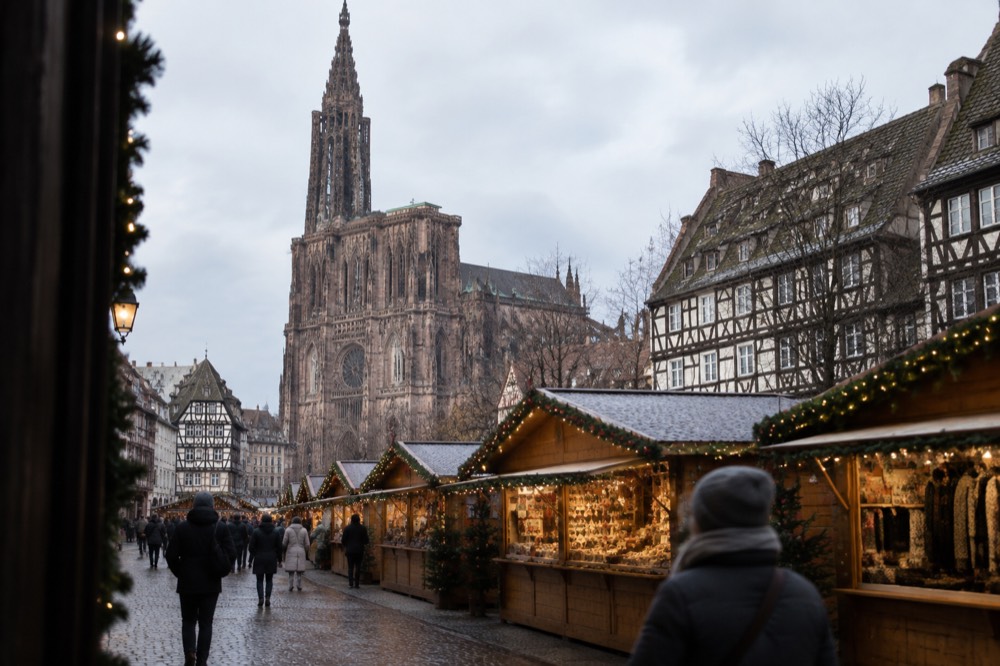
Last year's edition ran from 26 November to 24 December 2025 and drew 3.05 million visitors, which explains the one planning rule that matters: book restaurants, not just hotels, well ahead for the market weeks. The city posts each edition's dates on its Christmas site, so treat the pattern, late November to 24 December, as the planning window and confirm on the city's official Christmas site. The Strasbourg Christmas market page carries the full itinerary advice, the Christmas markets in Alsace page spreads the idea across the region, and the where to stay for the Strasbourg Christmas market page solves the harder half of the December problem.
| Market Food | What It Is | When It Appears | Note |
|---|---|---|---|
| Street tarte flambée | Griddle-baked, folded in paper | All market weeks | Eaten standing |
| Bredele | Small spiced Christmas biscuits | From late November | Sold by the tin |
| Hot spiced wine | Mulled wine, sometimes with a local twist | All market weeks | Returnable cup deposits are usual |
| Roasted chestnuts | Hot from the chalet pans | Cold evenings | A hand-warmer as much as a snack |
| Kougelhopf slices | Warm brioche ring, sliced | All market weeks | Also at bakeries year-round |
December in Strasbourg is cold and damp rather than snowy by default: the Meteo-France 1991-2020 normals give the city a mean December maximum of 5.9 C and a mean minimum of 0.8 C, with 10.2 rain days of a millimetre or more in the month. Eat accordingly: the hot stalls are not a novelty in that weather, they are infrastructure. The Strasbourg in winter page covers the rest of the cold-season plan.
How Do You Pair Alsatian Wine With The Food?
Pair riesling with choucroute and river fish, ask for the crémant, the region's sparkling wine, with kougelhopf and lighter first courses, and let the winstub pour its house white by the carafe when in doubt. Alsatian wine is dry white wine country first, and the classic dishes were built around what grows on the hills behind the city, so the safest order in any winstub is the local pour.
Curious about those dry whites before you order? Book an Alsace wine tasting here.
The Alsace wine route runs directly south of the city, and its grapes shape the restaurant list. Riesling is the structural pairing for the pork and cabbage dishes: its dry cut balances the fat and acidity of choucroute. Crémant d'Alsace, the sparkling wine made in the same vineyards, is the flexible opener and the traditional partner for the pastry courses. When a menu is unfamiliar, the house white by the carafe is the local order and rarely a mistake.
| Dish | Pour | Why It Works |
|---|---|---|
| Tarte flambée | Crémant or a light dry white | The bubbles cut the cream |
| Choucroute garnie | Riesling | Dry acidity against the pork and sauerkraut |
| Baeckeoffe | A fuller dry white, ask for the house pour | The casserole's own wine echoes in the dish |
| River fish | Riesling | The classic regional match |
| Kougelhopf | Crémant, or riesling by the glass | Sweetness against the brioche |
The wine route itself makes a strong day trip from a food-focused stay, and the villages along it hold the cellar doors where these same bottles cost less than they do on the island. The pairing logic you learn in a winstub travels well down the route.
Whatever your evening looks like, the pattern that serves every visitor is the same: order the classics once, book ahead on the island, walk off the main squares for the second and third meals, and let the tram, at 1.90 EUR a ride, carry you home.
Common Questions About Eating Out In Strasbourg
What is the most famous food in Strasbourg?
Tarte flambée and choucroute garnie are the two dishes the city is judged on, with baeckeoffe and kougelhopf close behind. All four appear on nearly every winstub menu, and the Alsace wine route supplies the riesling and crémant that accompany them.
Where do locals eat in Strasbourg?
Locals spread across the whole city, but the pattern is consistent: Krutenau bistros and wine bars for everyday meals, family dining rooms for Sunday lunch, and the winstubs one street back from the main squares rather than those facing the cathedral.
Do you need to book restaurants in Strasbourg in advance?
Book ahead for dinner on the Grande Île and in Petite France, especially at weekends, and book well ahead for the Christmas market weeks, when the 2025 edition drew 3.05 million visitors. Lunch is easier, and the Krutenau takes walk-ins more often than the island does.
What should you eat at the Strasbourg Christmas market?
Street tarte flambée from a chalet griddle, bredele biscuits by the tin, roasted chestnuts and hot spiced wine. The market opens in the last week of November and runs to 24 December, with chalets typically open from late morning into the evening; confirm the 2026 dates on the city's Christmas site.
How expensive is eating out in Strasbourg?
No specific restaurant price is quoted here because menus change daily and vary by format. The reliable structure is that fixed-price lunch menus are the norm and cost less than dinner, the winstubs sit in the middle, and the market stalls are the cheapest way to eat the classics. Tram transport is 1.90 EUR a ride, so the travel cost of eating anywhere in the city is trivial.
What wine should you drink with Alsatian food?
Riesling with choucroute and river fish, crémant with tarte flambée and kougelhopf, and the house dry white by the carafe when the menu is unfamiliar. The region is dry white wine country first, and the classic dishes were built around those pours.