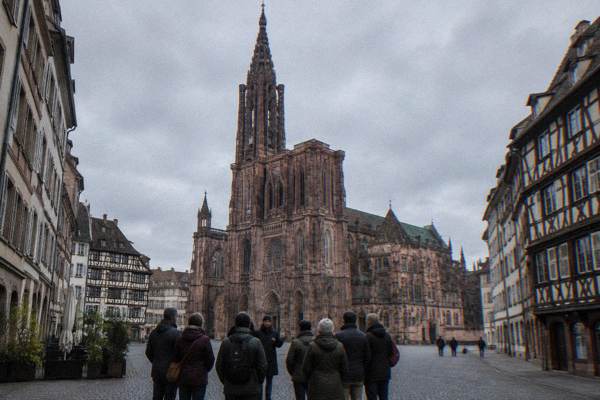
Was Strasbourg Bombed In WWII?
A plain answer to whether Strasbourg, in north-eastern France, was bombed in the Second World War, which districts were hit, why the old island survived, and where the legacy shows today.
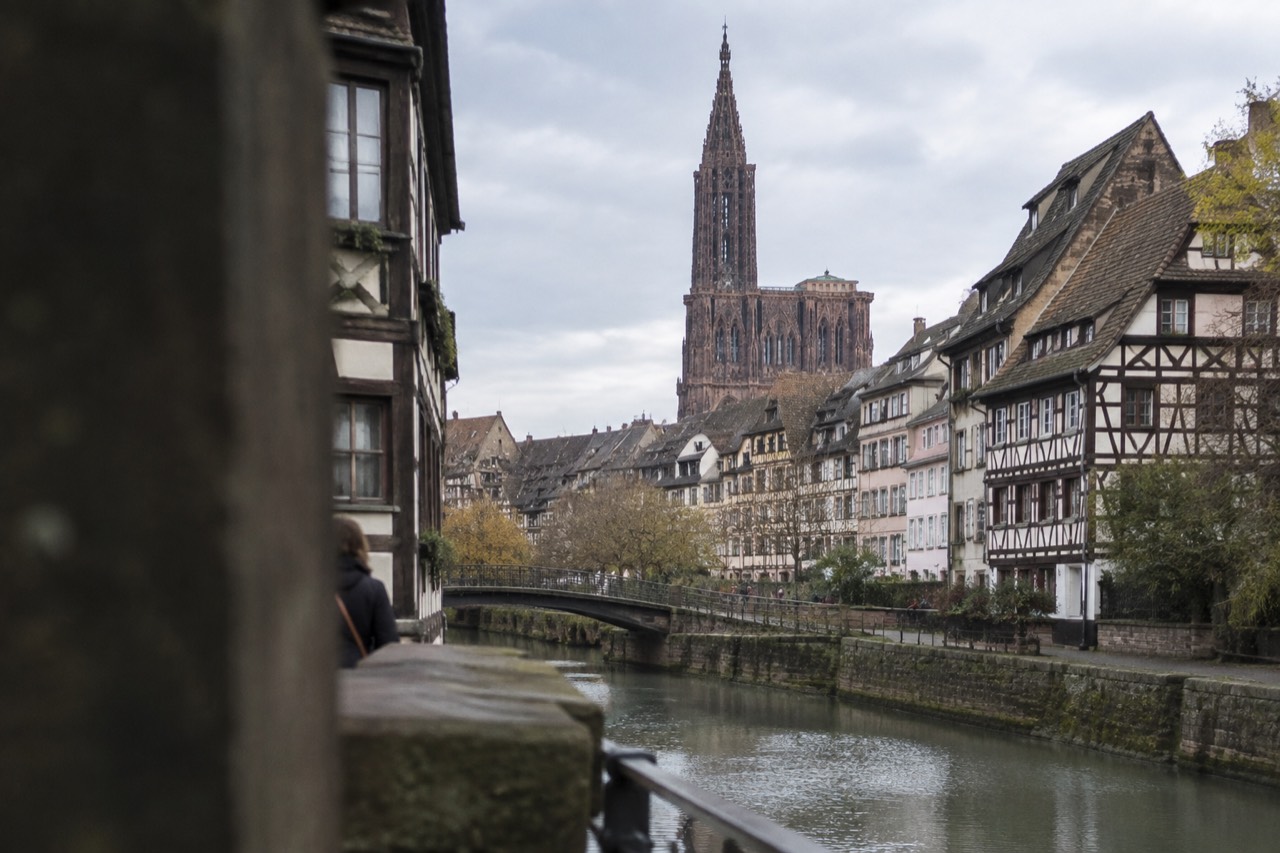
Strasbourg, in Alsace, north-eastern France, sits on the River Ill a short way from the Rhine, the border with Germany, and its wartime story is one of the more unusual in France. The city passed under German control early in the Second World War and returned to France before the conflict in Europe ended, and during that closing phase it was bombed from the air. The raids did real damage, and the shape of that damage still explains a great deal about how the modern city looks and feels. The short answer is yes, with an important qualification: the bombs fell on the working districts around the station and the western edge of the centre, not on the half-timbered old town that draws the crowds.
Was Strasbourg Bombed In WWII?
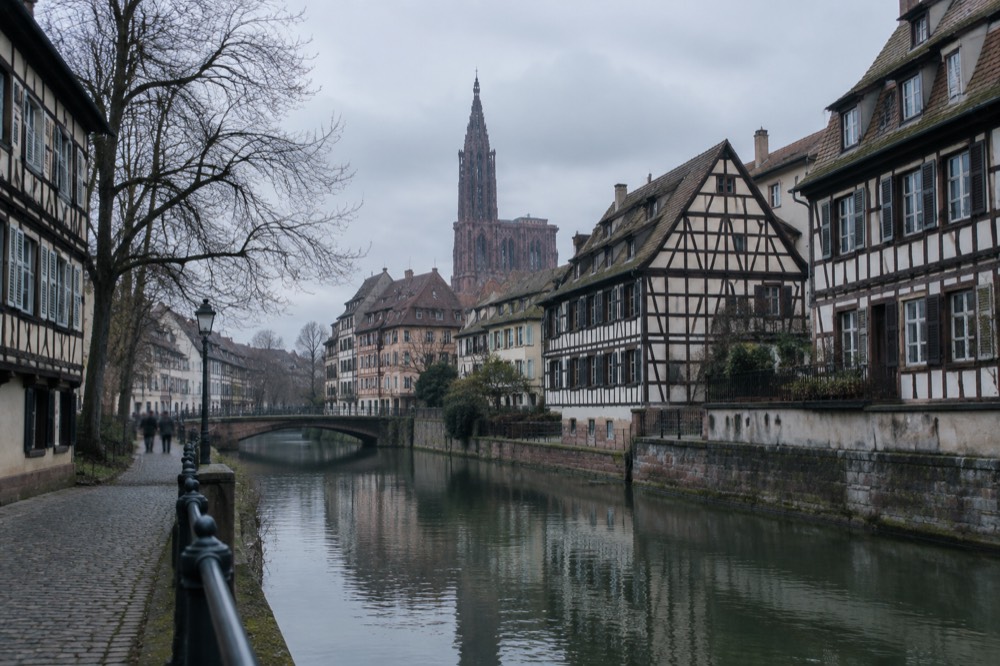
Yes, Strasbourg was bombed during the Second World War, in the closing phase of the war in Europe, when Allied air raids struck the city. The raids concentrated on the railway hub and the districts around it, destroying substantial blocks of buildings there. The medieval core on the Grande Île, the island between the arms of the Ill, escaped without major destruction, which is why the cathedral, Petite France and the old merchant streets still stand in their historic fabric today.
The geography of the bombing matters for anyone trying to read the city now. The railway station sits just north-west of the old island, and the land between the station and the historic core, along with districts further west, took the weight of the raids because the rail yards were the target. Bombs aimed at transport infrastructure rarely fall neatly, and the surrounding residential streets absorbed the overspill. That is a pattern repeated across many French cities, but in Strasbourg it produced a particularly sharp divide: a warren of medieval lanes on one side of the Ill, and broad, plainly postwar rebuilding on the other.
The city's wartime identity was complicated before a single bomb fell. Alsace had changed hands between France and Germany across the generations, and Strasbourg's population lived through the war under German administration before the city returned to France. That history shapes the questions people ask about the city's language and identity, which this site covers in why Strasbourg is so famous and in the discussion of whether Strasbourg is more German or French. The bombing is only one chapter in that longer story, but it is the chapter that left marks on the streets.
Which Parts Of The City Were Hit?
The bombing fell on the north-western side of central Strasbourg, around the railway station and the rail approaches, together with adjoining residential and commercial districts west and north of the old island. Buildings were destroyed and streets were cleared by the damage across that belt. The Grande Île, the historic island holding the cathedral, Petite France and the main old squares, was not the target and came through without the scale of destruction seen near the tracks.
Walking from the station towards the cathedral today, the attentive visitor passes through a seam in the city. The blocks closest to the station are wider, straighter and architecturally younger than anything on the island, and that contrast is the direct legacy of the raids: what the bombs cleared, the postwar decades rebuilt in the idiom of their time. Further out, in the western districts, whole neighbourhoods were rebuilt on cleared ground. None of this is hidden. It simply is not signposted, and a traveller who knows to look for it finds the story written in the street plan.
A useful way to hold the picture in mind is to sort the city into zones by what the war did to them. The table below does that in qualitative terms, because the interesting fact for a visitor is not a tonnage figure but which streets feel old and which feel new, and why.
| Zone of the city | Wartime fate | What a visitor sees today |
|---|---|---|
| Grande Île, the historic island | Not the target of the raids; historic fabric survived | Cathedral, Petite France, half-timbered streets and covered bridges in their old form |
| Neustadt, the German-era quarter | Largely intact through the war | Broad avenues, official buildings and churches of the imperial German period |
| Station district and rail approaches | Hit by raids aimed at the railway hub | Postwar rebuilding, wider streets, modern blocks beside the station |
| Western residential districts | Damaged and cleared in the bombing | Rebuilt neighbourhoods of the postwar decades |
The old island's survival is why Strasbourg can still present itself as a medieval city at all. The Grande Île and the later Neustadt are inscribed together as a single World Heritage property, a recognition that rests on the survival of the historic fabric. Had the raids fallen on the island instead of the rail yards, the city visited today would be a different place, closer to those French towns whose old centres were rebuilt in concrete after their own wars. That counterfactual is worth holding in mind when the crowds in Petite France feel heavy: the crowds are there because the streets survived.
Why The Old Island Survived The War
The raids that struck Strasbourg were aimed at the railway infrastructure on the north-western side of the centre, not at the historic island, and bombing accuracy of the period meant the damage clustered around the intended target. The Grande Île held no rail yards and little of military-industrial value, so it was not a designated target and escaped the concentrated destruction that fell on the station belt. Its medieval and Renaissance buildings stood through to the peace.
The survival was luck as much as design. Air forces of the period bombed transport nodes because armies needed rail lines broken, and a city's medieval showpiece counted for nothing in that calculation unless it sat on the target. In Strasbourg the tracks and the old town are close together, a few minutes' walk apart, and the margin between them was the margin between the city we have and the city we lost. Other Alsatian and Rhineland towns were not so fortunate, and their postwar centres show it. Other pages covering the same trip are gathered on Strasbourg Travel Guide.
The rebuilding that followed the war deserves its own respect. Strasbourg's damaged districts were reconstructed in the decades after the conflict, and the city grew around its scars rather than erasing them. The Neustadt, laid out in the German imperial period before the world wars, now reads as a second historic centre precisely because it too survived. For the full picture of how the city is laid out today, the practical companion is the guide to how many days in Strasbourg is enough, which treats the island, the Neustadt and the station belt as three separate days of walking.
For visitors who want the story told rather than decoded from street plans, a guided walk with a local guide is the efficient route, and the craft beer tasting below is a good fit for the late afternoon, when the walking is done. It runs before the brewery opens to the public, which gives the evening a behind-the-scenes character, and the roster lists it with free cancellation.
How To Read The Traces On The Ground Today
The clearest traces of the bombing are architectural and urban rather than marked: the contrast between the postwar blocks around the station and the medieval fabric across the Ill, the widened streets on cleared ground in the western districts, and the occasional building that visibly predates its neighbours on a rebuilt street. Strasbourg has no single memorial route for the bombing, so the honest method is a walk from the station to the cathedral with eyes open, plus the museums that treat the city's longer history.
A practical walk runs like this. Start at the station and take in the streets immediately around it, noting the scale and the age of the buildings. Walk south-east towards the old centre and watch the architecture shift as the street plan narrows and the half-timbering begins. Cross onto the Grande Île, pass the cathedral, and drop down to Petite France and the covered bridges at its southern tip. The walk is short, and the change in the streetscape along it is the bombing's signature, legible without a single plaque.
The museums fill in the human story. The Musée Historique de Strasbourg treats the city's past in its own building, and the archaeology and decorative arts collections round out the picture of what the island held before the war. The Palais Rohan museums sit on the island itself. Check opening arrangements on the official museum pages before visiting, since special closures apply from time to time, and remember the first-Sunday free entry noted above.
To go deeper into the region's wartime history, book a Struthof camp tour here.
| Way to encounter the wartime story | Where | What it offers |
|---|---|---|
| Station-to-cathedral walk on foot | From the station across the Ill to the Grande Île | The clearest visible contrast between rebuilt and surviving districts |
| Musée Historique de Strasbourg | Rue du Vieux Marché aux Vins, on the island | The city's history told through objects, in a historic building |
| Guided walk with a local guide | Departure points on the listing | A guide who can point at walls, streets and gaps and explain each one |
| Boat circuit on the Ill | Departure from the Palais Rohan quay side | The city seen from the water, including the surviving river quarter |
Guided options earn their place here because the traces are mute. A hidden-stories small-group walk is built exactly for readers of this kind of history, and the roster carries it with free cancellation. The boat option suits travellers who want the geography of the island explained from the water, where the arms of the Ill that sheltered the old town are easiest to understand.
Is The Old Town Authentic Or Rebuilt?
The Grande Île is authentic surviving fabric, not a postwar reconstruction, and that distinction separates Strasbourg from the French cities whose historic centres were destroyed and then rebuilt in period style. The half-timbered houses of Petite France, the cathedral, the covered bridges and the old merchant streets stand as they were. The rebuilt districts are elsewhere, around the station and to the west, and they make no attempt to imitate the island.
Travellers who have seen reconstructed old towns elsewhere arrive suspicious, and the suspicion dissolves the moment they walk the side streets off the main squares, where the fabric is ordinary, lived-in and continuous rather than stage-set pretty. The island's survival is the whole explanation, and it is the reason the World Heritage inscription covers the old centre and the Neustadt together as one property. A visitor can therefore trust the old town as genuine while reading the newer blocks as the honest record of what the war cost.
The rebuilt districts should not be written off, either. They are where a good deal of daily Strasbourg happens, from the markets around the station belt to the eating streets that locals use, a subject covered in what to avoid in Strasbourg for travellers sorting the genuine from the tired. The postwar city is part of the city, and the bombing is why it looks the way it does.
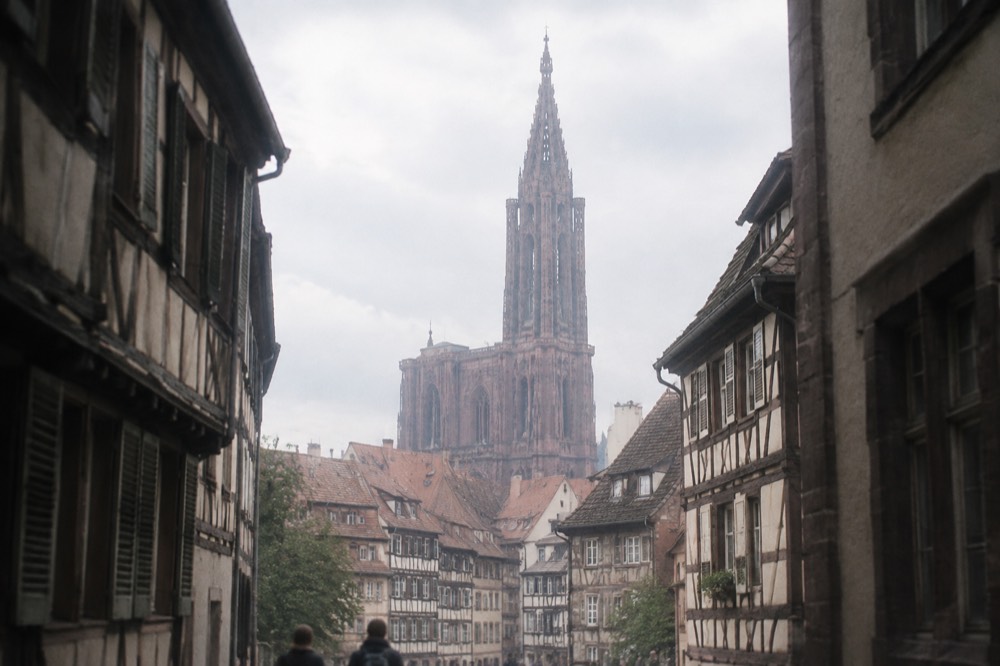
For evening, the craft beer tasting that runs before the brewery opens is a natural close to a day spent on wartime history, since brewing in Alsace carries its own long story of the region's crossings between France and Germany. The listing carries free cancellation and the button below goes to the operator's live listing.
Common Questions About The Strasbourg Bombing
Was Strasbourg bombed in WWII?
Yes. Allied air raids struck Strasbourg in the closing phase of the war in Europe, targeting the railway hub on the north-western side of the centre. The districts around the station and further west were damaged and rebuilt after the war, while the historic island of the Grande Île survived without major destruction.
Was the Strasbourg cathedral damaged in the war?
The cathedral on the Grande Île came through the war as part of the island's general survival, and it stands today in its historic fabric with its single spire and its platform at 66 m. The raids fell on the rail belt away from the island, not on the old town.
Why does Strasbourg still have so many half-timbered houses?
Because the medieval core on the Grande Île was not the target of the bombing and was not razed, unlike the historic centres of many other French cities. The half-timbered houses of Petite France and the streets around the cathedral are original surviving buildings rather than postwar reconstructions.
Which parts of Strasbourg were rebuilt after the war?
The belt around the railway station and the rail approaches, plus adjoining residential districts to the west and north of the centre, took the damage and were rebuilt in the postwar decades. The wider streets and younger architecture in those districts are the visible record of that rebuilding.
Can you still see the effects of the bombing today?
Yes, mainly through the contrast between the postwar blocks around the station and the medieval streets across the Ill. A walk from the station to the cathedral passes through the seam between rebuilt and surviving districts, and the shift in street width, scale and architectural age is the clearest trace the raids left.
The wartime chapter of Strasbourg is visible to anyone who knows to look, and invisible to anyone who does not, which is exactly why it rewards a little reading before a visit. The city that greets travellers today, half-timbered and river-threaded, is the half that the bombs missed, standing a short walk from the half they did not.