What To Avoid In Strasbourg?
The honest list of things to avoid in Strasbourg, France: overpriced terraces, transport mistakes, closed museums and timing errors, with better alternatives for each.
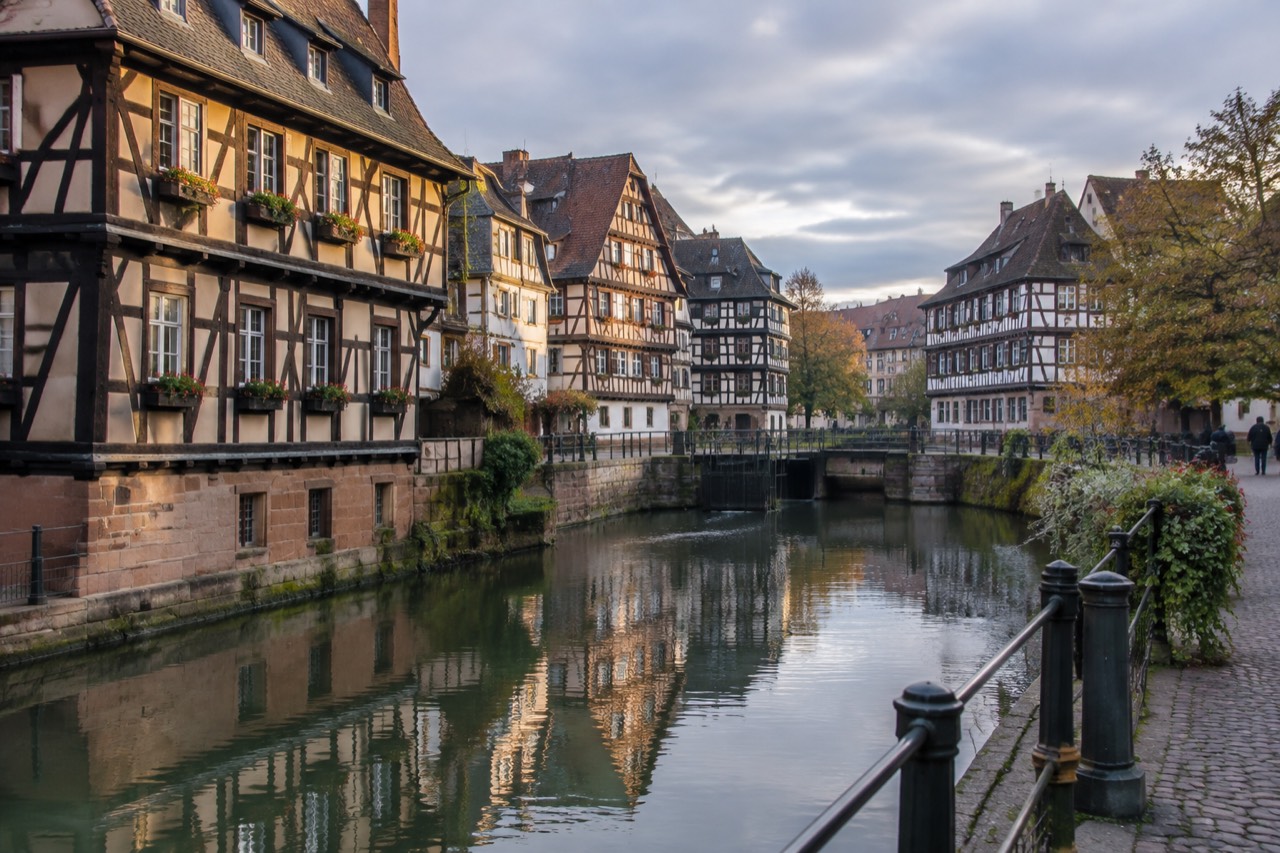
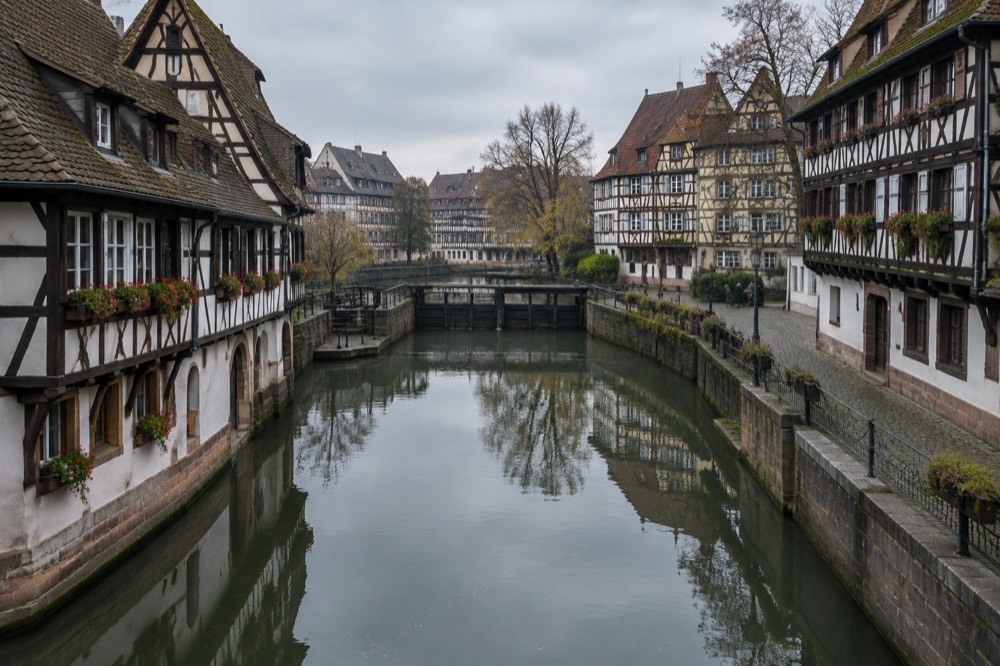
Strasbourg, the prefecture of the Bas-Rhin in Alsace, part of the Grand Est region of north-eastern France, sits on the River Ill beside the Rhine, which forms the border with Germany. The historic core, a World Heritage property stretching across the Grande Île and the later Neustadt extension, is small enough that a visitor can walk between the cathedral, Petite France and the Ponts Couverts in a single morning. That compactness is exactly why the city punishes a handful of avoidable mistakes: eating in the wrong terrace, paying the wrong tram fare, or planning around a museum that has its doors shut. This page walks through each of them, with the better alternative sitting beside every warning.
What To Avoid In Strasbourg?
Avoid the terrace restaurants fronting the busiest squares, buying on-board tram tickets, driving into the Grande Île, and planning a visit around the Musée Alsacien, which is closed for works until 2028. Strasbourg's real traps are few but concentrated: overpriced food near the cathedral, small transport overcharges that add up, and timing errors around the Christmas season, when the city is at its fullest and its priciest.
The framing matters here. Strasbourg is not a city of scams or aggressive touting; the commune counted 293,771 residents at the last INSEE census, and the centre feels more like a mid-sized regional capital than a theme park. What catches visitors out is subtler. Prices on a prime terrace carry a premium you can see on the menu before you sit down. A tram ticket bought on the bus costs more than the same ticket bought in the app. And the Christmas market, which drew 3.05 million visitors to the 2025 edition, changes the whole economy of the old town for a month. None of these ruin a trip. All of them are avoidable with a little planning, which is what the rest of this page does.
Which Spots Deserve A Skip And Which Deserve A Second Look?
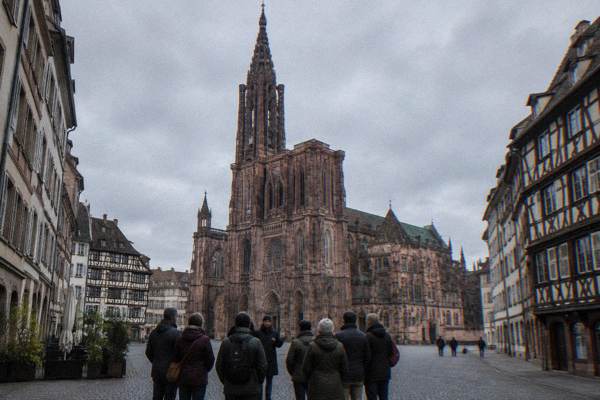
Skip the restaurants that face directly onto Place Kléber and the cathedral square, skip souvenir shops selling mass-produced Christmas ornaments, and skip any eatery with a host touting at the door. The pattern is consistent across the old town: the closer a terrace sits to the single-spire cathedral, the higher the price and the lower the payoff, while the good winstubs sit a street or two back in the Krutenau and around Place Saint-Étienne.
A useful habit is to walk one block off the main axis before choosing anywhere to eat. The difference between a terrace on the cathedral square and a winstub two streets away is not cosmetic: it shows up in the bill and in the plate. The traditional Alsatian dishes, choucroute, baeckeoffe and tarte flambée, are served all over the city, and the versions aimed at passing foot traffic are the ones that give the classics a tired reputation. The Strasbourg Travel Guide food coverage goes deeper on where the locals actually eat, and the same one-block rule applies to bars and bakeries.
| Pitfall | Why it disappoints | Better alternative |
|---|---|---|
| Terraces facing the cathedral square | Prime-location premium on standard dishes | A winstub one or two streets back in the old town |
| Souvenir shops near Place Kléber | Mass-produced ornaments at gift-shop prices | The covered markets and independent shops off the main squares |
| Musée Alsacien as a planned stop | Closed for works until 2028 | The Musée de l'Œuvre Notre-Dame beside the cathedral, 9 EUR full price |
| Museums at full price on a packed day | 9 EUR full and 5 EUR reduced per municipal museum | First Sunday of the month, when all municipal museums are free |
| A single rushed day in the old town | The centre deserves slower pacing | Two days, with the European Quarter on the second |
The museum line in that table deserves emphasis, because it is the planning error that catches the prepared traveller. The Musée Alsacien, the folk museum everyone reads about before arriving, has its doors shut for a long works programme that runs until 2028. The other municipal museums are open, all charge 9 EUR full price, and all of them drop the ticket entirely on the first Sunday of every month. The 1-day Pass Musées at 20 EUR only makes sense if you plan to visit three or more museums in a single day, so it is worth doing that arithmetic before buying rather than after.
If you would rather have someone sort the good stops from the disappointing ones before you arrive, a guided walk does that work for you.
Want a local to steer you right from the start? Book a free walking tour here.
Where Not To Eat In Strasbourg?
Do not eat at the terraces with picture menus in five languages on the main squares, do not treat a Christmas-market bratwurst stand as a meal, and do not assume anything labelled Alsatian near the cathedral is cooked on the premises. The city's food reputation rests on its winstubs and its market stalls, and the gap between the genuine article and the tourist version is wide enough to taste.
The winstub is the institution to aim for: a small, wood-panelled dining room serving Alsatian dishes and local wine by the glass. The genuine ones cluster away from the heaviest foot traffic, and they tend to fill with locals at lunch, which is itself a signal worth reading. A culinary walk with tastings is a reliable shortcut on a short visit, because a guide who feeds you is a guide who has already filtered the city for you.
One timing note belongs here because it is about food more than anything else: during the Christmas market, which ran from 26 November to 24 December in the 2025 edition and follows the same late-November-to-24-December pattern in a usual year, the market stalls themselves are for grazing rather than dining. The chalets typically open late morning and run into the evening, and the hot food they sell is a between-meals pleasure. Build real meals around them, and the market becomes a bonus rather than the whole food story.
What Transport Mistakes Cost You Money?
The expensive mistakes are small and repeatable: buying a tram ticket on board the bus at 2.50 EUR instead of 1.90 EUR through the app or a contactless card, driving into the Grande Île at all, and taking a taxi from the airport when a train covers the same run in 8 minutes. Strasbourg's tram network is extensive and the old town is pedestrian-first, so a car in the centre is a liability rather than a convenience.
The fare structure rewards a moment of attention. A single ticket is 1.90 EUR bought through Badgéo, the CTS app or contactless payment, and 2.50 EUR if bought from the driver on board. Anyone making more than two or three trips in a day is better on the 24h Solo at 4.60 EUR, and a group of two or three people shares the 24h Trio at 10.20 EUR. The airport shuttle deserves a special mention: the combined train-plus-network ticket at 4.60 EUR covers the regional train from Entzheim into the station and the city network around it, with trains running up to five times an hour.
| CTS ticket | Price | When it is the right buy |
|---|---|---|
| Single, app or contactless | 1.90 EUR | One or two trips in a day |
| Single, bought on board | 2.50 EUR | Never, if you can avoid it |
| 24h Solo | 4.60 EUR | Three or more trips in a day |
| 24h Trio | 10.20 EUR | Two or three people travelling together all day |
| Airport combined ticket | 4.60 EUR | Arriving at Entzheim, train plus city network |
The parking point is the one that costs the most. The old town's streets were not drawn for cars, parking in the centre is scarce and expensive, and the tram lines reach everything a visitor wants to see. The practical pattern is to park outside the hyper-centre or arrive by train and let the network do the work. For more on how the city fits together on foot, the question of whether the centre rewards walking has its own answer at is Strasbourg a walkable city, and the honest answer is that it is one of the more walkable cities in France.
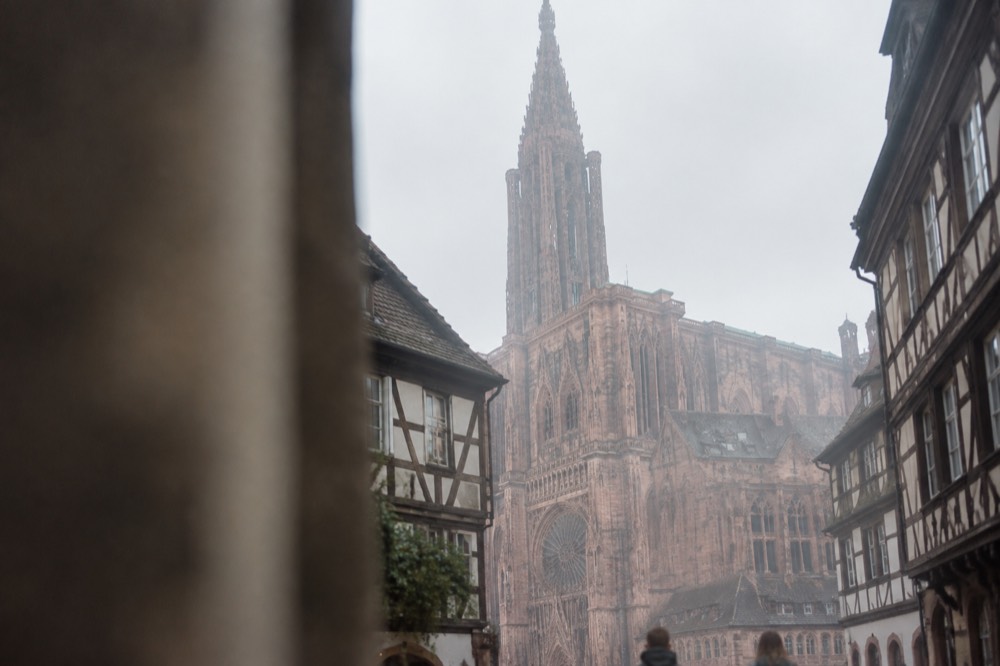
The cathedral itself rewards a different kind of preparation. The nave keeps visiting hours that pause around midday, the astronomical clock performs once daily at 12:30, and the platform ticket at 10 EUR full price is separate from the clock show at 4 EUR. A guided visit untangles those moving parts, and the cathedral tour can be booked directly: Check availability.
Which Timing Mistakes Make The Visit Harder?
The three timing errors are arriving without checking the cathedral's midday closure window, expecting the Christmas market on any given late-November date, and underdressing for a semi-continental winter. Strasbourg's climate runs from a mean maximum of 5.2 C in January to 26.4 C in July, with 635.7 mm of rain spread over 112.3 rain days a year, so the city is neither Mediterranean nor mild, and December visitors feel it.
The cathedral hours are the detail that catches people out. On weekdays the nave opens 08:30-11:15 and again 12:45-17:45, with Sunday hours of 14:00-17:15, so the middle of the day belongs to the congregation rather than the visitor. The astronomical clock show sits inside that gap deliberately, at 12:30, with tickets sold on the day only. Anyone planning a cathedral morning needs to work around that rhythm rather than against it.
The Christmas season is the other planning trap, in the opposite direction: it is the city's peak rather than its low point. The 2025 edition ran 26 November to 24 December, and the usual pattern opens in the last week of November and closes early on the evening of 24 December. Hotel prices in December reflect that demand, a point covered in detail at is December a good time to visit Strasbourg, and the trade is simple: crowds and peak prices against the lights, the tree and the atmosphere the city is famous for. Anyone booking for the 2026 season should confirm the dates on the city's official Christmas site before locking in travel, because the programme is still being finalised.
What Should You Do Instead Of The Obvious?
Give the European Quarter a half-day, take a boat tour on the Ill, and pace the old town across two days instead of cramming it into one. The Batorama river tours run 1h10 on the long circuit and 0h45 on the short one, and the European institutions sit a short tram ride from the centre, so the alternatives to the crowded squares are close, cheap to reach and genuinely different rather than a consolation prize.
The river is the city's other axis. Batorama's long tour costs 16.20 EUR full fare and 8.90 EUR reduced, the short tour 12.50 EUR and 7.20 EUR, and the boat passes Petite France, the Ponts Couverts and the modern institutions from the water, which is the angle the streets never give you. On land, the European Quarter holds the Parliament, the Council of Europe and the Court of Human Rights, and the Parlamentarium visitor centre keeps weekday hours with an airport-style security check at the door, so it rewards a small amount of planning.
Pacing is the last piece. The question of how long the city deserves has a full answer at how many days in Strasbourg is enough, and the short version is that one day covers the cathedral, Petite France and a market, while a second day opens the Krutenau, the Neustadt and the European Quarter without the pressure. The mistakes on this page all share one root: trying to do the city too quickly, in the wrong places, at the wrong times.
Common Questions About Strasbourg
What to avoid in Strasbourg?
Avoid the terraces and gift shops on the main squares, on-board bus purchases at 2.50 EUR, driving into the Grande Île, and any plan built around the Musée Alsacien, which is closed for works until 2028. Eat a street or two back from the cathedral, buy tram tickets through the app at 1.90 EUR, and confirm Christmas market dates on the city's official site before booking December travel.
Is Strasbourg a walkable city?
Yes. The Grande Île historic core is compact and largely pedestrianised, and the main sights, the cathedral, Petite France and the Ponts Couverts, sit within an easy walk of one another. The European Quarter is a short tram ride out, and the tram network covers anything beyond comfortable walking range.
Is Strasbourg expensive in December?
December is the peak, because the Christmas market draws millions of visitors to a small city centre. Hotel rates rise sharply for the season, and the terraces nearest the markets carry a premium. The trade is the lights, the tree and the atmosphere the city is known for, and the market stalls themselves are grazing food rather than full meals.
Is the Musée Alsacien open in Strasbourg?
No. The Musée Alsacien is closed for a programme of works that runs until 2028, and it should not appear on any current itinerary. The other municipal museums, including the Musée de l'Œuvre Notre-Dame beside the cathedral, are open at 9 EUR full price and free on the first Sunday of every month.
Do you need a car in Strasbourg?
No. The old town is pedestrian-first, parking in the centre is scarce, and the tram network reaches the European Quarter, the station and the airport shuttle. A car is a liability inside the Grande Île and only becomes useful for day trips into the Alsace wine villages and the Vosges.