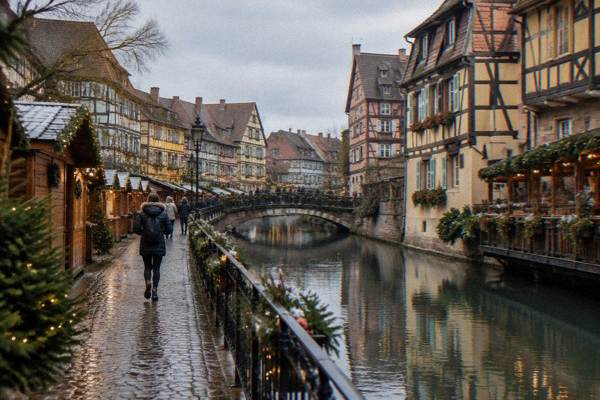
Is The Rhine Or Danube Better For Christmas Markets?
A plain comparison of Rhine and Danube Christmas market cruises, starting from Strasbourg in Alsace, France, with what each river does best in December.
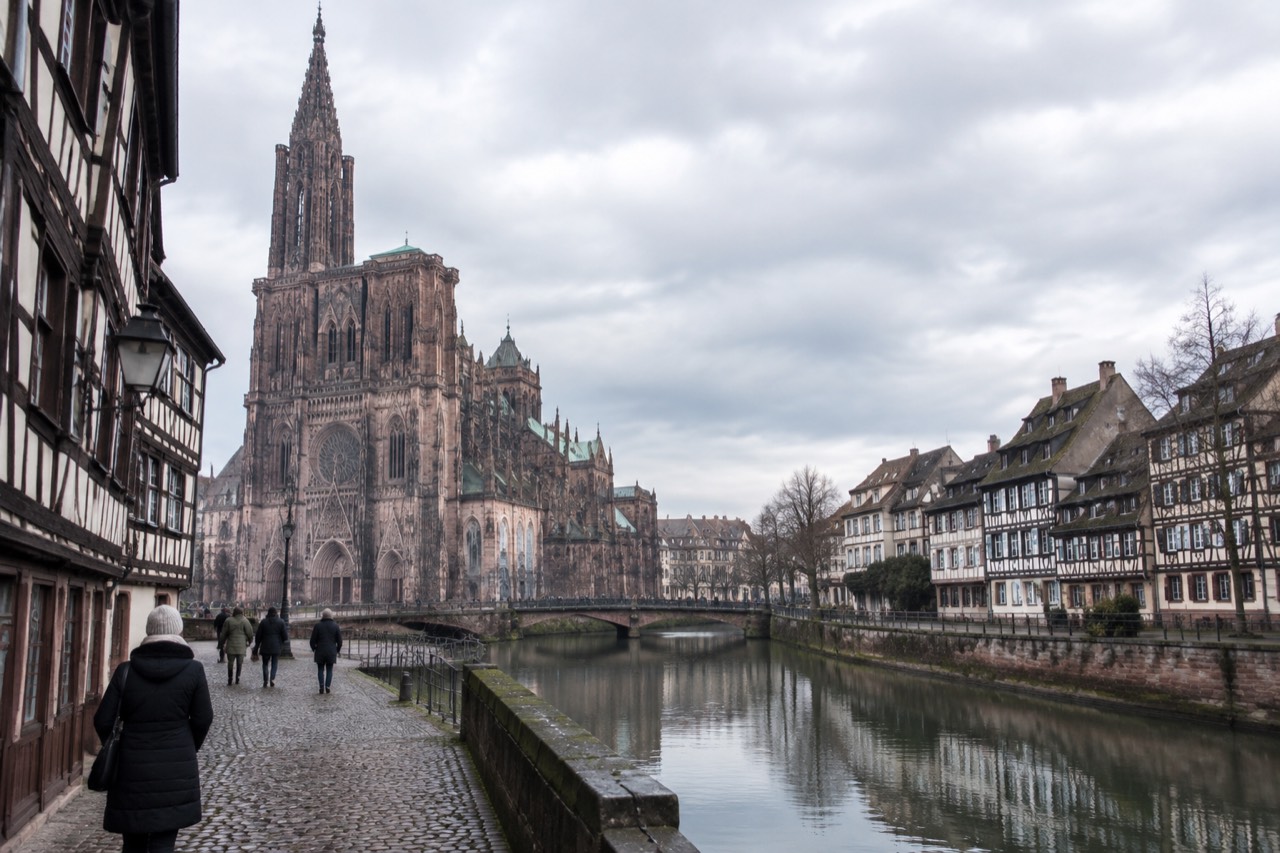
Strasbourg, in Alsace in north-eastern France, lies on the River Ill a short way upstream from the Rhine, which forms the border with Germany here. That geography answers half the question before any cruise brochure is opened: if your trip starts from Strasbourg, the Rhine is on your doorstep and the Danube is a long way east. The honest answer is that neither river is simply better. The Rhine, with Strasbourg as its festive anchor, delivers dense, historic markets inside a compact stretch of water. The Danube delivers imperial scale and longer sailings between capitals. Which one suits you depends on how much time you have and what kind of December cold you enjoy. This Strasbourg Travel Guide comparison works through both sides of the question from the city that knows the Rhine best.
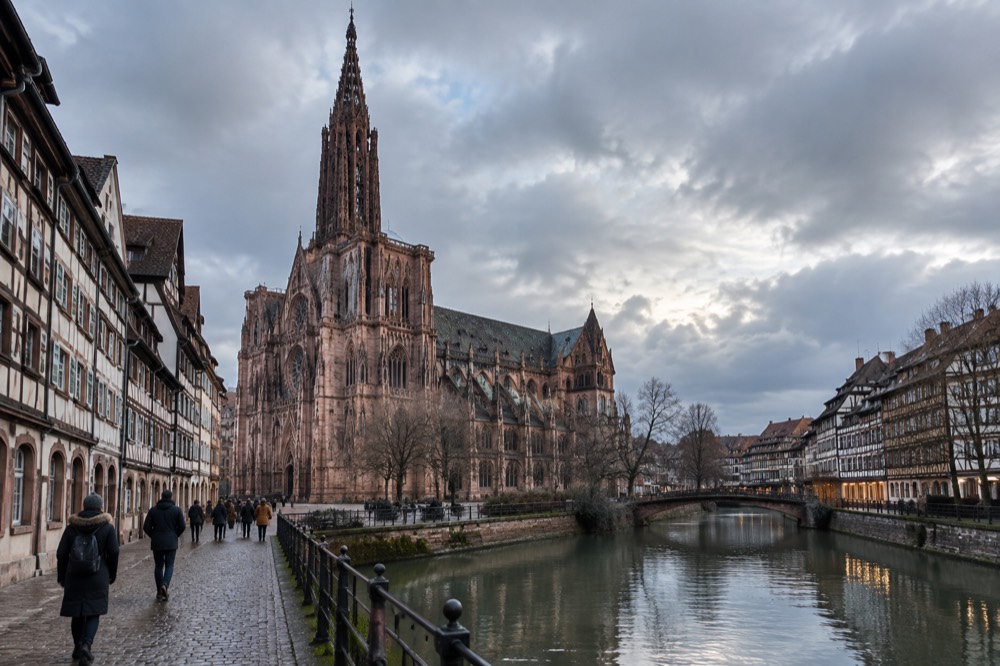
Is The Rhine Or Danube Better For Christmas Markets?
For a short festive break built around one great market city, the Rhine is the stronger choice, and Strasbourg is its centrepiece: the 2025 edition of its market ran from 26 November to 24 December and drew 3.05 million visitors, down from 3.4 million in 2024. For a longer cruise between grand capital cities, Vienna and Budapest among them, the Danube is the stronger choice. The Rhine wins on density and half-timbered charm; the Danube wins on scale and spectacle.
The Rhine route in December is really an Alsace and Black Forest route. Strasbourg, Colmar and the wine villages sit on or near the French side; Freiburg and Baden-Baden sit on or near the German side; the river itself stitches them together. The distances involved are short, which matters in winter when daylight is scarce and you want to be ashore, wandering stalls, rather than watching banks slide past.
The Danube route is a different animal. Its classic festive ports, Regensburg, Passau, Vienna and Budapest, are spread across a much longer stretch of river, so sailings tend to be longer and the cities themselves are far larger than anything on the Alsatian Rhine. Where the Rhine gives you a medieval core and a glass of riesling, the Danube gives you state balls, imperial facades and wide river vistas. If you are deciding between the two, you are really deciding between intimacy and grandeur.
What The Rhine Does Best From A Strasbourg Base
The Rhine's great advantage is that its festive highlights cluster tightly together, and Strasbourg is the largest of them. The city's own market, described in the site's Strasbourg Christmas market guide, traditionally opens in the last week of November and runs to 24 December, closing early on the final day. From Strasbourg you can reach Colmar, the wine villages and the German markets without ever spending a full day at sea, so a four or five day trip can cover a great deal.
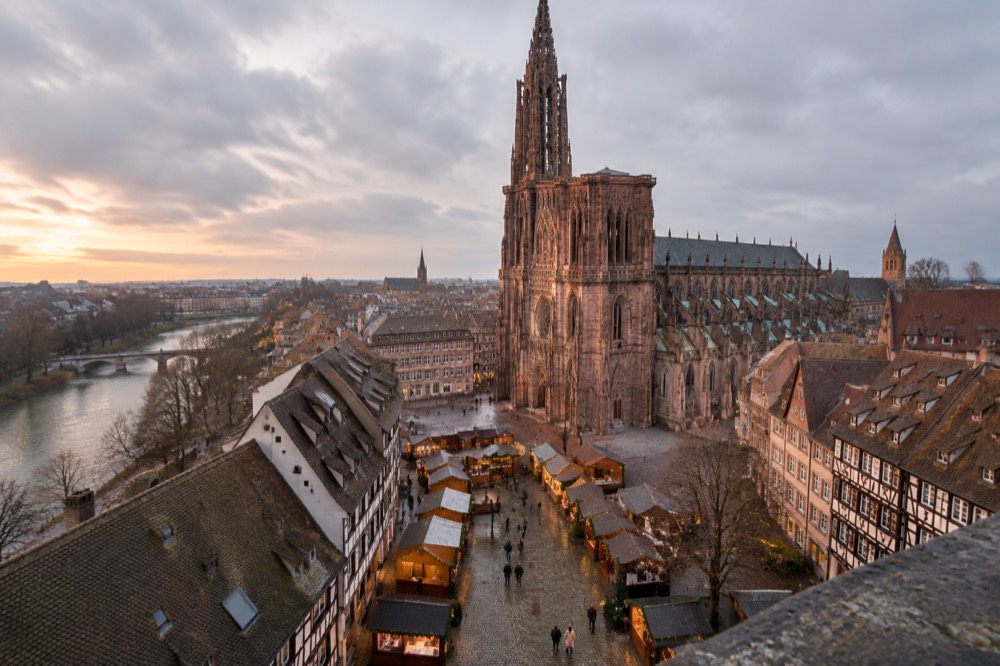
Strasbourg's market is the anchor. The city bills itself as the Capital of Christmas, and the verified attendance figures back the claim: 3.05 million visitors across the 2025 edition. The market spreads across the Grande Île, the UNESCO-listed river island at the city's heart, with the cathedral's single spire rising above the stalls. The city posts each edition's dates on its Christmas site, so confirm them on the official Christmas pages before booking anything.
From Strasbourg, the practical festive radius is generous. Colmar's market is the obvious second stop, and the choice between the two cities is argued out in the comparison of Strasbourg and Colmar Christmas markets. Beyond Colmar, the Alsace wine route villages, Riquewihr, Eguisheim, Kaysersberg, each hold their own small markets, and a coach day trip covers several in one booked day: the featured Alsace Christmas markets day tour does exactly that, and availability can be checked through the operator's live listing.
The Rhine's weakness is weather exposure. Strasbourg's climate is semi-continental, and the Meteo-France 1991-2020 normals for Strasbourg-Entzheim put the December mean maximum at 5.9 C, the mean minimum at 0.8 C, with 45.2 mm of rain and 10.2 rain days of 1 mm or more across the month. That is cold, damp, occasionally white, and entirely part of the atmosphere, but it rewards proper coats and waterproof shoes.
What The Danube Does Best Instead
The Danube's advantage is grandeur and reach. Its festive cities, Regensburg, Passau, Vienna and Budapest, are among the largest and most theatrical market settings in Europe, and cruise itineraries string them together over a week or more. If your idea of a Christmas market trip involves imperial architecture, choirs and mulled wine under palace walls rather than half-timbered lanes, the Danube is the river that delivers it.
Vienna's market in front of the city hall is the emblematic Danube scene: a formal square, a skating rink, illuminated trees, and stalls arranged with municipal confidence. Budapest's version wraps around its central square and spills toward the river. Regensburg and Passau, smaller Bavarian ports, sit closer to the Rhine in spirit, with narrow streets and older stalls. The common thread is scale: these are city-wide events rather than village fairs, and the cruise itineraries that serve them are built around evenings ashore.
The Danube's weakness, from a Strasbourg point of view, is distance. The river begins far to the east in Germany and flows through Austria, Slovakia, Hungary and beyond. There is no short Danube taster from Alsace. A Danube market trip means flying into Vienna, Budapest or a German Danube city, or committing to a long rail journey, and then a full week of cruising to make the travel worthwhile. It is a holiday in itself, not an add-on.
Weather on the Danube in December runs a similar range to the Rhine, cold with real chance of rain, and the river itself can occasionally freeze or run high in hard winters, which can force itinerary changes. Any cruise, on either river, carries that risk in December; the difference is that a Danube itinerary usually has more riding on each port call.
Which River Suits A Short Winter Break
A short break of three to five days almost always favours the Rhine, because the markets are close together and Strasbourg itself is worth two days on its own. A week or longer favours the Danube, because the sailing distances justify the time and the port cities reward full days. Travellers who want one intense market city plus villages choose the Rhine; travellers who want four cities in one cruise choose the Danube.
The arithmetic is simple. The site's guide to how many days you need for Strasbourg's Christmas markets suggests enough time for the Grande Île stalls, the cathedral, the astronomical clock and Petite France without rushing. Add a day trip into the Alsace villages or across the border, and a Rhine trip is complete in four or five days. The Danube's equivalent, Vienna plus Budapest plus the Bavarian ports, cannot be compressed the same way.
Cost behaves differently too. Rhine cruises from a Strasbourg-area base are shorter, so the headline fares are lower, and you can skip cruising altogether by staying ashore and using trains and coaches. Danube itineraries are longer by design, so the total spend is higher even where the per-day rate looks similar. Neither river is cheap in December: the market weeks are peak season on both.
| Question | Rhine from Strasbourg | Danube |
|---|---|---|
| Anchor city | Strasbourg, Grande Île | Vienna, Budapest |
| Typical trip length | 3 to 5 days | 7 days or more |
| Market character | Half-timbered, medieval, village-scale plus one large city | Imperial, grand, city-wide |
| Getting there | Strasbourg is the base, on the Ill beside the Rhine | Fly to Vienna or Budapest, or long rail |
| Verified draw | 3.05 million visitors, Strasbourg 2025 edition | Scale of Vienna and Budapest settings |
| December cold at anchor | 5.9 C mean maximum, 0.8 C mean minimum in Strasbourg | Similar cold range, longer exposure |
How To Choose Between The Two Rivers
Choose the Rhine if you want one outstanding market city, easy village hopping, short travel times and the option to visit without a cruise at all. Choose the Danube if you have a full week, want capitals rather than villages, and are happy to fly east to start. If the question is which river makes a better first Christmas market trip, the Rhine from Strasbourg is the safer and simpler answer.
Two honest tiebreakers are worth naming. First, if you have already seen Vienna or Budapest in summer, the Danube in December will feel familiar in setting and new only in atmosphere, whereas the Alsatian Rhine in December looks like nothing else in Europe. Second, if you are travelling with people who tire easily, the Rhine's compactness is a kindness: everything is close, and a tired afternoon can be spent in a winstub rather than on a coach.
The river cruise question deserves its own reading, and the site's piece on whether a Christmas market river cruise is worth it works through the trade-offs in detail. For the market atmosphere itself, the day-versus-night question also matters more than the river choice: stalls change character completely after dark, and that is covered in the guide to whether Christmas markets are better in day or night.
One point in the Rhine's favour deserves emphasis because it is often missed. The Rhine's festive stretch is not really about the river: the markets sit inland, in the cities and villages, and the water is a connector rather than the attraction. The Danube, by contrast, is part of the show: the approach to Budapest at night, the river framed by the parliament building, is itself the memory. Decide whether you want the river as transport or as theatre.
Common Questions About Rhine Or Danube Christmas Markets
Is the Rhine or Danube better for Christmas markets?
For a short break anchored on one great market city, the Rhine, with Strasbourg as its centre, is better. For a week-long cruise between grand capitals, the Danube is better. Neither is objectively superior: the Rhine wins on density and charm, the Danube on scale and spectacle.
Which river is closer to Strasbourg?
The Rhine. Strasbourg sits on the River Ill beside the Rhine, which forms the border with Germany there, with Kehl on the far bank. The Danube lies far to the east and cannot be reached as a day trip from Alsace.
Can you visit Strasbourg's Christmas market without a cruise?
Yes. The market spreads across the Grande Île on foot, and the city is walkable. The 2025 edition ran from 26 November to 24 December; the 2026 dates were still being finalised on the city's Christmas site, so confirm them there before booking travel.
Is December weather a reason to pick one river over the other?
Not really. Both regions are cold in December. Strasbourg's semi-continental normals give a December mean maximum of 5.9 C and a mean minimum of 0.8 C, with 10.2 rain days of 1 mm or more. The Danube corridor is broadly similar, so pack for cold and damp either way.
Which is cheaper, a Rhine or Danube market trip?
A Rhine trip can be cheaper because it can be shortened or done without a cruise, using Strasbourg as a base and coaches or trains for village days. Danube itineraries are longer by design, so total cost is usually higher. December is peak season on both rivers.
Can you combine both rivers in one trip?
Only with real travel time between them. A combined trip means a long rail day or an internal flight, and it works best for travellers with ten days or more.
The short version stands: start from what kind of December trip you want, and the river chooses itself. Grandeur and capitals point east to the Danube; intimacy, half-timbered lanes and the biggest single market on the upper Rhine point straight to Strasbourg.