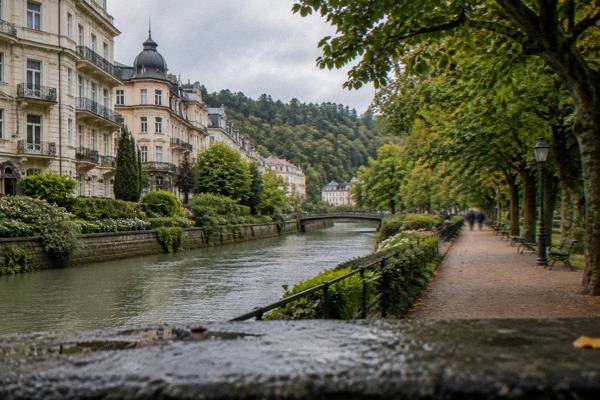
Baden Baden
Baden-Baden is the German spa town, a euro-and-Schengen crossing into thermal baths, parkland and the edge of the Black Forest.
Short answer
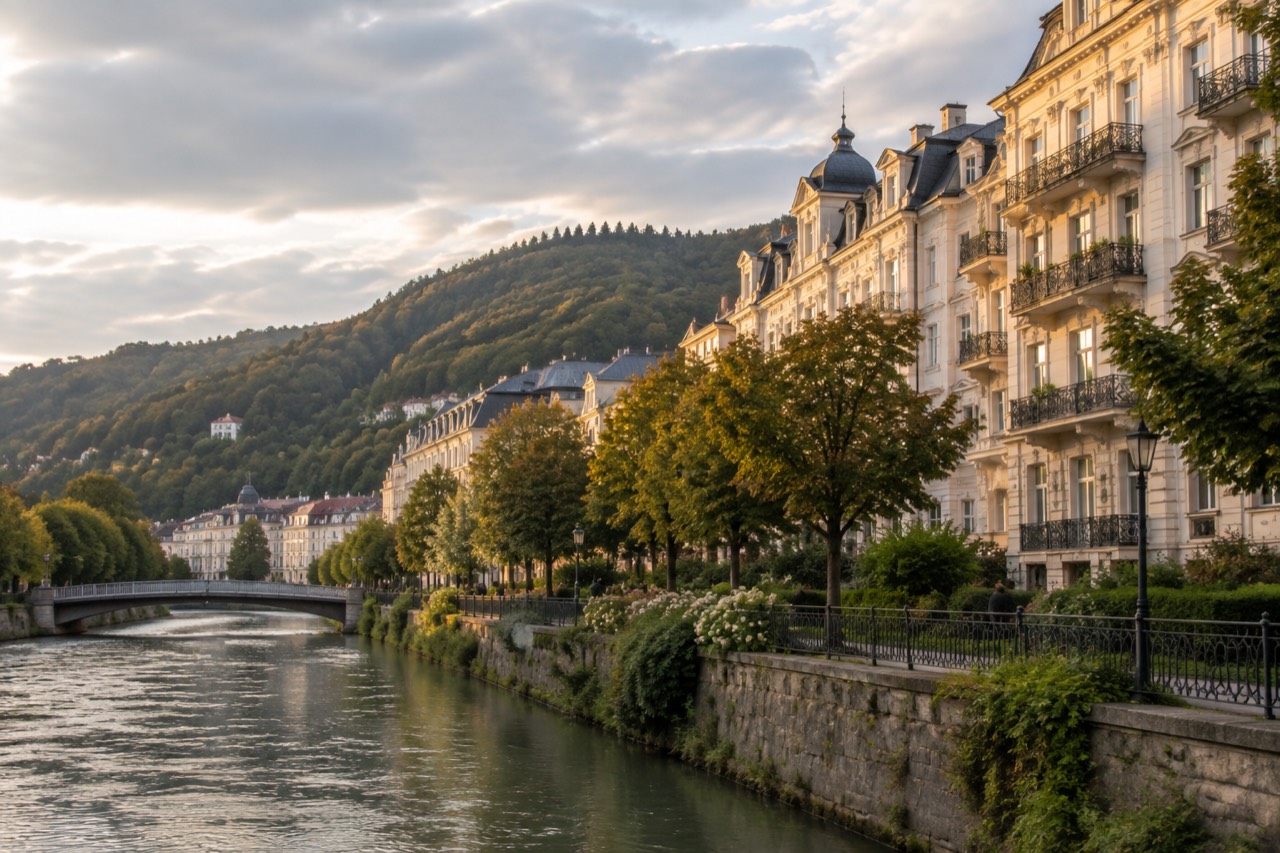
Baden-Baden is a spa town in Germany, across the Rhine from Strasbourg in Alsace, France, at the edge of the Black Forest. France and Germany share the euro and Schengen, so the crossing is simple, and a single day covers the baths, the parks and the old town, with organised trips pairing the town with Black Forest stops.
Baden-Baden is a German spa town within day-trip reach of Strasbourg, the prefecture of the Bas-Rhin in Alsace, north-eastern France. The two towns share one upper Rhine plain: Strasbourg with its half-timbered riverside and European institutions, Baden-Baden with thermal steam, parkland and the wooded rise of the Black Forest behind it. Because France and Germany both sit in the Schengen area and both use the euro, the border between them is among the simplest crossings in Europe, and a spa day in Germany slots into a Strasbourg stay without a currency change or a visa formality. This page covers what Baden-Baden is for, how to handle the crossing, and which guided trips pair the town with the forest.
Why Baden-Baden Suits A Day Trip From Strasbourg
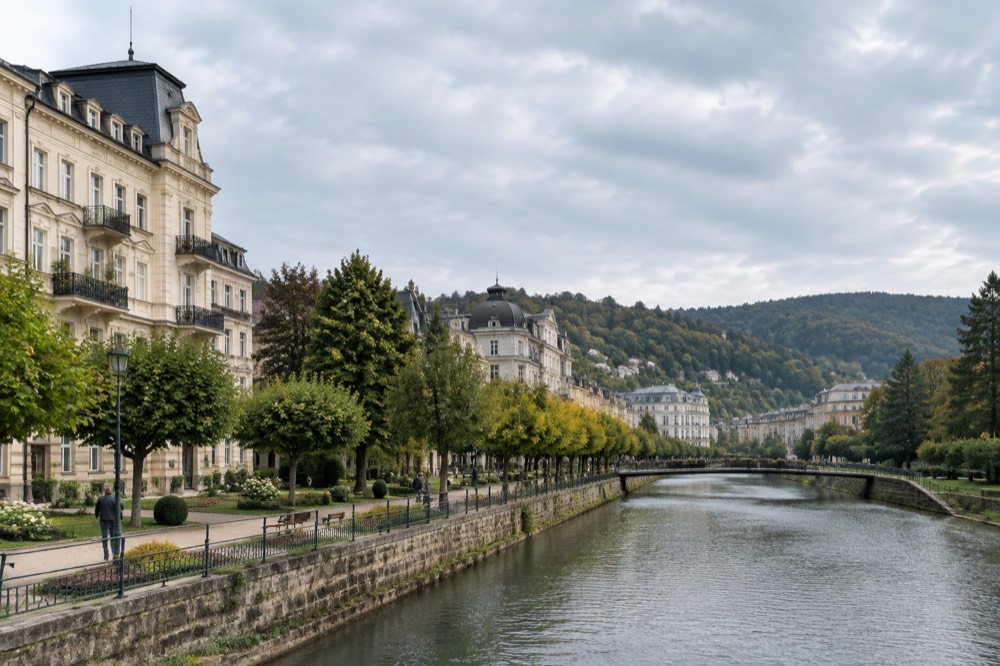
Baden-Baden works as a day trip from Strasbourg because it lies across the Rhine in Germany, inside the euro and Schengen zones, and offers a compact set of experiences: thermal bathing, a park-lined river, an old town of lanes and colonnades, and walking access to the Black Forest foothills. The town is small enough that a single day covers its core sights without rushing.
The case for the trip is convenience as much as character. Baden-Baden is compact and walkable once you arrive, and its headline experiences sit close together: the bathhouses, the casino, the old town lanes and the park along the little river Oos. A day visitor can move between all of them on foot, which is not true of every cross-border excursion. The town also answers a question Strasbourg cannot answer on its own: what does the other bank of the Rhine actually feel like?
There is a rhythm to pairing the two. Mornings reward the German side, when the baths are quiet and the park is cool; evenings reward the French side, when the Grande Île lights up and the winstubs fill. Travellers who try to do both banks in one half-day tend to end up doing neither properly, so the honest advice is to give Baden-Baden the daylight and keep Strasbourg for after dark.
The Strasbourg Travel Guide covers the French bank in depth, from the cathedral platform to the winstubs of the Grande Île. This page handles the German bank, and the practical question underneath it: how to spend a day there without losing the morning to planning.
| What | The Basics |
|---|---|
| Country | Germany, across the Rhine from Strasbourg in Alsace, France |
| Position | Eastern edge of the upper Rhine plain, at the foot of the Black Forest |
| Character | A historic spa town of bathhouses, parks, colonnades and grand facades |
| Currency | The euro, as on the French side |
| Border | Both countries sit in the Schengen area |
| Best pairing | A Strasbourg evening before or after the crossing |
What Baden-Baden Is Known For
Baden-Baden is known for thermal bathing above all: two famous bathhouses, the modern Caracalla baths and the ornate Friedrichsbad, anchor the town's reputation. Around them sit a historic casino inside the Kurhaus, the tree-lined Lichtentaler Allee park along the river Oos, a small old town of lanes and colonnades, and marked trails that climb from the edge of town straight into the Black Forest foothills.
The baths come first for good reason. The two houses offer different moods, one a large modern spa of pools and steam rooms, the other an older, ceremonial bathing experience, and each has its own hours, prices and bathing rules published on its own official pages. Check those pages before committing a morning, because the houses book out in peak season and the rules on swimwear, towels and time slots differ between them. Nothing about the baths needs to be decided in advance of the trip itself beyond a quick look at the official site.
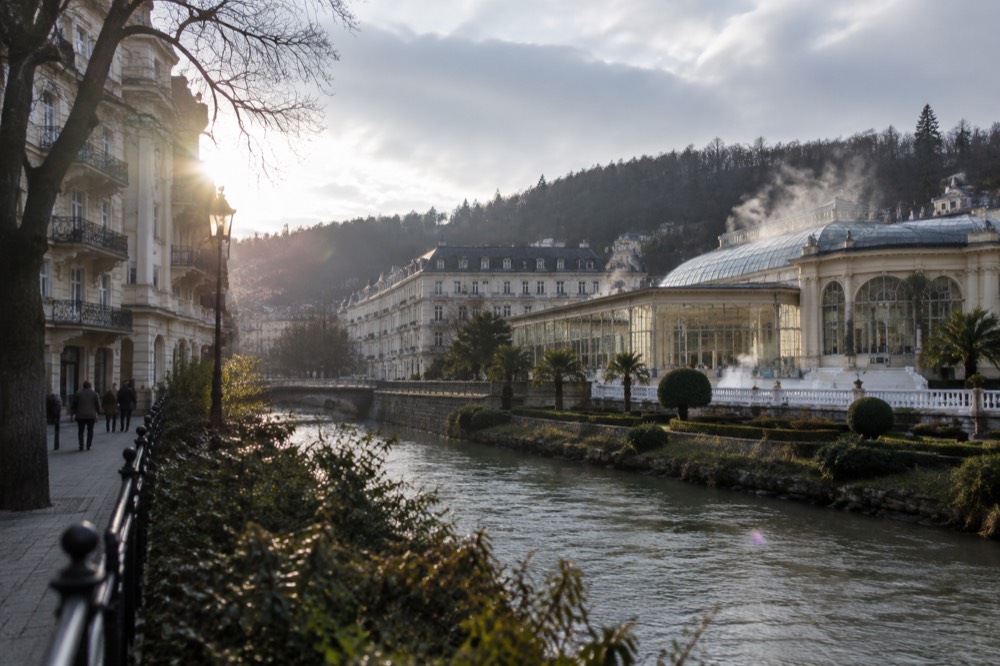
The casino inside the Kurhaus is the town's other famous draw, a gilded institution with its own entry conditions and opening hours, all listed on its official page. It is not a drop-in kind of place: dress and identification rules apply, and an evening visit belongs to a slower trip than a day return. For a day visitor, the Kurhaus colonnade and the gardens around it are the realistic take-home memory, and they cost nothing to walk through.
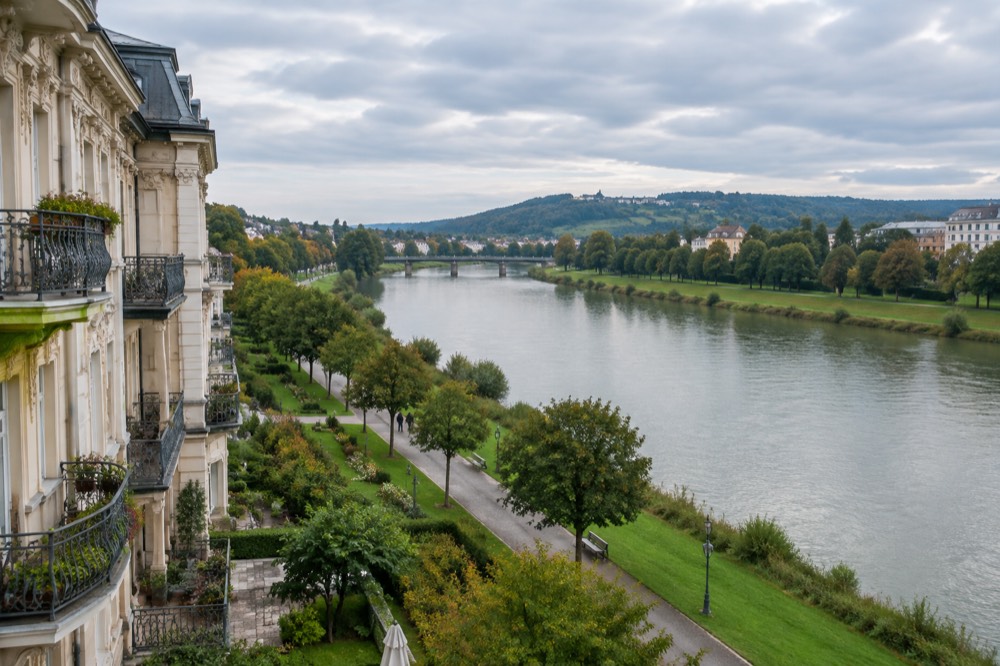
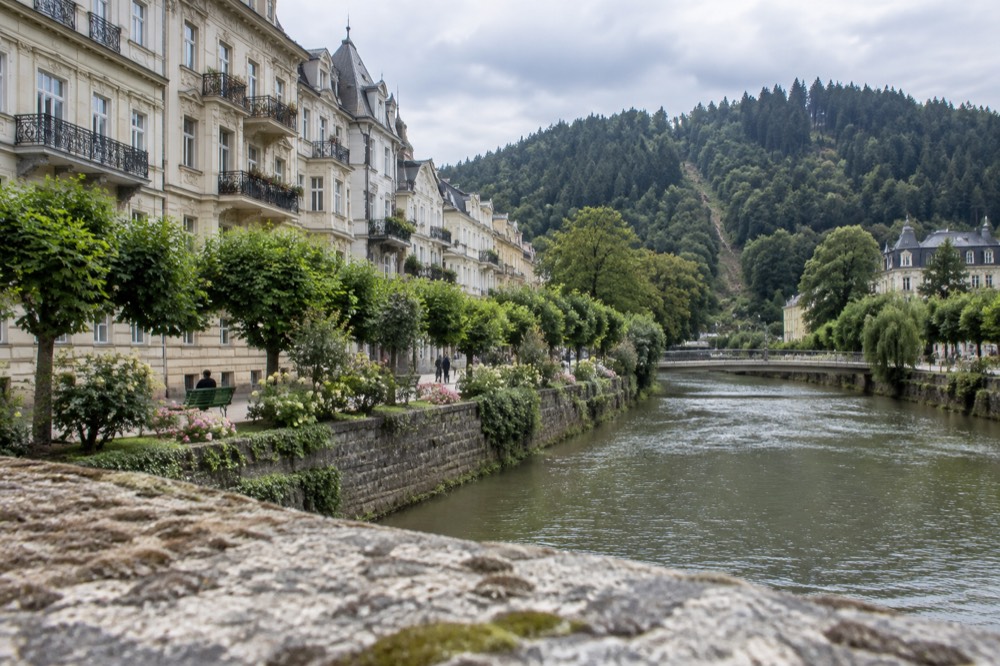
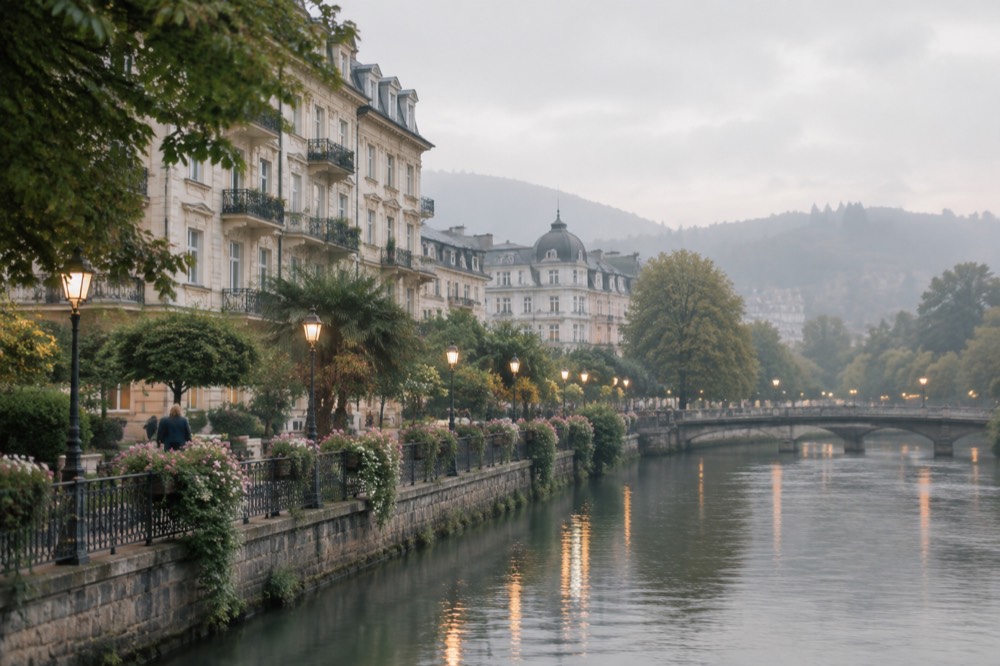
Then there is the park. The Lichtentaler Allee runs along the Oos as a leafy avenue of mature trees, and it connects the old town to the open ground where the forest begins. Follow it far enough and the walking trails take over, rising into the Black Forest's conifer slopes. The park is the free spine of the town, and in poor weather it is the bathhouses; in good weather it is the trails. That is the whole shape of a Baden-Baden day.
| Experience | What It Involves | Who It Suits | What To Check |
|---|---|---|---|
| Caracalla baths | Modern thermal pools, steam and sauna floors | Families, casual soakers | Hours and prices on the official page |
| Friedrichsbad | An older, ceremonial bathing house | Slow travellers, history-minded visitors | Bathing rules and slots on the official page |
| The Kurhaus casino | A gilded gaming house and its colonnade | Evening visitors on longer trips | Entry conditions on the official page |
| Lichtentaler Allee | A park avenue along the river Oos | Walkers, photographers, anyone between baths | Nothing; it is a public walk |
| Black Forest trails | Marked paths rising from the town's edge | Hikers and keen walkers | Trail conditions and weather |
How To Cross From Strasbourg To Baden-Baden
Crossing from Strasbourg to Baden-Baden means crossing the Rhine into Germany, and both countries sit in the Schengen area and use the euro, so there are no currency exchanges and no routine border formalities; carry a passport or ID card anyway. Trains, buses and cars all make the crossing, and times and fares vary, so check the official journey planners rather than any fixed figure printed here.
The geography is simple. Strasbourg sits on the Ill, a short stretch from the Rhine, which is the border itself, and the first German town on the far bank is Kehl. From there the German side opens towards the Black Forest and its spa towns. The practical detail that matters is not the distance but the paperwork, and there is almost none: one currency, one border-free zone, two countries that trade visitors daily. Kehl, the first German town across the river, is a low-effort stop in its own right for travellers who want a taste of Germany without the full spa day.
On the Strasbourg end of the day, local transport runs on CTS tickets, and the fares are worth knowing before you buy anything. A single journey is cheapest bought through the app or by contactless, and dearer from a bus driver. Day passes cover a traveller or a small group for unlimited hops, which suits a morning of last-minute errands before the crossing.
| CTS Ticket | Price | What It Covers |
|---|---|---|
| Single | 1.90 EUR | One journey, bought via the app, Badgéo or contactless |
| Single on board a bus | 2.50 EUR | One journey, bought from the driver |
| 24h Solo | 4.60 EUR | One traveller, unlimited CTS travel for a day |
| 24h Trio | 10.20 EUR | Two or three travelling together, unlimited for a day |
The crossing itself deserves a short checklist rather than a timetable. Times and fares for the German leg change with the season and the operator, so the honest instruction is to open the official planners, compare the rail and road options for your own dates, and buy there. What you can fix in advance is everything else.
| Before You Cross | What To Do |
|---|---|
| Travel documents | Carry a passport or national ID card; Schengen removes checks, not the requirement to hold ID |
| Money | No exchange needed; Germany uses the euro like France |
| Bath bookings | Read the bathhouses' own pages for hours, prices and slots |
| Casino plans | Check entry conditions on the official page before an evening visit |
| Return timing | Fix a return that leaves an evening in Strasbourg, not a midnight arrival |
One more thing worth deciding early: what the Strasbourg side of the day looks like. A crossing this easy leaves room for a proper evening, and the city answers well, with wine tastings, small-group food walks and river cruises all running in the evening corridor. Travellers who book one of those alongside the spa day tend to use the whole day rather than half of it.
Guided Trips That Pair Baden-Baden With The Black Forest
Guided trips suit travellers who would rather not plan the crossing at all. The Strasbourg roster includes a full-day tour that pairs Baden-Baden with Black Forest scenery, plus separate Black Forest day trips built around Freiburg, Titisee and Triberg. A guided option handles transport and timing in one booking, which matters on a day that crosses an international border, even one as smooth as this.
The combined trip is the obvious fit for this page. It collects the spa town and the forest in a single itinerary, so the morning can belong to colonnades and parkland while the afternoon climbs into the hills, all without a single timetable decision falling on the traveller. For visitors whose Strasbourg stay is short, that efficiency is the point: two landscapes, one booking, and a guide who knows which stop rewards a long pause and which deserves a quick one.
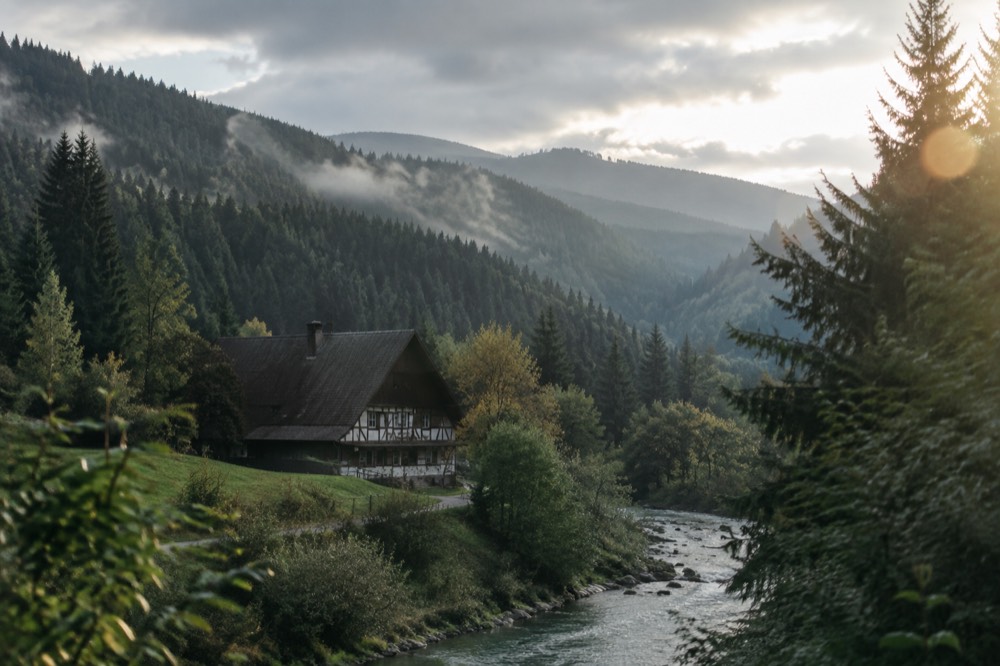
The day on that trip runs at a coach pace rather than a spa pace, which suits scenery-first travellers and families more than bathers. Anyone whose heart is set on a long soak should treat the guided day as a scouting run and return under their own steam on another date.
The alternative is to go deeper into the forest and skip the spa town. A second itinerary built around Freiburg, Titisee and Triberg trades the bathhouses for a university city, a lake and waterfall country, and it pairs naturally with the Black Forest day trip guide for travellers building a German-side shortlist. Some visitors run that circuit first and add Baden-Baden as a calmer second day, which is a sound order: the forest tires you out, and the baths are where you recover.
That Freiburg-and-Titisee circuit runs as a full day from Strasbourg with tastings and forest stops folded in, and it suits walkers who would rather spend their daylight on trails than in thermal water. The operator's live listing carries the departure details and the season calendar.
Keen to trade the spa town for forest trails and a lake? Book a Black Forest day trip here.
A third option covers similar ground on a slightly different route, again through Triberg, Titisee and Freiburg, and it earns its place by running at a different pace and group size. Travellers comparing the two forest circuits should read both listings side by side before choosing, because the difference is less about the stops and more about the shape of the day.
| Guided Trip | Where It Goes | What It Suits |
|---|---|---|
| Baden-Baden with the Black Forest | The spa town plus forest stops in one itinerary | First-time visitors who want both banks' highlights |
| Freiburg, Titisee and Triberg | A German circuit of city, lake and waterfall country | Walkers and scenery-led groups |
| A second Black Forest circuit | An alternative forest itinerary in the same region | Repeat visitors and schedule-driven choices |
Whichever way the German day runs, the French evening is worth booking too. A tasting or a cruise in Strasbourg turns a long day out into a complete one, and the operators' listings carry the slots and the details.
A Relaxed Day Plan For Baden-Baden
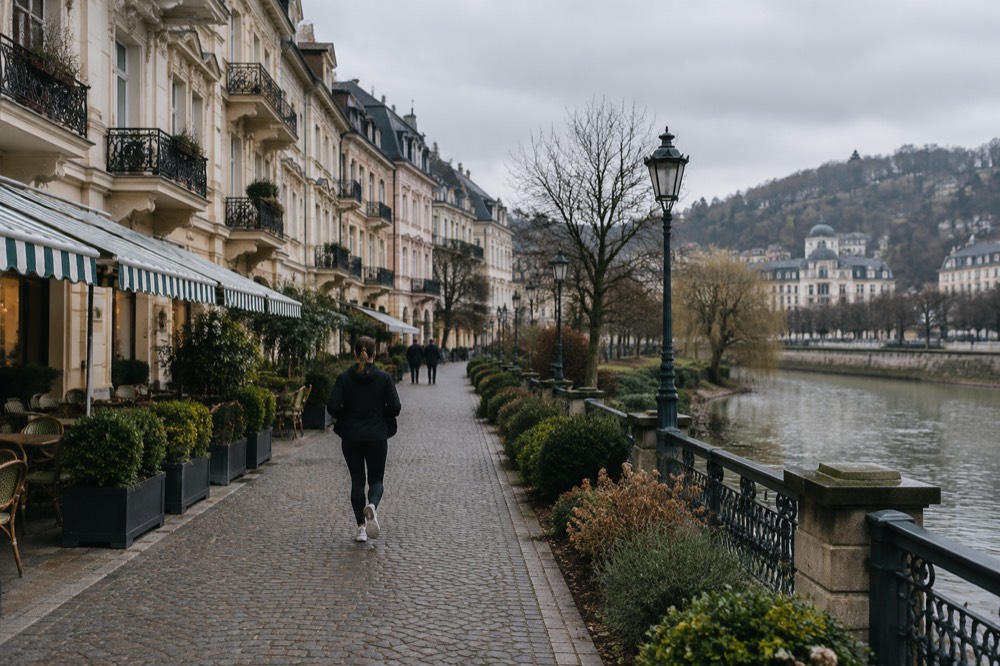
A relaxed Baden-Baden day runs like this: a morning soak in a thermal bath or a slow coffee in the old town, a midday plate of Baden cooking, an afternoon walk along the Lichtentaler Allee and the river, and an early evening return to Strasbourg with time for dinner on the Grande Île. Nothing in the town demands a schedule, and the plan below bends around weather and appetite.
Start with steam. The morning is when the bathhouses are at their calmest, and arriving early means the soak happens before the day trips pour in. Take the bathing slowly, drink water, and leave while you still want more rather than when you have had enough; the afternoon is long. Travellers who skip the baths should spend the same hours in the old town lanes instead, where the colonnades and café terraces fill gradually and the light is at its best before noon.
Midday is for eating, and the town's kitchens are built for it. Baden cooking runs to the same pork, cabbage and cream family as Alsace, so lunch will feel familiar to anyone who has been eating in Strasbourg, with a German accent in the breads and the pours. Keep the meal unhurried, because the afternoon plan is only a walk.
The afternoon belongs to the Allee. The park avenue runs flat beside the Oos, so it costs no effort at all, and it ends at the open ground where the forest begins. Walk as far as the legs agree to, then turn back through the old town for one last look at the colonnades, and cross to Strasbourg while the evening still has light in it. That final hour along the Ill, with the German park still in your legs, is what makes the day trip feel complete rather than compressed.
What The Two Banks Of The Rhine Share
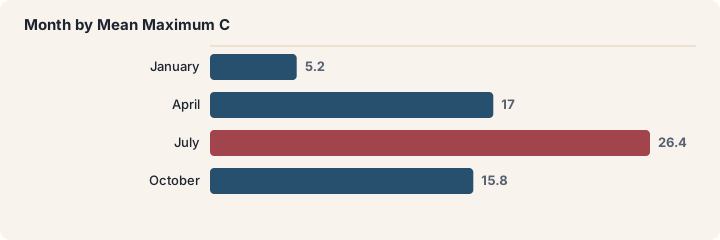
The two banks of the Rhine share one plain, one climate pattern and one culinary family. Strasbourg and Baden-Baden both grew on the upper Rhine's flat corridor, both drink the wines grown on their respective slopes, riesling and pinot gris on the French side and spätburgunder-led pours on the German, and both cook with pork, cabbage and cream. The border changes the language, not the landscape.
The climate is the quiet link. The semi-continental pattern that gives Strasbourg cold winters and warm summers shapes the German bank in the same way, because weather does not stop at the river. Forested slopes, hot July afternoons, frosty December mornings: the two towns read as one region with two flags, which is exactly why the crossing feels so short. Pack for Baden-Baden exactly as you packed for Strasbourg.
| Month | Mean Maximum C | Mean Minimum C | Rain Days |
|---|---|---|---|
| January | 5.2 | -0.2 | 9.1 |
| April | 17.0 | 5.7 | 8.6 |
| July | 26.4 | 14.9 | 10.4 |
| October | 15.8 | 7.2 | 9.6 |
The food family is the louder link. Flammkuchen on the German bank is tarte flambée under another name, the same thin crust, cream and bacon; choucroute and sauerkraut are the same dish with different spellings; and the pork-and-cabbage instinct runs through both kitchens. Travellers eating their way across the border will notice the differences in the details, the breads, the mustards, the wines, rather than in the fundamentals.
The French side, of course, answers the German spa town with its own roster of day trips, and the comparison is worth making before you commit a day. The Colmar day trip guide covers the canal-laced Alsatian alternative, and the Alsace wine route guide covers the vineyard villages that compete for the same daylight. Baden-Baden is the choice when the appetite is for steam and forest rather than canals and vines.
Food And Drink On A Baden-Baden Day Trip
Baden cooking mirrors Alsatian cooking: flammkuchen is the same dish as tarte flambée under a German name, pork and cabbage appear everywhere, and white wine is the default pour. The German bank leans towards Baden's spätburgunder where Alsace leans towards riesling, which makes a comparative tasting almost irresistible. A guided tasting in Strasbourg before or after the crossing lines the two sides up side by side.
Lunch in Baden-Baden needs no research beyond a stroll. The old town's kitchens serve the regional repertoire, and the safest order is the one you already know from Strasbourg under its German name. The pours differ more than the plates: the Baden side's pinot noir tradition gives reds a bigger role than they play in most Alsatian winstubs, and the whites run rounder. Eat slowly. The afternoon is only a walk.
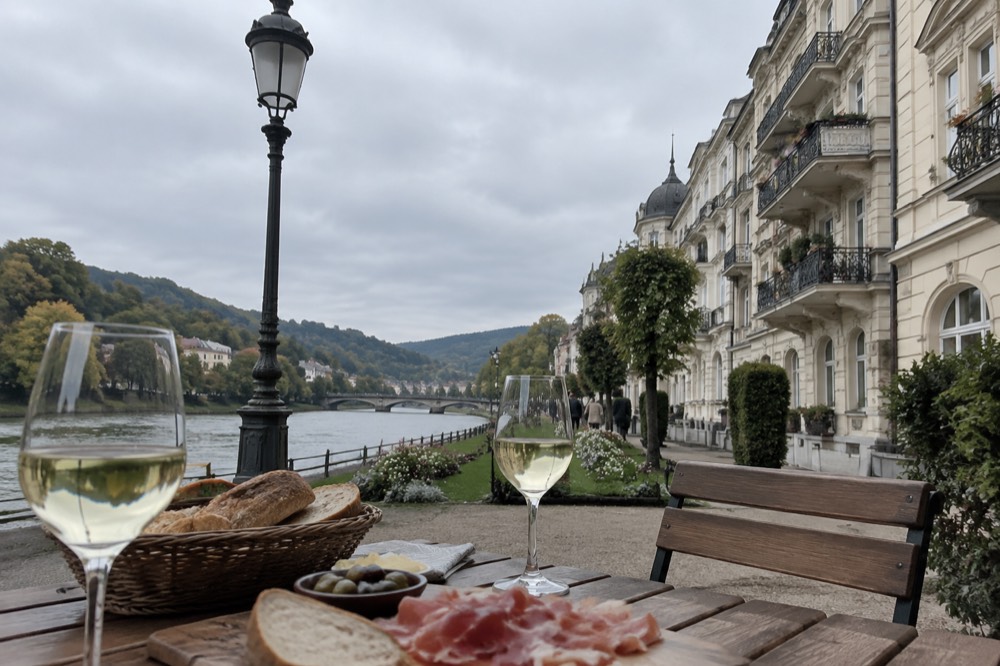
The tasting that closes the loop sits on the French side. A discovery tasting of Alsace wines in Strasbourg, run by a local guide, puts the French pours next to whatever you drank at lunch, and the comparison is the whole pleasure: same valley, different instincts. Check availability on the operator's live listing for the next slot after your return.
Beer drinkers get a version of the same idea. Strasbourg has a craft beer tasting that runs before opening hours, which pairs neatly with a morning departure: taste early, cross the Rhine, soak in the afternoon. The order can be reversed for travellers who prefer their steam first and their hops last, and the operator's listing shows the start times that make each order possible.
How To Choose Between The German Day Trips
Choose between the German day trips by what you want to feel, not by what you want to see. Baden-Baden rewards stillness: steam, park benches and a slow lunch. The Black Forest circuits reward motion: trails, waterfalls and long views. A guided trip that combines the spa town with forest stops is the compromise, and it is the right first choice for visitors who want both banks of the Rhine in a single booking.
The decision usually collapses into a question of energy. A traveller who has walked Strasbourg for two days does not need another walking day; that person needs a bath. A traveller who has eaten and tasted their way through the Grande Île does not need another long lunch; that person needs a forest. Being honest about which category you fall into on the day matters more than any itinerary ranking, because both options deliver.
For the forest-first traveller, the Triberg, Titisee and Freiburg circuit is the deepest option on the roster, and it runs as a long day with a guide who handles the border and the driving. It suits anyone whose Strasbourg stay is short and whose priority is Germany's scenery rather than its spa culture.
There is also the self-guided route, and it should not be dismissed. The crossing is simple enough that a confident traveller with a rail pass and a free afternoon can reach the German bank without any booking at all, and the spa town in particular rewards independent wandering. The guided options earn their keep on the forest legs, where the trails, the stops and the timings are harder to improvise. A mixed plan, guided for the forest and independent for the spa town, is a genuinely good answer.
Practical Notes For The Crossing
The practical notes are short because the crossing is short: carry a passport or ID card, use the euro on both banks, book the baths ahead in peak season, and keep the Strasbourg evening free. December deserves a special warning, because Strasbourg's Christmas market fills the city and the region's transport in the weeks around it, and the German side runs its own festive season at the same time.
December is the month that needs planning. Strasbourg's Christmas market, which ran from 26 November to 24 December in the 2025 edition and drew 3.05 million visitors, fills hotels, trams and trains across the whole upper Rhine plain, and the German side draws its own crowds to its own markets. The 2026 dates for the Strasbourg market are still being finalised on the city's official Christmas site, so confirm them there before locking in a December itinerary. Outside December, the crossing runs at its normal pace and the spa town is at its calmest.
A last note on pace. The temptation with a border this easy is to overfill the day: a morning bath, a forest hike, a tasting and a nightcap in two countries. It can be done, but it should not be. Baden-Baden's whole appeal is slowness, and the travellers who enjoy it most are the ones who leave something undone, a trail un-walked, a casino un-entered, and keep it as the reason to come back. The Rhine will still be there, and so will the steam.
For the evening back on the French side, the roster's tasting, beer and cruise options all slot into the hours after a return.
Common Questions About Baden Baden
Is Baden-Baden easy to reach from Strasbourg?
Yes. Baden-Baden lies across the Rhine in Germany, and both France and Germany sit in the Schengen area and use the euro, so there is no currency exchange and no routine border check. Trains, buses and cars all make the crossing; check the official journey planners for times and fares on your own dates, and carry a passport or ID card regardless.
Do I need my passport to cross from Strasbourg to Baden-Baden?
Schengen removes routine border checks, but it does not remove the legal requirement to carry identification. Bring a passport or national ID card. Checks are rare, and they can happen on either bank, so the document belongs in your bag rather than in a hotel drawer.
Can I use euros in Baden-Baden?
Yes. Germany uses the euro, exactly as France does, so no exchange is needed for the crossing. Note that this is not true of every neighbour: Switzerland, reachable via Basel, is in Schengen but outside the euro.
Is one day enough for Baden-Baden?
One day covers the town's core: a thermal bath, the old town lanes, the Lichtentaler Allee park and a slow lunch. What a single day cannot cover is a long forest hike plus a long soak plus the casino, so pick two of the three and leave the rest as a reason to return.
Should I book the Baden-Baden baths in advance?
In peak season, yes. The two bathhouses publish their hours, prices and slot rules on their own official pages, and those pages are the only reliable source for both. Read them before the trip and book there if the calendar allows it; in quiet periods a same-morning arrival usually works.
Is a guided tour better than going independently?
It depends on the leg. The spa town rewards independent wandering, because it is compact and walkable. The Black Forest legs reward a guide, because the trails, stops and cross-border timings are harder to improvise. A mixed plan, guided for the forest and independent for the town, is a sound answer.