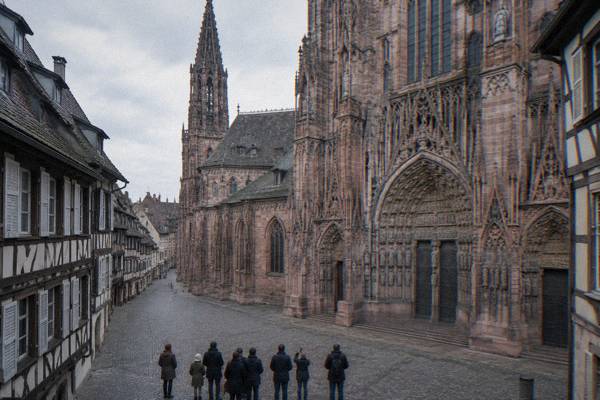
Are Alsatians Ethnically French Or German?
Alsatians are French citizens with a Germanic regional culture: the honest answer to one of Alsace's oldest identity questions, explained from Strasbourg.
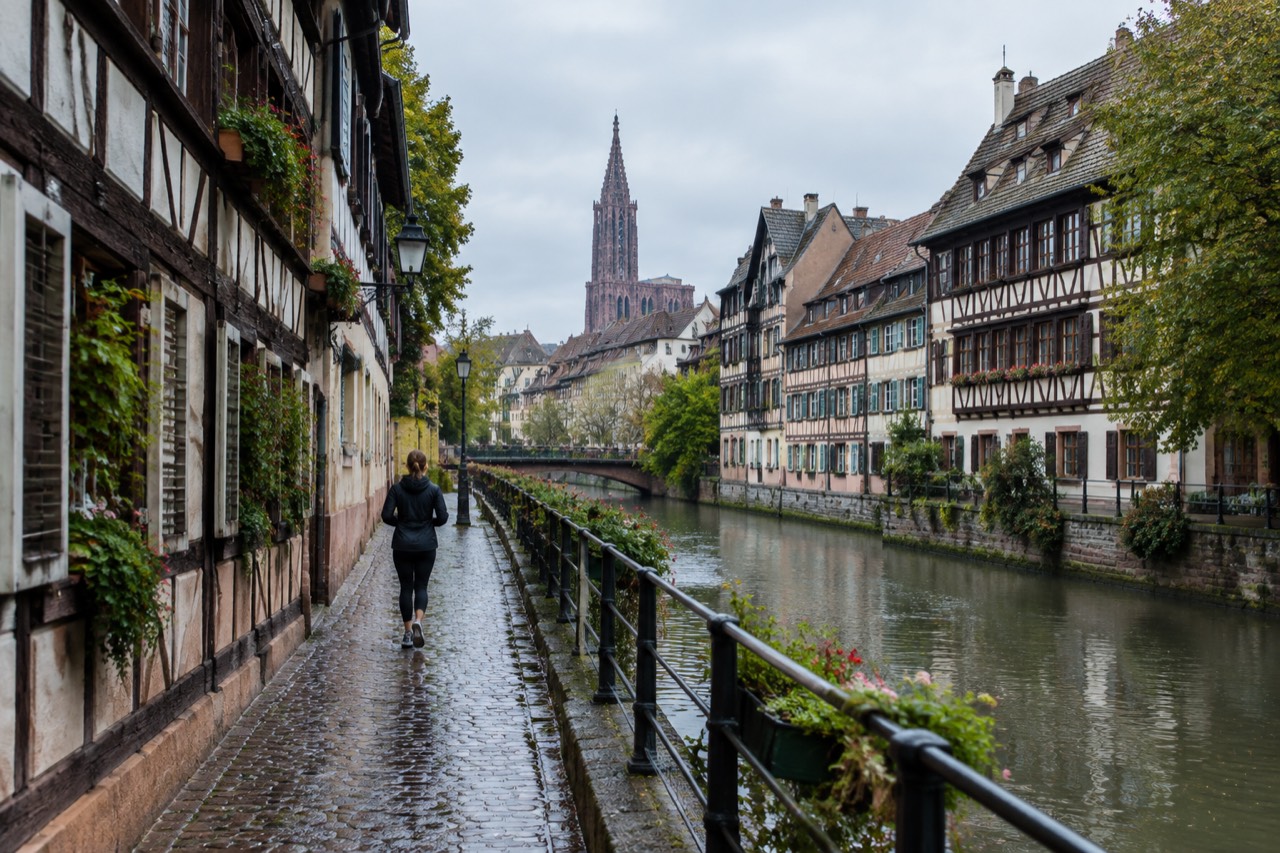
Strasbourg, prefecture of the Bas-Rhin department in Alsace, north-eastern France, sits on the River Ill beside the Rhine, with the German town of Kehl on the far bank, and its people are the reason the question of Alsatian ethnicity gets asked at all. The city's timber-framed old quarter looks German to a first-time visitor, its menus read half Germanic, its cathedral is one of the great Gothic buildings of the French tradition, and its residents hold French passports. None of that is a contradiction to anyone who lives there. It is simply what four centuries of a moving border produce.
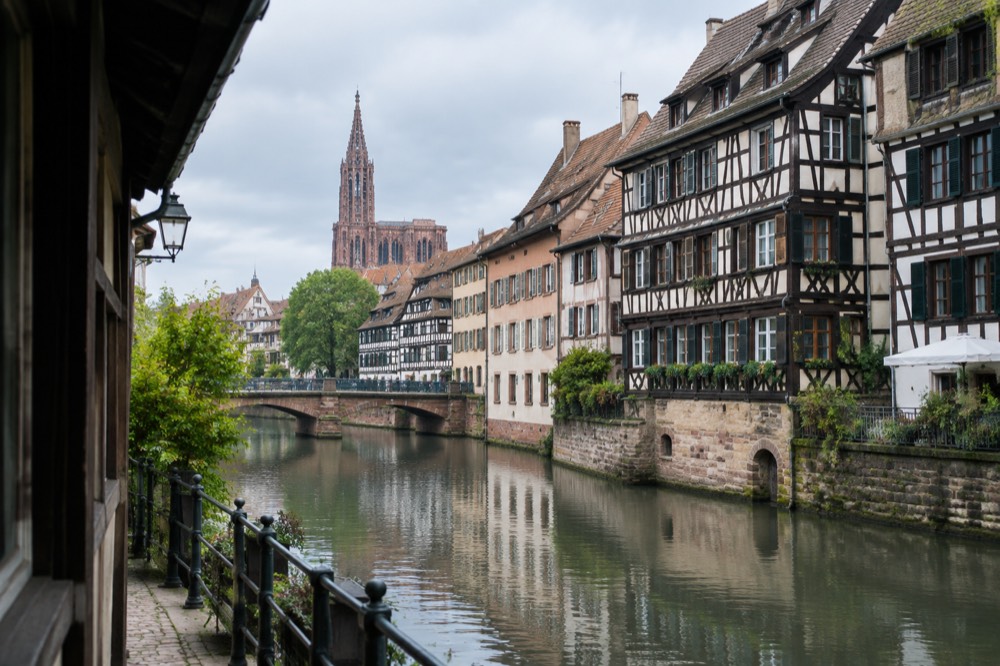
Are Alsatians Ethnically French Or German?
Alsatians are French by nationality and Alsatian by regional identity, with a Germanic cultural and linguistic inheritance that the modern border never erased. French law does not record ethnicity at all: the republic recognises citizens, not ethnic groups, so there is no official category to belong to. In everyday terms, Alsatians are French people whose regional culture, dialect, architecture and cooking carry a strong Germanic stamp from centuries in which both banks of the Rhine shared a way of life.
That legal point matters more than it first appears. France does not collect census data on ethnicity, and a question that would have a statistical answer in some countries has no official answer here at all. What can be said is cultural and historical rather than ethnic in any measurable sense. The Alsatian dialect is Germanic. The half-timbered building style that defines Strasbourg's Grande Île and the wine villages belongs to a Rhineland tradition that runs from northern Switzerland up through the Black Forest. The food, covered later in this page, leans Germanic too. The citizenship, the schools, the administration and the working language are French.
Alsace is also not an island. It is part of the Grand Est region, the administrative unit that merged the former Alsace, Champagne and Lorraine regions, and Strasbourg functions as the seat of several European institutions, which pulls the city's daily life outward in a third direction. The commune counted 293,771 residents in the 2023 INSEE figures, and the city's role as a European capital means its population includes a layer of international officials and students on top of the Alsatian base. For a fuller picture of how the region's cities rank, this site also answers what the largest city in old Alsace-Lorraine is.
| What | Status |
|---|---|
| Country | France |
| Region | Grand Est |
| Department | Bas-Rhin (prefecture: Strasbourg) |
| Commune population | 293,771 (INSEE, 2023) |
| Rivers | The Ill, flowing through the city to the Rhine |
| Border | Germany, across the Rhine; Kehl on the far bank |
| Heritage listing | "Strasbourg, Grande-Île and Neustadt", a World Heritage property |
Where Does The Alsatian Identity Come From?
Alsatian identity formed on the Rhine's left bank, where a Germanic dialect, timber-framed building traditions and wine village life took shape long before modern France and Germany existed as states. Because the region passed back and forth between the two countries over the centuries, generations of Alsatians were at one time French and at another German citizens. The result is an identity that is regional first and national second, and that treats the border as something that happened to Alsace rather than something Alsace defines itself by.
The switching of sovereignty is the core of the story, and it explains why the question is asked so often. A family in a village south of Strasbourg could have grandparents born under one flag, parents born under another, and children born under the first again, all in the same house. People in that position rarely developed the habit of seeing Frenchness and Germanness as opposites. They kept the dialect, the church architecture, the cooking and the festival calendar, and they treated whichever state was administering the region as a layer on top rather than a replacement underneath.
That is also why Alsatian regional feeling runs stronger than in parts of France with a less contested past. The region kept its own legal traditions for a long stretch of its French periods, its own religious mix, and its own way of speaking, and the modern defence of those things is partly a continuation of an old habit of self-preservation. Visitors see it in small ways: the Alsatian flag hangs from balconies, shops sell dialect phrasebooks next to French ones, and the Christmas season, which this site covers in the real story behind the Christmas tree, is treated locally as an Alsatian inheritance rather than a French one.
The practical answer for a visitor is simple: nobody in Alsace is waiting to be classified. Ask a Strasbourg resident whether they feel French or German and the common reply is that they feel Alsatian, rather than a refusal to answer.
Do People In Strasbourg Speak French Or German?
French is the official and everyday language of Strasbourg, and the one that virtually everyone in the city speaks. Alsatian, a Germanic dialect related to the German spoken across the Rhine, survives mainly among older speakers and in rural areas, while standard German is taught as a neighbour language rather than spoken natively. Visitors get by with French, with English in tourist-facing businesses, and hearing Alsatian spoken on a Strasbourg street is far less common than it was a generation or two ago.
The dialect situation is the clearest single marker of the identity question, and it is also the one in visible decline. Alsatian is not standard German: it is a group of Rhineland Frankish varieties with its own vocabulary and pronunciation, historically the first language of villages across the Bas-Rhin and the Haut-Rhin. Schooling in French across successive generations, plus the pull of a city population drawn from all over France and beyond, has steadily reduced the number of fluent speakers in Strasbourg itself. The dialect lives on in place names, in shop signs, in the names of dishes, and in the mouths of residents who grew up with it.
German holds a different position. Because the border is close, German is a practical second language for cross-border workers and a common school subject, and Kehl is a short hop across the river for anyone who wants to hear it spoken as a first language. The city's bilingual street signage in the European district reflects its institutional role rather than everyday speech. This site covers the language question in more detail in do people in Strasbourg speak French or German, and the related question of whether the city leans one way or the other in is Strasbourg more German or French.
| Domain of daily life | French thread | Germanic thread |
|---|---|---|
| Language | French, official and universal | Alsatian dialect, older and rural speakers |
| Building style | French classical facades on the grand squares | Half-timbered houses in the Grande Île and villages |
| Food | French service, wine appellation rules | Choucroute, baeckeoffe, winstub dining rooms |
| Religion | Catholic and Protestant traditions side by side | Rhineland Protestant heritage |
| Names | French first names dominate younger generations | Surnames across the region remain heavily Germanic |
Is Strasbourg More German Or French?
Strasbourg is French in administration, currency and everyday language, Germanic in its built fabric, its cooking and much of its naming, and European in its institutional role. The city's medieval core, the Grande Île, grew up as a Germanic-speaking Rhineland town, while the Neustadt quarter was laid out under German rule and now forms part of the same World Heritage property. The French Republic has administered the city since the mid-twentieth century, and no visitor needs to resolve the blend to enjoy it.
The honest framing is that "more" is the wrong measuring stick. The cathedral is a Gothic building in the French architectural tradition, begun in a period when the city belonged to the Germanic world, and it stands a short walk from Place Kléber, a classical French square, which itself sits minutes from timber-framed streets that photograph like the Black Forest. The Neustadt's broad avenues and grand facades were planned when the city was German, and they sit beside a French tram network that carries heavy daily traffic across the same ground. A visitor who insists on one label will spend the whole trip being contradicted by the next street.
That layered quality is why the city works as a base for both French and German itineraries. Day trips run west into the Alsace wine villages and east across the Rhine into the Black Forest, and the city's markets sell French cheese beside Alsatian pretzels. For the wider comparison, this site's answer to whether Strasbourg is more German or French works through the question street by street, and the related piece on the closest German city to Strasbourg covers the Kehl connection, which is the easiest place to see the border's practical meaning: a river crossing, a change of country, and a dialect that barely notices the difference.
How Food And Street Names Show The Blend
Alsatian cooking is the clearest daily evidence of the dual inheritance: choucroute, baeckeoffe, tarte flambée and kougelhopf fill menus that a German visitor recognises instantly, served in winstubs, wood-panelled dining rooms that are Alsatian rather than plainly French or plainly German. The wines are Riesling and other Germanic grape varieties made under French appellation rules. Street names switch between French and Alsatian German within a few hundred metres, and the two threads sit together without anyone treating them as rivals.
The winstub is the best single exhibit. It is not a French bistro and not a German Gasthaus, but a room type that exists only here and across the border in the same form: bench seating, painted panels, local wine by the carafe, and a menu built on pork, cabbage and cream. The dishes on it have their own pages on this site, including choucroute, baeckeoffe and tarte flambée, and each of them reads as Germanic in substance while being served as a matter of French regional pride. Kougelhopf, the ring-shaped Alsatian cake, appears on breakfast tables and on souvenir tea towels with equal insistence.
Names tell the same story from another angle. A walk across the city centre passes French street names, Alsatian German ones, and squares named for figures from both traditions, and the region's surnames remain overwhelmingly Germanic even on families whose French identity is not in question. The French national anthem itself has a Strasbourg story attached to its name, which this site tells in why the Marseillaise is so called, and it is one of several cases where something considered essentially French turns out to have Alsatian roots.
| Dish or institution | What it is | Where its roots read |
|---|---|---|
| Choucroute | Sauerkraut with sausages and pork | Germanic in substance, Alsatian in form |
| Tarte flambée | Thin flatbread with cream, onion and bacon | Alsatian farm dish, Germanic in style |
| Baeckeoffe | Slow-baked meat and potato casserole | Alsatian, named in the dialect |
| Kougelhopf | Ring-shaped yeasted cake | Alsatian and Rhineland, both claim it |
| Winstub | Traditional wood-panelled dining room | Exists only in Alsace and bordering areas |
The fastest way to see the blend with a guide at your side is the Strasbourg Culinary Walk, which moves through the city's food shops and winstub territory while explaining which elements came from which tradition. Check availability if the food angle is the part of the identity question that interests you, since tasting the two threads side by side does more than any map can.
Seeing The Blend On Foot In Strasbourg
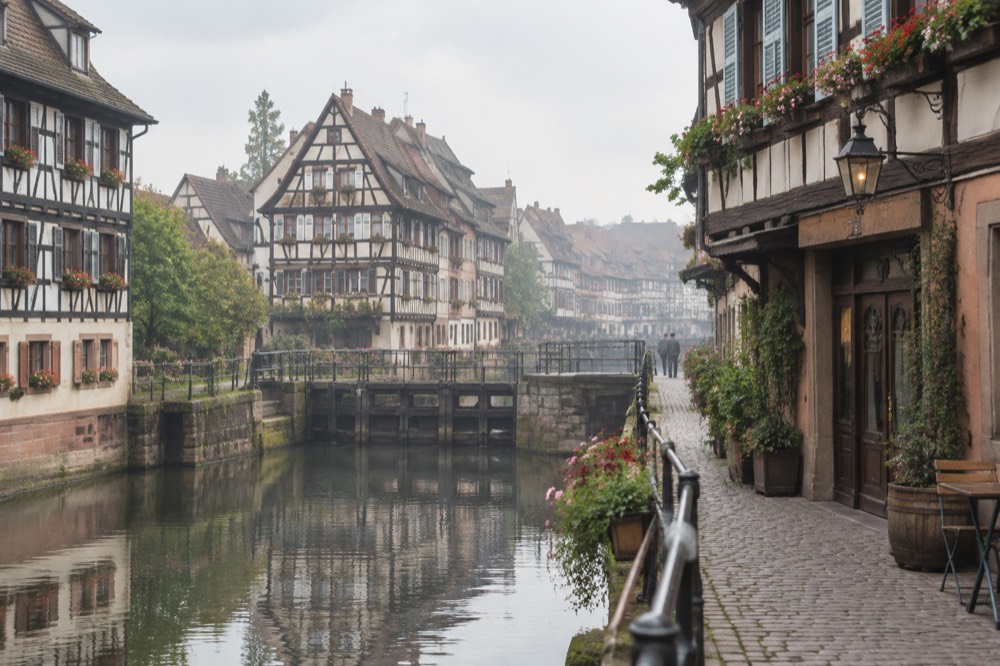
The city's layout is the identity answer written in stone and timber. The Grande Île, the island core where the cathedral stands, is the medieval Germanic-built heart, while the Neustadt across the Ill was laid out under German rule and joined it in the same World Heritage property. Walking between them takes minutes, and the change in scale, street pattern and architectural mood between the two quarters is an instructive walk for any visitor interested in the question.
A guided walk compresses the reading. The guided local walk covers the core quarters with a guide who works with these questions daily, and the format suits the topic well: identity in Strasbourg is visible on the street, in the transition from the timber-framed lanes around the cathedral to the imperial-scale avenues of the Neustadt, and a guide can point at the exact buildings where the register changes.
Want the city's layered identity explained on the street? Book a free walking tour here.
For anyone building a longer stay around the question, the surrounding region answers it in villages. The Alsace wine route towns keep the Germanic building style under the French flag, and the medieval villages and wine tasting day trip from Strasbourg reaches several of them in one outing, with tastings that put the region's Germanic grape varieties in the glass. The blend that fills a Strasbourg street also fills a Riquewihr lane, and seeing both in one day is an efficient way to understand what Alsatian means.
The question this page opened with, then, has a clean answer and a messy history, and both are true at once. Alsatians are French citizens with a regional identity that the French state does not count and does not need to count, carrying a Germanic cultural inheritance that survived every change of flag. The border moved around Alsace; Alsace did not move with it.
Common Questions About Alsatian Identity
Are Alsatians ethnically French or German?
Alsatians are French by nationality and Alsatian by regional identity, with a Germanic cultural, linguistic and culinary inheritance. French law records no ethnicity, so there is no official category beyond citizenship, and the region's own answer is that its people are Alsatian first, with both French and German threads in the culture.
Is Alsace in France or Germany?
Alsace is in France, within the Grand Est region, and Strasbourg is the prefecture of its Bas-Rhin department. The German border runs along the Rhine just east of the city, with Kehl on the far bank.
Is Alsatian a language or a dialect?
Alsatian is a group of Germanic dialects related to the Rhineland varieties of German, with their own vocabulary and pronunciation. It is not standard German and not a separate official language, and it survives mainly among older and rural speakers.
Do Alsatians have German citizenship?
No. Alsatians are French citizens. Germany is a short distance across the Rhine, and cross-border life is common, but nationality follows the French state, and the euro is the currency on both banks.
Why does Strasbourg look German?
Because its core quarters were built in a Germanic architectural tradition: the timber-framed houses of the Grande Île and the grand avenues of the Neustadt both took shape under the region's German periods, and both now form part of the city's World Heritage property.
Can I get by in Strasbourg with German?
Partly. French is the everyday language, and German is understood in places, especially close to the border and among cross-border workers, but a visitor should not rely on German the way they would in Kehl. French or English is the safer choice.