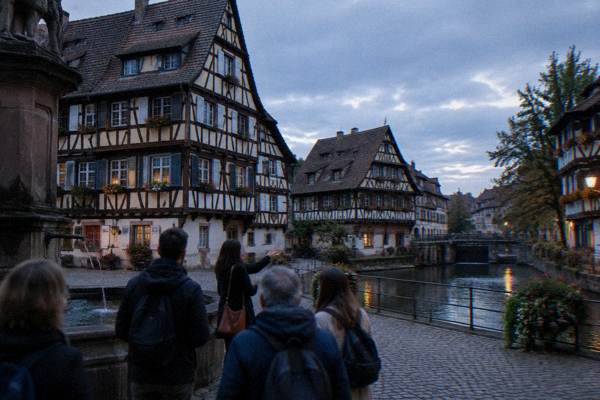
Do People In Strasbourg Speak French Or German?
The honest answer to which language you will hear and need in Strasbourg, in Alsace, north-eastern France: French is the language of daily life, German is close at hand, and English covers the visitor trail.
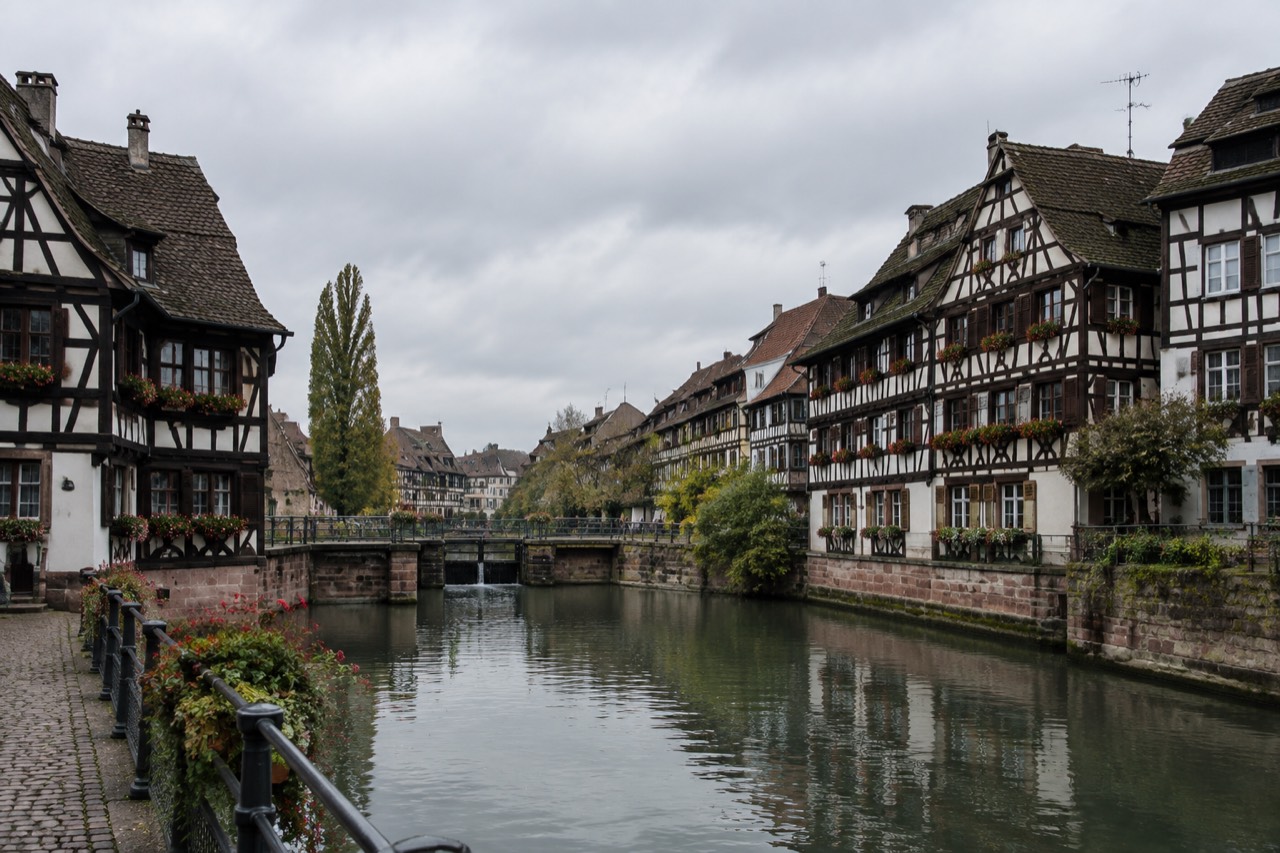
Strasbourg is the prefecture of the Bas-Rhin, in Alsace within the Grand Est region of north-eastern France, and the language you will hear in its shops, trams and winstubs is French. The city stands on the River Ill beside the Rhine, which is the border with Germany, with Kehl on the far bank, and that geography shapes a second layer: German is present in names, menus, accents and plenty of conversations, and the local Alsatian dialect, a Germanic language, survives among older residents. For a visitor, French opens the city, German helps more than you might expect, and English covers the well-trodden route from the cathedral to Petite France.
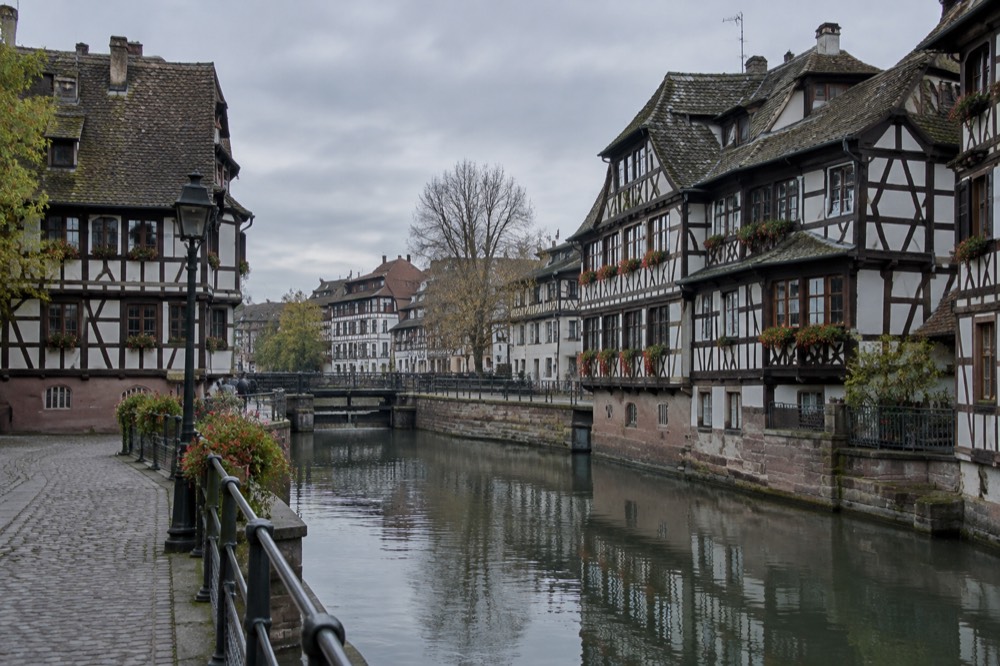
Do People In Strasbourg Speak French Or German?
People in Strasbourg, in Alsace in north-eastern France, speak French: it is the sole official language, the language of the schools, the trams, the town hall and daily conversation. German is widely understood thanks to the border and shared history, and the Alsatian dialect, a Germanic language, is still spoken by some residents, particularly older ones. A visitor with French gets everywhere; a visitor with German gets surprisingly far; English works along the tourist trail.
French is the only language you will see on official signs, hear in announcements at Strasbourg's station, and need for anything administrative. The city's commune counted 293,771 residents in the INSEE 2023 figures, and every one of them was schooled in French. That is the practical bottom line for a traveller: menus, museum labels, tram tickets and hotel desks operate in French first.
German, though, is not a foreign language here in the way it is in Lyon or Bordeaux. Strasbourg sits directly across the Rhine from Kehl, and the two cities are linked by a tram line, so cross-border workers, shoppers and students move through Strasbourg daily. Shop staff in the centre routinely switch to German for customers, and German tourists are a visible presence year-round, in even greater numbers at the Christmas market. If you speak German you will manage in restaurants, shops and hotels without much difficulty.
The third strand is Alsatian, the local dialect, which belongs to the Germanic family. It has its own sound, shaped by centuries of village life between two cultures. You will hear it among older locals, occasionally in markets, and in the names of dishes and streets across the city. Nobody expects a visitor to speak it, but knowing it exists explains a great deal about how Strasbourg sounds.
Where The Alsatian Dialect Fits In
Alsatian is a Germanic dialect traditionally spoken across Alsace, and in Strasbourg you will mainly notice it in names, food words and the speech of older residents rather than in daily public life. It declined sharply after the mid-twentieth century as French schooling and television took hold, and today it is a heritage language more than a working one. Children still learn some at school as an option, and the region treats it as living heritage worth protecting.
The dialect's footprint is easiest to see on the plate and the street sign. A winstub is an Alsatian word for the cosy taverns serving regional food; tarte flambée, choucroute and baeckeoffe carry Alsatian names into French menus; and village names around the city mix French and Germanic forms freely. Strasbourg's own history as a city that has belonged to both France and Germany, changing hands more than once, left the language layered rather than replaced. You can read more about that inheritance in is Strasbourg more German or French, and about the people behind it in are Alsatians ethnically French or German.
For a visitor, the useful framing is this: Alsatian is something you observe, not something you need. Nobody in a shop, restaurant or museum will conduct business in it. But recognising it when you hear it, typically a rapid, vowel-rich speech between elderly locals at a market stall, adds a layer of understanding to the city, and it explains why Alsatian place names and dish names refuse to fit tidy French grammar.
| Language | Where you encounter it in Strasbourg | Who uses it | What a visitor needs |
|---|---|---|---|
| French | Signs, trams, shops, museums, menus, all official life | Everyone, as the first language of daily life | Essential phrases help everywhere |
| Alsatian dialect | Market chatter among older residents, food and place names | Older locals, heritage classes, cultural events | Recognition only, no need to speak it |
| German | Border shoppers, some shop staff, Christmas-market season, cross-border workers | Residents with family ties, workers from Kehl and beyond | Useful in shops and restaurants |
| English | Cathedral quarter, museums, hotels, guided tours | Staff on the visitor trail, younger residents | Reliable on the main sights |
The city's bilingual character is not just folklore; it is institutional. Strasbourg hosts the European Parliament, the Council of Europe and the European Court of Human Rights, institutions that work in many languages, and the presence of the European Quarter adds an international, multilingual tone to the eastern side of the city. A walking tour is one of the efficient ways to hear this explained, since guides deal with the French-German story constantly and answer exactly this question at the cathedral and on the Ponts Couverts.
Will German Help You As A Visitor?
Yes, German genuinely helps in Strasbourg, more than in any other French city of its size, because of the open border with Kehl and the steady flow of German visitors and cross-border workers. Restaurant and shop staff in the centre often speak it, hotel staff usually do, and during the Christmas market season German is a working service language. It will not replace French for anything official, but for eating, shopping and asking directions it carries you far.
The reasons are geographic and economic. The Rhine border is a few kilometres from the centre, the tram runs across it, and the two countries share the Strasbourg-Ortenau eurodistrict, so German customers and colleagues are part of ordinary life. German-speaking tourists arrive in large numbers throughout the year, and the city's tourism industry has adapted. Menus in central restaurants frequently carry German translations alongside French ones, and market stallholders in December are used to selling in German. Other pages covering the same trip are gathered on Strasbourg Travel Guide.
Be aware of one nuance: Alsatian is not German, and residents can be sensitive to the assumption. The dialect shares roots with German, and a German speaker will catch fragments of it, but treating the two as identical flattens a regional identity that people care about. Asking a local whether Alsatian and German are the same is a reliable way to start a long conversation, and not always an amused one.
For planning purposes, treat German as a strong second language rather than a rival to French. If your French is weak and your German is strong, you will eat and shop comfortably. If you have neither, you will still manage in the centre, as the next section explains, but a few French words earn noticeably warmer service, as they do anywhere in France.
| Situation | Best language to try | Backup that usually works |
|---|---|---|
| Ordering in a winstub off the main squares | French | Pointing at the menu, English in central spots |
| Buying a tram ticket at a machine | French or English machine menus | German menu option on some machines |
| Asking directions in Petite France | French, then English | German, often understood |
| Christmas market stalls in December | French or German | English on the busiest squares |
| Hotels and larger restaurants | English or German | French greetings appreciated first |
| Museums and the cathedral | English labels and tours | German tours in season |
Is English Enough In Strasbourg?
English is enough for the standard visitor route in Strasbourg: the cathedral, Petite France, the boat tours, the main museums and central hotels all handle English, and younger residents generally speak it well. It becomes thinner in ordinary winstubs away from the centre, at markets, and in administrative or transport situations, where French dominates. A handful of French courtesies, bonjour, merci, au revoir, improves every interaction, whatever follows them.
The pattern is the same one you find in any French regional capital, with a border twist. The visitor economy is built around French, German and English in that order, so an English-only traveller following the classic route between the cathedral and the covered bridges will rarely stall. Step into a neighbourhood bakery in Krutenau or a suburban supermarket, and English will not carry you far, which is normal for France and not a Strasbourg peculiarity.
Guided products are the easiest bridge. A tour with a local guide compresses the city's French and German story into a walk, and the short options suit a first day. The walk with a local, Explore Strasbourg with a local guide, is built exactly for this: a compact loop with someone who answers language questions as they come up, Check availability if that fits your plans.
The cathedral deserves a guide for a different reason: its art and its famous single spire reward explanation, and a guided visit handles the building's mixed French and German heritage in one go. For how long to give the city overall, see how many days in Strasbourg is enough, and for the practicalities of covering it on foot, is Strasbourg a walkable city.
How Language Shapes The City You See
Strasbourg's bilingual inheritance is visible in its stones and its menus, not just its speech: street names mix French and Germanic forms, half-timbered architecture echoes the German building tradition, and regional dishes carry Alsatian names into French kitchens. The city's core, the Grande Île, joined with the Neustadt district as a UNESCO World Heritage property, and the Neustadt's imperial German planning is part of that listing. Language here is architecture you can walk through.
The clearest example is the Neustadt itself, the late-nineteenth-century district built during the period when the city belonged to Germany. Its broad avenues, grand facades and monumental squares sit beside the medieval core, and the contrast between the two is one of the most interesting things about walking Strasbourg. The Neustadt guide covers it in detail; the point for this page is that the district exists because the border moved, and the language of its builders moved with it.
Everyday traces are smaller but constant. You will order a kougelhopf, the Alsatian cake, under its Alsatian name. You will drink Alsace wine labelled by grape names, Riesling and Gewurztraminer, that belong to the Germanic naming tradition rather than the French one. You will stand on Place Kléber and walk the Grande Île, names that sit comfortably in French mouths while carrying older layers underneath. The city does not hide this; it sells kougelhopf moulds in gift shops.
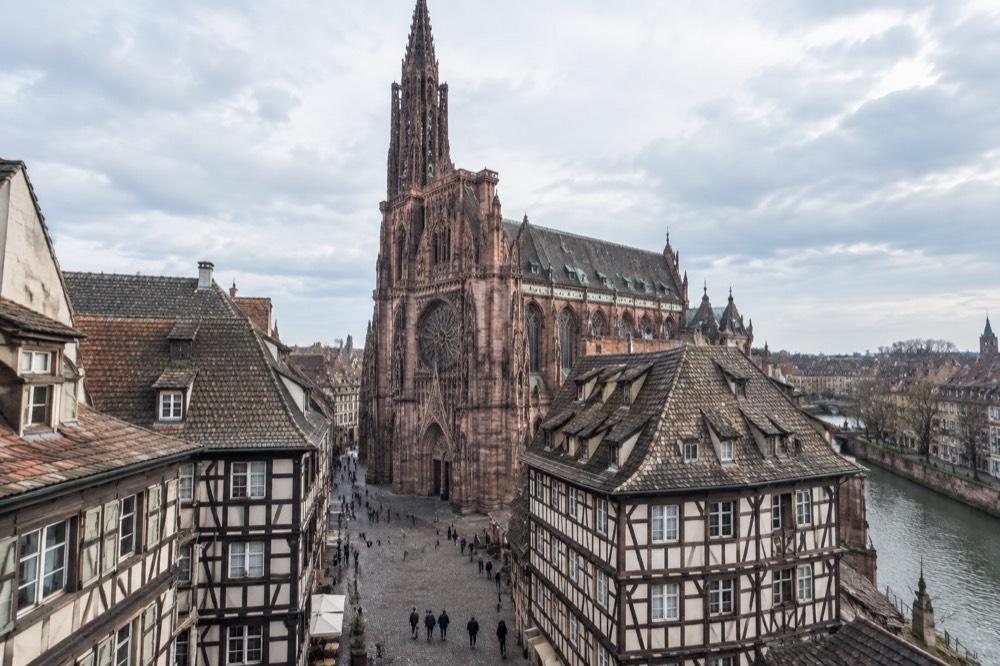
A guided cathedral visit is the single best product for hearing this story told well, because the building itself has been prayed in, in both languages, across its long life. The cathedral guided tour runs with a guide who covers the art, the spire and the city around it.
If the institutional side of the city interests you more than the medieval one, the European Quarter walks cover the Parliament, the Council of Europe and the court, and the guides there field language questions of a different kind: how a French city hosts institutions that work in dozens of tongues. Whichever walk you choose, the language question answers itself within the first few minutes, because the guide will greet you in English, point out a German street name, and explain a French institution, all in one breath. That is Strasbourg in miniature, and it is why the question of French or German never quite has a single-word answer here.
Common Questions About Language In Strasbourg
Do people in Strasbourg speak French or German?
They speak French as their everyday and official language, in Alsace in north-eastern France. German is widely understood because of the border and shared history, and the Alsatian dialect, a Germanic language, survives among some residents. Visitors can rely on French or English on the main trail, with German a strong third option.
Is Alsatian the same as German?
No. Alsatian is a Germanic dialect with its own vocabulary and pronunciation, traditionally spoken across Alsace. A German speaker will recognise fragments of it, but residents consider it a distinct regional language, and it is protected as part of Alsatian heritage rather than treated as a dialect of standard German.
Can I get by in Strasbourg with only English?
Yes, along the standard visitor route: the cathedral, Petite France, museums, boat tours and central hotels all handle English. Away from the centre, in neighbourhood bakeries, markets and ordinary shops, English is less reliable, and French politeness openers are appreciated everywhere in France.
Do menus in Strasbourg have German translations?
In the centre, frequently yes, especially in restaurants that serve German-speaking visitors year-round and during the Christmas market season. Menus typically lead in French, with German and sometimes English alongside. Alsatian dish names such as choucroute and baeckeoffe appear in their own forms regardless of translation.
Should I learn French or German before visiting Strasbourg?
Learn French first: it is the city's working language and the one every interaction defaults to. A dozen words of French, starting with bonjour and merci, do more for your trip than fluent German would, though German genuinely helps in shops and restaurants near the border.
Do people in Strasbourg mind being spoken to in German?
Staff in central shops and restaurants are used to German customers and will often serve you in it. Starting with bonjour before switching languages is the courteous local pattern, as anywhere in France. Assuming residents are German, or that Alsatian is simply German, is what causes offence, not the German language itself.
The short version stands: Strasbourg is a French city that carries a German inheritance in its dialect, its menus and its architecture, and it welcomes visitors in all three of the languages that shaped it, with French first, German close behind and English on the visitor trail.