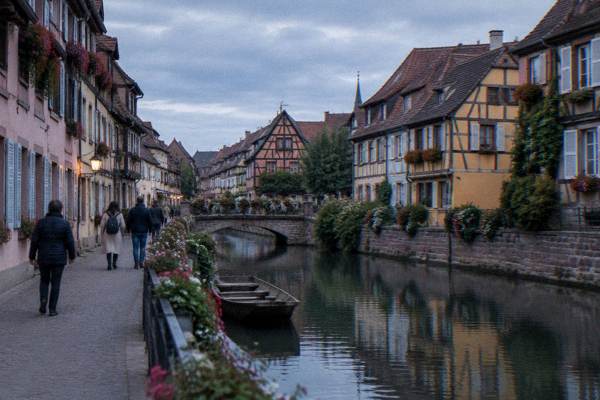
Which German City Is Closest To Strasbourg?
Kehl is the German city closest to Strasbourg, sitting directly across the Rhine in north-eastern France. This guide explains the border, the crossing, and which German towns are worth the trip.
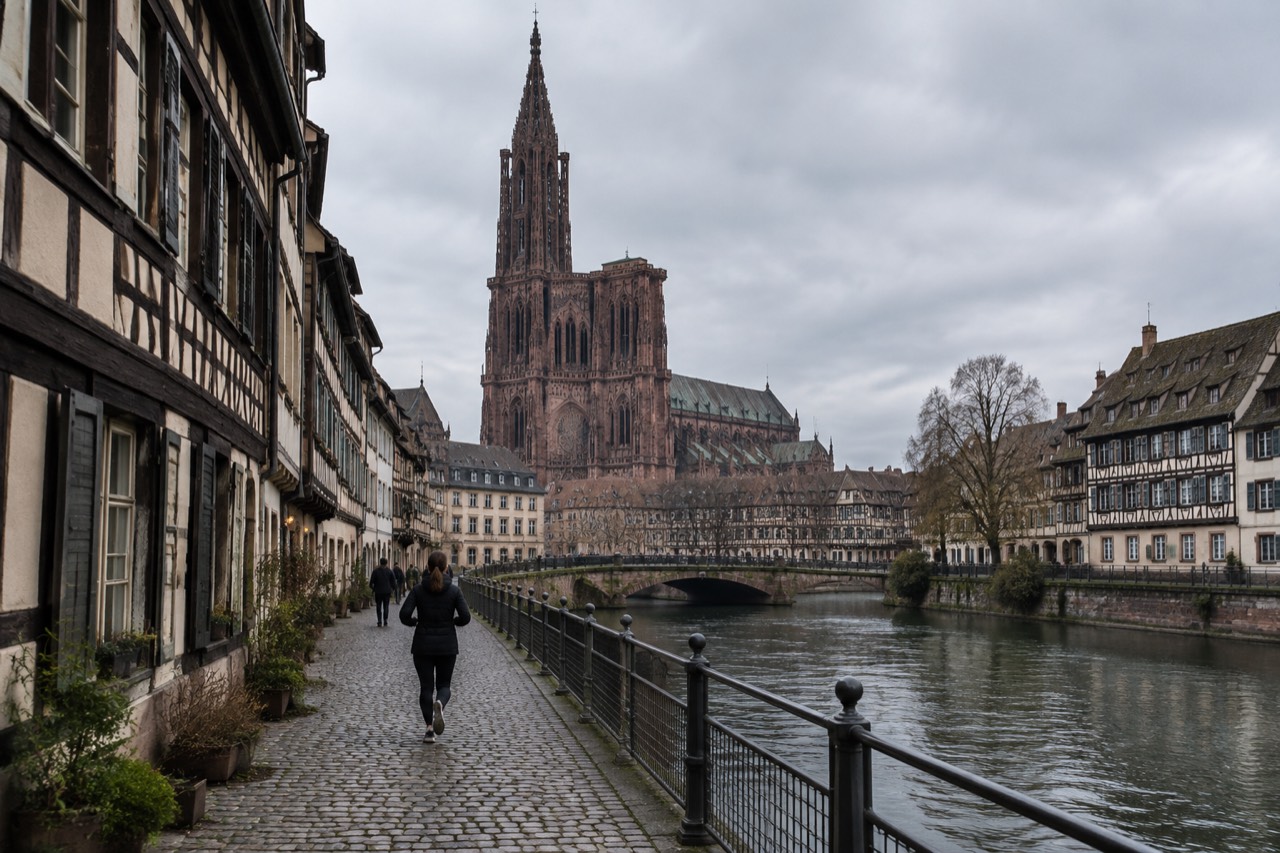
Strasbourg, the prefecture of the Bas-Rhin in Alsace, north-eastern France, sits on the River Ill just beside the Rhine, and the Rhine here is the border with Germany. That geography answers the question before any map is unfolded: the German city closest to Strasbourg is Kehl, which stands directly on the far bank of the river, facing the Alsatian capital across the water. The two places face each other so squarely that from parts of Strasbourg's riverside you can see German territory without turning your head.
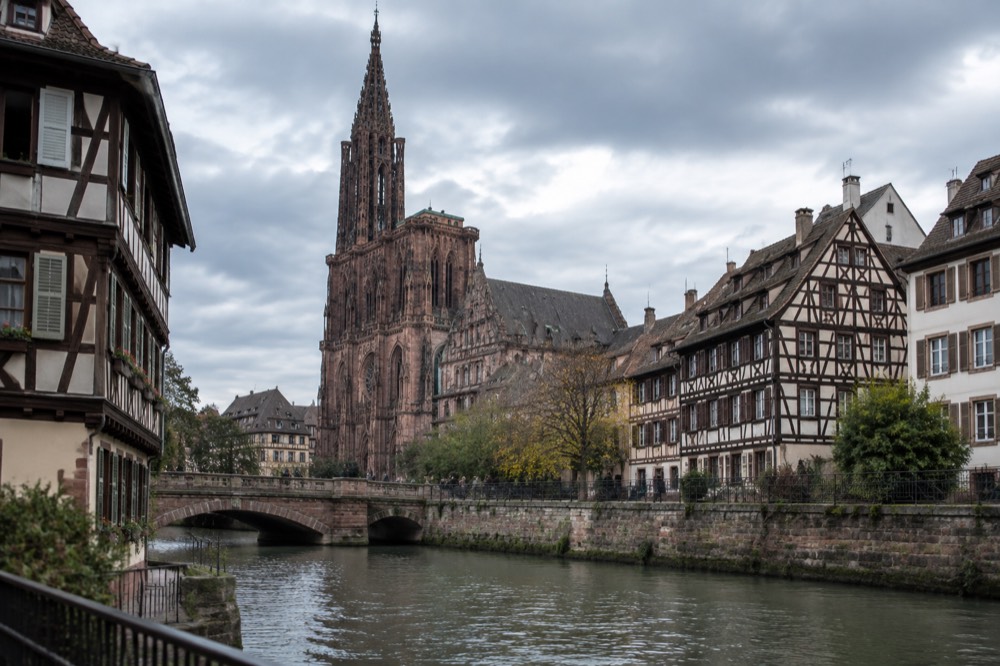
Which German City Is Closest To Strasbourg?
The closest German city to Strasbourg is Kehl, which sits directly across the Rhine from the Alsatian capital in north-eastern France. There is no other German town between them and no intervening city of any size: the river itself is the border. Kehl is a modest German town rather than a metropolis, but in pure distance nothing German is closer, and the crossing is an ordinary part of daily life on both banks.
That last point deserves emphasis, because visitors often imagine a border crossing as an event. Between France and Germany it is nothing of the kind. Both countries are in the Schengen area and both use the euro, so a traveller who walks, cycles or rides across the Rhine passes from one country to the other with no passport check and no currency exchange. People commute across this stretch of river, shop across it, and live their lives with the border as a background fact rather than a barrier.
Kehl is not a tourist magnet in the way Strasbourg is, and that is part of its appeal. It is a working German town with a quiet centre, a riverside promenade of its own, and a genuinely German flavour of bakery, butcher and beer garden that contrasts with the winstub culture on the French side. A visitor with a free afternoon can cross, eat a German lunch, and be back in Strasbourg for the evening, and many do exactly that. The site's Kehl border town guide covers the practical side of the crossing in more detail.
For context on how deep the two countries are entangled here, the shared history of Strasbourg and Germany explains why the city's own culture carries so much of both, and the question of which language people actually speak has an answer that surprises many first-time visitors.
How To Get From Strasbourg To Kehl
Crossing from Strasbourg to Kehl is a local journey, not an expedition: the two towns are directly linked across the Rhine, and the crossing sits within the ordinary urban transport picture of the Strasbourg area. Because both countries are in Schengen and both use the euro, no passport control and no money change are involved. The practical detail to check before setting out is the current fare and timetable on the CTS transport pages.
The CTS network, Strasbourg's public transport operator, is the practical starting point. Its fare page gives a single ticket at 1.90 EUR bought through the Badgeo card, the CTS app or contactless payment, or 2.50 EUR if bought on board a bus, and a 24h Solo pass at 4.60 EUR that covers a day of riding the network. A 24h Trio pass at 10.20 EUR covers two or three people travelling together. What the fare pages do not spell out in one line is which route reaches Kehl, so the sensible habit is to plan the crossing on the CTS journey planner rather than from memory, and to confirm the cross-river connection there.
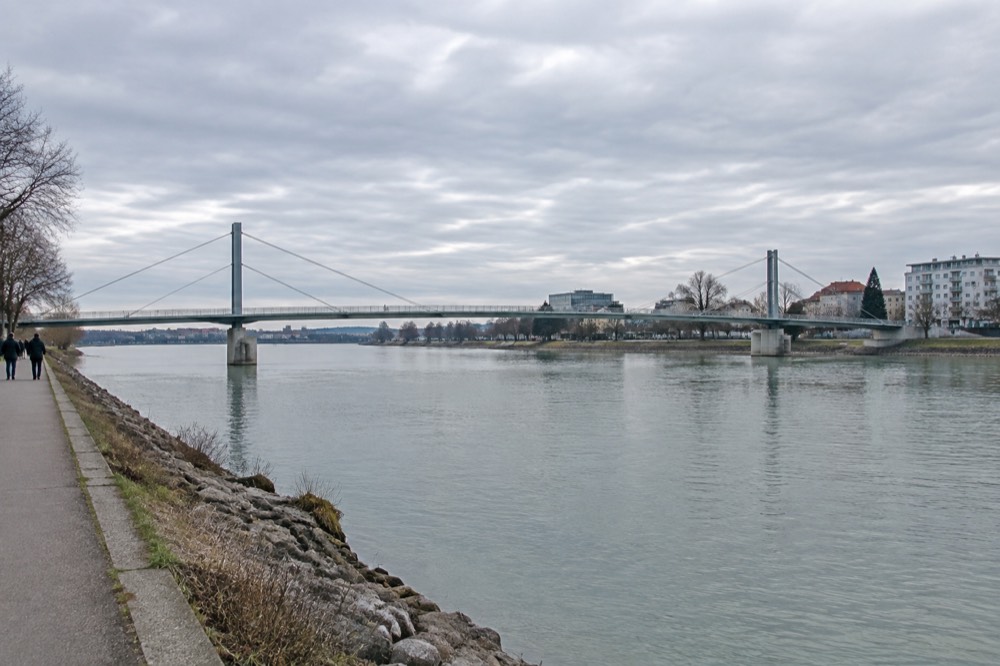
Cycling is the other natural way across. Strasbourg is a famously bike-friendly city, and a riverside route to the Rhine is part of its everyday layout; the site's guide to cycling around Strasbourg covers the bike-hire picture and the riverside paths. On foot, the crossing is a longer undertaking but a real one: the two riverbanks are connected by bridges, and walking across a Rhine bridge between two countries is one of the quiet pleasures of this corner of Europe.
| Crossing option | What it involves | Who it suits | What to check |
|---|---|---|---|
| Public transport | CTS network links Strasbourg with the far bank; single ticket 1.90 EUR via app or contactless, 2.50 EUR on board a bus | Travellers without a car, anyone on a day pass | CTS journey planner and fare page for the current cross-river route |
| Bicycle | Riversides and bridges make a flat, signposted ride of the crossing | Confident cyclists, anyone hiring a city bike | Bike hire opening hours; the riverside route guide |
| On foot | A bridge crossing between the two banks, with river views both ways | Slow travellers, photographers | Weather, and comfortable shoes for the bridge approach |
| Car | Direct road bridges across the Rhine | Day-trippers heading deeper into Germany | Parking on the Kehl side, and border-free Schengen motoring rules |
Any page that quotes a precise number of minutes for this journey is guessing, and the right source for a figure is the CTS planner or a mapping service on the day.
Other German Cities Within Reach Of Strasbourg
Beyond Kehl, the nearest German places of real size are the Black Forest towns and cities of the upper Rhine plain, led by Freiburg, with Baden-Baden, the Black Forest villages and, further afield, Karlsruhe and Heidelberg all reachable as day trips from Strasbourg.
The Black Forest begins almost as soon as the German bank rises, and the site's Black Forest guide covers the region's gateways, gorges and clock-making towns. Freiburg, the lively university city at the forest's western edge, is the natural first stop for travellers who want a German city with a full day's worth of streets, streams and squares; the Freiburg guide lays out the case for it. Baden-Baden, the old spa town in the northern Black Forest, is the choice for thermal baths and a slower rhythm, and the Baden-Baden guide covers the spa and parkland picture.
Further along the Rhine plain, Karlsruhe and Heidelberg are both plausible day trips from Strasbourg for travellers with a full day to spend, and the site carries guides to Karlsruhe and Heidelberg for planning. For families, Europa-Park is Germany's major theme park and a firm favourite on the German side of the border, while the spa town of Baden-Baden suits a calmer agenda.
| German place | What it is | Who it suits | How it pairs with a Strasbourg stay |
|---|---|---|---|
| Kehl | The German town directly across the Rhine | An easy half-day, lunch across the border | Fits any Strasbourg itinerary, even a short one |
| Freiburg | University city at the Black Forest's edge | A full day of city wandering | Best as a standalone day trip |
| Baden-Baden | Historic spa town in the northern Black Forest | Thermal baths, parks, a slow day | Pairs with a Black Forest loop |
| Black Forest villages | Gorges, lakes and clock-making towns | Scenery-first travellers | Combine with Freiburg or Baden-Baden |
| Europa-Park | Major German theme park | Families with children | A dedicated full day |
| Heidelberg and Karlsruhe | Rhine-plain cities further north | Travellers with extra days | Longer day trips, best with a car or rail plan |
Rail times in particular move with timetables, and the right source is the rail operator's own planner for the day of travel. What can be said with confidence is the shape of the map: Germany begins at the far bank of the Rhine, and everything in the table above lies on the German side of that line.
For travellers weighing a German day trip against a French one, the border cuts both ways. The Alsace hinterland holds wine villages, a famous castle and vineyard roads that are every bit as distinctive as the Black Forest, and the site's Alsace wine route guide and Haut-Koenigsbourg castle guide make the French case. A trip like the Check availability link for the Best Of Alsace Historical Day Trip shows the shape of that option: a guided day from Strasbourg into the region's villages and castle country, with the logistics handled by the operator.
Is It Worth Crossing The Border For A Day?
Crossing into Germany from Strasbourg is worth it for the contrast rather than for any single sight: Kehl gives an easy taste of German daily life, the Black Forest gives scenery, and Freiburg or Baden-Baden give a full German city day. The border itself costs nothing in time or paperwork thanks to Schengen and the shared euro, so the real question is not whether the crossing is possible but whether it fits the length of the stay.
For a one-night visitor, the answer is usually no: Strasbourg's own Grande Île, Petite France and cathedral fill a short stay comfortably, and the site's one day in Strasbourg itinerary shows how. For a visitor on a second or third day, Kehl becomes a genuinely appealing half-day: a different language on the shop signs, a different bakery counter, a riverside walk with France in view across the water. For a longer stay, the German side earns a full day, whether that is the Black Forest, a spa town or a theme park.
The food question often decides the day. Alsatian cooking, covered in the site's guide to food and winstubs in Strasbourg, is its own tradition, part French, part German, entirely local; a German lunch in Kehl is not more of the same, it is a genuinely different table.
One practical note on the Swiss border, since it sometimes gets folded into the same question: Basel is a day trip from Strasbourg too, and the site's Basel guide covers it, but Switzerland is not in the euro. Euros do not simply work in Basel the way they work in Kehl, and any plan involving Switzerland needs its own currency arrangements. The German side of the border is the simpler proposition: same currency, same Schengen space, same plug of continental Europe.
Between the French old town, the German far bank and the European district, Strasbourg is a base from which three national experiences sit within a single day's reach, and few European cities of its size can say the same.
Common Questions About The German Cities Near Strasbourg
Which German city is closest to Strasbourg?
Kehl is the German city closest to Strasbourg. It stands directly across the Rhine, which forms the border between France and Germany at this point, and the two towns face each other across the river. Kehl is a modest German town rather than a large city, but in distance nothing German is nearer to Strasbourg.
Do you need a passport to cross from Strasbourg to Germany?
No passport control applies to the crossing. France and Germany are both in the Schengen area, so travel between Strasbourg and Kehl is border-free in the everyday sense, with no routine checks at the bridges. Carrying identification is still standard practice when travelling between countries, but the crossing itself is treated as local travel.
Can you use euros in Kehl?
Yes. Germany uses the euro, as France does, so the same currency works on both banks of the Rhine. This is one reason the Kehl crossing is so easy: there is no exchange to arrange and no price conversion to think about. The same cannot be said of Basel in Switzerland, which is not in the euro.
Is Kehl worth visiting for a day?
Kehl suits a half-day rather than a full one. It offers a quiet German town centre, a riverside promenade and a genuinely German lunch, all within an easy crossing of Strasbourg. Visitors looking for a full German city day are better served by Freiburg or Baden-Baden, with Kehl as the low-effort option close to base.
Which is better from Strasbourg, the Black Forest or the Alsace wine route?
They answer different moods. The Black Forest delivers German scenery, gorges and forest towns; the Alsace wine route delivers vineyard villages and winstub culture on the French side. Both sit within day-trip range of Strasbourg, and a longer stay can include one of each. The site carries full guides to the Black Forest and the Alsace wine route for comparing them.
How many days do you need in Strasbourg if you also want to see Germany?
A short city break covers Strasbourg itself, and a third day opens the border. With two days in the city, Kehl fits as a half-day excursion; with three or more, a full German day to the Black Forest, Freiburg or Baden-Baden becomes comfortable. The site's itineraries for one, two and three days in Strasbourg give the working plans.
Whichever side of the Rhine the day ends on, the Strasbourg Travel Guide carries the deeper guides to Kehl, the Black Forest, Freiburg and every stop in between, so the border can be crossed with a plan rather than a guess. Kehl remains the answer to the question that opened this page, and it is an answer that takes less effort to reach than many visitors expect.