How Many Days In Colmar Is Enough?
How many days does Colmar need? A practical answer for travellers basing themselves in Strasbourg, Alsace, north-eastern France, with one-day and two-day plans.
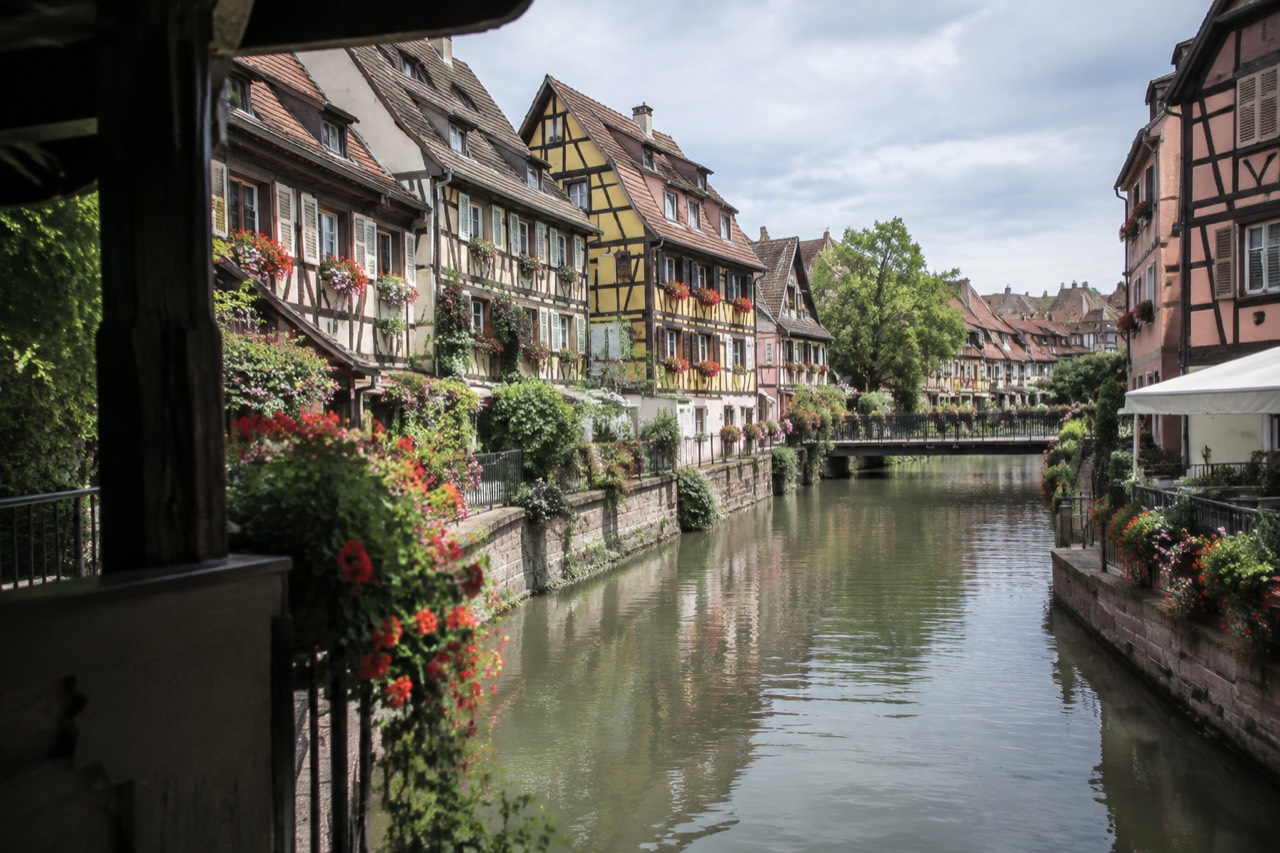
Colmar is a small Alsatian town south of Strasbourg, in the Alsace region of north-eastern France, and the honest answer for it is shorter than many itineraries suggest. Travellers usually reach it from Strasbourg, the prefecture of the Bas-Rhin on the River Ill beside the German border. This page answers that plainly, with a one-day plan, a case for two days, and a note on how Colmar fits a wider Alsace trip that starts in Strasbourg.
How Many Days In Colmar Is Enough?
One full day is enough for Colmar's old town, its canals and its central museums for the great majority of short-break travellers, and two days is the right call if the trip also covers the surrounding wine villages or the Christmas season, when the town fills with visitors and every queue lengthens. Anything beyond two days is better spent in Strasbourg or the wider Alsace region, since Colmar itself is compact and walkable end to end.
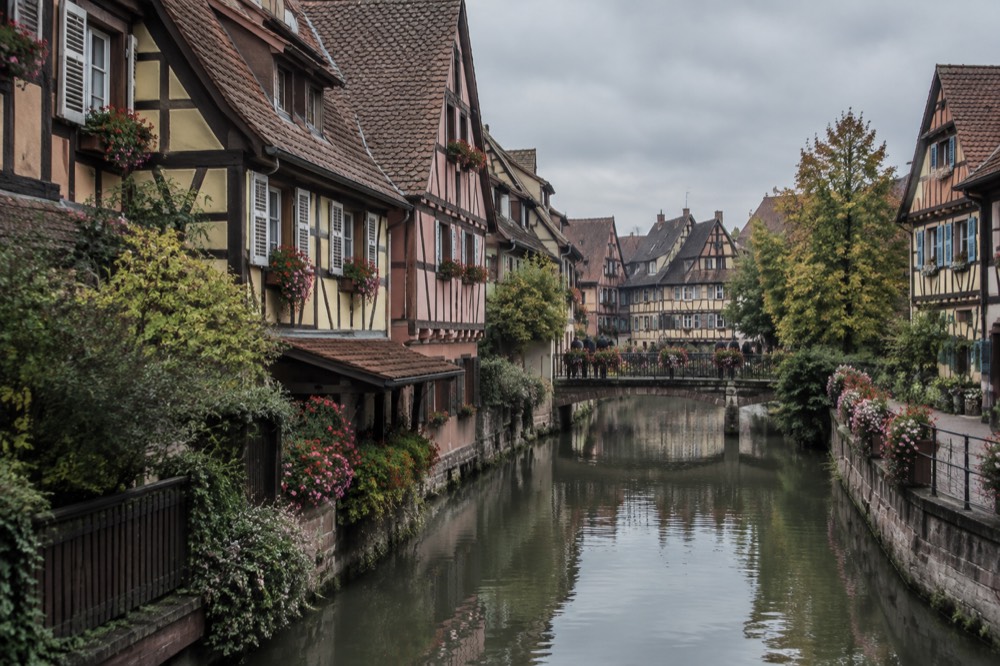
The reason one day works is scale. Colmar's protected old centre is small enough that a visitor who arrives in the morning can walk the principal streets, the canal-side quarter known as Little Venice, and the main squares before dark, with time for a long lunch in a winstub, the Alsatian tavern style shared across the region. The town's fame rests on its half-timbered streets and its position at the heart of the Alsace wine country, and both of those are experienced on foot rather than ticked off a list.
The case for a second day has little to do with the town itself. It comes from what sits around it: the wine villages of the Alsace wine route, hillside vineyards, and castle country towards the Vosges. Travellers who want to taste wine, stop in two or three villages and still get back for dinner need that second day, because a rushed version of the wine route is a disappointing one. For a deeper look at the region's other half, the Alsace wine route guide covers the villages in detail.
What Can You See In Colmar In One Day?
A single day in Colmar covers the old town's half-timbered streets, the Little Venice canal quarter, the Dominican church district and the main museums, plus a proper winstub lunch, at an unhurried walking pace. The plan below works because everything sits within the old centre; nothing on it requires a car, a tram or a tour bus, and the whole route is comfortably walkable.
Start early, because the canal quarter photographs best in morning light and the streets are quiet before the day-trip coaches arrive. The old town's lanes run together in a compact grid, so the usual advice is simply to wander: the painted houses, the covered market hall and the riverside lanes carry the town's character, and a fixed route matters less than in a big city. The town's museums are worth the middle of the day, and the afternoon belongs to the canal side and the squares.
| Part of the day | What to do | Who it suits | What to check first |
|---|---|---|---|
| Morning | Old-town lanes and the canal quarter in quiet light | First-time visitors, photographers | Opening times of the market hall |
| Midday | A winstub lunch, then the principal museums | Travellers who like art and history | Museum opening days; some close one weekday |
| Afternoon | Little Venice walk, the main squares, a tasting stop | Anyone on a relaxed pace | Whether tasting rooms need a reservation |
| Evening | Dinner in the old centre, or the train back to Strasbourg | Day-trippers basing themselves in Strasbourg | Last departure time on the day of travel |
Colmar's own Christmas season changes this arithmetic. In December the town's market draws crowds comparable in kind, if not in scale, to Strasbourg's, and the streets that take an hour in April can take three. Strasbourg's own edition, the region's anchor event, ran from 26 November to 24 December last year and drew 3.05 million visitors, and Colmar's markets run on the same late-November-to-24-December pattern; anyone planning a December visit should confirm the exact dates on the official Christmas sites before booking, since this year's dates are still being finalised. The Colmar Christmas market guide goes deeper on that season.
When Is Two Days In Colmar The Better Choice?
Two days in Colmar is the better choice when the trip includes the wine route villages, a December visit, or a relaxed pace with children, because each of those adds half a day or more to what a one-day walk covers. A second day also buys an evening in the old town, when the day crowds have gone and the half-timbered streets change character after dark.
The wine route is the strongest argument. The celebrated villages of the Alsace wine route, places such as Riquewihr, Eguisheim and Kaysersberg, cluster around Colmar, and a day spent hopping between them is a day not spent in Colmar at all. Travellers who try to compress both into one day usually end up seeing the old town in a rush and a single village in a rush, which serves neither. A two-day structure, town on day one and villages on day two, is the pattern that leaves nothing feeling truncated. Other pages covering the same trip are gathered on Strasbourg Travel Guide.
December is the second argument. The Christmas season in Alsace is the region's busiest period, and Colmar's decorated streets and satellite village markets draw visitors from across Europe. Queues lengthen, restaurant tables need booking, and the pace of everything slows. A one-day visit in December works only with an early start and a firm plan; two days absorbs the crowds comfortably. For travellers weighing the two towns against each other in winter, the Strasbourg or Colmar comparison breaks the season down further.
Families and slow travellers form the third group. Colmar rewards lingering: a canal-side hour, a second tasting, a museum visited properly rather than sprinted. If the trip's rhythm is unhurried, two days is not indulgence, it is simply the honest duration of the place.
Is Colmar A Good Base For The Alsace Wine Route?
Colmar works well as a wine-route base because the celebrated villages sit clustered around it, though the region can also be explored from Strasbourg on organised day trips, and the right base depends on whether the trip is wine-first or city-first. A wine-first traveller is better in Colmar; a traveller who wants Strasbourg's cathedral, European Quarter and food scene is better in Strasbourg with a Colmar day trip attached.
Happy to let someone else handle the driving between the villages. Book an Alsace day trip here.
The geography favours Colmar for the wine route itself. The villages that give the route its fame are small, close together and hard to thread together by public transport at a tasting-friendly pace, which is why so many wine-route travellers either base themselves in Colmar or join a guided day trip that handles the driving. A guided villages-and-tasting day from Strasbourg is one way to see the route without a car, and the operator's listing carries the current duration and price.
Food deserves a mention in the same breath. Colmar's restaurant scene leans Alsatian: tarte flambée, choucroute and the region's riesling-based cooking, the same tradition Strasbourg's winstubs carry. Travellers who want that food culture explained rather than merely eaten can pair a Colmar visit with a guided culinary walk in Strasbourg, where a local guide walks the group through the city's food traditions with tastings along the way.
The base question ultimately turns on the shape of the whole trip. A traveller with three days in the region gets more from two nights in Strasbourg plus a Colmar day than from the reverse, because Strasbourg holds the cathedral, the Grande Île and the European institutions, while Colmar's centre, however lovely, is a half-day of sights wrapped in a full day of atmosphere. The Strasbourg versus Colmar guide weighs the two bases side by side, and the Colmar day trip guide covers the town as a destination in its own right.
How Does Colmar Compare With Strasbourg For A Short Break?
Colmar is smaller, quieter and easier to walk end to end, while Strasbourg is the region's capital, with the cathedral, the European Quarter, the bigger food scene and the transport hub, so the two are complements rather than rivals. A short break that includes both, with Strasbourg as the base and Colmar as a day or an overnight, captures Alsace better than either town alone.
Strasbourg's advantages are structural. It is the seat of the European Parliament and the Council of Europe, its historic centre is a UNESCO World Heritage property covering both the Grande Île and the Neustadt, and its cathedral offers a platform at 66 m with a view over the whole plain. Its transport is simple for visitors: a 24-hour pass costs 4.60 EUR, and the airport shuttle runs a combined train-and-tram ticket at the same price. Colmar offers none of that scale, and does not try to.
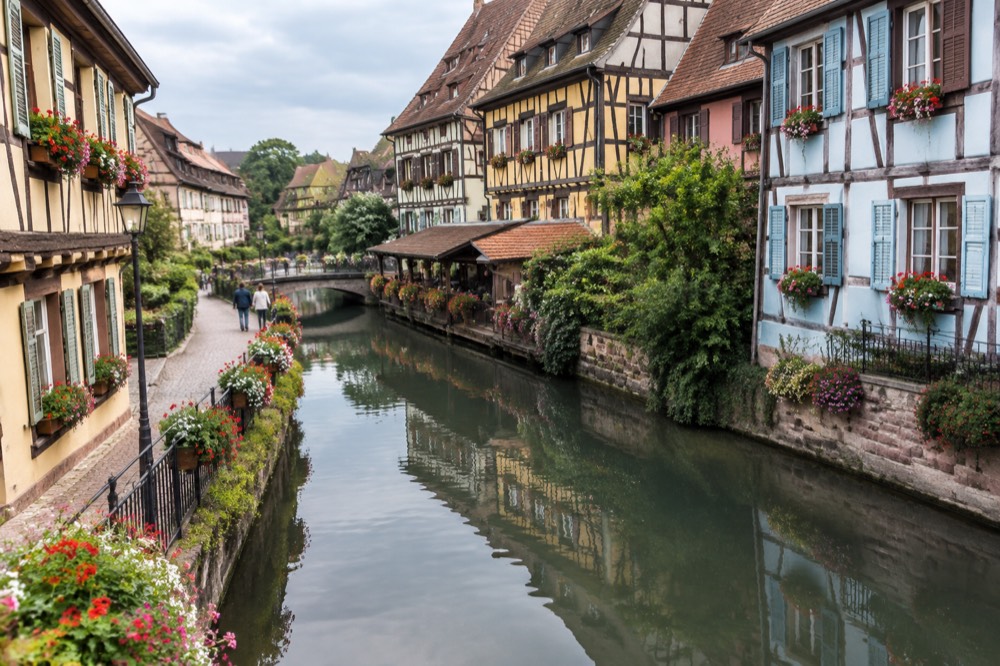
Colmar's advantages are intimacy and colour. The canal quarter, the painted facades and the wine-country doorstep give it a village feel that Strasbourg, a city of 293,771 residents in its commune, cannot match. Travellers who want atmosphere over institutions, and who are content with one good museum day and one wine day, will find Colmar the softer, simpler stay. Those weighing where to sleep should read where it is better to stay and the distance question before deciding.
| Question | Colmar | Strasbourg |
|---|---|---|
| Scale of the old centre | Small, walkable in a few hours | Grande Île plus Neustadt, a full day or more |
| Signature sights | Canal quarter, half-timbered streets, wine-country doorstep | Cathedral with 66 m platform, European Quarter, river boat tours |
| Best for | A quiet, picturesque wine-country stay | A full city break with institutions, food and transport links |
| Christmas season | Decorated old town and village markets | The region's anchor market, 3.05 million visitors last edition |
| Fits a short break as | One day, or two with the wine route | Two or three days, with Colmar as a day trip |
Travellers combining the two can do it either direction. The Strasbourg and Colmar itinerary builds the pairing over several days, and the longer three-day Strasbourg plan leaves a day free for Colmar. On the Strasbourg side, a guided walk of the European Quarter is a good use of a spare morning, since the district's institutions are hard to read without a guide.
Common Questions About Colmar
How many days in Colmar is enough?
One full day covers Colmar's old town, the canal quarter and the main museums at a relaxed pace. Two days is the better choice when the trip also includes the wine route villages or a December visit. Beyond two days, the rest of the region, starting with Strasbourg, gives more back per hour.
Can you do Colmar as a day trip from Strasbourg?
Yes, and it is the common pattern. Colmar's old centre is compact, so a morning arrival gives a full day of streets, canals and a winstub lunch before an evening return. Confirm the last departure back when planning, especially in the Christmas season.
Is Colmar worth visiting in December?
December is Colmar's busiest and most atmospheric month, with decorated streets and Christmas markets running on the region's late-November-to-24-December pattern. The crowds are the trade-off: book tables ahead, start early, and give the town two days if the schedule allows.
Do you need a car in Colmar?
Not for the town itself, which is walkable end to end. A car or a guided day trip helps for the surrounding wine villages, which are awkward to string together by public transport at a tasting-friendly pace.
Is Colmar or Strasbourg better for a first visit to Alsace?
Strasbourg, for most short breaks: it holds the cathedral, the World Heritage old centre and the European institutions, and it works as a base for a Colmar day trip. Colmar suits a second visit, or a wine-first trip built around the villages.
Colmar's answer, in the end, is a simple one: give it a day, and give it two only when the wine route or the Christmas season is part of the plan, then spend the rest of the trip in Strasbourg, where Alsace keeps its capital.