Which Cities Are Within 2 Hours Of Strasbourg?
The cities you can reach from Strasbourg in under two hours, in France, Germany and beyond, with what each one is for and how to plan the day.
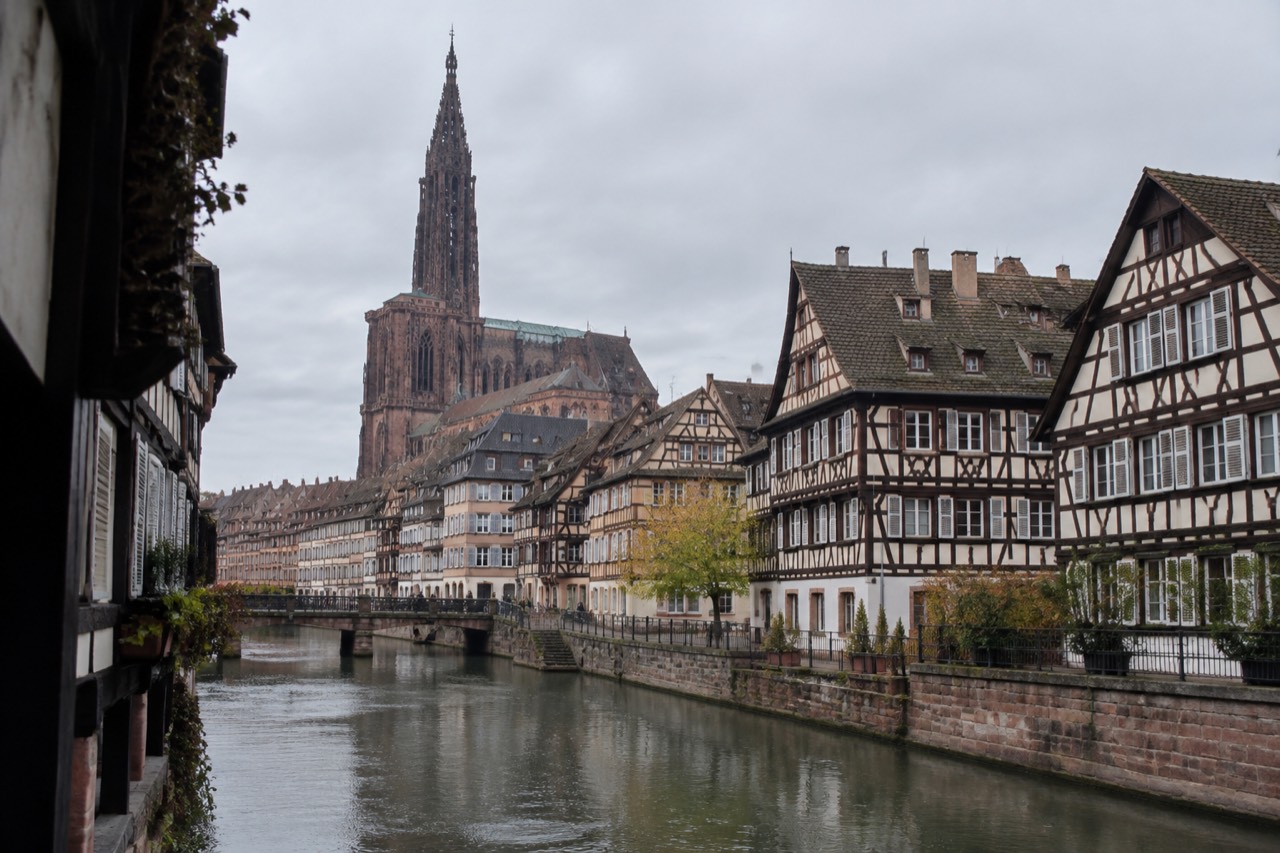
Strasbourg, in Alsace in north-eastern France, sits beside the Rhine, and the river is the border with Germany. That position, a French city a short crossing from German towns and within reach of Switzerland, gives it one of the widest day-trip menus of any mid-sized city in Europe. Paris is reachable by direct high-speed train in under two hours, and a whole ring of smaller cities sits closer still. This page sets out which cities are genuinely within range, what each one is actually for, and how to choose between them when you only have a few days.
Which Cities Are Within 2 Hours Of Strasbourg?
Several French, German and cross-border cities sit within two hours of Strasbourg, in Alsace, north-eastern France: Colmar and the wine-route villages in France; Freiburg, Baden-Baden, Karlsruhe, Heidelberg and Stuttgart in Germany; Basel in Switzerland; and Paris at the far end, reachable by direct high-speed train in under two hours. The closest of them, the German town of Kehl, is directly across the Rhine and can be reached by tram.
The honest way to read that list is by tiers. The inner tier is the Alsace region itself: Colmar, the wine villages such as Riquewihr, Eguisheim and Kaysersberg, and towns like Obernai and Sélestat. These are short hops, and the region's character, half-timbered houses, vineyards and winstub cooking, is what people picture when they book the trip. The second tier crosses the border: the Black Forest towns, Freiburg, Baden-Baden, Karlsruhe and, a little further, Heidelberg and Stuttgart. The third tier is Paris in one direction and Basel in Switzerland in the other, both realistic by rail for a long day.
What the list does not include is a set of hard journey times. Rail times to these cities vary by connection and by departure, with the live timetable on SNCF Connect the place to check. For everything else, the planning approach is the same: pick the city, then check the connection on the rail operator's own site before committing a day to it. The direct train connections from Strasbourg page carries more on the rail side.
To compare times and fares for your day trips, book a train ticket here.
| City | Country | What it is known for | How it fits a Strasbourg trip |
|---|---|---|---|
| Colmar | France | Canals, half-timbered old town, wine capital of Alsace | The classic first day trip, easy by train or tour |
| Kehl | Germany | Quiet German town directly across the Rhine | A tram ride away, the simplest border crossing |
| Freiburg | Germany | University city at the edge of the Black Forest | Pairs with Black Forest scenery and wine villages |
| Baden-Baden | Germany | Spa town, parks and a famous casino | A slower, elegant day away from crowds |
| Basel | Switzerland | Museums, the Rhine, a compact old town | A long day trip; Switzerland is not in the euro |
| Paris | France | The capital, at the end of a fast rail line | Under two hours by direct high-speed train |
Which German Cities Are Easy To Reach From Strasbourg?
Germany begins directly across the Rhine from Strasbourg, with Kehl on the far bank, and the German cities in comfortable range are Freiburg, Baden-Baden, Karlsruhe, Heidelberg and Stuttgart. France and Germany are both in the Schengen area and both use the euro, so no border formality and no currency change interrupt the day.
The German side of the border is the part of the map that surprises people. Strasbourg has changed hands between France and Germany across its history, a story the is Strasbourg more German or French page tells in full, and the practical legacy is that the city looks both ways. German is common on shop signs in Alsace, and the rail lines that run east across the Rhine are as much a part of local life as the ones running west.
Freiburg is the natural first choice. It is a university city with a medieval old town, a famous cathedral of its own and a gateway position at the southern edge of the Black Forest, and it works as a city day or as the base for forest villages like Triberg and the lake at Titisee. A guided Black Forest day trip from Strasbourg that covers Triberg, Titisee and Freiburg runs on this site's roster, and it suits travellers who want the forest without planning the connections. Baden-Baden is the quieter alternative: a spa town of parks, grand bathing houses and a casino, better suited to a slow day than a packed one.
Further north, Karlsruhe, Heidelberg and Stuttgart are all realistic German city days, each with its own character: Karlsruhe is a planned baroque city, Heidelberg a famous university town with a castle above the river, Stuttgart an industrial and cultural heavyweight. These ask for a full day and a checked timetable, and they reward travellers who have already seen the closer options.
Which French Cities Can You Visit From Strasbourg?
The French cities within range of Strasbourg are Colmar first, then Mulhouse, Nancy and, on the fast rail line, Paris. Colmar is the one that belongs on almost every itinerary: a canal-laced old town an easy hop south, surrounded by the Alsace wine route. Mulhouse and Nancy are worthwhile second visits, and Paris works as a long day trip thanks to the direct high-speed line, which covers the distance in under two hours on the fastest trains.
Colmar deserves its status. It is the wine capital of the region, its old centre is a network of canals and painted half-timbered houses, and it sits at the start of the wine route that threads through villages like Riquewihr, Eguisheim and Kaysersberg. A day trip can be a train ride there and a wander, or a guided tour that strings together villages and a wine tasting, and the guided versions suit travellers who do not want to drive. The two days in Strasbourg itinerary suggests splitting the stay: a first day in Strasbourg itself, a second in Colmar or the wine route.
Mulhouse, further south in Alsace, is a different proposition: an industrial heritage city with serious museums, including a famous automobile collection, and fewer tourists than Colmar. Nancy, to the west in Lorraine, is a city of elegant squares and the art nouveau movement, a longer hop that rewards a full day. Paris needs no introduction; the practical question is whether a day trip is worth it, and the honest answer is that the fast train makes it possible but a rushed Paris day compares poorly with a proper stay.
Before leaving Strasbourg itself, it is worth spending at least one morning on the city you are actually staying in. A guided walk through the historic centre and Petite France with a local guide is on the roster, and it pairs well with a day-trip plan because it gives you the city's own story first: Check availability.
Can You Visit Switzerland From Strasbourg In A Day?
Basel is the Swiss city within day-trip range of Strasbourg, a realistic if long day by rail for travellers who want to add a third country to one trip. Basel is a compact city of museums, a Rhine-side old town and a famous art scene, and it sits close enough to the border to work as a full-day excursion. One warning matters more than any timetable detail: Switzerland is in Schengen but not in the euro, so euros do not replace Swiss francs there.
Basel rewards a particular kind of traveller. If your days so far have been half-timbered villages and cathedral squares, Basel offers a sharp change: contemporary art museums, a riverside city where swimming in the Rhine is a summer routine, and a compact centre that can be crossed on foot. If your trip is short and centred on Alsace, Basel is the first city to cut, and the Black Forest or Colmar will serve you better.
The currency point deserves its own sentence because it catches people out. France and Germany share the euro, and the border region is unusually frictionless, but Switzerland kept its own currency, and a day tripper who arrives with only euro cash will be relying on cards. Prices in Basel are also higher than on the French side of the border, which is worth knowing before planning a restaurant lunch.
For travellers who prefer to stay after dark rather than cross a border, Strasbourg itself changes character in the evening, and a private evening walk through the old streets is one of the more atmospheric options on the roster.
How Do You Choose Which City To Visit From Strasbourg?
Choose by what you want the day to feel like: Colmar and the wine villages for classic Alsace scenery and tasting, Freiburg or the Black Forest for forests and a German university city, Baden-Baden for a slow spa day, Basel for art and a third country, Paris for the capital at speed. The deciding factors are how many days you have, whether you want to drive or ride, and whether the day trip is the point of the trip or a side dish to Strasbourg itself.
A short trip changes the maths. With two days total, the strongest plan is one full day in Strasbourg and one in Colmar or the wine route, because Strasbourg's own old town, the Grande Île and the riverside quarters, is the reason the region is famous in the first place, as the why is Strasbourg so famous page explains. With four or more days, the German side and the Black Forest earn their place, and Basel or Paris can close the trip.
Guided tours versus independent travel is the other fork. The wine route and the Black Forest both involve small villages and winding roads, which is exactly where a guided day trip with transport included saves planning effort, and this site's roster carries several: Alsace village days with tastings, castle visits, and Black Forest circuits. Independent travel by train suits the big cities, Freiburg, Basel, Paris, where a station in the centre beats a coach park on the edge.
| City | Best for | Who it suits | What to check before booking |
|---|---|---|---|
| Colmar | Old town, canals, wine route start | First-time visitors to Alsace | Train times, or a guided village day if not driving |
| Freiburg | City plus Black Forest edge | Travellers who want Germany in one day | Rail connection times via the border |
| Baden-Baden | Spas, parks, slow pace | Couples, rest days mid-trip | Opening days of the bathing houses |
| Basel | Museums and the Rhine | Art lovers, third-country collectors | Currency: Swiss francs, not euros |
| Paris | The capital at high speed | Travellers who cannot extend the trip | Fastest direct trains, under two hours |
| Kehl | A simple border crossing | Curious travellers with a spare hour | Tram route and ticket on the CTS site |
One more planning note: the season matters more here than in cities with indoor programmes. The Black Forest and the wine villages are at their best from late spring through autumn, and the whole region, including the German side, runs its famous Christmas markets from late November to 24 December, when the day-trip calculus shifts toward the markets themselves and every small town is worth the ride. The Strasbourg Travel Guide homepage collects the seasonal pages if you are choosing between a summer and a December visit.
Common Questions About Cities Near Strasbourg
Which cities are within 2 hours of Strasbourg?
Colmar and the Alsace wine villages in France; Kehl, Freiburg, Baden-Baden, Karlsruhe, Heidelberg and Stuttgart in Germany; Basel in Switzerland; and Paris on the direct high-speed line, which covers the journey in under two hours on the fastest trains. The closest, Kehl, is directly across the Rhine and reachable by tram.
Is Colmar close enough to Strasbourg for a day trip?
Yes. Colmar is the classic Strasbourg day trip, close enough for a relaxed day by train or a guided tour, and it sits at the start of the wine route through villages like Riquewihr, Eguisheim and Kaysersberg. Check the rail operator's timetable for the connection that suits your morning.
Can you visit Germany from Strasbourg without a car?
Yes. Kehl sits directly across the Rhine and is on the tram network's side of the crossing, and Freiburg, Baden-Baden and the other German cities are linked by rail. The border region is unusually well connected, and France and Germany are both in Schengen and both use the euro, so there is no border stop to plan around.
Can you use euros in Basel?
Do not rely on it. Switzerland is in Schengen but not in the euro, and Basel keeps the Swiss franc as its currency. Cards are widely accepted, but a traveller arriving with only euro cash should expect to need a card or francs, and prices on the Swiss side run higher than in Alsace.
Is Paris a realistic day trip from Strasbourg?
It is possible, because the direct high-speed trains cover the distance in under two hours, but it is a long day and a rushed one. A traveller with three or more days in the region gets more from Colmar, the wine route or the Black Forest than from six hours in Paris; save Paris for a trip of its own if you can.
Which day trip is best if you only have time for one?
Colmar, for a first visit. It delivers the Alsace that the region is famous for, canals, half-timbered houses and wine, without the planning weight of a border crossing, and it can be done independently by train or through a guided village and tasting tour if you would rather not drive.