Mulhouse
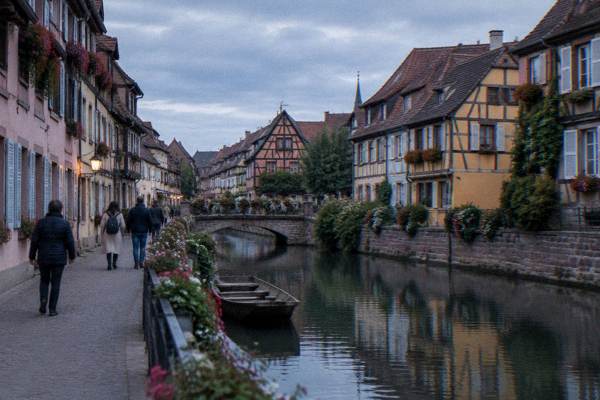
Mulhouse, in the south of Alsace in north-eastern France, is the region's industrial museum city: a day trip from Strasbourg built around collections of cars, trains and printed textiles rather than half-timbered lanes.
Short answer
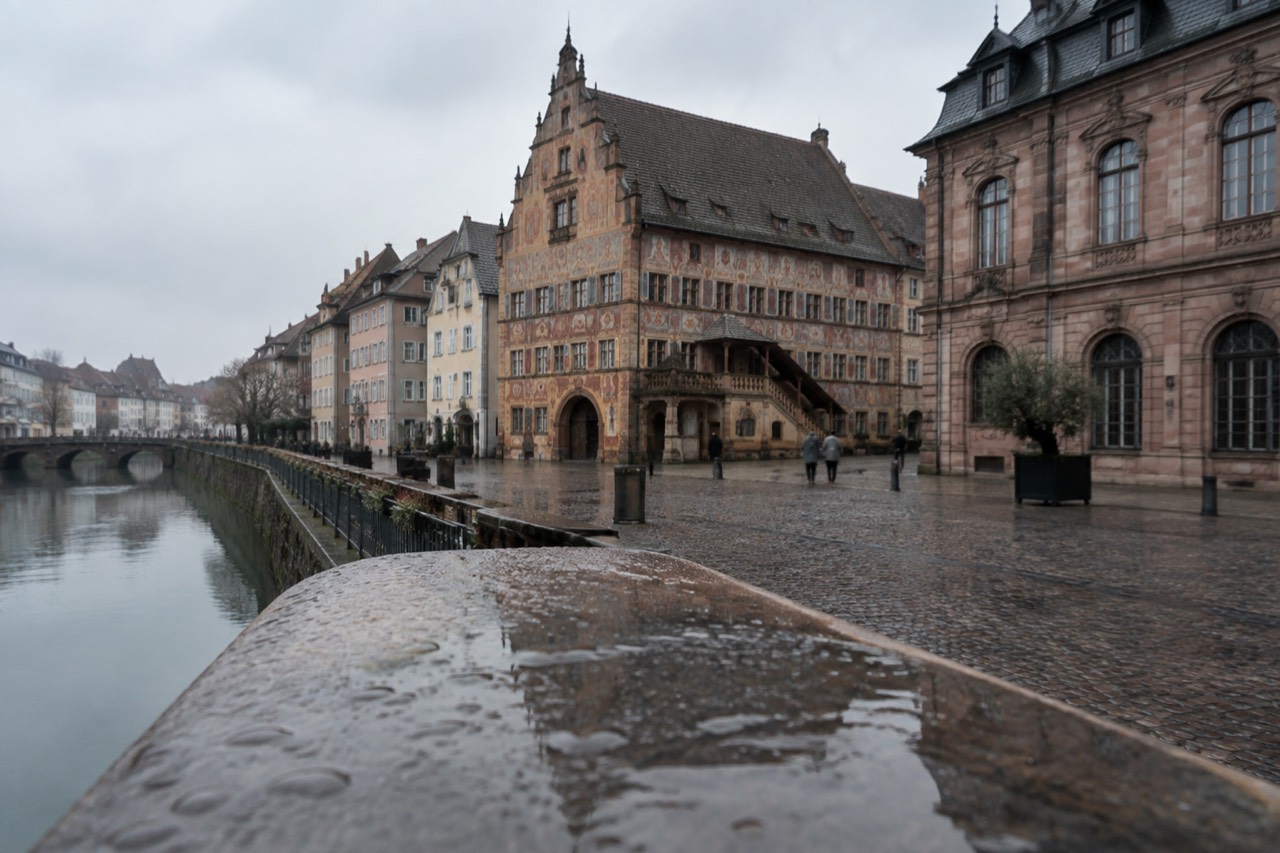
Mulhouse is a working industrial city in southern Alsace, France, best known for its technical and design museums and its printed-textile heritage. It is reached from Strasbourg by regional train, and a single day covers the museum quarter and the old town on foot. It suits travellers who have already seen Strasbourg's cathedral and Petite France and want a different side of Alsace.
Strasbourg, the prefecture of the Bas-Rhin in Alsace, in the Grand Est region of north-eastern France, sits close enough to the south of the Alsace plain that Mulhouse works as a straightforward day trip. The two cities could hardly be more different in character. Strasbourg trades on a Gothic cathedral, a medieval river quarter and the seat of European institutions; Mulhouse trades on engines, looms and printing presses. That contrast is exactly the point. Travellers who spend a second or third day in Strasbourg often reach the point where another circuit of Petite France appeals less than something genuinely new, and Mulhouse is the day trip that delivers it.
This guide sets out what Mulhouse is for, how the journey from Strasbourg works in practice, what a realistic day there looks like, and how the city compares with the wine villages and castle country that fill the rest of the Alsace day-trips roster. Nothing here needs a car. It is a city-to-city train trip with a compact walkable core, which makes it one of the easier days out from Strasbourg to plan on the spur of the moment.
What Is Mulhouse And Why Go From Strasbourg?
Mulhouse is Alsace's industrial and museum city, a place whose wealth came from textiles and engineering rather than wine or church politics, and whose museums now tell that story in unusual depth. For a Strasbourg-based traveller the appeal is simple: the museums are unlike anything in Strasbourg, the old town is compact, and the whole day runs on trains rather than mountain roads, making it the day trip for anyone more interested in machines, design and social history than in another picturesque village.
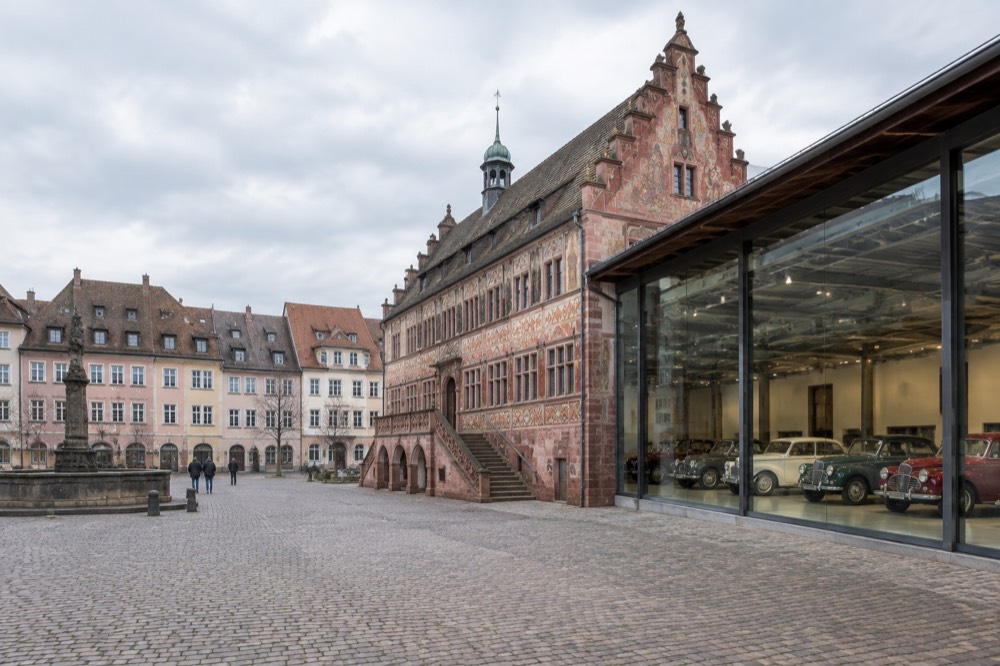
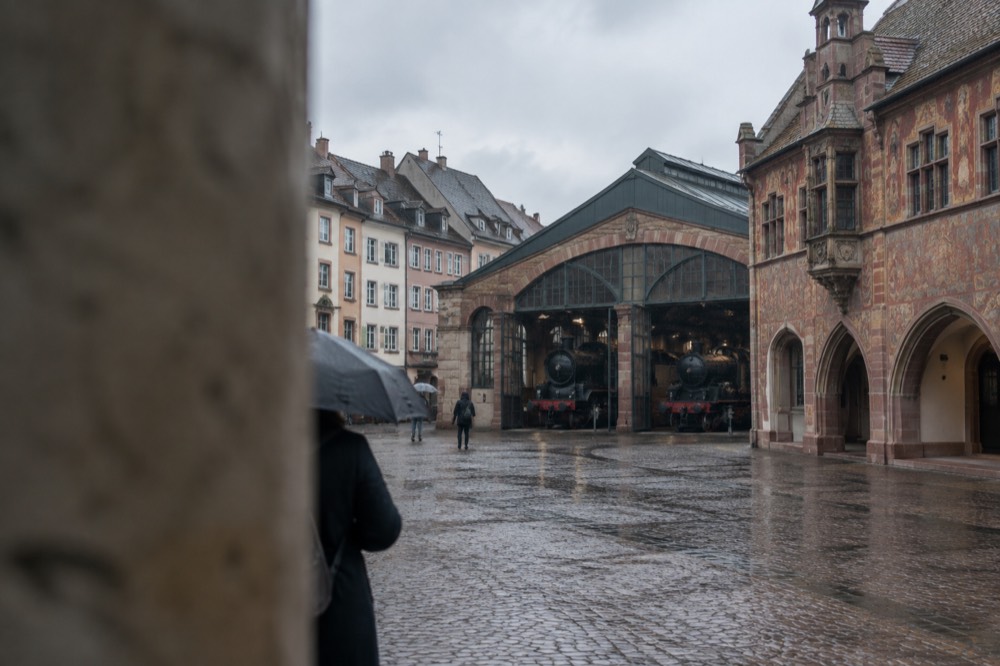
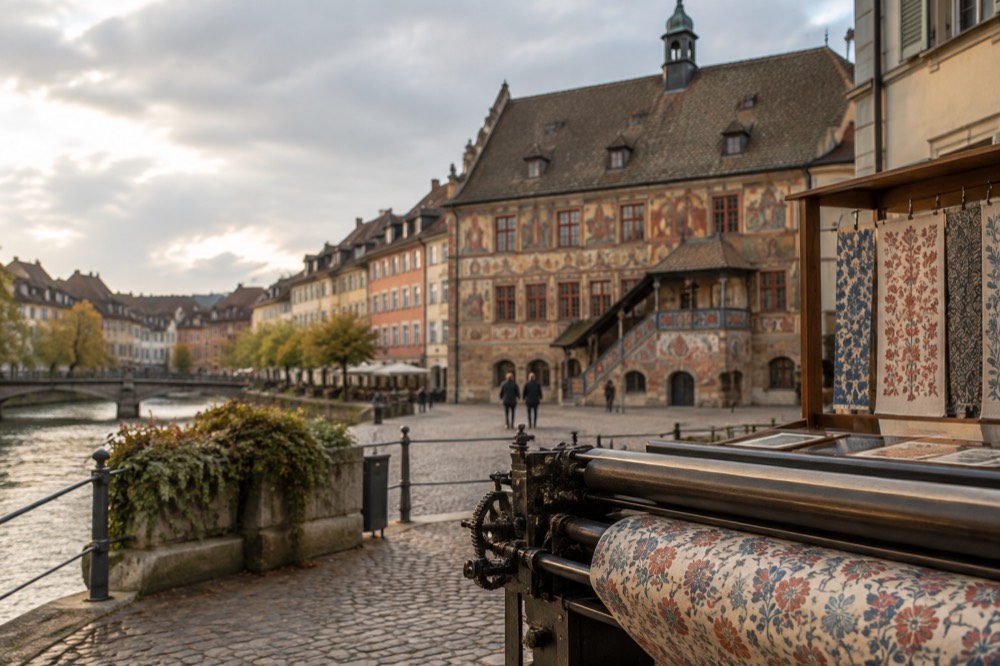
Mulhouse grew as a printed-cotton town, and the pattern books, printing blocks and machinery of that trade are preserved in a dedicated museum in the old town. Around it grew the engineering wealth that later filled the city with cars, locomotives and the museums that display them. The automobile museum is the headline attraction, a collection of Bugattis and other classic marques housed in a purpose-built hall; the railway museum nearby holds an extraordinary assembly of rolling stock, from early steam locomotives to the streamlined trains of the post-war era. Both are indoor, weather-proof and generously signed, which makes them a reliable anchor for a day at any time of year.
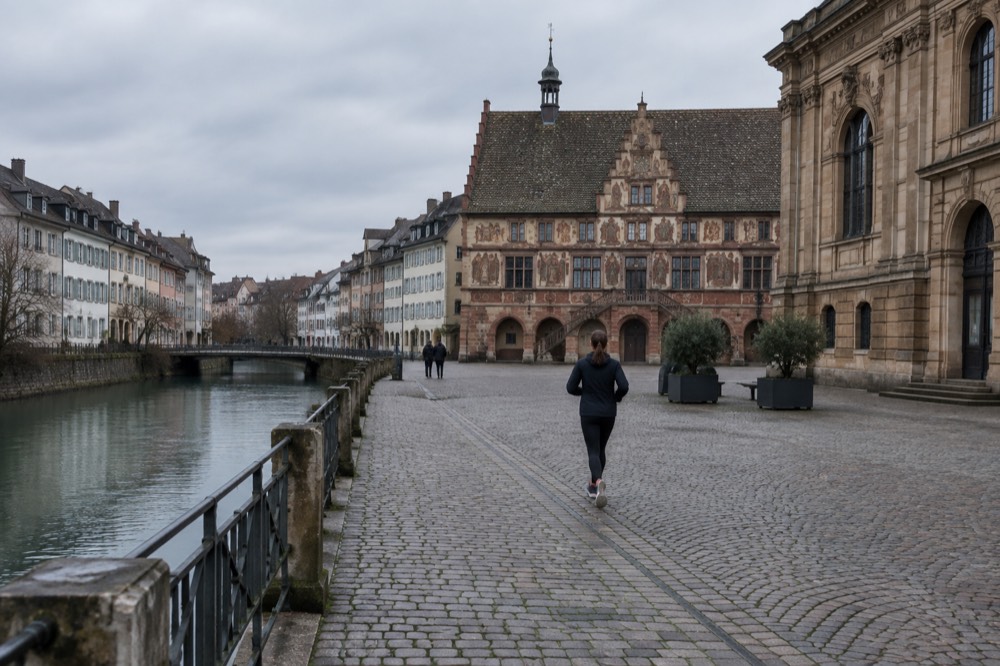
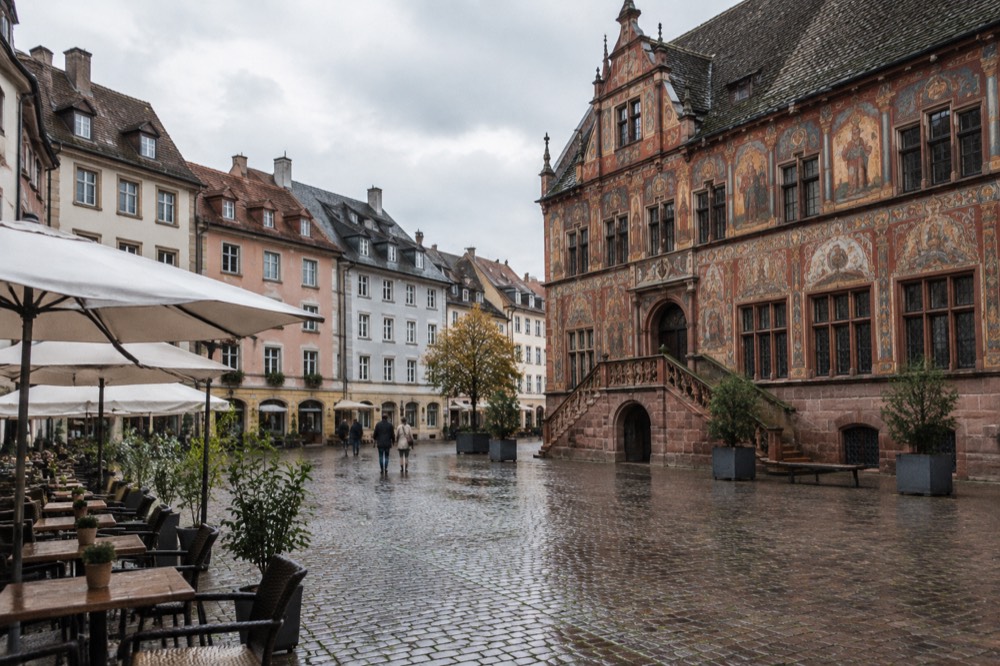
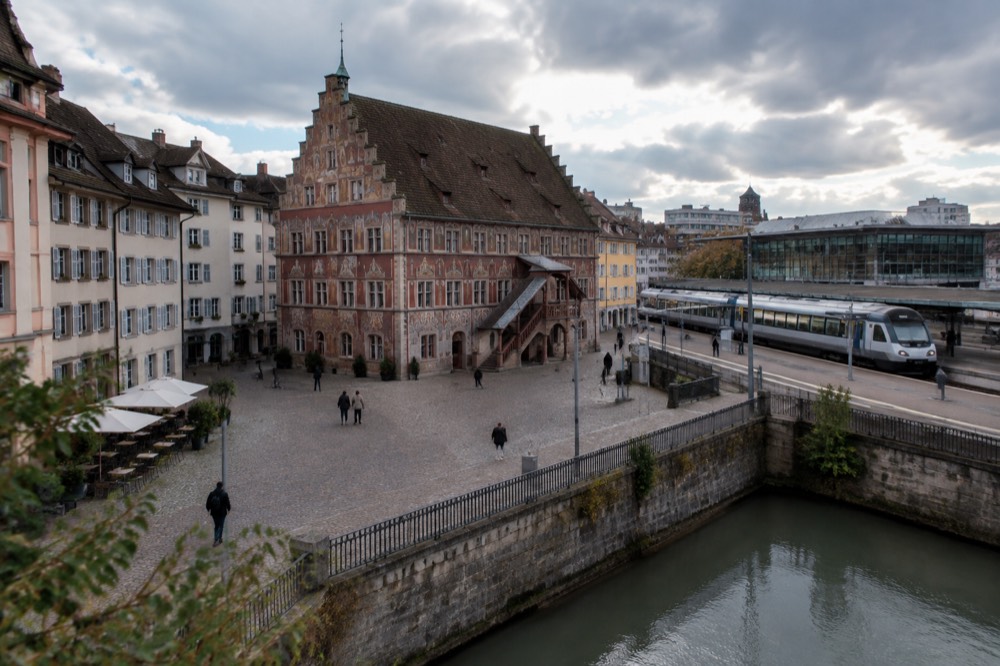
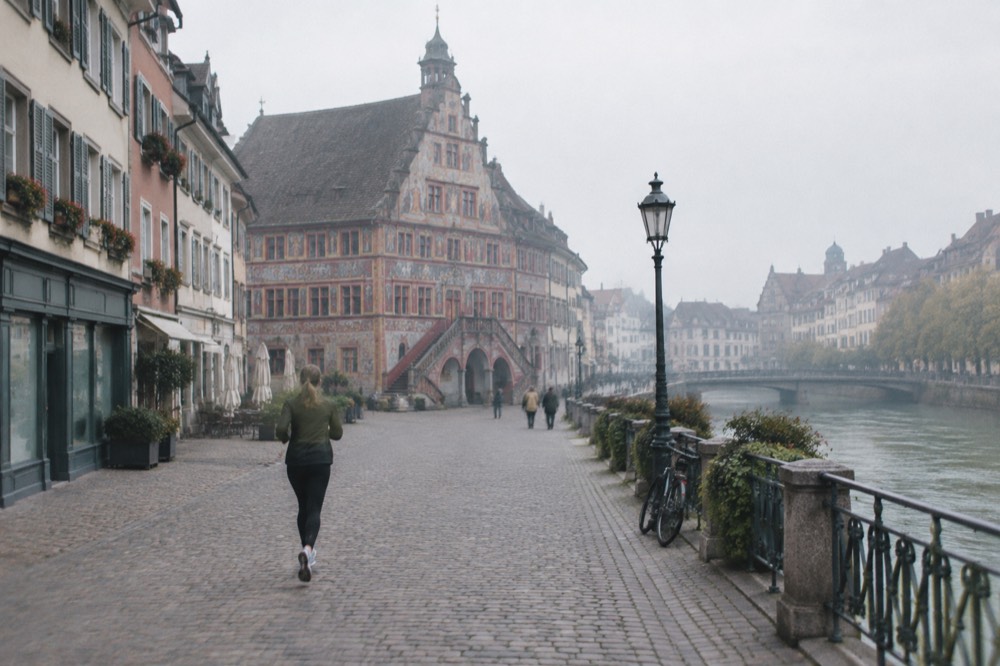
The city itself rewards a slower look as well. The old town around the Place de la Réunion mixes a Renaissance town hall, a church with a distinctive coloured-tile spire and streets of mercantile houses. Further out, the workers' housing estates built for the textile mills are among the earliest planned industrial suburbs in France, and a walk through them explains the social history the museums display. Mulhouse is not a city of postcard lanes. It is a city of collections, and it rewards curiosity.
How Do You Get From Strasbourg To Mulhouse?
You travel from Strasbourg to Mulhouse by direct regional train heading south across the Alsace plain, with no transfers between the two city centres. Tickets can be bought on the day or in advance through the railway operator's own channels, trains run throughout the day, and since both stations sit close to their city centres, the short walk or tram ride at each end makes this one of the easier day trips from Strasbourg.
Start from Strasbourg's Gare Centrale, the same station used for the airport shuttle and for trips to Colmar and the wine route. Buy a standard regional ticket to Mulhouse; there is no special day-trip fare for this line that the Strasbourg transport network covers, because the city's CTS tickets are valid only on Strasbourg's own trams and buses. A CTS single costs 1.90 EUR bought through the app, a Badgéo card or contactless payment, or 2.50 EUR bought on board a bus, and a 24h Solo pass costs 4.60 EUR, useful for your own movements around Strasbourg on the morning you leave or the evening you return.
Ready to sort your regional ticket south? Book a train ticket here.
| Ticket | Price | What it covers |
|---|---|---|
| CTS single (app, Badgéo, contactless) | 1.90 EUR | One journey on Strasbourg trams and buses |
| CTS single bought on the bus | 2.50 EUR | Same journey, driver-sold |
| CTS 24h Solo | 4.60 EUR | Unlimited Strasbourg city transport for one person |
| CTS 24h Trio | 10.20 EUR | Same, for two or three people travelling together |
| Strasbourg-Mulhouse regional train | Fare on the railway operator's site | The day trip itself; not a CTS product |
In Mulhouse the station is a short walk or tram ride from the old town, and the main museums are reachable on foot from the centre or with one short tram leg. Check the museum opening days before you commit: large technical museums in France commonly close one weekday, and a closed flagship museum is the difference between a great day and a thin one. The museums' own pages carry current hours, ticket prices and any temporary closures, and those pages are the only reliable source for them.
One practical note on the way back: late-afternoon trains toward Strasbourg can fill on peak travel days, and the last thing you want is a standing ride after a day of museum floors. Build the return around a train that leaves you a margin, and keep the evening open for dinner back in Strasbourg's Grande Île, where the winstubs serve until late.
What Are The Best Things To See In Mulhouse?
The best things to see in Mulhouse are its three major museums: the automobile museum, the railway museum and the printed-textile museum, plus the old town around Place de la Réunion. Each museum is substantial, so a realistic day means choosing two properly rather than skimming all three. The automobile museum suits families and casual engineering fans, the railway museum impresses with full-size locomotives you can walk around, and the textile museum offers a quieter, design-led look at the industry that made the city rich.
The automobile collection is the reason many visitors make the trip. It is housed in a single sweeping hall, and its strength is depth in a handful of marques rather than breadth for its own sake. Allow a long visit: the layout invites lingering, and the informational panels are detailed enough to reward it. The railway museum, a tram or short ride from the centre, holds its rolling stock in former engine sheds, and the atmosphere is as much industrial archaeology as display. Between them they cover two centuries of transport engineering, which is a fair summary of what Mulhouse does better than anywhere else in the region.
For a taste of the city between museums, walk the old town. The Place de la Réunion, with the Renaissance town hall and the church with its coloured tiled spire, is the postcard view, and the streets running off it hold the usual Alsatian mix of bakeries, wine shops and small restaurants. If time allows, the mural-covered streets of the former workers' districts give the industrial story a physical setting, and they are flat, easy walking.
| Sight | What it is | Who it suits | What to check first |
|---|---|---|---|
| Automobile museum | Classic car collection in a purpose-built hall | Families, engineering fans, first-time visitors | Opening day of the week, ticket prices |
| Railway museum | Full-size locomotives and carriages in engine sheds | Rail enthusiasts, children, rainy days | Opening day, guided tour times |
| Printed-textile museum | Pattern books, blocks and looms of the cotton trade | Design lovers, history readers | Temporary exhibitions |
| Old town and Place de la Réunion | Town hall, tiled-spire church, mercantile streets | Everyone, between museums | Nothing, it is public space |
| Former workers' districts | Early planned industrial housing | Walkers with an hour to spare | Tram route from the centre |
A day in Mulhouse also pairs naturally with the guided options based in Strasbourg itself. If your trip starts with a morning in the capital before the train south, the Hidden Stories small-group walk digs into the corners of Strasbourg's centre that a first visit skips, and it can be booked for the day before or the day after your Mulhouse trip: Check availability.
How Does Mulhouse Compare With Other Alsace Day Trips?
Mulhouse is the region's day trip for museums and industrial heritage, while the classic Alsace circuit of Colmar, the wine villages and Haut-Koenigsbourg is the day trip for vineyards, half-timbered houses and castle views. Choosing between them comes down to what kind of day you want: one is indoors, urban and idea-driven, the other is outdoors, rural and picture-driven. Weather matters too.
A wet November day that would flatten a village wander is close to irrelevant in Mulhouse, where the headline attractions are under roofs, while a clear June day arguably belongs to the wine road.
The comparison with Colmar is the one Strasbourg travellers actually face, because both are city day trips reachable by train. Colmar is the prettier city by a distance, with its canals and old-town lanes, and it is the gateway to the vineyards. Mulhouse is the more surprising one, and it is emptier of tourists. If your trip is short and you must pick a single day out, Colmar or the Alsace wine route is the safer crowd-pleaser; if you have already done the postcard circuit, or you are travelling with someone whose patience for picturesque lanes is limited, Mulhouse wins.
| Day trip | Character | Best for | Weakness |
|---|---|---|---|
| Mulhouse | Industrial museums, working city | Museum lovers, families, wet days | Not a postcard city |
| Colmar | Canals, old town, wine gateway | First-time visitors, photographers | Busy in season |
| Wine villages (Riquewihr, Eguisheim, Kaysersberg) | Half-timbered lanes, tastings | Slow strolling, tasting rooms | Crowded in summer |
| Haut-Koenigsbourg | Restored castle, ridge views | History, viewpoints | Weather-dependent |
| Sélestat | Old town, book heritage | Quieter half-day, library fans | Fewer headline sights |
| Nancy | Place Stanislas, French classicism | Architecture, a grander city feel | A longer day out |
The castle-and-villages circuit is also available as a guided van day from Strasbourg, which removes the driving and the parking entirely. One option on the roster covers Colmar, the castle and two of the wine villages in a single organised day, a format that suits travellers who want the classic Alsace highlights without renting a car.
That guided day and the Mulhouse trip answer different needs, and many travellers end up doing both on a week-long stay. Before either of them, though, a morning walk with a local guide in Strasbourg itself gives the region's story a frame: the Hidden Stories small-group tour covers the historic centre's overlooked corners in about two and a half hours, and it runs with free cancellation so it can sit early in your itinerary without locking anything in.
How Much Time Do You Need In Mulhouse?
One full day in Mulhouse covers the essentials: a morning train in, two museums with lunch between them, and a late-afternoon return that lands you back in Strasbourg for dinner. A half day works if you commit to a single museum and lunch, and only dedicated transport or textile enthusiasts need two days. The old town is small, the museums are large but legible, and there is no evening economy aimed at tourists to justify an overnight.
Inside that frame, the sequencing matters. The automobile museum rewards a fresh pair of legs, so put it first. The railway museum is a shorter, denser visit and works well as the afternoon slot, especially since its sheds stay cool even in summer. The textile museum is the flexible third: it sits in the old town, so it slots into the lunch gap or fills a final hour before the train. If you are travelling with children, invert the order and let the locomotives lead. The rest of the planning pages sit on Strasbourg Travel Guide.
Lunch is not an afterthought in Mulhouse. The city's restaurant scene is a working Alsatian one, less tourist-priced than the wine villages, and the dishes are the region's classics: choucroute, tarte flambée and baeckeoffe, alongside the daily menus that French cities do well. A sit-down lunch in the old town between two museums is the natural rhythm of the day. If Alsace food is a reason you are in the region at all, a guided food walk in Strasbourg on another evening is the way to taste the repertoire with someone explaining it.
What Does A Strasbourg And Mulhouse Day Look Like?
A practical day starts with a morning train south from Strasbourg, the automobile museum before lunch, an old-town lunch in Mulhouse, then the railway or textile museum in the afternoon, and a return train that gets you back for dinner. Treat this as a rhythm rather than a fixed schedule, since exact times depend on timetables and opening days, but build the day backwards from the museums' closing hour so you never rush the final gallery.
Before you leave Strasbourg, decide what your evening looks like. If you want a cathedral platform climb or the astronomical clock show, those belong to another day: the platform at 66 m costs 10 EUR full fare, 6 EUR reduced, and the clock show at 12:30 costs 4 EUR, tickets sold on the day only. If your Mulhouse day is part of a longer stay, the Strasbourg anchors fit better on a lighter day. The table below shows what the verified Strasbourg-side tickets cost, useful when you are budgeting the trip as a whole.
| Strasbourg sight | Full price | Reduced price | Notes |
|---|---|---|---|
| Cathedral platform (66 m) | 10 EUR | 6 EUR | Children under 6 free; seasonal hours |
| Astronomical clock show | 4 EUR | 3 EUR groups and students to 25, 2 EUR children 6-17 | Day-of tickets only, 12:30 show |
| Batorama long boat tour | 16.20 EUR | 8.90 EUR | Red circuit, 1h10 |
| Batorama short boat tour | 12.50 EUR | 7.20 EUR | Blue circuit, 0h45 |
| Municipal museums (each) | 9 EUR | 5 EUR | Free on the first Sunday of the month |
| Pass Musées 1 day | 20 EUR | - | Covers the municipal museums |
Note that the Musée Alsacien in Strasbourg is closed for works until 2028, so it should not be on any plan that mixes a Mulhouse day with Strasbourg museum time. The city's other municipal museums remain open, and all of them are free on the first Sunday of every month, which is a genuinely useful fact if your Mulhouse trip falls at the start of a month and you want a cheap Strasbourg morning beforehand.
When Is The Best Time To Visit Mulhouse?
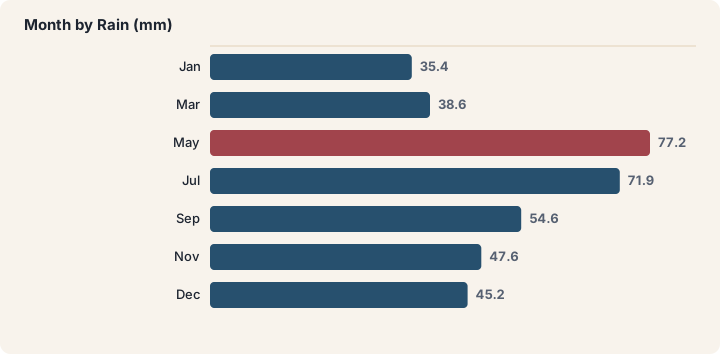
Any month works, because the two headline museums are indoors, but the seasons change the feel of the day: summer adds warm evenings and terrace lunches, winter turns the trip into a weather-proof museum day, and the shoulder months balance the two. Strasbourg's climate is semi-continental, with cold winters and warm summers, and Mulhouse shares that pattern. The practical consequence is simple: on a day when the Meteo-France normals would have you indoors anyway, Mulhouse loses almost nothing, whereas the vineyard villages lose a great deal.
The 1991-2020 normals for Strasbourg-Entzheim give the flavour of the year. Mean daily maxima run from 5.2 C in January to 26.4 C in July, with mean minima from -0.2 C to 14.9 C, and rain falls on 112.3 days a year across 635.7 mm. December, with a mean maximum of 5.9 C and 10.2 rain days of a millimetre or more, is exactly the month when a museum city beats a village walk. July and August, with mean maxima of 26.4 C and 26.1 C, are the months when the engine sheds of the railway museum stay pleasantly cool.
| Month | Mean max (C) | Mean min (C) | Rain (mm) | Rain days (1 mm or more) |
|---|---|---|---|---|
| Jan | 5.2 | -0.2 | 35.4 | 9.1 |
| Mar | 12.1 | 2.6 | 38.6 | 8.5 |
| May | 20.9 | 10.1 | 77.2 | 10.8 |
| Jul | 26.4 | 14.9 | 71.9 | 10.4 |
| Sep | 21.6 | 10.7 | 54.6 | 8.0 |
| Nov | 9.4 | 3.3 | 47.6 | 9.2 |
| Dec | 5.9 | 0.8 | 45.2 | 10.2 |
There is a seasonal wrinkle worth knowing about if your trip lands in late November or December. Strasbourg's Christmas market, the region's biggest winter draw, opens in the last week of November and runs to 24 December; last year's edition ran from 26 November to 24 December 2025 and drew 3.05 million visitors. The 2026 dates have not yet been published, so confirm them on the city's Christmas site before you plan around them. On market days, a Mulhouse day trip pairs neatly with an evening back among the chalets: you get the museums by day and the lights by night, without the two competing for the same hours.
Where Does Mulhouse Fit On An Alsace Itinerary?
Mulhouse fits best as the change-of-pace day on a Strasbourg-centred itinerary of three or more days, sitting alongside one vineyard day and one castle or German-border day rather than replacing either. With only one day out of the city, the wine route or Colmar is the conventional pick and Mulhouse the contrarian one; from two days out onward, pair one postcard-Alsace day with one industrial-Alsace day, since the contrast is the point of the region rather than a compromise.
For a three-day stay in Strasbourg, a proven shape is a first day in the city itself, walking the Grande Île and the cathedral; a second day on the wine route with a guided van tour or a train to Colmar; and a third day in Mulhouse when museum legs feel more attractive than another village. Longer stays can add the Black Forest across the Rhine in Germany, or Basel in Switzerland, remembering that Switzerland is not in the euro even though it is in Schengen, so euros do not work there as cash. The day-trips hub collects the full list.
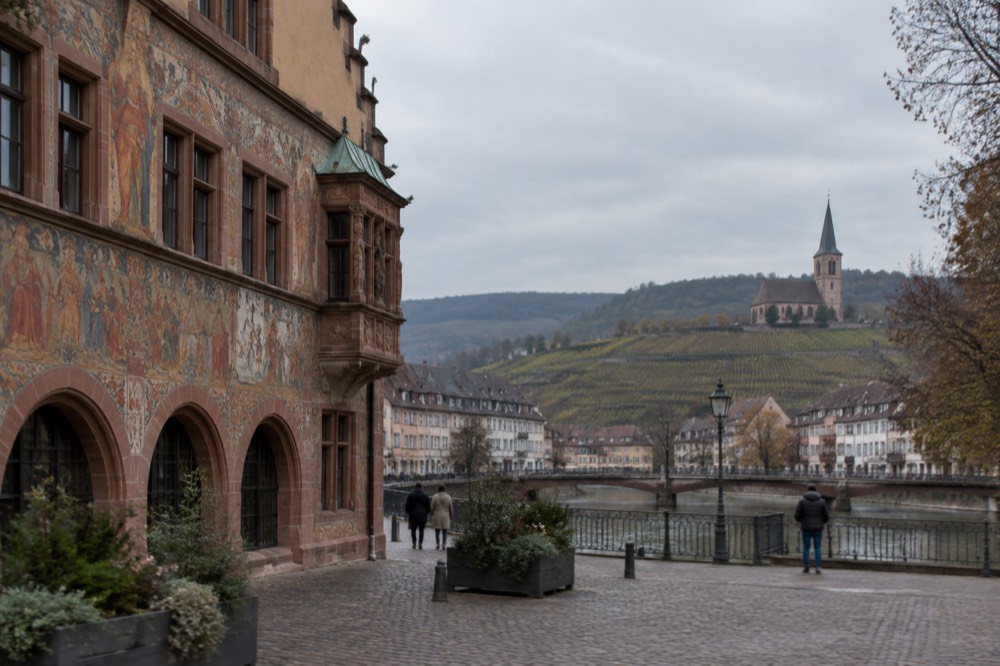
Guided options can carry the vineyard day entirely. A full-day historical tour of Alsace from Strasbourg covers the region's highlights in one organised sweep, a good choice when you would rather not drive the wine road yourself or when the group wants a single decision rather than a dozen small ones.
If your interests run to the region's darker history rather than its engines, the former Natzweiler-Struthof camp site in the Vosges is another day trip from Strasbourg, run as a guided half-day. It is a very different day from Mulhouse, and the two should not be squeezed together: each deserves its own unhurried attention. The Haut-Koenigsbourg castle, by contrast, combines naturally with the wine villages on a single loop.
Common Questions About A Mulhouse Day Trip
Is Mulhouse worth a day trip from Strasbourg?
Yes, for travellers who want something different from the vineyard circuit. The automobile and railway museums are collections of national significance, the old town is pleasant, and the trip runs entirely on trains. If your priority is half-timbered scenery, the wine villages will serve you better.
How do I get from Strasbourg to Mulhouse without a car?
Take a regional train from Strasbourg's Gare Centrale to Mulhouse; the two city centres are linked directly and both stations sit close to their old towns. Check the railway operator's site for the current timetable and fare, since running times and prices follow the timetable year rather than a fixed figure.
Which Mulhouse museum should I choose if I only have time for one?
Choose the automobile museum if you are travelling with children or have any interest in engineering, because its single-hall layout is the easiest to absorb in one visit. Choose the railway museum if scale impresses you more than polish, since its locomotives are viewed at walking distance in former engine sheds.
Is one day enough for Mulhouse?
One full day covers two museums plus the old town at a comfortable pace. A half day works if you commit to a single museum and a good lunch. Only dedicated transport or textile enthusiasts need longer, and even they will find Strasbourg's own sights competing for a second day.
Is Mulhouse a good rainy-day alternative to the Alsace wine villages?
Yes. The two headline museums are entirely indoors, and the old town is compact enough that rain interrupts little. The wine villages, by contrast, are outdoor experiences where weather sets the mood of the whole day.
Can I combine Mulhouse with a Strasbourg Christmas market visit?
You can, in late November and December. The market opens in the last week of November and runs to 24 December, so a museum day in Mulhouse followed by an evening among the chalets in Strasbourg is a workable winter combination. Confirm the current year's dates on the city's Christmas site before booking anything around them.
Mulhouse will never compete with Strasbourg's cathedral spire or the wine road's lanes for a place on a postcard, and that is precisely why it earns its day. Plan the train, pick two museums, eat a proper Alsatian lunch in between, and you come back to Strasbourg with a version of Alsace that the postcard circuit never shows.