Karlsruhe
Karlsruhe sits across the Rhine from Strasbourg, in the German state of Baden-Württemberg, and makes an easy contrast to Alsace: palace gardens, serious museums, and a different rhythm of city life within a short regional train ride of the French border.
Short answer
Karlsruhe is a German city in Baden-Württemberg, directly across the border from Strasbourg in Alsace, France. Regional trains link the two cities, and the palace, its gardens and the city's museums fill a comfortable day. Check train times and opening hours before you go, since neither is fixed far in advance.
Karlsruhe is a German city in the state of Baden-Württemberg, on the eastern edge of the Rhine plain, and it sits close enough to Strasbourg, in Alsace in north-eastern France, that a day trip across the border is one of the simplest ways to add a second country to an Alsatian holiday. The two cities: Strasbourg on the French side with its half-timbered centre and cathedral, Karlsruhe on the German side with a palace, broad gardens and a reputation for museums that punch above the city's size. You do not need a car, you do not need to change money, and you do not pass a manned border post, because France and Germany share both the Schengen area and the euro.
This guide, from the Strasbourg Travel Guide editorial desk, walks through what Karlsruhe is actually like, how the crossing works from Strasbourg, what to see in a single day, where to eat, and how the trip compares with the other German outings covered on this site, such as the Black Forest day trip and Freiburg. The honest framing first: Karlsruhe is not a fairy-tale town. It is a working German city, and its appeal is different in kind from Riquewihr or Eguisheim. Travellers who want picture-book lanes should read the Alsace wine route guide instead. Travellers who want gardens, galleries and a slice of ordinary German urban life a short train ride from their Strasbourg hotel will enjoy it.
What Is Karlsruhe And Why Visit From Strasbourg?
Karlsruhe is a planned German city in Baden-Württemberg, close to the French border, known for its palace, its palace gardens, and a cluster of well-regarded museums rather than for medieval lanes. It makes a strong day trip from Strasbourg because it offers a deliberate contrast: where Alsace trades in half-timbering and wine, Karlsruhe trades in broad avenues, green space and gallery-hopping, all reachable by regional train without a border formalities stop.
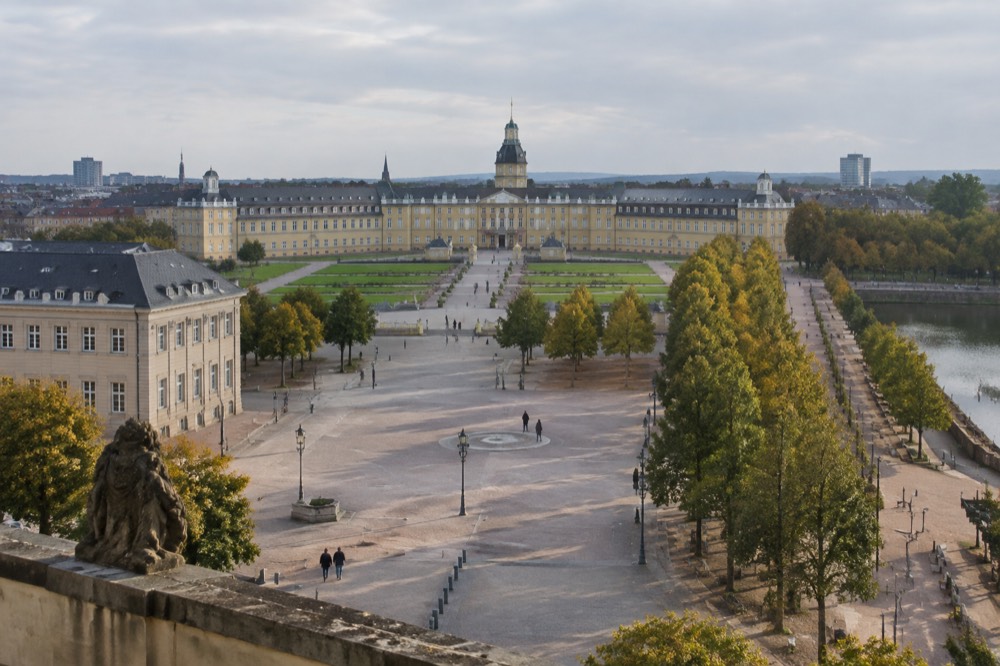
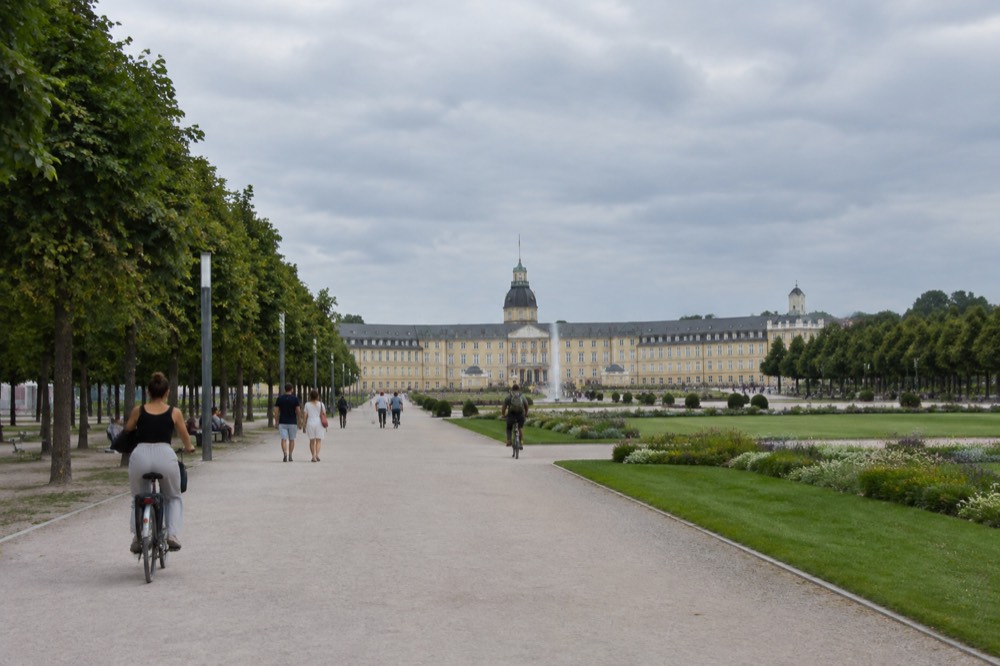
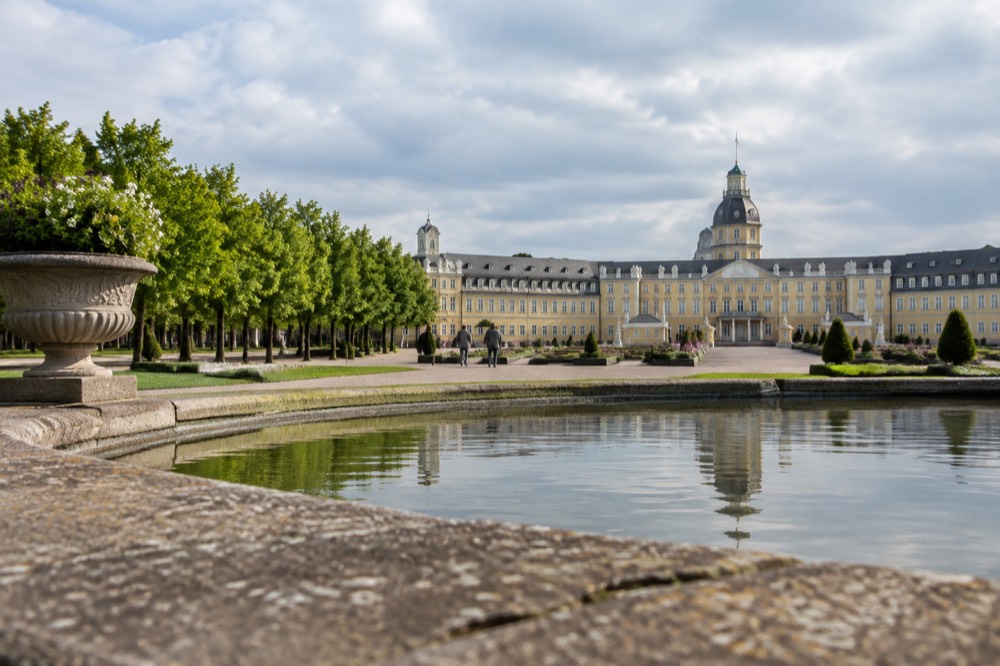
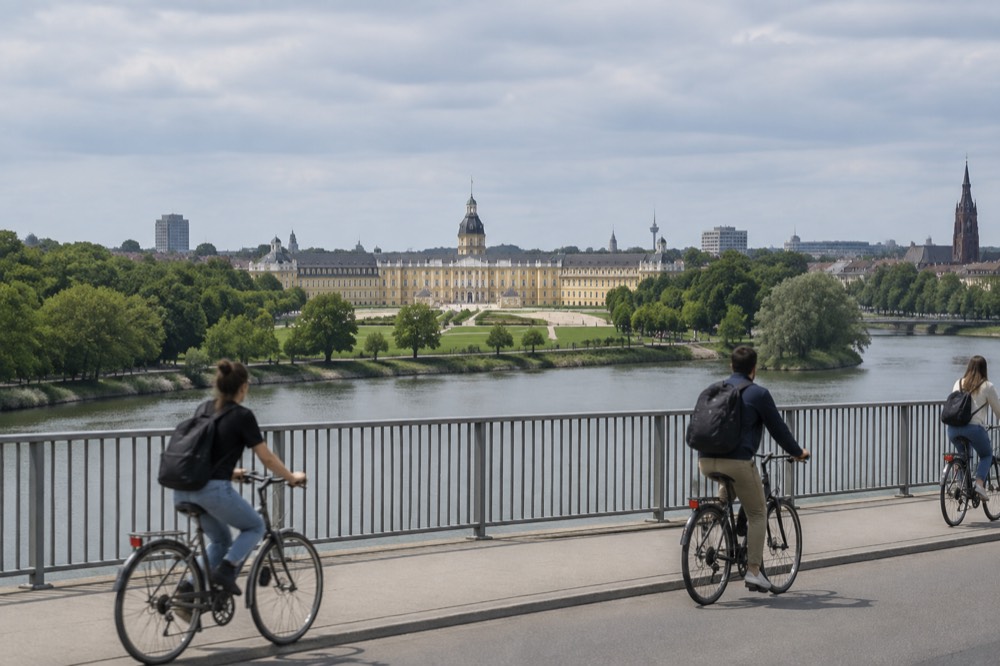
The city's layout is its signature. Streets radiate outward from the palace like the ribs of a fan, which makes Karlsruhe unusually easy to navigate on foot once you have oriented yourself: stand facing the palace and you can walk outward along any of the main axes and still find your bearings. The palace itself anchors the city, and behind it stretch long gardens that locals use as their everyday park, not as a ticketed attraction. That everyday quality is the point. A day in Karlsruhe feels less like a sightseeing sprint and more like borrowing a German city for the day.
For visitors based in Strasbourg, the psychological shift is the reward. Strasbourg is a UNESCO-listed heritage city, and it can feel like it. Karlsruhe gives you the counterweight: a place where the sights are spread out, the pace is slower, and the coffee comes in German portions. It also works in weather that would flatten a village visit. The museums are substantial enough to fill a wet afternoon, and the gardens are at their best in the kind of soft northern European summer that Strasbourg also enjoys, since both cities sit in the same semi-continental climate zone with warm summers and cold, grey winters.
One practical note shapes the whole day: Germany and France are both in the Schengen area and both use the euro, so there is no border control and no currency exchange on this trip. Your French euros spend exactly the same in Karlsruhe as they do in Strasbourg, which removes the two frictions that usually complicate a cross-border day out. That is also why this trip is easier than, say, Basel, where Switzerland's non-euro currency changes the arithmetic.
How To Get From Strasbourg To Karlsruhe
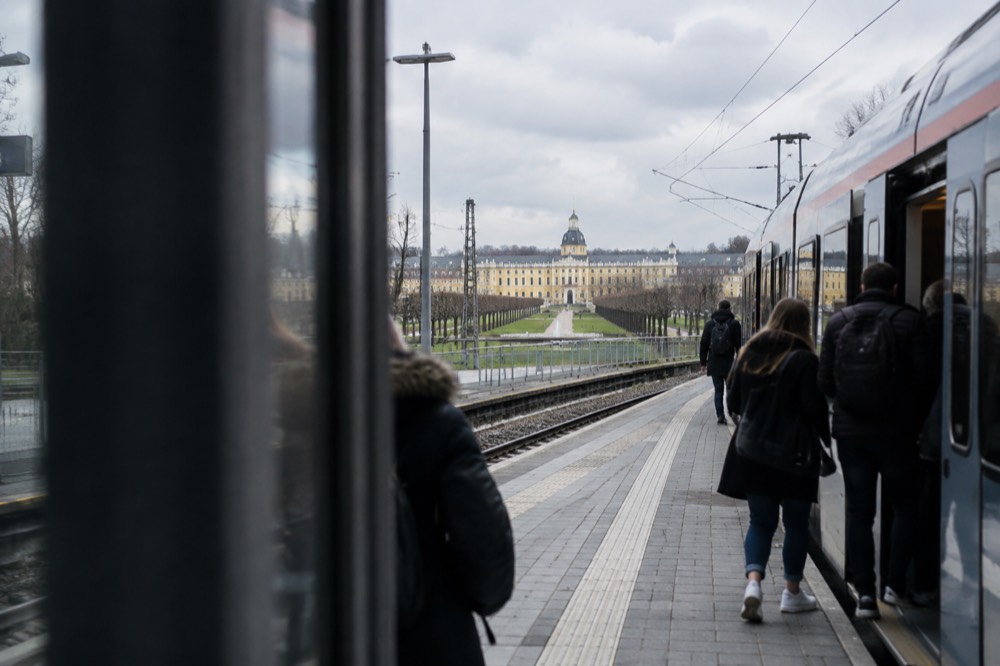
The practical answer is the regional train: Karlsruhe is a major German rail hub directly connected to Strasbourg by cross-border regional services, with no border check and no change of currency. The seats do not need booking far ahead, but the timetables are worth checking on SNCF Connect or the German railway's own site before you travel, because cross-border regional frequencies vary by time of day and day of the week.
Trains leave from Strasbourg's main station, Gare de Strasbourg, which is itself easy to reach from anywhere in the city on the CTS tram network. A single CTS ticket costs 1.90 EUR bought through the Badgéo card, the CTS app or contactless payment, or 2.50 EUR if bought on board the bus; a 24-hour Solo pass is 4.60 EUR and a 24-hour Trio pass for two or three people is 10.20 EUR. Those are the Strasbourg-side costs, and they are the only transport figures you can plan around with certainty: the cross-border fare to Karlsruhe is dynamic, so treat any number you see on a third-party page with caution and price the ticket on SNCF Connect or the German operator's own channels.
| Leg | What To Expect | What To Check Before You Go |
|---|---|---|
| Hotel to Gare de Strasbourg | CTS tram or bus, single 1.90 EUR by app or contactless, 2.50 EUR on board | CTS route planner for your specific stop |
| Gare de Strasbourg to Karlsruhe | Direct regional train, cross-border, no border check | Live timetables on SNCF Connect or the German railway site |
| Karlsruhe station to the palace | Short walk or local tram within the German network | Local transport map on arrival |
| Return in the evening | Regional services run into the evening, frequencies thin later | The last practical departure when you buy your outbound ticket |
Buy the return leg, or at least check it, before you commit to a late dinner. Cross-border regional services are reliable but not dense late in the evening, and the day trips that go wrong are usually the ones where the traveller assumed a midnight train home. A sensible pattern is to arrive mid-morning, leave after an early dinner, and treat anything later as a bonus.
If you would rather not manage the trains alone, a guided outing takes the logistics off your plate. The Black Forest and Baden-Baden day trip runs with a guide and transport included, and while it does not stop in Karlsruhe itself, it shows the shape of a guided German-side day from Strasbourg. For Karlsruhe specifically, independent travel is the standard approach, and honestly the easier one, because the rail link is direct.
Before you cross the border, it is worth making sure you have actually seen the city you are leaving. Strasbourg rewards a proper orientation, and a short guided walk does that job efficiently; the 60-minute walk with a local guide, bookable through Check availability, covers the core of the Grande Île in about an hour and pairs well with an afternoon train to Germany.
Whichever walk you pick, treat it as the warm-up rather than the main event: the point of the morning is to leave Strasbourg with your bearings set, so that the afternoon in Germany is spent looking forward rather than back at a map.
What To See In Karlsruhe In A Day
The core of a Karlsruhe day is the palace and its gardens, followed by whichever museum matches your interests: the state art collections in the palace itself for classic painting, or the city's contemporary and media-art institutions for something more modern. Everything sits on or near the fan of streets that radiates from the palace, so the day plans itself: palace first, gardens behind it, then one museum chosen deliberately rather than three attempted in a rush.
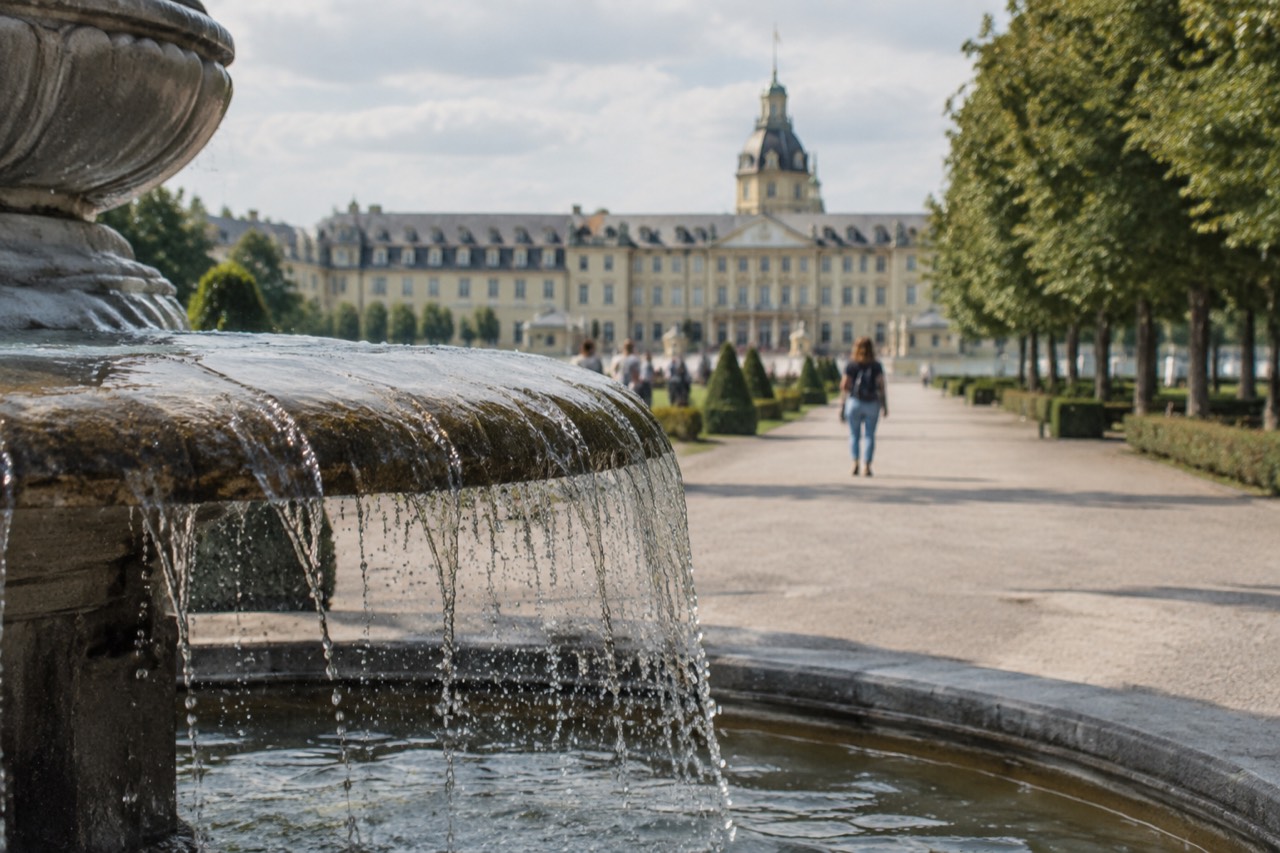
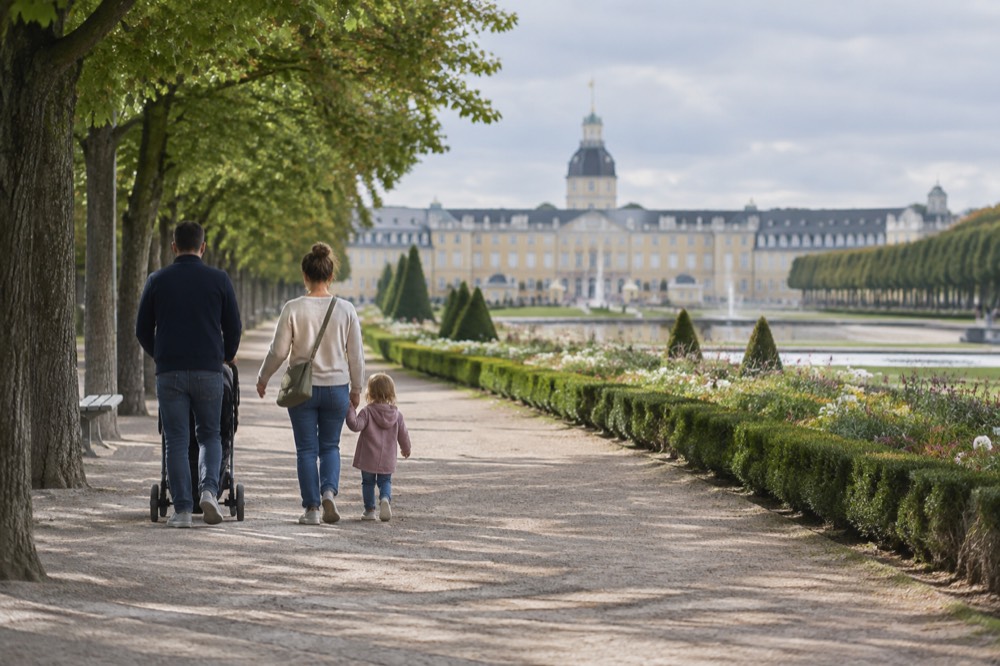
The palace is the natural first stop, and its gardens are the city's living room. The green space behind the palace runs for a long walk, and locals use it for jogging, picnics and the slow German Sunday stroll. There is no single must-see viewpoint inside the gardens; the pleasure is the walk itself, and the way the fan of streets keeps reappearing between the trees as orientation. Give the gardens the loose, unhurried hour they deserve rather than marching through them to a schedule.
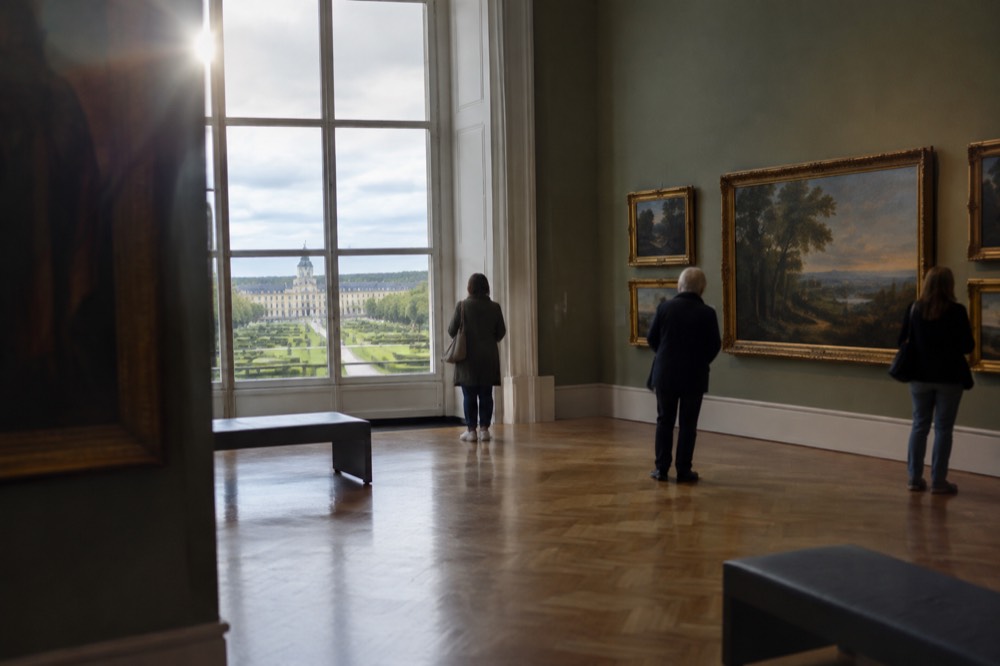
The museums are where Karlsruhe earns its reputation among German cities of its size. The state art gallery in the palace holds the classical collections, and the city's newer institutions cover contemporary and media art with a seriousness that surprises visitors expecting a provincial offering. Check opening days before you plan the museum block: German museums commonly close one weekday, often Monday, and the closure day matters more in a one-day visit than any other detail. The palace's own visitor page and the museum pages carry the current hours, and those are the only sources worth trusting for them.
| Sight | What It Is | Who It Suits | What To Check |
|---|---|---|---|
| The palace | The city's founding landmark, at the hub of the fan of streets | Everyone; start here | Opening hours and admission on the official page |
| The palace gardens | Long public parkland behind the palace | Families, walkers, anyone needing a slow hour | Nothing; open public space |
| State art gallery | Classical painting collections inside the palace | Art lovers, rainy-day planners | Closure day and ticket prices |
| Contemporary and media museums | Modern and media art institutions across the city | Design and technology fans | Opening days, ticketing options |
| Market square and old town area | Shops, cafés and the everyday city centre | Lunch stops, people-watching | Nothing; public streets |
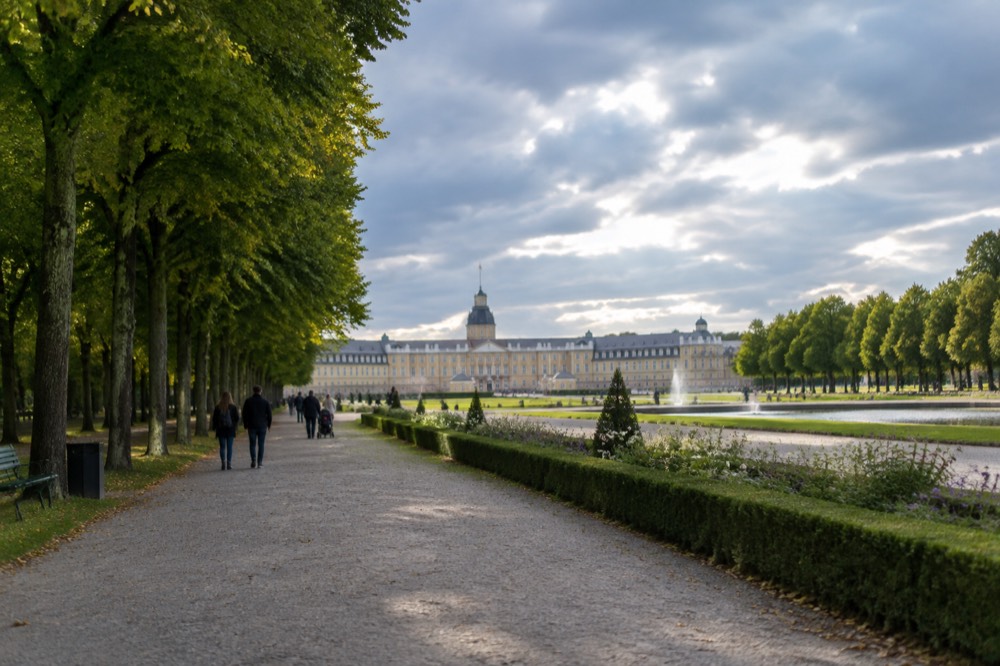
Do not try to see everything. The fan layout makes Karlsruhe feel walkable and endless at once, and a day that tries to cover four museums ends as a blur of corridors. One palace, one museum, one long garden walk and one unhurried lunch is a full and satisfying Karlsruhe day. If you have energy left, spend it in the city centre streets rather than in another queue.
If a palace-and-gardens day sounds right but you would rather stay on the French side of the border, the Haut-Koenigsbourg castle day trip offers a castle with mountain views instead, and the Kintzheim eagle park and monkey mountain trip adds animals to the mix for families.
A guided walk is also the cheapest insurance against a wasted morning: an hour with a local guide at the start of the trip sets the geography of the Grande Île in your head, which matters on a day when you will spend the afternoon learning a second city's geography across the river.
Where To Eat And Drink In Karlsruhe
Karlsruhe eats like a German city rather than an Alsatian one: hearty regional Baden dishes, proper bread, and beer served in generous glasses, with café culture that runs deeper than a quick espresso standing at a bar. The reliable strategy is to eat near the palace gardens or in the city centre at lunch, when German restaurants run set menus that are better value than the same kitchens at dinner, and to be aware that kitchen closing times in Germany start earlier than a French traveller might expect.
Baden's food culture sits between the two countries that shaped it, which is part of the fun of eating here from a Strasbourg base. You will find dishes that echo Alsatian cooking, because the regions share a border and a history of shared ingredients, but the portions, the bread and the pace of service are unmistakably German. The classic Baden plates are the ones to look for: schnitzel in its local variants, spätzle dumplings, and sausages of the kind that Germany does best. For a sweet stop, the German café tradition of cake in the afternoon is a genuine cultural experience and not just a snack.
| Meal | What To Look For | Where It Works Best | What To Know |
|---|---|---|---|
| Breakfast | German bread rolls, cold cuts, cheese, boiled eggs | Café near the station or centre | Served late into the morning |
| Lunch | Baden regional plates, set menus | City centre restaurants | Set menus offer the better value |
| Afternoon cake | German café culture, tortes and layer cakes | Any traditional café | A sit-down affair, not takeaway |
| Dinner | Hearty mains, local beer | Near the gardens or centre | Kitchens can close early; check times |
The beer deserves a sentence of its own. Baden is beer country in a way that Alsace, with its wine-first identity, is not, and ordering a local pils alongside a schnitzel is the correct Karlsruhe move. If your trip is as much about eating as about palaces, consider flipping the order of your days: eat well in Karlsruhe, then come back to Strasbourg and let a guided gourmet walk with tastings lead you to the good tables on the French side.
One warning worth heeding: do not plan a late dinner in Karlsruhe and assume a restaurant will seat you at 21:30 the way a French one might. German kitchens, especially outside the biggest cities, often stop cooking well before that. Eat your main meal at lunch or early evening and you will never collide with the closing kitchen.
Is Karlsruhe A Good Day Trip With Kids?
Karlsruhe works well with children, mainly because of the palace gardens: they are free, open, and big enough for children to run in while adults walk, which is the single most valuable feature any day-trip destination can offer a family. The city's museums are mixed for kids, with some genuinely engaging science and media collections and others that suit adults only, so the honest advice is to build the day around the gardens and treat one museum as the optional extra rather than the centrepiece.
The gardens are the anchor. A family that arrives mid-morning, walks the fan of streets to the palace, and then releases the children into the parkland has already had a successful morning by the standards of anyone travelling with kids. There is space, there are other families, and there is no admission desk. Pack the usual picnic logic that works in Strasbourg with kids and the German park does the rest.
For the museum slot, check what the science and media institutions offer for children on their own pages before you commit. German museums often have excellent family programming, but the offer changes with exhibitions, and a day trip does not give you the slack to arrive and discover the interactive floor is closed. The palace art gallery, by contrast, is a hard sell for younger children and better saved for a child-free trip or an older-kids day.
| Part Of The Day | Kid Appeal | Adult Appeal | Notes |
|---|---|---|---|
| Palace gardens | High: open space to run | High: a long, pretty walk | Free, no tickets |
| Palace and art gallery | Low for young children | High | Better without small kids |
| Science and media museums | Often high, varies by exhibition | High | Check family programme online |
| City centre and cafés | Moderate: cake stops help | High | Cake is the reliable bribe |
| Train ride itself | Moderate: a cross-border train is novel | Low | Bring snacks and entertainment |
The comparison with the German theme-park option is worth making plainly. If the goal of your German day is purely to thrill children, Europa-Park is the heavyweight and Karlsruhe is not competing with it. Karlsruhe is the calm choice: the day when the adults get a palace and the children get a park, and everyone gets cake at four.
When Is The Best Time Of Year To Go?
Karlsruhe is at its best from late spring through early autumn, when the palace gardens are in full leaf and the day can be built around walking outdoors; winter trips work but shift the weight onto the museums and cafés, because the semi-continental climate that both cities share brings cold, grey, damp winters to the German side of the Rhine just as it does to the French side. The shoulder months of May, June and September are the sweet spot for a comfortable walking day.
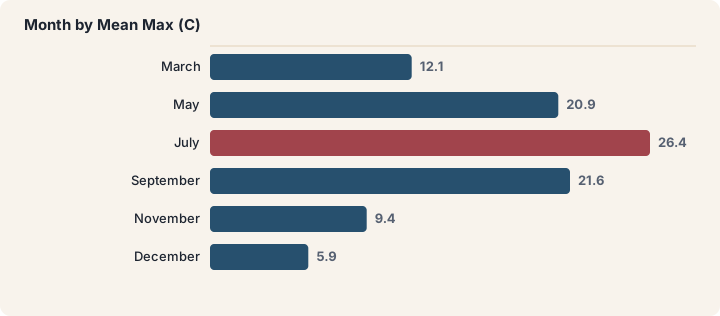
The climate here is semi-continental, not Mediterranean and not oceanic, and the Meteo-France 1991-2020 normals for Strasbourg-Entzheim, just across the border, describe the weather Karlsruhe also gets: mean daily maxima from 5.2 C in January to 26.4 C in July, and 635.7 mm of rain spread over 112.3 rain days a year. The gardens want the warm half of that range. The museums want the cold half. Plan accordingly.
| Month | Mean Max (C) | Mean Min (C) | Rain Days (1 mm Or More) | What It Means For A Karlsruhe Day |
|---|---|---|---|---|
| March | 12.1 | 2.6 | 8.5 | Cool but workable; museum-weighted day |
| May | 20.9 | 10.1 | 10.8 | Excellent for the gardens; pack a rain layer |
| July | 26.4 | 14.9 | 10.4 | Warm and green; start early, lunch in shade |
| September | 21.6 | 10.7 | 8.0 | The best balance of warmth and dryness |
| November | 9.4 | 3.3 | 9.2 | Grey; a museums-and-cafés day |
| December | 5.9 | 0.8 | 10.2 | Cold and damp; only with a strong indoor plan |
The December row deserves a special note, because December is when every visitor's calendar bends toward the Christmas markets. Karlsruhe has its own German Christmas market, and a December day trip there is a legitimate plan, but the honest comparison is with Strasbourg itself, whose market is one of the famous ones in Europe and runs in the last week of November to 24 December in a typical year, with the next edition's dates still to be confirmed on the city's Christmas site. Read the Strasbourg Christmas market guide and the guide to Christmas markets in Alsace before trading a Strasbourg market evening for a German one.
How Does Karlsruhe Compare With Other German Day Trips?
Karlsruhe is the culture-and-gardens option among the German day trips from Strasbourg: the Black Forest and Freiburg offer scenery and forest towns, Baden-Baden offers a spa town, Heidelberg offers a romantic ruined castle, and Europa-Park offers rides, while Karlsruhe offers a palace, museums and everyday German city life. Choose it when you want the country's culture rather than its postcard, and choose the others when you want landscape or spectacle.
The comparison is genuinely useful because the German options from Strasbourg are so different from one another. A traveller who picks the wrong one for their mood loses a day; a traveller who picks the right one remembers it for years. The table below is the honest sorting.
| German Day Trip | What It Delivers | Who Should Pick It | What To Check |
|---|---|---|---|
| Karlsruhe | Palace, gardens, serious museums | Culture lovers, garden walkers, museum-goers | Museum closure days, train times |
| Freiburg | A lively university city at the Black Forest's edge | Walkers who want city streets plus hills | Weather; the old centre is outdoor |
| Black Forest | Forest scenery, lakes and craft towns | Photographers, drivers, nature-first travellers | Seasonal opening of mountain sights |
| Baden-Baden | A spa town with elegant parks | Slow travellers, spa-goers | Spa opening hours and booking |
| Heidelberg | A romantic castle above a river city | First-time Germany visitors | Castle admission and funicular hours |
| Europa-Park | One of Europe's biggest theme parks | Families with thrill-seeking kids | Park calendar and ticket prices |
Karlsruhe's weakness is the mirror of its strength. It is not dramatic, and a visitor expecting Heidelberg's romance or the Black Forest's scale will find it plain. Its strength is that it is real: a German city being a German city, a short easy rail hop from a French one, with enough art and green space to fill a day without a single queue. For travellers who have already seen a European castle or two and want to understand how the two neighbours actually live, it is the better pick.
If scenery wins the argument, a guided Black Forest day trip from Strasbourg bundles forest towns and lakes with the driving handled for you, which suits travellers who would rather look out of a window than read a timetable.
The guided forest option and the independent Karlsruhe option are not rivals; they answer different questions. One buys you scenery without logistics, the other buys you a city at your own pace, and a full Strasbourg-based week has room for both.
What Does A Realistic Karlsruhe Day Plan Look Like?
A realistic Karlsruhe day runs palace and gardens in the morning, a proper German lunch in the city centre, one museum in the afternoon, cake at four, and an early-evening train back to Strasbourg, arriving in time for dinner in France. The plan fails only when it tries to add a second museum or a late dinner, both of which collide with German opening hours and cross-border evening train frequencies.
The shape of the day, hour by hour, looks like this.
| Time Of Day | Where | Doing What | Why It Works |
|---|---|---|---|
| Morning | Gare de Strasbourg | Tram to the station, regional train to Karlsruhe | Trams run frequently; buy the CTS ticket by app |
| Mid-morning | The palace | Arrive, orient on the fan of streets, see the palace | The calmest hours at the hub of the city |
| Around noon | Palace gardens | The long walk behind the palace | Gardens before lunch, when legs are fresh |
| Early afternoon | City centre | A Baden lunch, then cake or coffee | German set menus at their best value |
| Mid-afternoon | One museum | The art gallery or a contemporary collection | One choice, made on the day, beats a rushed two |
| Late afternoon | Centre streets | A slow wander and any last shopping | The fan of streets makes wandering safe |
| Early evening | Karlsruhe station | Train back to Strasbourg | Check the practical departures when buying the outbound |
Build slack into the afternoon. The single most common mistake on a one-museum day is scheduling the museum tight against the return train, then discovering the collection deserves another half hour. Karlsruhe is a day trip that rewards travelling slowly inside itself, because nothing in it is going anywhere and the gardens, at least, have no closing time.
What Should You Know Before Crossing Back Into France?
The practicalities are simple: Germany and France share the Schengen area and the euro, so there is no border control and no currency exchange on the Karlsruhe run, and the only documents that matter are your usual travel papers carried as they would be anywhere in the Schengen zone. The things that actually go wrong are small ones: a missed evening train, a museum closed on its weekly rest day, or a kitchen that stopped serving before you sat down.
None of the classic border frictions apply here. You will not change money, you will not fill in a form, and your phone's roaming arrangements inside the European Union treat Germany exactly as they treat France. The friction that does exist is informational: German opening hours, German kitchen times and cross-border regional train frequencies are the three facts that make or break the day, and all three live on official German pages that change with the season. Checking them the evening before is the whole of the preparation this trip needs.
Back on the French side, the evening is yours. Strasbourg at night is a different city from the daytime one, and the guide to Strasbourg at night covers the riverside and old-town options for a dinner after the border run. If the day has left you curious rather than tired, the hidden gems of Strasbourg page lists the quiet corners that a palace-and-gardens day in Germany makes feel newly French by contrast.
A final word on pacing. Karlsruhe is the rare day trip that leaves you less tired than you left, because its pleasures are walking, looking and sitting, and none of them involve a queue. Travellers who plan it as the calm day between two intense ones, such as a Christmas market itinerary or a wine-route drive, get the best from it. Travellers who plan it as a checklist tend to wonder what all the fuss was about, and the fuss, honestly, is the gardens at walking pace and one very good painting.
For travellers whose legs still work after the gardens, Strasbourg itself is one of the great cycling cities, and a guided bike tour with a local guide covers the riverbanks and the European institutions on two wheels; it makes a fine bookend to a German walking day.
The bike tour and the Karlsruhe walk share a spirit: both are ways of seeing a border city at the speed it actually lives at, rather than through a coach window.
Common Questions About A Karlsruhe Day Trip
Is Karlsruhe Worth A Day Trip From Strasbourg?
Yes, for travellers who want German city culture, palace gardens and good museums rather than postcard scenery. It is a calm, walkable day with no border formalities and no currency exchange, and it contrasts well with Strasbourg's heritage core. If you want dramatic scenery instead, the Black Forest or Heidelberg options suit better.
How Do You Get From Strasbourg To Karlsruhe?
Take a direct regional train from Gare de Strasbourg; the two cities are linked by cross-border services with no border check. Reach the station on the CTS network, where a single ticket is 1.90 EUR by app or contactless, and check the cross-border timetable on SNCF Connect or the German railway's site before you travel, since frequencies vary by time of day.
What Is There To See In Karlsruhe?
The palace and its long gardens are the core, followed by the state art gallery inside the palace and the city's contemporary and media museums. The streets radiate from the palace in a fan, which makes the city easy to navigate on foot. Check museum opening days on their own pages, since German museums commonly close one weekday.
Do You Need A Passport To Travel From Strasbourg To Karlsruhe?
You should carry your usual travel documents as you would anywhere in the Schengen area, but there is no routine border control on the route. France and Germany are both Schengen states, and the regional trains cross the border like a domestic service. Random checks can happen anywhere in Schengen, so keep your documents with you.
Can You Use Euros In Karlsruhe?
Yes. Germany uses the euro, as France does, so the same cash and cards work on both sides of the border with no exchange. This is one of the reasons the Karlsruhe day trip is simpler than a Swiss outing via Basel, where the euro is not the local currency.
Is Karlsruhe Good For Families?
It works well, mainly because of the palace gardens, which are open public space where children can run while adults walk. The science and media museums can be excellent for kids depending on the current exhibition, so check their family pages before you go. For a purely thrill-focused family day, Europa-Park is the stronger German option.
Karlsruhe will never top a list of Germany's dramatic destinations, and that is exactly why it earns its place in a Strasbourg-based trip: it is the easy, civilised border crossing, a day of gardens and galleries that costs almost nothing in stress and returns a genuine sense of how the two neighbours live on either side of the same river.