Nancy Day Trip From Strasbourg
Nancy, the old capital of the dukes of Lorraine, sits within easy reach of Strasbourg and offers a completely different face of eastern France: gilded squares, art nouveau façades and a glassmaking heritage that Alsace does not share.
Short answer
Nancy makes a rewarding full-day trip from Strasbourg, built around the grand classical squares of its old centre, an art nouveau heritage rooted in glassmaking, and Lorraine specialities such as quiche and bergamote sweets. The train is the practical link; check SNCF Connect for times and fares, and give the city a full day rather than a rushed afternoon.
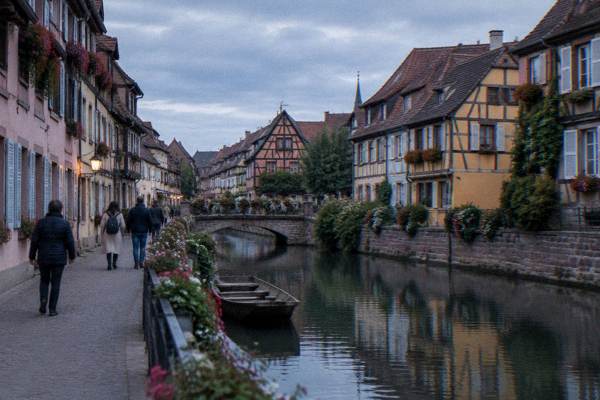
Strasbourg, in Alsace in north-eastern France, makes a comfortable base for exploring the wider Grand Est region, and Nancy is one of the most rewarding cities you can reach from it. Where Strasbourg is half-timbered, medieval and Alsatian, Nancy is classical, gilded and Lorrain. The two cities belonged to different historical worlds, and that contrast is exactly what makes the pairing work: you leave the Grande Île in the morning and spend the day walking between grand squares, art nouveau façades and glassware collections, then return to the Ill by evening.
Why Nancy Makes A Good Day Trip From Strasbourg
Nancy rewards a day trip because it compresses three distinct experiences into one walkable centre: a set of grand classical squares framed in gilded ironwork, an art nouveau heritage tied to the city's glassworks, and a Lorrain food tradition of its own. Nothing in Nancy duplicates what you have already seen in Strasbourg. The architecture is stone and stucco rather than timber and tile, the mood is stately rather than picturesque, and the specialities on the menu, quiche Lorraine among them, belong to a different regional kitchen. For a traveller based in Strasbourg who wants a change of register without a change of country or currency, Nancy answers the brief better than almost anywhere else on the map.
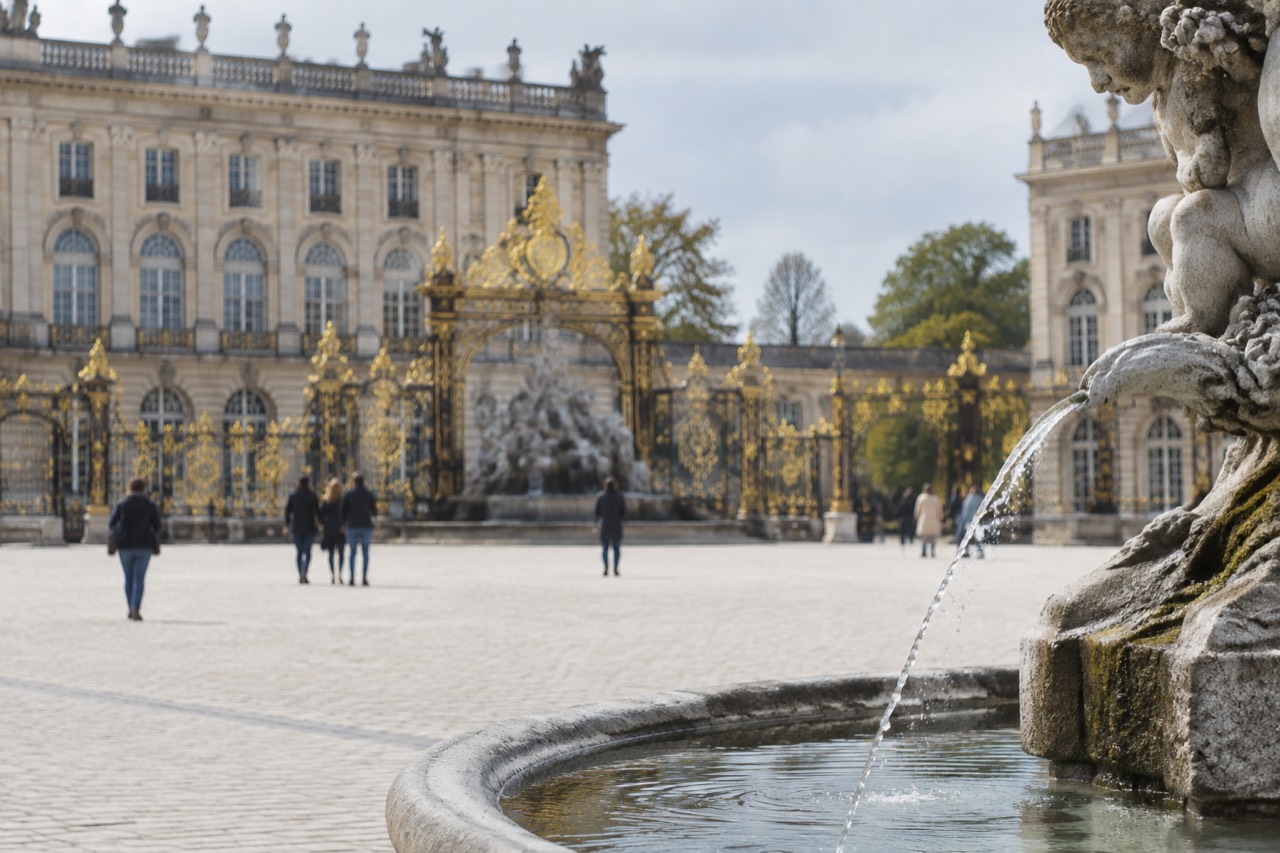
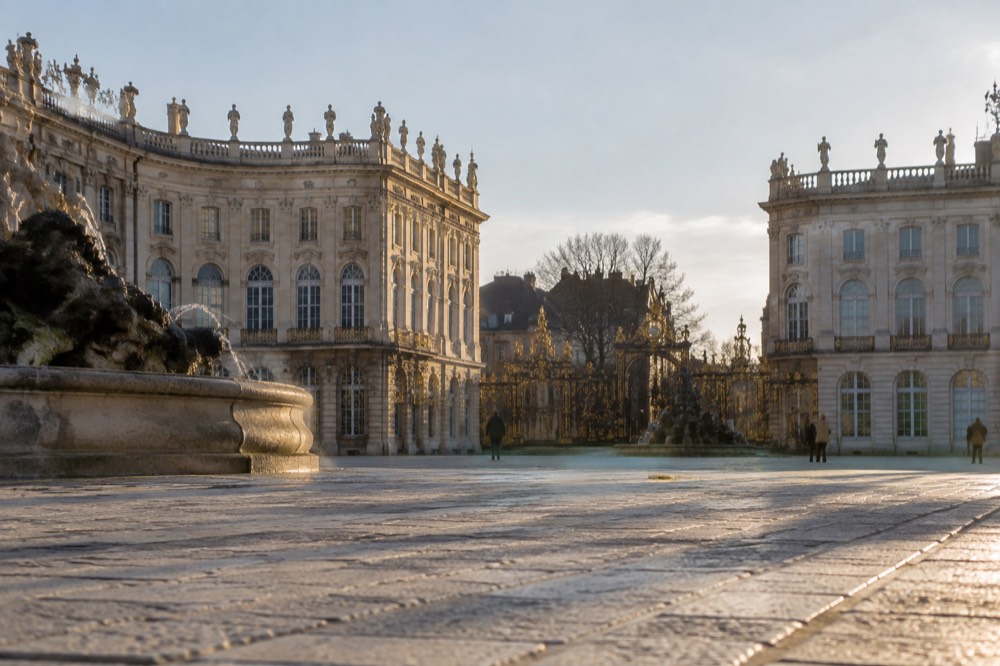
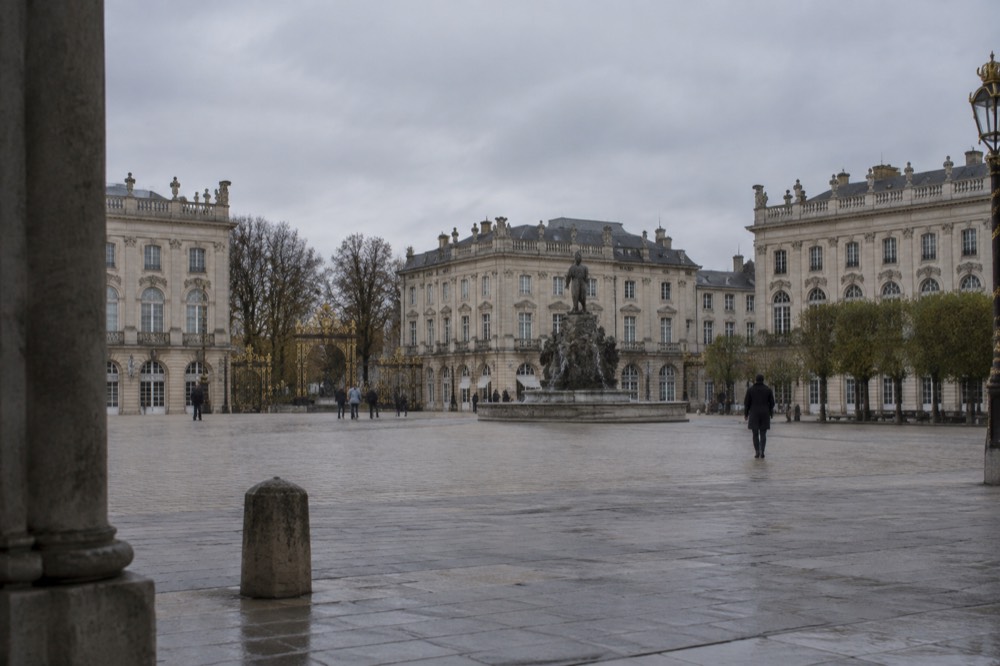
The city's fame rests on its ensemble of linked squares at the heart of the old town. Place Stanislas is the centrepiece, a vast classical space enclosed by pale stone façades and pierced by gilded wrought iron gates, with fountains at either end. From it, the sequence continues through Place de la Carrière, a longer, tree-lined square that was laid out to frame processions, and on to Place d'Alliance, quieter and more domestic in scale. Together they form one of the most coherent pieces of classical town planning in France, and they are all within a few minutes' walk of one another.
The second draw is art nouveau. Nancy was one of the movement's centres, and its version grew out of local glassmaking and furniture workshops rather than out of Parisian fashion. Façades around the city carry the flowing botanical ornament of the style, and the museums hold the glass and furniture that made the school's reputation. If your image of eastern France stops at Alsatian half-timbering, this is the corrective.
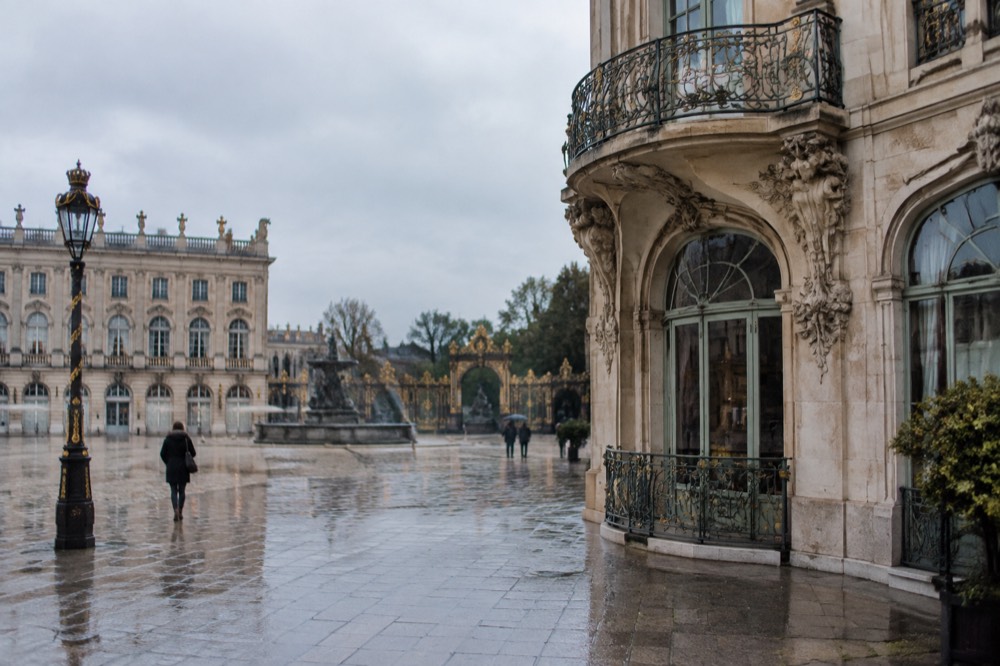
The third draw is simpler: Nancy is a lived-in university city, not a museum piece. The squares fill with students at lunchtime, the café terraces on Place Stanislas do a steady trade, and the shopping streets around the old town are busy without being overwhelmed. A day here feels like visiting a real regional capital.
| Highlight | What it is | Who it suits | What to check first |
|---|---|---|---|
| Place Stanislas | Grand classical square with gilded ironwork gates and fountains | First-time visitors, photographers | Opening hours of the tourist office on the square |
| Place de la Carrière | Tree-lined square extending the classical axis | Anyone walking the old town | Free to stroll, no ticket needed |
| Place d'Alliance | Quieter classical square closing the sequence | Travellers wanting calm | Café opening times |
| Art nouveau façades | Botanical ornament on buildings across the city | Architecture enthusiasts | A walking route from the tourist office |
| Glassware collections | Museums holding the city's glassmaking heritage | Design and craft lovers | Admission and hours on each museum's page |
| Old town lanes | Streets of shops, cafés and bakeries between the squares | Families, slow walkers | Shop closing days |
How To Get From Strasbourg To Nancy
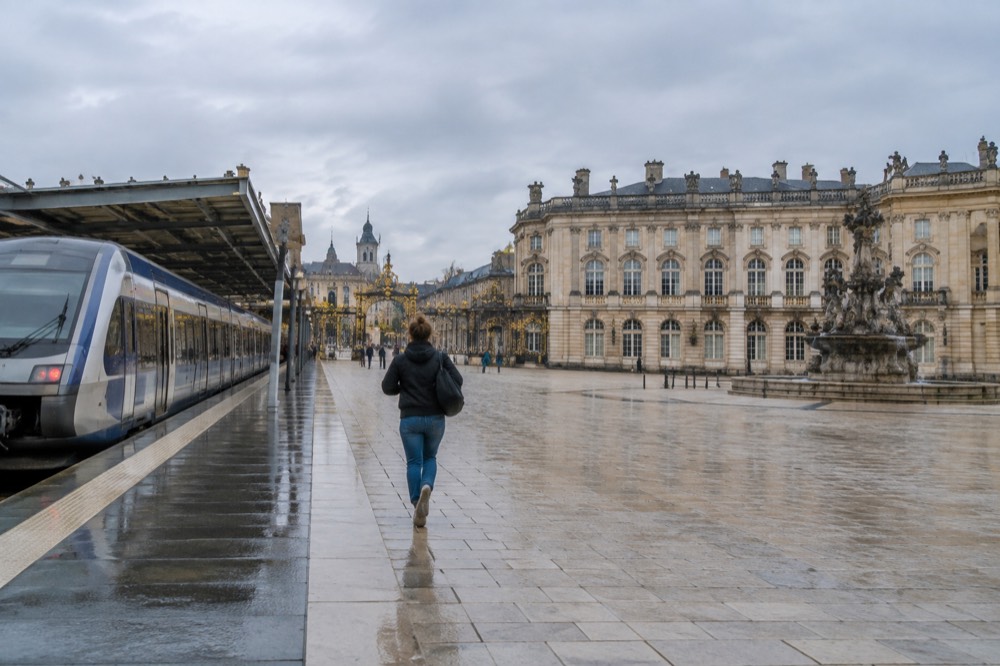
The train is the practical way to reach Nancy from Strasbourg, and the sensible plan is a full day out: an outward service in the morning, an evening return, and no attempt to squeeze the city into a half-day. Treat the schedule as the first thing you settle. Check SNCF Connect for times, fares and any rail works before you commit to a date, and buy your return ticket at the same time as the outbound so you are not hunting for a seat on a Sunday evening. Nancy's station sits close to the centre, and the walk from the platform to Place Stanislas is a straightforward one through the modern streets of the city.
To travel out by train in the morning, book a train ticket here.
Driving is an alternative if you are already touring the region by car, but it trades the train's simplicity for parking questions in a city centre built before the automobile. Public car parks ring the old town; check the city's parking page for locations and rates before you set off. For anyone staying in Strasbourg without a car, the train wins on every count.
One planning note that matters: Nancy lies west of Strasbourg, deeper into Lorraine, while the roster of guided day trips from Strasbourg runs mostly east and south, into the Alsace wine country and across the Rhine into Germany. So Nancy is best treated as your independent day, the one you build yourself around the squares and the museums, while the guided excursions cover the destinations where a driver and a guide add real value. The Strasbourg Travel Guide covers both kinds of day out, and the pairing below is a good example of the guided kind.
| Option | What it involves | Good for | What to check |
|---|---|---|---|
| Train | Direct rail link between the two cities | Travellers without a car | Times and fares on SNCF Connect |
| Car | Self-drive with city-centre parking | Families, flexible itineraries | Car park locations and rates on the city's page |
| Guided excursion | Not offered for Nancy itself; guides run to Alsace and Germany | Visitors who prefer a guide | The destinations on each operator's listing |
| Combining with Strasbourg | Base in Strasbourg, day out in Nancy | First-time visitors to the region | Hotel location near the station or the centre |
If your Nancy day is part of a longer stay, it pairs well with the plans in one day in Strasbourg itself, which shows how to cover the Alsatian capital's core before you branch out.
Place Stanislas And The Old Town Walk
Give the squares the first half of your day: start on Place Stanislas early, before the terraces fill, walk the full axis through Place de la Carrière to Place d'Alliance, then loop back through the old town lanes to the north. The walk itself takes an unhurried morning, and it delivers the sequence the way it was designed to be seen, as one continuous composition. Stand at the gates on Place Stanislas and look along the axis: the gilded ironwork, the fountains and the stone façades line up with a formality that Strasbourg's twisting medieval lanes never attempt.
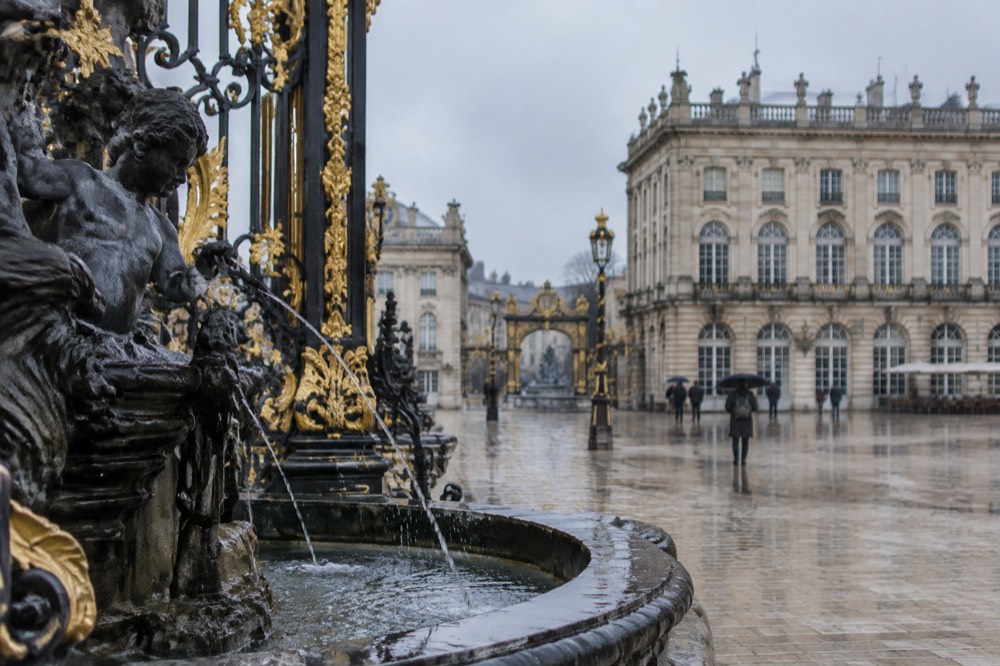
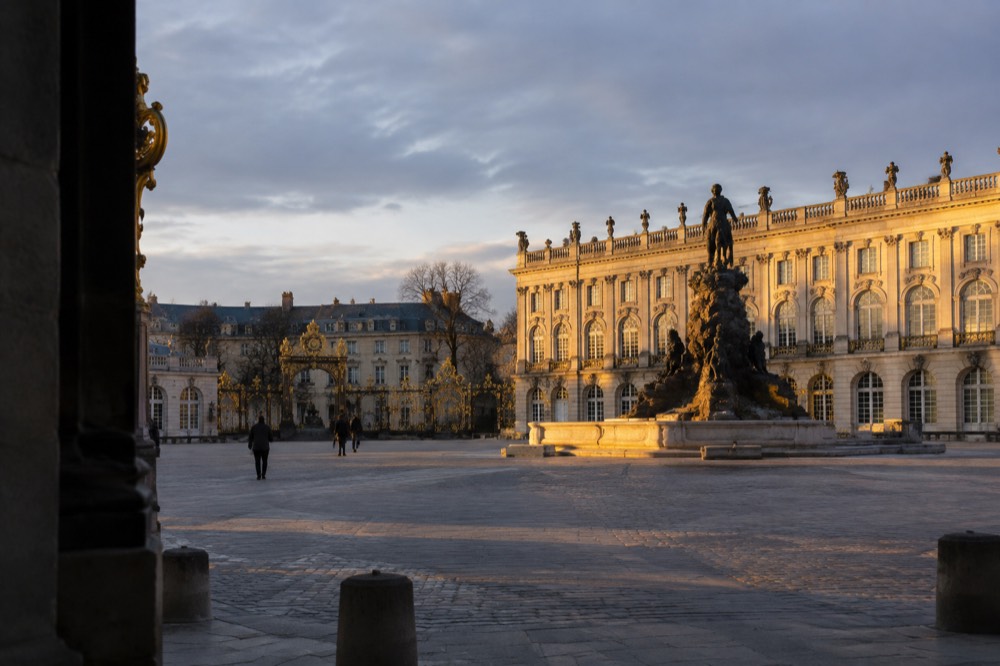
The gates are the detail to linger on. The black and gold ironwork that frames the square is the signature of the ensemble, and the fountains at either end carry the same gilding. Photographers should note that the light is at its best early and late; at midday the stone flattens and the terraces crowd the edges. The tourist office sits on the square itself and stocks walking routes, including art nouveau itineraries, if you prefer paper to a phone screen.
North and west of the squares, the old town opens out into a grid of smaller streets: the basilica, market squares, arcaded shopping streets and a scatter of bakeries and wine shops. This is where Nancy stops being a monument and starts being a city. The basilica is worth a look inside for its austerity after the gilt of the square, and the covered market streets are the place to assemble a picnic if the weather holds.
A question worth settling before you go: do you want a guide in Nancy, or is this your free day? There is no guided excursion from Strasbourg to Nancy on the usual rosters, so the honest answer is that Nancy is the do-it-yourself day. The guided alternatives run the other way, into Alsace and the Black Forest, and the historical day trip below is the one that most closely matches the mood of a Nancy outing: old towns, commentary and a driver who handles the logistics. Check availability if that appeals.
Art Nouveau, Glassware And Nancy's Museums
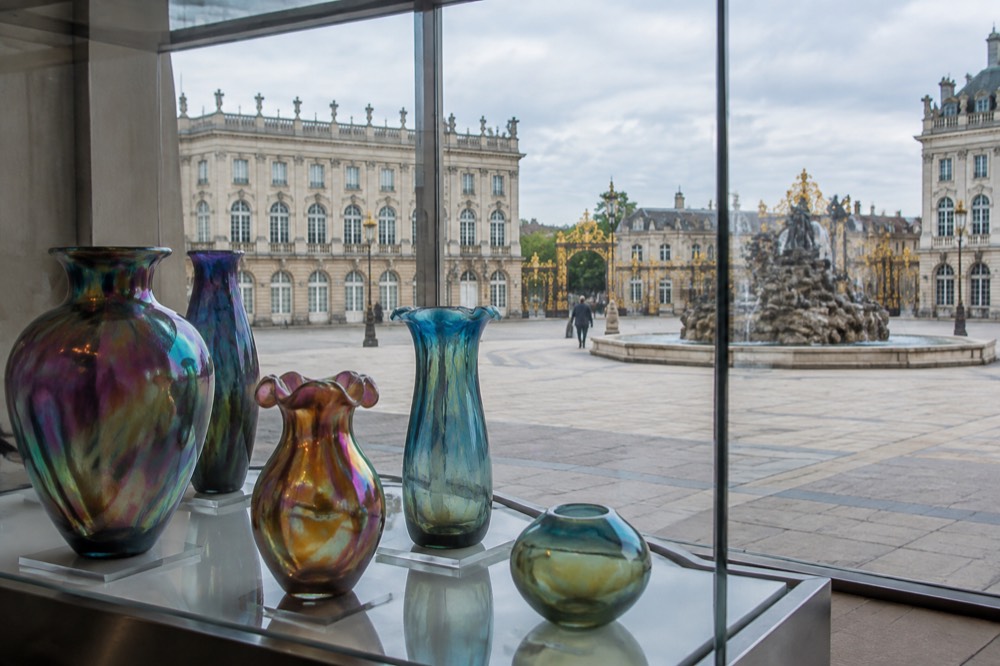
Nancy's museums are the reason to give the city a full day rather than an afternoon, because the glass and furniture of its art nouveau school are held in collections you cannot see anywhere else, and the museums cluster within walking distance of the squares. The Musée de l'École de Nancy is the essential stop: it holds the glassware, furniture and decorative objects of the movement the city gave its name to, displayed in a villa setting that suits the work. The Musée des Beaux-Arts, on one of the central squares, covers the wider sweep of painting and also has a strong glass collection of its own.
The style itself rewards a little homework. Art nouveau in Nancy grew out of the glassworks that made the city's industrial fortune, and its designers turned botanical forms, stems, buds, insects and flowing lines, into windows, vases and door furniture. Once you have seen the museum pieces, the city itself becomes a gallery: façades around the centre carry the same ornament in stone, iron and stained glass, and the tourist office's art nouveau route strings them together.
If museums are your main reason for visiting, plan the day around them rather than the squares. Check the closing days first, because regional French museums commonly close one weekday, and a Nancy day that arrives to find both glass collections shut is a wasted journey. The tourist office's site lists current hours for every municipal museum.
For travellers who enjoy this kind of design history, the contrast with Strasbourg's own collections is part of the fun. The Strasbourg museums guide covers the Alsatian side, from the Musée de l'Œuvre Notre-Dame's medieval sculpture to the modern art museum, and the two cities' collections barely overlap.
Where To Eat In Nancy
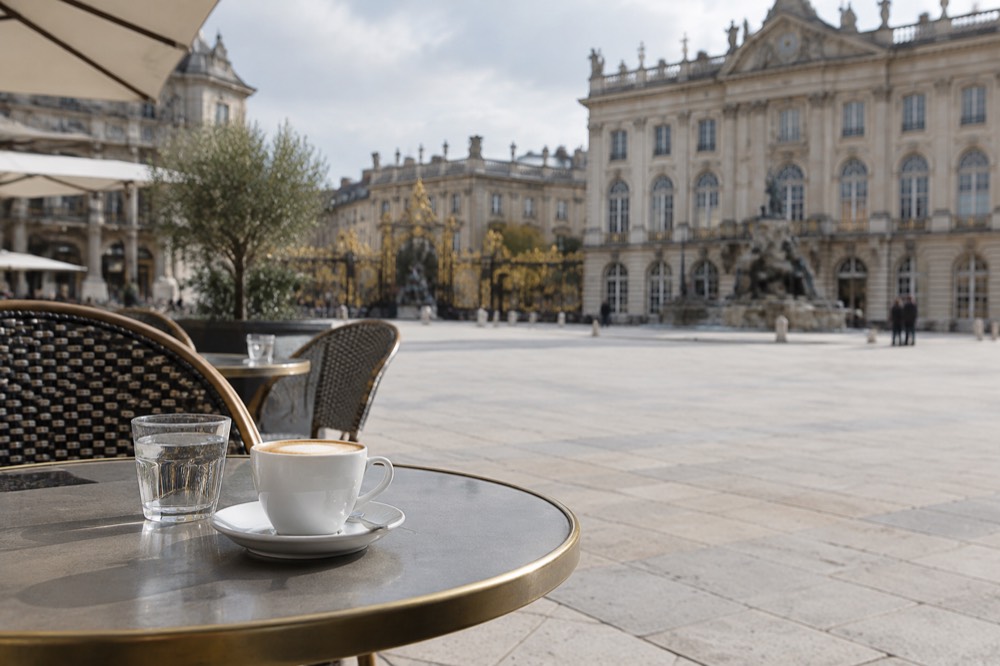
For a true taste of Nancy, plan at least one meal around the Lorrain classics: quiche Lorraine in its home region, pâté lorrain, and the bergamote de Nancy, a small amber sweet flavoured with bergamot that exists nowhere else in quite the same form. Seek out traditional restaurants in the old town for these dishes, and finish with the city's signature bergamote candy alongside a cup of coffee. The restaurants on and around Place Stanislas are the obvious choice for the setting, and the terrace tables with a view of the gilded gates are worth the premium on a fine day. A street or two back from the squares, the price level drops and the cooking often stays just as good; the lanes around the market streets are where the city eats, and the queues outside the bakeries at noon will point you to the rest.
Quiche Lorraine deserves its own sentence of caution. In its home region the classic version is a simple affair of eggs, cream and lardons, and restaurants that add cheese are serving a variant, not the original. Order it where the menu is short and the room is full of locals. Mirabelle plums, the Lorrain fruit, appear in tarts, eau de vie and liqueurs, and a glass of mirabelle after lunch is the regional digestif.
For something quicker, the bakeries around the old town sell pâté lorrain, a warm pastry parcel of pork and veal, and it makes a respectable standing lunch between museums. The covered market streets are the other fast option, with cheese, charcuterie and bread for a bench in one of the squares.
| Speciality | What it is | Where to try it |
|---|---|---|
| Quiche Lorraine | Open tart of eggs, cream and lardons | Traditional restaurants in the old town lanes |
| Pâté lorrain | Warm pastry filled with pork and veal | Bakeries around the market streets |
| Bergamote de Nancy | Small amber sweet flavoured with bergamot | Confectioners near Place Stanislas |
| Mirabelle products | Tarts, eau de vie and liqueurs from the local plum | Restaurants and wine shops in the centre |
| Terrace lunch | Full restaurant meal facing the gilded gates | Place Stanislas terraces |
Nancy With Kids Or In Poor Weather
Yes, Nancy suits families and rainy days well, because its two main anchors hold up indoors: the museums carry the art nouveau collections, and the arcaded streets and covered market lanes around the squares give sheltered walking between them. Kids get engaging exhibits inside, while adults can move between sights without getting soaked, so poor weather rarely derails a visit and families can fill a full day comfortably. The squares themselves are traffic-calmed and open, which makes them easy territory with a pushchair or with children who need space to run, and the fountains hold small visitors' attention for longer than any monument has a right to. In rain, the museum pair plus a long bakery-and-café lunch is a complete day that never requires an umbrella to be open for more than a minute at a time, and the arcades mean the whole circuit can be done under cover.
The seasonal question matters more here than the weather question. The climate of the whole region is semi-continental, which means warm summers, cold winters and rain spread across the year; the Meteo-France 1991-2020 normals for Strasbourg-Entzheim, the nearest long record in the verified data, give a July mean maximum of 26.4 C against a January mean maximum of 5.2 C, with 635.7 mm of rain across the year. Nancy, further west but in the same climate zone, behaves in much the same way. Pack for the season rather than for a Mediterranean fantasy.
| Situation | Indoor plan | Outdoor plan |
|---|---|---|
| Rain | Glass collections, arcaded streets, long café lunch | Short dashes between gates and fountains |
| Cold winter | Museums, bakeries, a mirabelle by the fire | The squares in low light, briefly |
| Hot summer | Midday museum hours | Squares early, terraces in the shade |
| With children | Glass displays and market snacks | Open squares and fountains |
| Short on time | Place Stanislas plus one museum | The full axis walk to Place d'Alliance |
For a genuinely wet day back in base, the rainy day in Strasbourg itinerary does the same job for the Alsatian capital, and the two pages together cover the region's bad-weather options.
How Nancy Compares With Other Day Trips From Strasbourg
Nancy is the culture-and-architecture day trip from Strasbourg; the other strong options point in different directions, to the wine villages of Alsace, to Colmar's canals, and across the Rhine into Germany's Black Forest, and the right choice depends on what you want from the day. If your priority is classical squares and museum-going, Nancy stands alone. If you want vineyard scenery and half-timbered villages, the Alsace wine route wins, and the Alsace wine route guide covers it in full. If you want German forest and lakes, the Black Forest excursions are the match, and the Black Forest day trip page lays out what that side of the border offers.
Colmar is smaller, prettier in the conventional sense and closer to the wine country; Nancy is grander, more urban and better for museums and serious architecture. A week in Strasbourg could happily include both, with Colmar as the picturesque day and Nancy as the cultural one.
The guided roster reflects this split. Excursions from Strasbourg concentrate on Alsace and Germany because that is where the driving is hardest and the commentary adds most; Nancy, compact and rail-linked, is left to the independent traveller. The Black Forest excursion below is the German-side counterpart of a Nancy day, forest towns and lakes instead of squares and glass, with the border crossing and the driving handled for you.
The medieval villages excursion is the closest guided cousin of a Nancy day on the French side of the border: old towns and wine tasting with the logistics handled, running to the villages that give Alsace its postcard reputation.
| Destination | Country | Character | Best for |
|---|---|---|---|
| Nancy | France | Classical squares, art nouveau, museums | Architecture and design lovers |
| Colmar | France | Canals, half-timbering, wine town charm | Photographers, first-time visitors |
| Alsace wine route | France | Vineyards and villages | Wine and scenery |
| Black Forest | Germany | Forest, lakes and cuckoo-clock towns | Nature and contrast |
| Baden-Baden | Germany | Spa town elegance | Relaxation, thermal baths |
Travellers coming from Paris for the Christmas season sometimes build a two-city base, and the Strasbourg day trip from Paris guide explains how that routing works; Nancy slots into such a trip as the second full day.
Planning Your Day: Timing, Tickets And Season
Book the train in advance, check the museum closing days before you choose your date, and give Nancy ten to five, a full working day, rather than a compressed morning; nothing on the ground needs pre-booking except the rail ticket. The museums sell tickets at the door, the squares are public space, and the restaurants take walk-ins outside peak Saturday lunch. The two things that can wreck the plan are a museum closed on your chosen weekday and a rail works disruption, and both are checkable in ten minutes the night before.
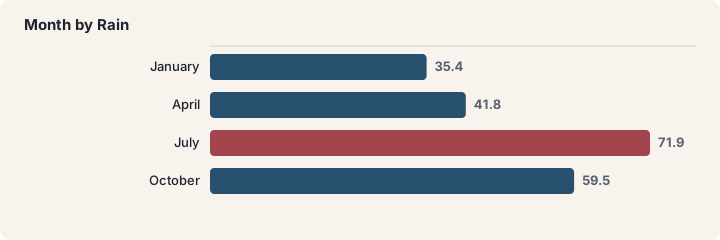
Season shapes the day more than the clock. Spring and early autumn give the most comfortable walking weather and the terrace season; summer means shade-seeking at midday and museum hours in the heat of the day; winter means short daylight, low light on the gilded gates and a strong case for the bergamote-and-mirabelle version of the trip. The table below shows the seasonal shape of the regional climate from the verified Strasbourg-Entzheim normals.
| Month | Mean daily maximum | Mean daily minimum | Rain | Rain days of 1 mm or more |
|---|---|---|---|---|
| January | 5.2 C | -0.2 C | 35.4 mm | 9.1 |
| April | 17.0 C | 5.7 C | 41.8 mm | 8.6 |
| July | 26.4 C | 14.9 C | 71.9 mm | 10.4 |
| October | 15.8 C | 7.2 C | 59.5 mm | 9.6 |
A final word on pacing. The temptation with any day trip is to overfill it, and Nancy punishes overfilling because its pleasures are slow ones: a full circuit of the squares, one museum done properly, a long lunch and a walk back through the old lanes to the station. Cut the second museum before you cut the lunch, and you will end the day the way the city intends, unhurried.
Common Questions About A Nancy Day Trip
Is Nancy Worth A Day Trip From Strasbourg?
Yes, if you want architecture and museums rather than another half-timbered town. Nancy's classical squares and art nouveau collections have no equivalent in Alsace, and the contrast with Strasbourg is the point of the journey.
How Do You Get From Strasbourg To Nancy?
The train is the practical link between the two cities. Check SNCF Connect for times, fares and any rail works before you choose your date, and book the return leg together with the outbound ticket.
What Is Nancy Famous For?
Nancy is famous for the classical ensemble of Place Stanislas, Place de la Carrière and Place d'Alliance, for its art nouveau school built on the city's glassmaking industry, and for Lorrain specialities including quiche Lorraine and the bergamote sweet.
Is One Day Enough In Nancy?
One full day covers the squares, one museum and a proper lunch without rushing. Two days would add the second glass collection and the art nouveau façade route at a slower pace, but a single well-planned day delivers the core of the city.
Do You Need To Book Anything In Advance For Nancy?
Only the train. The museums sell tickets at the door, the squares are public space and restaurants take walk-ins outside peak hours; the two things to check in advance are the museums' closing days and any rail disruption on your chosen date.