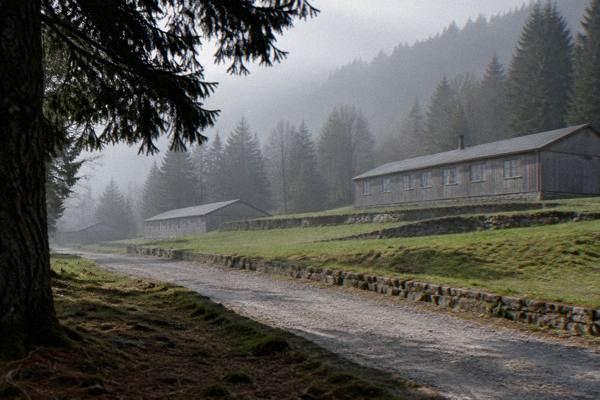
Natzweiler Struthof
Natzweiler Struthof is a former Nazi concentration camp high in the Vosges mountains of Alsace, now a memorial and museum, and it is one of the weightiest day trips you can make from Strasbourg in north-eastern France. This guide covers how to reach the site, what the visit involves, and how to plan the journey.
Short answer
Natzweiler Struthof is a memorial site at a former Nazi concentration camp in the Vosges mountains of Alsace, reached from Strasbourg by hire car or organised tour rather than by direct train. Plan a half day for the visit itself, check the memorial's official page for hours and admission before you set out, and allow time for the mountain drive on either side.
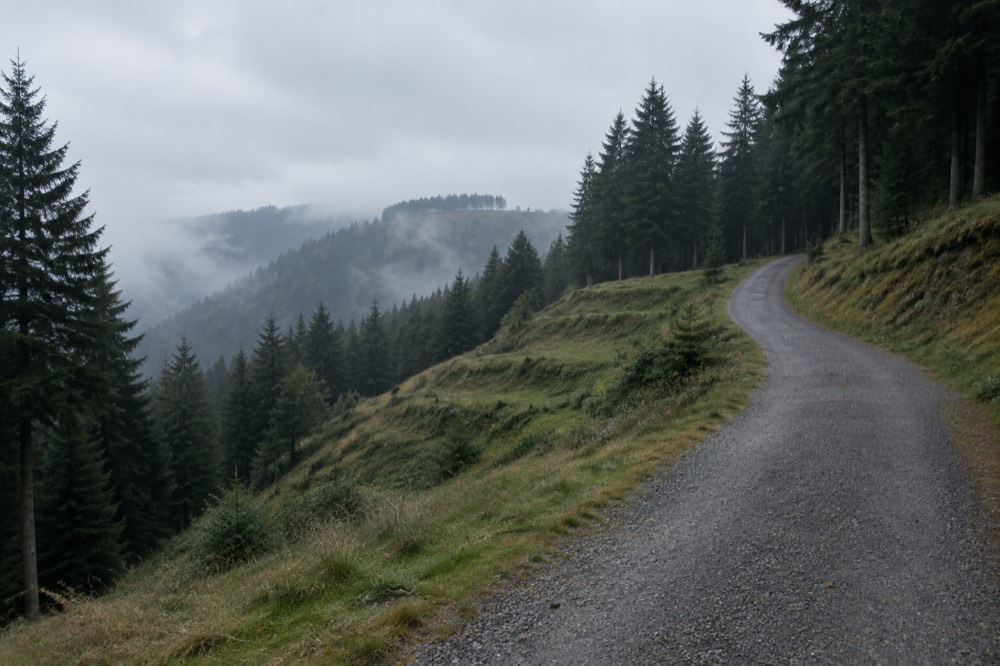
Natzweiler Struthof sits on a mountain shoulder in the Vosges range of Alsace, the region whose capital, Strasbourg, lies in the Rhine plain of north-eastern France beside the German border. The site preserves the grounds of a former Nazi concentration camp as a place of memory, and visiting it from Strasbourg is a deliberate act: it asks for a half day of travel and reflection rather than a casual stop between sightseeing highlights. This page sets out what the visit involves, how to get there, what to check before you go, and how the trip fits into a wider Alsace itinerary.
What Is Natzweiler Struthof And Why Do People Visit From Strasbourg?
Natzweiler Struthof is the memorial site of a former Nazi concentration camp in the Vosges mountains of Alsace, roughly a mountain drive west of Strasbourg, and it is visited today as a place of remembrance and education rather than as a conventional tourist attraction. The site holds the remains of the camp grounds, a museum, a memorial and a gas chamber building at a lower level, and its purpose is documented testimony. Travellers base themselves in Strasbourg because the city is the regional transport hub with the widest choice of tours, trains and hire cars, then make the memorial a focused day trip into the mountains.
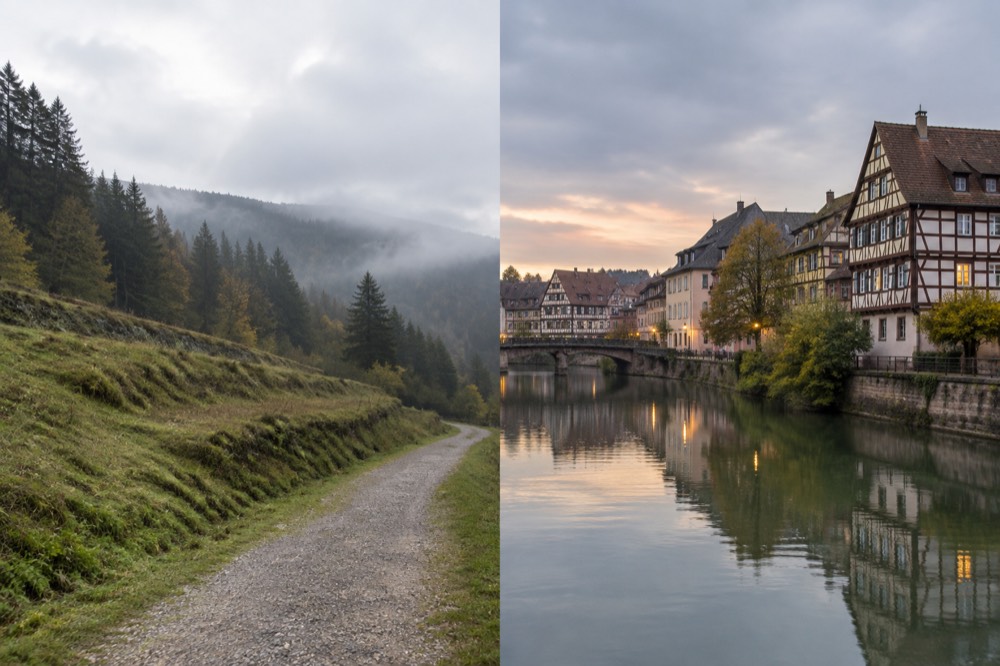
The camp stood on the Struthof ridge in the Vosges, in forested hill country that feels far removed from the half-timbered lanes of Strasbourg's Grande Île. That contrast is part of why the visit lands so heavily on people: you leave a city of canals and winstubs, climb through pine slopes, and arrive at a site whose history belongs to the darkest chapters of the European past. The memorial is managed as a serious institution, with exhibitions that explain the camp's function, the people imprisoned there, and the medical crimes committed on the site.
Treat the visit as a purposeful trip rather than a box on a list. The site is emotionally demanding, and the practical advice throughout this page reflects that: build in travel time, build in silence, and do not schedule a cheerful activity immediately afterwards. Strasbourg, for its part, makes a steadying base. The city is the prefecture of the Bas-Rhin, in the Grand Est region, on the River Ill beside the Rhine, and it carries its own weight of history alongside its famous cathedral and Christmas market.
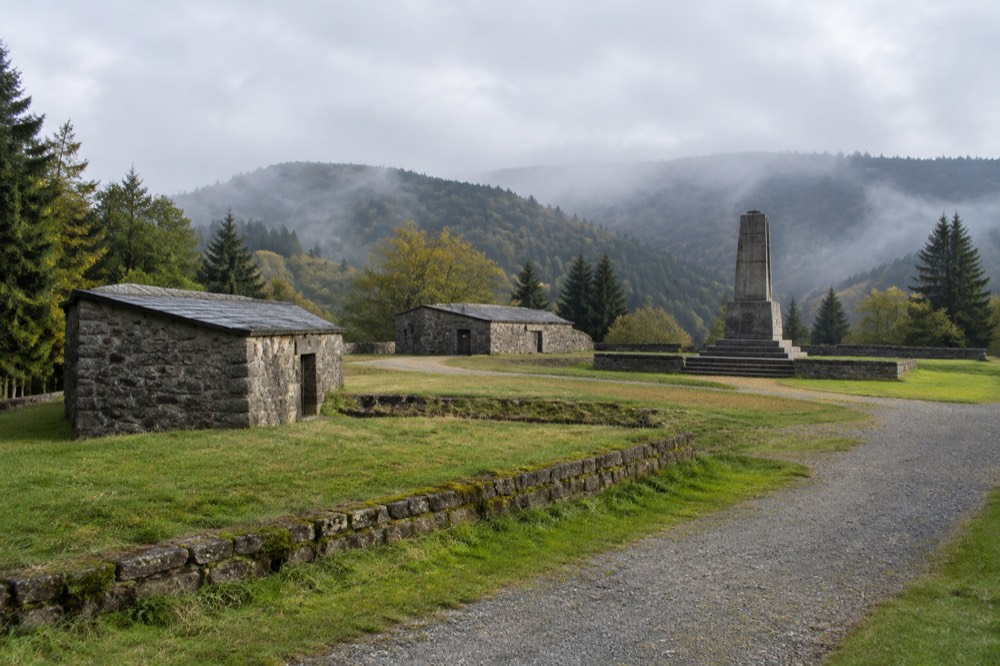
The site divides into recognisable zones, and knowing them in advance helps you pace the visit:
| Zone Of The Site | What It Is | What To Expect | What To Check Beforehand |
|---|---|---|---|
| The former camp grounds | Preserved terraces and remains on the mountainside | Outdoor walking on sloping ground in all weather | Opening dates and any seasonal closures on the official page |
| The museum and exhibition | Indoor displays documenting the camp's history | A structured visit of an hour or more; content is disturbing | Whether guided visits in English or French are running that day |
| The national memorial | The monument erected on the ridge | A short walk with panoramic views over the valley | Access conditions in winter weather |
| The gas chamber building | A separate structure below the main site | Reached by a further walk or short drive; stark and bare | Whether the building is open to visitors on your date |
How To Get To Natzweiler Struthof From Strasbourg
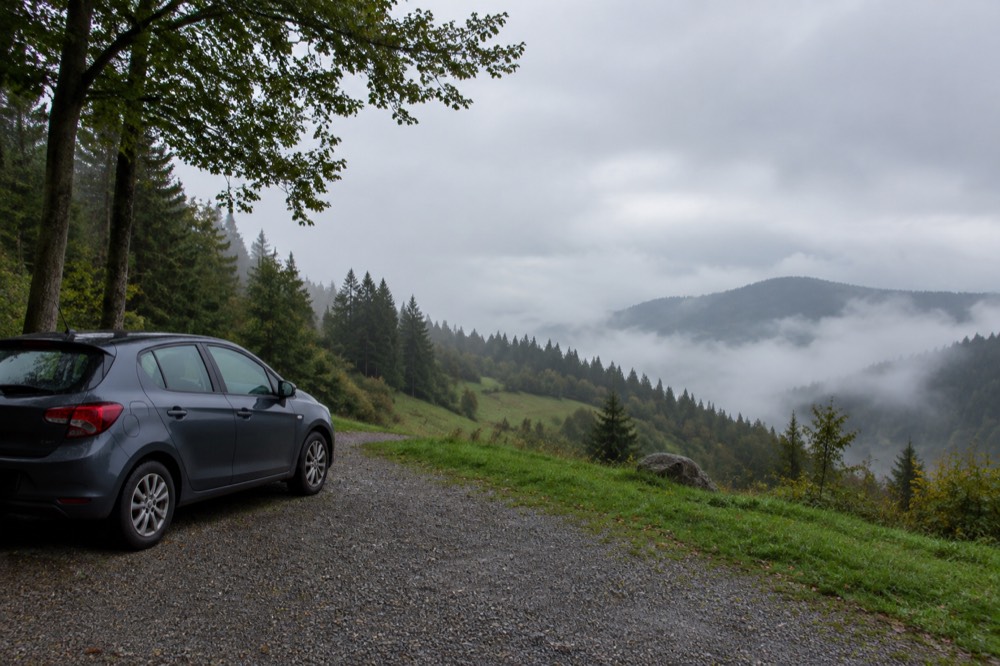
There is no direct train or tram link to Natzweiler Struthof: the site sits on a mountain road in the Vosges, so the practical options from Strasbourg are a hire car, a organised group tour with transport included, or a self-drive route combined with other stops in the region. The drive crosses hill country on the western edge of Alsace, and the final approach climbs through forest. Allow a generous margin for the journey in both directions, treat winter conditions with respect, and confirm the site's opening hours before committing, because a mountain memorial keeps seasonal hours that a city museum does not.
Self-driving gives you control of the day. You leave Strasbourg westbound, cross the Alsace plain toward the Vosges foothills, and climb into the range where the camp stood. The roads are mountain roads: winding, occasionally narrow, and in winter potentially affected by snow and ice. A hire car collected in Strasbourg works well for this, and it lets you set your own pace at the site, which matters when an exhibition needs more of your attention than you expected. Check the memorial's official page for parking arrangements and for any access notices on the day.
The guided option removes the driving question entirely. A half-day tour from Strasbourg handles the mountain road and the timing, and the roster carries one such trip dedicated to the site, described in the tour section below. For travellers without a car, or for anyone who would rather not navigate an unfamiliar mountain route on a day that is already emotionally loaded, that is the simpler choice.
The options compare like this:
| Way Of Getting There | What It Involves | Who It Suits | What To Check |
|---|---|---|---|
| Hire car from Strasbourg | Self-drive across the plain and up into the Vosges | Independent travellers comfortable with mountain roads | Tyre and fuel arrangements, seasonal road conditions, site parking |
| Guided tour from Strasbourg | Transport and commentary organised, half-day format | Visitors without a car or without a wish to drive | Departure point, what is included, the operator's live listing |
| Combined Alsace itinerary | The memorial paired with another stop on a longer route | Travellers with a full day and a plan | Whether the pairing leaves enough time at the site itself |
| Public transport plus taxi | Regional transport toward the Vosges with a final taxi leg | Rare and fiddly; only for determined budget travellers | Local connections and taxi availability, which are thin in the hills |
For a sense of what else the region offers around the same base, the Alsace wine route itinerary covers the plain on the other side of your trip, and the Haut-Koenigsbourg Castle day trip shows the more conventional castle-and-ridge side of the Vosges fringe.
What You Will See At The Memorial Site
The visit centres on the preserved grounds of the former camp, a museum exhibition that documents what happened there, the national memorial on the ridge, and the gas chamber building that stands apart below the site, and each of these asks something different of the visitor: walking, reading, standing still, and confronting evidence. Nothing about the site is staged for comfort. Paths are uneven in places, the exhibition text is dense, and the gas chamber is deliberately stark. Plan the order of your visit so the outdoor grounds come in decent weather and the museum afterwards.
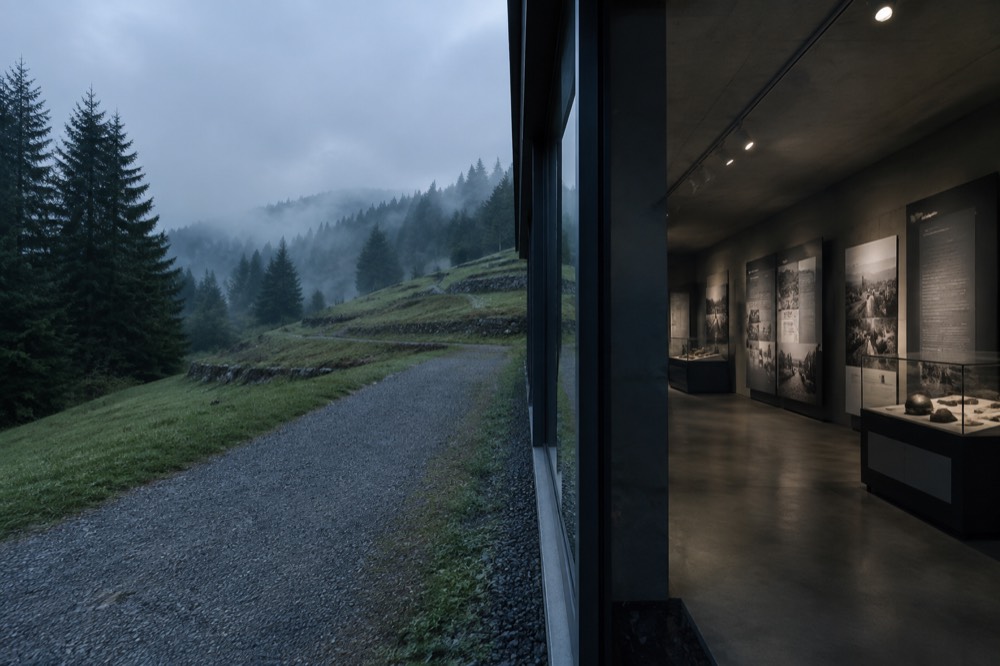
The camp grounds unfold across terraces cut into the mountainside. Walking them gives a physical sense of the site's scale and exposure: this was a place of cold, damp and forced labour at altitude. Information panels along the route explain what stood where, and the museum consolidates that into a documented account of the camp, the network it belonged to, and the people deported there. The exhibition does not soften its material, and visitors with children should think carefully about timing and preparation before bringing them.
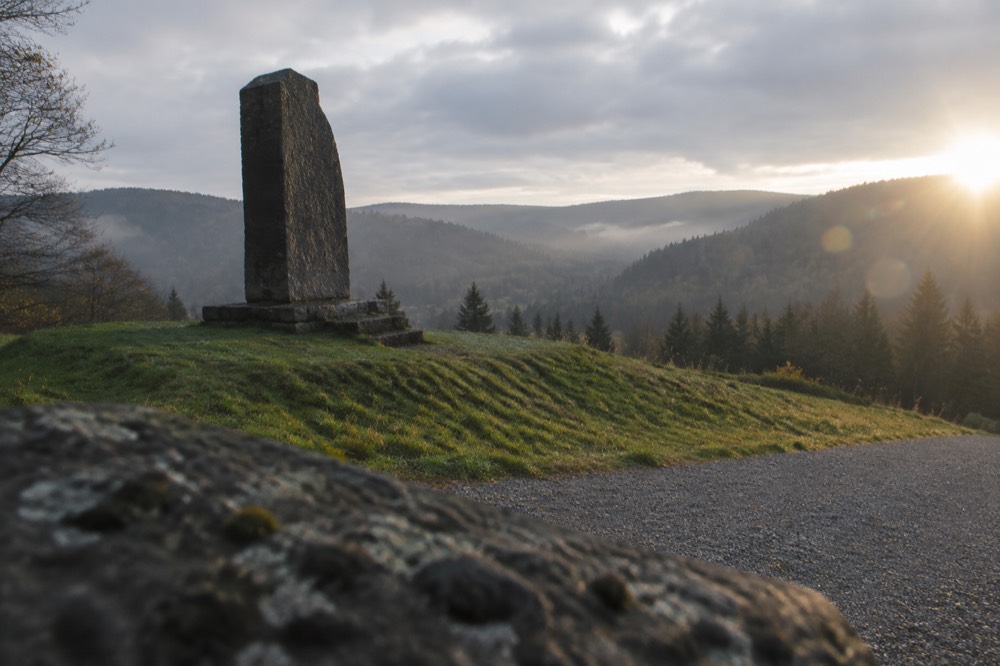
The gas chamber lies downhill from the main site. It is small, bare and, for many visitors, the hardest single room of the day. There is no obligation to enter it, and no shame in standing outside. The national memorial, by contrast, is a place built for gathering and remembrance, with the Vosges valley spread below. Many visitors end there, or end at the museum bookshop, where documented histories and testimonies can be taken away for later reading.
Give the site the better part of a day from Strasbourg: the drive out, the visit itself, the drive back, and a pause somewhere quiet in between. The memorial rewards slow reading and punishes rushed scheduling.
How To Plan Your Visit: Hours, Tickets And What To Check
Plan the practical side of a Natzweiler Struthof visit around three checks: the site's official opening hours for your date, the admission arrangements stated on the memorial's own page, and the weather and road conditions on the Vosges approach, because all three vary by season and none can be assumed from city conditions in Strasbourg. The memorial keeps its own calendar, and mountain weather can close or complicate access even when the plain below is clear. Do the checks the day before, not the week before.
Hours and tickets are stated on the memorial's official site, and that page is the only authority worth relying on for them, because the site's calendar follows the seasons rather than a fixed year-round pattern. Reduced hours, closure days and special commemorations all appear there. If your trip falls in the colder months, read the page with extra care: snow on the ridge changes both the visit and the drive.
What you carry matters as much as when you arrive. The grounds are outdoors and exposed, the museum is a long indoor walk, and there is no lively café culture on a mountain of memory. Bring what a serious museum visit needs:
| What To Bring Or Arrange | Why It Matters | What To Check |
|---|---|---|
| Layers and a proper coat | The ridge is exposed and colder than Strasbourg | The forecast for the Vosges, not the city |
| Sturdy walking shoes | Terraced, sloping, uneven ground across the site | Whether paths are wet or icy on your date |
| Water and a simple meal plan | Food options on the mountain are limited | Opening status of any on-site facilities on the official page |
| Time margin in the schedule | The drive plus the visit plus the drive back fills a day | Realistic departure time from Strasbourg |
| A plan for afterwards | The visit is heavy; a quiet evening helps | Somewhere calm in Strasbourg to return to |
One practical note for the wider trip: after a day like this, plenty of travellers want the evening to be gentle, and Strasbourg offers that easily. A slow walk along the Ill, an early dinner in a winstub, and an early night is a sound plan. If instead you want the city explained to you without effort the following morning, a guided segway circuit is one way to cover ground quickly; Check availability on the operator's live listing if that appeals.
Is A Guided Tour From Strasbourg Worth It?
A guided tour to Natzweiler Struthof from Strasbourg is worth it for travellers without a car, for anyone unwilling to drive mountain roads on a sombre day, and for visitors who want the history contextualised by a guide rather than read from panels alone, and the roster carries a dedicated half-day tour to the site that handles transport and commentary together. The trade-off is simple: independence and pacing on your own, or logistics and narrative handled for you.
The dedicated tour runs as a half-day trip from Strasbourg, built around the site itself rather than as a stop on a general Alsace circuit. For a destination of this gravity, that focus matters: a guide who knows the site's history can carry the group through the grounds and the exhibition with the context that raw panels cannot always supply, and the return transfer means the day ends back in the city without a steering wheel in your hands.
Cost is the honest objection. A dedicated small-group trip to a mountain memorial costs more than a city walking tour, and the price is visible on the live listing rather than hidden. Against that, the alternative for a carless traveller is a hire car, fuel, mountain roads and parking, plus the mental load of driving there and back on the same day. For a one-off visit of this kind, the guided option earns its price for many people, and it is the only realistic choice for anyone staying in Strasbourg without driving.
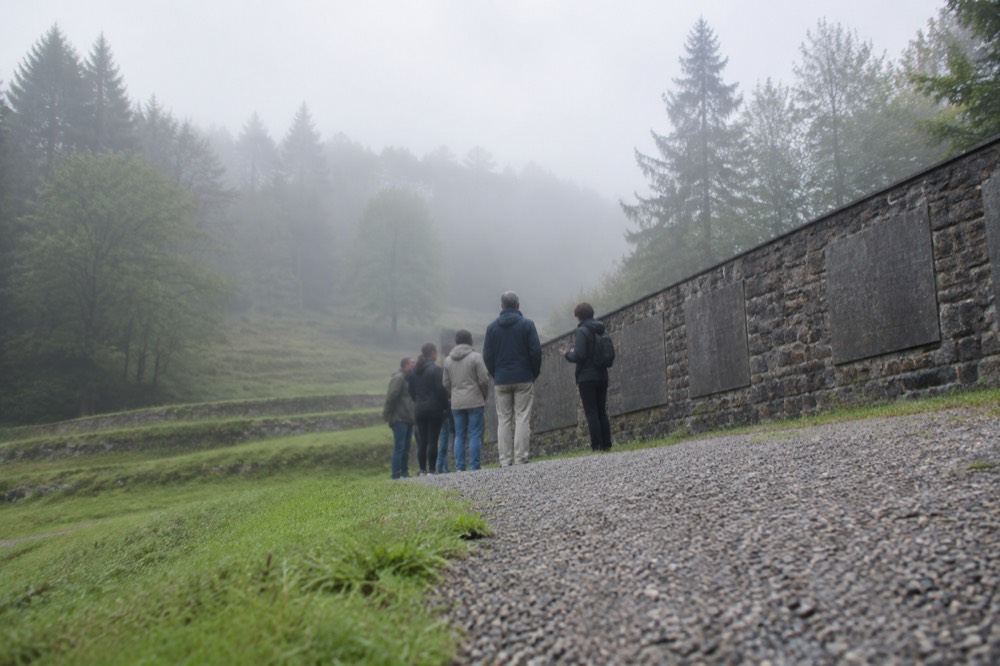
Book the guided option early if your dates are fixed. Half-day trips to a single mountain site run with limited places, and the operator's live listing shows what remains for your date.
How To Pair Natzweiler Struthof With Other Alsace Day Trips
The strongest pairings put Natzweiler Struthof either on its own day, or alongside one contrasting stop that gives the day a second register, such as a wine village, a castle ridge or a historic town on the Alsace plain, with the memorial visited first while attention is fresh and the lighter stop afterwards. Pairing it with two or more cheerful destinations in a single circuit tends to short-change both the site and the day, because the mountain drive consumes real time and the visit consumes real energy.
The geography works in your favour. The memorial sits in the Vosges on the western side of Alsace; the wine route and its villages run along the foothills below; and Strasbourg sits in the plain between them all. A morning at the site followed by an afternoon in a wine village is a recognised shape of day in this region, and tours on the roster exist that cover the villages and tastings side of it. The emotional sequencing is the part to get right: memory first, pleasure second, and never the reverse.
| Possible Pairing | Character Of The Stop | How It Fits The Day | What To Decide |
|---|---|---|---|
| A wine route village | Half-timbered lanes, cellars, tastings | An afternoon contrast after a morning at the memorial | Which village, and whether you are driving |
| Haut-Koenigsbourg ridge | A restored castle high above the plain | Shares the mountain-and-ridge geography of the morning | Whether two heavy sightseeing stops is too much for one day |
| A plain town such as Sélestat or Obernai | Old streets, easy walking, quiet cafés | A gentle decompression stop on the way back east | Whether you want quiet or company after the visit |
| A second memorial or historic site | Further weight and context | Only for visitors who want a fully reflective day | Whether that suits your group's stamina |
For the villages themselves, the Riquewihr day trip guide, the Eguisheim day trip guide and the Obernai day trip guide each cover a stop that pairs naturally with a Vosges morning. The dedicated village-and-tasting tours on the roster handle that afternoon for you.
What Does The Weather Mean For A Trip To The Vosges
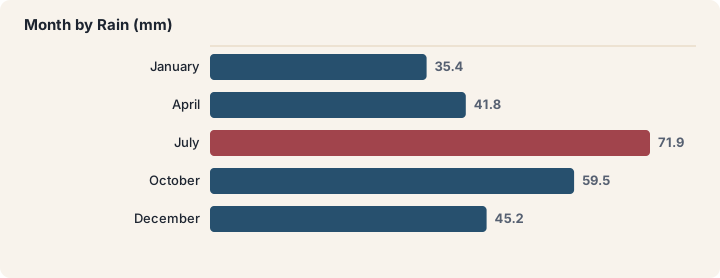
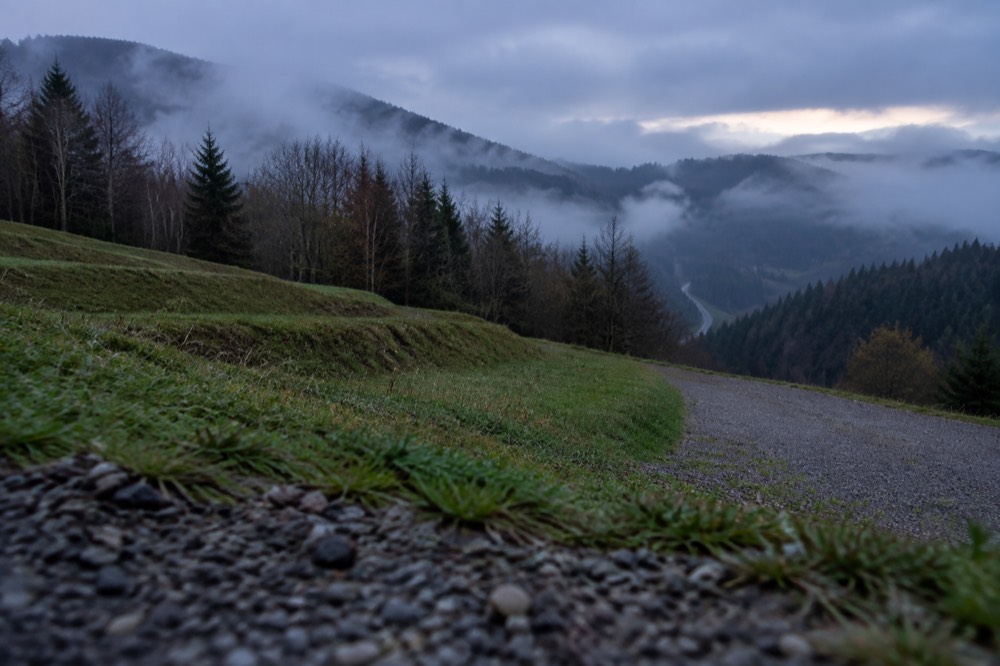
The Vosges site sits higher and colder than Strasbourg, so plan around the region's semi-continental climate: cold winters with snow possible on the ridge, warm summers, and rain spread through every month of the year, as the Meteo-France 1991-2020 normals for Strasbourg-Entzheim show for the plain the trip starts from. The city's own figures give the baseline; the mountain adds exposure on top of them, and the memorial's outdoor grounds leave you standing in whatever the ridge delivers.
The normals for the Strasbourg plain read like this, and they are the planning baseline for any day trip out of the city:
| Month | Mean Daily Maximum (C) | Mean Daily Minimum (C) | Rain (mm) | Days With 1 mm Or More |
|---|---|---|---|---|
| January | 5.2 | -0.2 | 35.4 | 9.1 |
| April | 17.0 | 5.7 | 41.8 | 8.6 |
| July | 26.4 | 14.9 | 71.9 | 10.4 |
| October | 15.8 | 7.2 | 59.5 | 9.6 |
| December | 5.9 | 0.8 | 45.2 | 10.2 |
What that means in practice: summer visits are the most forgiving for the outdoor terraces, spring and autumn are workable with layers, and winter visits are entirely possible but demand a car plan that respects possible snow and a check of both the site's hours and the road conditions. Rain is a factor in every season, so the museum portion of the site is a genuine asset on wet days, not a fallback.
Where The Strasbourg Part Of Your Trip Fits In
Strasbourg is the base that makes this day trip work: it supplies the trains, the hire cars, the guided departures and the hotels, and its own transport network, the CTS trams and buses, is cheap and simple, with a single ticket at 1.90 EUR from the app or contactless and a 24-hour pass at 4.60 EUR, so the city logistics should cost you almost no thought. The memorial day is demanding enough without friction at the city end.
The CTS fares that matter to a day-tripper are few:
| CTS Ticket | Price | Notes |
|---|---|---|
| Single ticket | 1.90 EUR | Bought via the Badgeo card, the CTS app or contactless |
| Single ticket on board a bus | 2.50 EUR | The more expensive way to buy the same ride |
| 24h Solo pass | 4.60 EUR | One person, unlimited CTS travel for a day |
| 24h Trio pass | 10.20 EUR | Two to three people travelling together |
| Airport shuttle combined ticket | 4.60 EUR | Covers the airport train plus CTS travel, useful on arrival day |
If your trip to Strasbourg is short and you want the city itself covered efficiently, a guided circuit on wheels or on foot is a good use of the day before or the day after the memorial visit. This site's Strasbourg Travel Guide homepage collects the full range of the city's tours and day trips if you want to compare them side by side.
Whatever you choose for the city, keep the memorial day separate and unhurried. Strasbourg rewards travellers who give its heavy history and its lighter pleasures different days, and the Vosges ridge deserves the fuller one.
Common Questions About Natzweiler Struthof
How Do I Get To Natzweiler Struthof From Strasbourg?
There is no direct train to the site. The practical options are a hire car driven across the Alsace plain and up into the Vosges, or a guided half-day tour from Strasbourg with transport included. Check the memorial's official page for opening hours and any access notices before you set out, and treat the mountain approach with respect in winter weather.
How Long Should I Allow For The Visit?
Allow a half day at the site itself, and a full day for the round trip from Strasbourg once the drive on both ends is counted. The grounds, the museum and the gas chamber building each take time, and visitors who rush the exhibition tend to regret it. Build in a pause afterwards rather than another appointment.
Is Natzweiler Struthof Suitable For Children?
That is a judgement for each family, and it should be a deliberate one. The exhibition documents the camp's history in unsoftened detail, and the gas chamber building is stark. Older teenagers studying this period of history often gain a great deal from the visit; young children do not. Check the memorial's official page for any age guidance it publishes.
Can I Visit The Site On A Tour From Strasbourg?
Yes. The tour roster carries a dedicated half-day guided trip from Strasbourg to the site, with transport and commentary included, which suits travellers without a car and anyone who prefers not to drive mountain roads on a day of this kind. The details and current availability are on the operator's live listing.
What Should I Wear For The Visit?
Dress for exposed mountain conditions rather than for the city. The grounds are outdoors on sloping, uneven terraces, the ridge is colder than the Strasbourg plain, and rain is possible in every month of the year. Sturdy shoes, layers and a proper coat are the standard kit, with more warmth in winter.
Can I Pair The Memorial With Other Alsace Day Trips?
Yes, and the strongest pairings give the memorial the morning and add one contrasting stop afterwards, such as a wine route village or a quiet town on the plain. Guides on this site cover the pairing options, including the wine route and the villages of Riquewihr, Eguisheim and Obernai, and tours on the roster handle the afternoon side of such a day.