Where Do Locals Eat In Strasbourg?
Where people in Strasbourg actually eat: the winstubs and neighbourhood tables locals keep to themselves, in Alsace, north-eastern France.
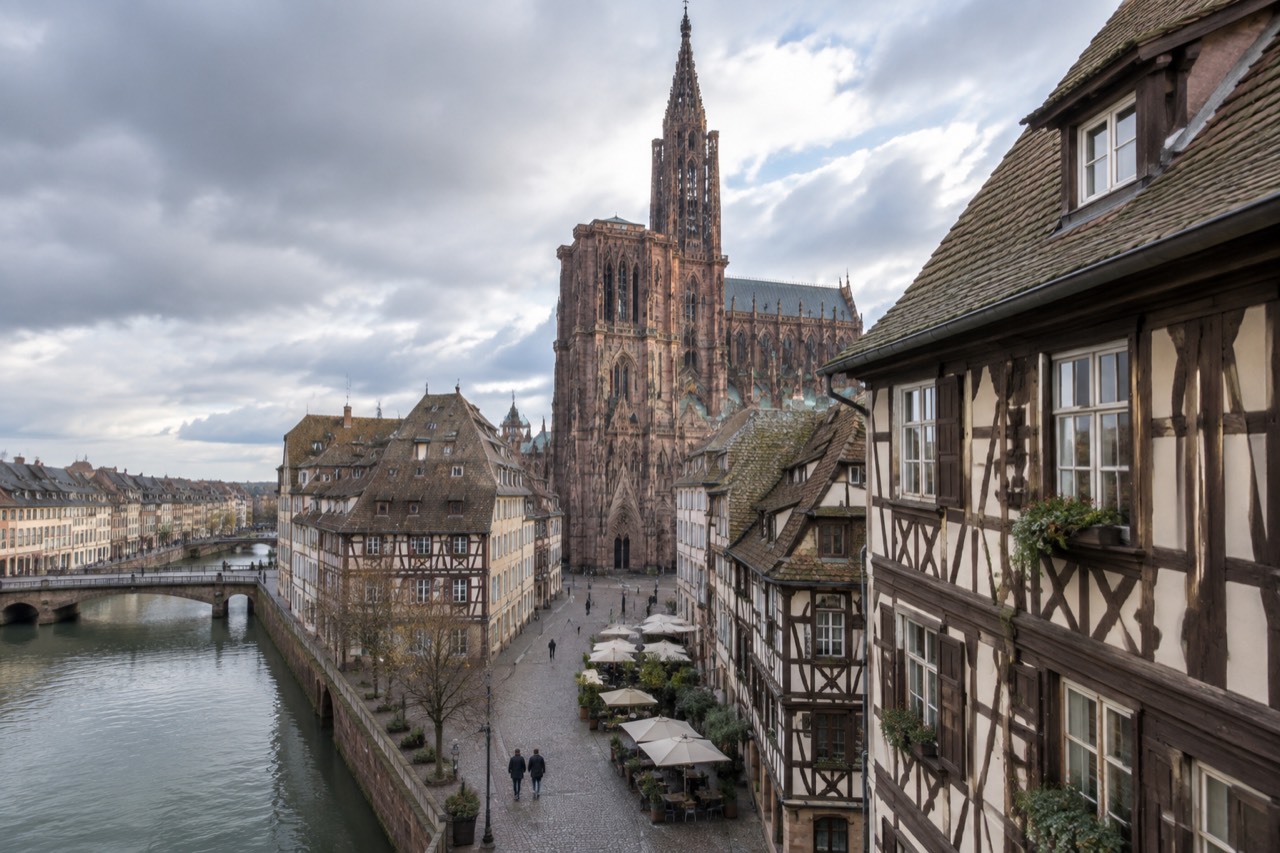
Strasbourg, in Alsace, north-eastern France, is a city where eating well is not a visitor activity but a local habit. The commune counted 293,771 residents in the INSEE 2023 figures, and those residents do not queue for tables on the cathedral square. They eat in winstubs, the wood-panelled Alsatian taverns that serve choucroute and tarte flambée, in the market halls on Saturday morning, and in the neighbourhood restaurants of the Krutenau and the Gare district, streets away from the souvenir shops.
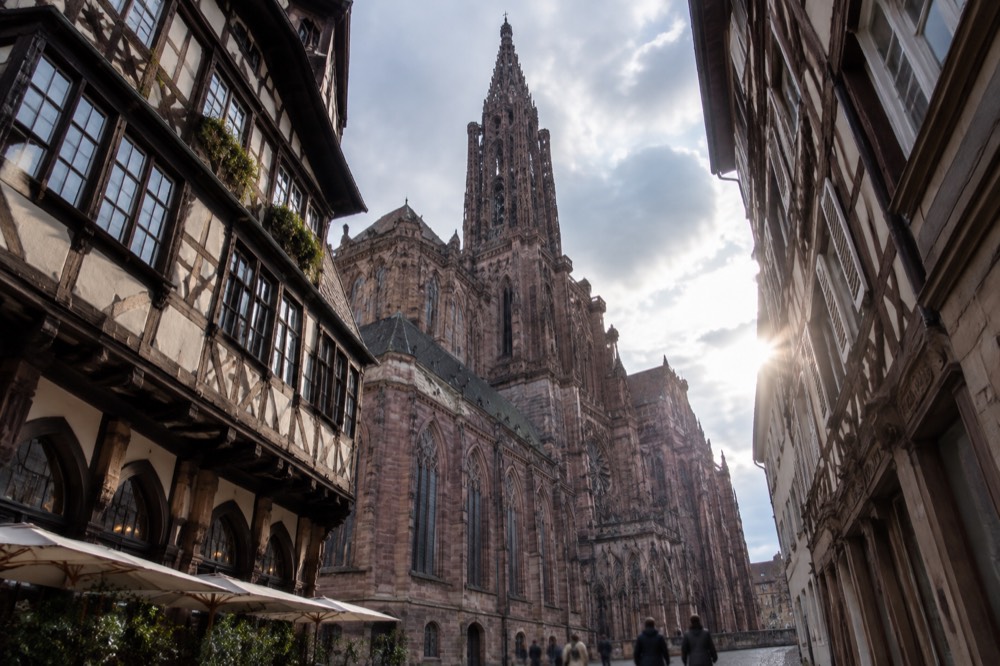
Where Do Locals Eat In Strasbourg?
Locals in Strasbourg eat in winstubs, the traditional Alsatian taverns serving choucroute, baeckeoffe and tarte flambée, and in the neighbourhood restaurants of the Krutenau and Gare districts rather than the tourist rows around the cathedral. Saturday means the markets, where people shop for the week and eat standing up. The short version: leave Place Kléber behind and walk ten minutes in almost any direction.
Want someone to walk you to these neighbourhood tables? Book a food tour here.
The word winstub means "wine room", and it names the institution at the centre of eating out in this city. A winstub has wooden benches, paper tablecloths, a chalkboard of the day's dishes, and a menu built on Alsatian classics: choucroute garnie, baeckeoffe (a three-meat casserie baked overnight), tarte flambée (the thin dough tart the locals call flammekueche), and kougelhopf for the cheese course. Reservations are normal at weekends, because the tables fill with families, not tour groups.
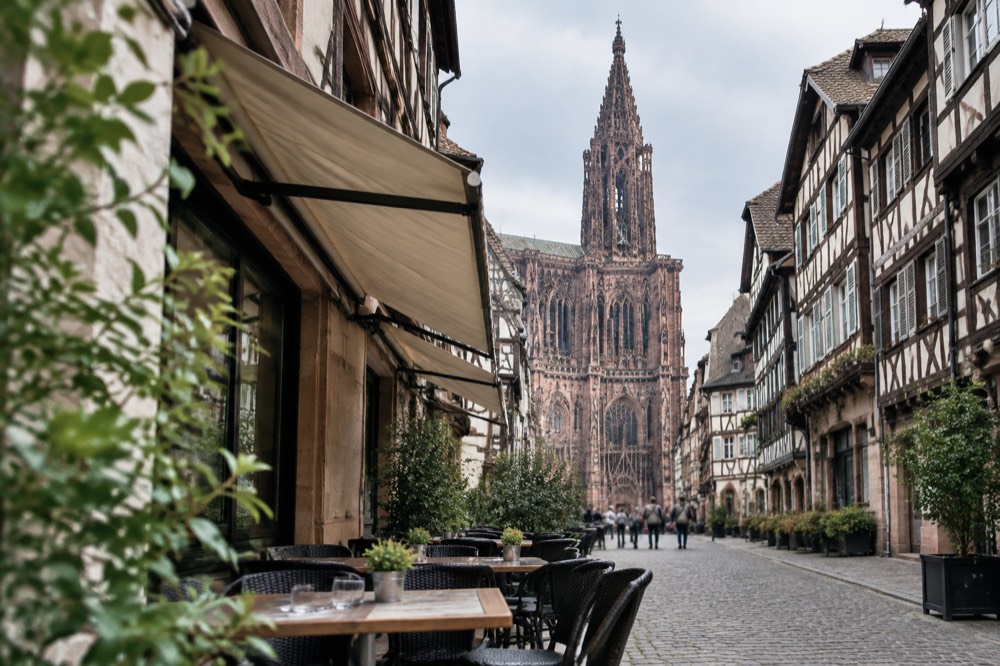
What separates a local table from a visitor trap is usually the menu. Places aimed at visitors put photos of the dishes outside and take cards without blinking. Places aimed at residents print the day's specials on a slate, change them with the season, and may close for a week in summer because the owner is on holiday, which happens. The tourist rows cluster between the cathedral and Petite France; the local ones sit a tram stop or a short walk beyond them.
The city itself explains the food. Strasbourg sits on the River Ill beside the Rhine, with Germany on the far bank at Kehl, and the cooking carries both countries in it. Pork, cabbage, cream and riesling are the pillars, and the dining culture is closer to a German tavern's than a Parisian bistro's: generous plates, early sittings, wine by the carafe. If you have ever wondered why the city feels the way it does, the answer runs through that border history, which is covered in full in why Strasbourg is so famous and in is Strasbourg more German or French.
Which Neighbourhoods Have The Local Tables?
The Krutenau, just south of Petite France, is where students and residents eat, with small restaurants and wine bars along its lanes. The Gare district around the station has the late-night and shift-worker tables, and Neustadt holds the neighbourhood brasseries of the German-era quarter. All three are walkable or one short tram ride from the centre.
The Krutenau is the easiest win. It borders Petite France, so a visitor can walk there in a few minutes, yet it keeps a resident character because the university sits at its edge. The lanes off the quays hold small kitchens, natural-wine bars and contemporary restaurants alongside the older winstubs. A meal here costs what residents pay, not what the cathedral square charges.
The Gare district is less pretty and more useful. Around Strasbourg's station you find the brasseries that open early and close late, the kebab counters, and the plain, busy dining rooms where people eat before or after a train. Neustadt, the imperial quarter around Place de la République, has its own set of neighbourhood brasseries, grander rooms with regulars who have held the same table for years.
None of this requires a car or even much planning. The city is compact and flat, and the tram network stitches the quarters together, with a single CTS ticket at 1.90 EUR from the app or contactless, 2.50 EUR bought on board the bus, and a 24h Solo day pass at 4.60 EUR. The question of whether you even need that pass is answered in is Strasbourg a walkable city, and for most of the eating in this article the honest answer is that your own feet will do.
| Neighbourhood | What you find | Who eats there | When to go |
|---|---|---|---|
| Krutenau | Small kitchens, wine bars, student tables | Students, young residents | Evening, all week |
| Gare district | Brasseries, late counters, quick meals | Commuters, shift workers | Early or late |
| Neustadt | Grand neighbourhood brasseries | Families, older regulars | Lunch and Sunday |
| Petite France | Winstubs, some resident, some visitor-facing | Mix of locals and tourists | Midday, off-peak |
| Around Place Kléber | Highest concentration of visitor-facing rooms | Shoppers, visitors | Avoid at peak hours |
What Do Locals Actually Order?
The standing orders are tarte flambée with a glass of local white wine, choucroute garnie in winter, baeckeoffe as the slow-cooked weekend dish, and kougelhopf, the Alsatian ring-shaped cake, at breakfast or the cheese course. Riesling and other Alsace whites are the everyday pour, and crémant d'Alsace is the local answer to champagne.
Tarte flambée is the default. It arrives as a thin rectangle of dough with fromage blanc, onions and lardons, and a table of four orders several and shares. Choucroute is the winter plate, a heap of fermented cabbage with sausages and pork, and it belongs to the season, not the tourist menu. Baeckeoffe takes a day to make, which is why it appears on weekend slates rather than daily ones.
Wine matters as much as food. Alsace grows riesling, gewurztraminer, pinot gris and sylvaner, and a winstub pours them by the glass or the carafe. Crémant d'Alsace, the region's traditional-method sparkling wine, is what gets opened at local celebrations. The question of whether crémant stands beside champagne is one residents have opinions on, and there is a full answer in is crémant as good as champagne. Beer has its own scene too, with Alsatian breweries and a growing craft presence.
Portion size is part of the culture and worth knowing before you order. A choucroute garnie is built for a hungry adult and is not a light lunch. A tarte flambée, by contrast, is light enough that ordering two between two people is normal. Service follows the French rhythm: the main course arrives after the starter, nobody hurries you, and the cheese course comes before dessert if you take it. Locals treat the meal as the evening's plan, not a refuelling stop before one.
How Do You Spot A Real Winstub?
A real winstub has a short chalkboard menu, no photos of dishes outside, tables packed close together, and a wine list built on Alsace labels. It fills with people speaking French and Alsatian, it may ask you to book for the weekend, and it serves the classics rather than an international menu. If the room is half empty at eight in the evening in December, that tells you something.
The chalkboard is the strongest signal. A kitchen that changes its dishes daily is cooking for regulars, not for a passing crowd. Photos of food on a street-facing board are the opposite signal. Table density matters too: winstubs are small by tradition, and a room with generous spacing has been rearranged for turnover rather than conviviality.
Timing tells you a lot. Strasbourg residents eat dinner earlier than Parisians, so a winstub that is full by half past seven is feeding locals. Sunday lunch is the family slot and needs a reservation. The week between Christmas and New Year pushes even resident favourites into visitor hands, so the market season rewards booking ahead or walking a street further out. The market itself, which last year ran 26 November to 24 December 2025, drew 3.05 million visitors, and the dining rooms near it feel every one of them.
The street-art walk makes a good appetiser for this kind of exploring, since it crosses the Krutenau and the old-town lanes where these kitchens hide. Check availability on the operator's live listing.
What About Markets And Casual Eating?
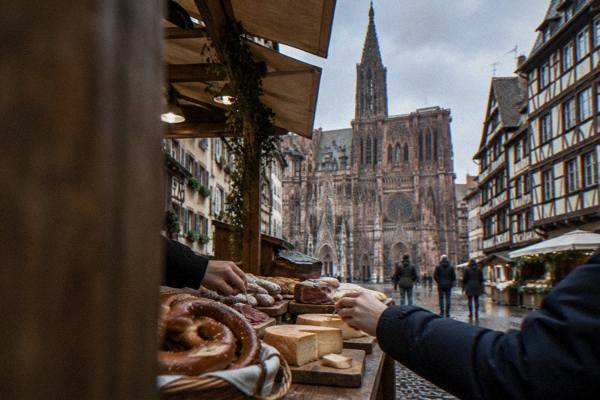
Locals shop and graze at the city's markets, above all the Saturday food markets, where cheese, bread and charcuterie stalls double as standing lunch counters. Bakeries and the traiteurs, the cooked-food shops, supply the everyday meals, and a tarte flambée eaten at a market table is as local as Strasbourg eating gets.
The weekly market is the city's real food hall. Stalls sell Alsatian cheese, Munster among them, bread, charcuterie, and seasonal produce, and the cheese or charcuterie seller will often make you a sandwich on the spot. This is where residents do the shopping that becomes the week's dinners. Go early, before the crowds, and take a bag rather than a plan.
Casual eating also runs through the traiteur, a shop selling ready-cooked Alsatian dishes by weight, which is how plenty of residents actually eat choucroute on a Tuesday. Bakeries sell kougelhopf, bredele at Christmas, and the everyday viennoiserie. A midweek dinner for many people here is bread, cheese, charcuterie and a bottle of riesling at home, and the shops that supply it are as much a part of the food culture as any restaurant.
When Is The Worst Time To Try These Tables?
The last week of November to 24 December is the hardest window, because the Christmas market fills the old town and the winstubs near it with visitors. Weekends year round need booking, Sunday lunch above all. The easiest tables are midweek evenings in the Krutenau and the Gare district, and weekday lunches, when restaurants serve the fixed-price menus aimed at office workers.
The Christmas season deserves a warning of its own. Last year's edition ran 26 November to 24 December 2025 and drew 3.05 million visitors, and the city's dining capacity does not quietly expand to match. Resident favourites within a few streets of the market get booked out or given over to set menus, and the advice locals give each other is to book. The 2026 dates are still being finalised on the city's Christmas site, so check there before planning a December trip around them.
Outside that month, the rhythm is steadier. Weekday lunch is the best value sitting in the city, because restaurants run a midday menu for people who work in the centre. Saturday is market day and the winstubs fill from midday. Sunday belongs to the family lunch, a long, slow affair that can run from noon until the middle of the afternoon. If you are working out how much city to fit around all this eating, how many days in Strasbourg is enough has the answer, and the common mistakes visitors make around the old town are listed in what to avoid in Strasbourg.
The walk itself is worth the hour and a half before dinner: the murals sit in the same lanes as the kitchens, and a guide who works those streets daily knows which chalkboards change and which do not. It is the kind of orientation that turns a list of restaurant names into an evening you would happily repeat.
Common Questions About Where Locals Eat In Strasbourg
Where do locals eat in Strasbourg?
In winstubs and neighbourhood restaurants, mainly in the Krutenau, the Gare district and Neustadt, rather than the streets immediately around the cathedral. Saturday markets and traiteurs supply the everyday meals. A good rule is to walk ten minutes beyond Place Kléber in any direction.
What is a winstub?
A traditional Alsatian wine tavern serving choucroute, baeckeoffe, tarte flambée and kougelhopf, with a short chalkboard menu and local wines by the glass or carafe. The word means "wine room", and the format is the backbone of eating out in Strasbourg.
Do Strasbourg locals eat tarte flambée?
Constantly. It is the everyday dish, ordered several at a time and shared, usually with a glass of Alsace white wine. Visitors sometimes meet it as "flammekueche", which is the same thing under its Alsatian name.
Is Petite France full of tourist restaurants?
Partly. Petite France has genuine winstubs alongside rooms aimed squarely at visitors, so the chalkboard test still applies there. The Krutenau, one lane south, keeps a more resident character while staying within a short walk.
What wine do locals drink in Strasbourg?
Alsace whites above all: riesling, gewurztraminer, pinot gris and sylvaner, poured by the glass in winstubs. Crémant d'Alsace is the local sparkling wine for celebrations, and Alsatian beer has a growing craft scene of its own.
Eating where locals eat in Strasbourg comes down to one habit: cross out of the cathedral's shadow, read the chalkboard, and book the weekend table. The Strasbourg Travel Guide covers the dishes, the markets and the neighbourhoods behind every table worth holding.