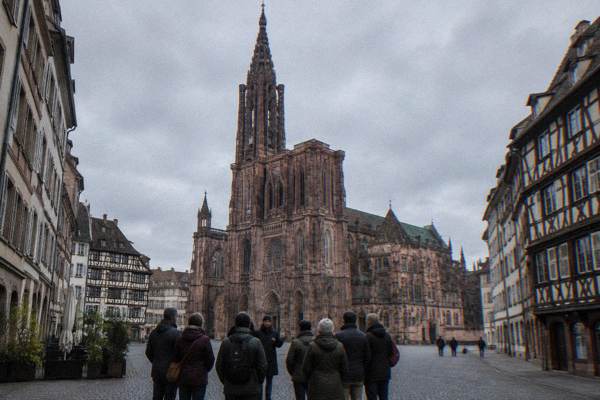
Musee Zoologique Strasbourg
The Musée Zoologique in Strasbourg, north-eastern France, is the city's natural history collection: a museum of preserved animals, skeletons and naturalist science that makes an unusual change from the cathedral and the half-timbered lanes. This guide covers what to expect, how to get there, what to check before you go, and how to build a day around it.
Short answer
The Musée Zoologique is Strasbourg's natural history museum, holding preserved animal specimens and scientific collections rather than art or history displays. A single CTS tram ticket costs 1.90 EUR from the app or contactless, or 2.50 EUR bought on board, and a 24-hour Solo pass is 4.60 EUR. Confirm opening hours and admission on the museum's own page before you travel.
The Musée Zoologique in Strasbourg, in the Alsace region of north-eastern France, is the city's museum of natural history: a place built around preserved animals, comparative anatomy and the working collections of naturalists, rather than around paintings or Alsatian folklore. Where the cathedral and Petite France give visitors the medieval city, the Musée Zoologique belongs to the scientific, university-side of Strasbourg, a city that also hosts the European Parliament and a large student population. For travellers who have already seen the headline sights, or for families with children who have had their fill of churches, it offers a completely different register of visit: quiet galleries, glass cases, and the slightly solemn atmosphere that only a good natural history museum can produce.
This guide keeps to what can be stated plainly. Opening hours, admission prices and any temporary closures for the Musée Zoologique are published on the museum's own page and should be checked there before a visit, because museum schedules in Strasbourg shift with school holidays, public holidays and collection maintenance. What follows is the planning layer: what the museum is, how the transport fares work, how it compares with the city's other museums, and how to fold it into a satisfying day.
What Is The Musée Zoologique Strasbourg?
The Musée Zoologique is Strasbourg's natural history museum, a scientific institution displaying preserved animal specimens, skeletons and naturalist collections, and it stands apart from the city's art and heritage museums in both subject and mood, belonging to the same family of institutions as the great natural history museums of Europe rather than to the Palais Rohan group of art collections. Where MAMCS shows modern art and the Musée Historique tells the city's story, the Musée Zoologique is about the animal kingdom: taxonomy, anatomy and the diversity of species, presented in the traditional cabinet style that natural history museums have used for well over a century.
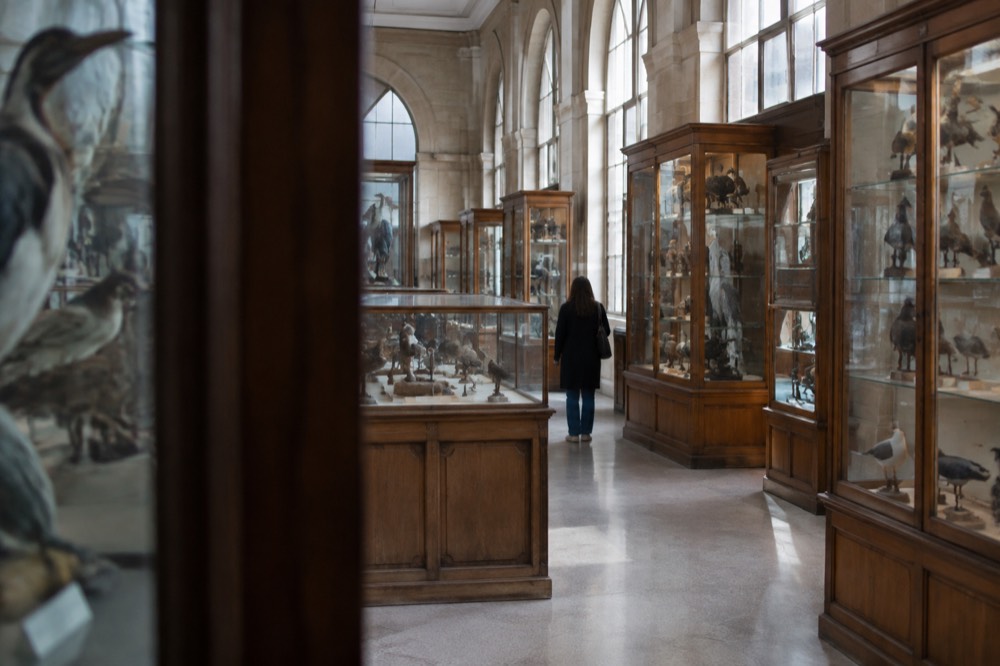
Zoological museums of this kind grew out of university science. They were built as research collections first and public displays second, which explains their character: rows of mounted birds, cases of insects, large skeletons, and labels written with the seriousness of a working laboratory. Strasbourg's museum follows that pattern. The pleasure of the visit is not interactive in the way a science centre is; it is closer to reading a very large, very beautiful book. Visitors who enjoy that slow, cataloguing kind of looking tend to stay far longer than they expected, and visitors hoping for buttons to press tend to leave quickly, so it is worth knowing which kind of traveller you are before committing an afternoon.
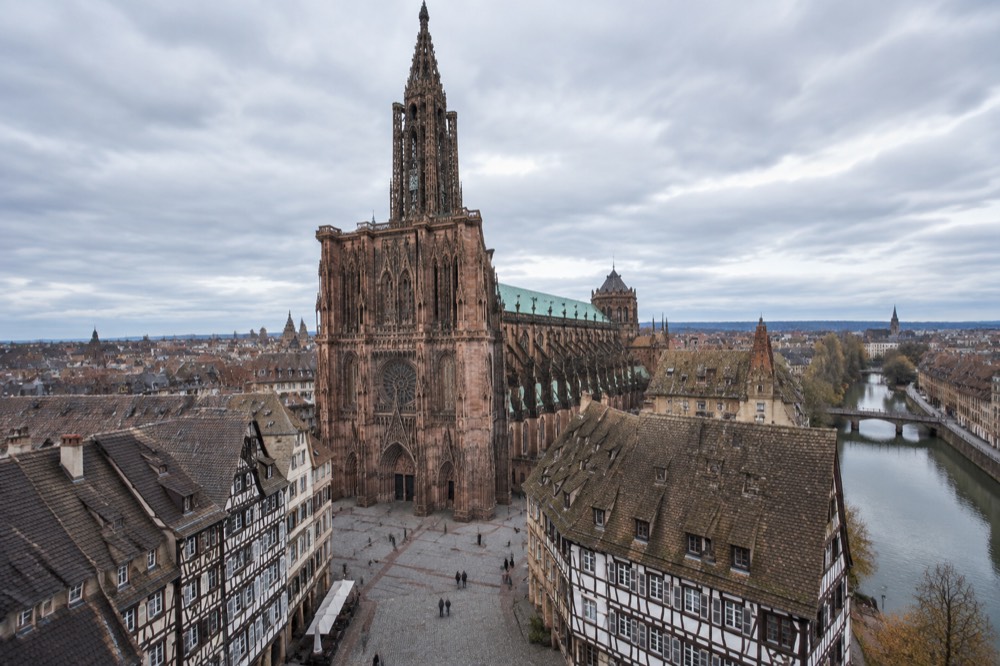
The museum also makes a useful contrast with the rest of a Strasbourg itinerary. The city's core, the Grande Île, is a World Heritage property of medieval and Renaissance streets, and after a few hours of half-timbered façades and cathedral stone, a hall of glass specimen cases can feel refreshingly strange. That contrast is the museum's real value for a tourist. It is not on the standard first-day route, and that is precisely why it rewards the traveller who has a little more time.
One practical note shapes everything else on this page: the details that change, change. Hours, admission and closures are published on the museum's own page, and a two-minute check before leaving the hotel saves a wasted tram ride.
How To Get To The Musée Zoologique Strasbourg
Strasbourg's CTS network runs trams and buses across the whole city, a single ticket costs 1.90 EUR bought through the CTS app, a Badgéo card or contactless payment, or 2.50 EUR bought on board a bus, and a 24-hour Solo pass costs 4.60 EUR, so reaching the museum is a cheap, short ride rather than an expedition. The city centre is compact and the museum sits within the area the network covers comfortably. There is no need for a car in Strasbourg's centre, and parking is tighter and dearer than the tram in any case.
The fare structure is simple enough to set out in a table. The prices below are the CTS occasional-ticket fares; the airport shuttle combined ticket is included because some visitors arrive at Entzheim and head straight into town.
| Ticket | Price | Where to buy | Notes |
|---|---|---|---|
| Single ticket | 1.90 EUR | Badgéo card, CTS app, contactless | Cheapest single option |
| Single ticket on board | 2.50 EUR | From the bus driver | Bus only, dearer than the app |
| 24-hour Solo pass | 4.60 EUR | CTS app, ticket machines | Unlimited travel for one person |
| 24-hour Trio pass | 10.20 EUR | CTS app, ticket machines | Covers 2 to 3 travelling together |
| Airport combined ticket | 4.60 EUR | Airport and station machines | Train shuttle plus 24-hour network travel |
Two planning points follow from that table. First, if you expect to make three or more journeys in a day, including the round trip to the museum, the 24-hour Solo pass at 4.60 EUR pays for itself quickly; a couple or family of three does better still on the Trio at 10.20 EUR. Second, avoid buying singles on board a bus: the 2.50 EUR on-board price is the dearest way to ride, and the app or contactless takes seconds.
The tram network is frequent and easy to read, with lines radiating from the centre. Check the CTS site for the stop nearest the museum on the day you travel, since works and seasonal adjustments can shift services. In summer 2026, tram works near Gare Centrale disrupted several lines between June and August; those works have ended, but it is always worth a glance at the CTS page before a journey that matters.
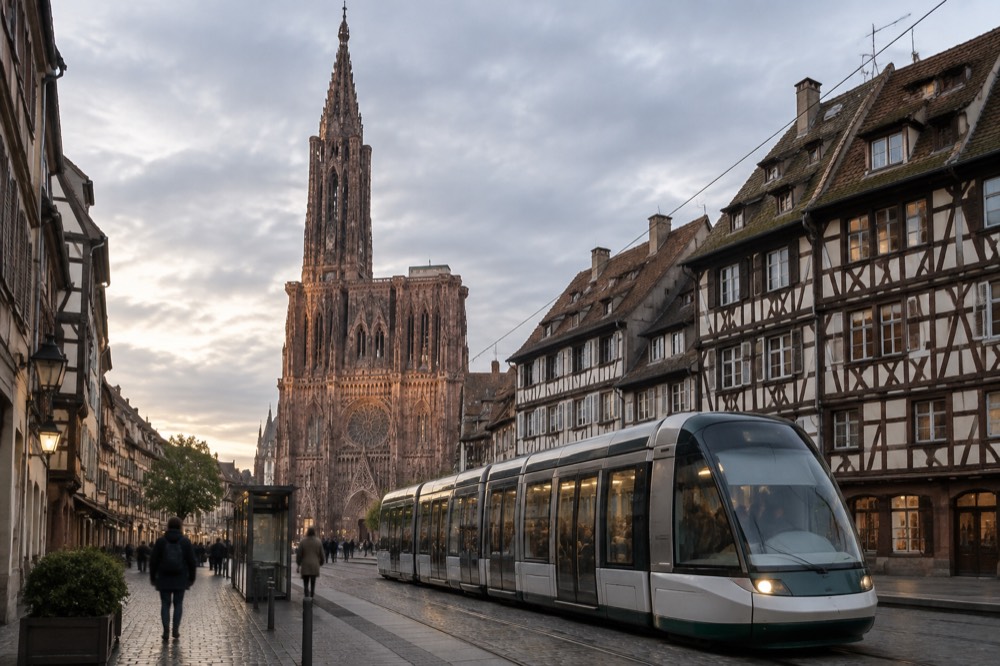
For visitors walking in from the centre, the museum pairs naturally with a stroll, and Strasbourg is a genuinely walkable city once you are inside the central loop. The river Ill, the Ponts Couverts and the Barrage Vauban terrace all sit in the same broad riverside landscape, and a walking route that takes in the water before the museum cases makes a well-shaped morning. The Barrage Vauban terrace keeps seasonal hours, 08:00-19:00 from September into October and shorter afternoon hours from November to February, so time the viewpoint before the museum if you are doing both.
What Will You See Inside The Musée Zoologique?
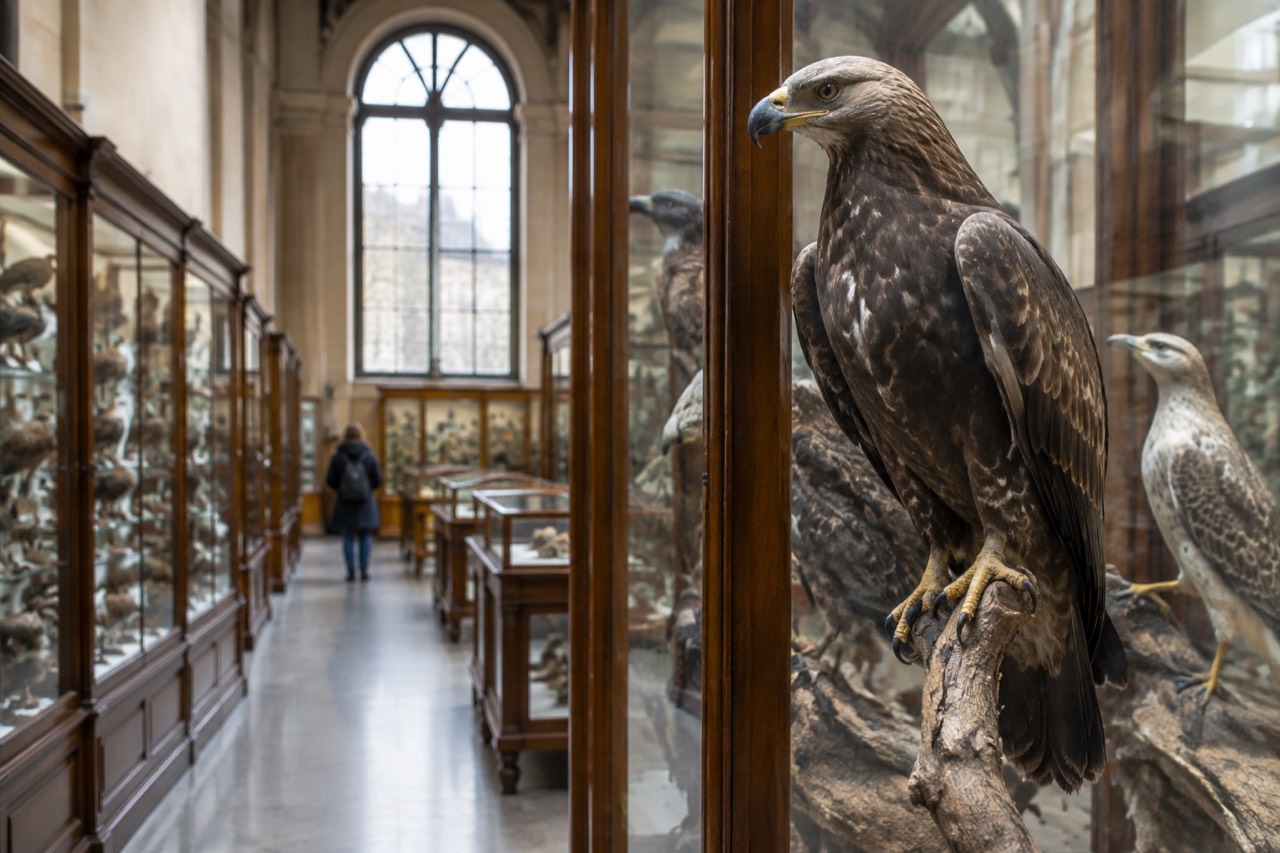
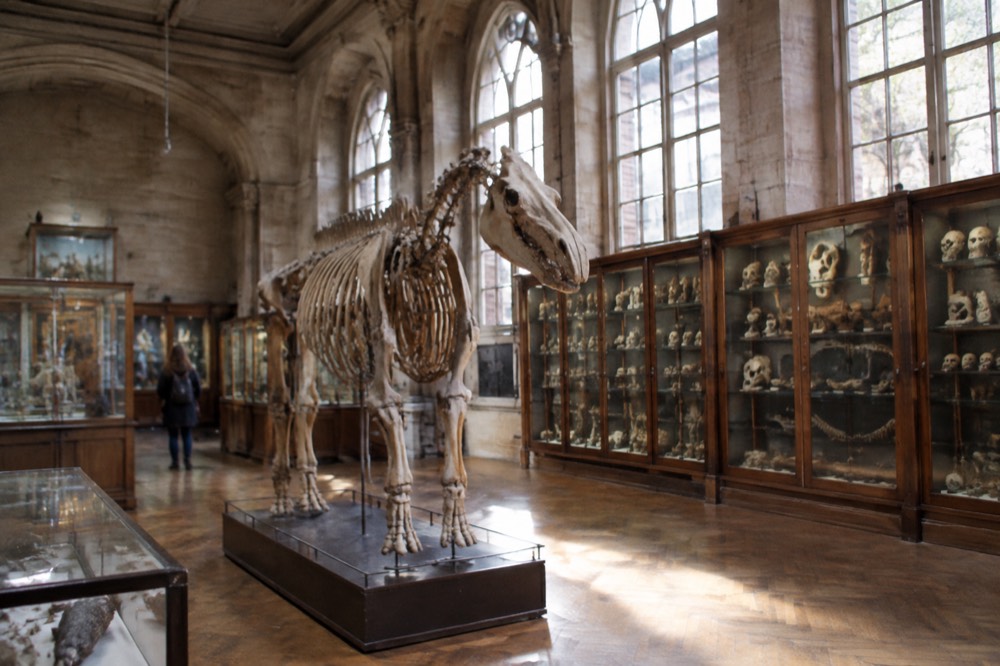
Inside, the Musée Zoologique shows the classic furniture of a European natural history collection: mounted mammals and birds in rows, entomology cases of pinned insects, shells, comparative skeletons and anatomical preparations, displayed in the cabinet tradition rather than as immersive scenography. The organising idea is the naturalist's: specimens grouped by group and species, labelled, and arranged so that the diversity of animal life can be read across a gallery. That is a different contract with the visitor than a zoo offers. Nothing moves, nothing is fed, and nothing is behind bars; the interest is in the sheer breadth of what has been collected and preserved.
The strength of this kind of display is concentration. In a single hall you can compare forms that would never share a continent in life: a large European mammal beside tropical birds beside marine shells. Comparative anatomy, the rows of skeletons showing the same bones rearranged across species, is the part that tends to grip younger visitors most, because it reads like a puzzle rather than a lecture. Photography is generally welcome in museums of this type, but flash and tripods are usually restricted near light-sensitive specimens; check the house rules at the desk when you arrive.
The weakness, honestly stated, is interpretation. Traditional zoological museums were assembled for an audience that already cared, and labels can be terse or technical. Go with curiosity rather than with the expectation of a guided narrative, and the visit lands better. Reading a little about the idea of a natural history collection before arriving, even ten minutes, transforms the cases from "stuffed animals in a room" into the record of two centuries of scientific effort, which is what they are.
A reasonable visit length is between one and two hours, longer for natural history enthusiasts or for children who stop at every case. That makes the museum an easy middle section of a day: cathedral or riverside walk in the morning, museum after lunch, and a food stop or evening walk afterwards. It is not a half-day attraction, and it does not need to be.
How Much Does The Musée Zoologique Cost To Visit?
Admission to the Musée Zoologique should be confirmed on the museum's own page. The distinction matters. Strasbourg's museum landscape has two layers: the municipal museums, whose fares are published together on the museums' shared page, and institutions like the zoological museum whose own terms are set out separately. The table below therefore quotes the verified municipal fares for the museums they belong to, and sends you to the official page for the zoological museum's own admission.
| Museum | Type | Full ticket | Reduced | Notes |
|---|---|---|---|---|
| Musée Zoologique | Natural history | On the museum's page | On the museum's page | Confirm hours and fares before visiting |
| Musée des Beaux-Arts | Fine art | 9 EUR | 5 EUR | Municipal, Palais Rohan |
| MAMCS | Modern art | 9 EUR | 5 EUR | Municipal |
| Musée de l'Œuvre Notre-Dame | Medieval art | 9 EUR | 5 EUR | Municipal, near the cathedral |
| Musée Historique | City history | 9 EUR | 5 EUR | Municipal |
| Musée Alsacien | Folklore | Closed | Closed | Closed for works until 2028 |
| Pass Musées, 1 day | Multiple museums | 20 EUR | See the museums page | Covers the municipal museums |
Two structural facts are worth carrying. First, the Musée Alsacien is closed for works until 2028, so it should not appear in any plan, including one that pairs museums in a single day. Second, every municipal museum is free on the first Sunday of the month, which makes a Sunday visit to the Palais Rohan museums a genuine bargain for travellers on a longer stay. The Strasbourg City Card, 5 EUR for an adult and 3.50 EUR for a child aged 3 to 17 and valid for 7 days, is a discount card rather than an all-inclusive pass: it takes money off museums, the cathedral platform, the astronomical clock and the boat trips, and it can pay for itself across a busy week.
For the zoological museum specifically, the honest advice is to check the museum's page on the morning of your visit. Museums of this type sometimes close galleries for collection work with little notice, and a family that has planned an afternoon around a closed hall has a worse day than one that checked. If the museum's hours do not suit, the fallback options in the table above are all central and all walkable from the Grande Île.
What Else Can You Pair With The Musée Zoologique?
The best pairings are the Musée Historique for city history, the Musée de l'Œuvre Notre-Dame for medieval sculpture beside the cathedral, MAMCS for modern art, and the Palais Rohan museums for a grand afternoon of painting, with the Tomi Ungerer Museum as a smaller, sharper option for illustration lovers. All of these sit in or near the centre, and each changes the flavour of the day: science in the morning, art after lunch is a classic Strasbourg combination. The pairing table below is qualitative on purpose, because the pleasure of these combinations is in the contrast, not in the figures.
| Pairing | What it offers | Who it suits |
|---|---|---|
| Musée Historique | The city's own story, arms to modern times | Visitors who want context for everything else |
| Musée de l'Œuvre Notre-Dame | Medieval sculpture and cathedral workshops | Travellers pairing museums with the cathedral |
| MAMCS | Modern and contemporary art | Repeat visitors, art-led travellers |
| Palais Rohan museums | Decorative arts and fine art in one palace | Anyone wanting a grand, slow afternoon |
| Tomi Ungerer Museum | Illustration and graphic work | Families with drawing-mad children |
| Parc de l'Orangerie | Lawns, trees and open air after the cases | Families needing to run off the museum |
A day built this way has a natural rhythm. Morning at the zoological museum while attention is fresh, lunch in a winstub, then one art museum rather than three, then the Parc de l'Orangerie or a riverside walk to finish. Children in particular do better with one museum and one park than with two museums, and the Orangerie's open lawns are the antidote to an hour of standing in galleries.
For travellers who prefer a guide to a self-guided museum afternoon, a hidden-stories walking tour of the historic centre slots neatly into the same day: the museum occupies the quiet hours, and a guided walk re-anchors the visit in the streets. The operator's live listing carries the current departure details and terms.
To re-anchor the day in the streets with a guide, book a free walking tour here.
The Musée Historique deserves a special word for visitors who enjoy the zoological museum's old-fashioned seriousness. It is the same kind of institution, a collection arranged to explain rather than to dazzle, and the two museums make a well-matched pair for a traveller who likes display cases and long labels. Anyone planning a fuller museums-and-sights programme will find more ideas on Strasbourg Travel Guide, including the cathedral's own hours and the astronomical clock show at 12:30, ticket 4 EUR, bought on the day only.
When Is The Best Time To Visit The Musée Zoologique?
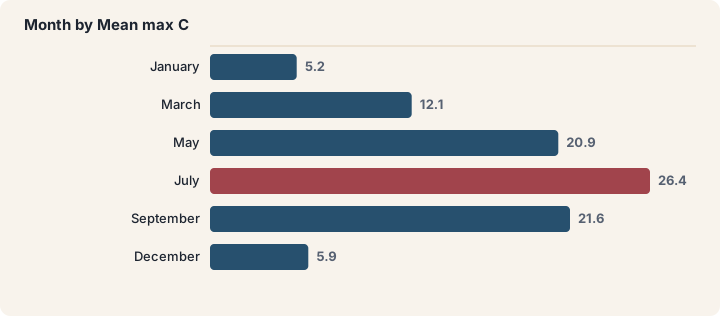
Any month works, because the museum is indoors, but the climate is semi-continental with cold winters and warm summers, Meteo-France 1991-2020 normals for Strasbourg-Entzheim showing mean daily maxima from 5.2 C in January to 26.4 C in July, so the museum earns its place in the plan most in December, January and on wet summer afternoons. Strasbourg is not a Mediterranean city: rain falls on 112.3 days of 1 mm or more across an average year, totalling 635.7 mm, and the wettest months by rainfall are May at 77.2 mm and July at 71.9 mm. An indoor museum is the correct answer to a wet afternoon in any season.
| Month | Mean max C | Mean min C | Rain days 1 mm or more |
|---|---|---|---|
| January | 5.2 | -0.2 | 9.1 |
| March | 12.1 | 2.6 | 8.5 |
| May | 20.9 | 10.1 | 10.8 |
| July | 26.4 | 14.9 | 10.4 |
| September | 21.6 | 10.7 | 8.0 |
| December | 5.9 | 0.8 | 10.2 |
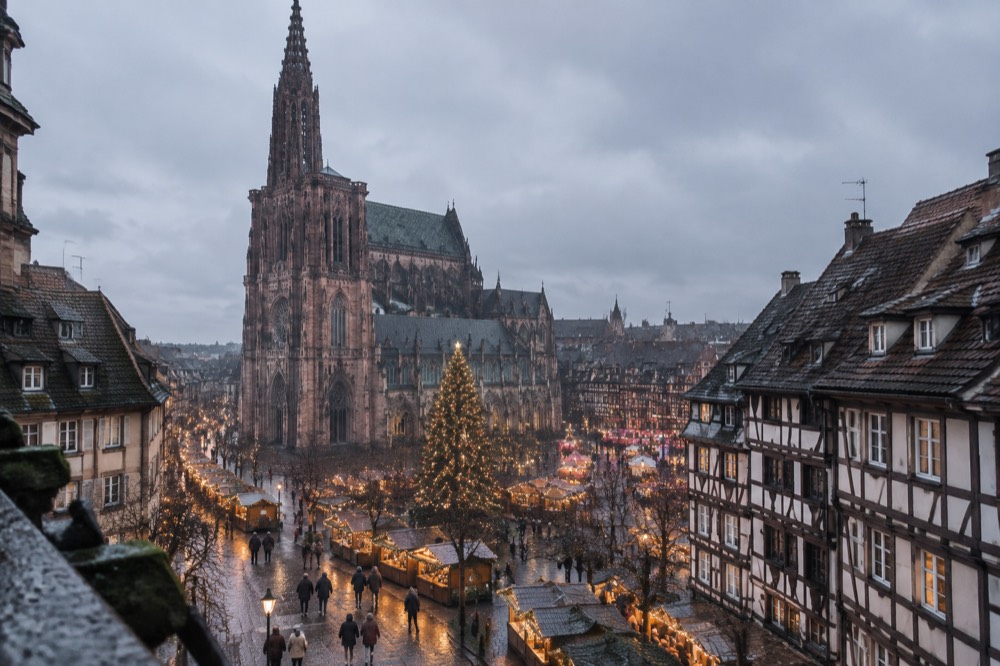
December deserves its own paragraph, because Strasbourg's Christmas market reshapes the whole city. The market typically opens in the last week of November and runs to 24 December; last year's edition ran 26 November to 24 December 2025 and drew 3.05 million visitors, with the 24 December close coming early in the evening. The city posts each edition's dates on its Christmas site, so confirm them there. In that season the centre is full and the evenings are cold, which makes a daytime museum visit an excellent way to space out the chalets: cases in the afternoon, market after dark, and the cathedral's astronomical clock show at 12:30 as the hinge between them.
Is The Musée Zoologique Good For Families With Children?
Yes, with the right framing: children who enjoy animals, skeletons and the natural world take to a zoological museum immediately, while children who need interactive exhibits to stay engaged will find it quieter than a science centre, so the visit works best when an adult is ready to talk through the cases together. The museum's material is inherently child-friendly in subject, animals are the single most reliable interest in childhood, but the presentation is the traditional one, and the difference matters. A parent who treats the gallery as a shared game, finding the biggest skull, counting the species in one case, guessing which continent each animal came from, gets a delighted child. A parent who treats it as a quiet hour off gets a bored one.
| Consideration | What to expect | What to check |
|---|---|---|
| Interest level | Animal displays appeal to a wide age range | Your child's tolerance for reading labels |
| Visit length | One to two hours suits most families | The museum's own page for any closed galleries |
| Stopping points | Benches and quiet corners in gallery halls | Facilities on the museum's page before you go |
| Follow-up | The Orangerie park for running off energy | Weather, since the park needs dry ground |
| Alternative | A food tour with tastings for older children | Age minimums on the operator's listing |
For families combining the museum with a bigger day, the Petite France quarter and the riverside walk to the Ponts Couverts give the outdoor half of the itinerary, and the covered bridges sit beside the Barrage Vauban terrace viewpoint. The sequence museum, lunch, riverside, park is hard to beat for a family day that ends with everyone still speaking to each other.
Older children and teenagers with an appetite for the city's food culture can be tempted instead by a guided gourmet walk with tastings, which turns the afternoon into an edible tour of Alsatian specialities. Tasting stops and route details are on the operator's live listing.
Whatever the age group, the honest planning rule is the same: one museum, one outdoor stretch, one meal, and no more. Strasbourg rewards slow days, and the zoological museum is exactly the right size for the indoor slot of one.
Which Guided Tours Work Well Alongside A Museum Visit?
The best companions to a museum morning are a street-art walking tour for a creative counterpoint, a guided bike tour for covering ground afterwards, and a short guided walk of the historic centre if the museum is your first day in the city, with each tour's price, rating and duration shown on its live listing rather than fixed here. The logic is simple: the museum is quiet, static and label-heavy, so the ideal follow-up is mobile, guided and outdoors. Strasbourg's tour roster covers that combination well.
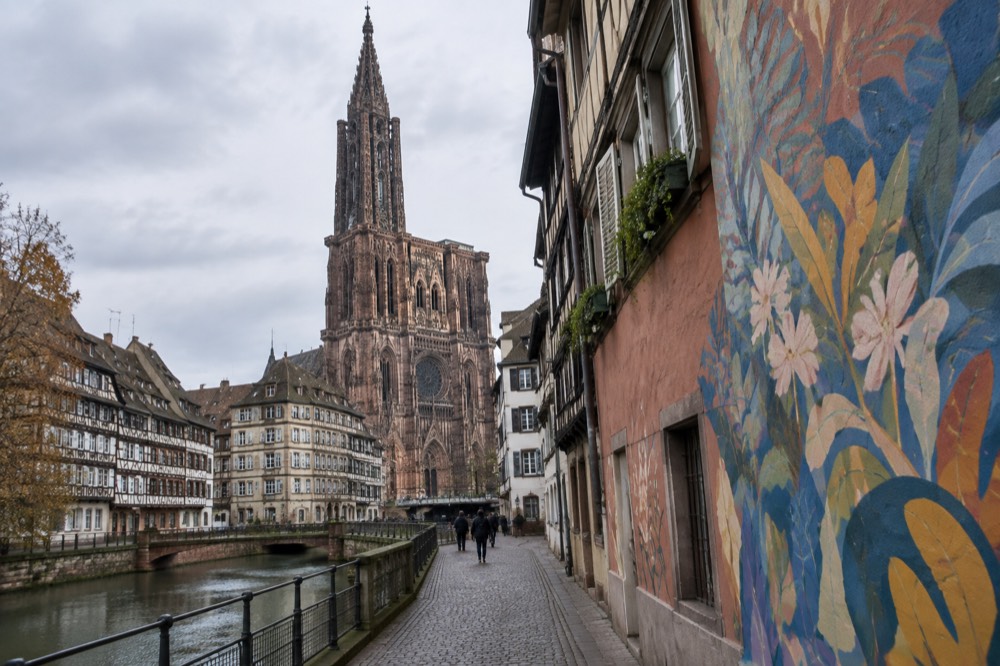
The street-art tour is the most interesting pairing of all. A morning among preserved specimens and an afternoon among painted walls are two versions of the same pleasure, close looking at things that reward attention, and the tour's route through the Krutenau and the city's painted corners gives the day a second, colour-saturated half. Check availability through the operator's listing, where the current price, meeting point and cancellation terms are set out.
A guided bike tour suits the traveller who wants the outdoor half of the day to cover real distance. Strasbourg is flat, cycle-friendly and threaded with riverside paths, and a guided ride after a museum morning balances the stillness nicely. The operator's listing carries the bike-inclusion details and the current schedule.
For evening, two calmer options finish the day well. A wine tasting of Alsatian varieties makes a quiet, seated close to an active afternoon, and a craft beer tasting held before the taproom opens to the public gives the day an unusual behind-the-scenes edge. Both are short experiences, both sit comfortably after a full day of walking, and both list their current details on the operator's pages.
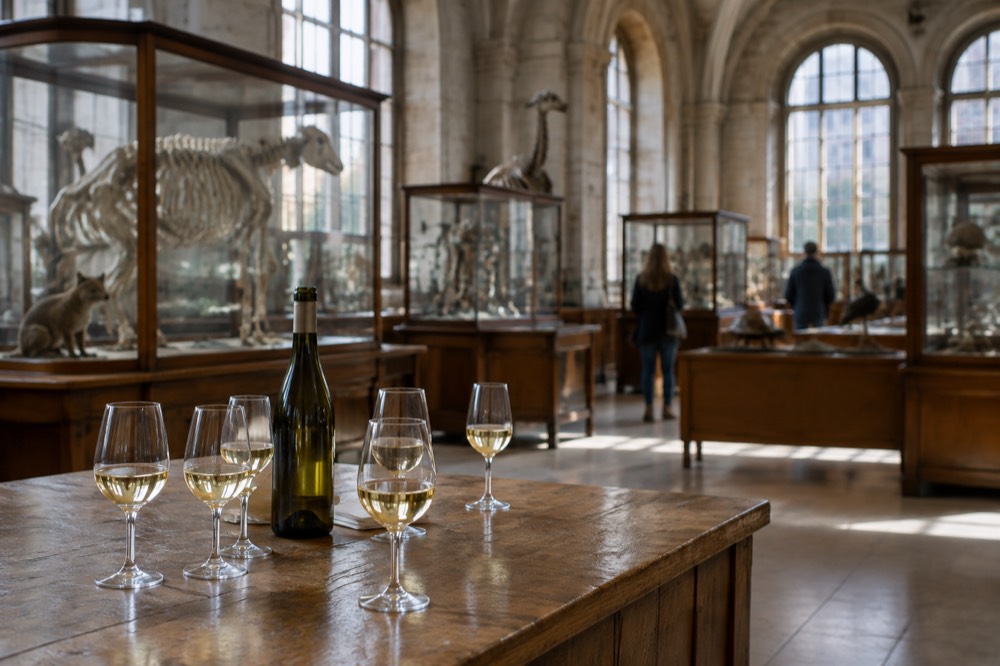
The overall shape of the ideal museum day, then: tram in on a 4.60 EUR day pass, zoological museum in the late morning, lunch in a winstub, one art museum or the Orangerie in the afternoon, a guided walk, ride or tasting to finish, and the cathedral's clock show at 12:30 if the timing lines up. It is a full day that never feels rushed, and it shows a side of Strasbourg that the cathedral-only visitor never meets.
Common Questions About The Musée Zoologique Strasbourg
What Is The Musée Zoologique Strasbourg?
It is Strasbourg's natural history museum, displaying preserved animal specimens, skeletons and naturalist collections in the traditional cabinet style of European zoological museums, rather than art or city-history displays. It belongs to the scientific side of the city and makes a quiet contrast with the medieval Grande Île.
How Do I Get To The Musée Zoologique?
Take a CTS tram or bus towards the museum's stop. A single ticket costs 1.90 EUR via the CTS app, a Badgéo card or contactless, or 2.50 EUR bought on board a bus, and a 24-hour Solo pass costs 4.60 EUR. Check the CTS site for the stop and any service changes on the day.
How Much Does The Musée Zoologique Cost?
Admission terms are published on the museum's own page and should be checked there. The verified fares quoted in this guide, 9 EUR full and 5 EUR reduced, belong to Strasbourg's municipal art and history museums, together with a 20 EUR 1-day pass and free first Sundays of the month for those municipal museums.
Is The Musée Zoologique Good For Children?
Children who enjoy animals and skeletons usually take to it immediately, but the presentation is traditional rather than interactive, so the visit works best when an adult explores the cases with them. Pair it with the Parc de l'Orangerie or a riverside walk to finish the day.
How Long Should I Spend At The Musée Zoologique?
Between one and two hours is a sensible amount of time to allow, with natural history enthusiasts staying longer. That makes it a good middle section of a day rather than a half-day attraction, leaving room for a walk, a second museum or a guided tour afterwards.
What Should I Check Before Visiting The Musée Zoologique?
Check the museum's own page for opening hours, admission and any gallery closures, since museums of this type close halls for collection work with little notice. Also glance at the CTS site for tram services on the day, and the city's Christmas site if you are visiting in late November or December.
The Musée Zoologique will never be the reason a first-time visitor comes to Strasbourg, and that is its charm: it is the museum for the second day, the rainy afternoon, the family that has run out of churches, and the traveller who wants to see the scientific city behind the postcard one. Plan the transport on the fares above, check the museum's own page on the morning, and give it the unhurried hour and a half it deserves.