London To Strasbourg
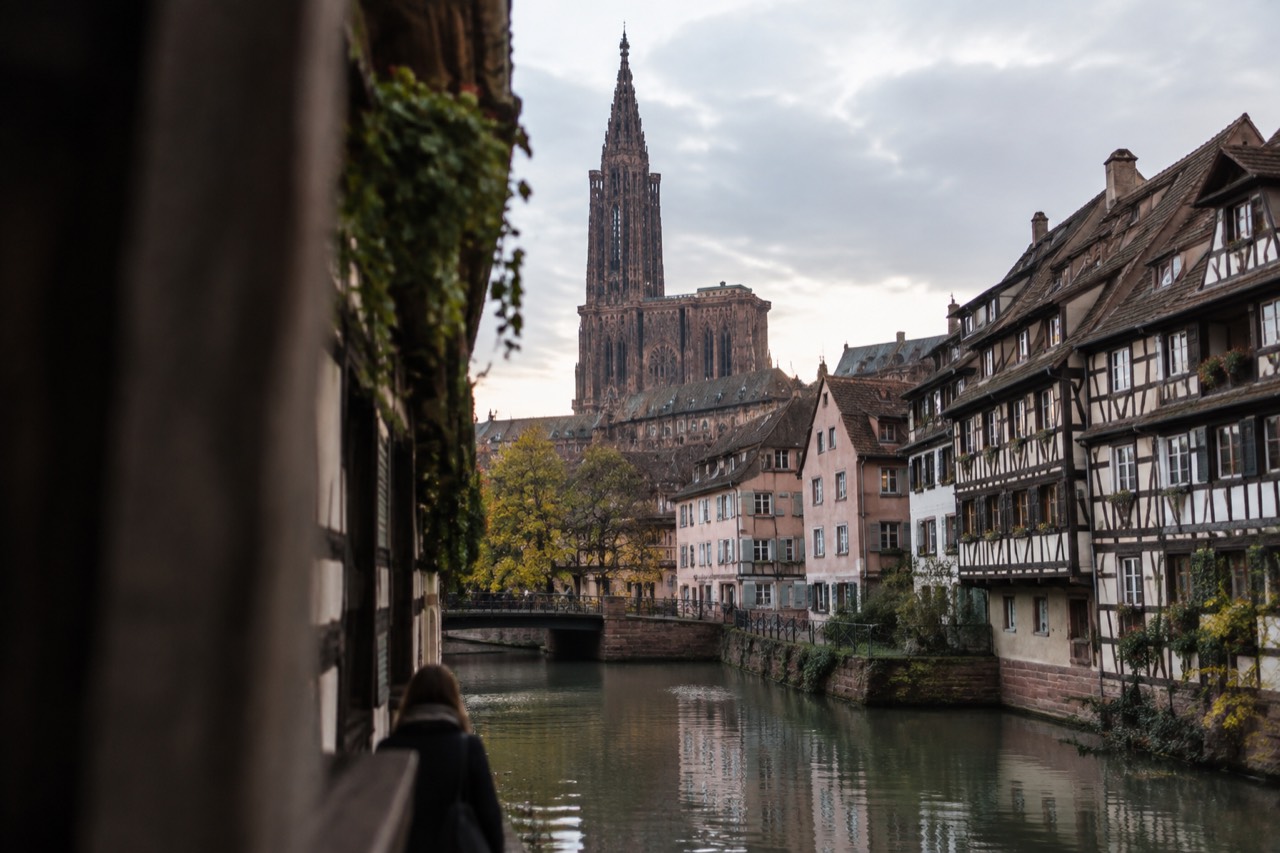
Strasbourg, the capital of Europe in Alsace, north-eastern France, sits closer to Germany than to Paris, which shapes every route choice a traveller from London makes.
Short answer
There is no direct train from London to Strasbourg. The usual plan is a train to Paris, then a high-speed TGV from Paris Est to Strasbourg in under two hours, or a flight with a connection, or a long drive through France. Once there, the city centre is compact, walkable and served by trams, with a single CTS ticket at 1.90 EUR.
Strasbourg, in Alsace in north-eastern France, is one of those destinations that rewards the journey rather than hiding behind it. The city sits on the River Ill a short distance from the Rhine, which forms the border with Germany here; Kehl lies on the far bank, and the two countries share a tram line across the river. For a traveller starting in London, that geography matters more than it first appears. Strasbourg is not on the main high-speed axis that runs from London through Paris towards Lyon and Marseille, so the route needs a small amount of planning, and this guide sets out the options in plain terms: how to get there, what each approach involves, what it costs once you arrive, and how to spend the first days well.
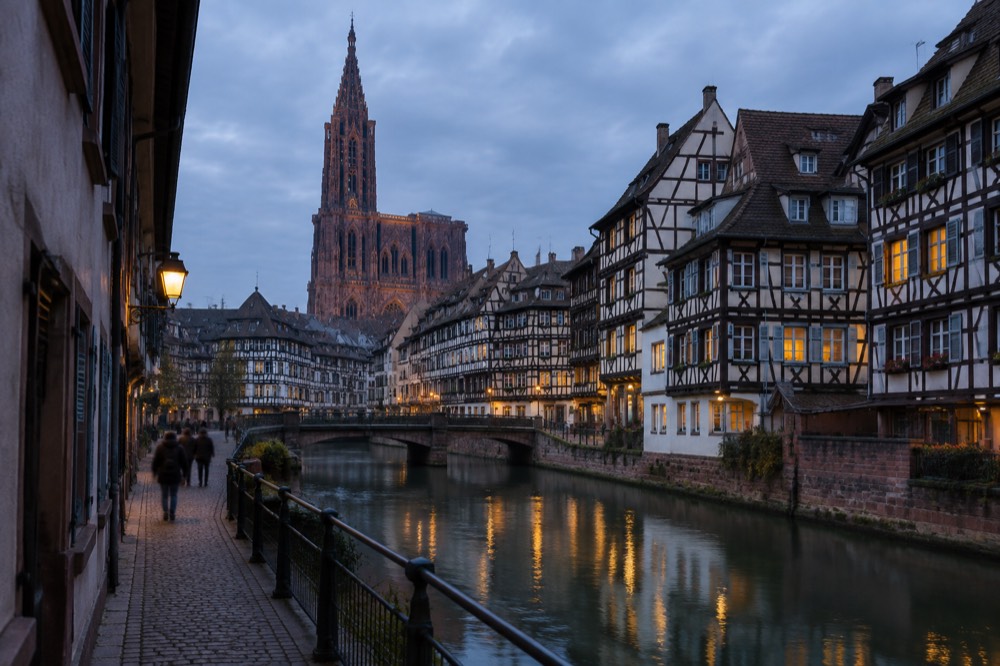
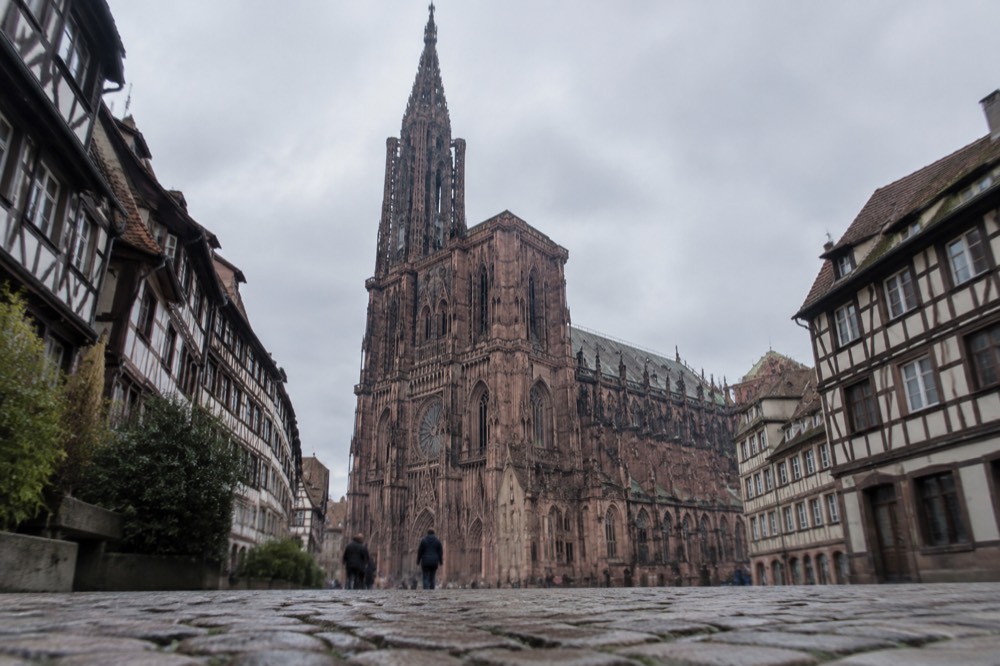
The city that waits at the end of the trip is a compact one. The commune counted 293,771 residents in the INSEE figures for 2023, and the historic core, the Grande Île, is small enough to cross on foot in well under an hour. Its World Heritage property, "Strasbourg, Grande-Île and Neustadt", covers the medieval island centre and the German-built Neustadt quarter that spreads beyond it. Between the two, a visitor gets half-timbered streets, a Gothic cathedral with a single spire, a working river quarter in Petite France, and the seat of the European Parliament, all inside one walkable city. That combination is why the route from London, though indirect, is worth the effort.
How Do You Get From London To Strasbourg?
There is no direct train from London to Strasbourg. The journey almost always has two stages: first reach Paris, then take a high-speed TGV from Paris Est to Strasbourg, a hop the rail operator lists at under two hours on its fastest services; alternatively fly with a connection, or drive. Each stage is bookable separately, and the Paris leg is where the timing matters. The train-plus-train plan is the one this site recommends for a first visit, because it lands you in Strasbourg's own station, a short tram ride from the cathedral, with no airport transfer at the far end.
The London to Paris leg is a well-worn path. Trains run from London to Paris through the Channel Tunnel, and tickets are sold on the operators' own sites and through the usual booking services. Journey length and price vary a great deal by date and by how far ahead you book, so this guide deliberately prints no figure for that leg: check the operator's live listing when you have dates in mind. What is worth knowing in advance is that the Paris arrival station and the Strasbourg departure station are different stations on different sides of the city, and you need to allow a comfortable margin to cross Paris between them.
The second leg is the easy one. High-speed trains run from Paris Est to Strasbourg, and the fastest services complete the trip in under two hours; for exact times and fares, check SNCF Connect, since schedules change with the timetable year. Tickets go on sale in advance and the cheapest fares disappear first, so booking the Paris to Strasbourg leg early, once your London dates are fixed, is the single most useful thing you can do to keep the trip affordable. Seats can be printed as e-tickets on a phone.
A second rail route exists for travellers who prefer to avoid Paris altogether: cross to Lille or go via Brussels and Strasbourg's eastern connections. These involve more changes and, for most people from London, more time rather than less. They suit travellers who already hold a rail pass or who want to break the journey in another city. Treat them as options to research rather than routes with printed numbers here.
Should You Fly, Take The Train, Or Drive From London?
For a first trip, the train via Paris is the strongest choice: two bookings, one change of station in Paris, and arrival in the centre of Strasbourg. Flying works if you find a good fare, but the air route adds a connection and an airport-to-city transfer. Driving is a long day on French motorways and only pays off if Alsace is one stop on a wider road trip. The right answer depends on how much of France you want to see from a window.
The air option deserves a clear-eyed look. Strasbourg Airport (SXB) at Entzheim is a small regional airport, and a shuttle train links it to Strasbourg station in 8 minutes, with up to 5 trains per hour at busy times; a combined ticket covering the train, plus a day of trams and buses in the city, costs 4.60 EUR. That transfer is genuinely painless. The catch is the flight itself: there is no direct service from London, so the journey becomes a connection through another hub, often Paris, Amsterdam or Frankfurt, and the total door-to-door time can stretch well past the rail journey. Check the airlines' own route maps for current schedules rather than relying on older summaries.
Driving from London means the Channel Tunnel or a ferry, then French motorways east. What can be said honestly is that it is a long day, that French motorway tolls and fuel add up, and that Strasbourg itself is a city where a car is more burden than benefit: the centre is walkable, trams are cheap, and parking is easier to avoid than to find. A car earns its keep only if the trip continues into the Alsace wine route, the Vosges or the Black Forest, all of which are covered in this site's day-trip guides.
Whichever way you arrive, the same advice applies to the first hour: do not hire a car for the city itself. The station sits on the western edge of the centre, trams and buses run from outside it, and the Grande Île begins a short walk away. A traveller with light luggage can be standing in front of the cathedral within about half an hour of stepping off a TGV, and that ease is a large part of why the rail route suits first-time visitors so well.
What Does The Trip Cost Once You Are There?
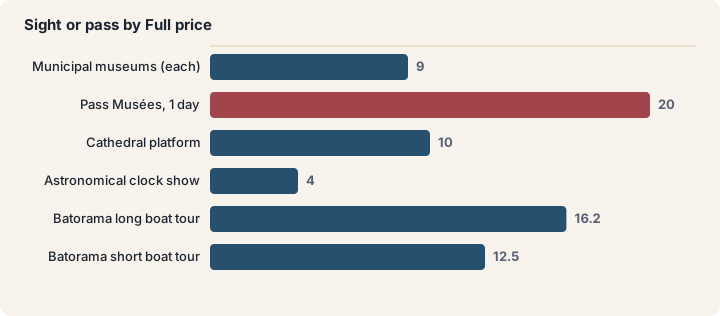
The journey's biggest costs, the London to Paris ticket and the TGV fare, are set by the operators and change with demand. What is fixed and verifiable is the cost of being in Strasbourg: a single tram or bus ticket is 1.90 EUR bought through an app or contactless bank card, a 24-hour Solo pass is 4.60 EUR, municipal museums are 9 EUR full price, and the cathedral platform is 10 EUR. A few days in the city cost far less than the journey to reach it.
The transport fares are worth setting out plainly, because they cover the whole city network and the airport line. The CTS network sells single tickets at 1.90 EUR through the Badgéo card, the CTS app or contactless payment, and at 2.50 EUR if bought on board a bus. Day passes and the airport combination are cheaper still for anyone making more than two trips.
| CTS ticket | Price | What it covers |
|---|---|---|
| Single (app, Badgéo or contactless) | 1.90 EUR | One tram or bus journey |
| Single bought on board a bus | 2.50 EUR | One journey, no change given |
| 24h Solo | 4.60 EUR | One person, all trams and buses for a day |
| 24h Trio | 10.20 EUR | Two to three people travelling together |
| Airport combined ticket | 4.60 EUR | Airport shuttle train plus a 24h Solo pass |
Museum costs follow a similar pattern of small, fixed numbers. The municipal museums charge 9 EUR full price and 5 EUR reduced, and a 1-day Pass Musées covering them costs 20 EUR. Every municipal museum is free on the first Sunday of the month, which is a genuinely useful fact for anyone timing a short trip. The one closure to plan around is the Musée Alsacien, shut for works until 2028; do not build an itinerary around it.
| Sight or pass | Full price | Reduced | Notes |
|---|---|---|---|
| Municipal museums (each) | 9 EUR | 5 EUR | Free on the first Sunday of every month |
| Pass Musées, 1 day | 20 EUR | - | Covers the municipal museums |
| Cathedral platform | 10 EUR | 6 EUR | Platform at 66 m, children under 6 free |
| Astronomical clock show | 4 EUR | 2 EUR children 6-17 | 12:30 daily, tickets sold on the day only |
| Batorama long boat tour | 16.20 EUR | 8.90 EUR | Red Tour, 1h10 |
| Batorama short boat tour | 12.50 EUR | 7.20 EUR | Blue Tour, 0h45 |
The Strasbourg City Card, sold by the tourist office at 5 EUR for an adult and 3.50 EUR for a child, is a discount card valid for 7 days, not an all-inclusive pass. It knocks money off museums, the boat tours, the cathedral platform and the clock show, so it pays for itself quickly for a busy sightseeing schedule. A slower trip, built around walking and free squares, may not need it at all. The Strasbourg Travel Guide site carries a full page on the card for anyone doing the arithmetic.
One cost that surprises some visitors is food, though not in the way they expect. A winstub, the traditional Alsatian eating house, serves hearty plates at prices far below Paris levels, and the tarte flambée bakeries around the centre sell a fast, cheap lunch. December is the expensive month: hotel prices climb sharply around the Christmas market, and the advice on timing below explains why.
When Is The Best Time Of Year To Make The Trip?
Late spring through early autumn gives the warmest, most reliable weather: Meteo-France 1991-2020 normals for Strasbourg show mean daily maxima of 20.9 C in May, 24.4 C in June and 26.4 C in July. December is colder, 5.9 C mean maximum with 10.2 rain days, but it is the month the Christmas market runs, and last year's edition drew 3.05 million visits. Choose warmth or choose the market; you rarely get both.
The climate here is semi-continental, which means real summers and real winters rather than the mild oceanic pattern of western France or London. Rain falls somewhere in most months: the normals show between 8.0 and 10.8 days of rain of 1 mm or more every month of the year, and an annual total of 635.7 mm. This is not a city that needs a rainy-day plan only in November; it needs one all year, and this site has a guide for exactly that.
| Month | Mean daily maximum | Mean daily minimum | Rainfall | Days of rain 1 mm or more |
|---|---|---|---|---|
| March | 12.1 C | 2.6 C | 38.6 mm | 8.5 |
| May | 20.9 C | 10.1 C | 77.2 mm | 10.8 |
| July | 26.4 C | 14.9 C | 71.9 mm | 10.4 |
| September | 21.6 C | 10.7 C | 54.6 mm | 8.0 |
| December | 5.9 C | 0.8 C | 45.2 mm | 10.2 |
For market-bound travellers, the pattern to plan around is stable even though the 2026 dates are not yet published. The market opens in the last week of November and runs until 24 December, closing early on the final evening; the 2025 edition ran from 26 November to 24 December. The city's own Christmas site is the place to confirm the 2026 dates, and this site's Strasbourg Christmas market guide and the page on where to stay for the Strasbourg Christmas market cover the season in detail. Anyone weighing Strasbourg against its Alsatian rival can also read the site's comparison of Christmas markets in Alsace and the Colmar Christmas market guide.
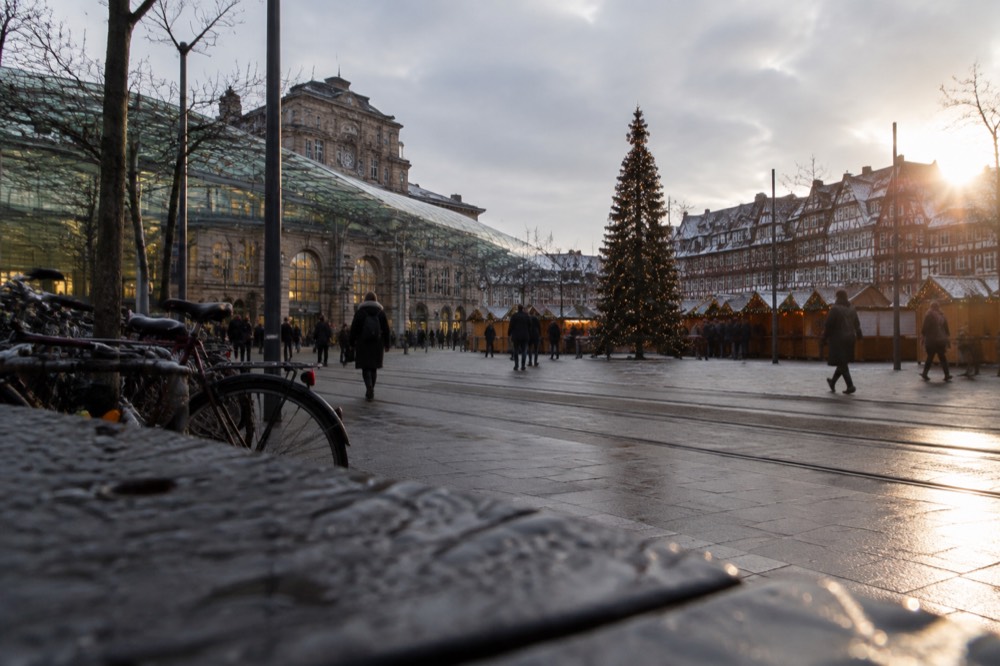
Outside the market season, the quiet months reward a different kind of trip. Spring brings the Strasbourg in spring conditions of mild days and blossom along the Ill, autumn colours the vineyards that begin just west of the city, and summer fills the riverbanks with people. The site's page on the best time to visit Strasbourg works through the trade-offs month by month for anyone with flexible dates.
Where Should You Stay After The Journey?
Stay inside or on the edge of the Grande Île for a first visit: everything walkable, from the cathedral to Petite France, sits within a fifteen-minute stroll, and the tram network makes the station and the European Quarter quick to reach. The Krutenau and Neustadt quarters offer quieter, cheaper rooms a short walk from the centre, and the station district suits early departures. The choice of quarter matters more than the choice of hotel.
The Grande Île is the postcard Strasbourg: half-timbered houses, canals, Place Kléber and the cathedral. Rooms here are the ones visitors picture when they book, and they carry the prices that go with the picture. The trade is simple, a short walk to everything against a higher nightly rate, and in December that walkability is worth paying for, because the market squares are best late in the evening when the day crowds have gone.
Petite France, the former tanners' and millers' quarter at the western tip of the island, is the most photographed part of the city. Staying in it means staying inside the photograph. The lanes are narrow, the buildings lean over the water, and the Barrage Vauban terrace, with its seasonal opening hours, gives the classic rooftop view over the whole district. The site's guide to Petite France covers the quarter street by street, and the general where to stay in Strasbourg page maps the options for every budget, including the picks for the market season.
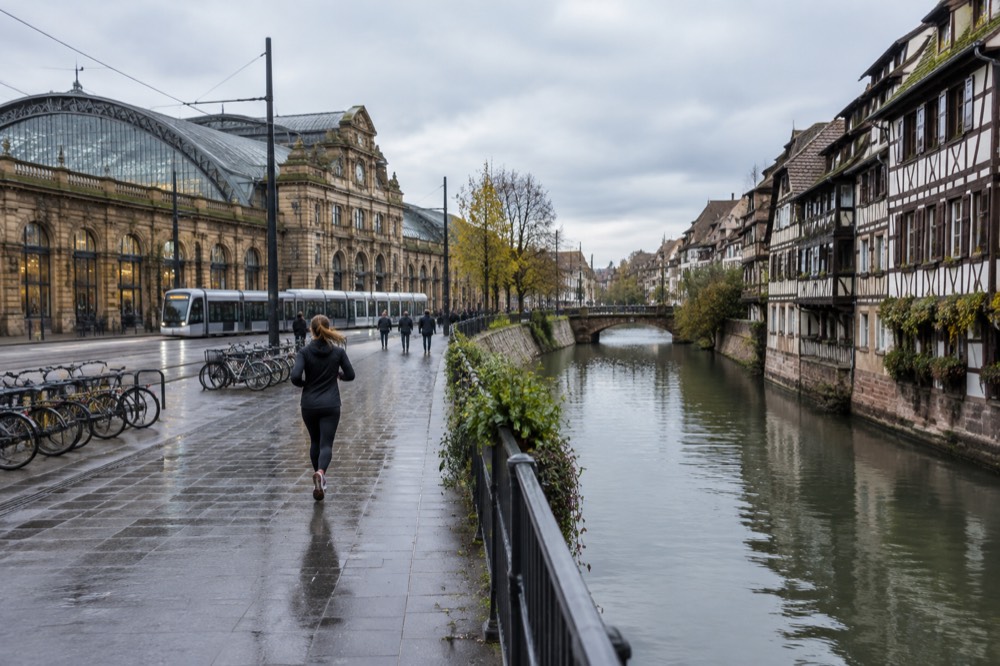
Beyond the island, the Krutenau, south of the centre, is the student quarter with cheaper eating and a lived-in feel, while the Neustadt, the imperial German-built quarter to the north, has wide boulevards, grand facades and some of the best-value rooms within walking distance of the centre. The gare district, around the station, is the practical choice for anyone arriving by train and leaving early; it is not the prettiest part of the city, but it puts the first tram of the morning a minute from the door. The site's Strasbourg on a budget guide gathers the low-cost options in one place.
What Should You Do With Your First Days In Strasbourg?
Spend the first day on the Grande Île: the cathedral, whose single spire dominates the old centre, the astronomical clock show at 12:30, and the lanes down to Petite France. Give a second day to the river, either a Batorama boat tour or a walk along the Ill, and to the European Quarter if institutions interest you. Save the third day for a trip out, into the wine route villages or across the Rhine into Germany. That is the shape of a good first visit.
The cathedral anchors everything. The nave opens to visitors Monday to Saturday from 08:30 to 11:15 and 12:45 to 17:45, and on Sundays from 14:00 to 17:15, with continuous opening on the Place du Château side during the Christmas market. The platform, at 66 m, runs on seasonal hours and costs 10 EUR full price, 6 EUR reduced, with under-6s free. The astronomical clock performs its automaton show daily at 12:30 sharp; tickets are 4 EUR, sold on the day only, at the cathedral stalls in the morning or at the Saint-Michel entrance from 11:30. A guided tour of the cathedral is also on this site's roster and pairs well with a first visit.
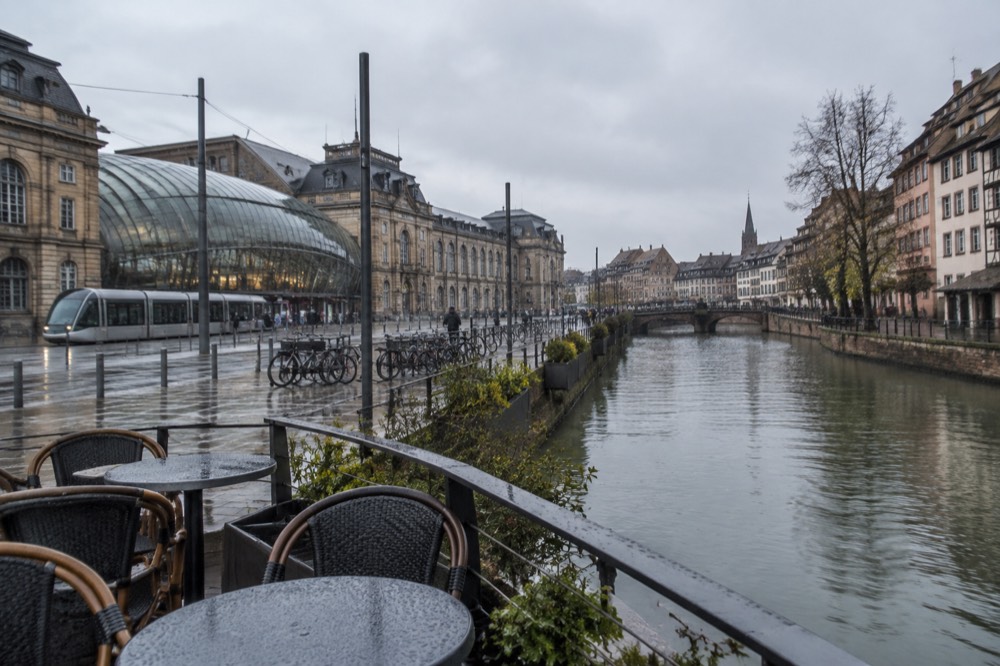
The river is the second thread. Batorama runs boat tours from the quay near the Palais Rohan: the long Red Tour lasts 1h10 and costs 16.20 EUR full price, the short Blue Tour 0h45 at 12.50 EUR, and both loop around the Grande Île with commentary. The banks of the Ill are equally good on foot, especially the stretch past the European institutions, where the buildings sit in parkland along the water. The covered bridges and the Barrage Vauban, at the head of Petite France, make a fine short walk at any hour.
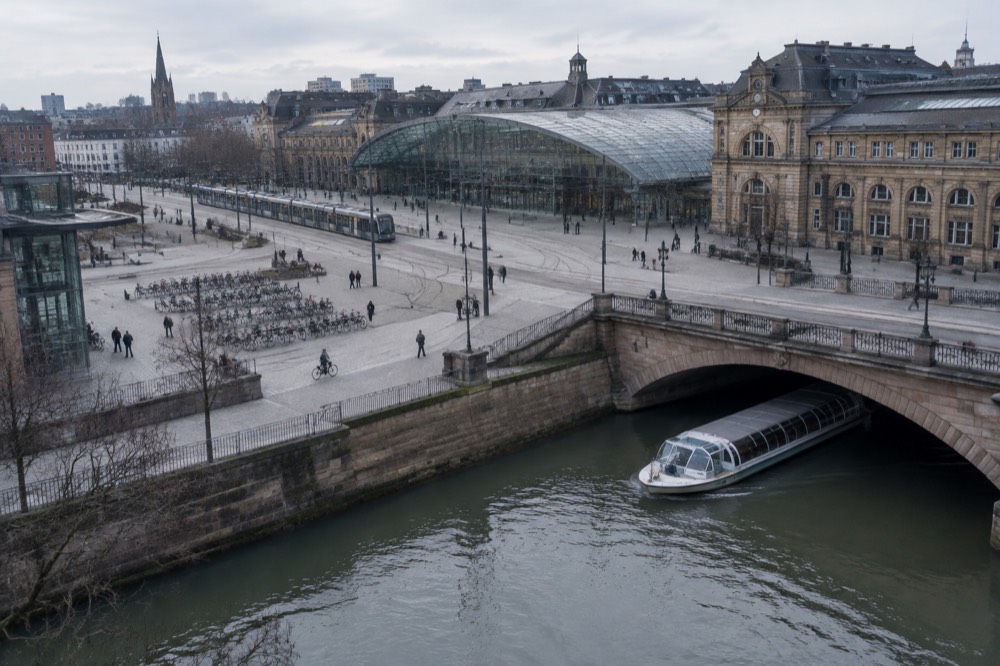
The European institutions give the city its working identity and divide opinion among tourists. The European Parliament and the Council of Europe sit across the river from each other in the Orangerie district, and the Parlamentarium visitor centre opens Monday to Friday 09:00 to 18:00 and Saturdays 09:30 to 12:00 and 13:00 to 18:00 outside plenary weeks, with an airport-style security check at the door; hours differ when the Parliament is in session, so check the official page before going. Admission details are on that page too. The site's guides to the European Parliament and the wider European Quarter cover the rest.
For the third day, the options fan out in every direction. The Alsace wine route begins a short drive west, with medieval villages such as Riquewihr, Eguisheim and Kaysersberg strung along it; this site carries a full Alsace wine route guide and individual pages for each village. East across the Rhine, the Black Forest and the German towns beyond Kehl make an easy contrast. A guided day trip that strings several villages together with a tasting stop suits travellers without a car, and the bike and Segway tours below cover the city itself on two wheels rather than four.
Food deserves its own paragraph in any first-day plan. The winstubs serve choucroute, baeckeoffe and kougelhopf, the dishes the region is known for, and the winstubs in Strasbourg guide lists the ones worth booking. Tarte flambée, the thin Alsatian flatbread with cream and bacon, is the quick counter lunch, and the tarte flambée page explains the difference between the Alsatian original and what passes for it elsewhere. Alsace wine, above all the dry Rieslings, rounds it out.
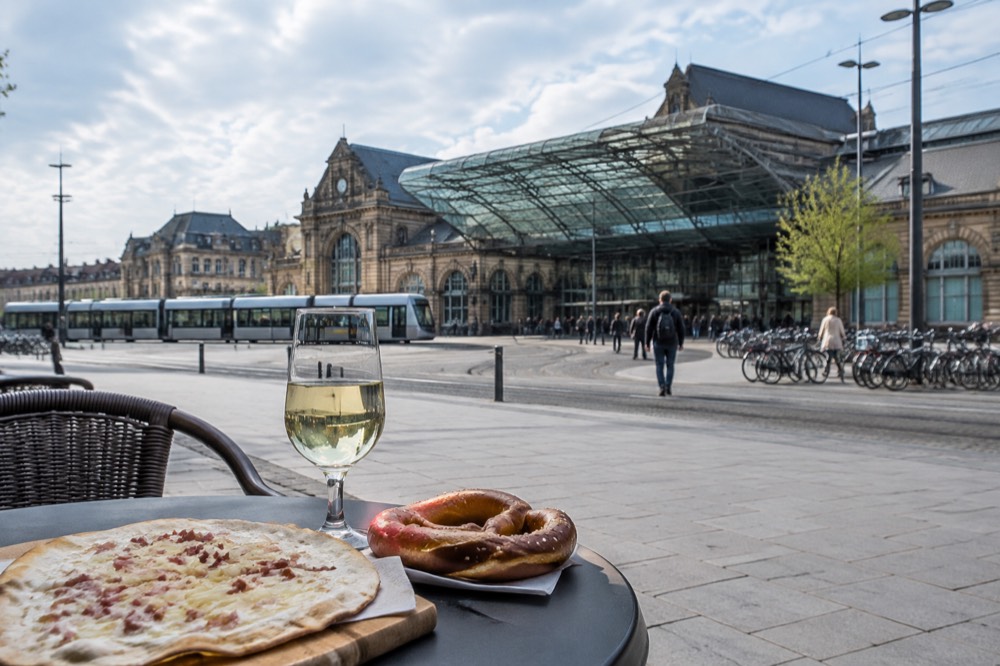
How Do You Get Around Strasbourg Once You Arrive?
Walk, and use the trams for anything beyond walking distance. The CTS tram and bus network covers the whole city and the airport line, a single ticket is 1.90 EUR, and the 24h Solo pass at 4.60 EUR is the practical choice for a day of sightseeing. Cars are a liability in the centre, and the bike and Segway tours on this site's roster cover more ground than walking without one. The network is frequent, modern and simple to use with a contactless card.
The trams are the city's quiet triumph. Lines cross the centre on several axes, the station is a hub, and the airport shuttle train from Entzheim, 8 minutes and up to 5 trains per hour, hands you straight to them. Buy through the CTS app, tap a contactless bank card, or use the Badgéo card; only the on-bus purchase, at 2.50 EUR, carries a premium. The getting around Strasbourg page maps the lines, and the Strasbourg by bike page covers the cycling network for anyone who prefers two wheels to rails.
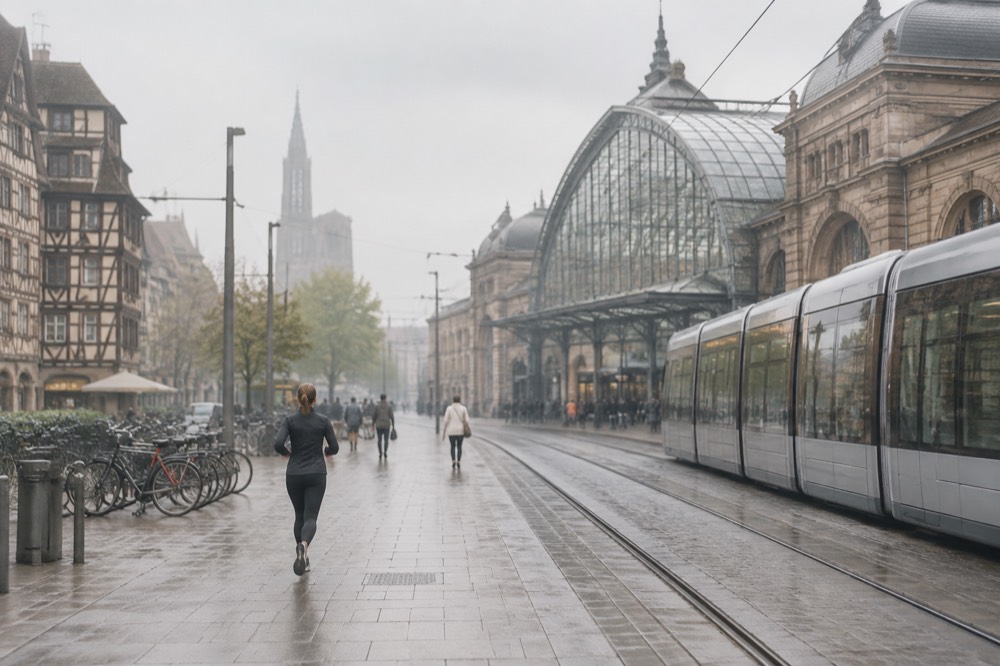
Cycling deserves a special mention because the city is built for it. The flat island, the riverbanks and the long stretches of protected lane make a bicycle the fastest pleasant way to see Strasbourg, and guided bike tours with bikes included remove even the hire step. For anyone unsure about cycling in a new city, a Segway tour with a guide is the middle path, covering the riverside and the old lanes in a guided group. The related tour on this page, a guided Segway tour, is exactly that, and it can be checked on the operator's live listing via Check availability.
For arrival from the airport specifically, the combined ticket is the detail worth remembering. At 4.60 EUR it bundles the shuttle train from Entzheim with a full day of trams and buses, which makes it better value than the single fare for anyone doing any sightseeing on day one. The train runs from the airport station to Strasbourg's Gare Centrale, and the walk from the platform to the first tram takes minutes.
Is The Journey From London Worth It For A Short Trip?
Yes, for three nights or more, and it is a stretch for two. The journey needs a full half-day each way once connections and the Paris transfer are counted, so a two-night visit leaves barely a day and a half in the city. Three nights gives two full days, enough for the Grande Île, Petite France, a boat tour and one day trip; four nights adds the European Quarter and a German crossing at leisure. The site's how many days in Strasbourg is enough itineraries cover the pacing.
The honest framing is that Strasbourg is a long way from London by the standards of European city breaks, and nothing on the route hides that. What the distance buys is a city that does not feel like anywhere else on the standard circuit. French and German sit together in the street signs, the food and the architecture; the Alsatian half of the identity shows in the winstubs and the wine, the German half in the Neustadt's imperial boulevards. The site's Strasbourg history page explains how that came about, and the is Strasbourg worth visiting page weighs the question directly.
For travellers who want the market season specifically, the calculation changes. December visits should be booked well ahead, because hotel prices around the market climb steeply, and the why is Strasbourg so expensive in December pages on this site explain the pattern and the workarounds. The market's usual shape, dozens of chalets across several squares from late November to 24 December, with the 2026 dates still to be confirmed on the city's Christmas site, means the first weekend of December is the busiest stretch of the whole year.
A final practical note for the return leg: the Paris transfer on the way home is the fragile part of the plan. Book a TGV from Strasbourg that reaches Paris Est with a comfortable margin before the London departure, because a missed connection in Paris is the one failure mode of this route that no amount of Strasbourg charm can fix. Allow more than the bare minimum, keep both bookings on one phone, and the journey home runs as smoothly as the journey out.
Common Questions About Travelling From London To Strasbourg
Is There A Direct Train From London To Strasbourg?
No. Every rail journey changes in Paris, and the change involves crossing the city between the arrival station and Paris Est, where the Strasbourg trains leave. The Paris to Strasbourg leg takes under two hours on the fastest services; check SNCF Connect for times and fares.
How Long Should I Stay In Strasbourg After Travelling From London?
Three nights is the comfortable minimum, giving two full days in the city. Two nights works only for a fast, market-focused visit in December. Four nights adds room for a day trip to the wine route villages or across the Rhine into Germany.
What Is The Cheapest Way To Get From London To Strasbourg?
Usually the train, booked early: the London to Paris leg and the Paris to Strasbourg TGV are both cheapest when bought well in advance. Flying with a connection can undercut it on sale fares, but adds a transfer at the far end. Once in the city, costs are low: a 24h Solo tram pass is 4.60 EUR and municipal museums are 9 EUR.
Do I Need A Car In Strasbourg?
No. The centre is walkable, trams cover the whole city, and a combined airport ticket at 4.60 EUR includes a day of transport. A car is only worth it if the trip continues into the wine route, the Vosges or the Black Forest, and even then a guided day trip is often the easier answer.
When Is The Strasbourg Christmas Market Held?
The market opens in the last week of November and runs until 24 December, closing early on the final evening. The 2025 edition ran from 26 November to 24 December and drew 3.05 million visits. The city posts each edition's dates on its Christmas site, so confirm them there.
Is Strasbourg Expensive Compared With London?
No. Food, transport and museum tickets in Strasbourg sit well below London levels: a winstub dinner, a 1.90 EUR tram ticket and a 9 EUR museum entry make a day in the city cheap by comparison. December is the exception, when hotel prices around the Christmas market rise sharply.
The journey from London to Strasbourg asks for one change of train and a little planning, and the city at the end of it repays both with a compact, walkable, genuinely distinctive destination where France and Germany meet. Pick the dates, book the Paris leg early, leave a margin for the transfer, and the rest of the trip takes care of itself.