Strasbourg To Luxembourg
Strasbourg, the Alsatian prefecture on the French side of the Rhine, pairs naturally with Luxembourg on a single Grand Est and Benelux itinerary. This guide sets out how to approach the journey, what to verify on official pages before you book, and how to use your Strasbourg days well.
Short answer
Luxembourg is a small capital with a clifftop old town, walkable in a day and a half. Allow two or three days in Strasbourg first, then travel on with a ticket bought in advance, and confirm times on the rail operator's own site.
Strasbourg, in Alsace in north-eastern France, sits close enough to the Benelux countries that travellers often tack Luxembourg onto an Alsatian itinerary. The two cities make an odd but satisfying pair: one is a medieval Rhine-border town turned European capital, the other a clifftop fortress capital squeezed between Belgium, France and Germany. Neither is large. Both reward walking far more than driving, and both sit inside the Schengen area and the euro zone, so there is no border formalities and no currency change to plan for on the way.
This guide takes a deliberately careful approach to figures. Instead of printing numbers that could be wrong by the time you read them, it tells you exactly what to check and where. What it does give you in full is the Strasbourg side of the trip: verified local prices, opening patterns, tour options and pairing ideas, all drawn from the city's own published information. For the broader framing of the city itself, start with the Strasbourg Travel Guide homepage, which owns the full roundup of what the city offers.
Why Pair Strasbourg With Luxembourg On One Trip?
The two cities complement each other well: Strasbourg gives you a Gothic cathedral, a UNESCO-listed river island and an Alsatian food culture, while Luxembourg gives you dramatic clifftop fortifications, deep green valleys and a compact European-institutions quarter. Both capitals host European institutions, which makes the pairing thematically neat as well as practical. You can walk the core of either city on foot, and neither demands the pace of Paris or Brussels.
The logic of the combination is scale. Strasbourg's commune counted 293,771 residents at the last INSEE census figure, and Luxembourg City is smaller still in feel if not in banking weight. Neither place requires the museum-marathon planning that a capital like Paris demands. A traveller who spends two days in Strasbourg and a day and a half in Luxembourg comes away having seen two complete, coherent cities rather than fragments of one enormous one.
There is also a narrative thread. Strasbourg hosts the European Parliament's plenary sessions; Luxembourg hosts the European Court of Justice and the Court of Auditors. Travellers with an interest in how Europe's institutions are scattered deliberately across borders find that the Strasbourg to Luxembourg route tells that story better than any single-capital visit can.
The food is the other half of the argument. Alsatian cooking, from tarte flambée to choucroute, is one of France's most distinctive regional traditions, and eating your way through Strasbourg before leaving for Luxembourg is half the reason to route the trip this direction rather than the reverse. The gastronomic side of the city is covered in depth in the guide to food and winstubs in Strasbourg, which pairs well with the planning on this page.
How To Travel From Strasbourg To Luxembourg?
The route runs by train, by coach or by car, and the honest answer on times and prices is that you must check the operators' own pages: this site's verified sources hold no timetable or fare figures for the Strasbourg to Luxembourg corridor, and inventing them would mislead you. Book through the rail operator's site or app, compare a coach operator where one runs, and expect at least one change on some departures. Driving is straightforward within Schengen.
What can be said with confidence is structural. France and Luxembourg are both in the Schengen area, so there are no systematic border checks on the route, and both use the euro, so there is no currency exchange to arrange. The rail route generally runs north from Strasbourg across Lorraine, with connections through Metz depending on the service pattern, and coach operators serve the corridor with slower but often cheaper options. Which of those suits you depends on your dates, your budget and how much luggage you carry, and the only reliable way to answer it is a live search on the operator's own booking page.
| Option | What It Involves | Who It Suits | What To Check Before Booking |
|---|---|---|---|
| Train | Rail route north across Lorraine, some services with a change | Travellers who want speed and a seat reservation | Live times and fares on the rail operator's booking site |
| Coach | Long-distance bus on the corridor | Budget travellers and flexible schedules | Whether the operator serves the corridor on your dates |
| Car | Self-drive via the motorway network | Families and anyone detouring through Alsace wine country | Parking arrangements at your Luxembourg base |
| Organised day tour | Guided excursion with transport included | Visitors who prefer not to plan the leg themselves | Whether any listed excursion covers Luxembourg at all |
One practical note on the Strasbourg end: if you are staying in the city before departure, the local transport network's verified fares are a single ticket at 1.90 EUR bought through the Badgéo card, the CTS app or contactless payment, or 2.50 EUR if bought on board a bus, with a 24-hour Solo pass at 4.60 EUR. Those figures come from the CTS fare pages and apply to the city network only, not to any intercity leg. The airport shuttle combined ticket is also 4.60 EUR if your routing happens to start at Entzheim.
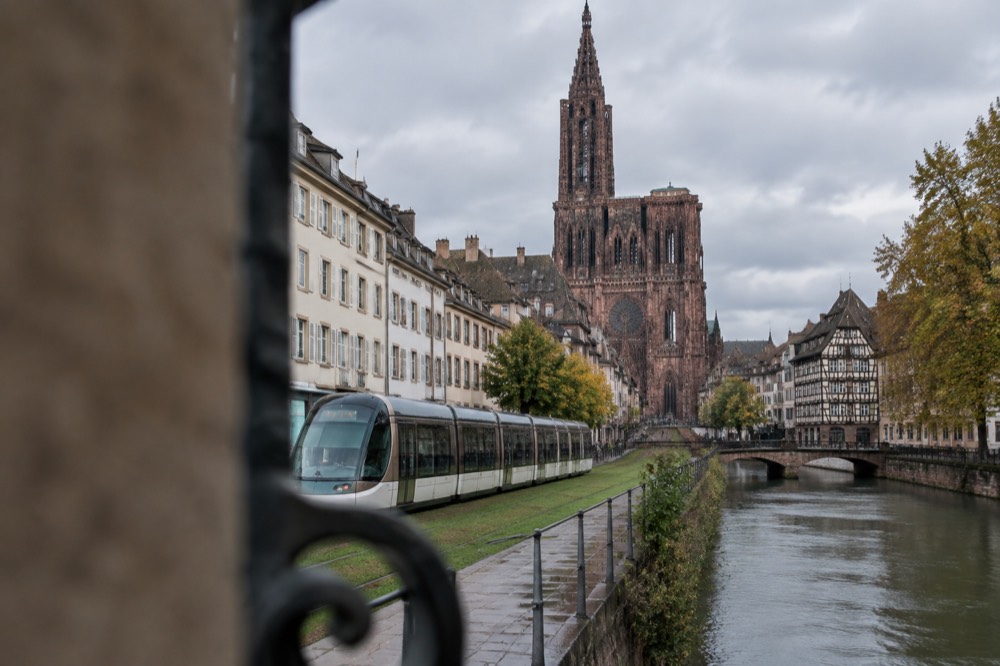
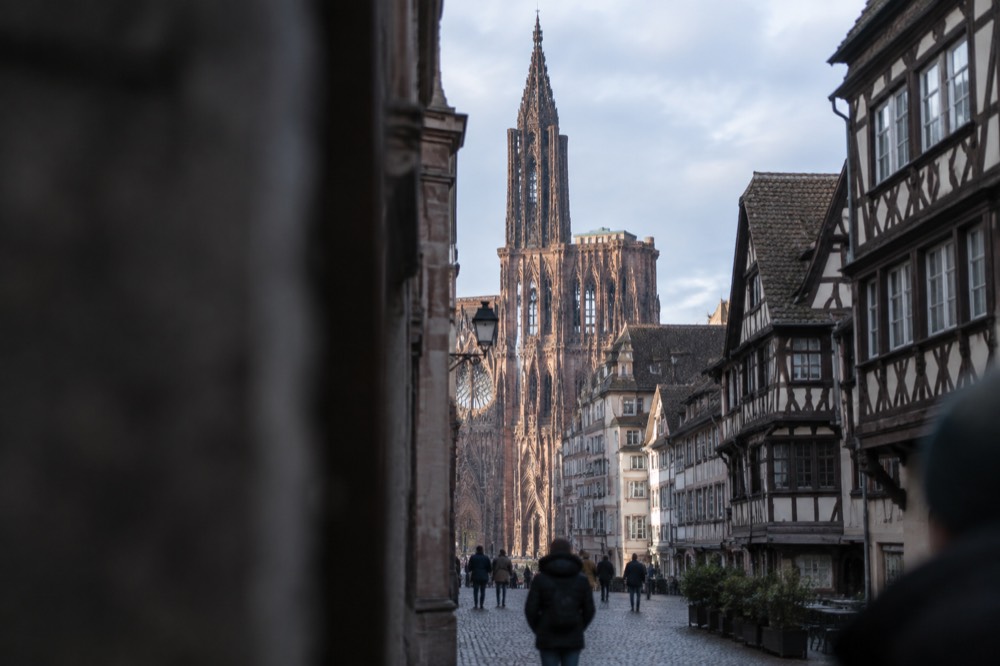
Before you leave, it is worth spending your final Strasbourg hours well rather than burning them at the station. The cathedral's nave opens Monday to Saturday from 08:30 to 11:15 and 12:45 to 17:45, and on Sunday afternoons from 14:00 to 17:15, so an early start fits a midday departure comfortably. The tower platform ticket is 10 EUR full price, 6 EUR reduced, with the platform sitting at 66 m up the single spire. Details on climbing it are in the Strasbourg Cathedral guide, which also covers the 12:30 astronomical clock show, a 4 EUR ticket sold on the day only.
What To Do In Strasbourg Before You Head North?
Give Strasbourg at least two full days: one for the Grande Île, covering the cathedral, Petite France and the covered bridges, and one for the European quarter and a food or wine experience. A guided walk on the first morning orients you quickly and costs less than a museum pass. The municipal museums, at 9 EUR full price or 5 EUR reduced, fill a rainy afternoon, and all of them are free on the first Sunday of each month.
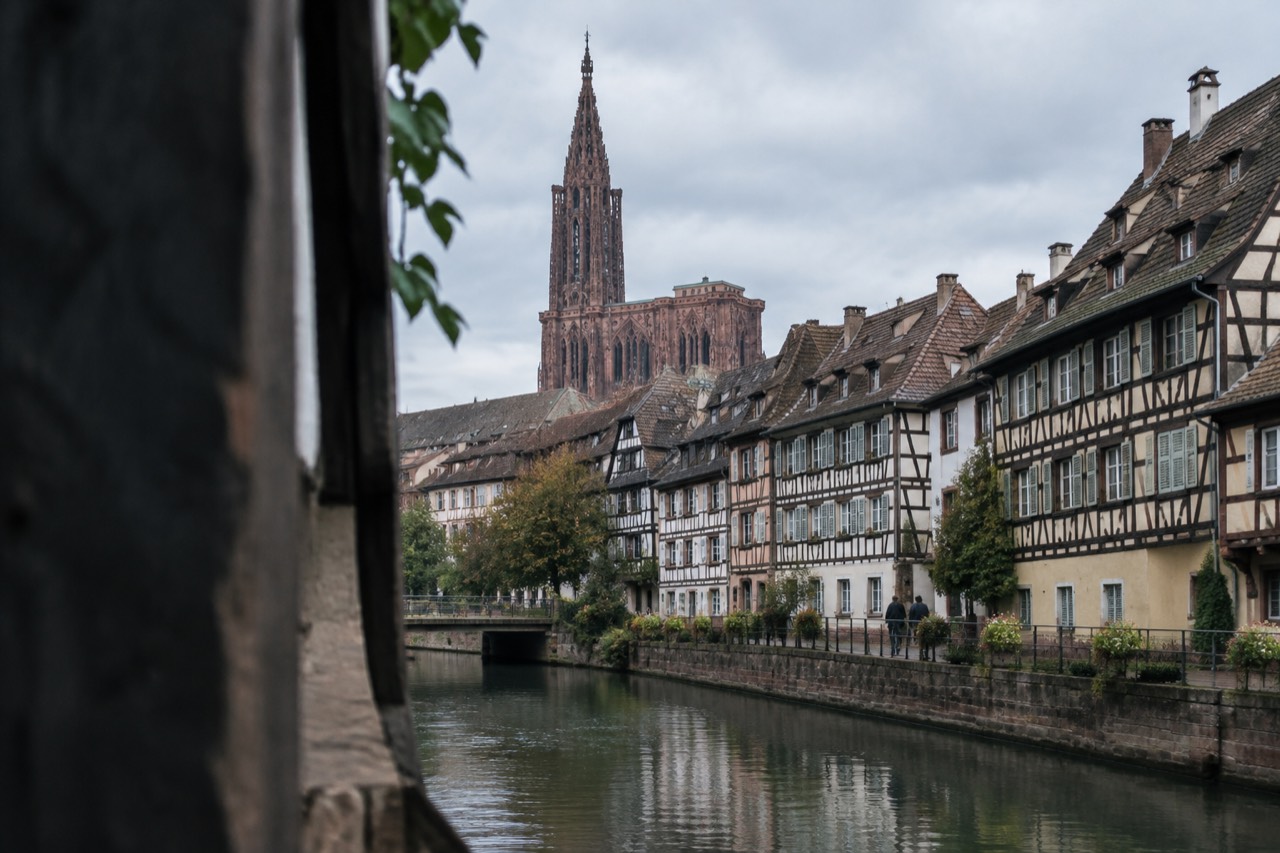
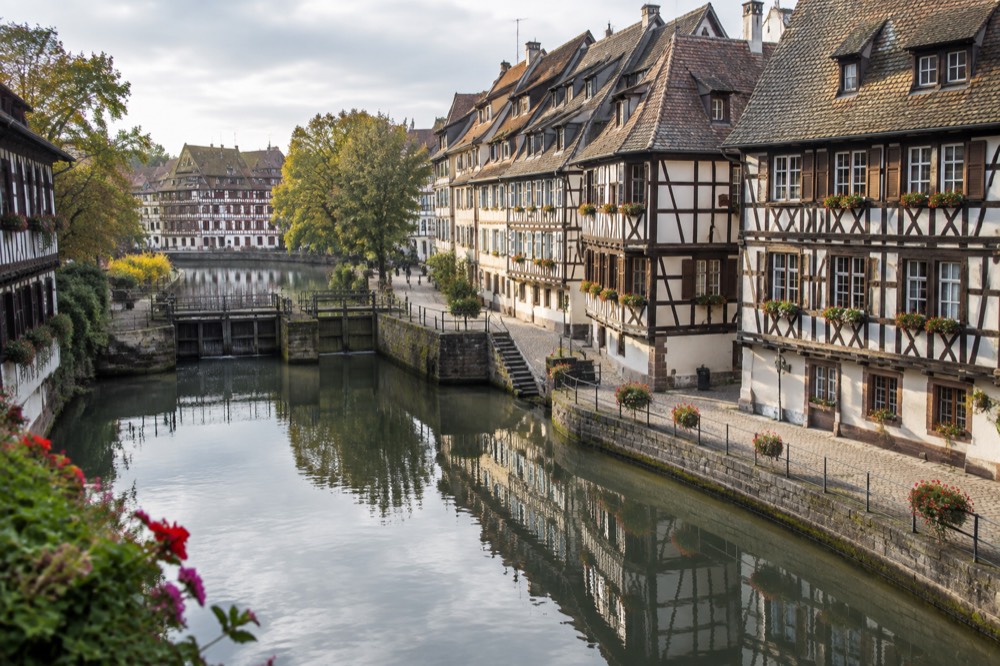
The first-day itinerary writes itself. Start on the Grande Île, the river-girdled core whose half-timbered lanes and canal views define the city's image, then cross into Petite France, the former tanners' quarter where the Ill splits around balconied houses. The Barrage Vauban terrace gives the classic panorama over the Ponts Couverts, with seasonal opening hours, and the Musée de l'Œuvre Notre-Dame holds the cathedral's medieval sculpture close by. The Musée Alsacien is closed for works until 2028 and should not be on anyone's current plan.
A guided walk earns its place on day one because Strasbourg's story is not visible from the street. The city changed hands between France and Germany repeatedly, and the layers only make sense when someone explains them where they happened. The hidden-stories small-group walk is this site's featured pick for that job, and you can also Check availability once your dates are fixed. For a deeper look at the free pay-what-you-want options, all English-language walks running through GuruWalk, see the free walking tour guide.
Want the layers explained where they happened? Book a guided walking tour here.
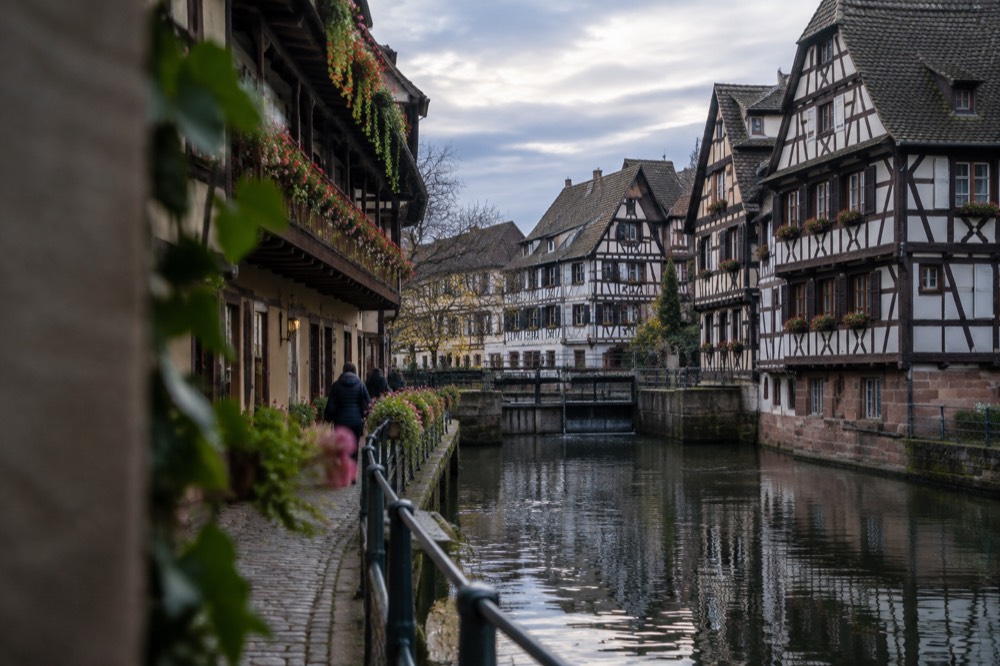
The second day belongs to food and the water. A river boat is the easiest way to see the city's shape: Batorama's long tour costs 16.20 EUR full fare or 8.90 EUR reduced, while the short tour costs 12.50 EUR or 7.20 EUR reduced. Pair either with a food walk, or with the shorter gourmet options listed in the Strasbourg food tour guide, and you have a day that covers the Alsatian table as thoroughly as day one covered its stones.
What Does Luxembourg Offer A Visitor?
Luxembourg City is a compact capital built on clifftops above deep river valleys, and its draw is the drama of that setting: old fortifications, casemates carved into the rock, and viewpoints where the modern city drops away into green gorge. The old town is walkable in a morning, the European-institution quarter sits a short hop away, and the national museum quarter fills an afternoon. It suits a day and a half rather than a week.
The honest framing is that this site's verified fact set covers Strasbourg and Alsace, not Luxembourg, so this section stays deliberately general and points you to the official sources for anything specific. What any visitor can see with their own eyes is a city whose old quarter sits high above the Alzette valley, with the Chemin de la Corniche walk along the ramparts, the Bock casemates below the old town, and the Grund district down in the valley with its bridges and weirs. The Casemates du Bock and the old quarter together form a UNESCO World Heritage property, and the details of opening times and admission are published on the Luxembourg City tourist office's own pages, which is where to confirm them before you go.
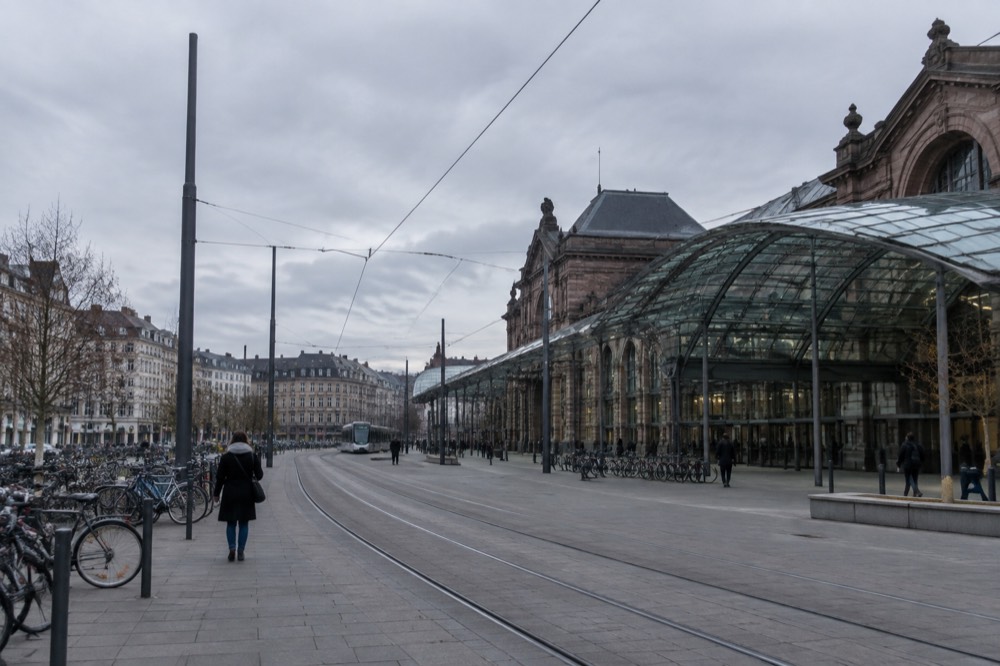
For the institutional angle, the European Court of Justice sits on the Kirchberg plateau alongside other European bodies, and the pairing with Strasbourg's parliamentary role is the thematic spine of the whole trip. Travellers who have already walked Strasbourg's European quarter arrive in Luxembourg with the second half of the story already in mind. Allow time for the plateau's modern architecture as well as the old town; the contrast between the two halves of the city is the point.
| Luxembourg Area | What It Is | Who It Suits | What To Confirm On Official Pages |
|---|---|---|---|
| Old town and ramparts | Clifftop historic quarter with valley viewpoints | First-time visitors, photographers | Casemate opening days and tour arrangements |
| Grund and the valley floor | Riversides, bridges and weirs below the cliffs | Walkers and slow-morning travellers | Footpath conditions in wet weather |
| Kirchberg plateau | Modern European-institution district | Travellers following the institutions theme | Whether any buildings offer visitor access |
| Museum quarter | National and art museums within the city | Rainy-day planners, families | Current exhibitions and admission terms |
How Many Days Should You Split Between The Two Cities?
A five-day trip splits well as three nights in Strasbourg and two in Luxembourg: two full Strasbourg days for the Grande Île and the European quarter, a travel morning, then a day and a half in Luxembourg before returning or continuing. Add a sixth day for an Alsatian detour such as Colmar or a wine-route village between the two. Anything shorter than five days forces you to drop either the food day or the institutions, and both are half the reason to come.
The asymmetry is deliberate. Strasbourg simply holds more that needs time: a cathedral you will want to climb, a boat circuit, a food culture that deserves an evening of its own, and day-trip options in every direction. Luxembourg rewards concentration instead, with a walkable core whose highlights can be seen at an unhurried pace in a day and a half. Travellers who try to give both cities equal time usually end up rushed in Strasbourg and with spare afternoons in Luxembourg.
| Trip Length | Strasbourg | Luxembourg | Verdict |
|---|---|---|---|
| 4 days | 2 days | 1 day plus travel | Workable, drops the food day |
| 5 days | 2.5 days | 1.5 days | The balanced default |
| 6 days | 3 days | 1.5 days plus a detour | Best if adding Colmar or the wine route |
| 7 days | 3 days | 2 days | Comfortable, allows a second Luxembourg museum day |
For travellers arriving from further afield, the entry point shapes the split. If you are flying into the region and routing through Strasbourg first, the getting to Strasbourg decisions are covered separately, including the airport train shuttle that runs up to five times an hour and takes eight minutes to the central station, with a combined ticket at 4.60 EUR. If you are coming from Paris, the Paris to Strasbourg guide covers that leg, with the fastest rail connections described as under two hours and live times to be checked on the rail operator's own booking site.
When Is The Best Time To Make The Strasbourg To Luxembourg Trip?
Late spring through early autumn gives the friendliest conditions for a two-city walking trip: Strasbourg's 1991-2020 climate normals put mean daily maxima at 20.9 C in May, 26.4 C in July and 21.6 C in September, against 5.2 C in January. December brings the Christmas market, the city's single biggest draw, but also its crowds and its coldest, dampest weather, with a mean December maximum of 5.9 C and 10.2 rain days.
The climate here is semi-continental, which means real winters and warm summers rather than the mild year-round feel of an oceanic coast. The verified monthly normals for Strasbourg-Entzheim show the pattern plainly: the coldest month, January, averages a daily maximum of 5.2 C and a minimum of -0.2 C, while July averages 26.4 C and 14.9 C. Rainfall is spread across the year, totalling 635.7 mm annually, with May the wettest month at 77.2 mm and February the driest at 34.1 mm.
| Month | Mean Daily Maximum | Mean Daily Minimum | Rainfall | Days With 1 mm Or More |
|---|---|---|---|---|
| January | 5.2 C | -0.2 C | 35.4 mm | 9.1 |
| April | 17.0 C | 5.7 C | 41.8 mm | 8.6 |
| July | 26.4 C | 14.9 C | 71.9 mm | 10.4 |
| September | 21.6 C | 10.7 C | 54.6 mm | 8.0 |
| December | 5.9 C | 0.8 C | 45.2 mm | 10.2 |
Two windows stand out. Late May and June, once the spring rain peak of May has passed, give long evenings for riverside walking in both cities. September, with a mean maximum of 21.6 C and the year's lowest count of rain days at 8.0, is arguably the most reliable month of all. The full monthly breakdown, with all twelve rows, sits in the Strasbourg weather guide, and the seasonal trade-offs are weighed in the best time to visit Strasbourg.
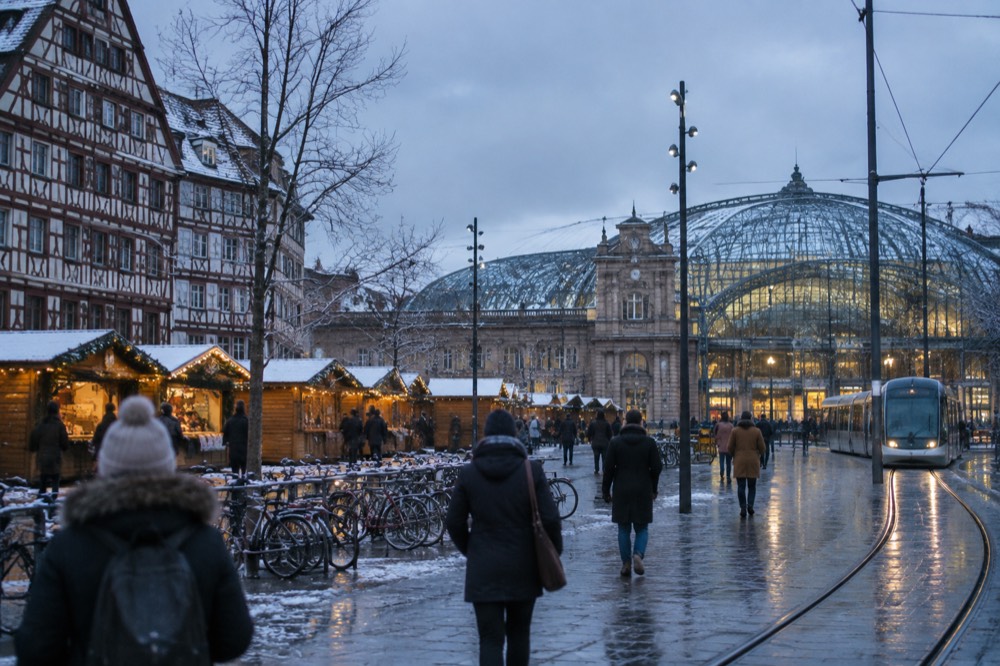
December deserves its own paragraph because it changes the calculus entirely. Strasbourg runs one of Europe's great Christmas markets, and the 2025 edition ran from 26 November to 24 December and drew 3.05 million visitors according to the city's own bilan. The city posts each edition's dates on its Christmas site, so confirm them there; the usual pattern is an opening in the last week of November and a close on 24 December, early in the evening. If December is your window, the Strasbourg Christmas market guide and the practical notes in where to stay for the Christmas market matter more than any climate table.
Which Detours Work Between Strasbourg And Luxembourg?
The Alsace Wine Route is the detour that earns its place, with Colmar, Riquewihr, Eguisheim and Kaysersberg all reachable from Strasbourg on a guided day trip before you turn north. The Haut-Koenigsbourg castle above the vineyards is the region's landmark fortress stop. North of Alsace, the Lorraine stretch of the route is more about transit than sightseeing, so spend your detour days at the Alsatian end where the density of villages is highest.
The practical advantage of a guided day trip is that the wine route's villages are small, rural and awkward by train, and a driver-guide solves that in one booking. The Colmar, Riquewihr and Haut-Koenigsbourg itinerary is the classic circuit, pairing a wine village, a fortress and the region's prettiest town in a single day.
For a shorter detour, a half-day wine tour keeps you closer to the city while still reaching the vineyard slopes, and it slots neatly into the afternoon before a morning departure north. The planning detail for both, including what each route covers, sits in the Alsace wine route and Colmar guides, with the village-by-village choices laid out in the most beautiful villages in Alsace.
| Detour | What You Get | Time Commitment | How To Do It |
|---|---|---|---|
| Colmar and wine villages | Half-timbered towns and vineyard slopes | A full day | Guided day trip or a careful self-drive plan |
| Alsace wine tasting, half day | Cellar visits within easy reach of the city | Half a day | Half-day guided wine tour from Strasbourg |
| European quarter, Strasbourg | The institutions half of the trip's theme | Half a day | On foot or by tram from the centre |
What Should You Eat Before Leaving Strasbourg?
Eat the Alsatian classics in a winstub before you go: tarte flambée, the thin crème fraîche and onion flatbread; choucroute garnie, the sauerkraut and sausage platter; and baeckeoffe, the slow-baked three-meat casserole. Pair them with a local Riesling or a sparkling Crémant d'Alsace. Luxembourg's own food culture is a different tradition entirely, so treat the Alsatian table as its own course of the trip rather than an interchangeable one.
The winstub, the Alsatian tavern with its wooden benches and stoneware mugs, is the setting that matters as much as the dishes. The winstubs in Strasbourg guide names the addresses worth booking, and the individual dishes, from tarte flambée to choucroute and kougelhopf, each have their own pages with the background that makes ordering easier. A food walk with tastings stitches several of these into one evening and suits travellers who would rather sample broadly than commit to one long dinner.
The beer side is worth a word too. Strasbourg has a brewing tradition of its own, and the Strasbourg beer guide covers it, alongside the Alsace wine overview for anyone planning cellar visits on the detour day. Whichever you choose, book the winstub for your final Strasbourg evening rather than a rushed lunch on departure day; the kitchen rhythms of these places suit a slow table.
How Much Should You Budget For The Strasbourg Side?
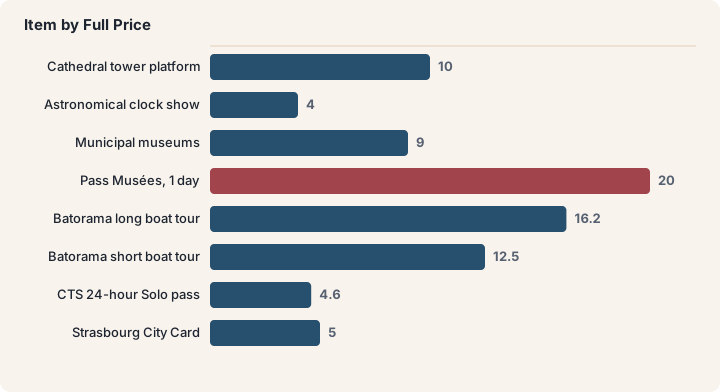
The Strasbourg side of the trip is inexpensive by capital-city standards: cathedral nave entry is not ticketed as a paid attraction in the verified sources, the tower platform is 10 EUR, the clock show 4 EUR, municipal museums 9 EUR full price, and a 24-hour transport pass 4.60 EUR. The 1-day Pass Musées at 20 EUR covers the municipal museums, and the Strasbourg City Card at 5 EUR is a discount card, not an all-inclusive pass.
The distinction between the two card products trips people up. The Pass Musées is a museum pass: 20 EUR for one day across the municipal museums, with annual versions also listed on the museums' own tariff page. The Strasbourg City Card, at 5 EUR for adults and 3.50 EUR for children aged 3 to 17, valid for seven days, is a discount card that reduces prices at museums, on the river boats, at the cathedral platform and at other attractions; it includes nothing outright. The comparison is set out in full in the Strasbourg city pass guide.
| Item | Full Price | Reduced | Notes |
|---|---|---|---|
| Cathedral tower platform | 10 EUR | 6 EUR | Children under 6 free; platform at 66 m |
| Astronomical clock show | 4 EUR | 3 EUR students, 2 EUR children 6-17 | Sold on the day only, 12:30 show |
| Municipal museums | 9 EUR | 5 EUR | Free on the first Sunday of each month |
| Pass Musées, 1 day | 20 EUR | - | Covers the municipal museums |
| Batorama long boat tour | 16.20 EUR | 8.90 EUR | Roughly 1 hour 10 minutes |
| Batorama short boat tour | 12.50 EUR | 7.20 EUR | Roughly 45 minutes |
| CTS 24-hour Solo pass | 4.60 EUR | - | City network only |
| Strasbourg City Card | 5 EUR | 3.50 EUR children 3-17 | Discount card, 7 days, includes nothing outright |
What can be said is that the structural costs of the trip, a mid-range hotel in either city and the intercity leg, are the variables that will dominate your total, and both are best locked in early once your dates are set.
What Are The Common Mistakes On This Route?
The recurring mistakes are booking the intercity leg too late, underestimating Strasbourg and overestimating Luxembourg, arriving in December without a hotel reservation, and treating the trip as a commute rather than a two-region itinerary. Travellers also routinely assume the Christmas market dates are fixed year on year, and they print plans around a date that has not been published. Each of these is avoidable with one early decision.
The December mistake is the most consequential. Hotel prices in Strasbourg rise sharply for the market weeks, and the where to stay in Strasbourg guide explains the neighbourhood trade-offs that matter most when rooms are scarce. Anyone planning a December crossing to Luxembourg should read the Strasbourg in winter guide alongside the market pages, because the season changes what you pack, what you book and how much daylight you have for walking.
The timing mistake is subtler. Strasbourg rewards the first two full days and then keeps giving, while Luxembourg is generous to the unhurried but does not punish a tight schedule in the same way. Travellers who give both cities equal time usually discover this on the ground, a day too late to fix it. The split tables earlier in this guide exist precisely so you can make that call before you book anything non-refundable.
The final mistake is skipping the guided orientation entirely. Strasbourg's layers of French and German history are invisible without explanation, and a first-morning walk buys you two days of understanding rather than two days of looking. The hidden-stories small-group walk is the pick this site features for exactly that reason, and its figures and availability render on the live listing rather than being typed here.
Common Questions About Travelling From Strasbourg To Luxembourg
How Do You Get From Strasbourg To Luxembourg?
By train, coach or car, with the booking done through the operator's own site. This site's verified sources hold no timetable or fare figures for the corridor, so confirm live times and prices on the rail operator's booking page before you plan around any number. Both cities are in Schengen and the euro zone, so there are no border formalities or currency changes to arrange.
How Many Days Do You Need For Strasbourg And Luxembourg Together?
Five days is the balanced default: two full days in Strasbourg, a travel morning, and a day and a half in Luxembourg. Six days lets you add an Alsatian detour such as Colmar or a wine-route village. Anything shorter than five forces you to drop either the food day in Strasbourg or the institutions theme that links the two capitals.
Is Luxembourg Worth Visiting From Strasbourg?
Yes, if you want the contrast rather than a second Strasbourg. Luxembourg City offers a clifftop old town, rock-cut casemates and deep green valleys, plus the European institutions that thematically pair with Strasbourg's parliamentary role. It suits a day and a half of unhurried walking rather than a packed long weekend, and it works best when Strasbourg has already had its full share of your time.
When Is The Best Month To Make The Trip?
September, when Strasbourg's mean daily maximum is 21.6 C and the month averages 8.0 days with 1 mm of rain or more, the lowest of the year in the verified normals. Late May and June are the other strong window once May's rainfall peak of 77.2 mm has passed. December suits Christmas market travellers specifically, with a mean maximum of 5.9 C and the market running to 24 December.
Should You Detour Through The Alsace Wine Route On The Way?
Yes, if you have a sixth day. The wine route's villages, including Riquewihr, Eguisheim and Kaysersberg, are awkward by train and suit a guided day trip or a self-drive plan. A half-day wine tour from Strasbourg is the lighter option if you would rather keep the detour short and your departure morning free.
Do You Need A Tour In Strasbourg Before Leaving For Luxembourg?
A guided walk on your first morning is the best-value hour of the trip, because the city's French and German layers make little sense unexplained. The hidden-stories small-group walk is this site's featured pick, and free pay-what-you-want English walks also run through GuruWalk. Everything after the walk, from Petite France to the European quarter, reads differently once the story is in place.
The route from Strasbourg to Luxembourg works because neither city asks too much of you and each gives something the other cannot. Plan the Strasbourg days first, book the crossing early, confirm the Luxembourg details on that city's own official pages, and let the Alsatian detour be the flexible day you can trim if the schedule tightens.