Route Des Cretes
The Route des Cretes is the ridge road that runs along the crest of the Vosges above the Alsace plain, one of the great scenic drives within reach of Strasbourg. This guide covers what the road is for, how to build a day around it from Strasbourg, and what to check before setting off.
Short answer
The Route des Cretes is a ridge road along the crest of the Vosges, the wooded hills that form the western wall of Alsace, easily built into a full-day loop from Strasbourg with the wine villages and Haut-Koenigsbourg. Meteo-France 1991-2020 normals give July mean maxima of 26.4 C and January maxima of 5.2 C, so late spring to early autumn is the comfortable window.
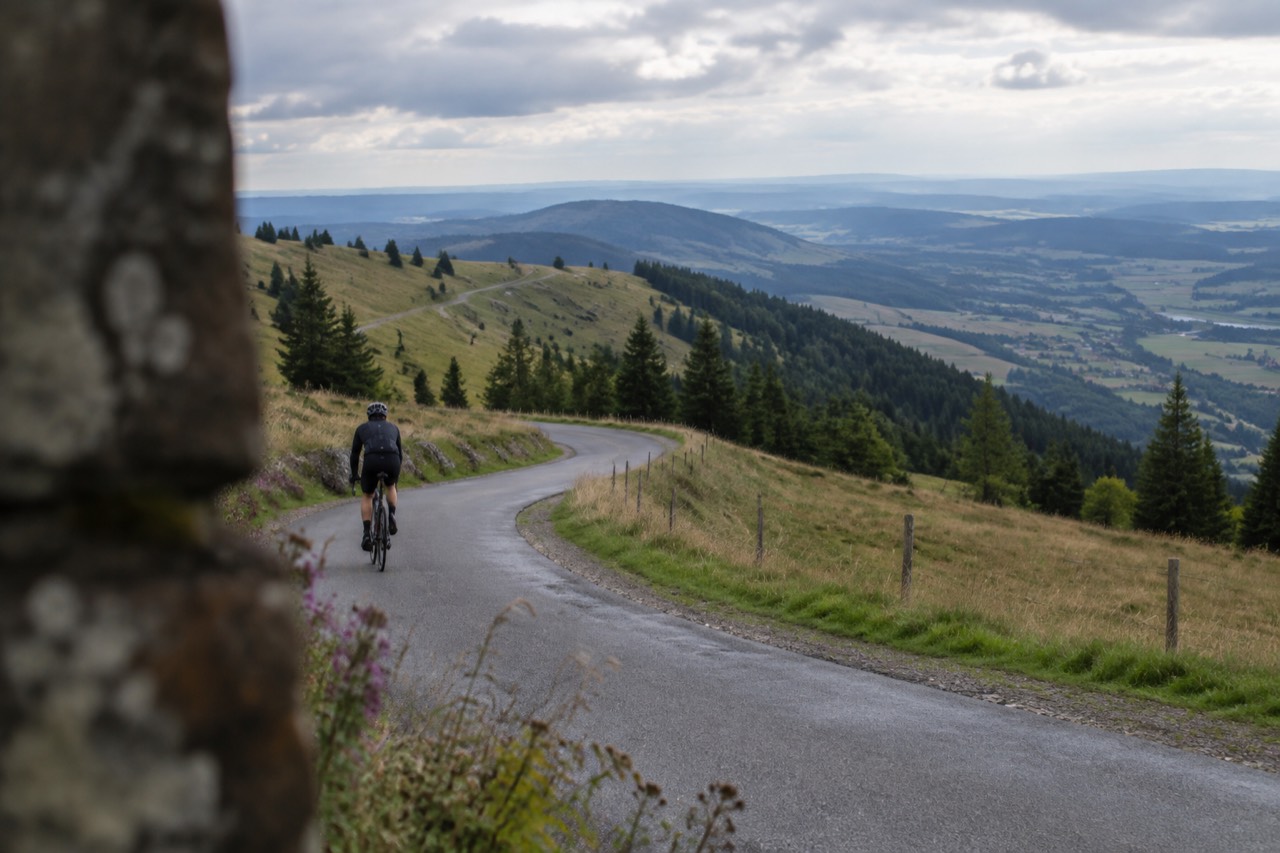
The Route des Cretes is the ridge road that follows the crest of the Vosges, the line of wooded hills that forms the western wall of Alsace above the plain where Strasbourg sits, in north-eastern France. From the top, on a clear day, the Alsace wine country opens out on one side and the higher summits roll away on the other, with the Black Forest visible far to the east across the Rhine. It is a drive people plan whole Strasbourg day trips around, and this guide sets out how to do exactly that: what the road is, when to drive it, what to stop for on the way up and down, and what to check on the official pages before you go.
What Is The Route Des Cretes?
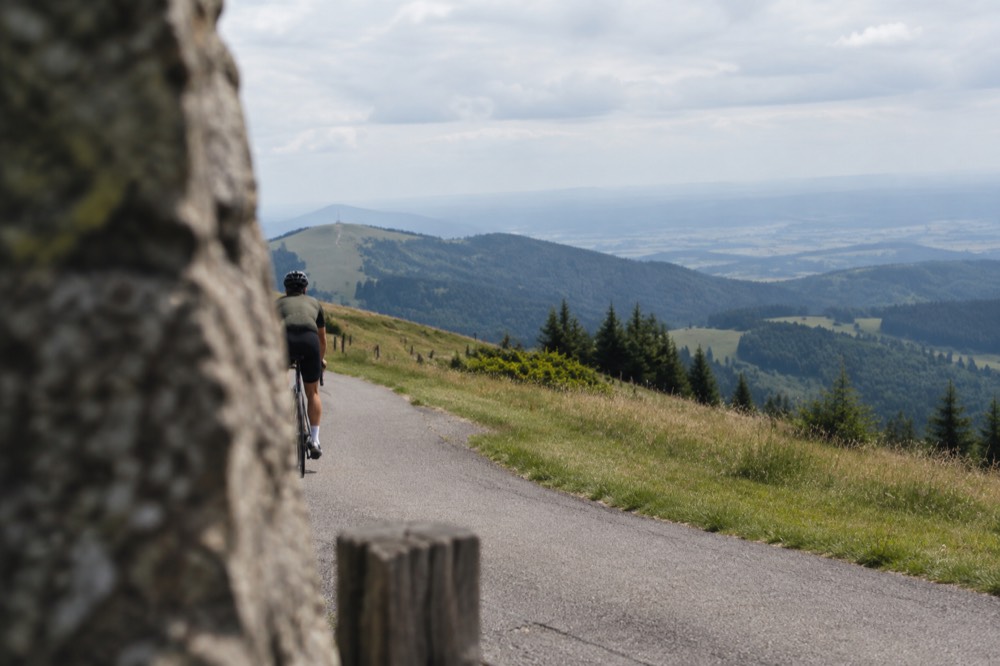
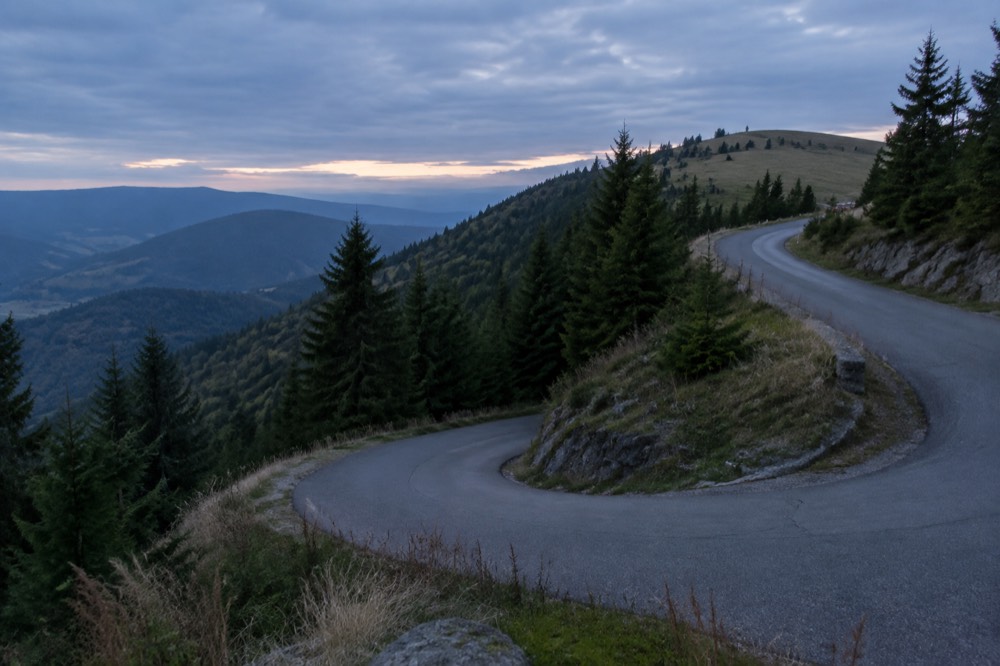
The Route des Cretes is a scenic ridge road along the top of the Vosges, the range that separates the Alsace plain from Lorraine, west of Strasbourg and the wine villages. It exists for the views: first laid out along the crest as a military supply route, it became one of the recognised pleasure drives of eastern France, with open meadows, farmsteads on the high pastures, and viewpoints over both slopes. You drive it for the driving, not to reach one single sight.
That last point shapes every plan worth making. A visit to a cathedral or a museum has a door you walk through and a ticket you buy; the Route des Cretes has neither. There is no entrance, no single unmissable monument and no official closing time, because the attraction is the crest itself: the succession of bends, the high grassland the Alsatians call the haute chaume, and the long views down to the vineyards that produce the wines the region is known for. Travellers who enjoy it treat it as a spine, a line they can follow for part of a day while dropping off it toward whichever valley village they want to see.
The road also explains something about the geography of the whole region. Alsace is a long, narrow corridor: the Rhine and the German border on one side, the Vosges crest on the other, and between them the wine route, the villages and the cities. Standing on the crest you see that layout at once, which is why the drive pairs so naturally with the Alsace wine route below it. Many visitors combine a morning on the heights with an afternoon in the vineyards, and the pairing works in either direction.
| Feature | What to expect |
|---|---|
| What it is | A ridge road along the crest of the Vosges, west of the Alsace plain |
| What it is for | Scenic driving, viewpoints, high pasture walks and farmstead stops |
| How you experience it | By car or motorbike, with stops at lay-bys and farm inns along the crest |
| What it is not | A single ticketed sight with set opening hours |
| What to check before you go | Road status and weather on the official road and tourism pages for the Vosges |
How Do You Plan A Route Des Cretes Day Trip From Strasbourg?
A sensible plan is a full-day loop: leave in the morning, climb to the crest through the wine country or via a valley town such as Obernai, spend midday on the heights with a farmstead lunch, then descend toward the wine villages or Haut-Koenigsbourg before returning in the evening. The road is the destination, so build the day around two or three stops rather than a long list, and check the weather, because the crest changes character completely in cloud.
The first decision is the shape of the loop. A westward loop takes you up through the foothill towns and onto the crest, then back down through wine country, which gives you the widest mix of scenery in one day. A loop built around Obernai on the way out and Riquewihr or Eguisheim on the way back is a classic version, and each of those towns deserves at least a proper walk rather than a photo from the car park. The answer to how long the wine route takes to drive is a good companion read, because the plain and the crest share the same day for most travellers.
The second decision is how much driving you want to do at all. A hire car gives you the freedom to stop wherever a viewpoint takes your fancy, which is the whole point of the road. But the crest is a full mountain drive, with bends, livestock on the road in the grazing season and weather that can close in quickly, and not every visitor wants that responsibility on a short stay. Guided tours from Strasbourg cover the valleys thoroughly, and the best of them fold the same villages, the castle and the viewpoints into one planned day.
Whichever way you travel, timing matters more here than on a city itinerary. The crest is at its best in the hours either side of midday, when the sun reaches both slopes, and a late start from Strasbourg risks reaching the best viewpoints when the light has already gone flat. Build in slack, too: farm inns on the heights, called fermes auberges locally, serve simple Alsatian food at lunchtime and can fill up in high summer, and the whole pleasure of the road is being able to stop when a lay-by opens onto a view.
| Loop option | Route shape | Best for | What to check |
|---|---|---|---|
| Crest and wine villages | Up through the foothills, along the crest, down through the vineyards | First-time visitors who want scenery and villages in one day | Opening days of farm inns on the crest |
| Crest and Haut-Koenigsbourg | Ridge road in the morning, castle in the afternoon | Visitors who want one big sight after the drive | Castle opening hours on its official page |
| Crest only, slow | A shorter section of the ridge with long stops and a walk | Photographers and walkers | Weather forecast for the summits |
| Villages only, no crest | The wine route without the mountain | Visitors short on time or uneasy with mountain roads | Village parking, which fills in high season |
Which Tours From Strasbourg Pair Well With The Ridge Road?
The strongest pairing is a full-day Alsace tour that reaches Colmar, Riquewihr and Haut-Koenigsbourg, because it covers the same territory the ridge road descends into, with a driver who handles the mountain and village roads. It suits anyone who wants the Alsace panorama without a hire car, and it leaves the evening free in Strasbourg. Check the operator's live listing for the current departure details and what the day includes.
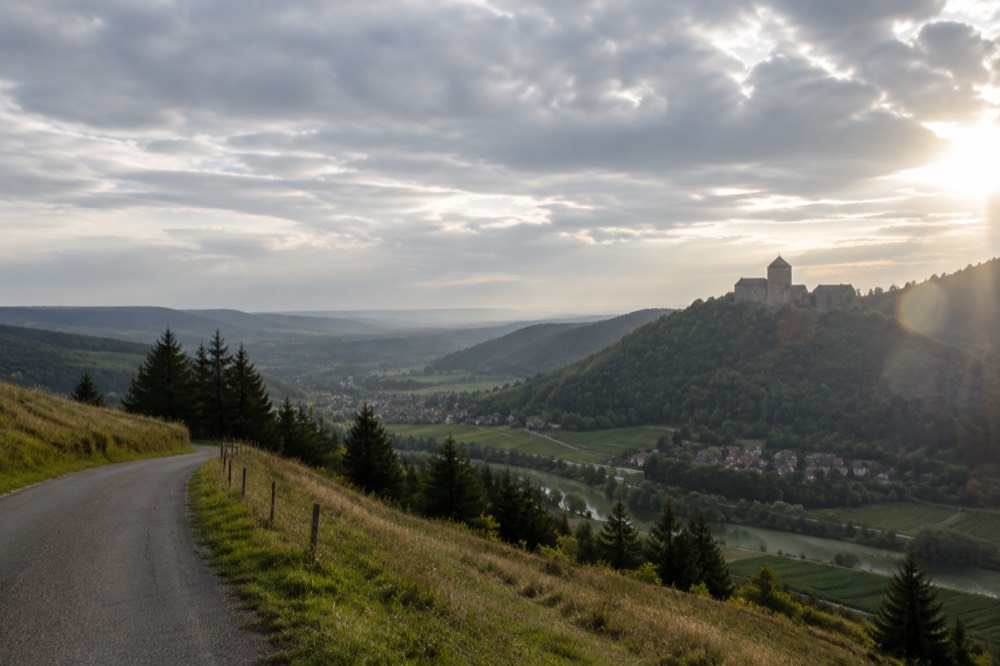
The reason this pairing works is geography. The crest road and the great castle sit in the same corner of Alsace: Haut-Koenigsbourg watches over the plain from its own height, and the guide to Haut-Koenigsbourg covers what a visit involves. A tour that strings together Colmar, Riquewihr and the castle gives you the valley experience of the same day trip, with commentary you would never get from a road sign, and without the parking searches that eat into a self-drive day in high season. For travellers based in Strasbourg without a car, it is the single most efficient way to see this part of the region.
Check availability on the operator's listing if that shape of day appeals, because departure days and group sizes vary with the season. The alternative for visitors who enjoy guided company but prefer the villages without the castle is a medieval villages and wine tasting trip, which spends its day in the wine country the crest looks down on, with tastings built in rather than left to chance.
There is also a case for splitting the two experiences across a longer stay. Spend one day on a guided loop through the valleys, then a second day with a car on the crest itself, starting early from Strasbourg while the tour traffic is still forming. That way you get the structure and the stories on day one, and the freedom to linger at a viewpoint on day two. The Strasbourg Travel Guide homepage collects the itineraries that make this split easy to plan, including one-day, two-day and three-day versions for the city itself.
When Is The Best Time To Drive The Route Des Cretes?
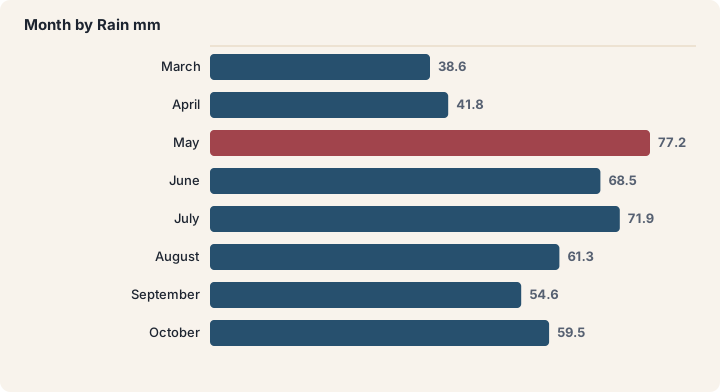
Late spring through early autumn is the comfortable window for the Route des Cretes. Meteo-France 1991-2020 normals for the Strasbourg area give July mean maxima of 26.4 C and January mean maxima of just 5.2 C, with December averaging 10.2 rain days of one millimetre or more against 8.0 in September. The crest is higher and cooler than the plain, so whatever the forecast says for Strasbourg, expect sharper conditions on the summits.
The numbers behind that advice are worth reading closely, because they explain the rhythm of the whole region. May through September is the warmest stretch of the Alsatian year on these normals, with May the wettest of those months at 77.2 millimetres. June, July and August combine warm days with roughly ten rain days each, which on a ridge road means planning for the possibility of a shower rather than assuming one. The high pastures are at their greenest early in the season and turn golden by late summer, and the farm inns along the crest keep to the grazing and tourist season, so check their opening months rather than assuming year-round service.
| Month | Mean maximum C | Mean minimum C | Rain mm | Rain days of 1 mm or more |
|---|---|---|---|---|
| March | 12.1 | 2.6 | 38.6 | 8.5 |
| April | 17.0 | 5.7 | 41.8 | 8.6 |
| May | 20.9 | 10.1 | 77.2 | 10.8 |
| June | 24.4 | 13.4 | 68.5 | 10.2 |
| July | 26.4 | 14.9 | 71.9 | 10.4 |
| August | 26.1 | 14.5 | 61.3 | 9.5 |
| September | 21.6 | 10.7 | 54.6 | 8.0 |
| October | 15.8 | 7.2 | 59.5 | 9.6 |
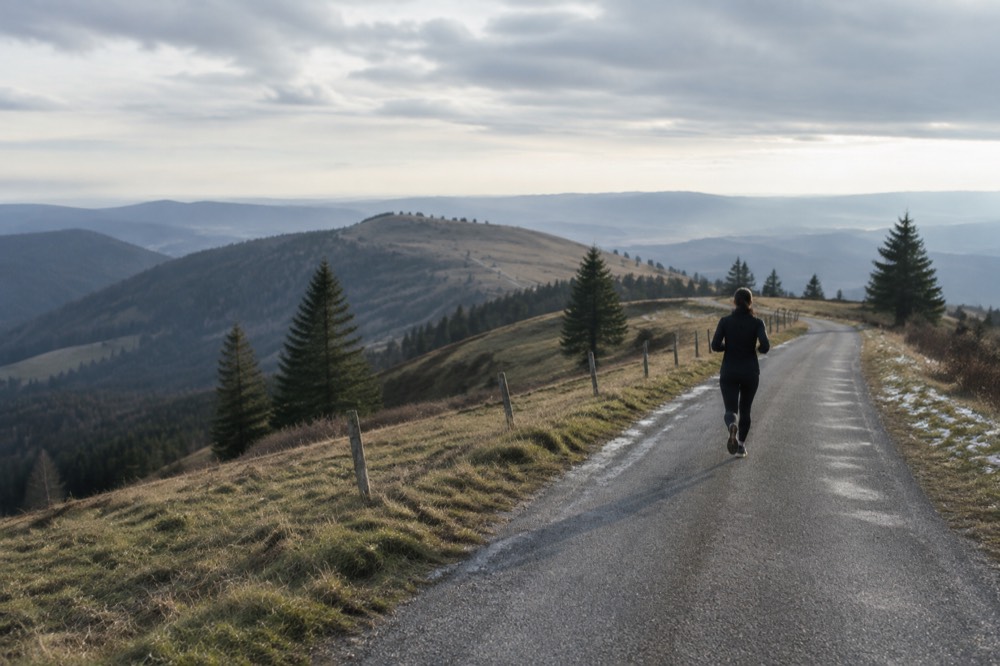
Winter changes the calculation entirely. January mean maxima of 5.2 C and minima of minus 0.2 C on the plain translate to snow and ice on a crest road, and mountain roads in the Vosges can be closed or require winter equipment when conditions are bad. The official road authority pages and the local tourism offices publish the current status, and that is the only source worth trusting for a winter attempt. Autumn has its own appeal, with October still offering a mean maximum of 15.8 C and the vineyards below turning colour, but the days shorten quickly and the light on the crest fades earlier than a summer plan would suggest.
| Season | What the crest is like | What to plan around |
|---|---|---|
| Spring | Green pastures, lingering chill on the summits | Farm inns may not open until later in the season |
| Summer | Full opening season, warm days on the plain | Busiest lay-bys and village parking at midday |
| Autumn | Golden vines below, earlier dusk | Shorter daylight for the drive back to Strasbourg |
| Winter | Possible snow, ice and closures | Road status checks and winter equipment rules |
What Will You Actually See Along The Route Des Cretes?
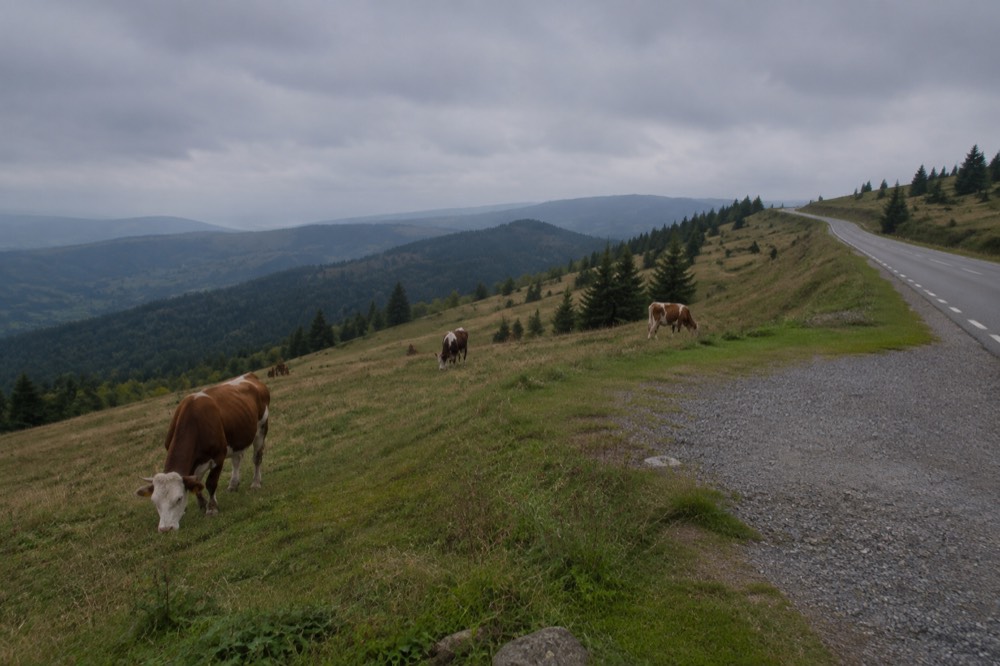
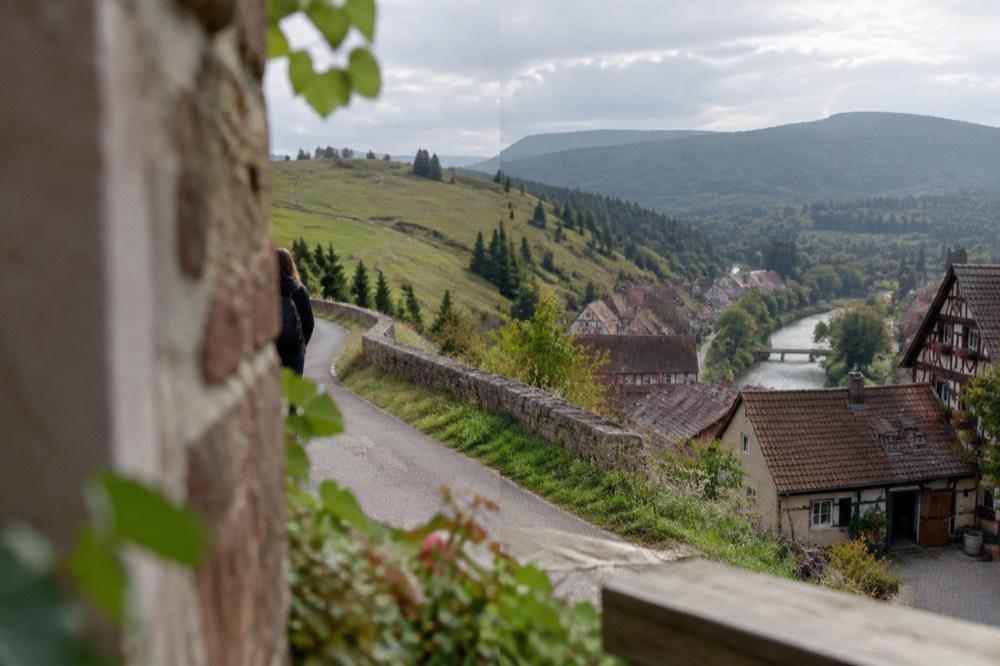
Expect three things in repeated succession: open grassland on the high pastures, forested slopes dropping away on both sides, and lay-bys with long views over the Alsace plain toward the Black Forest and, on the clearest days, the Alps to the south. Farmsteads sit on the heights, cattle graze the meadows in the warm months, and the road itself is a constant gentle climb and dip rather than a single dramatic pass. It is a landscape of scale and quiet rather than monuments.
The high pastures are the signature of the drive. These grasslands, kept open by grazing rather than left to forest, give the crest its wide horizons, and they are working land: the farms sell their own produce, and stopping at one for a plate of the day is the traditional way to break the journey. The views alternate as the road runs along the top, so a stop on one stretch faces the plain and the Rhine, while the next faces back into the hills. On clear days the Black Forest across the border in Germany is part of the panorama, a reminder of how close Strasbourg sits to the frontier; the Black Forest guide covers the German side for travellers who want both in one trip.
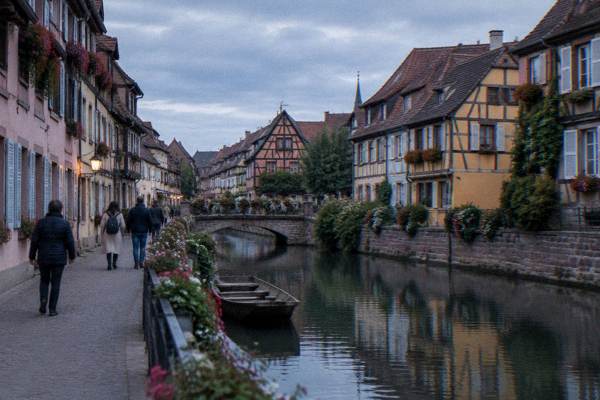
Below the crest, the descent lands you in the world of the wine villages, and that is where the day gains its second half. Kaysersberg, Ribeauville and their neighbours line the foothills, each a compact half-timbered town built around its own square and church. None of them needs long, but each rewards a proper wander, and the choice between them is a matter of which parking space you find first. Further along the plain, Colmar is the big town of the southern vineyards and a natural endpoint before the drive back to Strasbourg.
| Stop type | What you find | Who it suits | What to check |
|---|---|---|---|
| Crest lay-bys | Viewpoints over the plain and the hills | Photographers, anyone wanting a picnic spot | Safe parking, since lay-bys can fill in summer |
| Farm inns | Simple Alsatian dishes from the farm's own produce | Lunch stops, families | Opening days and months, which follow the season |
| Wine villages | Half-timbered squares, tasting cellars | Walkers, shoppers, first-time visitors | Cellar opening days and village parking |
| Haut-Koenigsbourg | A restored castle above the plain | Visitors who want one major sight | Hours and ticket details on the castle's page |
| Mont Sainte-Odile | A hilltop monastery above the western plain | Visitors combining crest and pilgrimage site | Access details in the Mont Sainte-Odile guide |
Where To Eat And Taste Wine On The Way Down?
The pattern that works is a farmstead lunch on the heights followed by a tasting stop in the first wine village you reach on the descent. The farm inns on the crest serve the hearty end of Alsatian cooking, while the villages below hold the cellars, and the wines of the region, led by riesling, are the reason the vineyards exist at all. Leave room to stop where the day takes you, but check that your chosen farm inn is open before you rely on it.
Alsatian food on the heights is built for the climate: the semi-continental seasons of the plain, with January mean maxima of 5.2 C and July maxima of 26.4 C, produced a cuisine of preserved meats, slow-cooked dishes and warming pastries. The farm inns keep to that tradition, and their menus are short by design. Down in the villages, the winstubs of the region serve the same style of food in a town setting, and the cellars beside the squares pour the local still and sparkling wines. The guide to Alsatian wine covers the grape varieties and styles, and the guide to winstubs in Strasbourg shows the same tradition back in the city if your evening plans are open.
For travellers who want the tasting without the driving, a half-day wine tour from Strasbourg reaches the vineyards with a guide and a driver, which is a good fit for a two-day plan that puts the crest on day one and the cellars on day two. It also solves the one real problem of a self-drive tasting day, which is that someone has to stay off the wine. The tour below is the half-day option; the medieval villages trip listed later in this guide is its full-day counterpart.
If you are self-driving, one practical rule keeps the day pleasant: taste late. Do the crest in the morning, eat at a farm inn at midday, walk off lunch in a village, and save the cellar for the last stop of the afternoon, when the drive back to Strasbourg is the only thing left. The plain is flat and the road back is straightforward, but dusk comes earlier than summer visitors expect, and the last stretch is better done in daylight.
| Stop | Known for | What to check before you go |
|---|---|---|
| Farm inns on the crest | Farm-produced Alsatian dishes at altitude | Opening months, which follow the grazing season |
| Kaysersberg | A riverside old town below the foothills | Parking, which is tight in high summer |
| Ribeauville | Wine cellars and a compact old centre | Cellar opening days, which vary by producer |
| Eguisheim | Concentric streets around a small square | Arrival time, since midday is the busiest |
| Colmar | The largest town of the southern vineyards | Museum and boat hours if you plan more than a walk |
What If You Would Rather Not Drive At All?
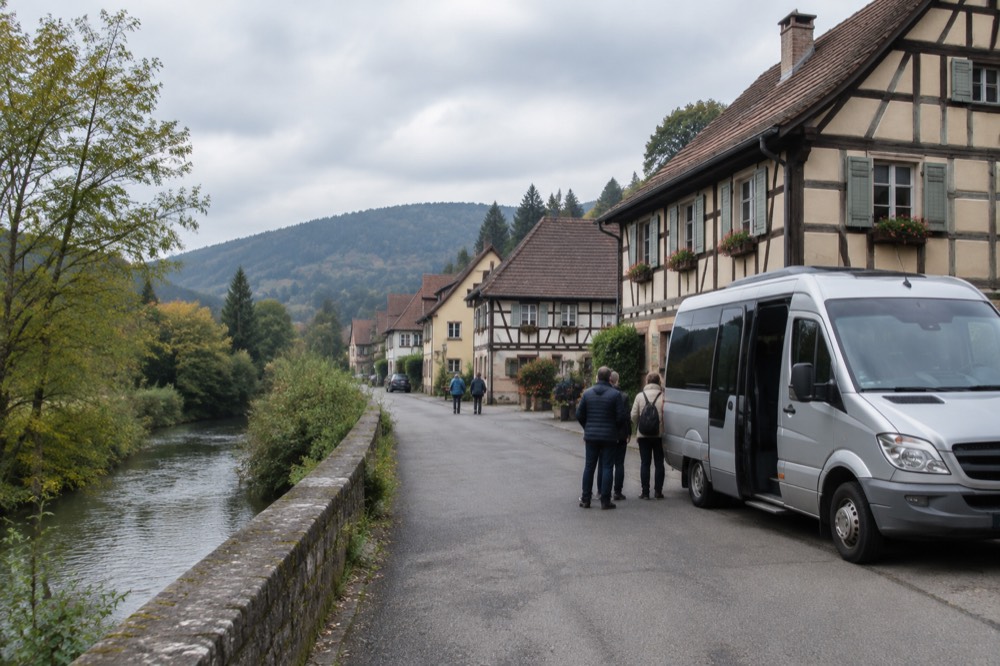
You can cover the valleys, the villages and the castle of this corner of Alsace entirely on guided tours from Strasbourg, and many visitors do. What you give up is the crest itself, which no standard group tour drives for its own sake, and the freedom to stop at an empty lay-by on a whim. What you gain is a driver who knows the roads, commentary that explains the region, and an evening back in Strasbourg without a mountain road between you and dinner.
The honest trade-off is worth spelling out. The ridge road is the one part of this landscape that genuinely requires self-drive, because its whole value is the unplanned stop: the lay-by with nobody in it, the farm inn you happen to pass at noon. Everything else, the wine villages, Colmar, Haut-Koenigsbourg, even the eagle park and monkey mountain near the castle, sits on ordinary valley roads that tours reach comfortably. So the question is not whether tours can replace the drive, but whether the drive is the point of your day. For photographers and slow travellers it usually is. For a first visit on a short stay, a guided loop often delivers more.
The full-day historical option below is the broadest of the tour pairings: it sweeps the highlights of the region in a single loop from Strasbourg, which suits visitors with only one free day. Pair it with a city walk on another day, and the Strasbourg side of the trip is covered too; the riverside stretches around the Quai des Bateliers and the Jardin des Deux Rives across the river from Germany make an easy evening after a long day out.
One more option belongs in this section for completeness. If the appeal of the day was never the mountains but the simple pleasure of moving through scenery with a guide, the medieval villages and wine tasting trip reaches the string of wine towns with tastings included, and it removes every driving decision from the day. It is the version of the Alsace day that visitors who dislike mountain roads tend to prefer.
| Way to spend the day | What it includes | Who it suits |
|---|---|---|
| Self-drive with a hire car | The crest, the lay-bys and any villages you choose | Confident drivers who want full freedom |
| Full-day guided Alsace loop | The major villages and sights in one planned day | First-time visitors without a car |
| Half-day wine tour | Cellar visits with a driver, back by afternoon | Visitors with a free evening in Strasbourg |
| Villages and tasting day trip | Wine towns with tastings built in | Travellers who prefer valleys to summits |
Is The Route Des Cretes Worth The Drive From Strasbourg?
For visitors who love scenic driving, yes, without hesitation: the crest is the best high-country viewpoint within a day of Strasbourg, and it turns a wine-route trip into a full landscape day. For a first visit of two or three days, a guided loop through the valleys usually delivers more of Alsace per hour, and the crest can wait for a longer stay. The road rewards a second visit better than a first, when you know the region well enough to read the view.
That is the honest shape of the recommendation. The Route des Cretes is not a sight you tick off; it is a slow experience that pays best in good weather, with time to spare and an appetite for a farm lunch. On a short city break built around Strasbourg's cathedral, Petite France and the European institutions, spending the whole day on a mountain road can feel like a detour from the trip you came for. On a week in Alsace, with the wine route and the villages already on the list, the crest is the natural high point of the itinerary, and the day you will talk about afterwards.
Plan it with the seasons in mind, check the road status and the farm-inn opening months on the official pages, and give the heights the middle of the day. Whether you drive it yourself or see the same valleys through the window of a guided tour, the corner of Alsace west of Strasbourg is one of the most rewarding day-trip territories in eastern France.
Common Questions About The Route Des Cretes
Can you drive the Route des Cretes in winter?
Winter driving on the crest is a different proposition from the plain. Meteo-France 1991-2020 normals give January mean maxima of 5.2 C and minima of minus 0.2 C for the Strasbourg area, and the summits run colder than that, so snow and ice are realistic. Mountain roads in the Vosges can be closed or subject to winter equipment rules in bad conditions, and the only reliable answer is the current status published by the road authority and the local tourism offices before you set out.
How long should you allow for a Route des Cretes day trip from Strasbourg?
Treat it as a full day. The drive itself is only part of the time: a farm-inn lunch on the heights, a walk in at least one wine village and a tasting stop fill the rest, and the light fades earlier than summer visitors expect. A rushed half-day version is possible in good conditions, but it turns the road into a transit route rather than the destination it is meant to be.
Do you need to book anything for the Route des Cretes?
The road itself needs no booking and has no ticket. What benefits from planning are the farm inns on the crest, which keep seasonal opening hours and can fill at midday in summer, and any wine cellar or castle visit on the descent, whose opening days and hours vary. Check each stop's own page before you rely on it.
Can you visit the Route des Cretes without a car?
The crest itself is effectively a self-drive experience, because its value lies in stopping freely along the ridge. Guided tours from Strasbourg cover the valleys, the wine villages and Haut-Koenigsbourg thoroughly, but a standard group tour does not drive the ridge road for its own sake. If the crest is the reason for your trip, a hire car is the practical answer.
What should you combine with the Route des Cretes on the same day?
The classic combination is a wine village on the descent, such as Kaysersberg, Ribeauville or Riquewihr, plus a tasting stop, with Haut-Koenigsbourg as the big sight if your day has room for it. One or two villages is the comfortable limit; the temptation to collect every town on the plain is what turns a scenic day into a parking odyssey.
The crest will still be there on your next visit, and it is the kind of road that earns a repeat. Plan the season, check the openings, and let the heights have the middle of your day.