Is Strasbourg Safe
Strasbourg, the Alsatian prefecture beside the German border in north-eastern France, is a compact, walkable heritage city, and the safety question is mostly about ordinary city sense rather than anything unusual.
Short answer
Strasbourg is generally a low-risk city for visitors. The Grande Île and Neustadt are walkable day and night, public transport runs on a simple ticket system with a 1.90 EUR single or 4.60 EUR 24-hour pass, and the main risks are pickpocketing in crowds and winter ice. The commune counts 293,771 residents and the centre stays lively into the evening.
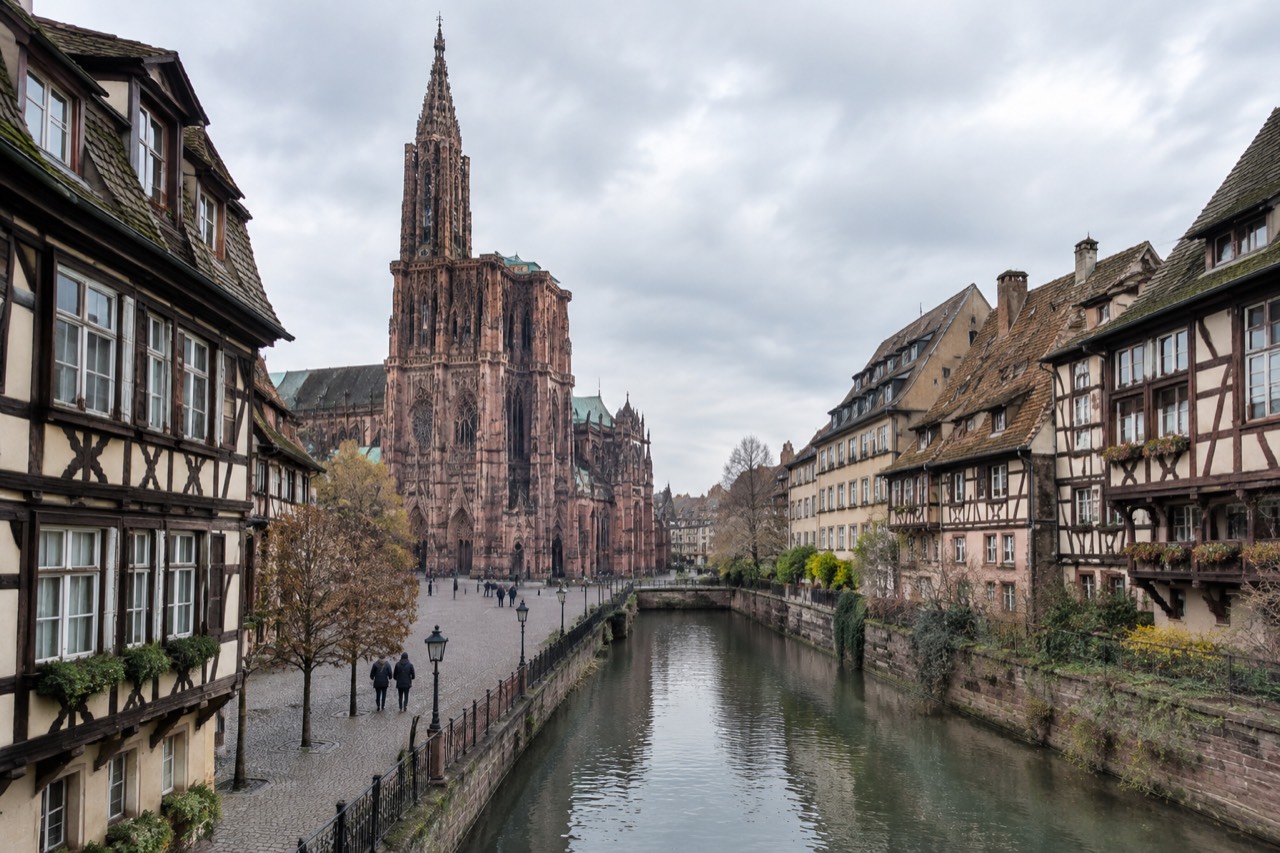
Strasbourg, in Alsace (Bas-Rhin, Grand Est), north-eastern France, sits on the River Ill beside the Rhine, which forms the border with Germany, and it behaves the way mid-sized European heritage cities behave: busy, walkable, and low on the kinds of risk that shape travel decisions. The commune counted 293,771 residents at the last INSEE census, the historic core is a UNESCO World Heritage property known as "Strasbourg, Grande-Île and Neustadt", and the streets around the cathedral fill with visitors year-round without the city acquiring a reputation for trouble. That said, no city is risk-free, and the honest answer to "is Strasbourg safe" is that the risks here are ordinary ones: crowds, dark winter evenings, icy pavements and the small theft opportunities that come with any popular destination. This guide walks through the neighbourhoods, the transport system, the evening scene and the seasonal pitfalls, with the practical figures a visitor actually needs.
Is Strasbourg Safe For Tourists?
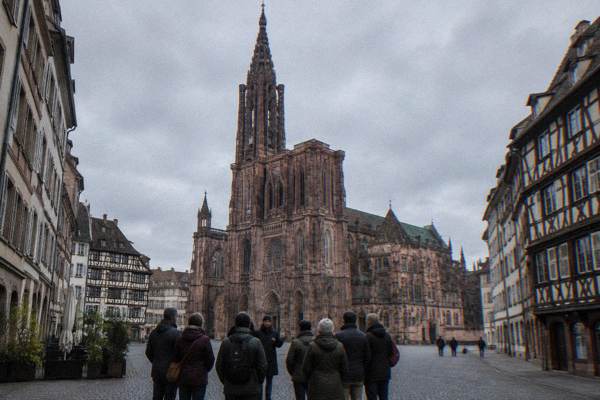
Yes, Strasbourg is safe for tourists by the ordinary standards of European city travel, and nothing about the city's layout or reputation suggests visitors need special precautions beyond basic city sense. The historic centre is compact and pedestrian-heavy, the main sights sit within easy walking distance of one another, and the streets stay active through the evening, which is itself a safety factor. The realistic concerns are pickpocketing in dense crowds, particularly around the cathedral and during the Christmas period, and seasonal weather rather than anything directed at travellers.
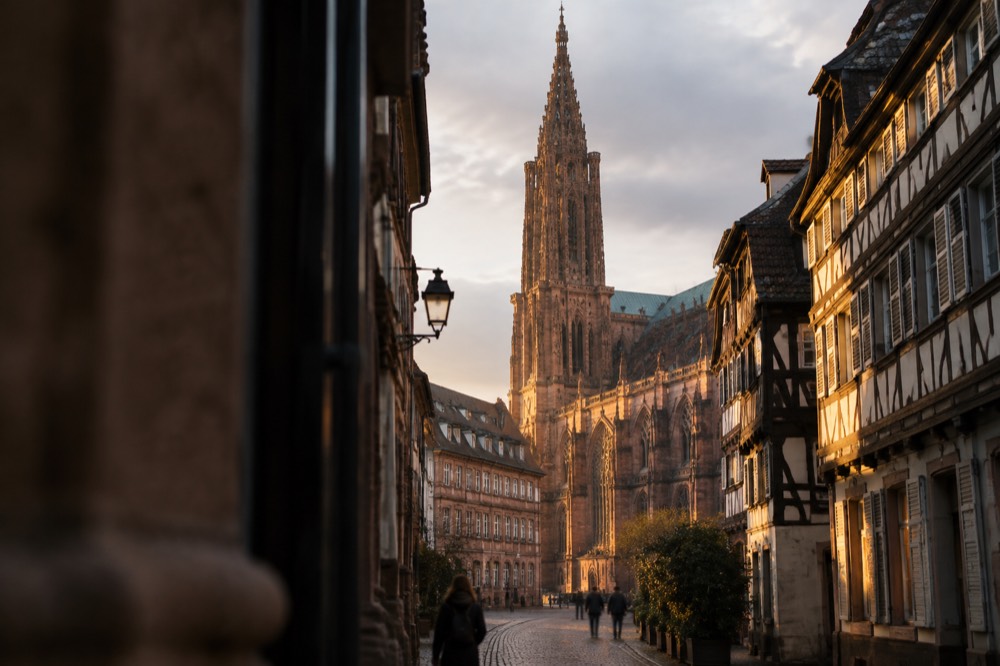
The city's character works in a visitor's favour. The Grande Île, the island core where the cathedral, Petite France and Place Kléber sit, is largely given over to pedestrians and trams, so there are few fast traffic corridors to cross and few deserted stretches between one landmark and the next. The Neustadt, the imperial-era extension across the Ill, adds broad avenues and institutional buildings that stay busy on working days. Between them, the two districts mean the walk from the station to the cathedral passes through continuously inhabited streets.
Want to explore the city on foot with a local? Book a free walking tour here.
Scale matters too. This is not a metropolis where a wrong tram ride lands you somewhere unfamiliar; the distances are short, the tram network is legible, and the visitor footprint is concentrated in a small area that the city itself keeps tidy because tourism is a pillar of the local economy. The Christmas market alone drew 3.05 million visitors in the 2025 edition, and the city manages that flow with visible organisation: signage, staffed crossings and a police presence scaled up for the season.
If you are weighing the trip itself, the Is Strasbourg Worth Visiting guide covers what the city offers across a stay, and the Where Is Strasbourg page explains the geography that makes it so easy to navigate on foot.
Which Areas Of Strasbourg Feel Safe To Walk?
The Grande Île, Petite France, the Neustadt and the Krutenau are all comfortable to walk at a visitor's normal pace, in daylight and in the evening, and none of the central quarters has a character that should change your plans. The station district is the one area worth a little more attention, not because it is dangerous but because stations everywhere concentrate the small opportunistic thefts that travellers encounter. Outlying residential areas are simply residential: calm, unremarkable and rarely on a visitor's route.
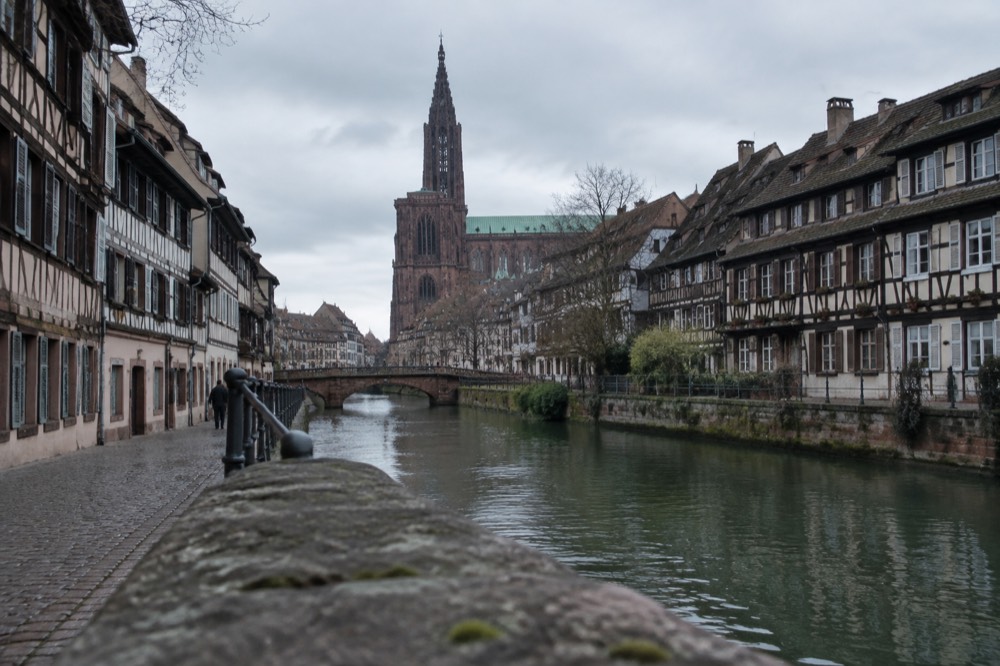
Petite France, the former tanners' and millers' quarter at the western tip of the island, is the postcard district of half-timbered houses and canal-side terraces. It is also one of the areas where crowds are thickest, so the practical advice is about your bag rather than your route. The Petite France guide covers the lanes and bridges in detail. The Krutenau, just south of the core, is the student quarter, lively in the evenings around its restaurants and bars, and a pleasant place to wander without any particular caution.
The Neustadt, with its grand public buildings, the Place de la République and the European institutions further north-east, is quiet outside working hours but never empty; the European Quarter page explains what is there and how the institutions open to visitors. The Gare District around the station is the practical entry point for rail arrivals, and the usual station rules apply: keep luggage closed, keep phones out of back pockets, and use the lit main streets rather than side lanes late at night.
| Area | Character | Daytime | After Dark | Practical Note |
|---|---|---|---|---|
| Grande Île (cathedral, Place Kléber) | Pedestrian-heavy heritage core | Busy, relaxed | Busy in season, lively bars | Watch bags in crowds |
| Petite France | Canals, half-timbered houses | Very busy with visitors | Quieter, well lit | Stick to lit lanes |
| Krutenau | Student quarter, restaurants | Relaxed | Lively around dinner | Normal city sense |
| Neustadt | Grand avenues, institutions | Calm, working-day bustle | Quiet but not empty | Long blocks, plan your exit |
| Gare District | Station, hotels, shops | Busy | Mixed, lit main streets | Standard station caution |
| Robertsau | Residential, near the Orangerie | Very calm | Very quiet | Little reason to visit at night |
The Where To Stay In Strasbourg guide maps these quarters against hotel districts, which is often the real question behind a safety enquiry: where you sleep shapes where you walk at night.
What Should You Watch Out For In Strasbourg?
The honest list is short: pickpocketing in dense crowds, especially around the cathedral, on packed trams and during the Christmas market; unattended belongings on terraces and in station halls; and seasonal hazards such as icy December pavements and summer heat on long walking days. There is no scam industry here on the scale of larger capitals, and no area a visitor should refuse to enter. Treat Strasbourg as you would any regional European capital and you will already be doing enough.
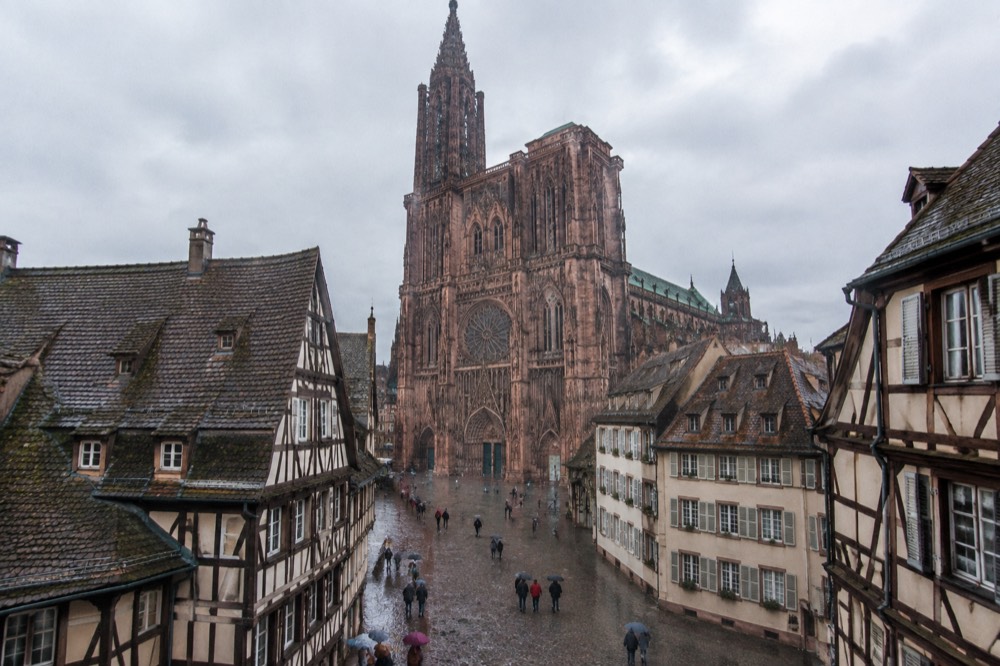
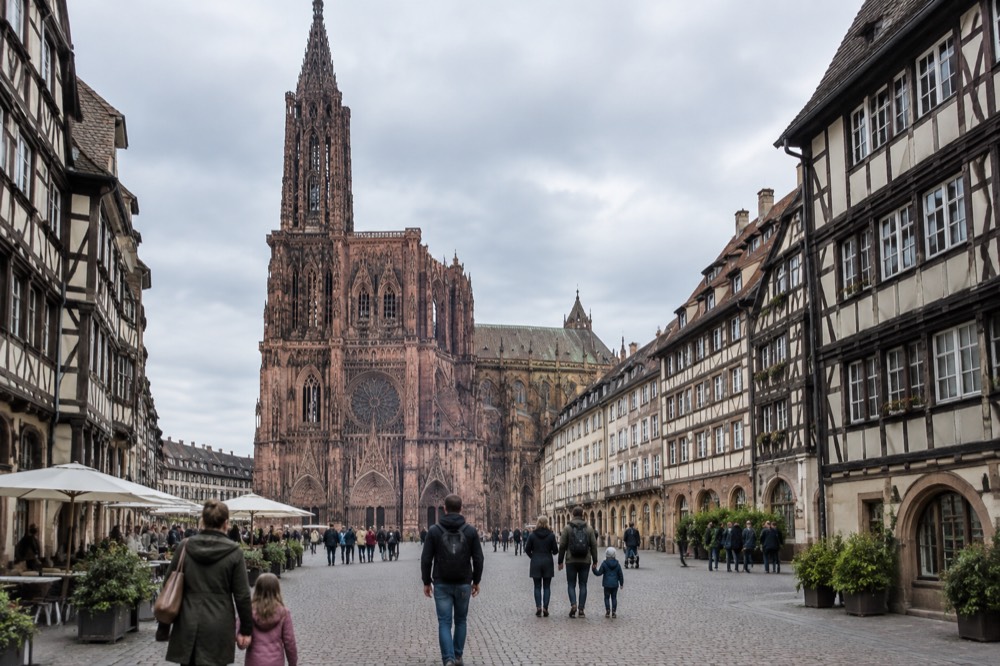
The cathedral square is the natural pinch point. The nave is open Monday to Saturday from 08:30 to 11:15 and 12:45 to 17:45, and on Sundays and feast days from 14:00 to 17:15, so the square fills and empties in waves; the moments of compression are when a bag left open is most vulnerable. The same applies to trams at peak hours: a single ticket costs 1.90 EUR bought through the Badgéo card, the CTS app or contactless payment, or 2.50 EUR on board the bus, and the ticket machines at busy stops are exactly where a distracted traveller is easiest to relieve of a phone.
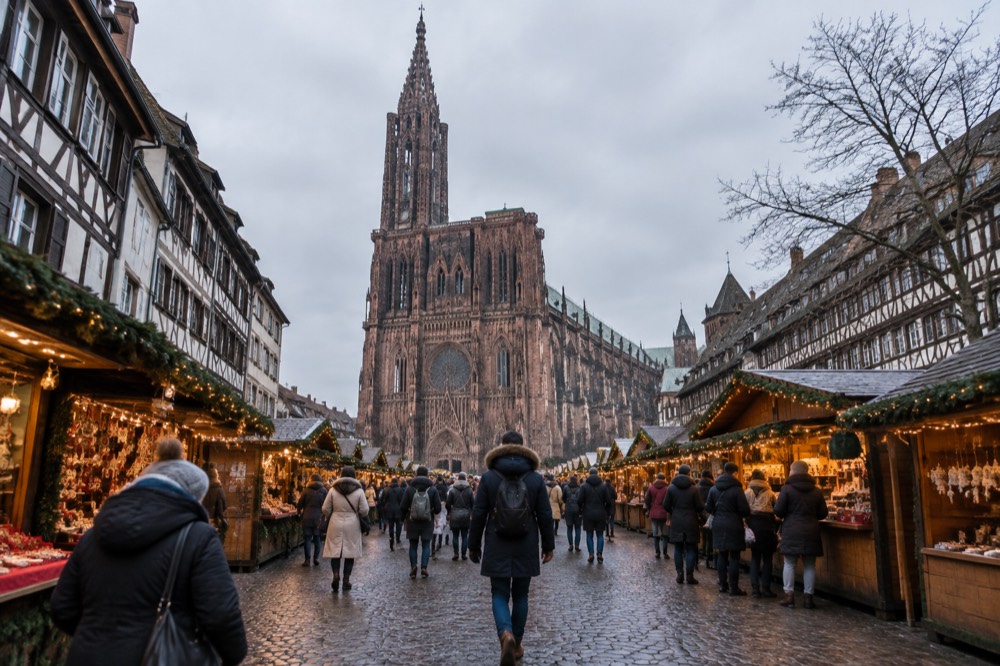
The Christmas season multiplies the crowd factor. The 2025 edition ran from 26 November to 24 December and brought 3.05 million visitors; the 2026 dates are still being finalised on the city's Christmas site, so confirm them there before booking. In that period the chalet-lined squares are shoulder-to-shoulder from late morning to evening, and the standard advice about front-worn bags and divided cash applies in full. The Strasbourg Christmas Market and Christmas Markets In Alsace guides cover the season in depth.
| Concern | Where It Applies | Realistic Level | What To Do |
|---|---|---|---|
| Pickpocketing | Cathedral square, trams, market crowds | The main realistic risk | Front-worn bag, divided cash |
| Unattended items | Terraces, station halls, museum cafés | Occasional | Keep bags on your lap |
| Night-time lanes | Side streets off the core after midnight | Low | Use lit main streets |
| Icy pavements | December and January mornings | Real in winter | Shoes with grip, slow pace |
| Traffic | Tram lanes in the core | Low but real | Look for trams both ways |
| Overcharging | Tourist-adjacent terraces | Possible anywhere | Check the menu card first |
Food-focused visitors spend long stretches in crowded winstubs and market lanes; the Strasbourg Food and Winstubs In Strasbourg guides name the institutions worth queuing for. A guided option keeps you in the central streets with someone who knows them: the Check availability link shows the operator's live listing for the traditional food walk with tastings.
Is Public Transport In Strasbourg Safe?
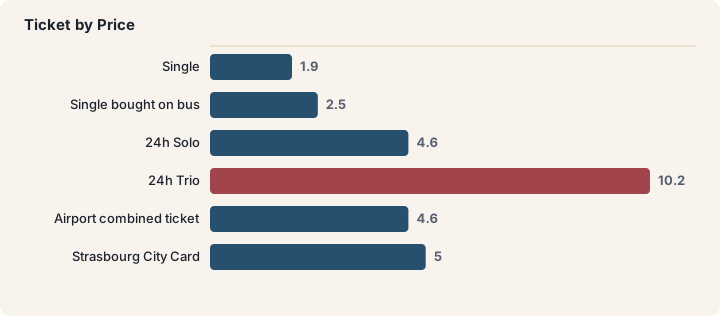
Yes, Strasbourg's CTS tram and bus network is safe, orderly and easy to use, and for most visitors it is actually safer than walking because it removes the need to navigate unfamiliar streets late at night. Trams run on reserved lanes, stations stay busy at all operating hours, and fares are simple: 1.90 EUR for a single ticket via the app, Badgéo card or contactless, 4.60 EUR for a 24-hour Solo pass and 10.20 EUR for a 24-hour Trio pass.
The airport link is a good example of how straightforward the system is. A shuttle train runs between Strasbourg station and Entzheim Airport up to five times an hour and takes 8 minutes, and a combined ticket covering the train, the tram or bus and a 24-hour Alsa+ pass costs 4.60 EUR. Arriving visitors can be in the city centre within about half an hour of landing without a taxi, which for evening arrivals is a genuinely reassuring option.
The practical transport risks are the same two everywhere: pickpocketing on packed vehicles at rush hour, and the tram lanes themselves, which in the pedestrian core run flush with the pavement and deserve a glance before stepping off a kerb. Neither is a reason to avoid the network. The Getting Around Strasbourg guide covers tickets, lines and the Badgéo card in full, and the Strasbourg By Bike page extends the picture to the city's bike paths.
| Ticket | Price | Where Valid | Best For |
|---|---|---|---|
| Single | 1.90 EUR (app, Badgéo, contactless) | CTS network | One-off journeys |
| Single bought on bus | 2.50 EUR | CTS network | Last resort only |
| 24h Solo | 4.60 EUR | CTS network | A day of sightseeing |
| 24h Trio | 10.20 EUR | CTS network, 2-3 people | Couples and families |
| Airport combined ticket | 4.60 EUR | Train, tram/bus, 24h Alsa+ | Airport arrivals |
| Strasbourg City Card | 5 EUR adult, 3.50 EUR child | Discount card, 7 days | Repeat sightseeing savings |
The City Card is worth naming here because it is often mistaken for a transport pass: it is a 5 EUR discount card valid for seven days that reduces museum entries, the cathedral platform, the astronomical clock and the Batorama boat tours, not an all-inclusive ticket. The Strasbourg City Pass page explains the arithmetic.
Is Strasbourg Safe At Night?
Strasbourg at night is a functioning evening city rather than a 24-hour one: the core stays lit and populated around its restaurants and bars until late, the riverside walks are pleasant after dark, and the areas a visitor would naturally be in after dinner are the same areas that are safe by day. The realistic night-time advice is ordinary: use the lit main streets, keep the tram's operating hours in mind for the return leg, and drink as sensibly as you would at home.
The evening economy is concentrated and visible. Winstubs and restaurants fill the Grande Île and the Krutenau from the dinner hour onward, and the terraces around Place Kléber and the cathedral lanes keep foot traffic on the streets late into the evening in the warmer months. In December the Christmas lights keep the core bright and busy until the chalets close for the evening, which is why the market season feels safe to families with children out after dark. Everything else covered here is indexed on Strasbourg Travel Guide.
The Strasbourg At Night guide lists the evening options in detail, from the illuminated cathedral to riverside walks. For dinner-hour planning, the Best Restaurants In Strasbourg page keeps you in the well-trodden quarters, and the Strasbourg Hidden Gems guide points at quieter corners that are still central enough to reach on a lit route home.
One structural point helps: the city's rivers and canals mean several walking routes between the same two points, and after dark the sensible choice is the one along the busier quays rather than the shortest cut through an empty lane. The Quai des Bateliers stretch is a good example, well lit and trafficked in the evening; the Quai Des Bateliers page describes it.
Is Strasbourg Safe For Solo Travellers And Families?
Yes, on both counts, and for the same underlying reasons: the centre is compact, the evening streets stay populated, and the city's attractions are the low-intensity kind, museums, boat trips and walking routes, rather than anything that carries inherent risk. Solo travellers get a city where a wrong turn simply adds ten minutes, and families get wide pedestrian squares, a legible tram system and a museum offer that includes free first Sundays at every municipal museum. The practical adjustments are small and mostly about timing.
For solo visitors, the food-and-wine side of the city is unusually sociable. A tasting walk is a natural structure for an evening, and the traditional food walking tour with tastings pairs well with the Strasbourg Food Tour guide's overview of the options; the operator's live listing shows current availability and the free-cancellation terms. The Alsace Wine and Strasbourg Beer pages cover the cellar and brewery side for anyone extending into the evenings.
For families, the practical anchors are the Parc de l'Orangerie, the boat tours and the museum circuit. Batorama's long tour costs 16.20 EUR full fare and 8.90 EUR reduced, the short tour 12.50 EUR and 7.20 EUR, with the Red Tour lasting 1h10 and the Blue Tour 0h45, which is a manageable sit for small children. The Strasbourg With Kids guide builds the full family itinerary, and the Parc De L'Orangerie page covers the city's main green space.
| Traveller Type | What Helps | What To Watch | Best Starting Point |
|---|---|---|---|
| Solo traveller | Compact core, sociable food scene | Evening lane choices | Grande Île loop |
| Family with children | Pedestrian squares, trams, short boat tours | Tram lanes, river edges | Batorama departure point |
| Older visitors | Flat centre, benches on the squares | Icy winter mornings | Cathedral square |
| First-time visitor | Legible transport, clear signage | Crowds at peak sights | Station-to-centre tram |
How Does Weather Affect Safety In Strasbourg?
The climate is semi-continental, and the safety-relevant facts are winter cold and rain spread across the year: Meteo-France 1991-2020 normals for Strasbourg-Entzheim show a mean maximum of 5.9 C in December against 26.4 C in July, with 635.7 mm of rain over 112.3 rain days a year. The practical risks are icy pavements on December and January mornings, and long wet spells that make cobbles slippery. Summer heat is real but moderate.
The numbers deserve a table because they shape what to pack and when to schedule the walking-heavy parts of a visit:
| Month | Mean Max C | Mean Min C | Rain mm | Rain Days >=1 mm |
|---|---|---|---|---|
| January | 5.2 | -0.2 | 35.4 | 9.1 |
| March | 12.1 | 2.6 | 38.6 | 8.5 |
| June | 24.4 | 13.4 | 68.5 | 10.2 |
| September | 21.6 | 10.7 | 54.6 | 8.0 |
| December | 5.9 | 0.8 | 45.2 | 10.2 |
December's 10.2 rain days and a mean minimum of 0.8 C mean the Christmas market visitor is walking cold, wet, crowded streets; that combination, not crime, is the season's genuine safety story, and shoes with grip are the single most useful item. The Strasbourg Weather and Strasbourg In Winter guides carry the full monthly table and the seasonal packing advice, and the Best Time To Visit Strasbourg page weighs weather against crowds for the whole year.
Summer visitors face a different, milder equation: mean maxima of 26.4 C in July and 26.1 C in August with rain still falling on roughly ten days a month. The Strasbourg In Summer, Strasbourg In Spring and Strasbourg In Autumn guides break down each season's rhythm, and the Rainy Day In Strasbourg page is the wet-weather contingency plan, built around the museums and the covered options.
Are Day Trips From Strasbourg Safe?
Yes, the standard day trips from Strasbourg, into the Alsace wine villages, to Colmar, to the castles and across the German border into the Black Forest, are low-risk excursions through quiet, well-touristed small towns, and the safety considerations are logistical rather than personal: winter mountain roads on castle itineraries, long days with early departures, and the fact that France and Germany are both in Schengen and both use the euro, so there is no border friction to plan around.
The wine route villages, Riquewihr, Eguisheim, Kaysersberg and their neighbours, are small and calm; the Alsace Wine Route and Most Beautiful Villages In Alsace guides cover them. Haut-Koenigsbourg, the region's castle, sits on a ridge, and the Haut-Koenigsbourg page explains the visit; its access road is the one place on a standard itinerary where winter weather genuinely changes the plan, so check conditions before setting out between December and March.
A guided day trip removes the driving question entirely, which suits visitors who would rather not read mountain roads in a rental. The Colmar, Haut-Koenigsbourg, Riquewihr and Kaysersberg excursion is the classic circuit, and its details, availability and cancellation terms are on the operator's live listing. The Colmar and Strasbourg And Colmar Itinerary pages cover the two-city question for independent travellers.
Crossing into Germany needs no planning beyond a timetable: Kehl sits on the far bank of the Rhine, the Kehl guide covers the tram-and-bridge route, and the Black Forest and Baden-Baden pages cover the German excursions. One point worth repeating from the border itself: Switzerland is reachable via Basel but is outside the euro, so euros do not work there as they do in Germany; the Basel guide explains that day trip.
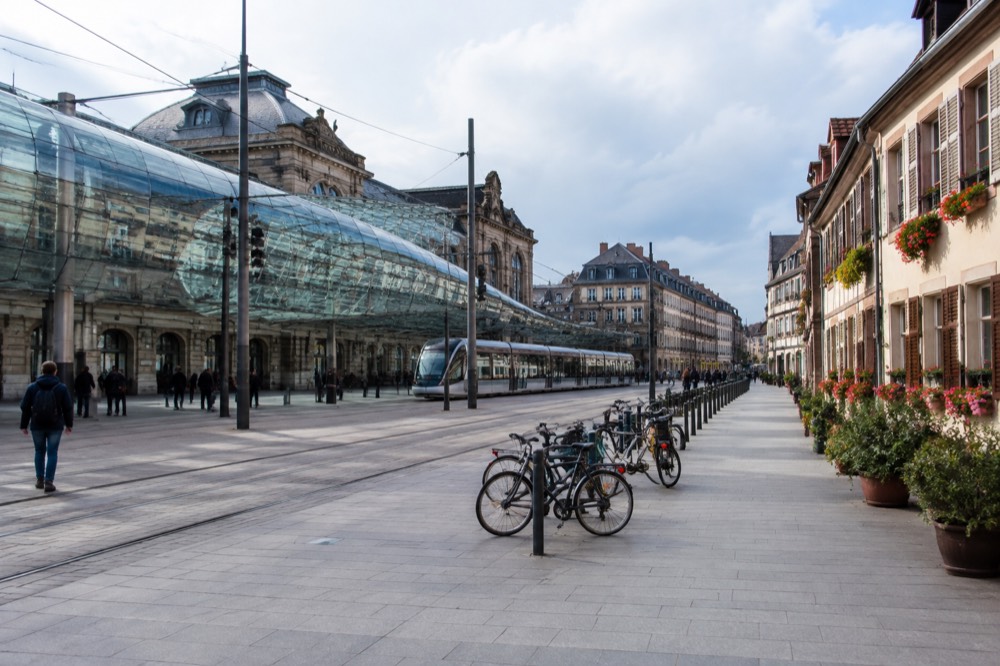
For the sombre but important itinerary, the Natzweiler-Struthof page covers the former concentration camp site in the Vosges mountains, a half-day visit that requires its own physical and practical preparation.
What Practical Habits Keep A Strasbourg Trip Trouble-Free?
The habits that keep a Strasbourg trip trouble-free are simple ones applied consistently: keep valuables front-worn in the cathedral square and on trams, buy transport tickets before boarding rather than on the bus, carry a little cash alongside a card because small winstubs and market chalets are not all card-ready, and book the timed sights, the cathedral platform and the astronomical clock show, for the right part of the day. None of this reflects unusual risk; it reflects a city that is crowded in a small area.
The timed sights deserve a word because they shape the day. The cathedral platform costs 10 EUR full fare and 6 EUR reduced, with children under 6 free, and in the winter season runs 10:00-13:00 and 13:30-18:00 with the last ascent at 17:15; the astronomical clock's automaton show is at 12:30 sharp daily, with tickets at 4 EUR bought on the day only, sold at the cathedral stalls between 10:00 and 11:00 or at the Saint-Michel entrance from 11:30. Arriving early for the clock ticket is the difference between seeing the show and watching a closed door. The Strasbourg Cathedral and Astronomical Clock guides carry the full detail.
| Sight | Ticket | Timing Fact | Planning Note |
|---|---|---|---|
| Cathedral nave | No ticket quoted on the hours page | Mon-Sat 08:30-11:15, 12:45-17:45 | Check the page |
| Cathedral platform | 10 EUR, 6 EUR reduced | Winter 10:00-13:00, 13:30-18:00 | Closed 1 Jan, 1 May, 25 Dec |
| Astronomical clock show | 4 EUR adult | 12:30 daily, day-of tickets only | Queue from late morning |
| Municipal museums | 9 EUR full, 5 EUR reduced | Free first Sunday of the month | Busiest on that Sunday |
| Batorama long tour | 16.20 EUR, 8.90 EUR reduced | Red Tour 1h10 | Boats run on a timetable |
| Musée Alsacien | Closed | Reopens after works in 2028 | Do not route toward it |
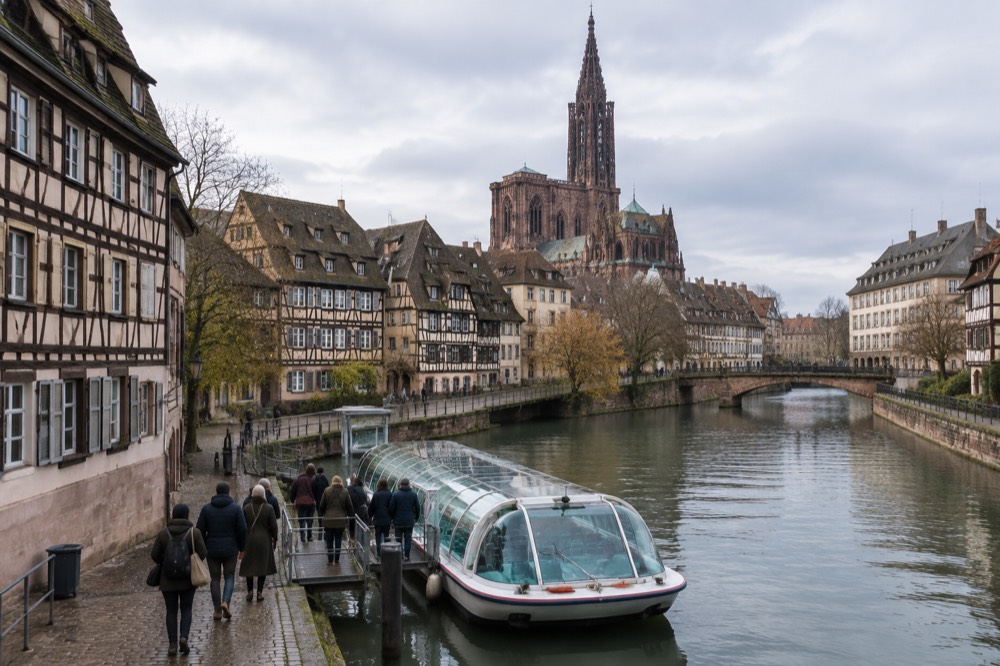
The river is a gentle way to see the city, and the private boat cruise with a captain aboard is the calm, low-effort version, useful for travellers who want the water view without joining a large group; the operator's live listing carries the current details. The Strasbourg Boat Tour guide compares the options, and the Barrage Vauban page covers the terrace viewpoint that overlooks the river loop, with seasonal hours that shift between the summer and winter months.
Budget-conscious travellers can lower the whole cost base, and the sense of control that comes with a planned spend is part of travelling comfortably: the Strasbourg On A Budget and Free Things To Do In Strasbourg guides list what costs nothing, from the public squares to the first-Sunday museums. The Strasbourg Museums page maps the full circuit, including the 20 EUR one-day Pass Musées for anyone doing several collections in a single day.
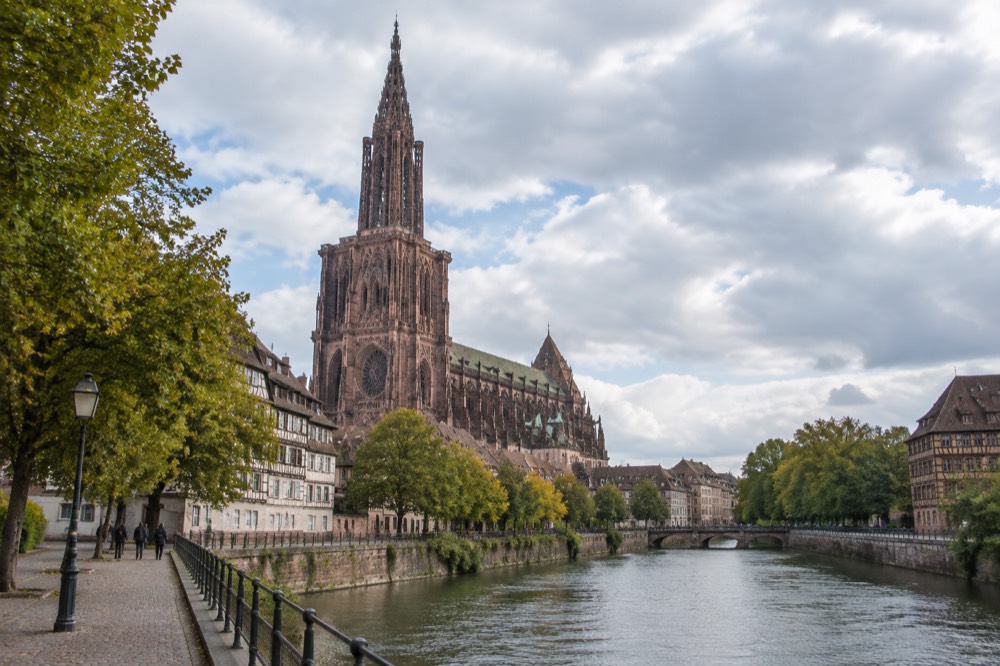
The short version of all of this: Strasbourg rewards the traveller who plans the ordinary things, tickets, timing, footwear and the evening route home, and then relaxes. The city is walkable, legible and lively, its risks are the crowd-and-weather kind, and a visitor who keeps normal city habits will spend their attention on the cathedral, the winstubs and the canals instead. If any single decision improves the trip, it is choosing a base inside the walkable core so that every evening ends with a short, lit stroll rather than a long transfer, and the Where To Stay In Strasbourg guide is the place to make it.
Common Questions About Safety In Strasbourg
Is Strasbourg safe for tourists at night?
The central quarters stay lit and populated well into the evening, with restaurants and bars keeping foot traffic on the main streets late in the warmer months and the Christmas lights doing the same job in December. The sensible habit is to use the busier quays and main streets for the walk home rather than the shortest empty lane.
Is Strasbourg safe for solo female travellers?
The city is a low-risk environment for solo travel generally: the core is compact, the tram network is simple, and the evening streets around the restaurants remain busy. The ordinary precautions that apply in any European city, keeping a phone charged and choosing lit routes, are sufficient here.
Are there any areas of Strasbourg to avoid?
No central area needs to be avoided. The station district deserves the standard caution that applies around stations everywhere, mainly for opportunistic theft, and the outlying residential areas are calm but rarely on a visitor's route in any case.
Is the tap water safe to drink in Strasbourg?
French municipal tap water is regulated to the same standard across the country and is served routinely in restaurants and homes. Visitors who want the detail can read the city's water-quality pages, but drinking tap water is normal practice in Strasbourg.
Is public transport in Strasbourg safe late at night?
The CTS trams and buses are orderly and well used, and a single ticket costs 1.90 EUR through the app, Badgéo or contactless, or 2.50 EUR bought on the bus. The practical point is checking the last departure for your line so the return leg is not an unplanned walk.
Is Strasbourg safe during the Christmas market?
The market season brings dense crowds, with 3.05 million visitors to the 2025 edition, so the realistic risk is pickpocketing in the packed squares rather than anything else. Front-worn bags and divided cash are the standard precautions, and the city scales up its visible presence for the season.